Vintage Audio
Dynaco PAS-3 and Krell PAM-1: Two Vintage Preamplifiers Worth Knowing
A restored 1964 all-tube preamplifier and a dual mono solid-state classic from the mid 1980s, compared on sound, usability and restoration quality.
Introduction
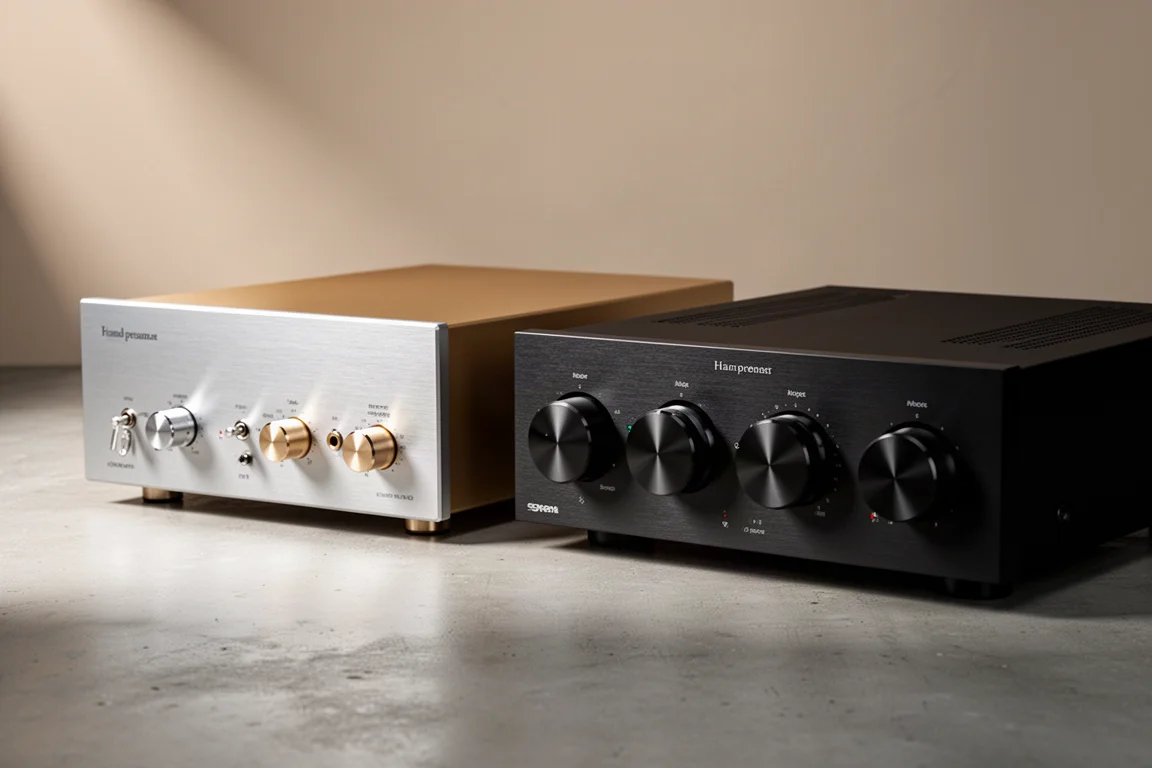
Vintage preamplifiers appeal for reasons that are not always about sound alone. Two units from very different eras make that clear: the Dynaco PAS-3, an all-tube design that debuted in 1964, and the Krell PAM-1, the first preamplifier from a brand that had built its name on power amplifiers in the mid 1980s.
Both examples discussed here have been fully restored, and both look close to new. They also ask different things of the listener. The Dynaco is a control center from the golden age of tube hi-fi, with features that disappeared decades ago. The Krell is a dual mono solid-state design with a character that is anything but clinical.
This article covers what each preamplifier does well, where it demands patience, and who is most likely to be happy living with it.
What These Two Preamplifiers Have in Common
Restoration matters more than any single specification with equipment of this age. A clean rebuild is what makes a 1960s or 1980s preamplifier behave predictably in daily use, and both units here have had that work done to a high standard.
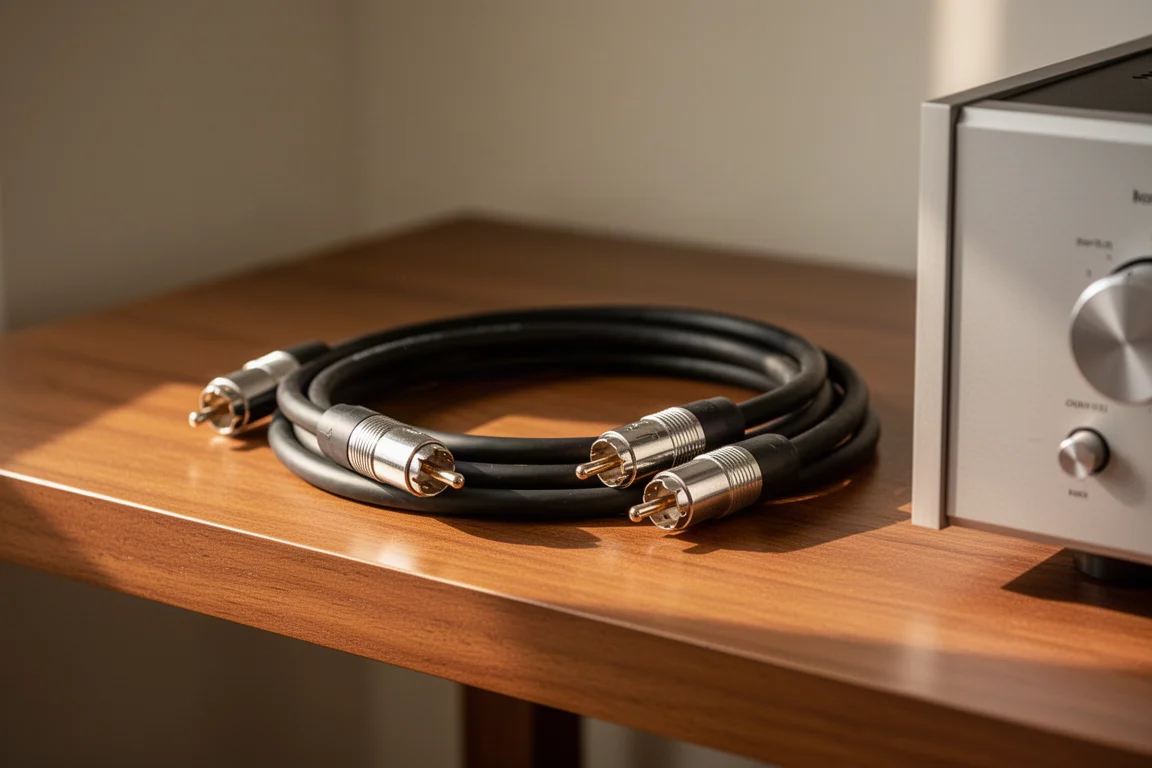
Beyond that, the two take opposite routes to the same goal. The Dynaco relies on vacuum tubes and a high output impedance above 1,000 ohms, which means it does not drive long interconnect cables well. The Krell uses solid-state circuitry arranged as a dual mono design, with a separate power supply and power cord for each channel.
Both are also limited in input count by modern standards, and both were built in an era when a preamplifier was expected to offer tone controls, filters and switching that most contemporary designs leave out entirely.
That combination of character and constraint is exactly what draws listeners to vintage gear. Neither preamplifier is a plug-and-play substitute for a modern line stage, but each offers something a modern line stage rarely provides.
Dynaco PAS-3: A 1964 All-Tube Preamplifier
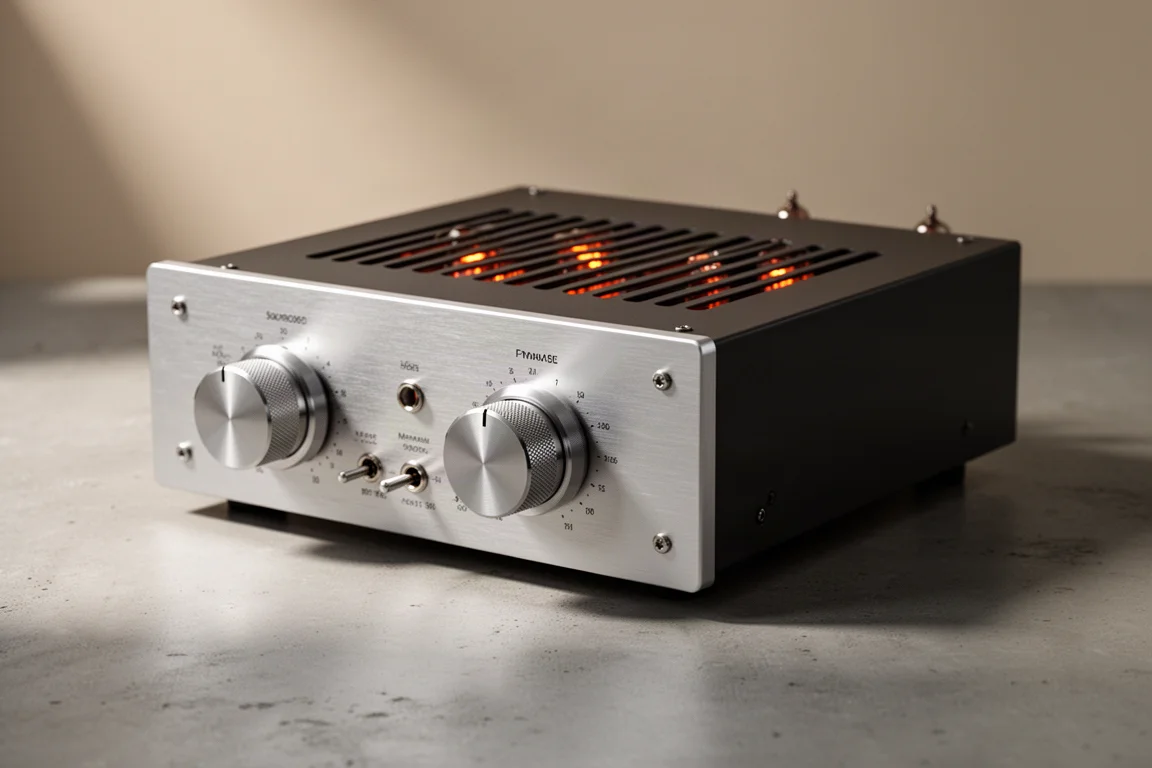
The PAS-3 is an all-tube preamplifier that uses 12AX7 tubes throughout. This particular unit has been fully restored inside and out and presents almost like new, which is remarkable for a design that first appeared in 1964.
The rear panel is generously outfitted by the standards of the time. There are separate inputs for AM and FM, a moving magnet phono input, and a tape connection. The PAS-3 also carries AC power receptacles, a common feature on preamplifiers of the period that allowed a power amplifier to be plugged into the preamplifier. Few owners used them that way, and the practice eventually disappeared.
The front panel is where the PAS-3 gets interesting. Separate bass and treble controls are provided for the left and right channels, and a loudness control boosts low and high frequencies at low volumes. The mono and stereo selector goes further than most, offering a stereo width control that moves from mono through narrow stereo to the widest setting, which is normal stereo. That feature made sense in the early days of stereo, when pop recordings often placed the singer on one channel and the band on the other, leaving the center of the image empty. Narrowing the spread brings those elements back together.
The tone controls are touchy. A small movement of the treble control can shift the sound from dull to aggressively bright, and the follow-up PAS-3X addressed exactly this with more refined bass and treble adjustments. Later designs also dropped the power receptacles and simplified the control set.
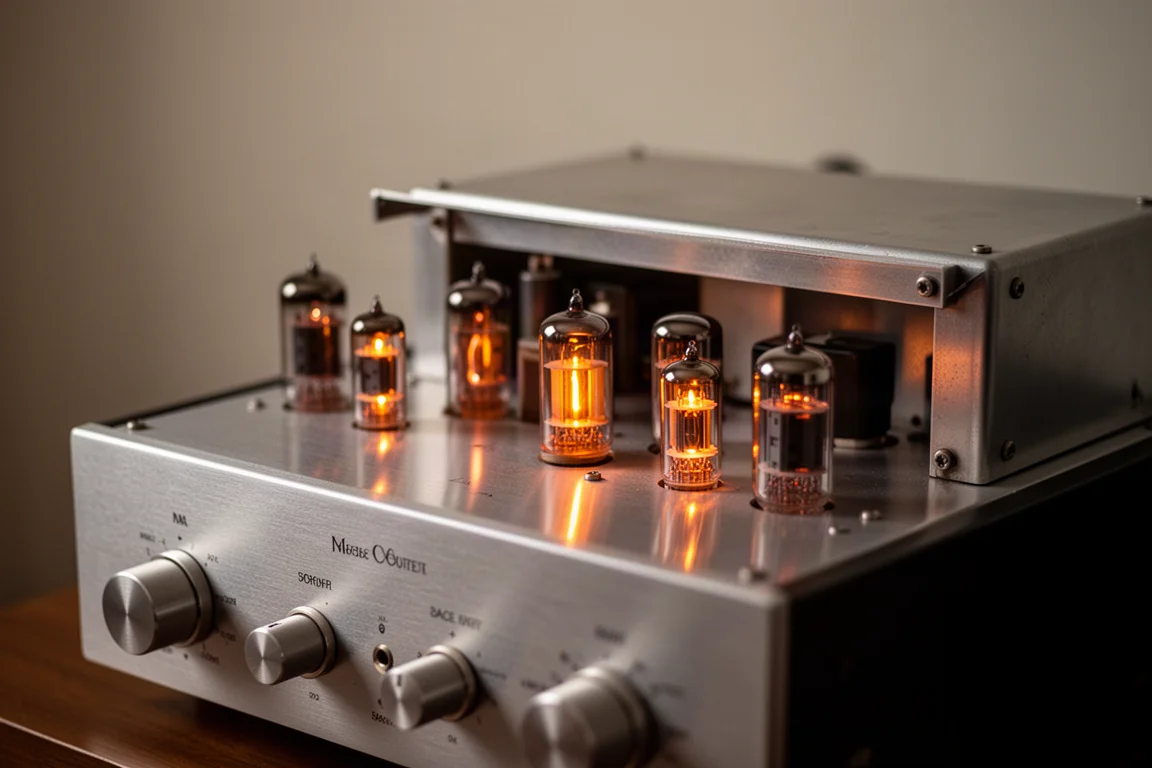
Setup matters enormously with this preamplifier. With a long interconnect cable and a solid-state amplifier, the sound was small, closed in and short on dynamics. Switching to a short one metre cable and a Dynaco Stereo 70, the tube power amplifier of the same era and the PAS-3’s natural partner, transformed the result. The high output impedance explains the difference, and it is the single most important thing to plan for.
The phono input was impressively quiet in terms of background hiss and noise, though the top end sounded slightly strained and a little tizzy. The line input, fed from a digital source, was cleaner and more convincing. The tubes fitted to this unit may be the limiting factor rather than the restoration itself, which looked first rate throughout.
Krell PAM-1: Krell’s First Preamplifier
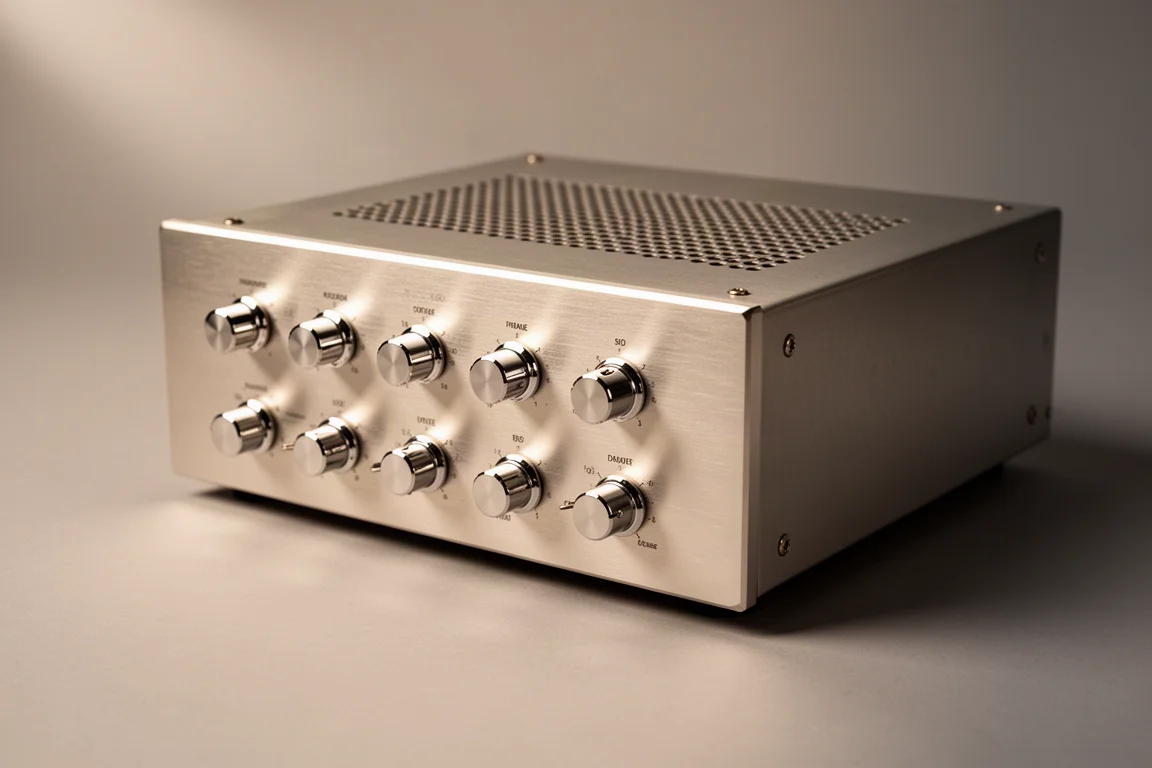
The PAM-1 was Krell’s first preamplifier. Until then the company was known for power amplifiers, and the arrival of a matching preamplifier in the mid 1980s filled an obvious gap in the line.
It is a dual mono design taken all the way down to the power supply, with a separate supply and power cord for the left and right channels. The result is a substantial, purposeful piece of equipment, and the industrial design still holds up. The PAM-1 has a cleaner, more restrained look than the Krell preamplifiers that followed, including the PAM-3, the PAM-5 and the KRS models.
Inputs are few but well chosen. There are two phono inputs, one for moving coil and one for moving magnet, plus a third labelled tuner that could equally have been called aux. Three inputs is limiting if you run several line-level sources, but the phono provision is generous for a single-box design.
The sound is not modern in the sense of neutrality above all else. It is sweet and forgiving, relaxed but full and powerful, with little of the hard-edged character often associated with solid-state electronics. That combination is unusual and easy to listen to for long stretches.
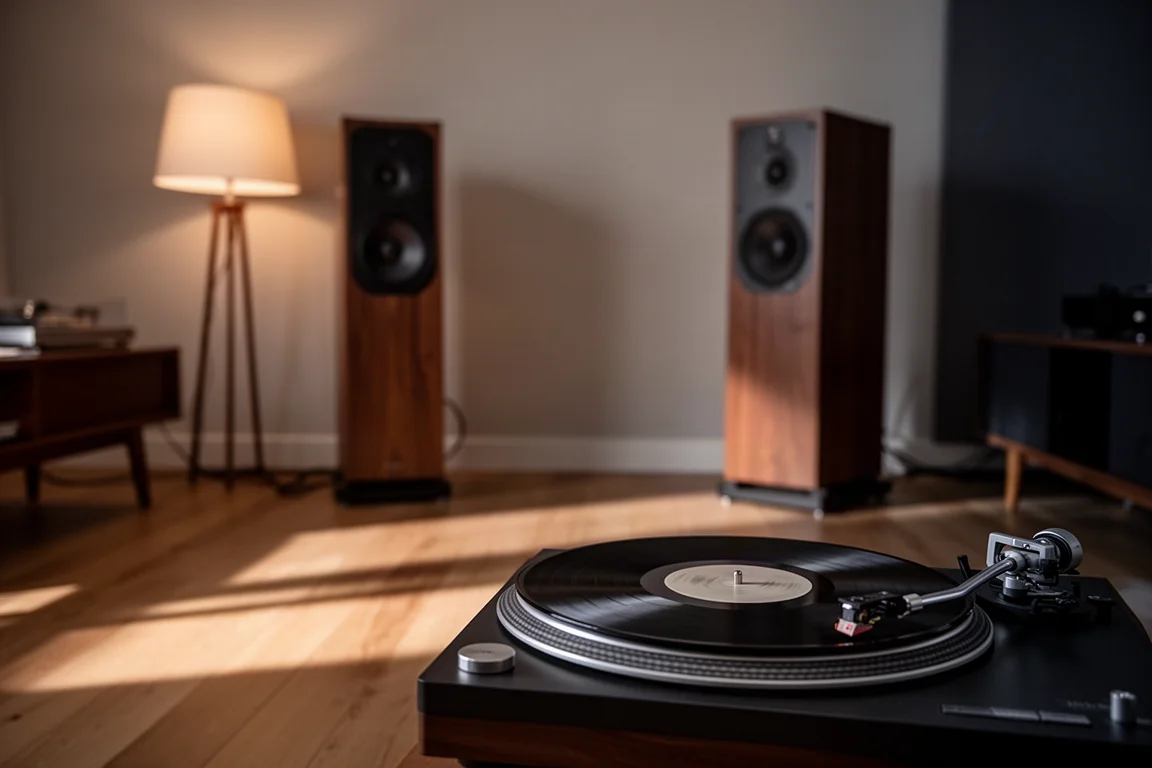
Two practical details stand out. The first is the gain, which is too high on both the phono and line inputs. Volume controls normally sat near the bottom of their travel, around nine or ten o’clock even at loud listening levels. Internal switches suggest a possible workaround, though this was not explored on the unit described here.
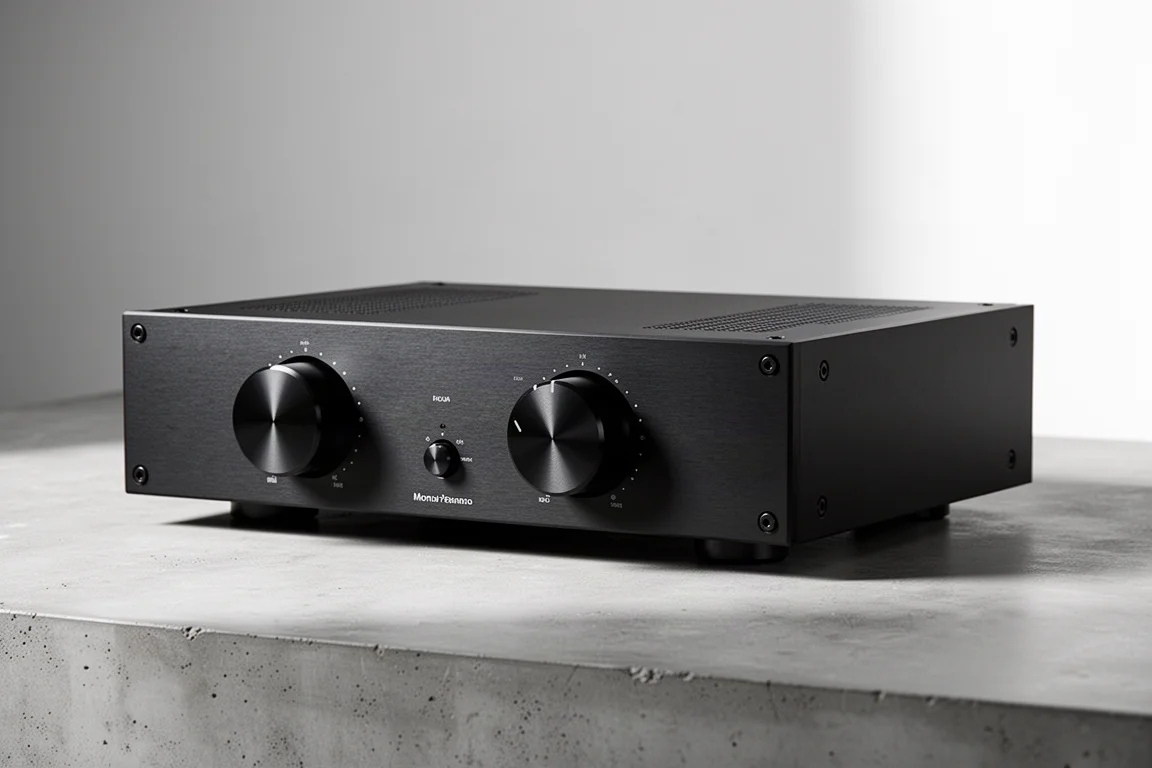
The second is the dual volume arrangement. Left and right channels have separate controls, so every volume change means resetting both by ear. It is a genuine inconvenience, and it is the price of the dual mono layout. The input selectors are also stiff enough to need real effort. Against that, the machined aluminium knobs are gorgeous, solid chunks of metal with feel that ranks among the best of any preamplifier. The build quality throughout is exceptional.
Practical Considerations: Cables, Gain and Controls
Cable matching deserves attention before buying any vintage preamplifier. The Dynaco PAS-3 has an output impedance above 1,000 ohms, and preamplifiers of that era generally do not drive long interconnects well. Keeping cables short is not a tweak, it is a requirement for getting the design to perform as intended.
Gain is the other common issue. The Krell PAM-1 offers far more gain than most modern systems need, which pushes the volume controls into the first part of their range and leaves little room for fine adjustment. The Dynaco’s touchy tone controls present a similar usability question: they work, but they demand a light hand.
Input counts are worth counting carefully. Three inputs on the Krell, and a broader but still period-specific set on the Dynaco, will not suit every system. Dual volume controls and stiff selectors are further reminders that these are products of their time.
Restoration quality remains the deciding factor. A first-class rebuild, like the ones on both units here, is what separates a reliable vintage component from a long-term project.
Buying Advice for Vintage Preamplifiers
The Dynaco PAS-3 suits a listener who wants an authentic all-tube experience and is willing to build a system around it. Short cables and a tube power amplifier of the same generation are not optional extras, they are how the preamplifier was meant to be used. The separate left and right tone controls and the stereo width control are genuinely enjoyable once you accept their quirks.
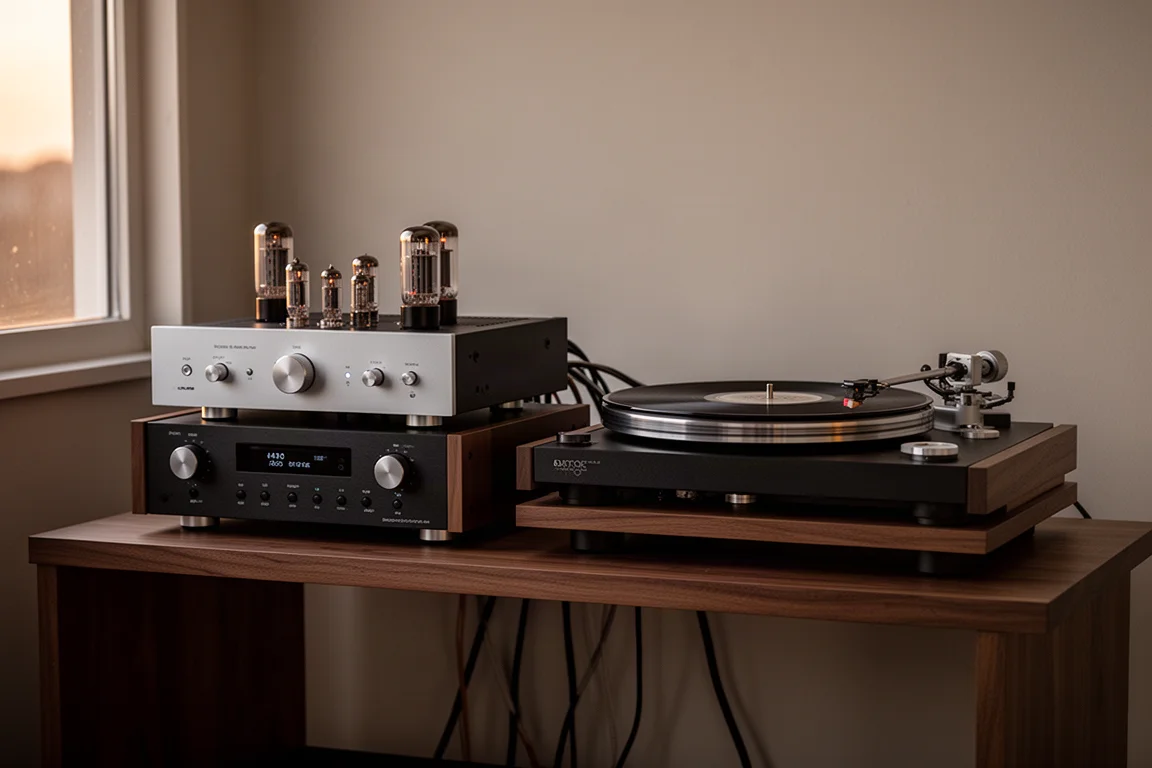
The Krell PAM-1 suits a different buyer: someone who wants the weight and ease of a high-end solid-state design from the 1980s, values dual mono construction, and can live with three inputs and two volume knobs. Its sweet, forgiving character is its strongest argument.
In both cases, buy the restoration, not just the model. Cosmetics matter because these are objects you look at every day, but a documented rebuild matters more.
Conclusion
The PAS-3 and the PAM-1 represent two eras of high fidelity, and each rewards a different kind of listener. The Dynaco offers tube warmth, unusual period features and a strong dependency on careful system matching. The Krell offers dual mono engineering, superb build quality and a relaxed, forgiving sound. Choose according to the system you already own and the controls you are willing to manage, and either can be a rewarding addition.
Further reading
Related Reviews
Vintage Audio
Affordable Vintage Receivers: 8 Overlooked Models Worth a Second Look
A practical guide to eight vintage stereo receivers that stay under the collector radar, with real strengths, honest trade-offs, and what to check before you buy.
Vintage Audio
Conrad Johnson PV8 Review: A 1988 Tube Preamplifier With Real Character
A vintage tube preamplifier with a built-in phono stage, six tubes, and a warm, sweet presentation that makes long listening sessions effortless.
Vintage Audio
Realistic STA-700 Review: A 1983 Vintage Receiver Worth Hunting For
A practical look at the Realistic STA-700, a 1983 entry-level stereo receiver with a phono stage, loudness controls, and a build quality that still holds up.