Vintage Audio
Affordable Vintage Receivers: 8 Overlooked Models Worth a Second Look
A practical guide to eight vintage stereo receivers that stay under the collector radar, with real strengths, honest trade-offs, and what to check before you buy.
Introduction
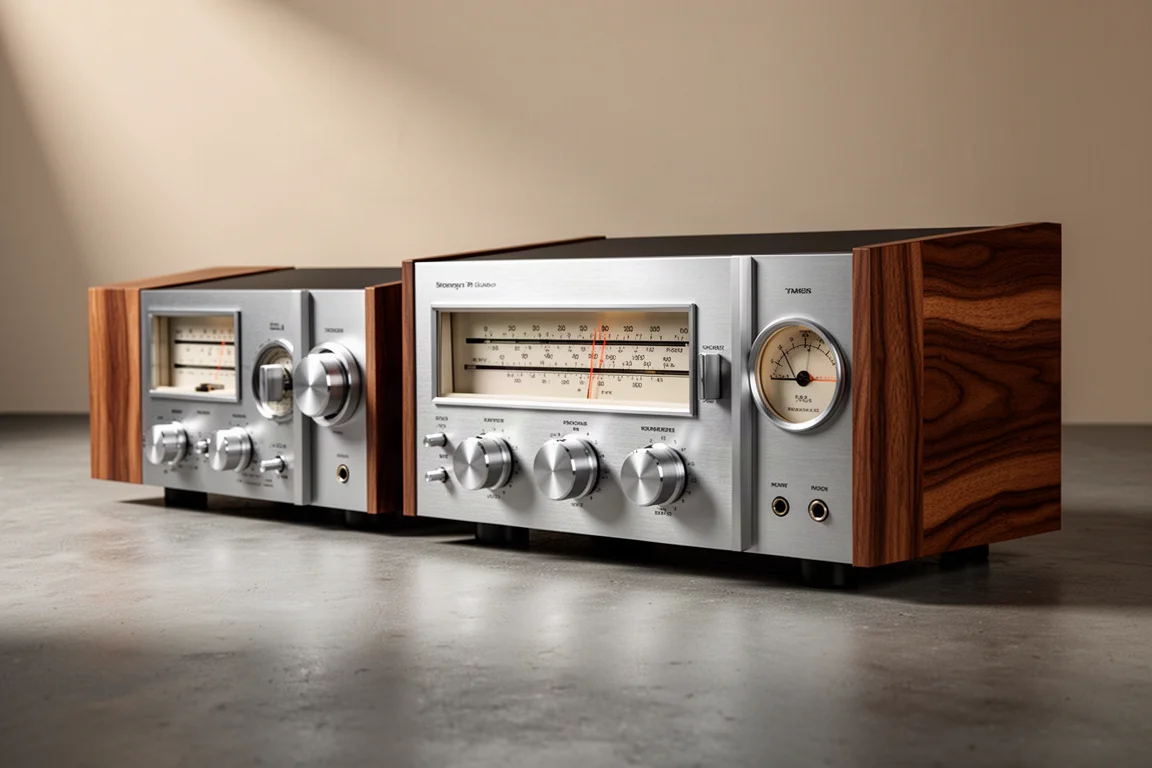
Vintage receivers have a reputation problem. The silver-faced models that collectors fight over have become genuinely expensive, while the ones that fall outside the spotlight get dismissed as ugly, digital, or simply not worth repairing. That dismissal is what creates the opportunity.
The golden age of vintage receivers is generally placed somewhere between the late 1960s and the early 1980s. Inside that window, the eight models below sit in the shadow of the marquee names. They are not for everyone, and they are not a safe purchase, but they are a realistic way to experience the sound and character of the era without paying collector prices.
What to Check Before Buying a Vintage Receiver
Not all of these models are available everywhere, and condition varies enormously from one unit to the next. Most sellers do not offer a warranty, and many of these receivers trade on the secondhand market for prices that reflect that uncertainty. Several of the models here can be found for under $200, which matters a great deal: at that level you are more likely to take a chance and less likely to resent the outcome later.
If you are buying in person, confirm that the unit powers on. Bring an AC converter, connect a pair of speakers, and check that both channels work while tuned to FM radio. This takes a few minutes and tells you more than any listing description.
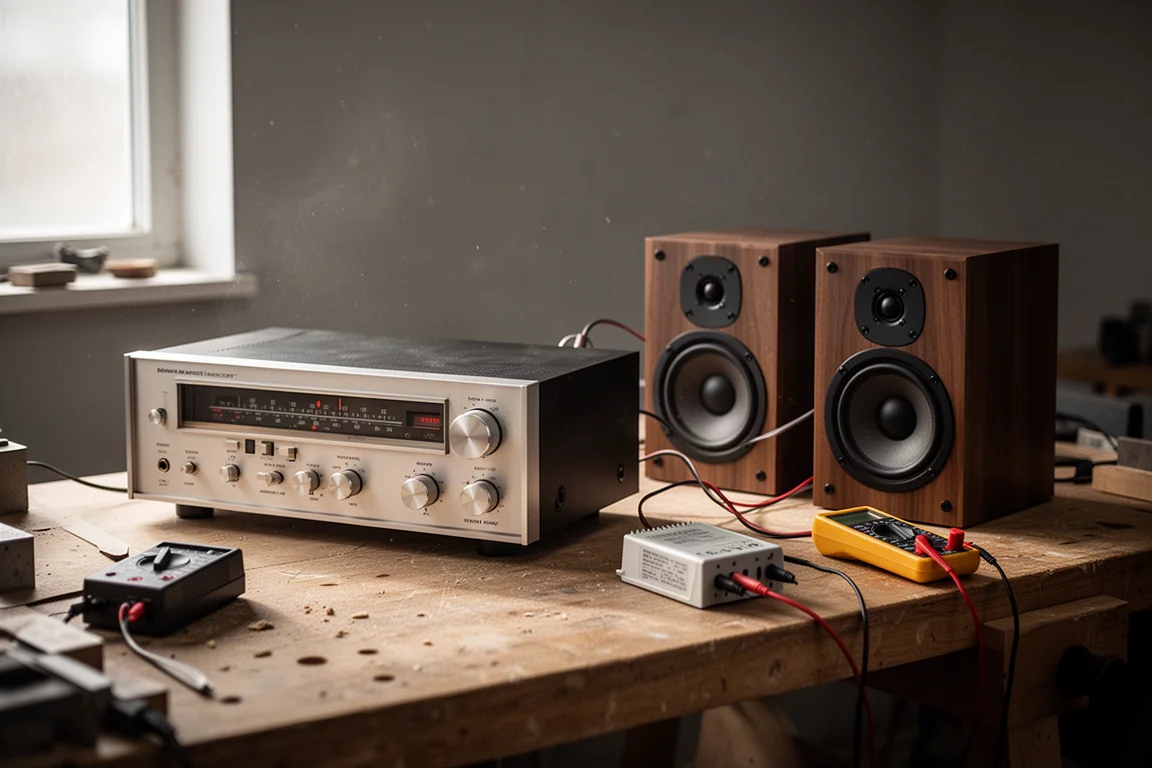
It is also worth planning for the worst case. If a receiver fails and you want it repaired, be ready for some sticker shock. Service costs can rival or exceed what you paid for the unit, and that is the single biggest reason to keep your purchase price modest.
Realistic STA-2000 Series
Realistic was Radio Shack’s house brand, and most of its receivers were built by Japanese OEMs. The popular claim that Realistic gear was simply rebadged Pioneer is not accurate, though there was a fair amount of parts sharing between Pioneer and Realistic receivers. A useful signal of how capable these designs were is that the last monster receivers Realistic produced now sell for well over $1,000, and sometimes north of $2,000.
The STA-2000 family sits at the transition from purely analog silver-face styling to the first digital features, which is exactly why collectors overlook it. Expect a heavy chassis and Japanese construction. Working examples turn up regularly on the secondhand market and in thrift stores; one unit was picked up at a Goodwill for roughly $20 to $30. Around $200 is a realistic budget for a working example.
The main caveat is serviceability. Many of these units are difficult to repair, but the fair comparison is that a new imported amplifier at the same price is not especially repairable either.
Realistic STA-270
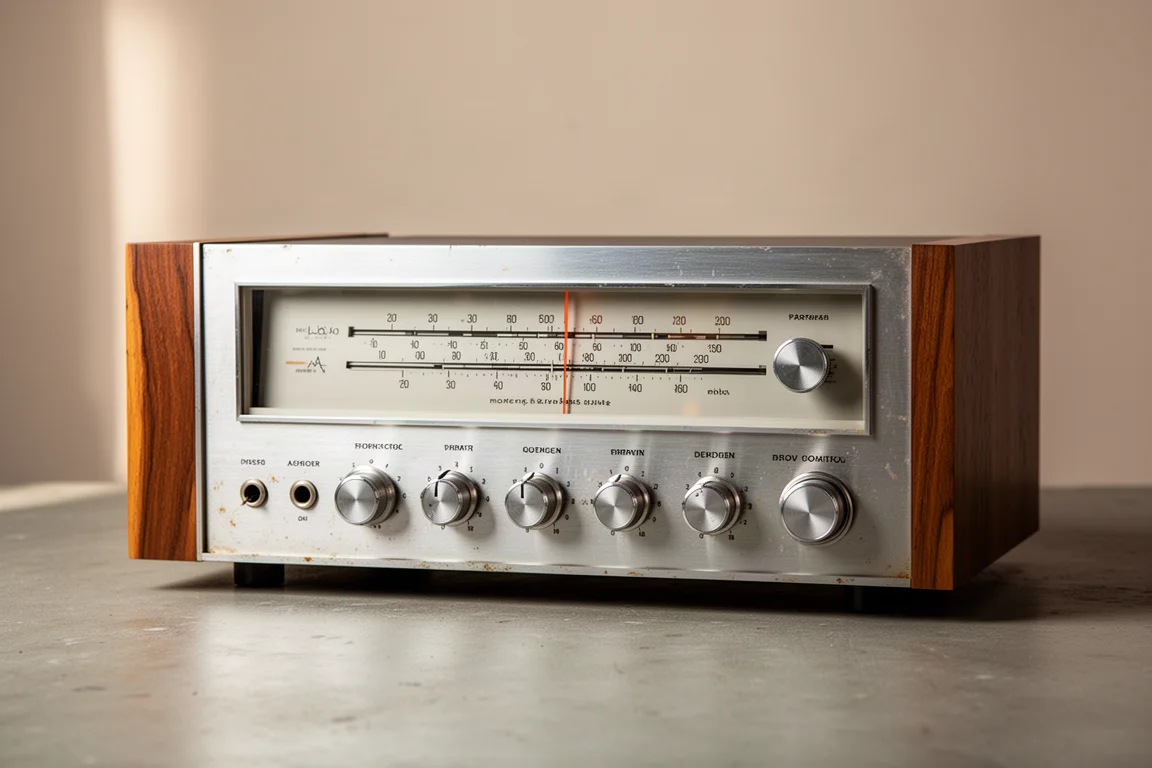
The STA-270 dates to 1986 and remains a heavy, Japanese-built receiver. Its feature set is generous for the money: mid-range controls, a loudness control, two phono stages, and digital VU meters. There is also a stereo enhancer that is best left switched off, because it makes the sound noticeably worse. The power cord is thin, though that is a trait shared with far more expensive receivers of the same period.
What makes this model interesting is the mix of eras. Digital metering sits alongside a layout that still carries some of the 1970s feel. Many listeners find the styling unattractive, and that perception is precisely what keeps prices around $200.
Realistic SDA-2300
The SDA-2300 is the monster of the Realistic range, rated at 120 watts per channel. One seller reports a bench test at 138 watts, which is the kind of detail that suggests a seller who actually knows what they are handling. Listings have appeared around $1,500.
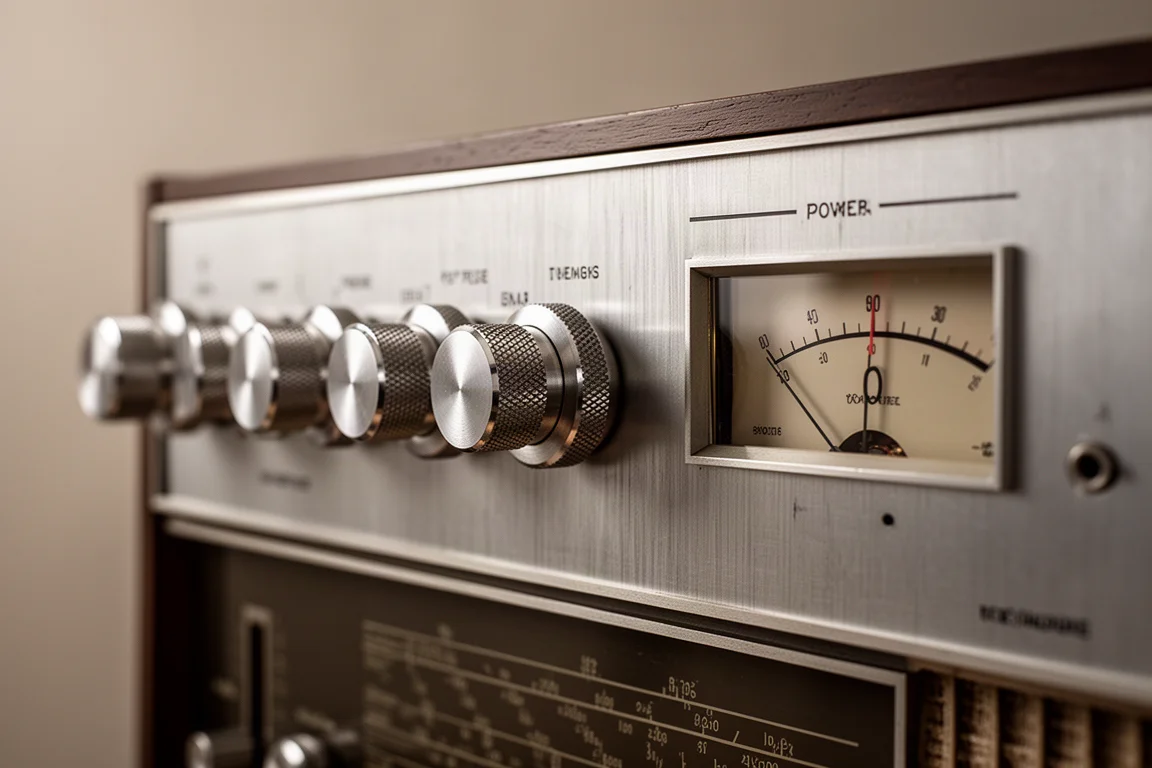
At this price the calculation changes. You are no longer running a cheap experiment; you are paying real money for a large, high-output receiver, and the usual vintage risks carry more weight.
Realistic STA-2280
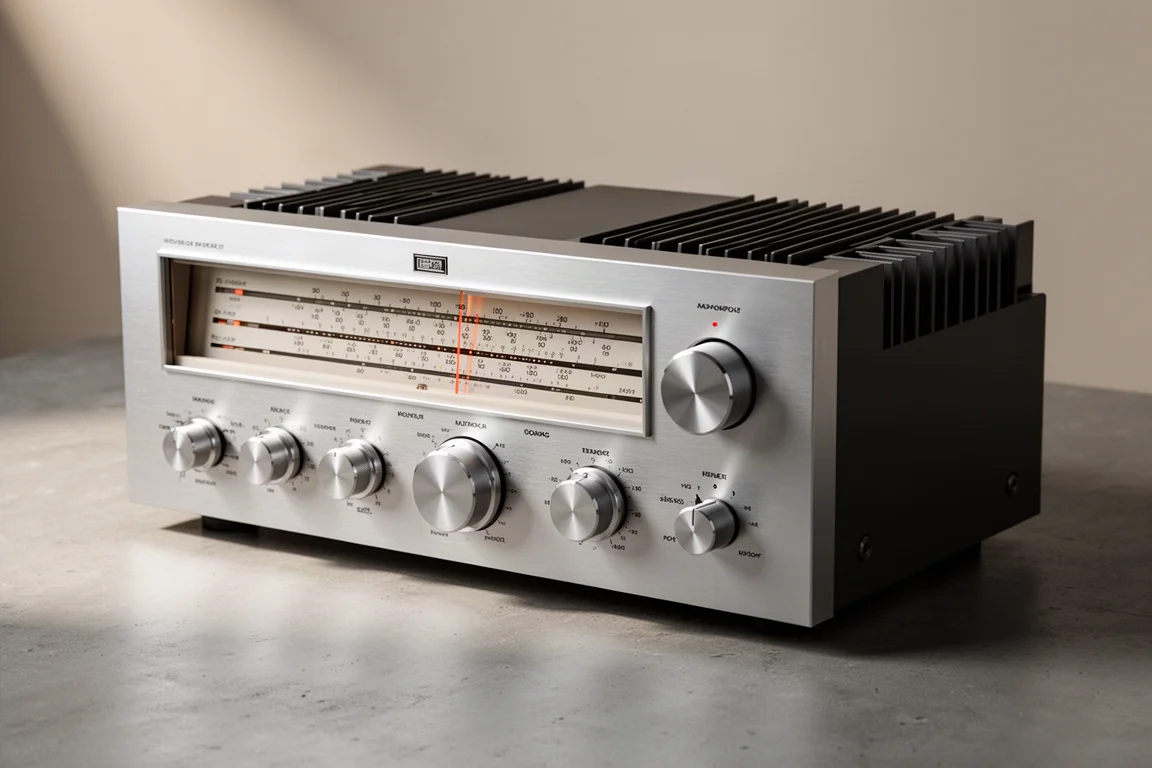
The STA-2280 is a late-1980s model, produced from 1987 to 1988 and rated at 60 watts per channel. It has appeared with a buy-it-now price around $179, which places it firmly in the low-risk bracket. As with the rest of the late Realistic line, serviceability is uncertain, so treat it as a receiver to enjoy while it works rather than a long-term restoration project.
Pioneer SX-3700
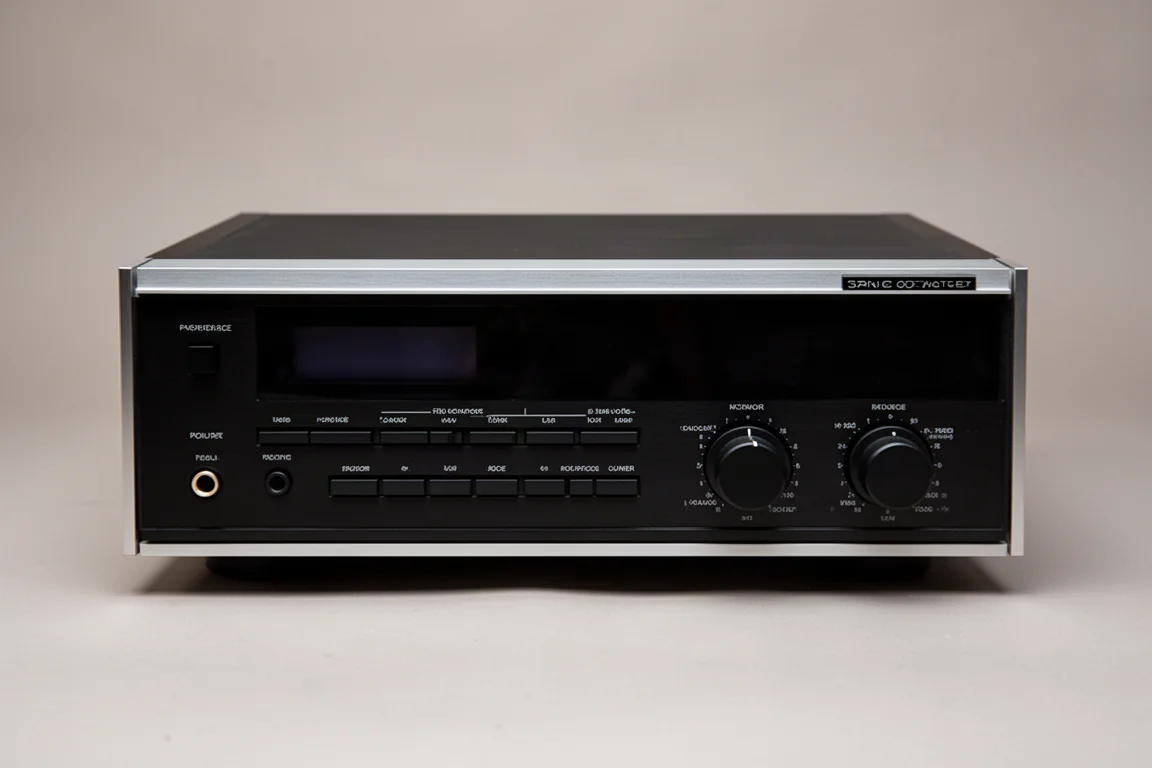
1980 was a pivotal year for Pioneer. The SX-3700 arrived in the same period as the company’s shift toward fully digital designs, which makes it the last of the silver-faced receivers in spirit, even though it carries a digital VU meter and a digital tuner. The 1970s DNA is still visible in the layout, and the sound quality is excellent.
Pricing is moving. Listings have appeared at $199 and $275 alongside others at $525 and $730, so patience matters more than urgency. Under $300, the SX-3700 is a compelling buy for anyone who wants a historically significant receiver that also looks the part. Repairability is comparable to the late Realistic models, though its 1980 build date may improve the odds slightly.
Kenwood Model 9G
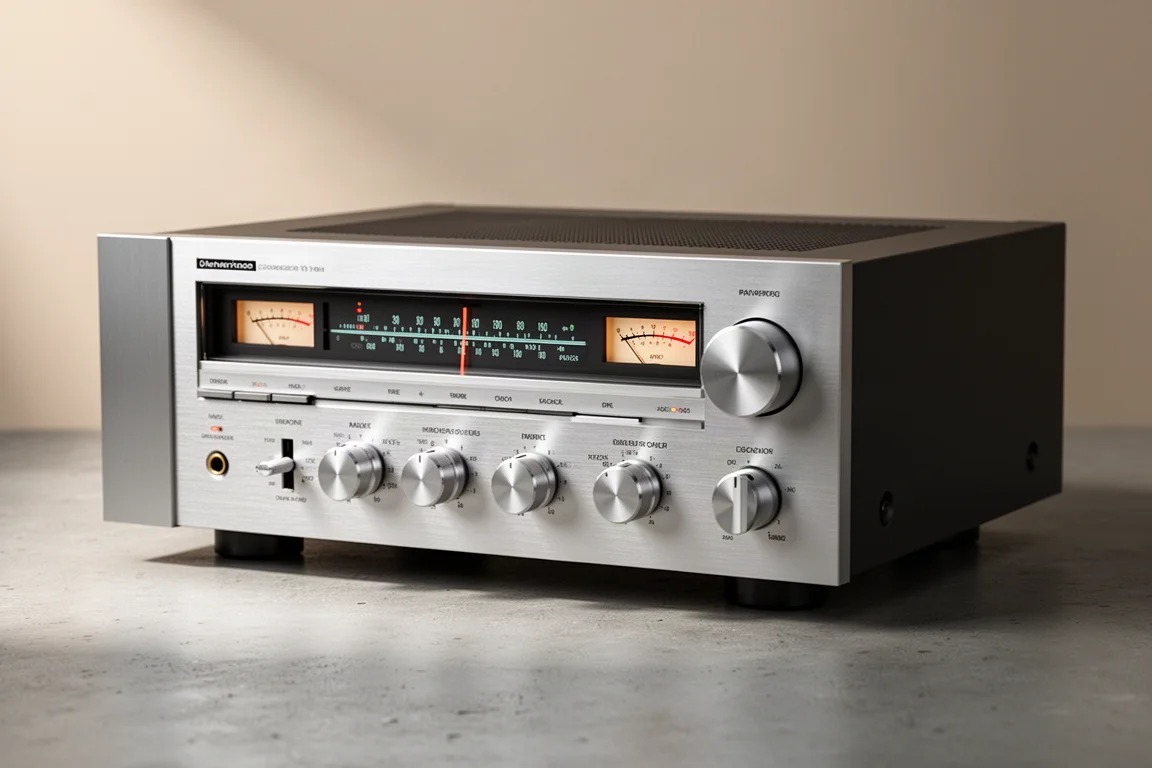
Kenwood occupied a B or C tier position through the 1970s and into the early 1980s, which is part of why so much of its gear remains undervalued. The Model 9G is the exception to the affordability rule. It is comically large, roughly 24 to 26 inches wide, and will not fit a standard rack. It is also expensive.
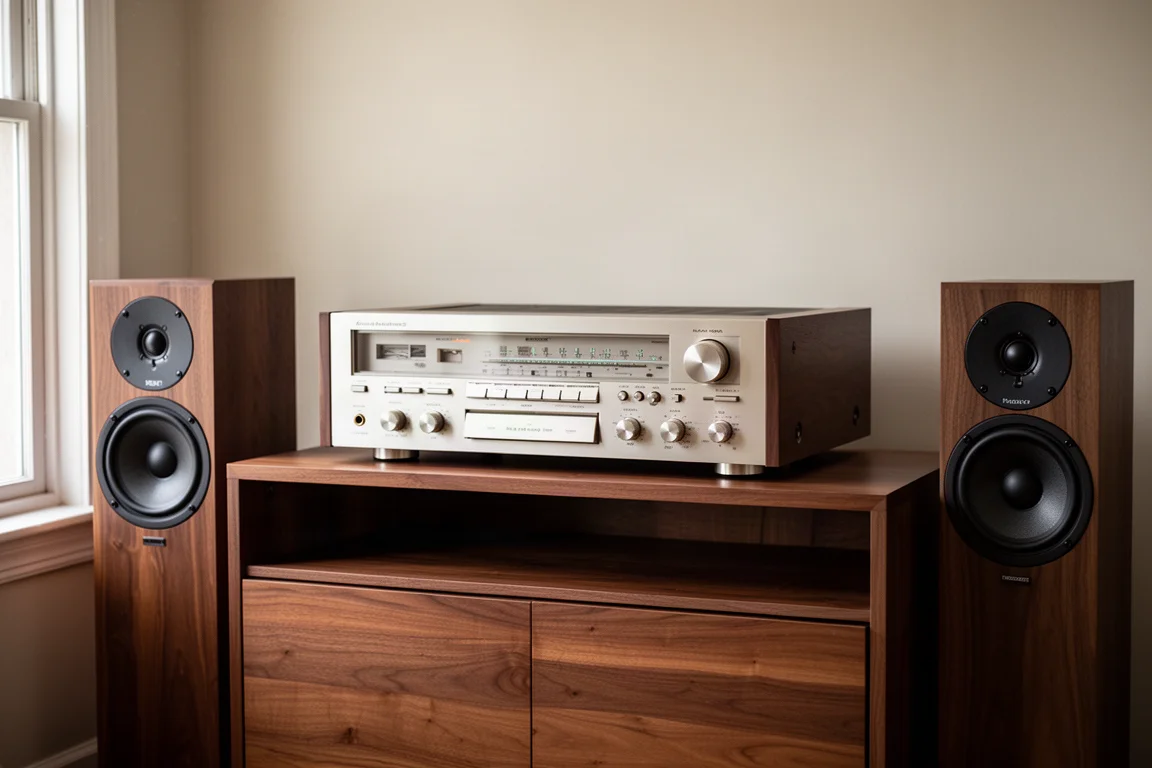
The broader point is that Kenwood’s other receivers are often quite affordable and reasonably solid, which makes the brand a sensible entry point for anyone who wants vintage sound without a large outlay. Do your homework on individual models before buying, and the value is there.
Yamaha CR-400
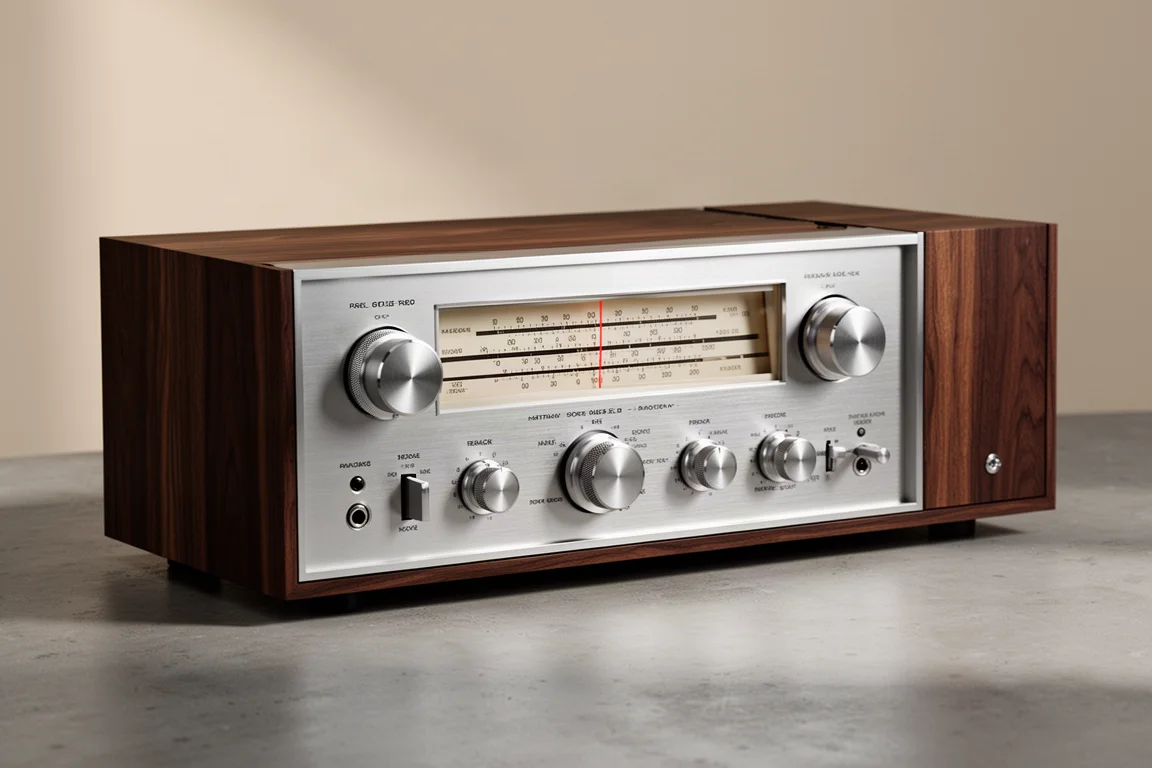
The CR-400 dates to 1977 and is rated at roughly 12 to 16 watts per channel. Low wattage figures can be misleading on vintage gear; these amplifiers tend to drive speakers more convincingly than the numbers suggest. Because it comes from the 1970s, the CR-400 is also more likely to be serviceable than the early-to-mid-1980s receivers on this list.
If you have been weighing a small tube amplifier, the CR-400 is worth a look first on cost alone.
Yamaha CR-800
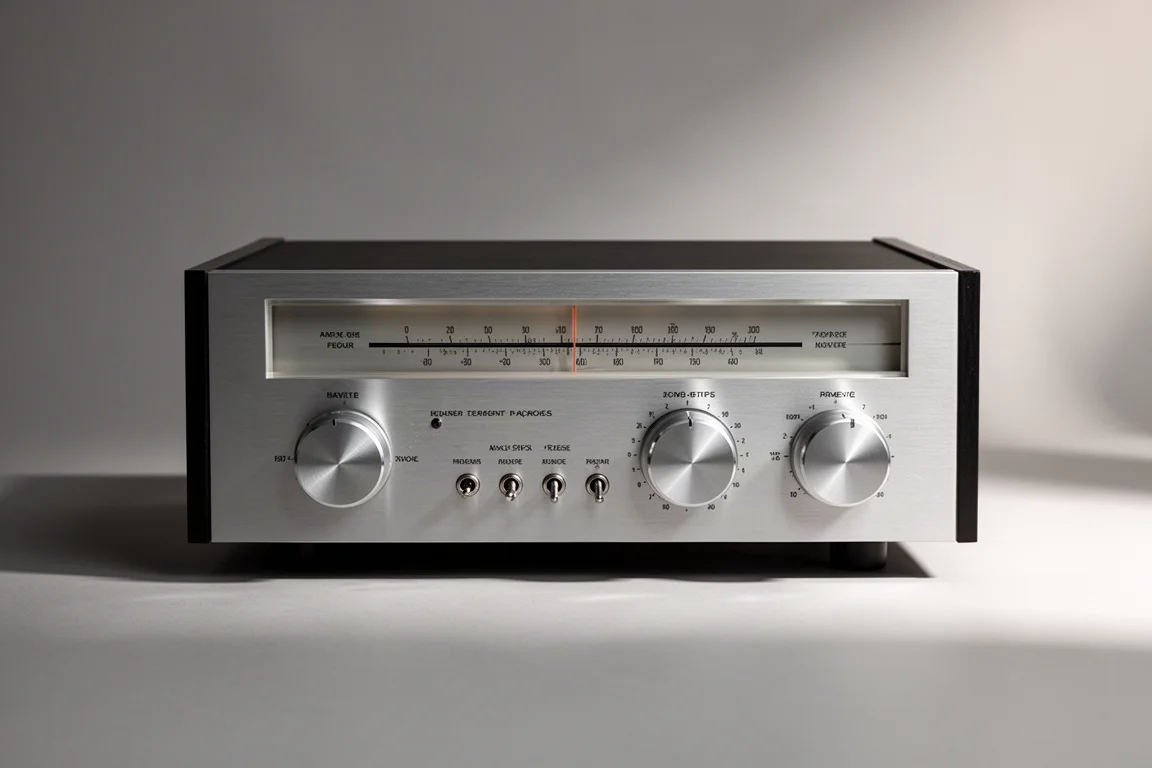
The CR-800 is the better-known step up in Yamaha’s low-powered line, with a cleaner presentation that fits the company’s natural-sound approach. A listing has appeared at $450 or best offer, which is a fair reflection of where the model sits today. The same advice applies here as with the CR-400: do not be put off by a modest power rating.
Buying Advice for Vintage Receivers
The pattern across all of these models is the same. Brands that were not the most desirable in their day, including Realistic and Kenwood, tend to offer the best value now, while the models everyone wants have already been priced accordingly.
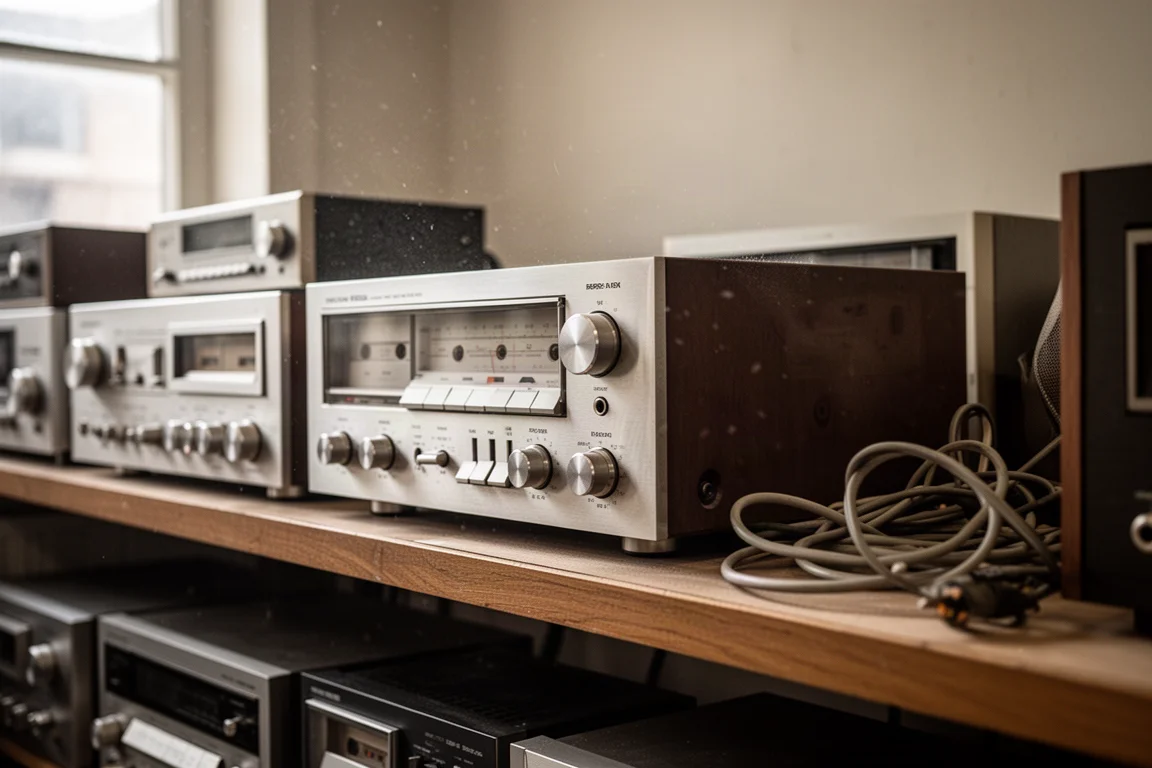
Before committing, decide how much risk you can absorb. If a receiver fails and needs repair, the bill can be a shock relative to what you paid for it. Set a budget ceiling that keeps the purchase enjoyable rather than stressful, and prefer sellers who can demonstrate that a unit powers on and produces sound from both channels. When you weigh a vintage receiver against a modern import amplifier at the same price, remember that neither comes with a long service life guarantee. The difference is that one of them has personality, history, and a face worth looking at while you listen.
Conclusion
Vintage receivers are not a safe purchase, and nothing on this list changes that. What these eight models offer is a reasonable way into the era without paying collector prices. Realistic, Kenwood, and the lower-powered Yamaha and Pioneer models all sit in a band where the risk is manageable and the reward is a piece of gear with genuine character. Start with a budget you are comfortable losing, buy from someone who can show the unit working, and enjoy it for as long as it lasts.
Further reading
Related Reviews
Vintage Audio
Conrad Johnson PV8 Review: A 1988 Tube Preamplifier With Real Character
A vintage tube preamplifier with a built-in phono stage, six tubes, and a warm, sweet presentation that makes long listening sessions effortless.
Vintage Audio
Dynaco PAS-3 and Krell PAM-1: Two Vintage Preamplifiers Worth Knowing
A restored 1964 all-tube preamplifier and a dual mono solid-state classic from the mid 1980s, compared on sound, usability and restoration quality.
Vintage Audio
Realistic STA-700 Review: A 1983 Vintage Receiver Worth Hunting For
A practical look at the Realistic STA-700, a 1983 entry-level stereo receiver with a phono stage, loudness controls, and a build quality that still holds up.