Cycling Gear Guides
Real vs Fake Cycling Gear: How to Spot Counterfeit Parts Before You Buy
Five cycling products compared side by side with convincing counterfeits, plus the finish, weight and hardware details that give a copy away.
Introduction
Counterfeit cycling parts have become convincing enough that many copies look correct from a metre away, and once fitted to a bike they can pass unnoticed until something fails. This guide looks at five widely copied products alongside genuine examples and picks out the small physical details, finish, hardware and weight, that separate the real item from the copy.
The pattern repeats across every category. A copy can look right in a product photo and then feel wrong the moment it is handled. None of the differences here need laboratory equipment to spot, but all of them need you to know what to look for.
If you suspect an item is counterfeit, the safest response is to leave it alone rather than take a chance on it out on the road.
What Gives a Counterfeit Away
Across the products compared, the same handful of signals kept appearing. Edges are the first tell. Genuine parts have cleanly machined or moulded edges, while copies often show fraying, sharp corners or uneven trimming.
Materials and finish come next. Genuine carbon parts tend to have a consistent, well-sealed surface, while copies can look oddly glossy or show excess glue where components are bonded. Weight is a useful cross-check as well, because copies are frequently heavier even when the dimensions match.
Branding placement matters too. Genuine products carry logos and model names in the expected places, on retention dials, rubber ends, packaging or hardware, while copies often omit them or apply them inconsistently.
Packaging is a weaker signal but still worth a look, since brands have largely moved to paper-based packaging for small parts. Supplied hardware is another: copies are often shipped with longer bolts than the original design calls for, which can cause problems once fitted.
MET Trenta: Helmet Details That Reveal a Copy
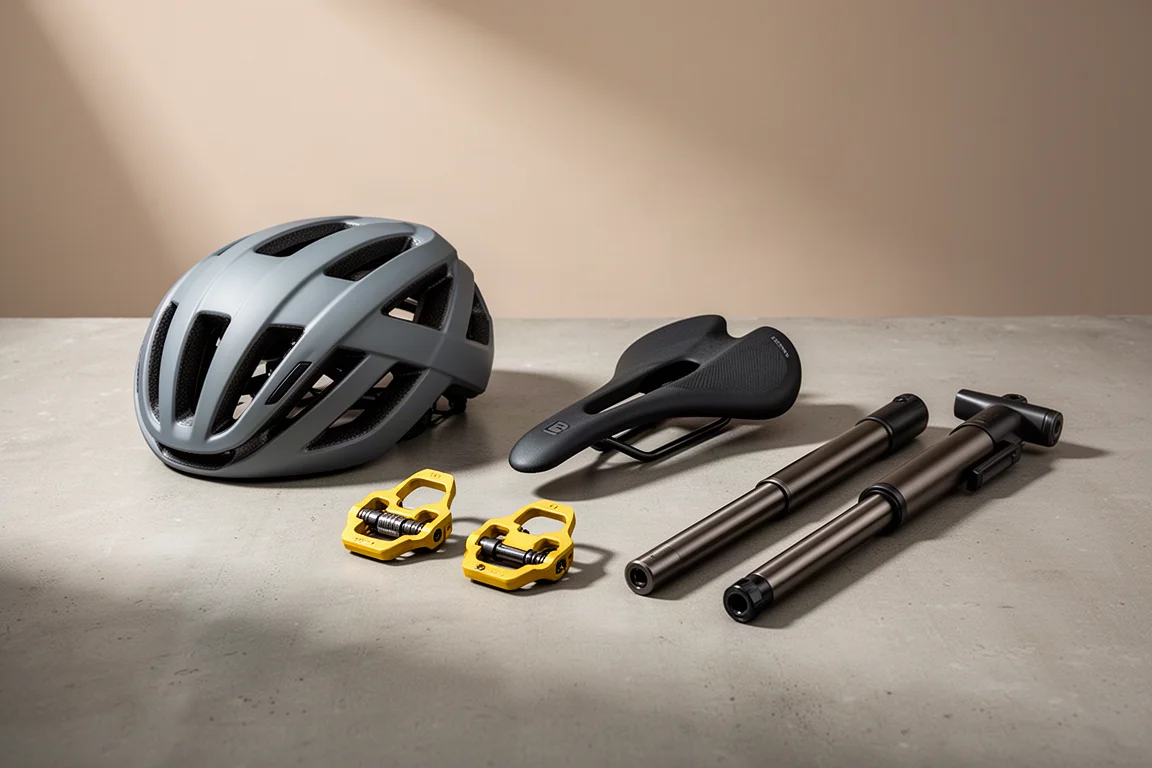
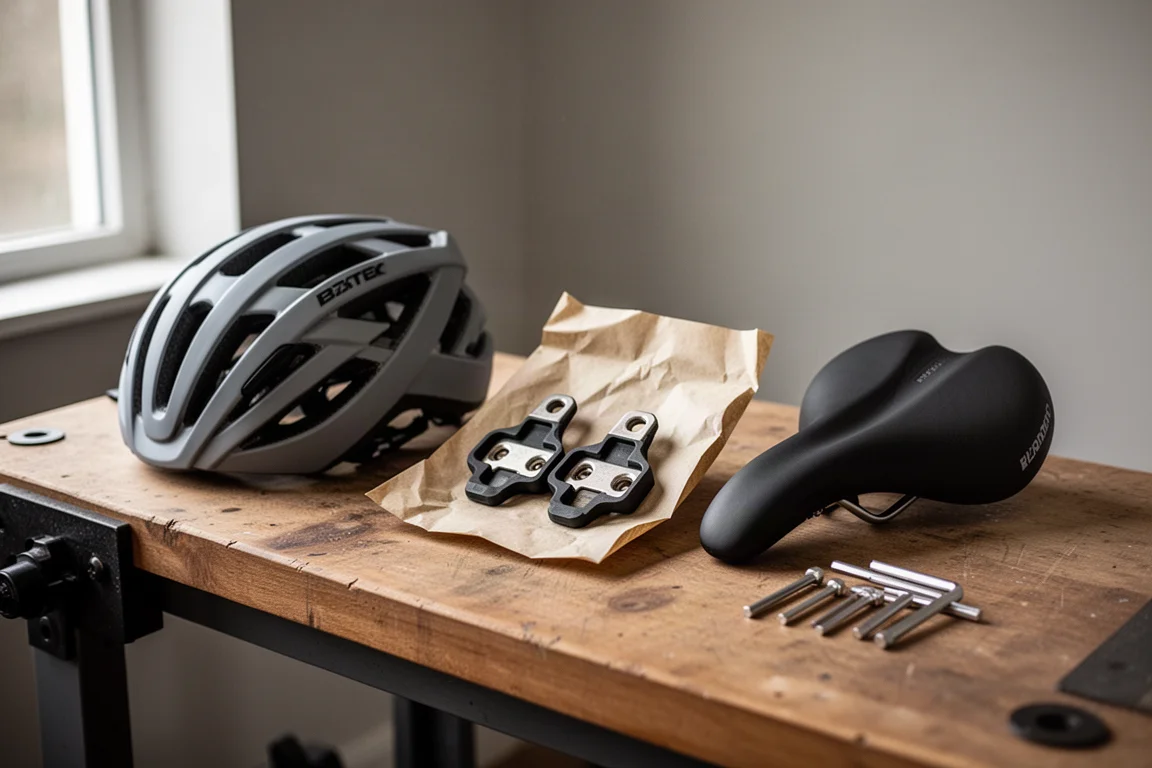
Helmets are one of the harder categories to judge, because a counterfeit on someone’s head looks entirely normal from a distance. Handling the shells side by side changes that quickly. The genuine MET Trenta has a firmer, more substantial feel, while the copies feel thin by comparison.
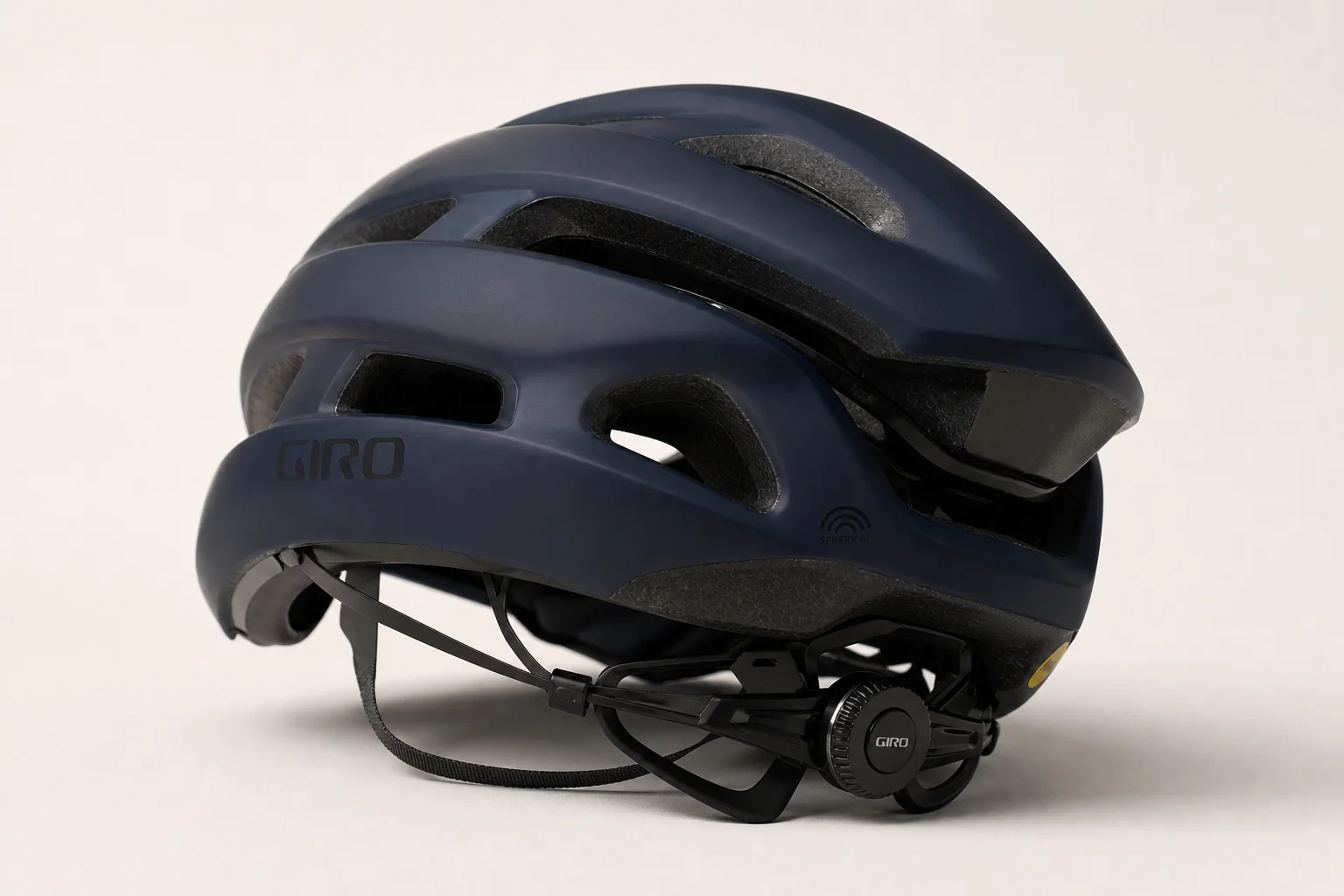
The clearest identifier sits at the back of the helmet. The genuine Trenta has a retention dial marked with the MET name, while the copies carried a generic dial and a QC pass sticker. The genuine, brand-new helmet was the only one in the group without that sticker.
The genuine non-MIPS Trenta is priced around £220, while the counterfeit helmet in the same group cost roughly £17. That gap reflects how much of the structure is actually there.
Fizik Antares Versus Evo: Rail Bonding, Weight and Flex
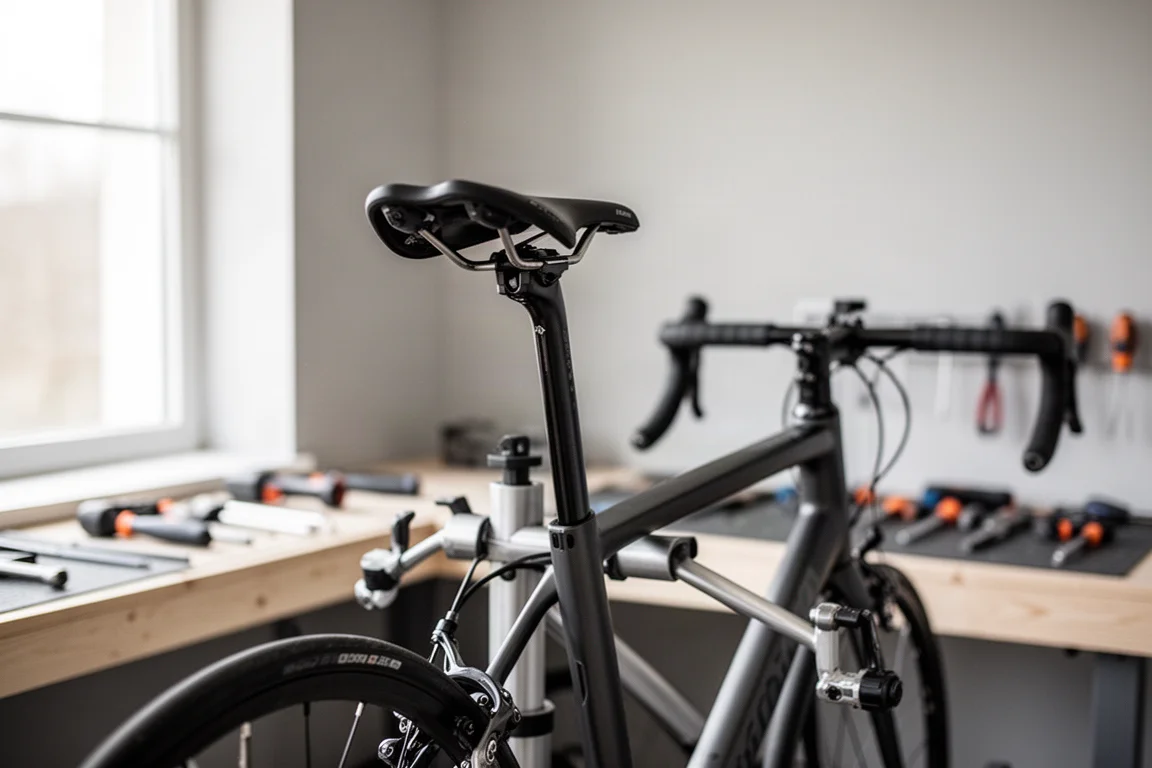
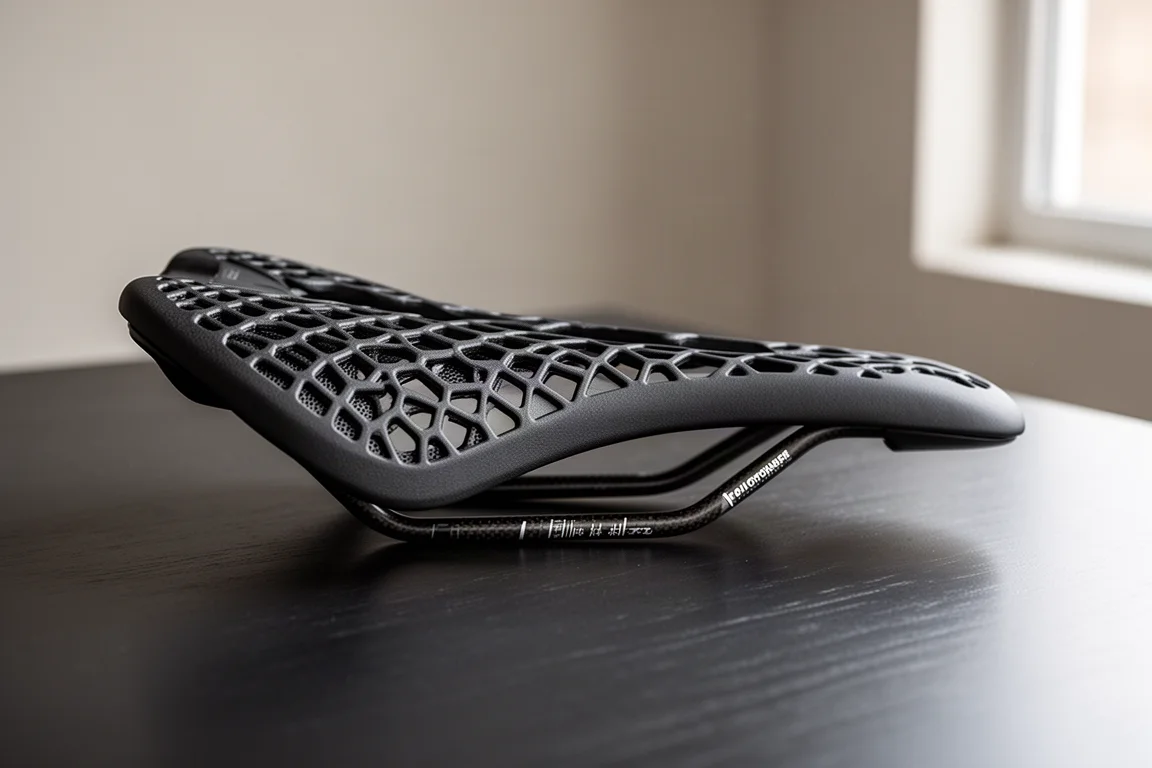
The Fizik Antares Versus Evo is a 3D printed saddle, and the counterfeit version reproduced the shape almost perfectly, including the same bumps and grooves in the same positions. Shape alone will not tell you which one you are holding.
Build quality will. The genuine saddle has a finish that reads as proper carbon, with spotless edges and rails bonded flush to the shell. The copy looked like lower-grade carbon, had a strange glossy surface, uneven edges and visible blobs of glue around the rail joints.
Weight and stiffness confirm it. The genuine saddle weighed 172 g against 197 g for the copy, and the copy flexed noticeably under light hand pressure, to the point where it felt as though it could be snapped.
Price is the other signal. The genuine saddle has an RRP around £300, while the copy sold for about £77. A saddle that fails mid-ride is a real safety risk, and in a group it can bring other riders down with it.
Shimano SPD-SL Cleats: Packaging, Edges and Hardware
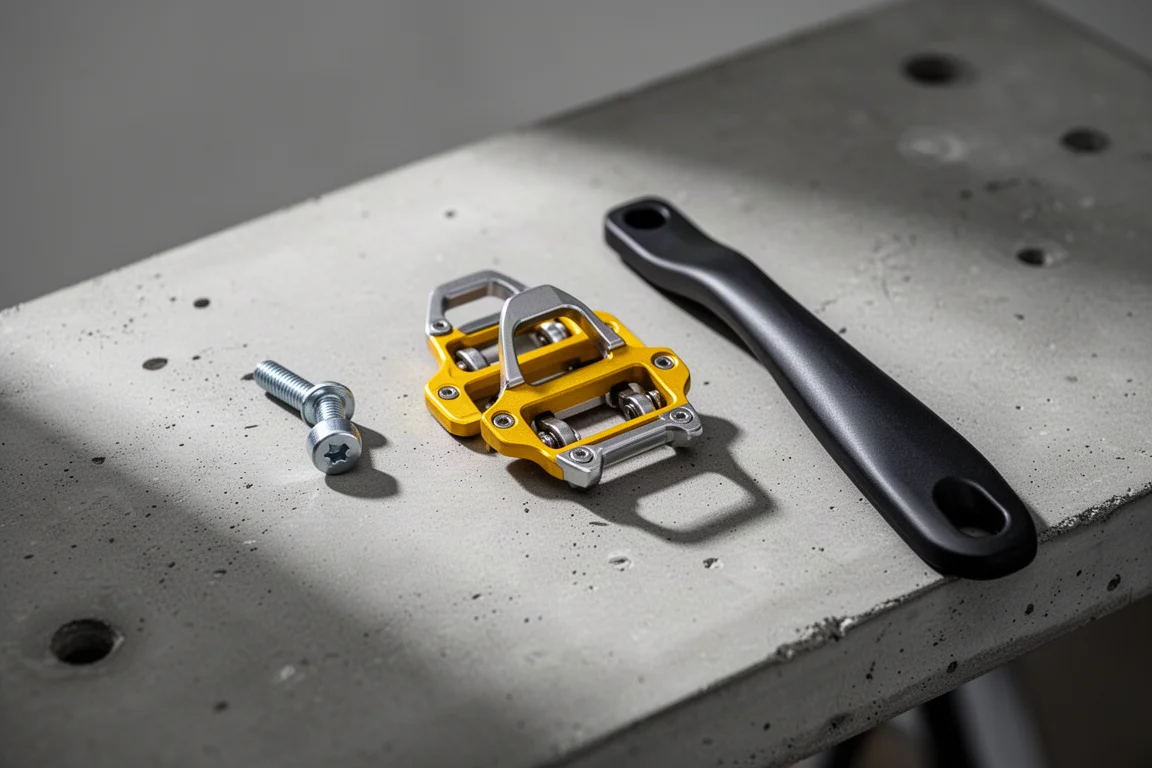
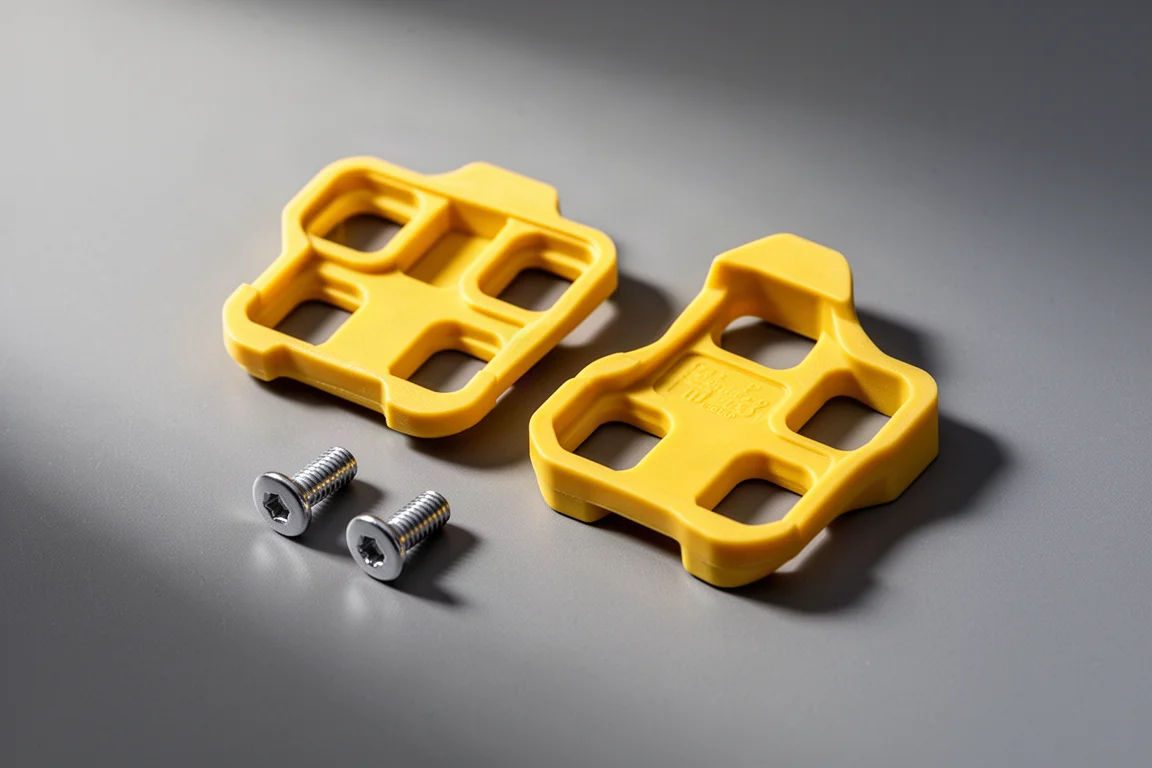
Cleats are the easiest category in this group, even for riders who have never used SPD-SL before. The genuine pair arrives in paper packaging, carries the Shimano name, and uses a consistent, clean yellow across the body of the cleat.
The copies are visibly worse. The yellow is a poor match, the finish on the body is rough, and the edges are sharp enough to cut a finger.
Hardware is the second giveaway. The counterfeit cleats came with noticeably longer bolts, which can protrude into the sole of the shoe and create pressure points under the foot.
The genuine cleat has an RRP of £20.99, while the copies sell for roughly a tenth of that. It is a large saving on a component that controls how your foot connects to the pedal.
Silca Impero 2: Branding and Pressure on a Full-Size Pump
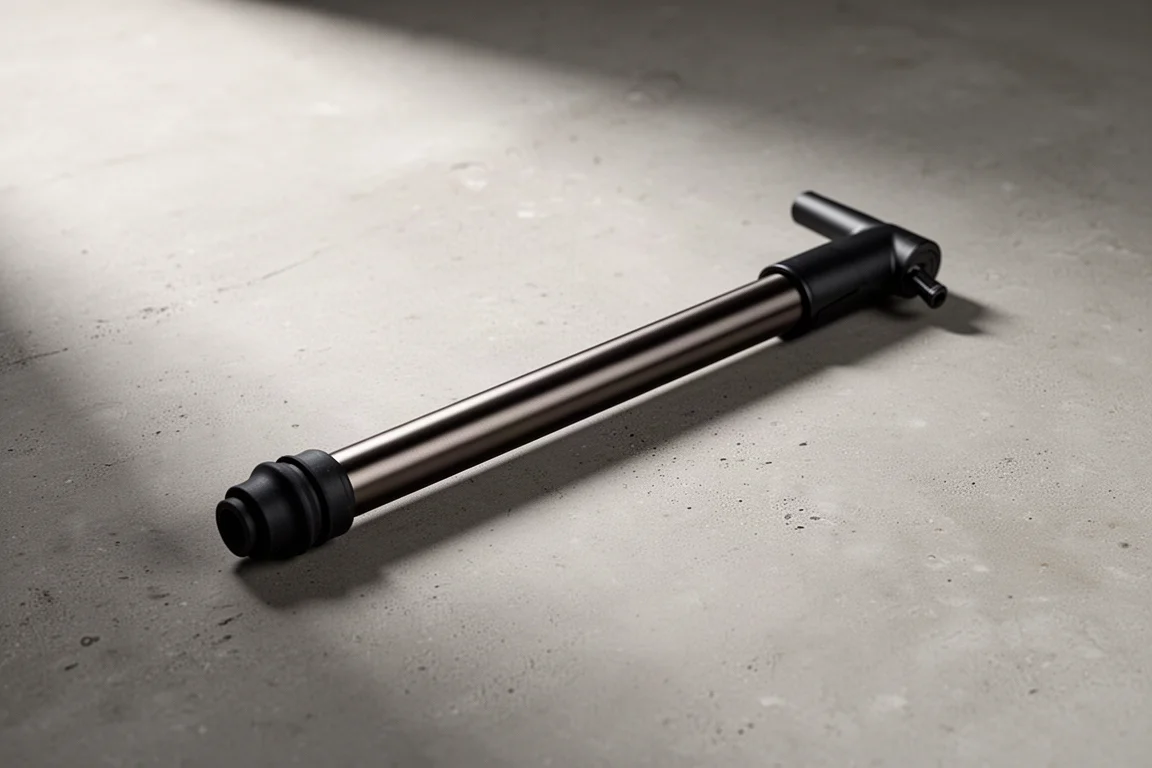
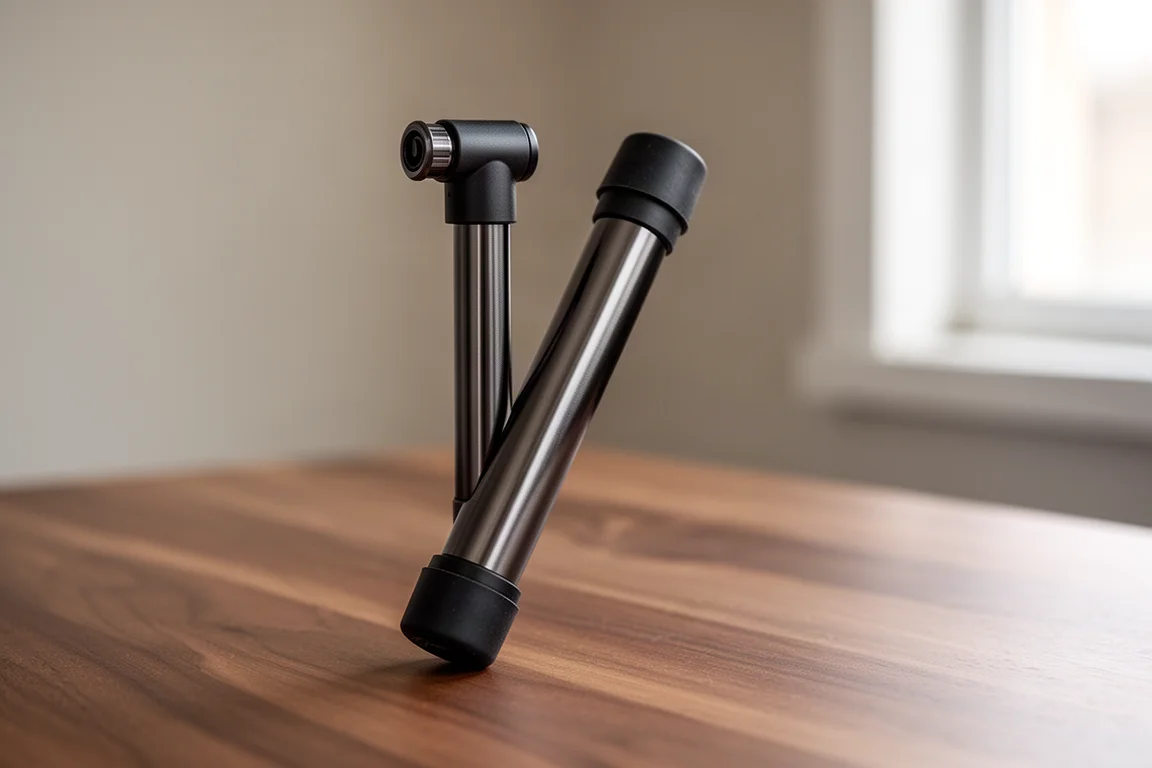
Frame pumps are simple products, which makes them easy to copy and hard to authenticate. The full-size Silca format carries branding on the head and around the chuck, and those details are among the more reliable markers to check before buying.
Function settles it. The large pump handled in this group produced almost no measurable air pressure, while the compact genuine pump moved air as expected. A frame pump that cannot inflate a tyre is not a marginal quality issue, it is a roadside failure.
Silca Impero Pocket: The Compact Pump That Held Up
The compact Silca pump, the Impero Pocket, carries the Silca name on the rubber end cap and on the frame mount, details the larger copy did not have. It also produced air when used, which is the practical difference that matters.
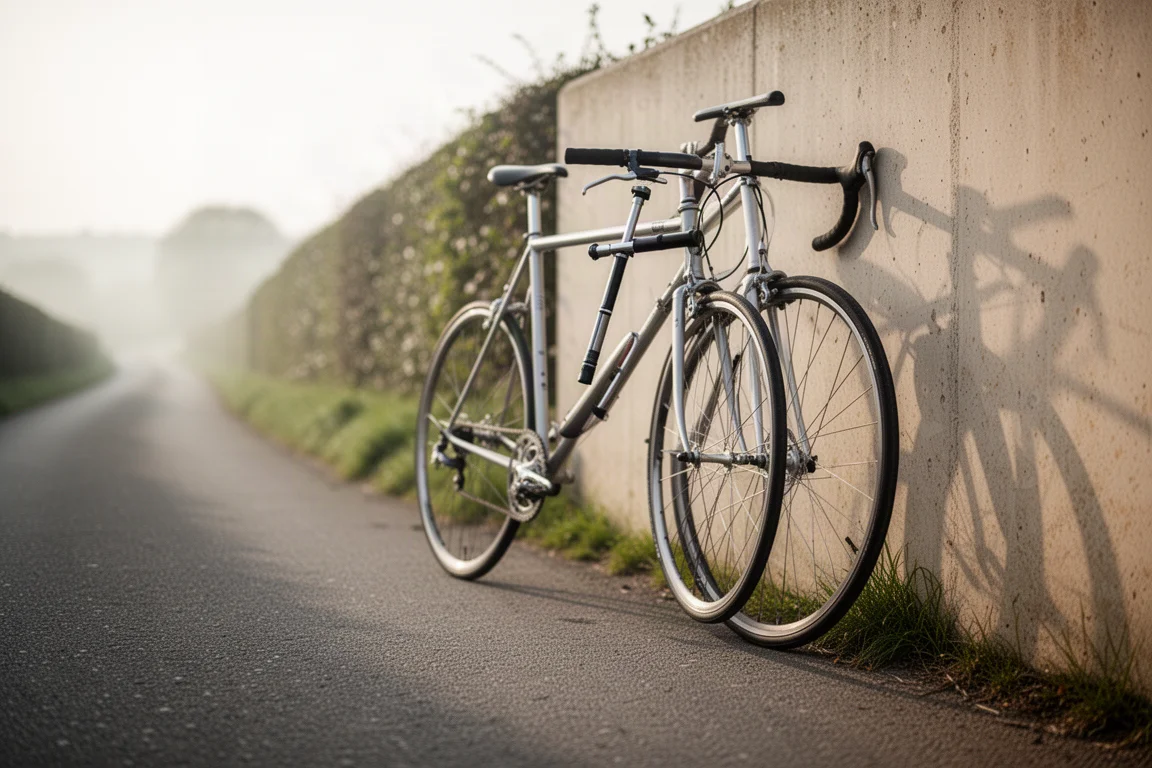
Size is a practical consideration as well. The Impero Pocket is the shorter format intended for compact frames, while the Impero 2 is the full-size pump. Checking which length fits your frame, and whether the branding details are present, is a quick way to avoid ending up with the wrong thing.
Buying Advice
Every category here follows the same logic. Counterfeits win on price and lose on everything that is difficult to photograph: edge finishing, bonding quality, bolt length, weight and branding placement. If you can handle a part before buying it, those signals are usually enough.
Buy from sources you trust, and treat steep discounts on branded components as a prompt to check the details rather than an automatic bargain. For safety-critical items in particular, helmets, saddles and anything that holds your foot to the pedal, a failed copy can end a ride badly.
If an item arrives and the finish, hardware or branding do not match what the brand normally supplies, send it back rather than fitting it. The modest premium on a genuine part is easier to justify than the consequences of a counterfeit one failing at speed.
Conclusion
Genuine cycling components are not automatically better just because of the name on them, but the copies in this group consistently showed rougher edges, weaker materials, sloppier bonding and missing branding. In most cases the differences become obvious once you know where to look, and they are worth checking before you spend anything.
Further reading
Related Reviews

Backpacking Gear
Building a 10 lb Base Weight: An Ultralight Backpacking Gear List
A practical walkthrough of the ultralight pieces behind a 10 lb base weight, from a 765 g pack and a roomy one-person tent to a full camp chair and a dependable water filter.
Road Bikes
10 New Road Bikes Worth Watching: Aero, Titanium, Steel and Endurance Standouts
A practical roundup of 10 new road bikes, from aero flagships chasing single-watt gains to titanium, steel and endurance platforms built for real roads.
Bikepacking Gear
11 Bikepacking Essentials for Long-Distance Cycling
Eleven bikepacking essentials for long-distance cycling, from a steel gravel frame and a two-person tent to helmet lights, packable gloves, and a frame bag that puts weight in the right place.