Cycling Components
Real vs Fake Bike Parts: How to Spot Counterfeit Components Before You Buy
Seven genuine cycling components, the finishing details that separate them from convincing counterfeits, and what to check before you spend.
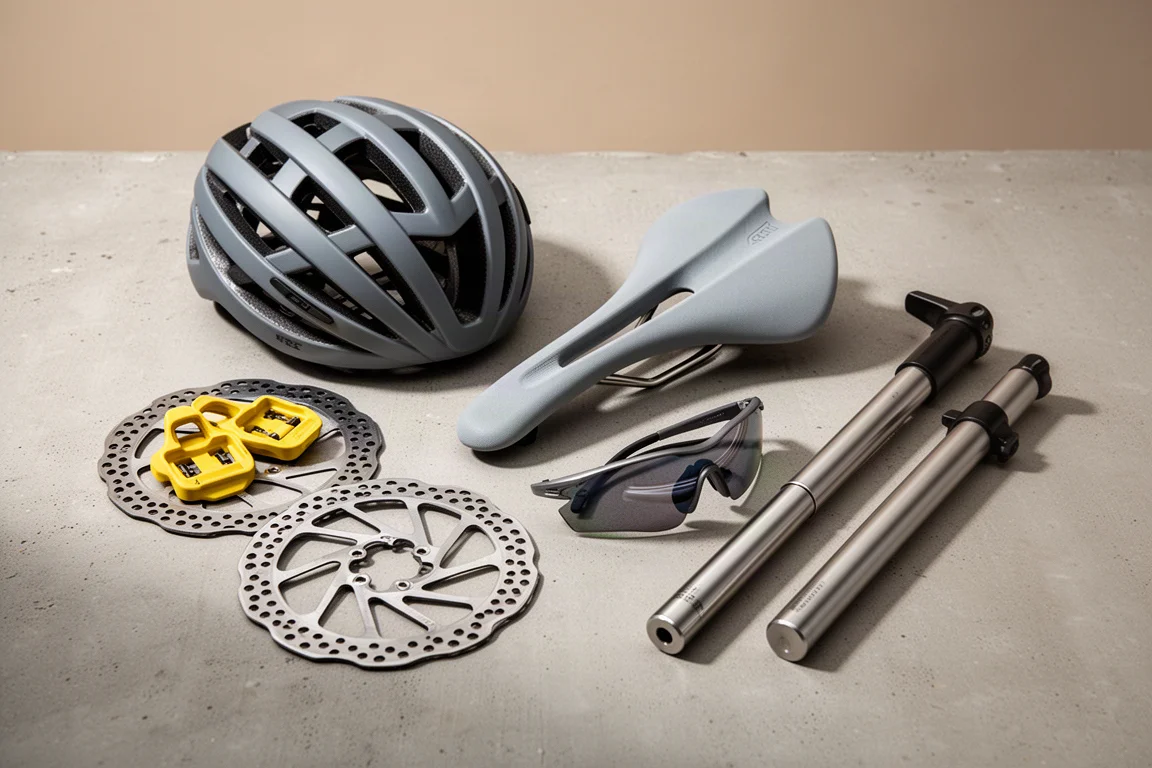
Introduction
Counterfeit cycling parts are a real problem, and the reason is simple: at a glance, many of them look almost identical to the genuine article. Hold two versions of the same component side by side, though, and the differences start to surface quickly. Packaging feels cheaper. Edges are less uniform. Hardware is slightly the wrong length. A helmet that should feel rigid flexes in your hands.
This guide looks at seven genuine components, what the counterfeit versions got wrong, and which details are worth checking before you spend money. None of these checks replaces buying from a retailer you trust, but they make it much easier to notice when something is off.
What Separates Genuine Parts From Counterfeits
A few patterns repeat across almost every counterfeit component. Genuine parts tend to have consistent colour, clean edges, and uniform bonding where materials meet. Counterfeits often show frayed or sharp edges, visible glue, and finishes that look glossy or uneven rather than properly machined or moulded.
Packaging is another signal. Several bike brands have moved to paper packaging, so a genuine part may arrive in a simple card sleeve rather than a plastic blister pack. Printed quality labels are not proof of anything either: a counterfeit helmet can carry a printed quality check sticker while the genuine helmet does not.
Weight is a useful check but rarely a decisive one. In one comparison here, the genuine and counterfeit versions of the same saddle differed by only 25 grams, which is far too small a gap to rely on without other evidence.
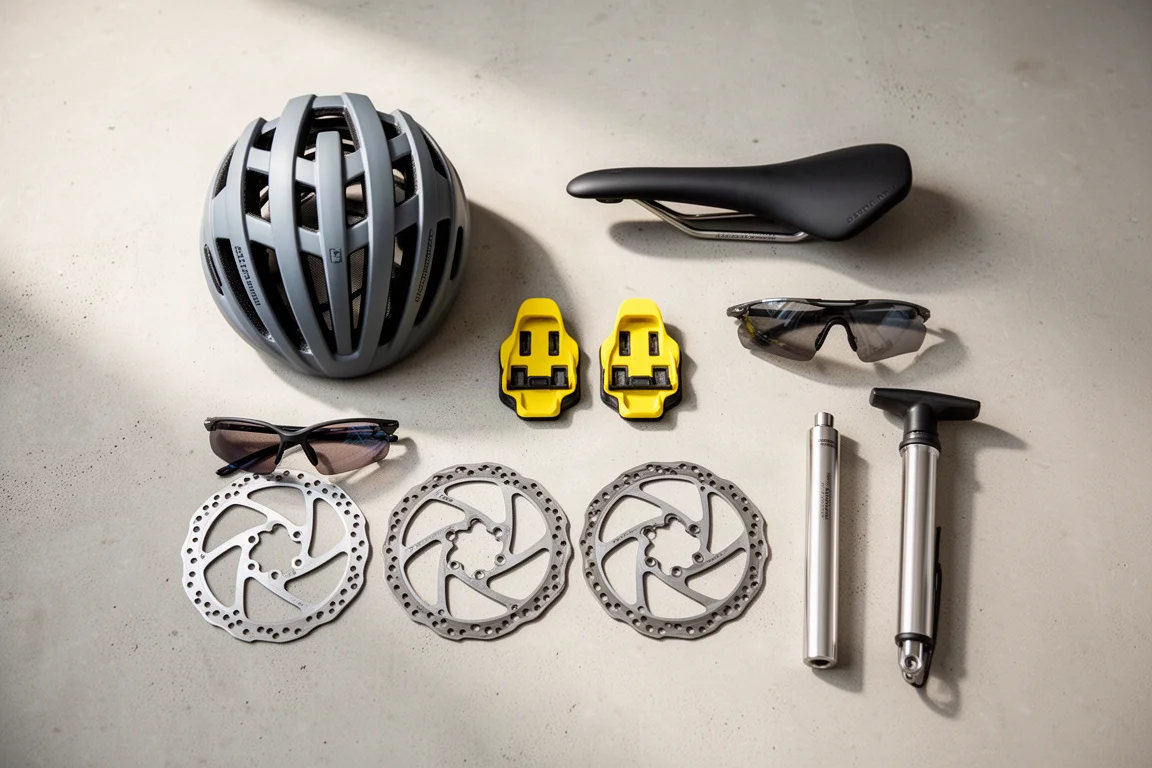
The most reliable signals are the ones you can feel: how neatly the part is finished, how the hardware fits, and whether the structure flexes when it should not.
MET Trenta Road Helmet
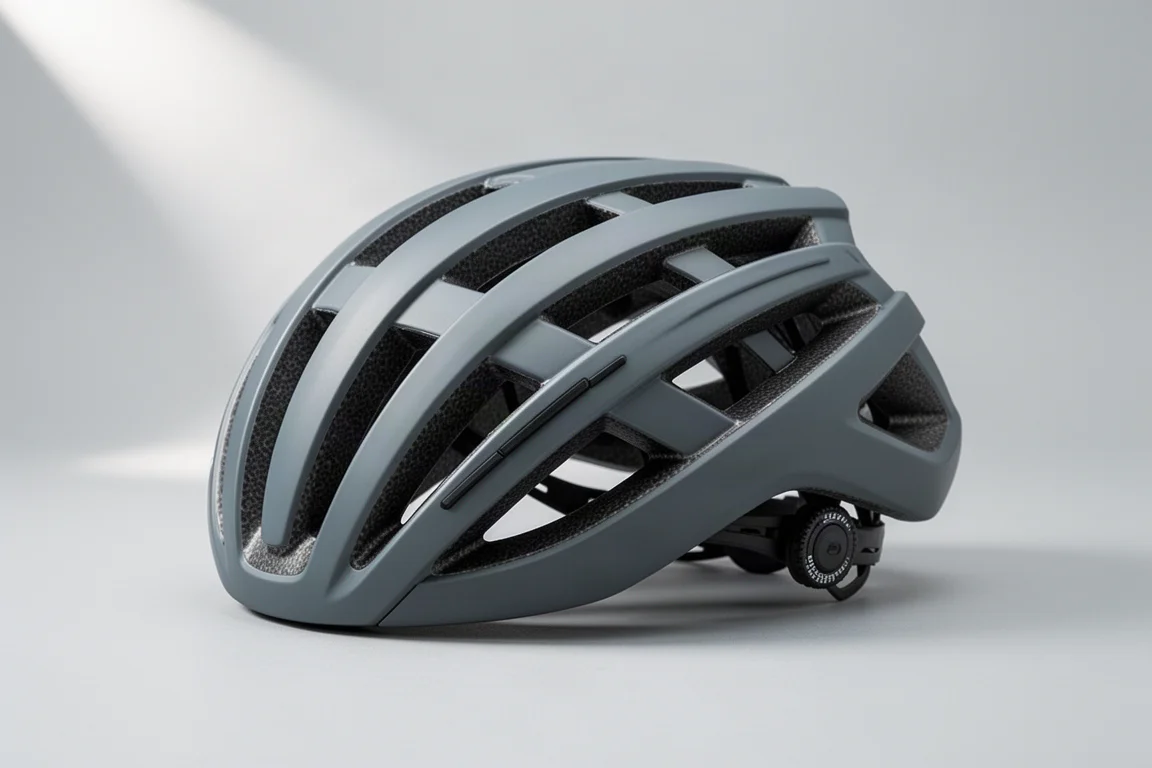
The MET Trenta is a road helmet, and the genuine version is recognisable by the MET branding on the rear retention dial. Notably, the genuine helmet did not carry a printed quality label, while the counterfeit copies did, which is a useful reminder that stickers prove very little.
The price gap is dramatic. The genuine non-MIPS version sits at around £220, while the counterfeit copy was listed at roughly £17.41. The difference in hand is just as dramatic. The counterfeit shell felt flimsy enough to be crushed by hand, which is the opposite of what you want from the one component standing between your head and the road.
Fizik Antares Versus Evo 3D Printed Saddle
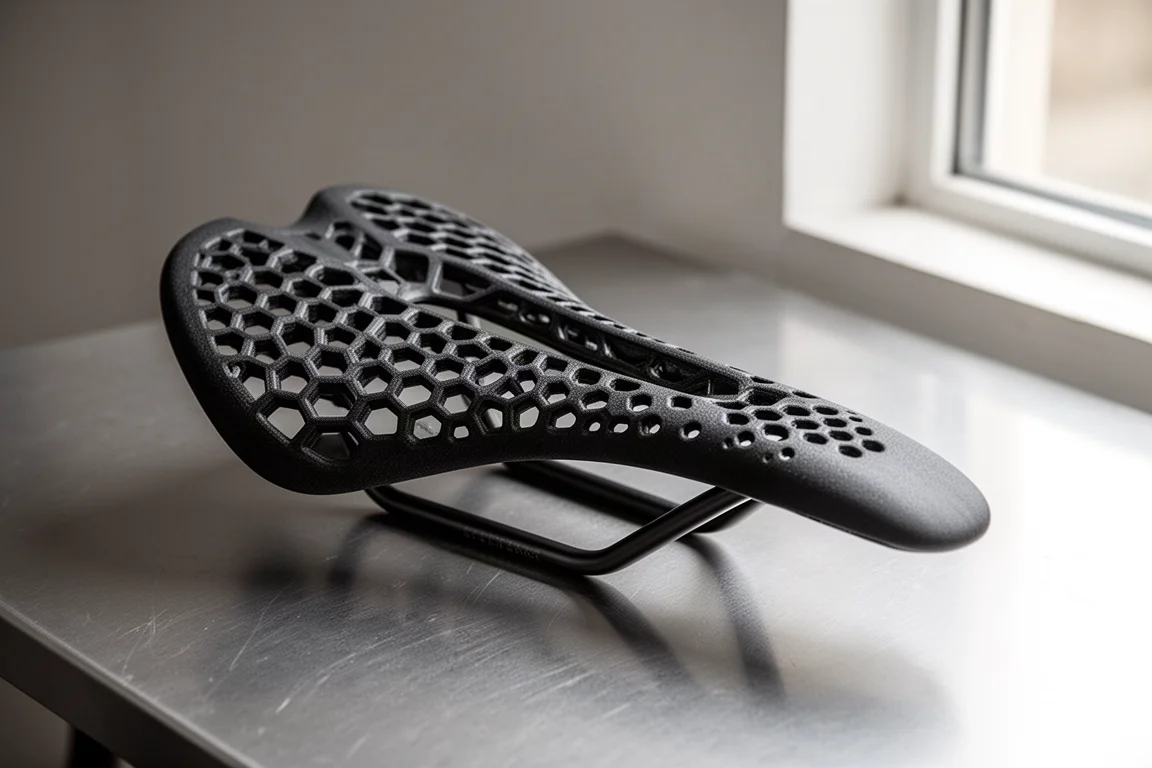
The Fizik Antares Versus Evo uses a 3D printed upper, and the genuine saddle weighs 172 grams against 197 grams for the counterfeit. That is close enough that weight alone will not settle the question, so the finishing details matter more.
On the genuine saddle, the rails bond to the shell flush and neat, with spotless edges. The counterfeit had uneven edges, blobs of glue around the rail joints, and a shiny, latex-like surface finish. It also flexed noticeably in the hand. The genuine version carries a £300 RRP, while the counterfeit sold for around £77, so the saving is real but so is the risk of a saddle failing underneath you mid-ride.
Shimano SPD-SL Cleats
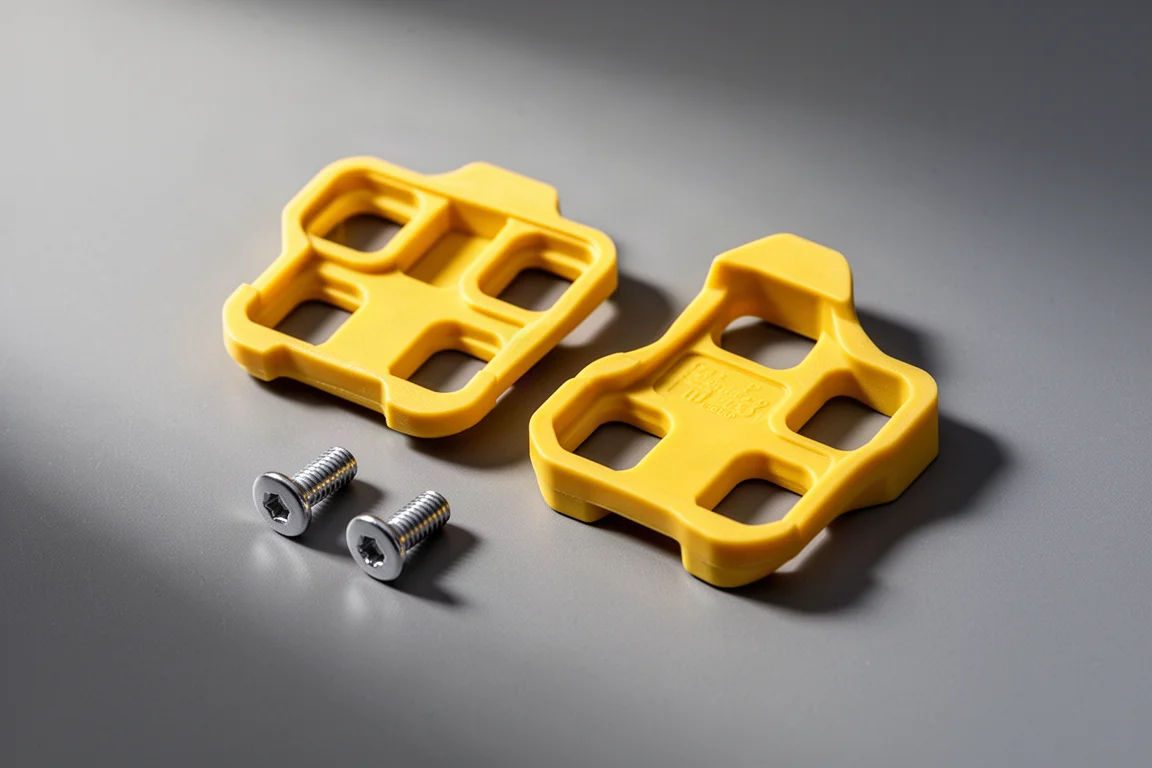
Cleats are one of the easiest components to judge, because the differences are visible without any tools at all. The genuine Shimano SPD-SL cleat arrived in paper packaging, with a consistent yellow colour, neat edges, and Shimano branding on the body.
The counterfeit version had a harsher, less consistent yellow, frayed edges, sharp corners that could cut a finger, no branding, and noticeably longer bolts. Bolts that are too long can protrude into the sole of the shoe, which is a known source of foot discomfort.
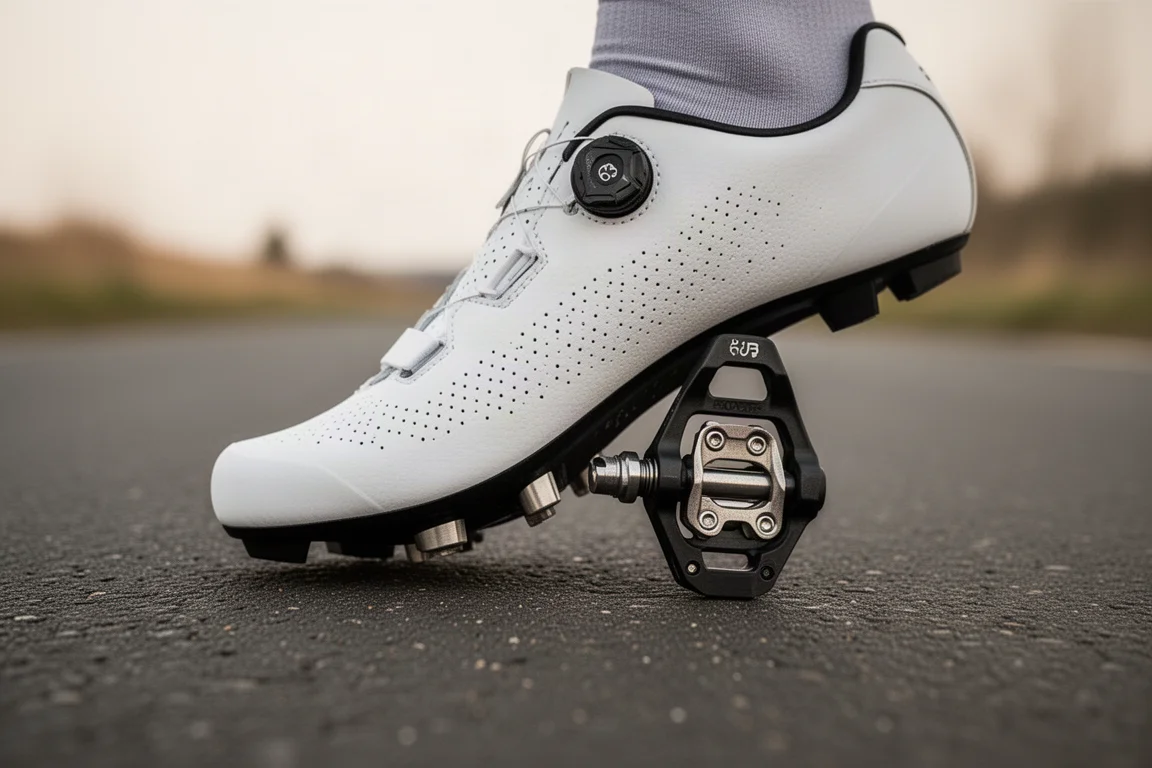
The genuine cleats carry an RRP of £20.99, while the counterfeit pair cost around £1.96. At that price difference, it is worth checking the packaging and the hardware carefully before anything goes near a pedal.
Shimano CLX R Disc Rotors
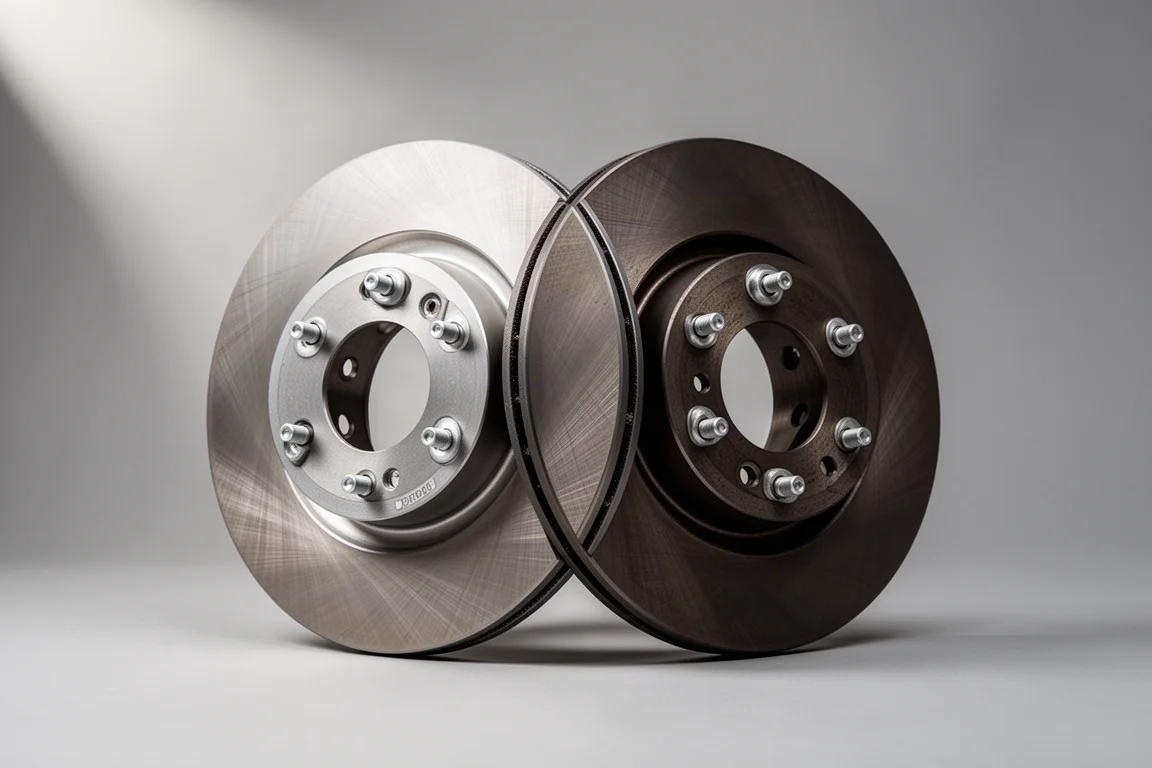
The Shimano CLX R rotors here are the 160mm gravel versions, and they are the hardest comparison of the group. Both rotors carried production markings that looked worryingly similar, and the weights were almost identical at 129 grams and 130 grams.
The giveaway was in the construction and the machining. The rivets differed between the two, and the genuine rotor was noticeably neater and cleaner where it had been machined. Because both rotors had been used, part of the colour difference came down to heat discolouration rather than manufacturing quality.
Brakes are not a component to compromise on. The genuine pair runs to £216, while the counterfeit pair was around $67.71, and a rotor that fails under hard braking is a risk no saving justifies.
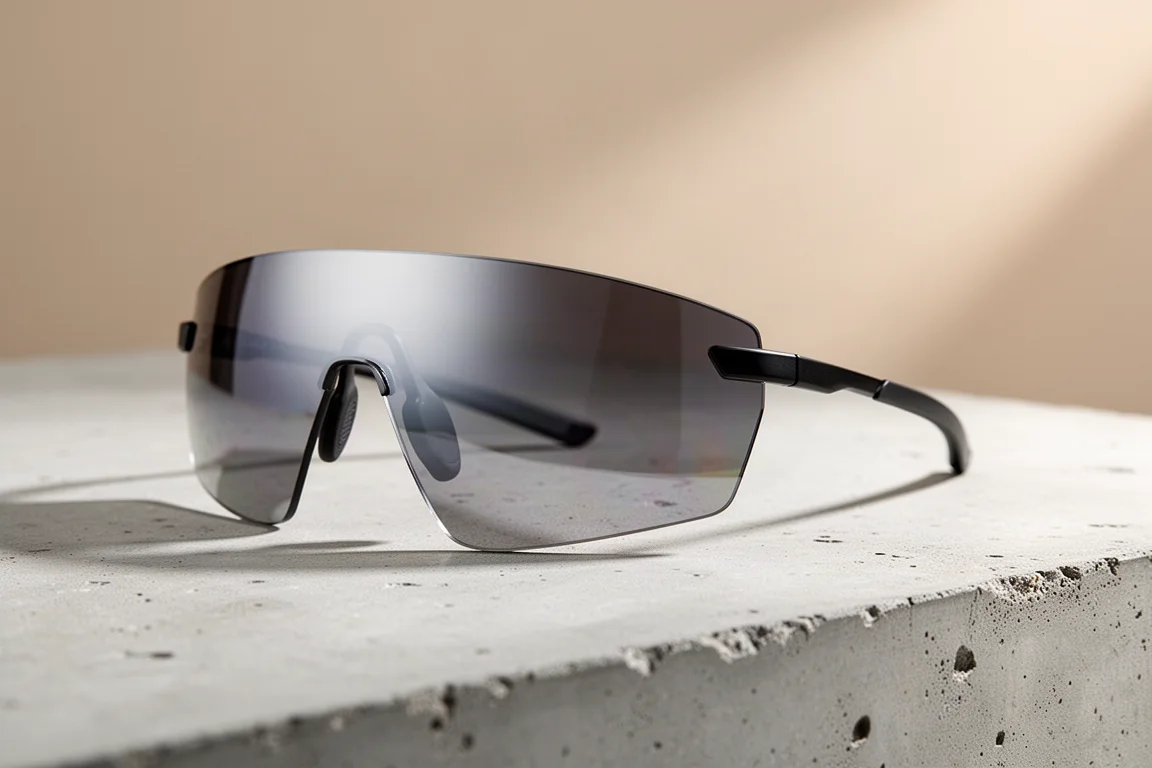
100% Oryx Sunglasses
Eyewear is one of the largest counterfeit categories in cycling, and it is easy to see why. Counterfeit sets often arrive with a soft pouch and a stack of interchangeable lenses, clear, smoke, and mirrored, at a price no genuine brand could match. The plastic and the flex of the frame usually feel different as well.
The genuine article matters here for a reason beyond fit and finish. Sports sunglasses are built so that the lens material does not shatter into shards on impact. Just as importantly, a lens without proper UV protection is worse than no sunglasses at all: your pupils dilate behind the tinted lens and let more UV through, which is exactly the opposite of what you want on a long summer ride.
Buying from an authorised retailer is the simplest protection. If a listing offers several lenses and a pouch for a fraction of the usual price, treat it as a warning sign rather than a bargain.
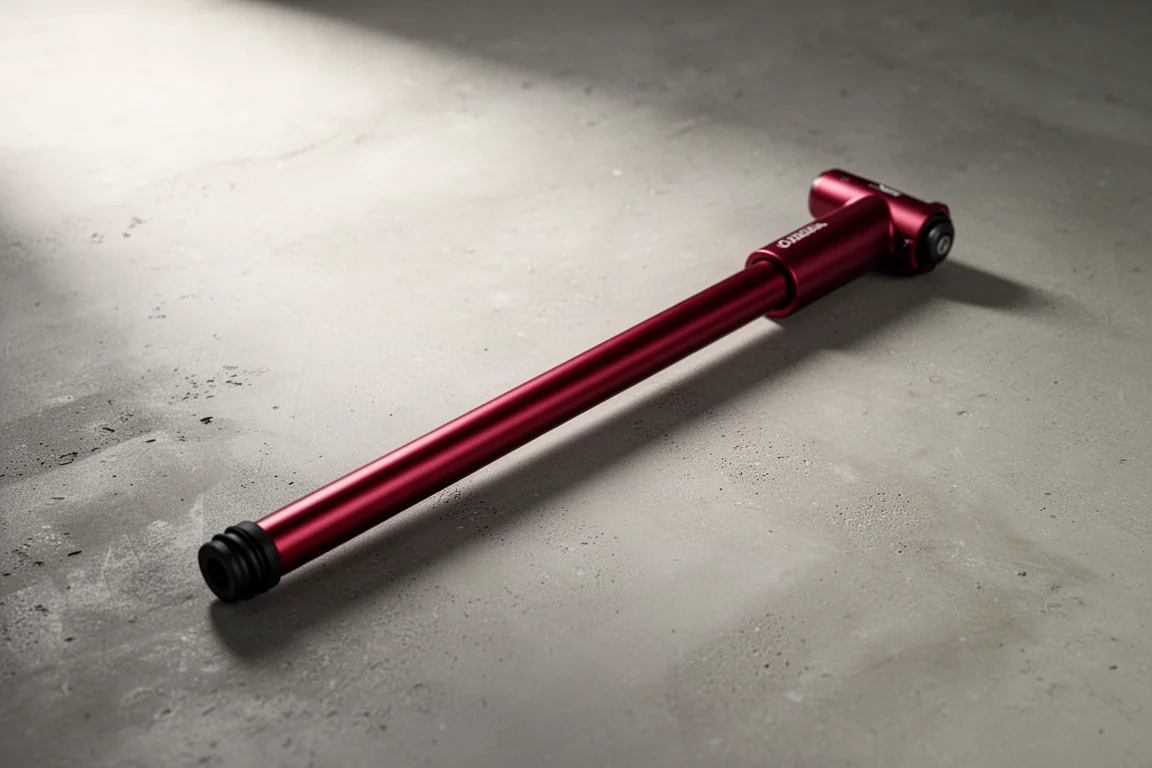
Silca Impero 2 Frame Pump
The Silca Impero 2 is a full length frame pump, and the genuine version builds pressure quickly and predictably. The counterfeit large pump was the clearest failure of the whole group: it moved almost no air at all, which makes it useless when you are standing at the side of the road with a flat.
The details give it away. Genuine Silca pumps carry the brand’s rubber detailing on the head and on the mount that holds the pump to the frame, and the counterfeit’s red finish was noticeably different from the real colour.
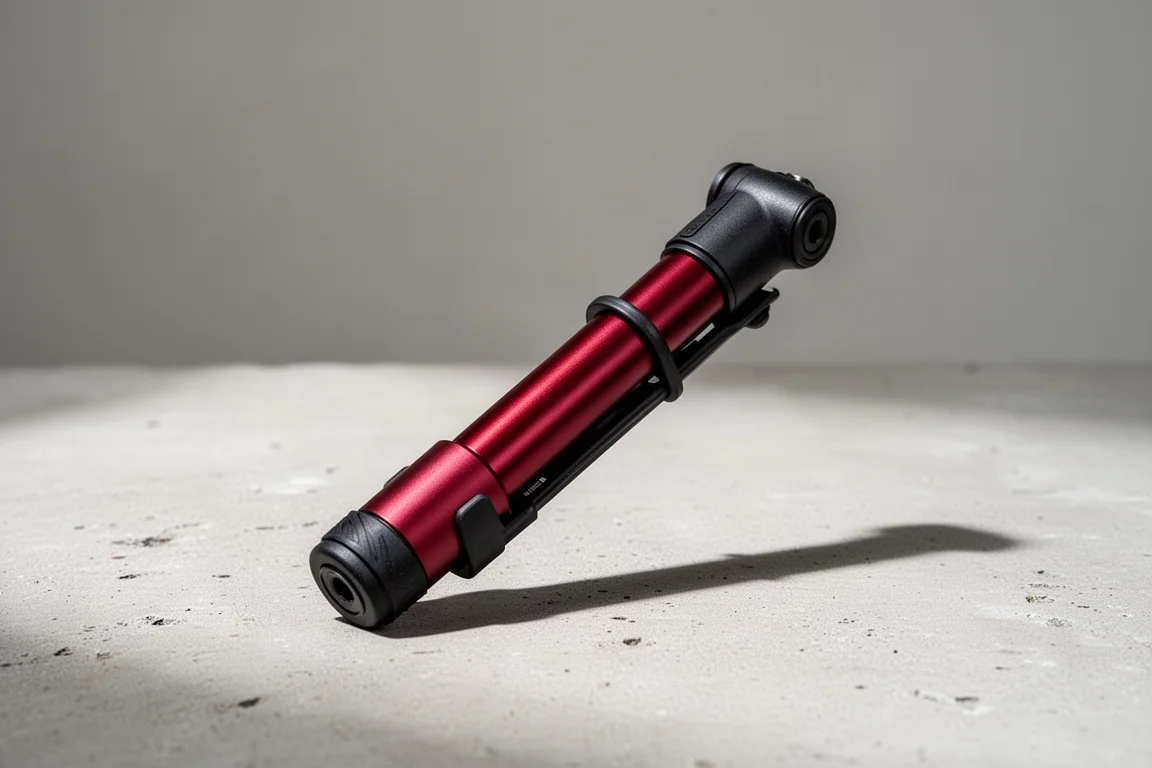
Silca Impero Pocket Frame Pump
The Impero Pocket is the smaller version of the same design, sized to sit more compactly on a frame. It is a legitimate Silca product, and it carries the same brand detailing at the head and at the frame mount as the full length version.
It is worth knowing that the pocket size exists, because a pump that arrives much smaller than expected is not automatically a counterfeit. The reliable checks are still the branding details, the finish, and whether the pump actually moves air.
Buying Advice: Where Genuine Parts Are Worth The Money
The pattern across all seven products is the same: counterfeits look convincing from a distance and fall apart under close inspection. If a price looks implausible, it usually is. Counterfeit cleats at around a tenth of the RRP, a helmet at roughly £17.41 against £220, and a saddle at £77 against £300 all follow that rule.
Where a component touches your safety, buy genuine and buy from a retailer you trust. Helmets, saddles, cleats, rotors, and eyewear all fall into that category. Pumps and other accessories matter less in an emergency, but a pump that cannot inflate a tyre is still money wasted.
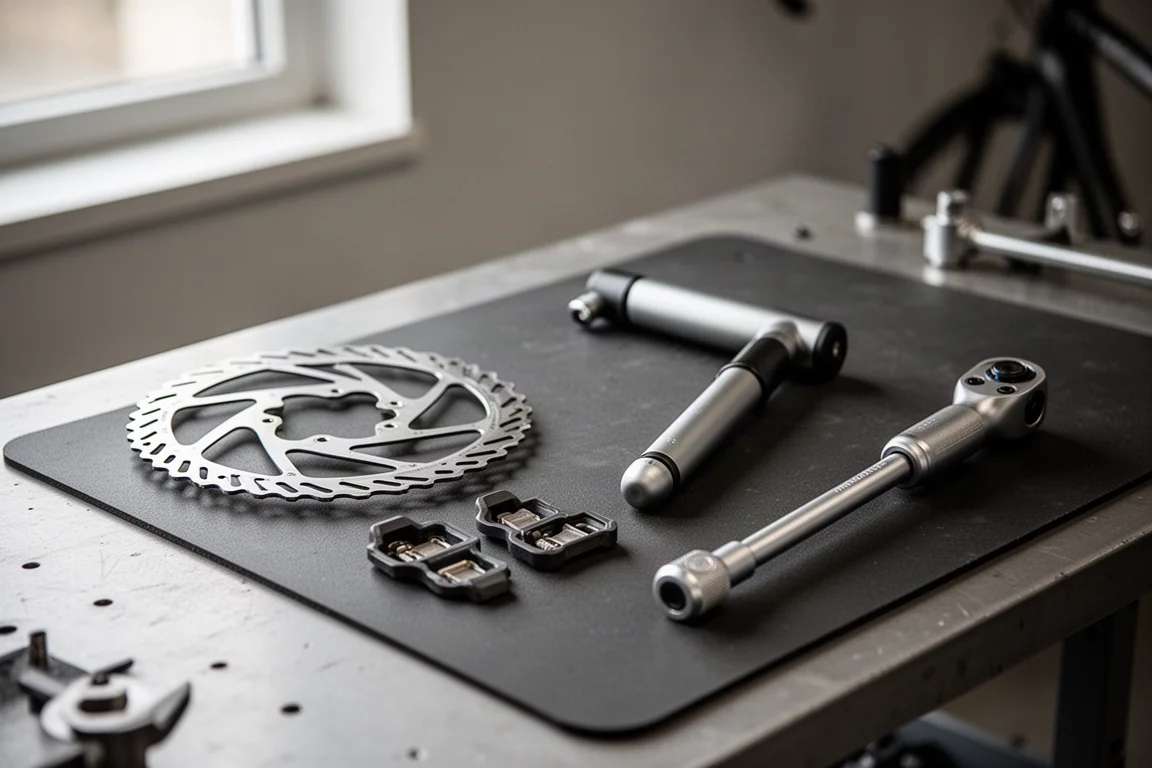
Check the packaging, the edges, the hardware, and the branding before you fit anything. If something feels wrong in your hands, trust that instinct and send it back.
Conclusion
Counterfeit components are good enough to fool a quick glance, which is exactly why the details matter so much. Genuine parts are cleaner, more consistent, and built to the tolerances their job demands. Paying for the real version costs more up front, but it keeps the parts that hold you up, stop you, and protect your head doing what they are supposed to do.
Further reading
Related Reviews
Cycling Components
A 20,000-Mile Budget Race Bike Build: Five Parts Worth Knowing
A rim brake race bike assembled from low-cost components and ridden for 20,000 miles. Here is what delivered real speed, what caused problems, and what to weigh before copying the formula.
Cycling Components
7 Bike Fit Products Fitters Avoid: What to Check Before You Buy
Seven bike components that regularly cause knee, foot and saddle problems, with the specific concerns behind each one and what to look for instead.
Cycling Components
Four Affordable Bike Upgrades That Improve Ride Feel
Four low-cost cycling products that make a real difference to ride feel, plus the free setup changes worth trying first.