Vintage Horn Speakers
RCA Photophone 1937 Speaker System Review: Vintage Horn Sound With Real Emotional Pull
A rebuilt 1937 theatre horn system with a 15-cell compression driver horn, a folded-horn 15-inch woofer cabinet, and a tube amplifier story worth understanding.
Introduction
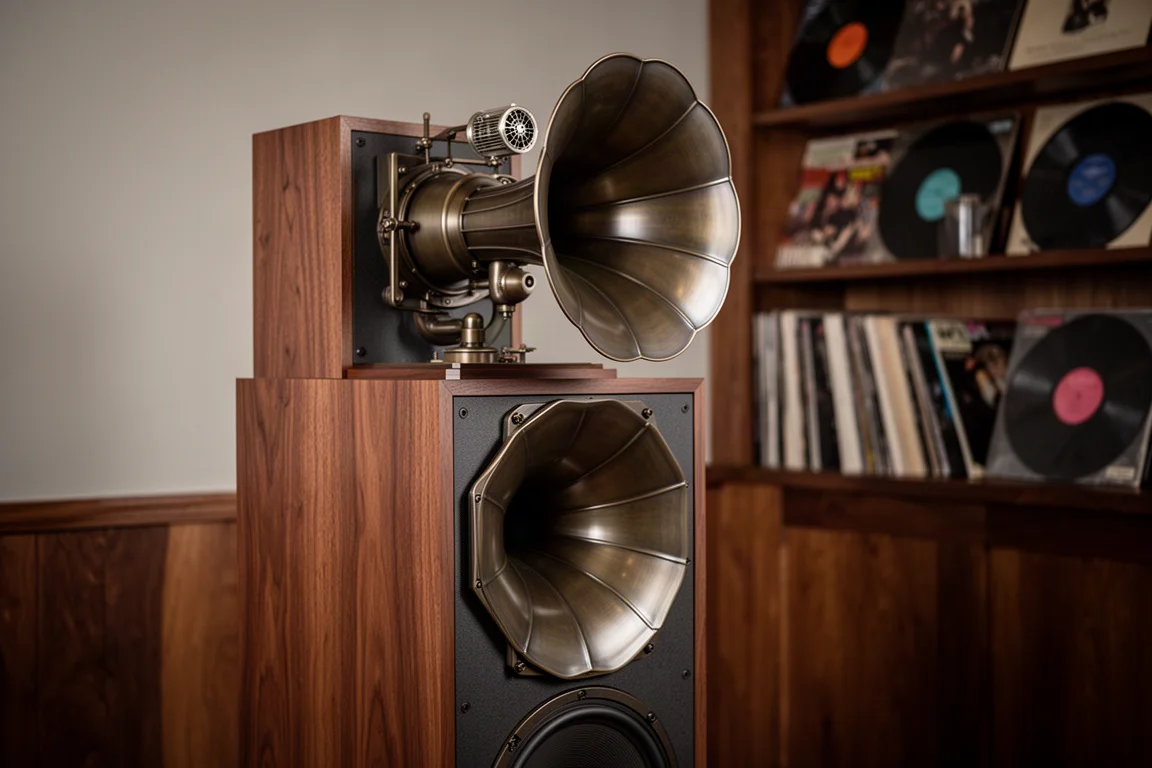
The RCA Photophone 1937 speaker system is a full reconstruction of a theatre-era horn loudspeaker, completed around 2002 after roughly two years spent sourcing original parts. At its centre is a 15-cell dual-throat compression driver horn, paired with a folded-horn enclosure built around a 15-inch woofer and the original crossover network from the period. In its own era, this design competed directly with Western Electric horn systems.
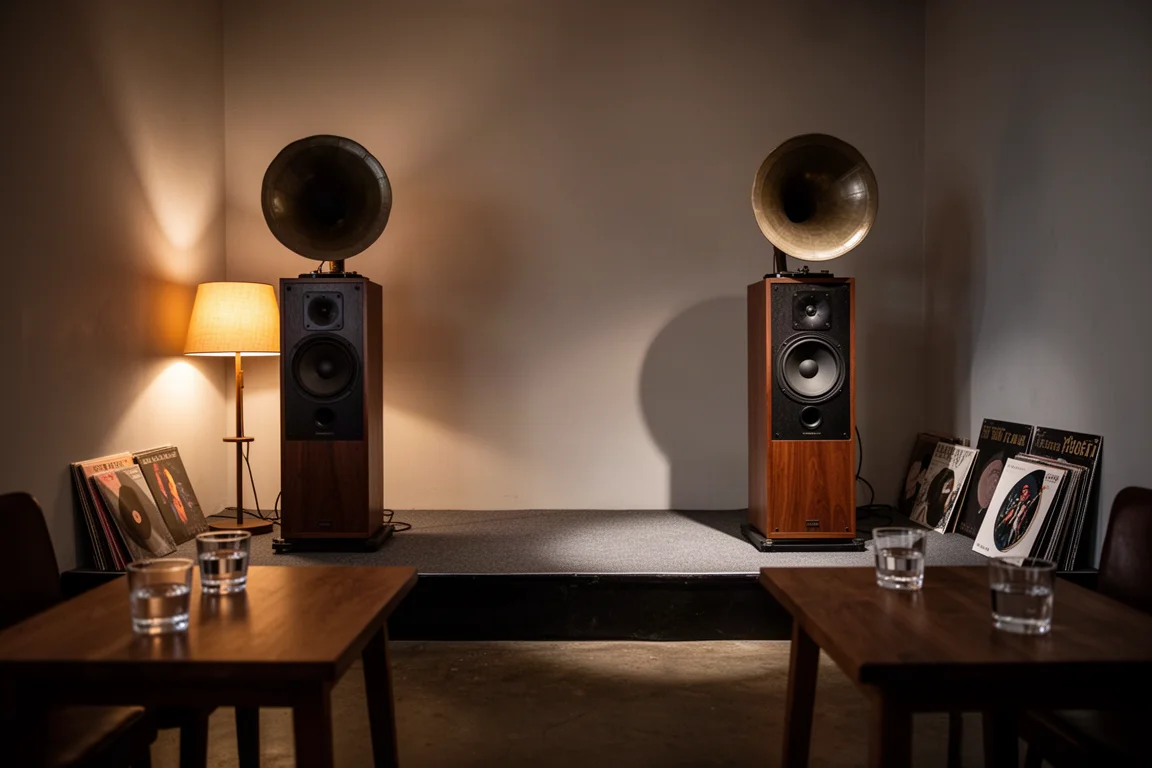
The finished system stands over 2.3 metres tall. That scale is central to how it behaves: this is not a loudspeaker that disappears into a typical living room, and it was never intended to. It is now installed in a music bar in Gangnam, Seoul, set up so that more listeners can hear a heritage system rather than leaving it in storage.
Who This System Is For
This is a system for listeners who judge a setup by how deeply it pulls them into the music, not by how easily they can dissect the mix. It rewards people who already understand high-efficiency horn designs and who have the room to let a tall cabinet breathe.
It also suits collectors and enthusiasts drawn to 1930s theatre audio, where the engineering choices of the period still shape the sound. Anyone shopping for a compact, decor-friendly speaker should look elsewhere, because the physical footprint is part of the design rather than a compromise.
Main Strengths: The Horn Architecture
The 15-cell dual-throat compression driver horn is the most visible element, and it is also the reason the system can project vocals and acoustic instruments with such ease. The folded-horn loading for the 15-inch woofer extends the design well beyond the midrange and treble emphasis that many horn speakers live with, giving the low end genuine texture and weight.
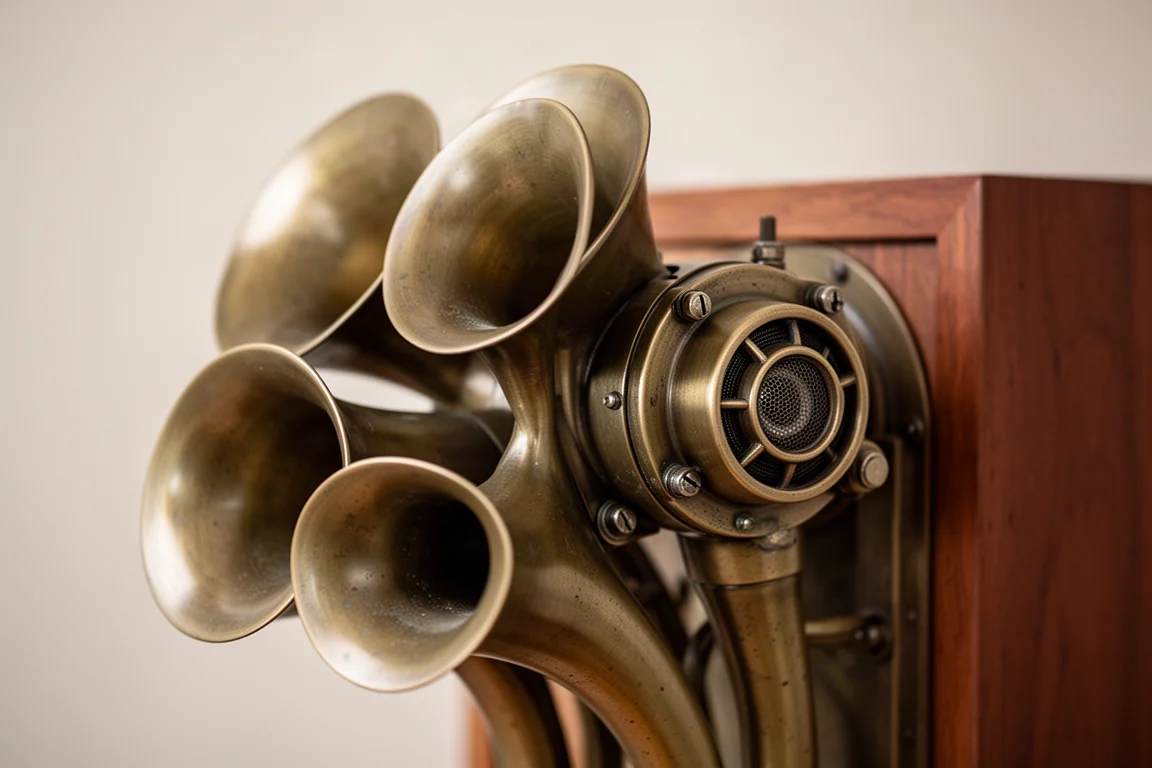
Keeping the original crossover network intact matters here. It preserves the voicing the system was built around, rather than replacing period behaviour with modern correction. The result is a full-scale response that carries from the deepest bass notes through to the horn’s upper registers without the sound collapsing into a narrow band.
Because the drivers are high efficiency by design, the system does not need enormous power to reach realistic levels. That single characteristic opens up amplifier choices that would be unworkable with conventional low-sensitivity speakers.
Amplifier Matching and System Synergy
The system’s owner spent years searching for a matching amplifier, working through more than 100 tube amplifiers built between the 1920s and the 1980s before deciding to design his own. Three approaches now sit around this speaker, and each one changes the character of the sound in a meaningful way.
The Titan 6550 push-pull monoblocks deliver 60 watts and use direct coupling from the first tube through to the final output transformer, with no coupling capacitors in the signal path and a custom interstage transformer handling the transition. They were originally built for JBL Hartsfield speakers, where their power and clarity suited a difficult 15-inch horn-loaded load.
The 6L6 integrated amplifier produces 20 watts per channel with zero negative feedback, hand-wired construction, and transformers wound to match each channel closely. It uses conventional coupling capacitors and leans warmer and more emotional, which is why it was made specifically for this RCA Photophone system. A 2A3 single-ended amplifier, rated at just 3.5 watts, also drives the speaker comfortably thanks to its efficiency, and is regarded as the purest of the three. The unit in the bar uses a mono volume control per channel for precise stereo balance, with a near-identical backup amplifier offering a stereo volume control.
Sound Character Across Genres
What sets this system apart is how consistently it engages across jazz, rock, acoustic material and vocals. Rather than encouraging close analysis of imaging and separation, it keeps attention on the performance itself, which is a rare quality in any loudspeaker, let alone one built around 1937 theatre technology.
Tonality, soundstaging and textured bass all hold together, and the system’s owner places it above even the legendary JBL Hartsfield in his own experience. Listeners who have spent time with large horn systems will recognise the difference: the midrange sweetness is there, but it arrives alongside bass weight and body that horn designs often lack.
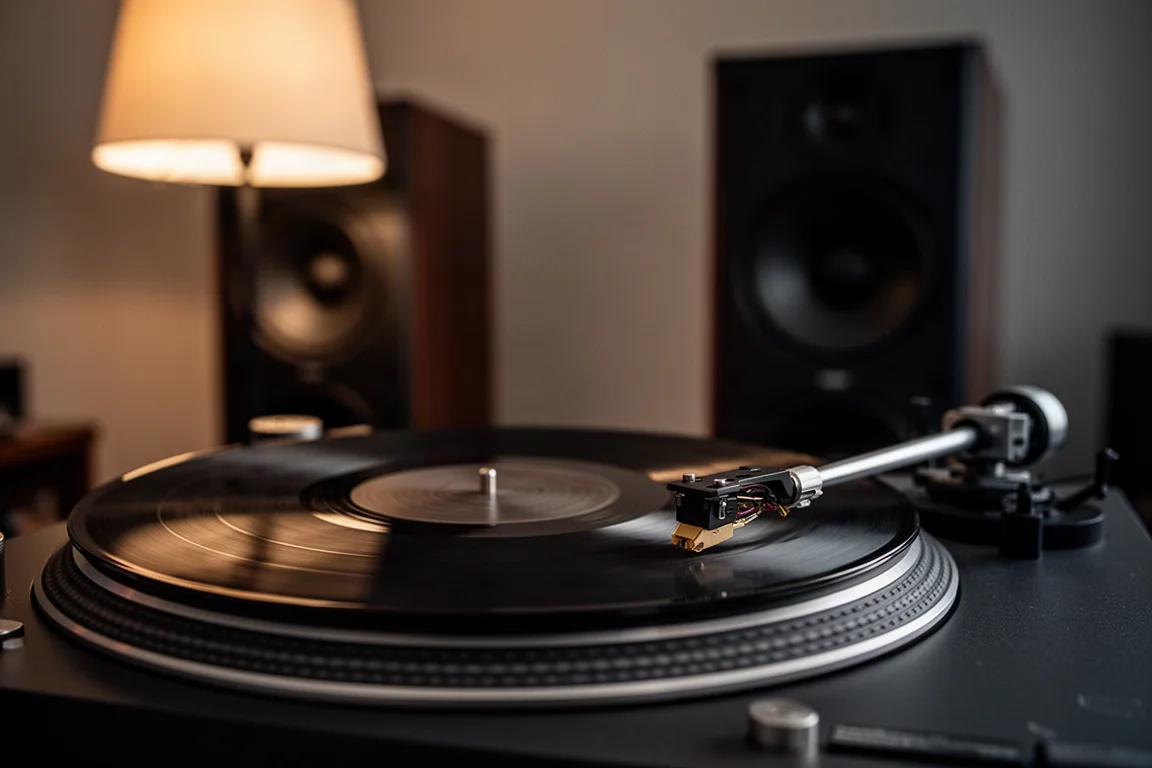
The practical effect is that long listening sessions stop feeling like evaluation and start feeling like time spent with the music. That is the strongest argument for a system of this size and complexity, and it is the reason it was moved out of storage and into a room built around it.
Things to Consider Before Buying
Scale is the first constraint. With a height above 2.3 metres, the system needs a large space, which is exactly why it spent years in warehouses and borrowed offices before finding a permanent home. A normal house or small office simply cannot accommodate it properly.
Sourcing is the second constraint. Assembling a complete, original-specification system took about two years of searching, including the driver, the woofer, the enclosure and the period crossover network. That kind of project demands patience and access to specialist parts channels rather than a simple order form.
Finally, amplifier matching is not optional. A high-efficiency horn system responds strongly to the amplifier behind it, and the differences between a 60-watt push-pull design, a 20-watt integrated and a 3.5-watt single-ended amplifier are audible rather than academic. Budget time and attention for that pairing, not just for the speaker itself.
Buying Advice
Approach a system like this as a project with three parts: the horn and woofer assembly, the crossover, and the amplification. Getting the speaker right while pairing it with an unsuitable amplifier leaves much of its potential unused, and low-wattage single-ended designs can genuinely be enough when efficiency is this high.
If you are drawn to vintage theatre horns, prioritise condition and completeness of the original parts, since the crossover and driver define the voicing. If you are drawn to the emotional, full-scale presentation rather than the hardware itself, the practical route is to hear a properly assembled system in a suitable room before committing to one of your own.
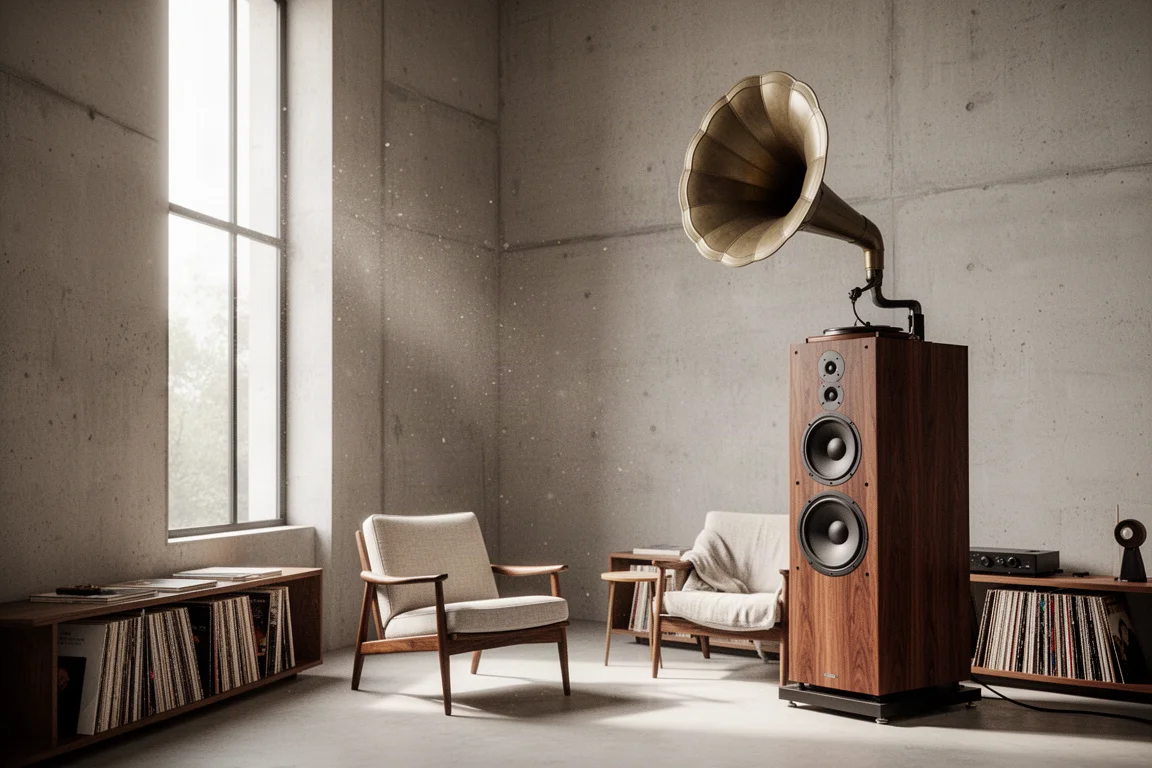
There is no mass-market path here. These are rebuilt heritage components that come together through specialist sourcing, careful matching and a room that can hold them. Buyers who accept those terms tend to be rewarded with a system that behaves less like equipment and more like a musical instrument.
Conclusion
The RCA Photophone 1937 speaker system is a rare case where period engineering, a long restoration effort and careful amplifier matching add up to something greater than the sum of its parts. Its 15-cell compression driver horn and folded-horn bass cabinet deliver a full-scale, emotionally engaging sound that holds up across jazz, rock, acoustic music and vocals.
The trade-offs are real: a height above 2.3 metres, a multi-year sourcing process, and amplification that has to be chosen deliberately. For listeners with the space and the patience, this is a system worth seeking out and hearing properly, ideally in a room that lets it work as intended.
Product link
View more details for RCA Photophone 1937 Speaker System
This product is mentioned in the review. Check the specifications, options, and compatibility before buying.
View more details for RCA Photophone 1937 Speaker SystemFurther reading
Related Reviews
Stereo Power Amplifiers
Adcom 545 Mark II vs Adcom 555 MS: Vintage Value or Modern Reliability
A side-by-side look at the vintage Nelson Pass-designed Adcom 545 Mark II and the current Adcom 555 MS, including what real ownership actually costs.
Vintage Audio
Affordable Vintage Receivers: 8 Overlooked Models Worth a Second Look
A practical guide to eight vintage stereo receivers that stay under the collector radar, with real strengths, honest trade-offs, and what to check before you buy.
Hi-Fi Amplifiers
Aima T9 vs Duke Audio ST-01 Pro: Which Affordable Tube Amp Should You Buy?
A close comparison of two budget tube integrated amplifiers: what they share, where they differ, and which one fits your system.