Home Audio
RBH Sound Speaker Lineup: Five Standout Models for Home Theater and Two-Channel Listening
A practical look at five RBH Sound speaker designs, from a flagship on-wall soundbar to fully active modular towers, with the details that matter before you buy.
Introduction
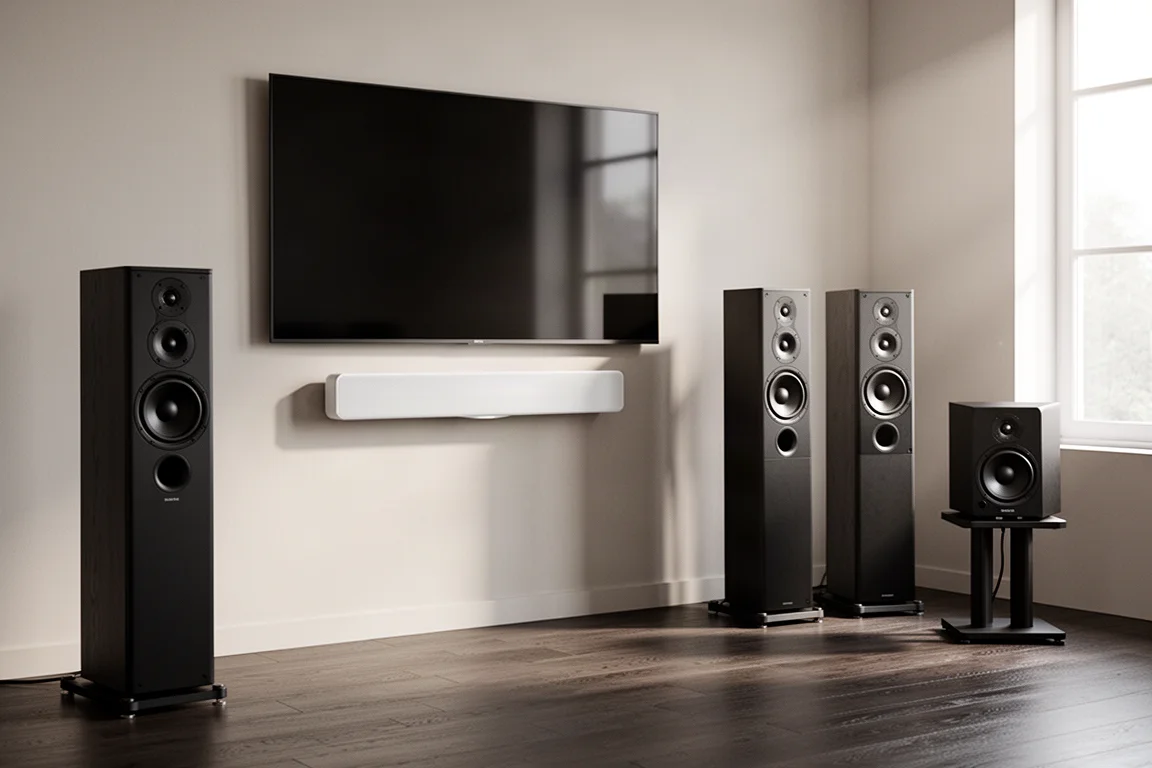
A well-matched speaker and processor combination can transform how a room feels, and that was the theme of a recent multi-room listening event built around RBH Sound speakers driven by Trinnov electronics. Across the demonstration spaces, every major RBH category was represented, from in-wall and in-ceiling models to box subwoofers and a flagship on-wall soundbar.
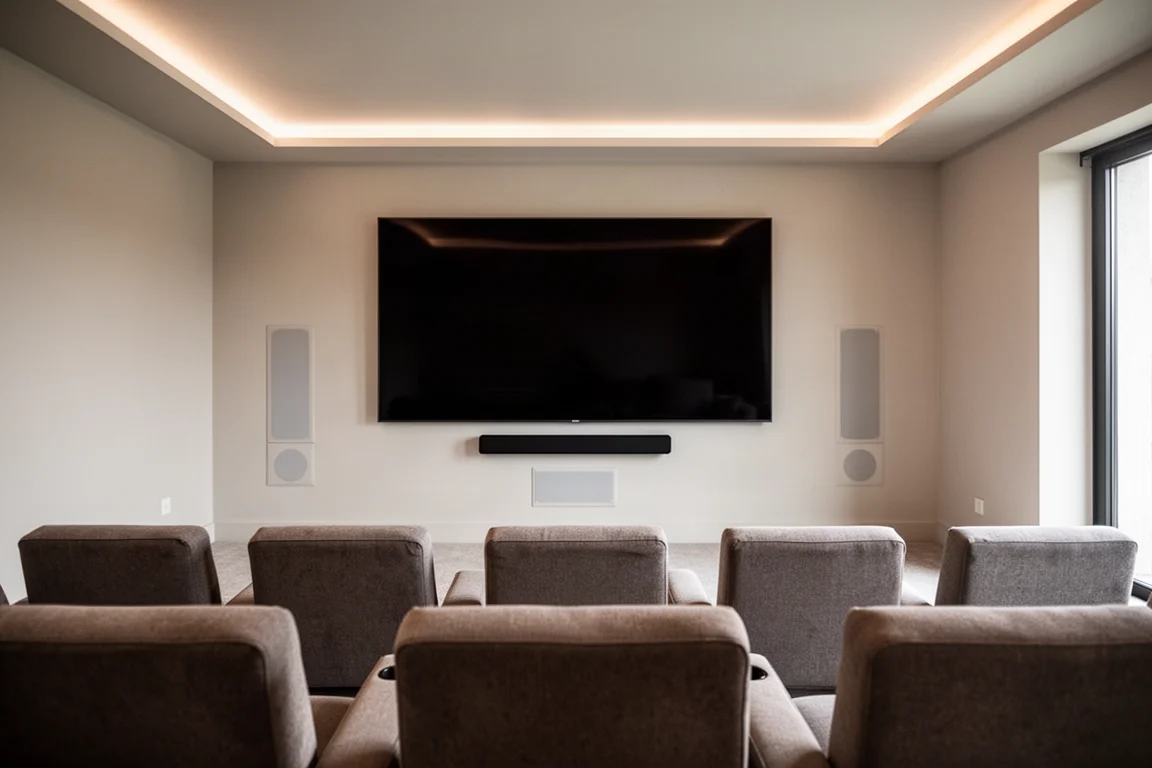
The first system ran a 5.2.4 layout with SI-663 speakers behind the screen for left, center, and right, SI-661 units for the rear surrounds, SI-815 in-ceiling speakers for the four height channels, and a pair of 1212-SFR box subwoofers. Trinnov processing handled calibration, with an RJ45 network connection carrying every channel from the processor to a 16-channel amplifier over a single cable. The calibration was completed in under 10 minutes with the microphone placed at the main listening position, and the chosen target curve was selected for both music and theatrical material.
What stood out in that room was bass integration. The subwoofers sat behind the listening position yet never called attention to themselves, and the low end stayed tight and connected to the main speakers. Demos moved from Queen’s “Bohemian Rhapsody” and “We Will Rock You” to the flight sequences from Top Gun: Maverick, and the immersive presentation held together across both.
What to Look for in This Lineup
Before comparing models, it helps to understand what actually separates them.
Amplification architecture is the first fork in the road. Some RBH designs keep only the bass section powered while the rest of the speaker stays passive, and others go fully active. A powered bass section takes the heaviest workload off an external amplifier, while a fully active design removes passive crossovers entirely and couples each driver directly to its own amplifier channel.
Cabinet construction matters just as much. The reference models use high-density fiberboard enclosures with rigid bracing and a granular acoustic damping material that absorbs energy inside the cabinet and helps suppress vibration. Driver choice follows the same logic: aluminum cone drivers with long throw and a high motor force magnet system keep system Q low, which translates into tight, accurate bass rather than a soft or bloated low end.
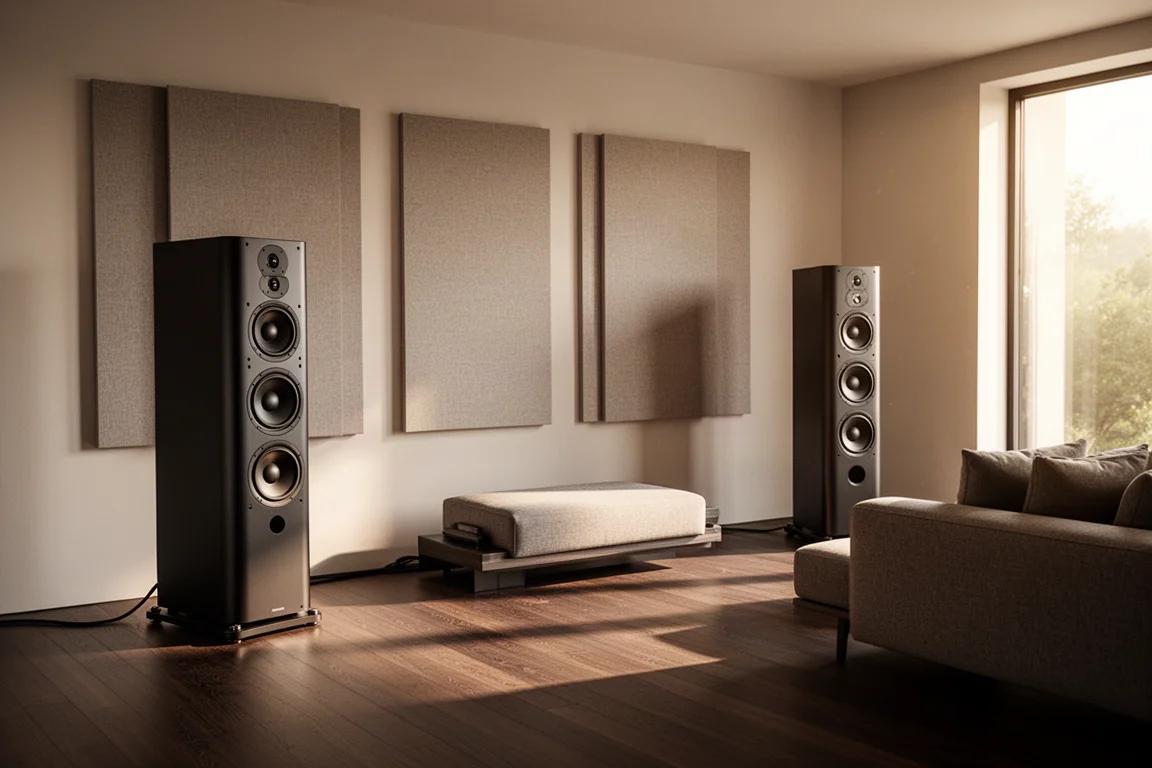
Customization is a genuine part of the buying decision here. Black and white are the standard finishes, and side panels, front faceplates, and custom colors can all be specified to suit a room.
Manufacturing is worth noting as well. These speakers are designed and built in Layton, Utah.
RBH 8600 SWR: A Flagship On-Wall Soundbar
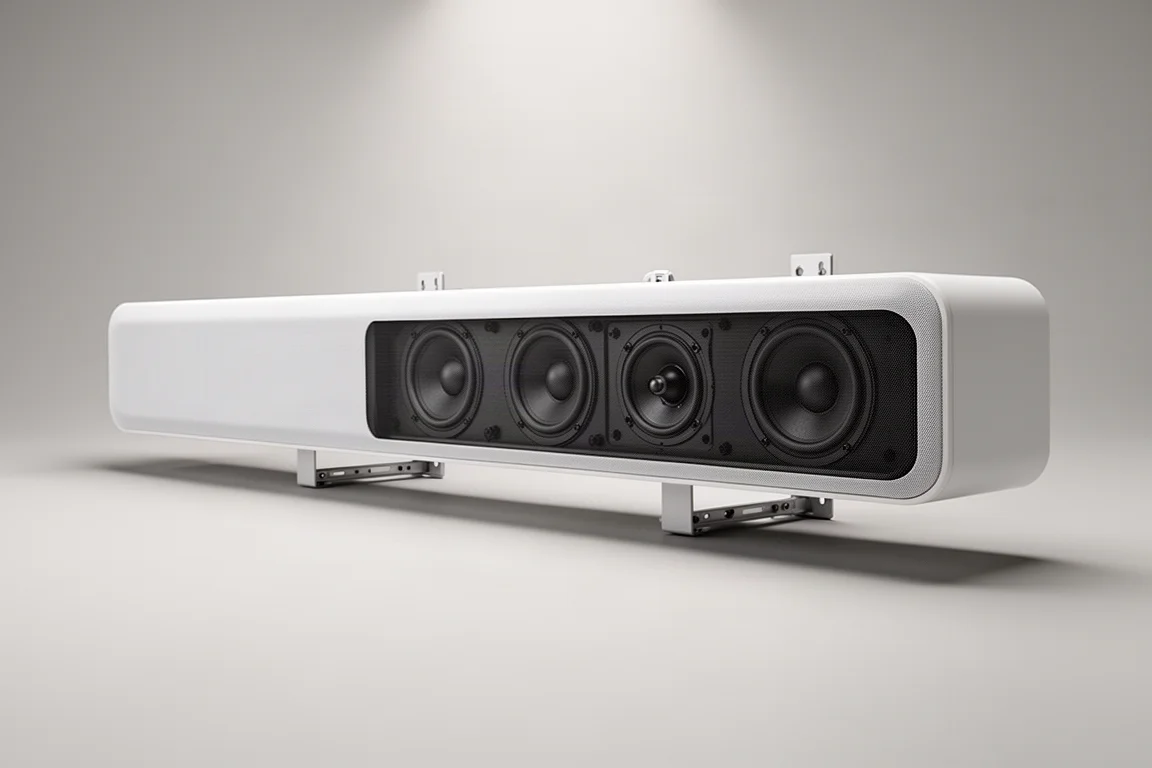
For large flat-panel displays, the RBH 8600 SWR is the flagship on-wall passive LCR soundbar in the range. Its center section uses a mid-tweeter-mid arrangement with dual 8-inch drivers flanking a 4-inch air motion transformer, while the left and right channels each pair a single 8-inch driver with a 4-inch air motion transformer.
The important detail is parts commonality. The 8600 SWR draws on the same high-output drivers used in RBH’s flagship tower reference speakers, which is why it can produce dynamic range that is unusual for a soundbar form factor. It mounts directly beneath a display, including an 83-inch panel, and blends into the decor rather than announcing itself.
Custom work is available. The example unit was built with a white baffle to match the trim in the owner’s home and no visible screw holes, and custom lengths can be specified up to 96 inches. In that installation the soundbar was driven by a standard home theater receiver, so the electronics do not need to be exotic.
RBH SFR: Modular Towers with Powered Bass
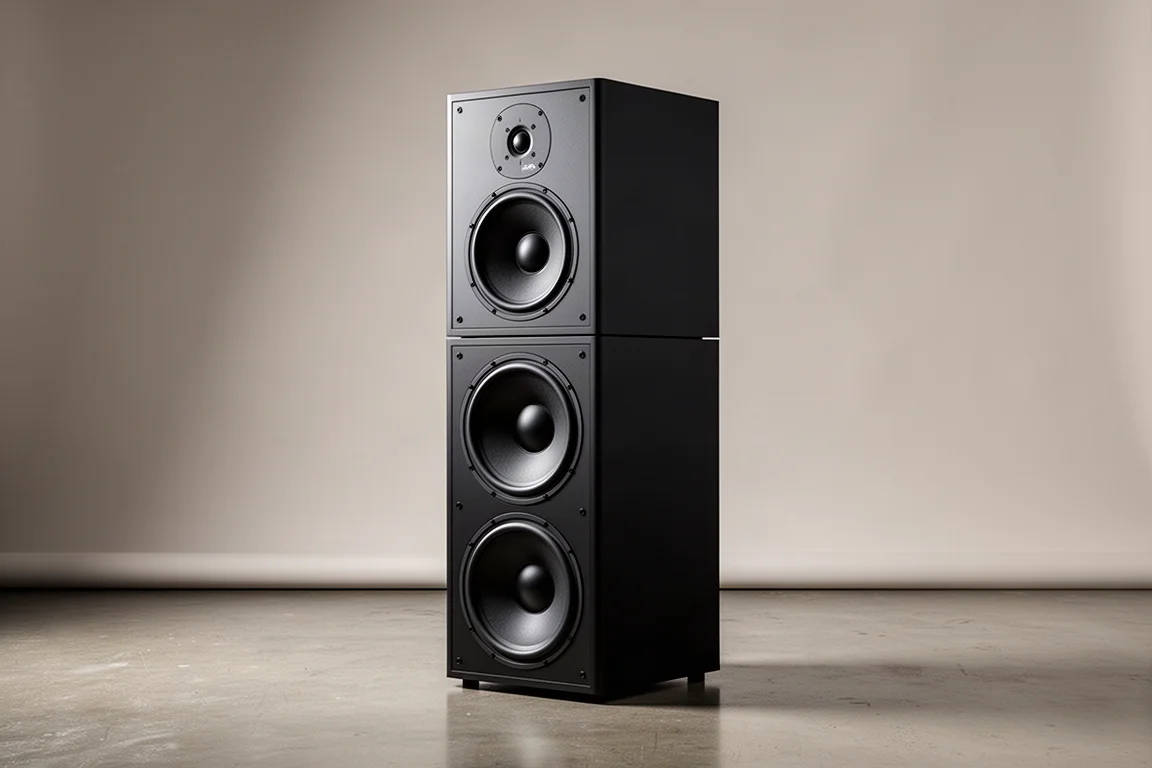
The SFR modular speaker is the baseline configuration of RBH’s reference tower platform. Its subwoofer sections are powered, in this case by a separate outboard amplifier, though the same system can be ordered with an inboard amplifier.
Each tower uses dual 12-inch drivers with the brand’s signature series aluminum cone construction. A very rigid cone matters in an enclosure this size, and the drivers pair a long throw with a high motor force magnet system to keep system Q low, around 0.7. In practical terms that means bass that stays tight and accurate. The enclosure is built from high-density fiberboard with rigid bracing and a granular acoustic damping material that absorbs internal energy and helps eliminate cabinet vibration.
The result is a speaker that stays composed at high output. Driven by 1 kilowatt monoblock amplifiers, the towers absorbed power without ever sounding compressed, and the midrange and treble stayed sweet whether the system played quietly or loud. The base system with subwoofer amplifiers starts at about $16,000.
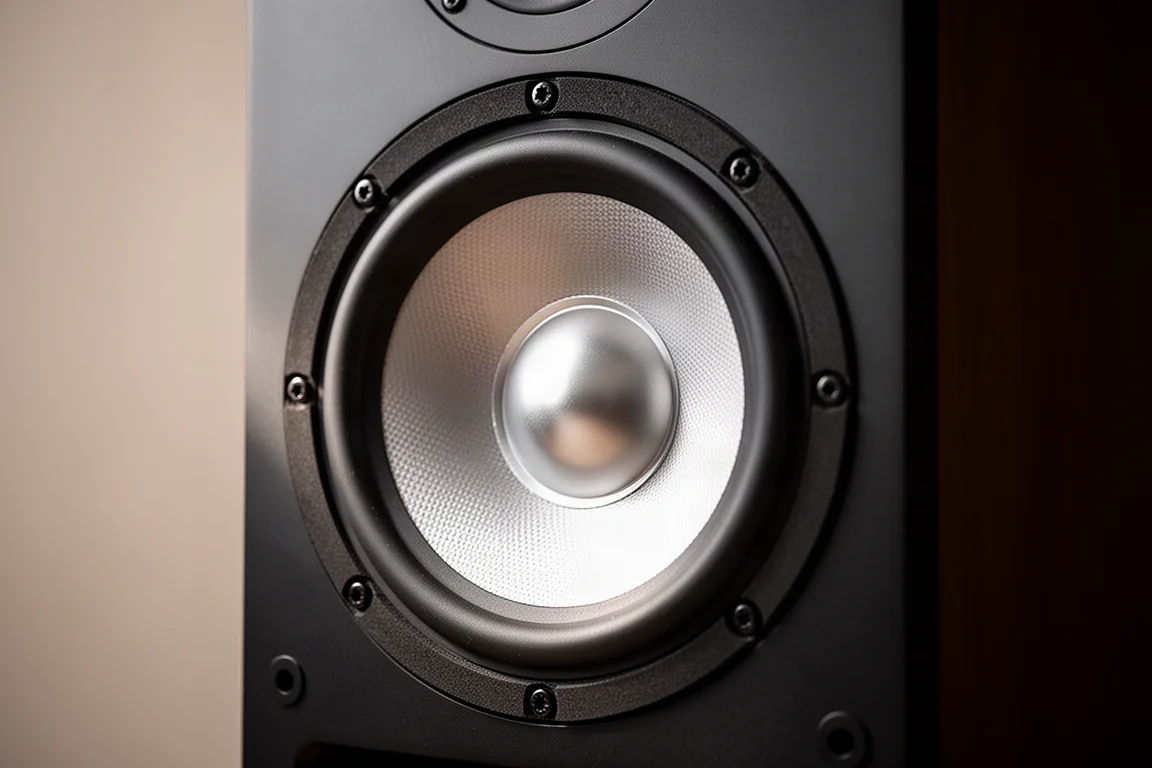
Customization extends to side panels and a front faceplate, so the aesthetic can be tailored to the room. The design goal is straightforward: reference-level performance in a more compact and more manageable enclosure than the flagship towers.
RBH SFTR AX: The Fully Active Upgrade
The SFTR AX takes the same platform fully active. That removes the passive crossovers from the signal path and couples the drivers directly to the amplifier outputs, which is a meaningful advantage. Bandwidth limiting is handled in the digital domain instead of through passive parts.
The processing runs on a Marani DSP platform with commercial-grade digital-to-analog conversion and FIR correction. There is also a stereo expansion feature that can be dialed in subtly to add a sense of spatiality without smearing the image.
If you want the most integrated version of this speaker, the active route is the one to take. The same customization options apply, including side panels and a front faceplate.
RBH 61 MTS: Compact Modular Tower Value
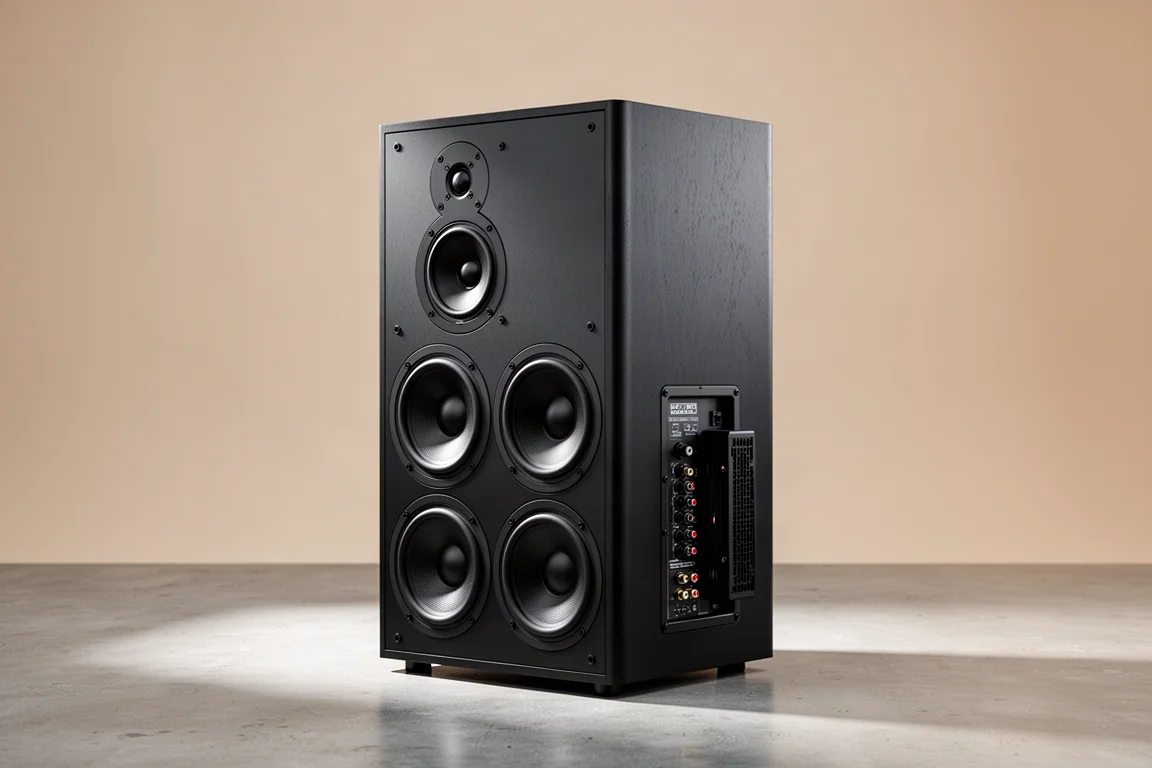
The 61 MTS modular tower brings a good deal of this technology down to a friendlier price. The base price is about $6,800 before customization, the built-in amplifier adds roughly $1,000 per speaker, and the passive version costs about $2,000 less. As configured with accessories, the MSRP is $7,800.
The amplifier is rated at 400 W per channel. That is far more than the speaker will typically draw, which means it runs at a small fraction of its output, keeps distortion low, and leaves plenty of headroom in reserve.
Bass performance is the real surprise. The 61 MTS uses the same 8-inch drivers found in the SVTR models, where they serve as mid-bass units. Here they work as full-range bass drivers, coupled low to the floor and loaded in a ported enclosure tuned low. In practice the towers delivered deep, authoritative bass that many listeners assumed was coming from separate subwoofers. On a spatial recording, the presentation was three-dimensional, with focused vocals and detail spread around the listening position from just two channels.
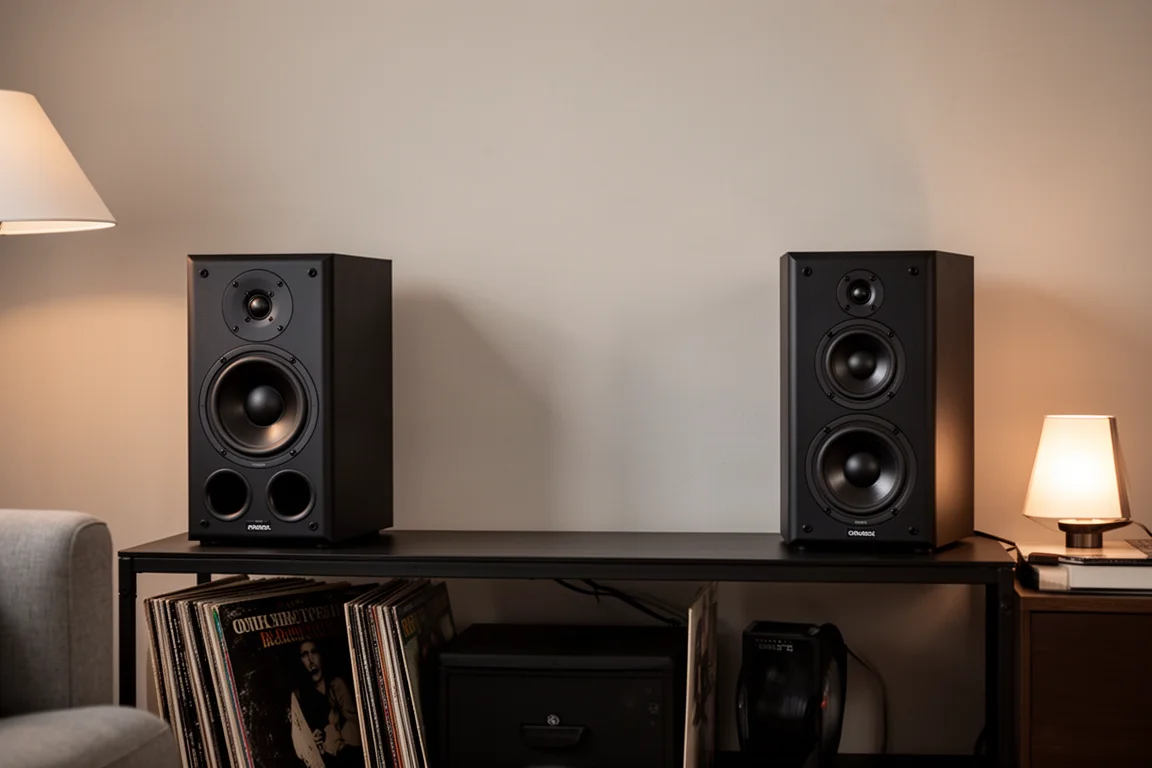
Setup is simple. The powered version accepts RCA or XLR from a streamer or preamp, plus a power cord. The amplifier carries the same DSP found in RBH subwoofer amplifiers, offering up to 40 bands of parametric EQ and all-pass filters for phase integration. Black and white are standard finishes, side panel options are extensive, and custom colors can be matched from the Sherwin-Williams catalog for a small surcharge. An interactive 3D viewer on the brand’s website lets you preview combinations before ordering.
RBH 61 AX: Powered Monitors for Smaller Rooms
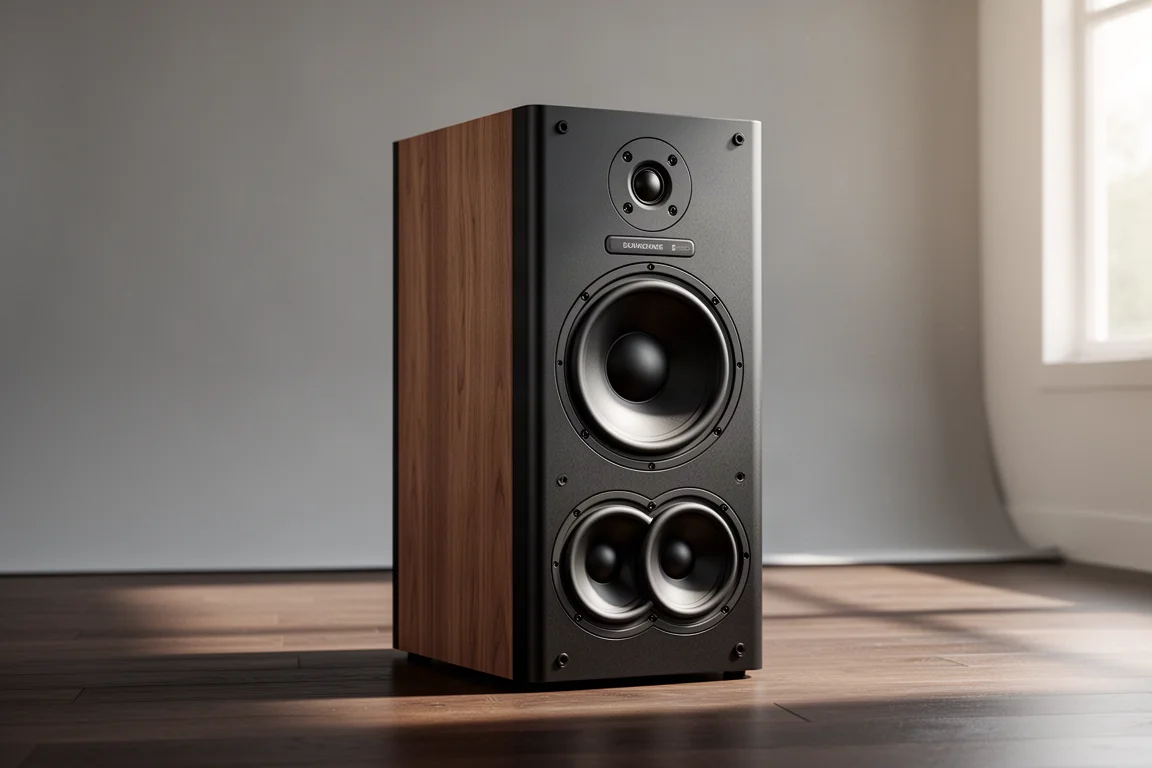
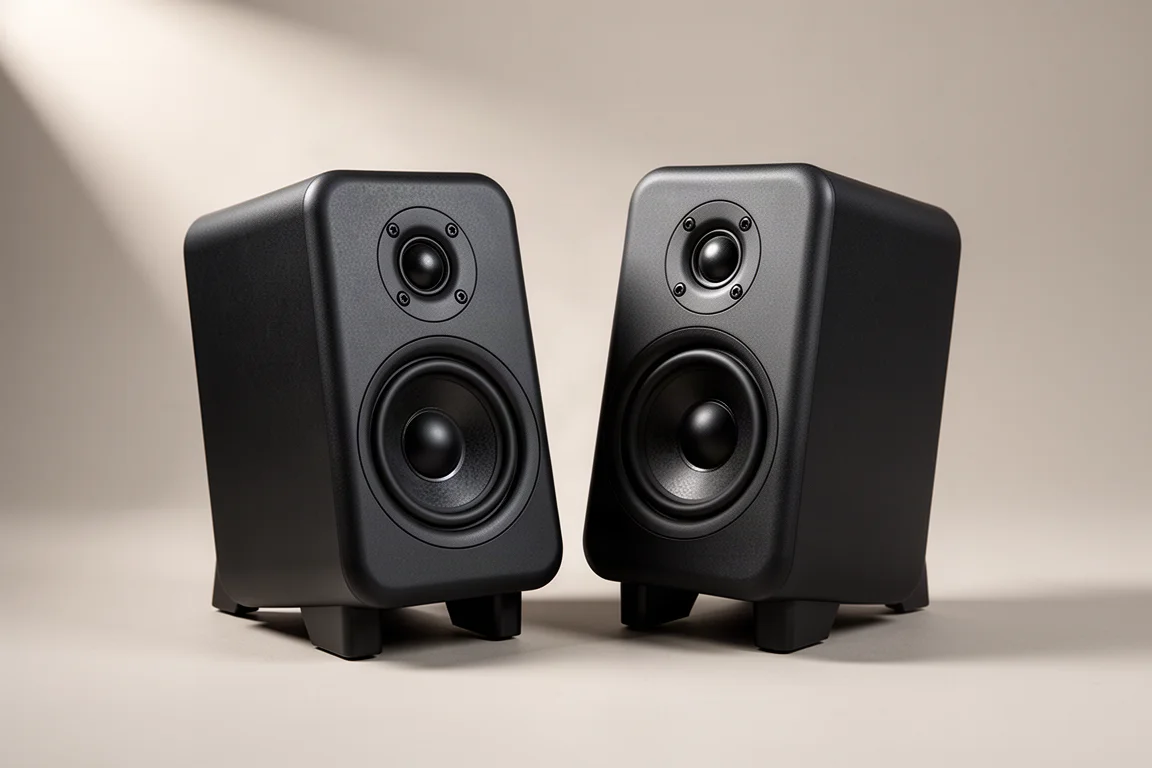
The 61 MTS is essentially the 61 AX powered monitor with a base module added underneath, containing the dual 8-inch drivers. That makes the 61 AX a natural starting point for anyone who wants the character of this line in a smaller footprint.
Because the monitors are fully self-contained, all you need upstream is a streamer or preamp with volume control. Listeners who have spent time with them describe a compact system with tight, accurate, and highly dynamic bass, and those same qualities carry over to the tower version.
Buying Advice
Match the speaker to the room rather than to the specification sheet.
If your system is built around a large flat panel and you want the cleanest possible installation, the 8600 SWR is the logical choice, particularly if a custom width or finish matters to you. If you want a full tower system that can play at reference levels without strain, the SFR and SFTR AX sit at the top of the range, and the active version is the more integrated of the two. If space or budget is tighter but you still want genuine low-frequency output from a pair of towers, the 61 MTS is the value pick in this group, and the 61 AX covers similar ground in a monitor format.
Two practical points apply across the range. First, decide up front whether you want powered bass or a fully active design, because that choice determines what electronics you need and how the system is wired. Second, treat customization as part of the planning rather than an afterthought, since finishes, panels, and faceplates are specified at the time of order.
Every speaker here is designed and built in Layton, Utah, which is worth knowing if domestic manufacturing matters to you.
Conclusion
The RBH range covers a lot of ground, and this lineup shows how one design philosophy scales across very different rooms. The 8600 SWR proves that a soundbar can use reference-grade parts. The SFR and SFTR AX push for maximum output and integration. The 61 MTS and 61 AX deliver much of that same character in a smaller, more affordable package.
Pair any of them with careful calibration and a well-matched amplifier, and the result is a system that stays clean at low levels and composed when the volume climbs. That combination of flexibility and performance is what makes this lineup worth a closer look.
Further reading
Related Reviews
Home Audio
Aperion Novus Tower and Center Review: Punchy Home Theater Sound With Real Refinement
A close look at the Aperion Novus tower and center speakers, from their layered paint finish and punchy bass to the 4-ohm load and what the price actually buys.
Home Audio
Arendal 1610 Tower Review: Flagship Dynamics in a Room-Friendly Tower
A compact floorstanding tower with three 8-inch aluminium woofers, a 5-inch carbon midrange, and the kind of bass heft usually reserved for much larger speakers.
Home Audio
Arendal 1723 S THX Review: A Reference Speaker Built Like a Tank
A practical look at the Arendal 1723 S THX, a sealed, THX-certified speaker with exceptional build quality, a very flat top end, and a midrange that responds beautifully to EQ.