Home Audio
RBH Sound Subwoofers and PM6 Monitors: Three Bass-Focused Options Explained
The RBH Sound Single 12 and Dual 12 reference subwoofers plus the PM6 powered studio monitors cover very different rooms, and each one solves a different problem.
Introduction
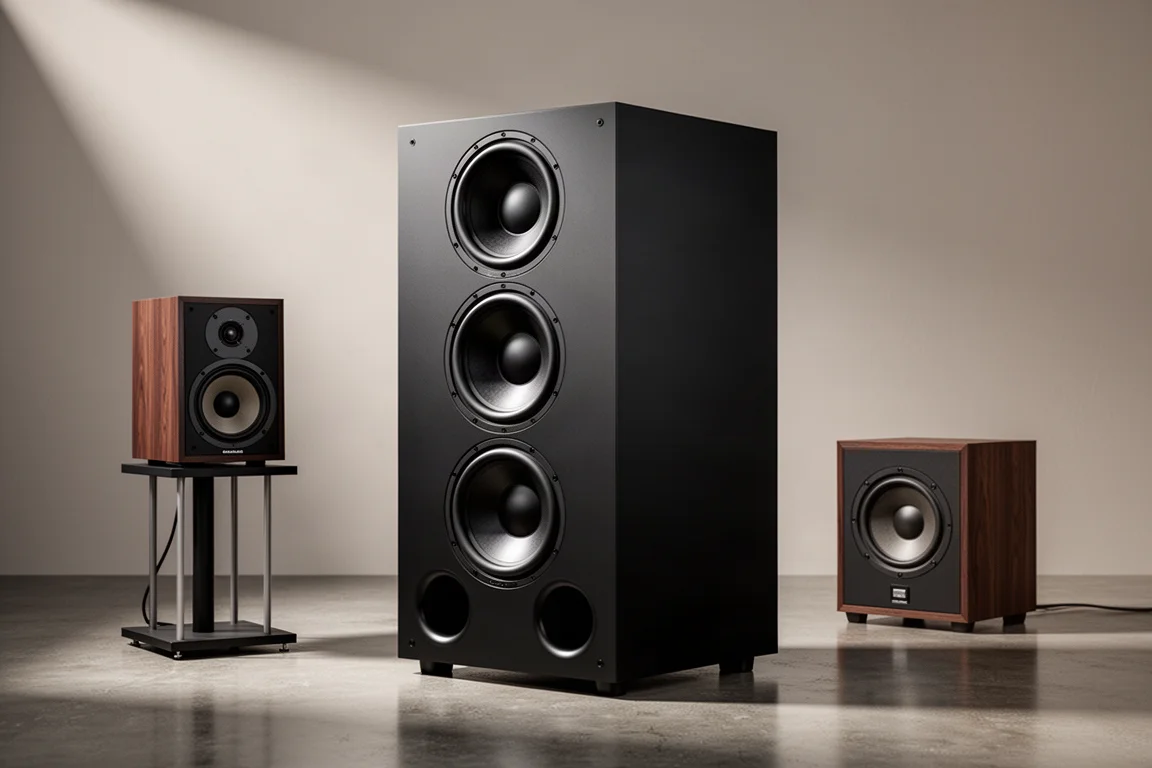
RBH Sound has expanded its subwoofer lineup, and the new arrivals cover a wider spread of rooms and system sizes than a single model could. The range now includes a single 12-inch subwoofer, a dual 12-inch reference subwoofer, and the PM6 powered studio monitors, which can anchor a compact system on their own.
Each product is built around the 12-inch driver platform the brand has moved toward for most of its range, a decision that reflects how well established those designs are. The differences come down to output, cabinet size, amplification and how much floor space you can give up.
This guide walks through what each option does well, who it suits, and what to check before committing.
How These RBH Sound Options Fit Different Rooms
The most useful way to separate these products is by room size and output expectations. RBH describes its subwoofers against a “basaholic” room size scale, and the two new subs sit at very different points on it. The dual 12 reference model reaches the extreme end of that scale, while the single 12 is expected to land around the medium rating, which makes it a better fit for smaller family rooms or compact systems.
Driver choice matters as well. The single 12 is available with a standard driver, while the dual 12 reference model uses reference-grade 12-inch drivers. Both are ported designs, and both are described as musical rather than purely effects-driven, which matters if the same system has to handle music as well as film soundtracks.
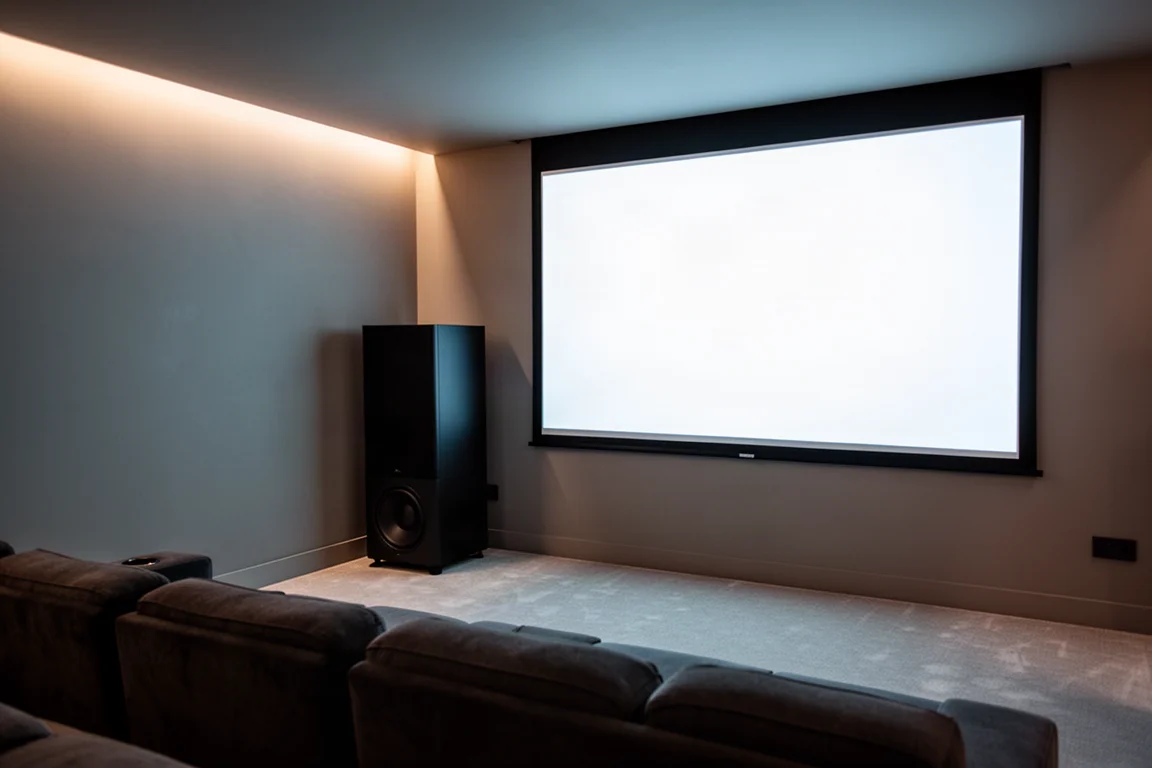
The practical takeaway is that output and footprint scale together. Larger cabinets buy more headroom, but they also ask for more floor space and more careful placement, so the right answer depends on the room rather than on the spec sheet alone.
RBH Sound Single 12 Subwoofer
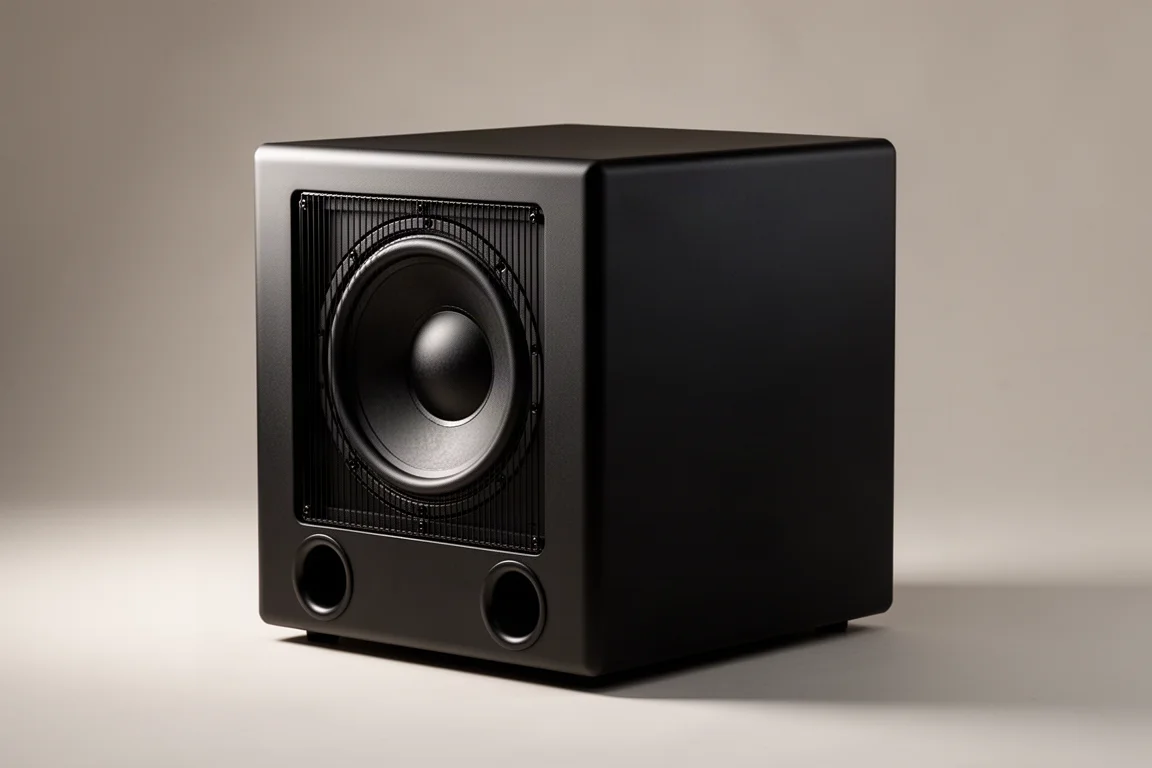
The single 12-inch subwoofer is the most flexible entry in the new lineup. It ships in several amplifier configurations: a standard driver version with a 350-watt amplifier, a step-up with a 500-watt amplifier, and a version with an 800-watt DSP-equipped amplifier that is planned for release.
The cabinet uses two 3-inch ports on the bottom, a ported alignment that the brand tunes for both extension and musicality. It is described as playing loud while staying tight and accurate, which is the combination most listeners are chasing when they add a subwoofer to a music-first system.
Expect it to reach roughly the medium rating on the brand’s room size scale, so a small family room or a bedroom system is realistic territory. It is also the natural partner for the PM6 monitors, giving a compact powered setup with real low-frequency foundation.
RBH Sound Dual 12 Reference Subwoofer
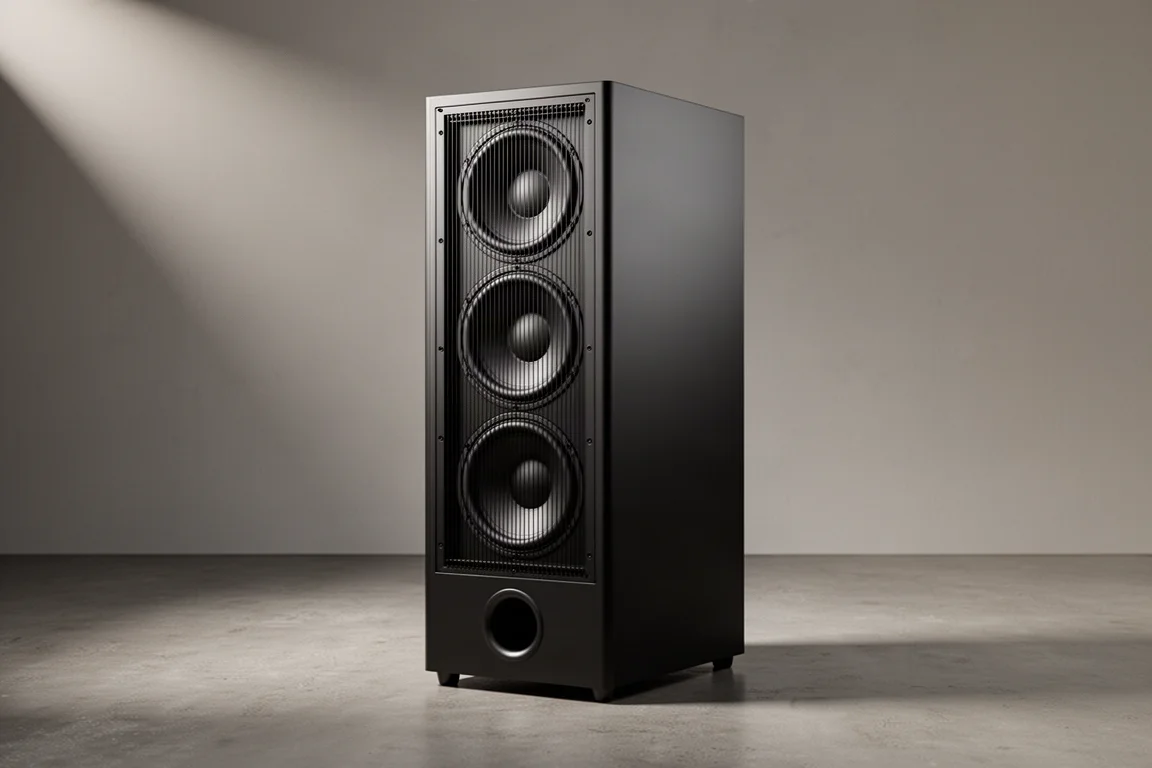
The dual 12 reference subwoofer is the high-output option. It pairs two reference 12-inch drivers with a 2400-watt DSP-driven amplifier, and it shares its drivers and internal airspace with the brand’s larger subwoofer cabinet design, with the ports moved to the front of the enclosure rather than the bottom.
The DSP is a significant part of the appeal. It provides parametric EQ adjustments and digital delay, so two subwoofers at the back of a room can be time aligned properly even when the processor offers only a single subwoofer output. The controls are accessible over Ethernet from a computer using the brand’s software. Limiters are well sorted, and the amplifier design has already proven itself in an earlier 2000-watt version, which this model improves on through extra power and better DSP.
Output is rated at the extreme end of the brand’s room size scale. In practice, the two-driver cabinet is said to deliver roughly the output of a single 18-inch subwoofer from a taller but narrower footprint, which helps when floor space is limited but bass demand is not.
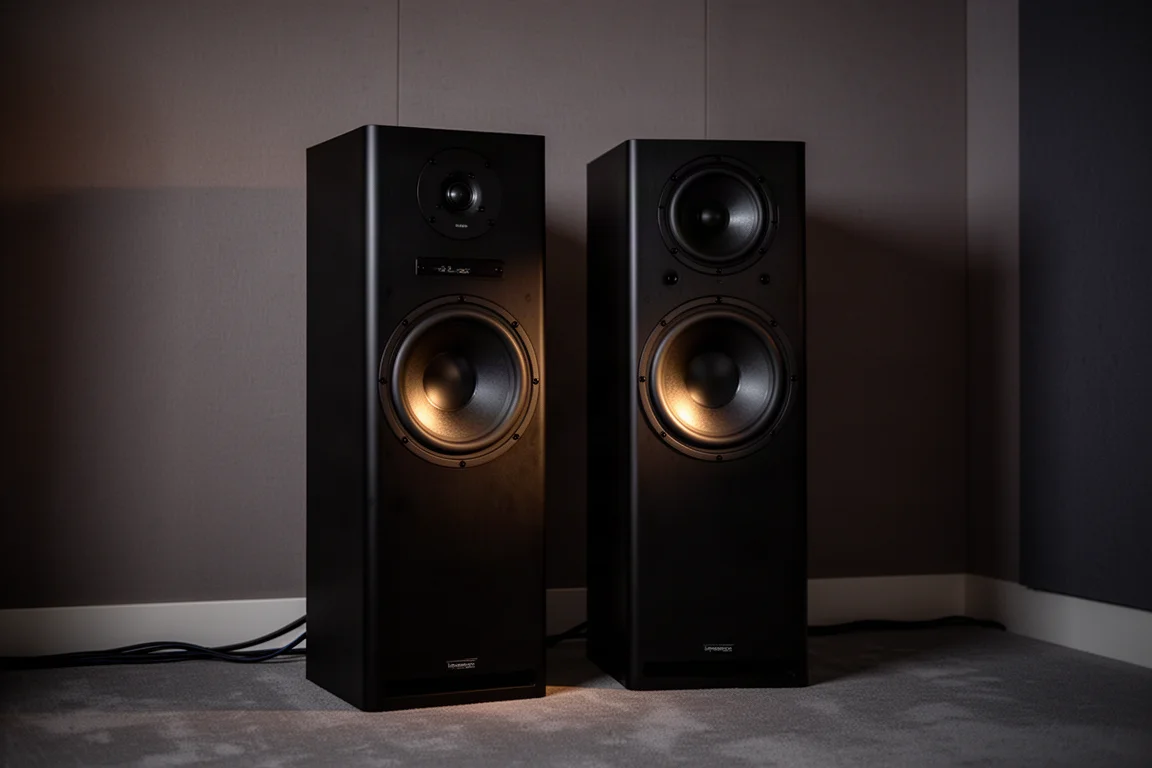
The dual 12 is also available as a passive model for use with an outboard amplifier, alongside the version with the built-in plate amplifier. The fully configured reference version with the 2400-watt amplifier is expected to land somewhere around $5,000 to $5,500 retail, though pricing has not been officially released.
RBH Sound PM6 Powered Studio Monitors
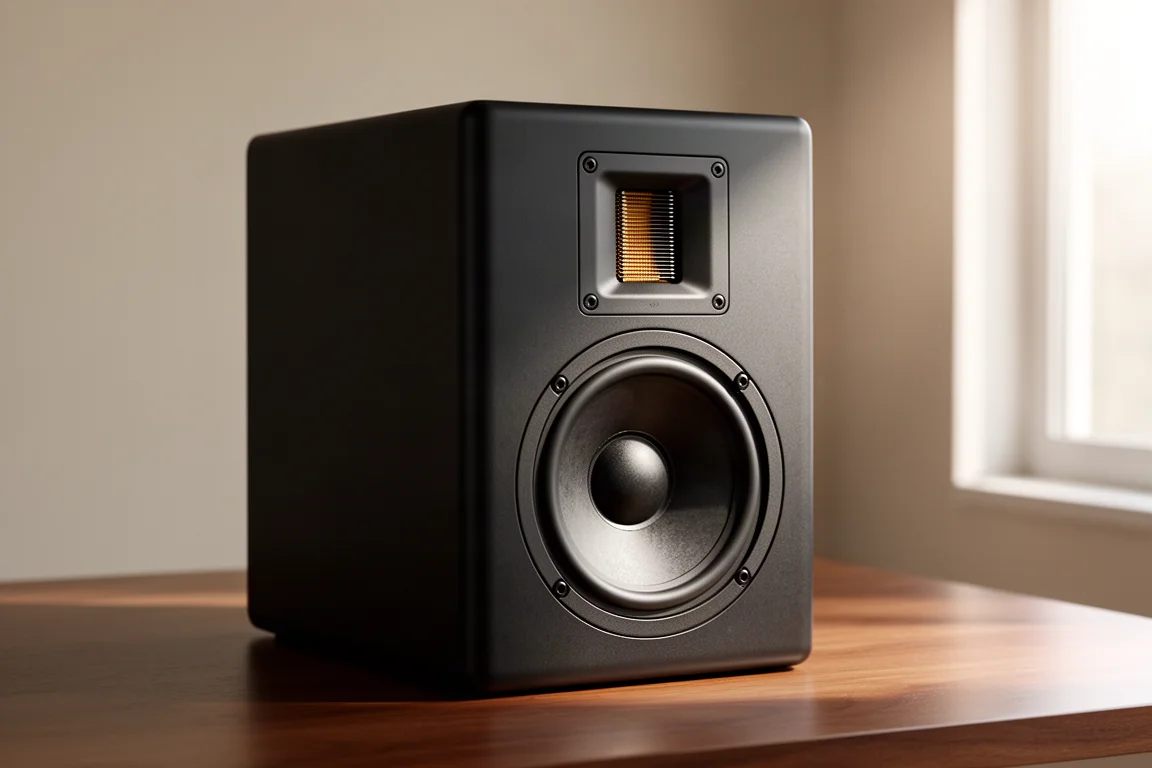
The PM6 is a bookshelf-size powered studio monitor, and it is the piece that lets a small system stand on its own without a separate amplifier. Each cabinet pairs a 6.5-inch reference driver with a reference AMT tweeter.
Amplification is split between the drivers, with 250 watts feeding the woofer and 150 watts feeding the tweeter. The power stage uses a Pascal class D module, and processing runs through Marani DSP with FIR filtering.
That combination makes the PM6 versatile. It works as a studio monitor, as the heart of a small two-channel system, or as part of a full surround setup where every channel needs consistent voicing. Paired with the single 12 subwoofer, it becomes a compact full-range system with genuine low-end support.
Passive and In-Wall Configuration Options
Flexibility is a theme across this lineup. The dual 12 can be ordered as a passive cabinet driven by an outboard amplifier, or with a built-in plate amplifier, and both approaches have merit.
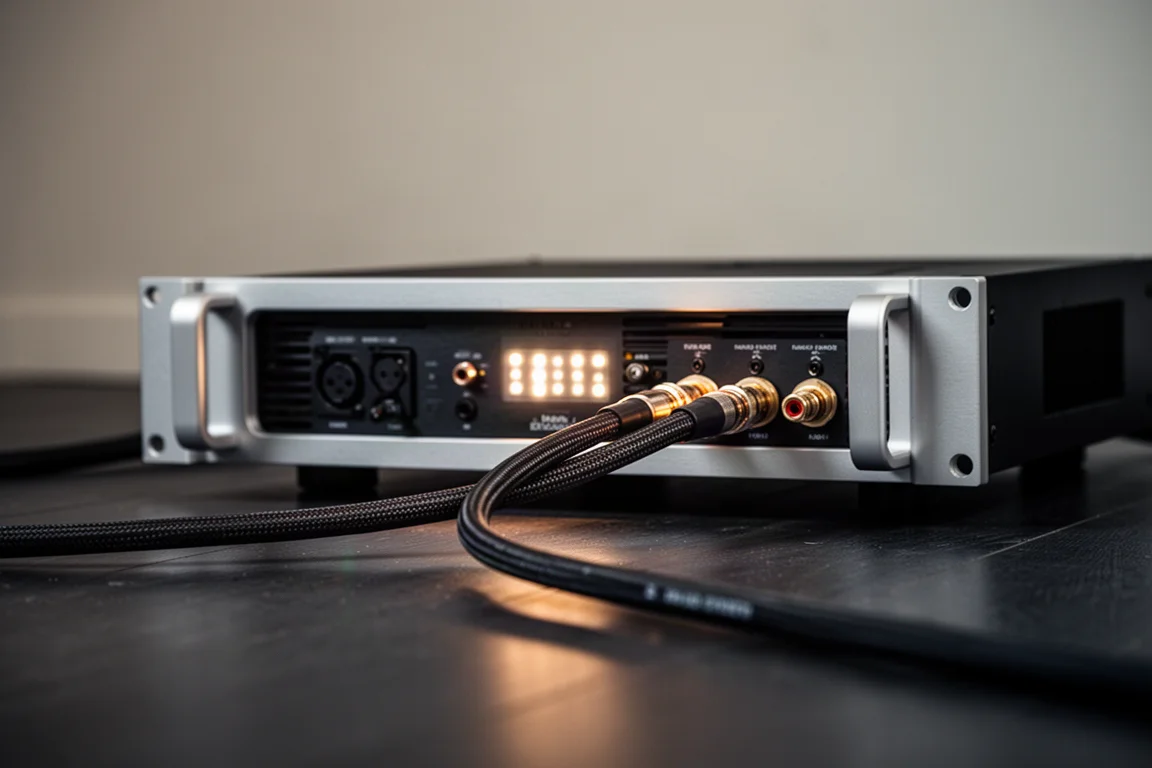
Passive models put the amplifier in a rack, where there is more room for cooling and more power on tap than a plate amplifier can usually offer in the same footprint. External amplifiers are also described as more reliable in service, and the arrangement keeps every connection in one place with only speaker wire running to the subwoofer. That is a meaningful advantage in a dedicated theater room.
In-wall versions of these subwoofers are also part of the picture, using similar driver technology in a lower-profile format. One of them uses a new driver the company calls the Double D, aimed at delivering usable output and musicality from an in-wall installation rather than simply filling a wall cavity.
For rooms where a large cabinet will not work, these alternatives keep the same driver philosophy without asking for the same floor area.
Matching Subwoofers to Room Size and Listening Goals
Room size should drive the decision more than any other factor. The single 12 is the sensible choice for smaller spaces and modest systems, while the dual 12 reference model is built for large rooms and listeners who want headroom to spare. The dual 12 is rated for the extreme end of the brand’s room size scale, and the single 12 is expected to land around the medium rating.
Two subwoofers are generally better than one, and this lineup makes that easier to plan. A pair of passive dual 12 cabinets with a single rack amplifier is one route, and the digital delay built into the DSP makes it practical to place two subwoofers at the back of a room and still keep them properly time aligned.
It is also worth remembering why the low end matters so much. Without solid output below roughly 80 Hz, music loses weight and impact, which is exactly the region these subwoofers are designed to handle cleanly.
Buying Advice: What to Check Before You Commit
Pricing is the first thing to confirm, since the new products have not been fully released and final figures are still being settled. The dual 12 in its fully configured reference form with the 2400-watt amplifier is expected to sit around $5,000 to $5,500 retail.
Beyond price, check three practical details. First, whether the room has power where you want the subwoofer, which determines whether a powered or passive model makes more sense. Second, how much floor space you can give up, since the dual 12 trades width for height and suits narrow placements. Third, what your processor offers for subwoofer outputs, because the DSP delay on the dual 12 is what makes a two-subwoofer arrangement easy to align.
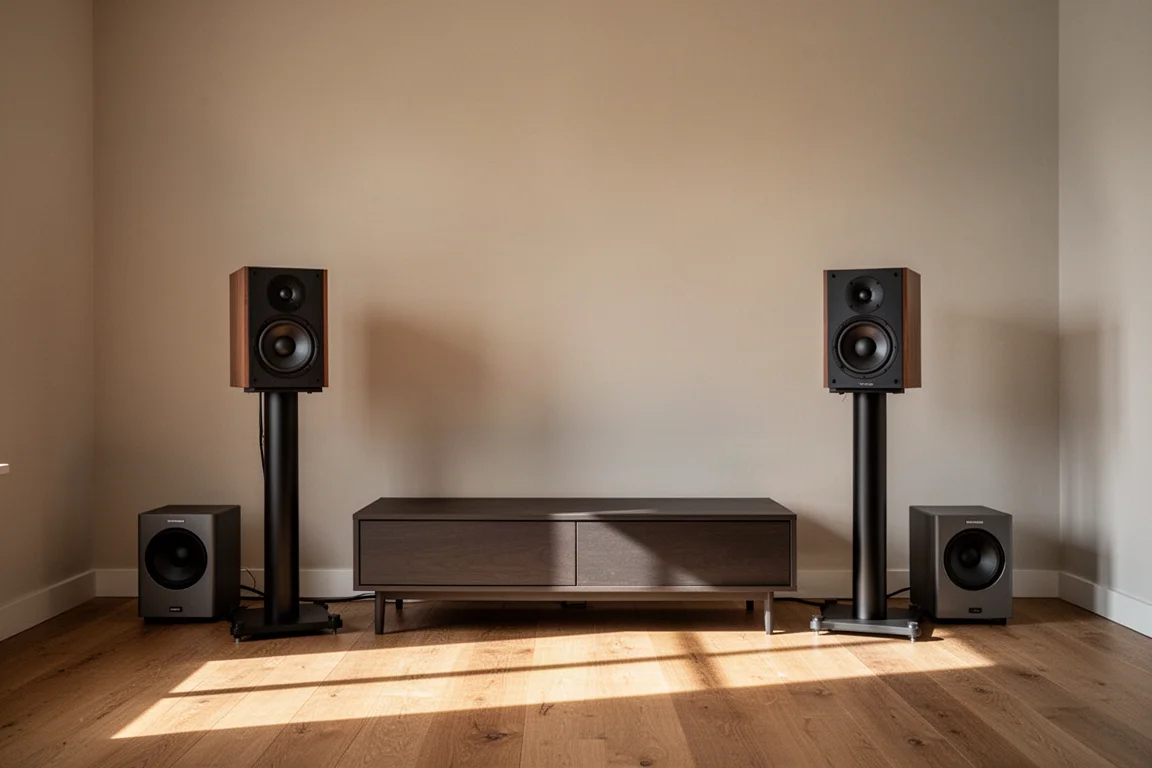
If you are building a compact music system rather than a theater, the PM6 monitors paired with the single 12 cover the full range without a rack of separate components.
Conclusion
These three RBH Sound products address different problems rather than competing with each other. The single 12 brings musical, loud bass to smaller rooms and pairs naturally with the PM6 monitors. The dual 12 reference subwoofer is the high-output choice for large rooms, with DSP flexibility that makes multi-subwoofer setups practical. The PM6 rounds out the range as a powered monitor that can carry a two-channel system or a surround installation on its own.
Confirm the final pricing, check your room’s power and floor space, and any of the three can become a long-term foundation for a system.
Further reading
Related Reviews
Home Audio
Aperion Novus Tower and Center Review: Punchy Home Theater Sound With Real Refinement
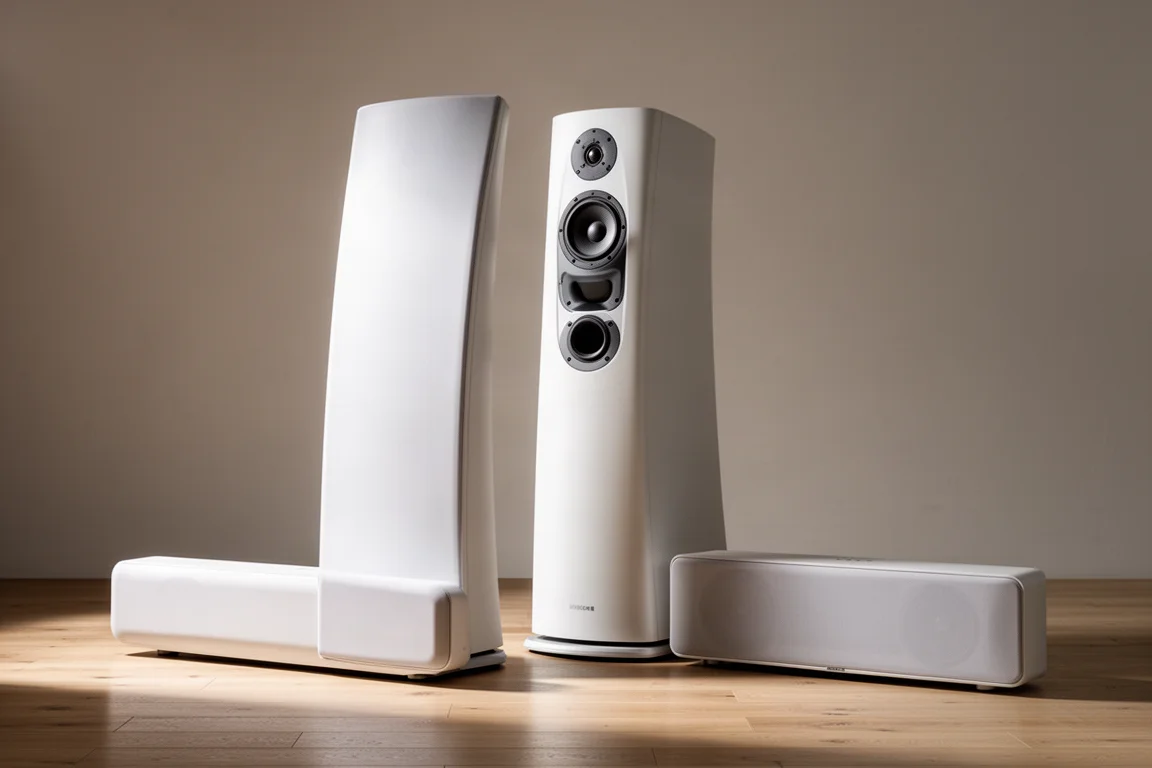
A close look at the Aperion Novus tower and center speakers, from their layered paint finish and punchy bass to the 4-ohm load and what the price actually buys.
Home Audio
Arendal 1610 Tower Review: Flagship Dynamics in a Room-Friendly Tower
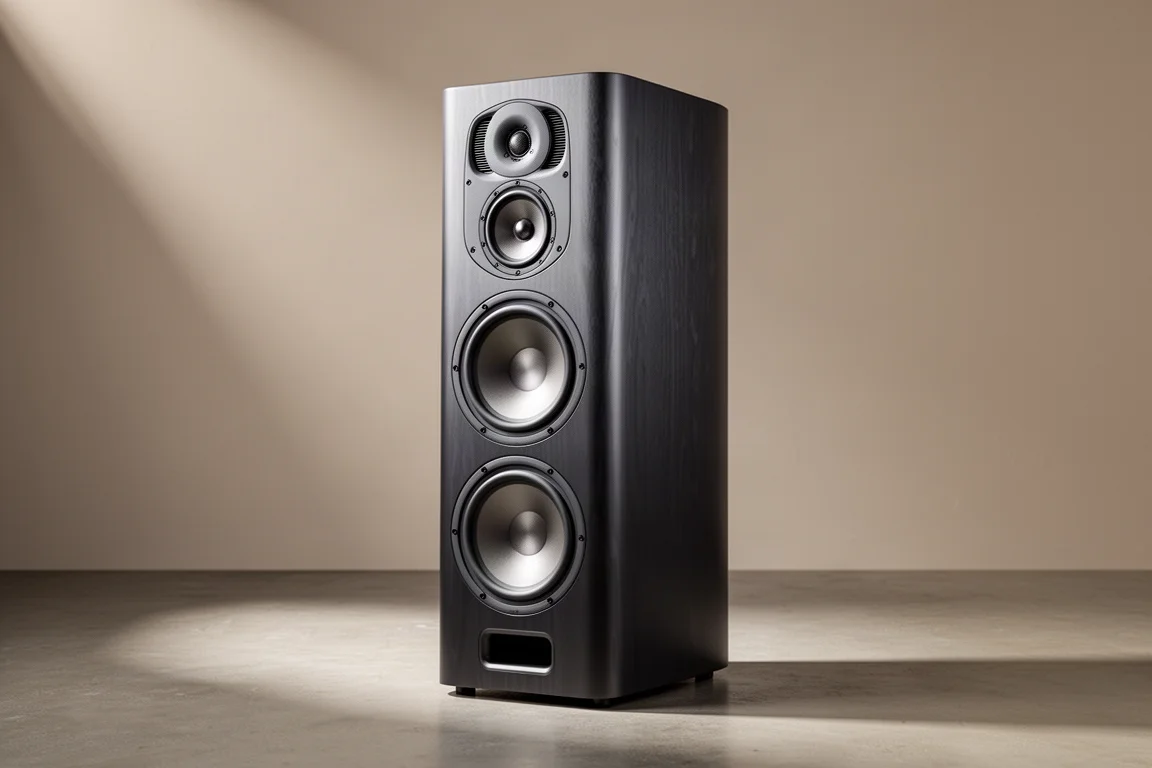
A compact floorstanding tower with three 8-inch aluminium woofers, a 5-inch carbon midrange, and the kind of bass heft usually reserved for much larger speakers.
Home Audio
Arendal 1723 S THX Review: A Reference Speaker Built Like a Tank
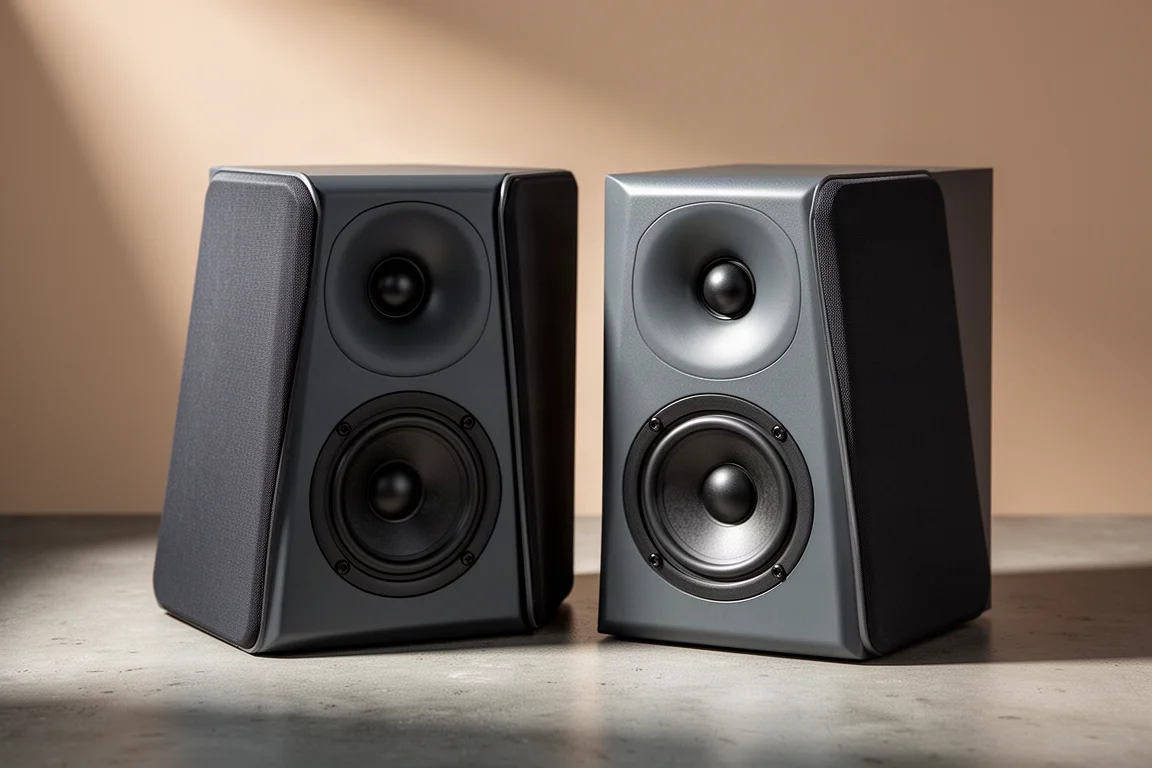
A practical look at the Arendal 1723 S THX, a sealed, THX-certified speaker with exceptional build quality, a very flat top end, and a midrange that responds beautifully to EQ.