Home Theater Speakers
RBH Sound 55IR LCR Review: Compact Stand-Mount Speakers With Real Punch
A stand-mount speaker priced at $800 each, with a 1-inch AMT tweeter, two 5.25-inch aluminum woofers, 90 dB sensitivity, and the dynamic range to anchor a small home theater when paired with a subwoofer.
Introduction
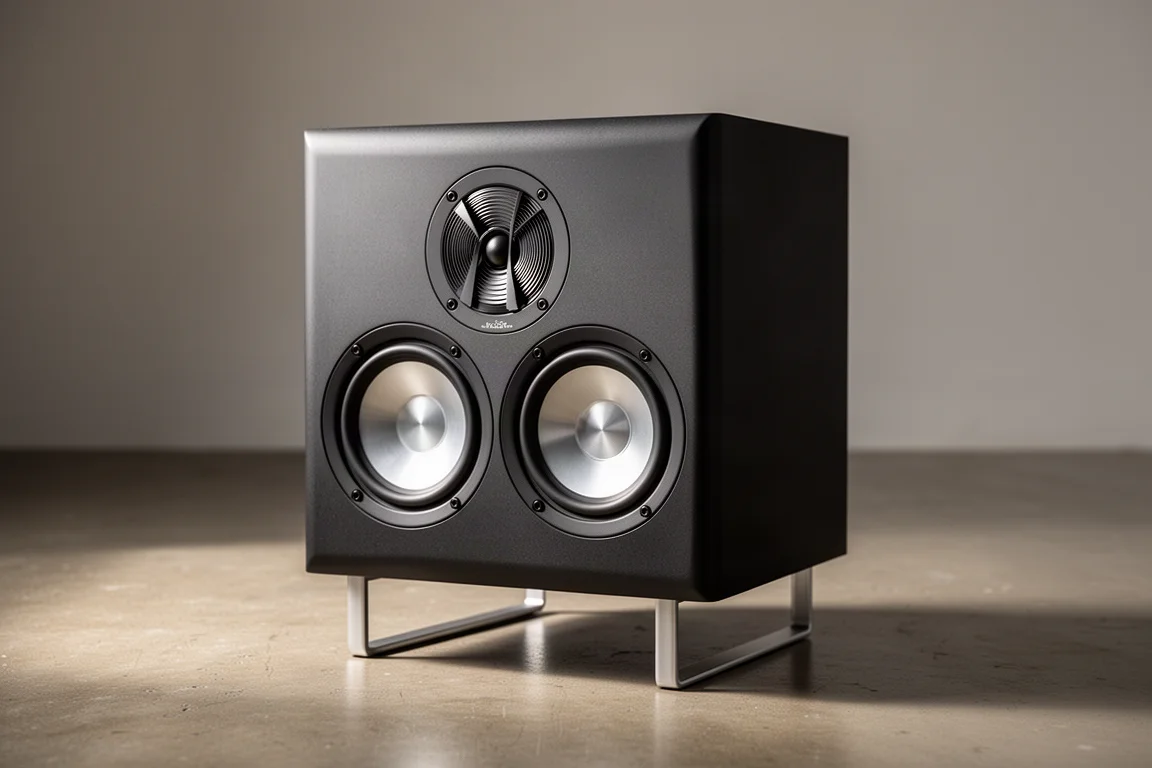
The RBH Sound 55IR LCR is a compact stand-mount loudspeaker priced at $800 each, or roughly $1,600 for a pair. It uses an MTM driver layout: a 1-inch air motion transformer tweeter sits between two 5.25-inch aluminum cone woofers. Sensitivity is rated at 90 dB, and the crossover point is set at 3 kHz with a fourth-order, 24 dB per octave slope.
That combination describes a specific design intent. This is not a speaker built to deliver deep bass on its own. It is built to deliver high output and serious dynamic range from a cabinet small enough to sit on a stand in a family room or a modest home theater. Cabinets are assembled, finished, and packed in Leighton, Utah, using globally sourced parts.
Who This Product Is For
The 55IR LCR makes the most sense for listeners who already run a subwoofer or plan to add one. With a sub handling everything below the crossover point, the speaker is free to concentrate on the range where it is strongest: midrange and treble, delivered with enough headroom to stay clean as the volume climbs.
That profile suits a small home theater front stage, where three matching speakers across the front wall create a coherent left, center, right presentation. It also suits a two-channel system in a family room where the owner wants punch and scale without the footprint of tower speakers. Anyone hoping one pair of speakers will cover the full range without a sub should look at a different design.
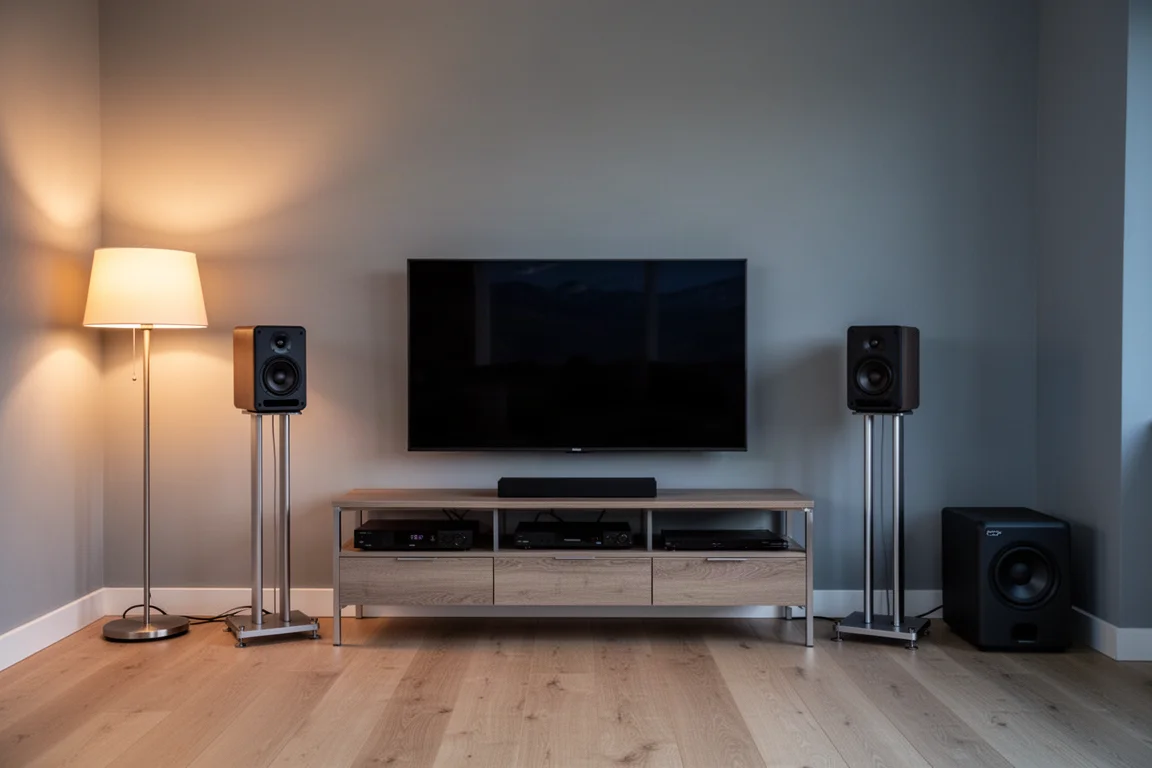
Room size matters as well. In a smaller space, the 55IR LCR can play louder than most people will ever need. In a very large room or at long listening distances, its limits arrive sooner, and a bigger, more expensive speaker will have an easier time filling the space.
Main Strengths
High Output From a Compact Cabinet
Two 5.25-inch aluminum cone woofers share the midbass and midrange work, and each uses a real phase plug fixed to the pole piece rather than a decorative cap. That kind of driver, combined with a 3 kHz crossover and an aggressive 24 dB per octave slope, keeps the woofers operating in the band where they are comfortable.
The payoff is dynamic range. With 90 dB sensitivity and two woofers covering the same range, the speaker sounds effortless and reaches high levels without audible strain. Compared with a tower model in the same family, this design gives up deep bass extension but gains punch, which is the trade most subwoofer owners are happy to make.
Wide, Even Dispersion
The AMT tweeter is the version to choose here. Air motion transformers narrow their dispersion as frequency rises, but far less aggressively than a typical dome. The 55IR LCR holds roughly 30 degrees of usable width even above 22 kHz, well beyond the top of human hearing.
Horizontal response stays consistent out to wide angles, so sidewall reflections arrive with a tonal character similar to the direct sound. The result is a spacious soundstage, the kind that flatters orchestral recordings and gives film soundtracks a real sense of scale.

Measurements do show a narrow dip in the midrange around the crossover region, a voicing that resembles the classic BBC dip. In listening, it reads as a slightly polite character rather than an obvious flaw, and it does not stop the speaker from sounding natural and pleasant.
Build Quality and US Assembly
The cabinet is built from HDF rather than MDF, with two window braces, one above and one below the tweeter, to control resonance. A rear double port handles low-frequency tuning. The drivers and crossover are well specified for the price.
Packaging is thorough: double boxed, with foam standoffs between the inner and outer cartons. That matters for a product that ships directly to the buyer rather than being carried home from a store. Grilles are included, and the speaker looks clean either way. Most of the assembly, finishing, and packing happens in Leighton, Utah, with components sourced globally.
Things To Consider Before Buying
Two practical points shape how this speaker should be set up, and both are easy to plan for before ordering.
It Needs a Subwoofer
The 55IR LCR is tuned to roughly 70 Hz. Its low-frequency rolloff is gradual until the port tuning point and steeper below it, so the speaker stays flat above about 100 Hz and can handle acoustic material down to around 60 Hz in a room.
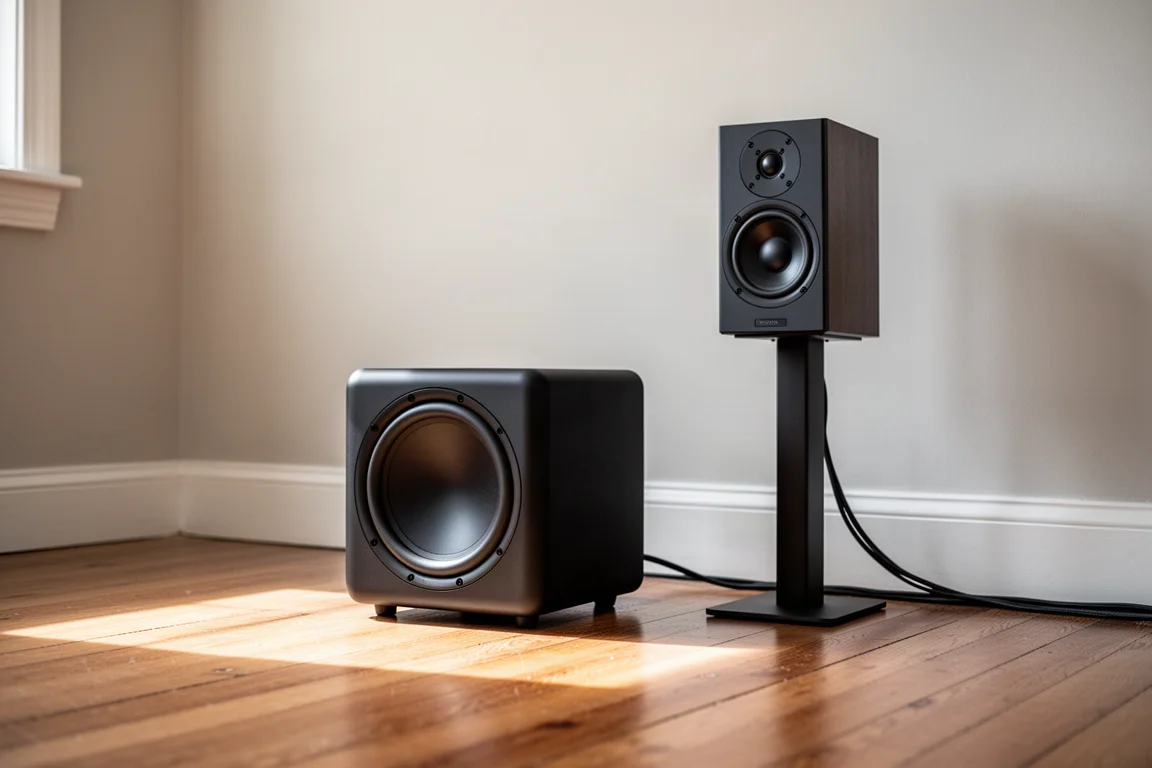
Below that, output falls away quickly, and deep bass is simply not part of the design brief. Budget for a subwoofer and plan to cross over in the normal subwoofer range, where this speaker has output to spare.
Amplifier Matching and Placement
Nominal impedance is published as 6 ohms, but the load dips below 4 ohms around 200 Hz, a heavily used region in real program material. In practice it behaves like a benign 4 ohm speaker with a well-controlled phase angle, so any halfway decent amplifier will drive it comfortably.
Because the layout is MTM, the vertical listening window is narrower than the horizontal one. Above or below the tweeter axis, the two woofers begin to cancel and produce dips in the response. Keep the tweeter at roughly ear level in the seated position and the speaker will sound its best.
One detail worth knowing: the terminal cup is mounted horizontally. That is because the center channel version of this speaker is the same cabinet with the tweeter rotated 90 degrees for horizontal placement. If you want a matching center, order that variant rather than buying a third stand-mount unit.
Buying Advice
At $800 each, the 55IR LCR is not a budget speaker, but the money goes into good drivers, an HDF cabinet, and assembly work done in the United States. For a small home theater or a family room system paired with a capable subwoofer, it represents solid value in a class of compact, high-output stand-mount speakers that is not especially crowded.
Plan the purchase around the system rather than the speaker alone. A pair plus the matching center channel covers a front stage, and a subwoofer is required for anything below the 60 to 70 Hz region. Check that your amplifier is comfortable with a 4 ohm load, which most modern receivers and integrated amplifiers are.
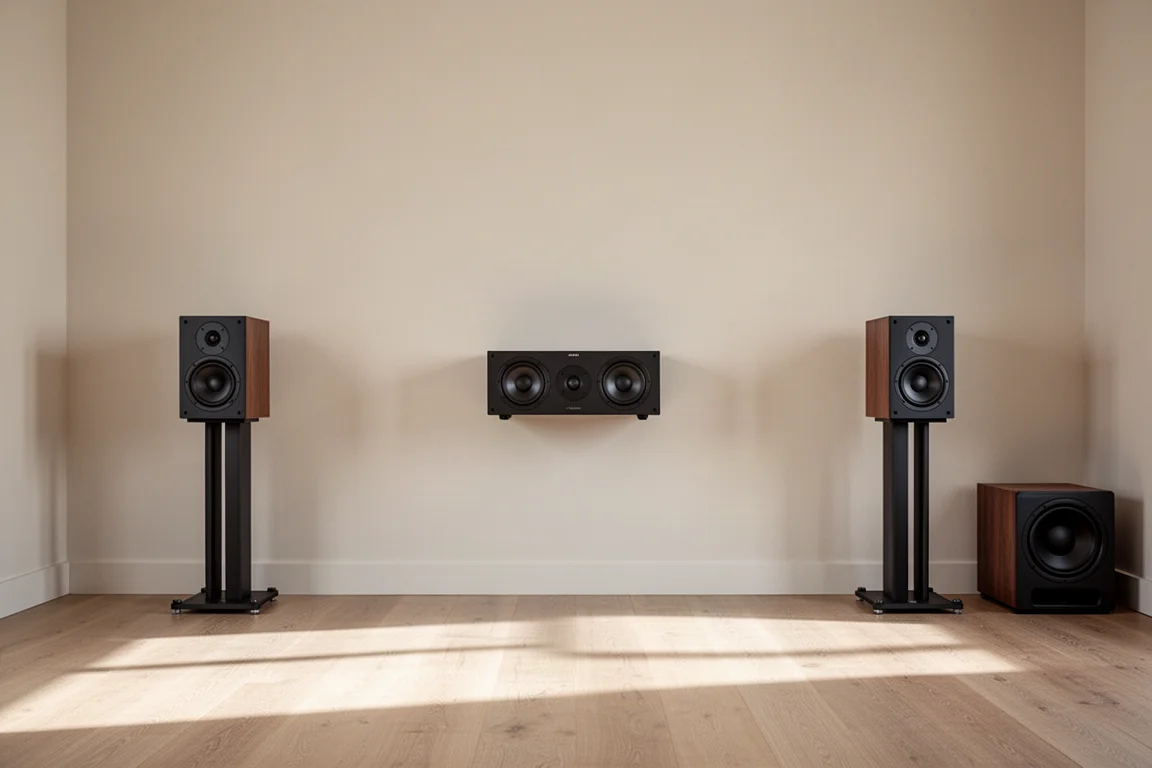
If you want maximum output for a large room, larger and more expensive designs exist that go louder still. If you want to spend less, there are lower-cost stand-mount speakers that deliver a good portion of this punch, though typically with less refinement in the cabinet and drivers. Within its price band and its intended role, the 55IR LCR holds up well.
Conclusion
The RBH Sound 55IR LCR is a purpose-built speaker. It is compact, sensitive, and dynamic, and it is designed to work alongside a subwoofer rather than replace one. Its wide dispersion, HDF cabinet, and largely US-based assembly add up to a convincing package for a small home theater or a family room two-channel setup. Buy it for the punch and the headroom, pair it with a sub, and keep the tweeter at ear level.
Product link
View more details for RBH Sound 55IR LCR
This product is mentioned in the review. Check the specifications, options, and compatibility before buying.
View more details for RBH Sound 55IR LCRFurther reading
Related Reviews
Home Theater Speakers
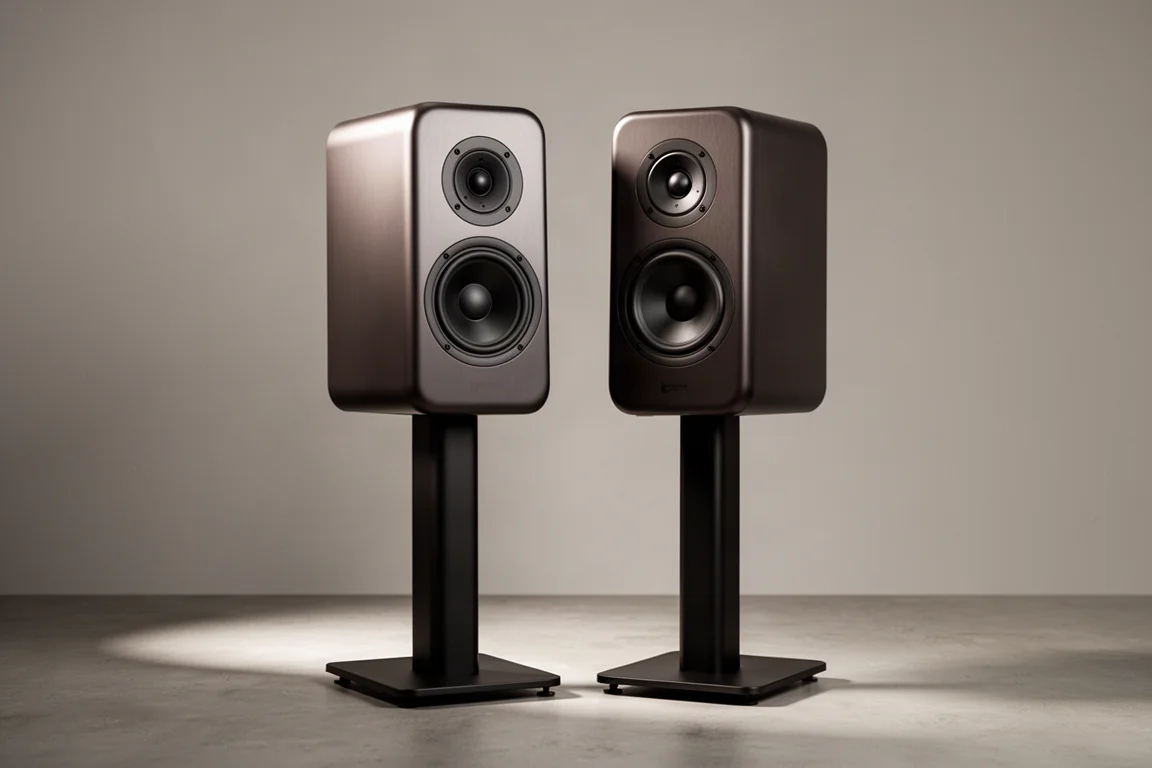
Arendal 1723 THX S Monitor vs 1723 THX Monitor: Which Two-Way Monitor Fits Your Room?
A practical comparison of the Arendal 1723 THX S Monitor and the larger 1723 THX Monitor, covering driver size, sensitivity, bass extension, and room fit.
Home Theater Speakers
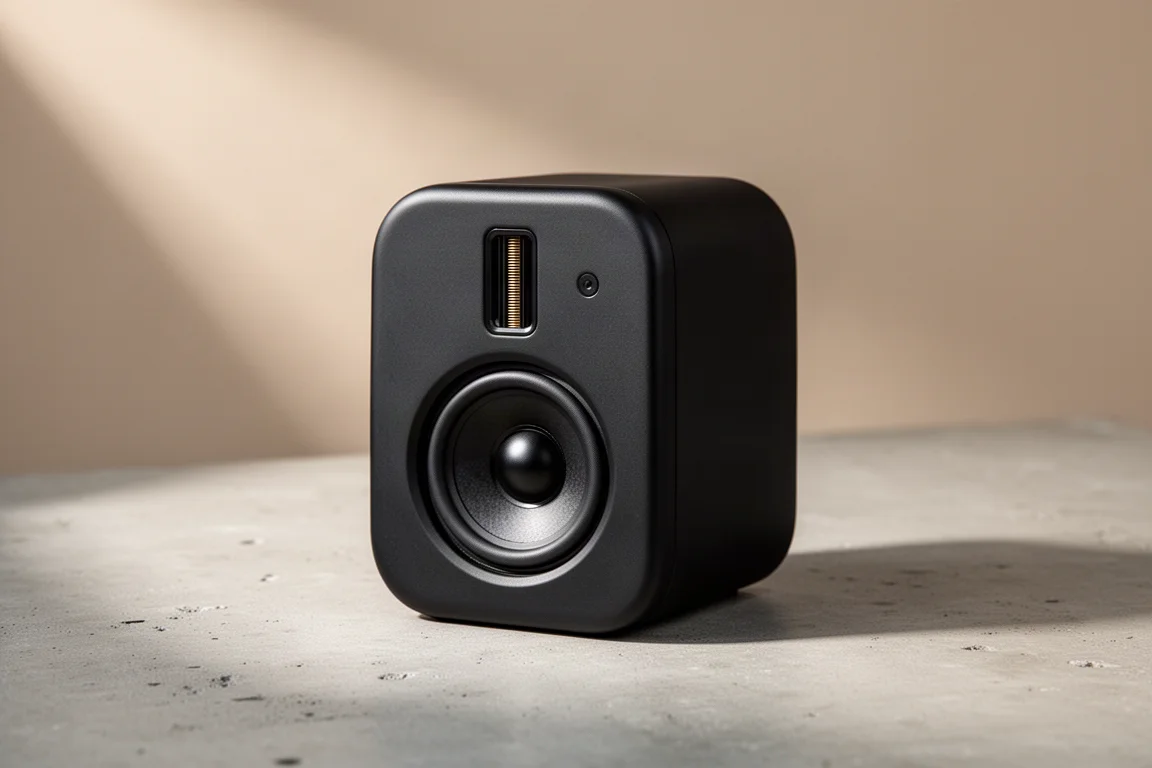
Emotiva A1 Review: A Small Speaker With Serious Surround Flexibility
A sealed two-way speaker built for Dolby Atmos, surround, and compact desktop duty at $179. Here is what it does well and what to check before buying.
Home Theater Speakers
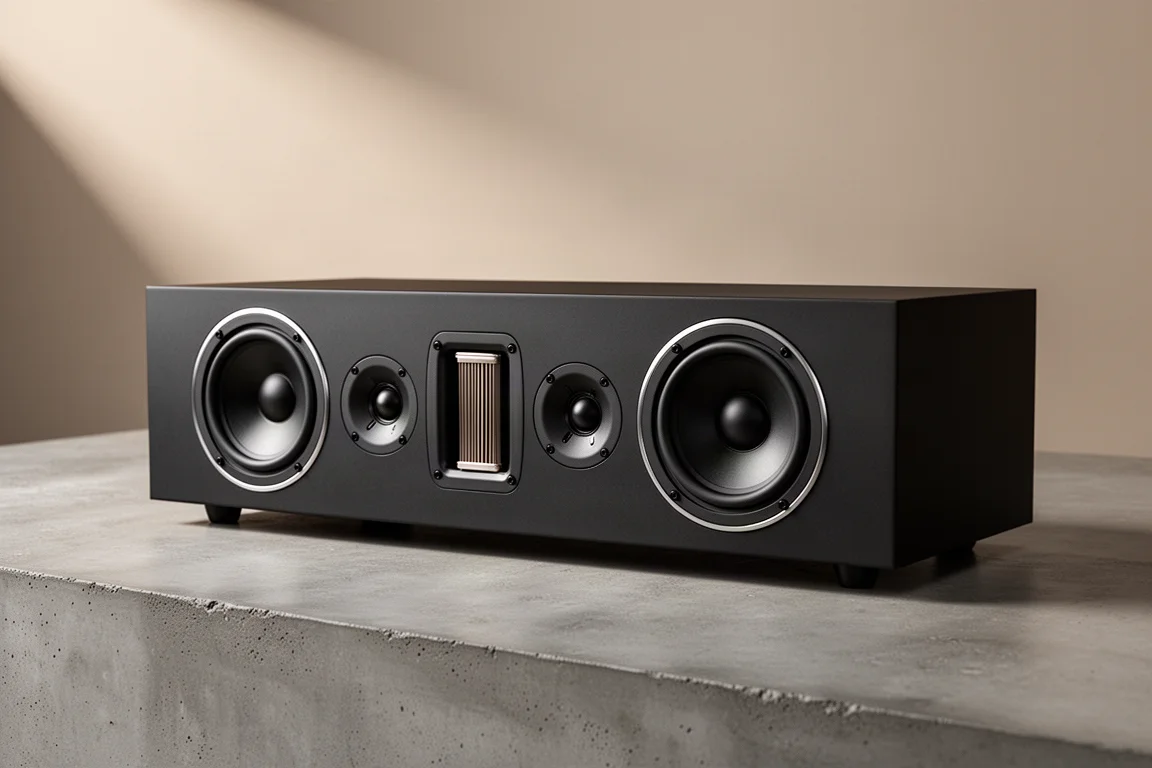
Emotiva C2+ Review: High Output Center Channel With a Narrow Sweet Spot
The Emotiva C2+ delivers serious output, deep bass for its size and high sensitivity, but its widely spaced midrange drivers create a horizontal sweet spot that rewards centered seating.