Subwoofers
RBH 1212 Subwoofers Compared: Sealed P-SFR vs Ported Dual 12
Two RBH dual 12-inch subwoofers share one proprietary driver but split on cabinet design: a compact sealed model built for flexible installation and a ported cabinet tuned for maximum output.
Introduction
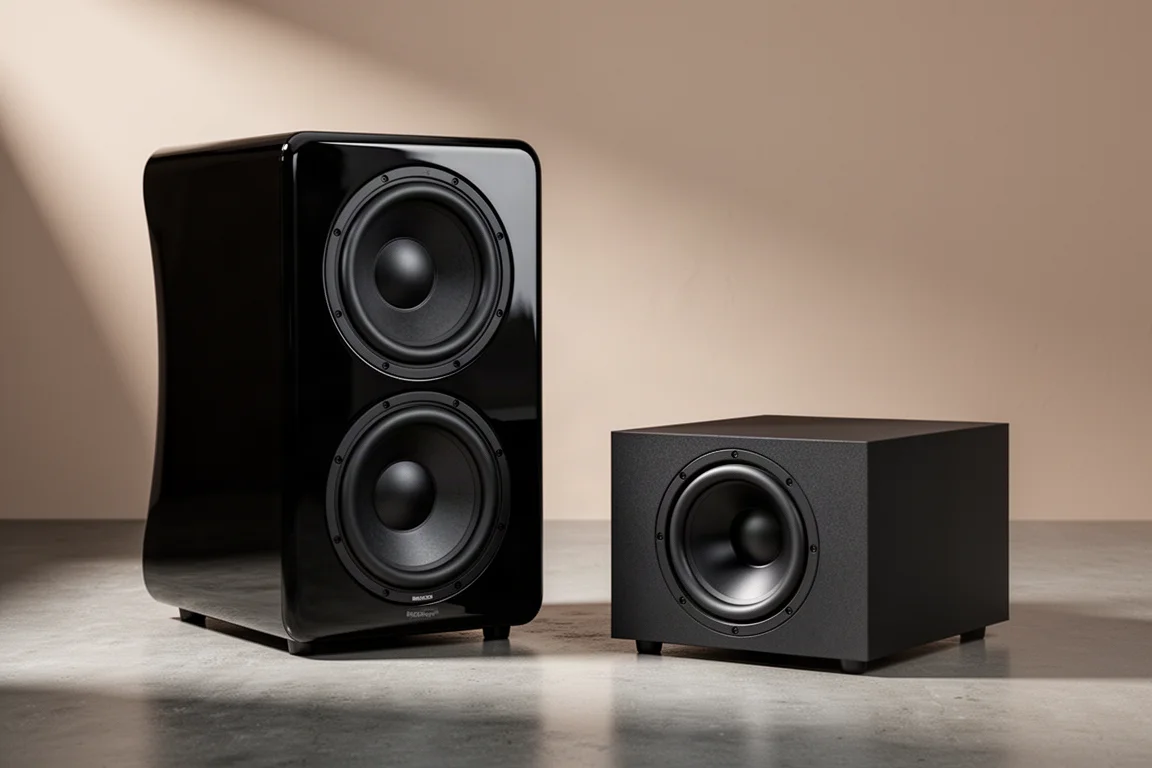
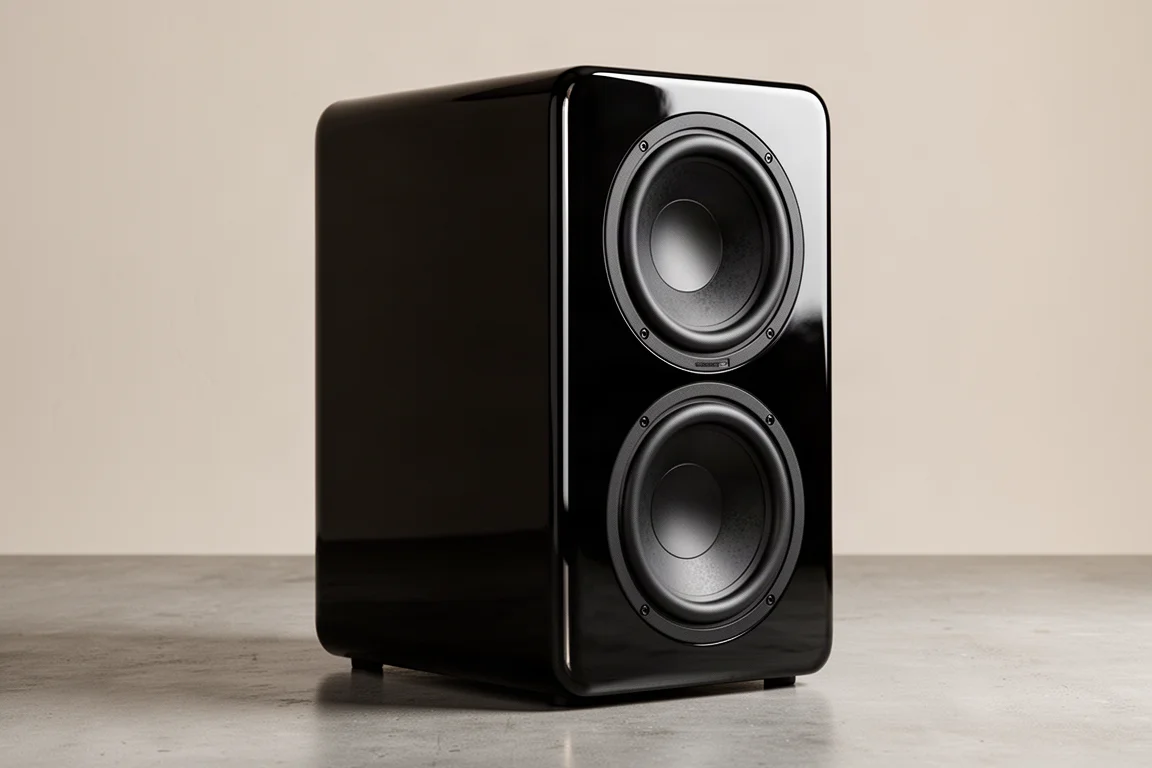
RBH builds its 1212 subwoofer family around a single driver and several cabinet formats. That approach matters most when you are choosing between the two versions that cover the widest range of rooms: the 1212 P-SFR, a compact sealed cabinet originally intended for in-wall and in-ceiling installation, and the 1212 ported, a high-output dual 12-inch design in a rounded piano-black enclosure.
Both use the same proprietary 12-inch driver, both accept the same amplifier and DSP options, and both are built in the USA with custom cabinet sizes available on request. What separates them is how each cabinet loads that driver, and that is what determines output, room integration, and where the subwoofer can physically live.
What Both RBH 1212 Subwoofers Share
The driver is the constant. It is a proprietary RBH design with a 3-inch voice coil, a voice coil winding length of roughly 20 mm, a 70 percent BL specification, and a resonance frequency close to 20 Hz. Its Qts sits in the 0.4 range, which is why the same driver works well in both sealed and vented alignments without a different motor or cone.
That wide bandwidth also lets RBH use the driver above pure subwoofer duty. In the company’s passive speaker designs it crosses over as high as 150 Hz and beyond, so it is an all-round driver rather than a one-trick subwoofer unit.
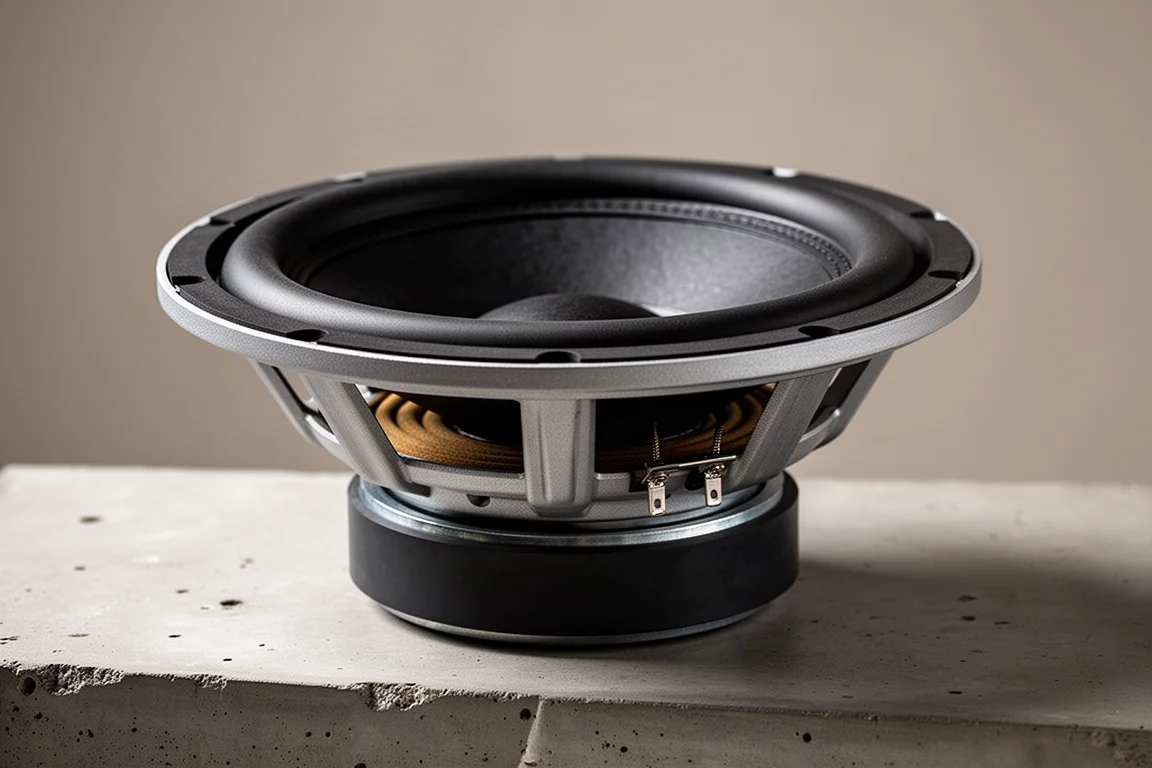
Cabinets are manufactured in the USA, and RBH builds custom sizes when a dealer needs a subwoofer to fit a specific location. Driver finish is a choice as well, with black or silver cones available. If you are planning a built-in installation, plan early: in-wall and in-ceiling versions are designed to go in before the drywall is up.
RBH 1212 P-SFR: A Sealed Dual 12 Built for Flexible Installation
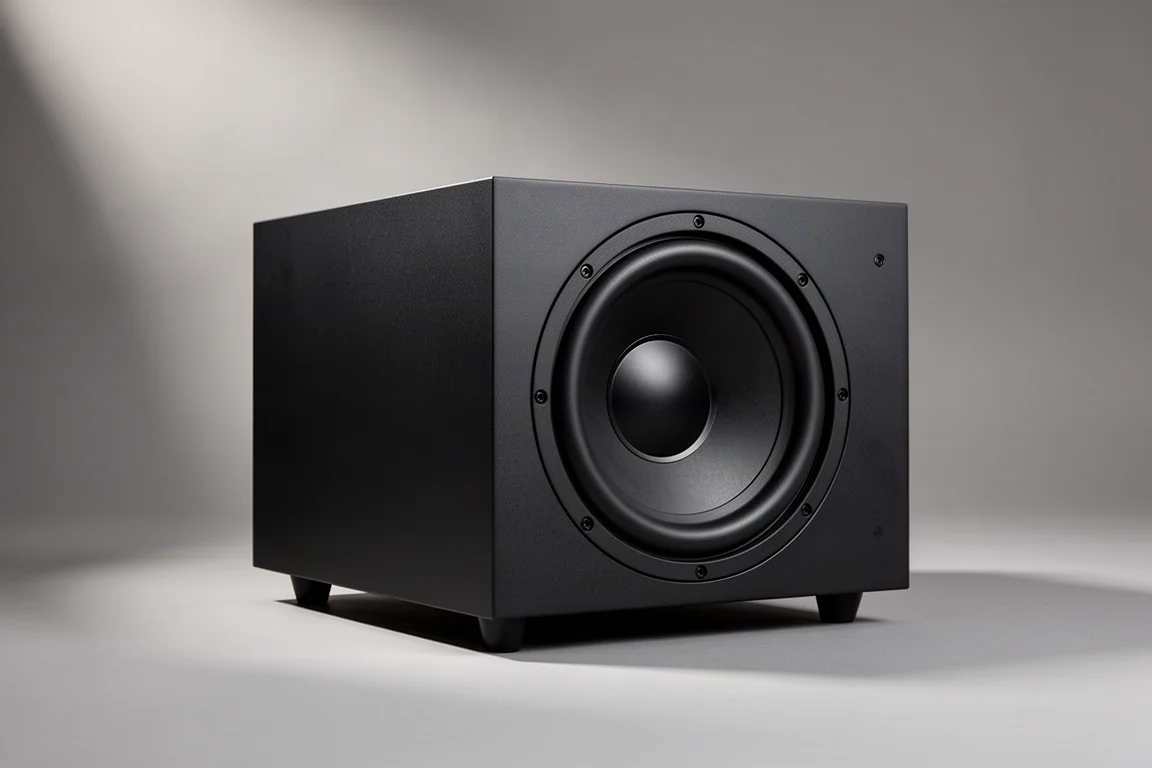
The 1212 P-SFR is a sealed design in a cabinet roughly nine inches deep. It was developed for in-wall and in-ceiling use, but the same box works as a freestanding subwoofer. It can sit on feet or outriggers, be turned sideways, or be positioned so the driver fires down at the floor. The down-firing orientation couples the driver to the floor, and the low cabinet height makes it easy to tuck behind seating or along a wall.
Internally, its volume is within a fraction of a cubic foot of the ported 1212, so the two models perform in much the same way. What changes is the alignment. A sealed cabinet rolls off at a second-order rate, which means room gain works in its favour at the bottom end. The trade-off is maximum output: a vented cabinet of similar size will play louder.
RBH 1212 Ported: Dual 12-Inch Output in a Rounded Cabinet
The 1212 ported uses two of the same 12-inch drivers in a taller, rounded cabinet finished in piano black. Combined cone area puts it on par with a single 18-inch driver, and the vented alignment adds roughly 6 to 10 dB of output capability over a comparable sealed design when the box and the port are sized properly.
RBH tunes its vented subwoofers low and keeps system Q low, which also keeps group delay in check, so the cabinet stays controlled rather than slow. This is the version to consider when a large room or a demanding home theater mix needs output above all else.
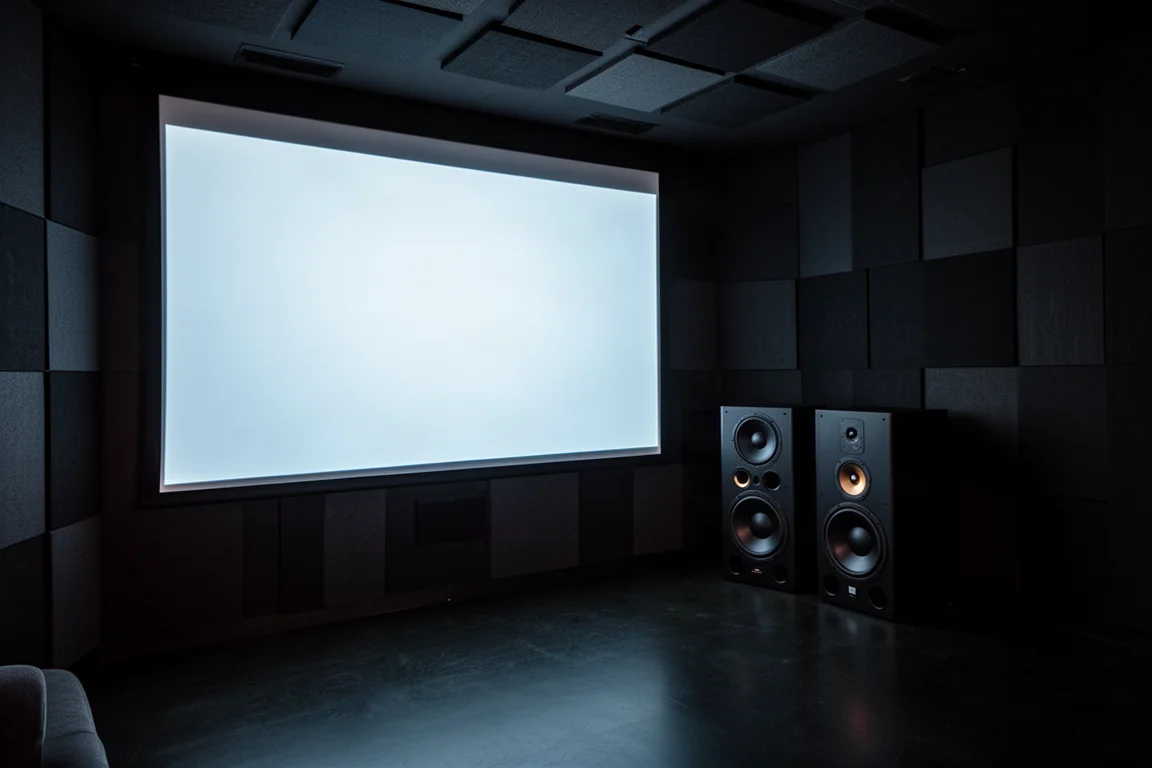
The rounded piano-black enclosure comes from the company’s SV series, and that form factor is gradually being retired. Cabinets are moving toward a more traditional rectangular shape, dressed up with optional baffles or side panels, or supplied as a plainer enclosure with the same performance for less money.
Amplifier and DSP Options Across the Range
RBH offers the 1212 with either a plate amplifier or an outboard chassis amplifier. The plate amp is a 2,000-watt Class D design that can be built into any of the subwoofer cabinets. Outboard chassis models run 2,400 watts per channel, and larger bridged configurations deliver over 4,000 watts. A smaller 1U chassis, the 1202, provides 1,200 watts per channel.
Rack-mounting the amplifier has practical advantages: more power, better reliability, and the electronics kept out of the cabinet. Plate and outboard versions share the same platform and the same component quality, so the difference comes down to power and installation style.
The DSP is unusually complete for a subwoofer. There are more than 30 bands of parametric EQ, plus delay and an all-pass filter. Delay is the useful one in multi-subwoofer systems: if your processor has only a single subwoofer output, you can still time-align the cabinets by adding delay to the ones sitting closer to the listening position. The all-pass filter adjusts phase only, which helps when sealed and vented subwoofers have to work together.
Sealed or Ported: Matching the Design to Your Room
The two alignments behave differently in a real room. A vented subwoofer holds the advantage in ground-plane measurements, but a sealed subwoofer benefits more from room gain because its rolloff is second order rather than fourth order. That is how a sealed system can end up with genuinely flat response down to the lowest frequencies a measurement microphone can capture, in the region of 5 to 6 Hz, with a large subwoofer handling the infrasonic range.
Output is the other half of the decision. In a large room, a well-built vented subwoofer with a properly sized port can deliver 6 to 10 dB more output than a sealed equivalent, and that headroom is difficult to replace once the room is finished.
Mixing both types in one system is possible and can work well, but it asks more of whoever does the calibration. Without an experienced calibrator on hand, the simpler route is to stay with all sealed or all vented subwoofers. If you do mix them, delay and all-pass filtering are the tools that let the cabinets integrate cleanly.
Who Each RBH 1212 Suits
Choose the sealed 1212 P-SFR if the room is modest, if the subwoofer needs to disappear into a wall or ceiling, or if cabinet depth is limited. It also suits multi-subwoofer arrays where consistent system Q across the cabinets matters more than maximum output from any single box.
Choose the ported 1212 if you have the space and want the most output per cabinet. It fits large rooms and systems that need to pressurise a big space, and it is the natural choice when deep infrasonic content is part of the material you watch.
Buying Advice
Start with the room, not the spec sheet. Cabinet volume between these two models is close enough that the deciding factors are output, physical size, and where the subwoofer can be placed.
A few practical points are worth settling before ordering. Finish and cabinetry details are optional, and a plainer enclosure delivers the same performance for less. Driver finish, black or silver, is a choice you make at purchase. If a standard cabinet does not fit the space, custom sizes are available, and built-in versions should be planned before the drywall goes up. Finally, decide on amplification up front: a rack-mounted amplifier is the more flexible long-term option, while a plate amp keeps the installation self-contained.
Both subwoofers accept the same DSP feature set, so the calibration tools you rely on do not change when you move between the sealed and vented models. That makes it easier to start with one alignment and add the other later if your room or your priorities shift.
Conclusion
The RBH 1212 P-SFR and the RBH 1212 ported are two answers to the same question. Both rely on the same proprietary 12-inch driver, the same amplifier platform, and the same DSP feature set. The sealed P-SFR trades maximum output for a compact, install-friendly cabinet that takes advantage of room gain. The ported 1212 trades cabinet size for output and low-frequency headroom. Match the alignment to the room and to your own comfort with calibration, and either one will do its job well.
Further reading
Related Reviews
Subwoofers
Arendal 1961 Subwoofer 1S Review: Beautiful Build, Modest Punch at $1,000
A sealed $1,000 subwoofer with a gorgeous cabinet, plus three lower-priced alternatives that deliver more impact for movie nights.
Subwoofers
Arendal Sound 1723 2V Subwoofer Review: Dual 13.8-Inch Drivers Under $3,000
A flagship ported subwoofer with dual opposing 13.8-inch drivers, a 1,200W RMS amplifier, app-based DSP, and a 10-year warranty.
Subwoofers
Ascendo 16 Sub Active Sealed Review: Sealed Bass Built on Real Engineering
A close look at the Ascendo 16 Sub Active Sealed, a 16-inch sealed home theater subwoofer with independently verified measurements, a purpose-built driver, and genuinely controlled output.