Astrophotography
RBFocus Merlin Autofocuser Review: A Premium Focuser Without the Premium Price
A detailed look at the RBFocus Merlin autofocuser, covering its easy installation, zero backlash performance, and the 12V power requirement you need to know about.
Introduction
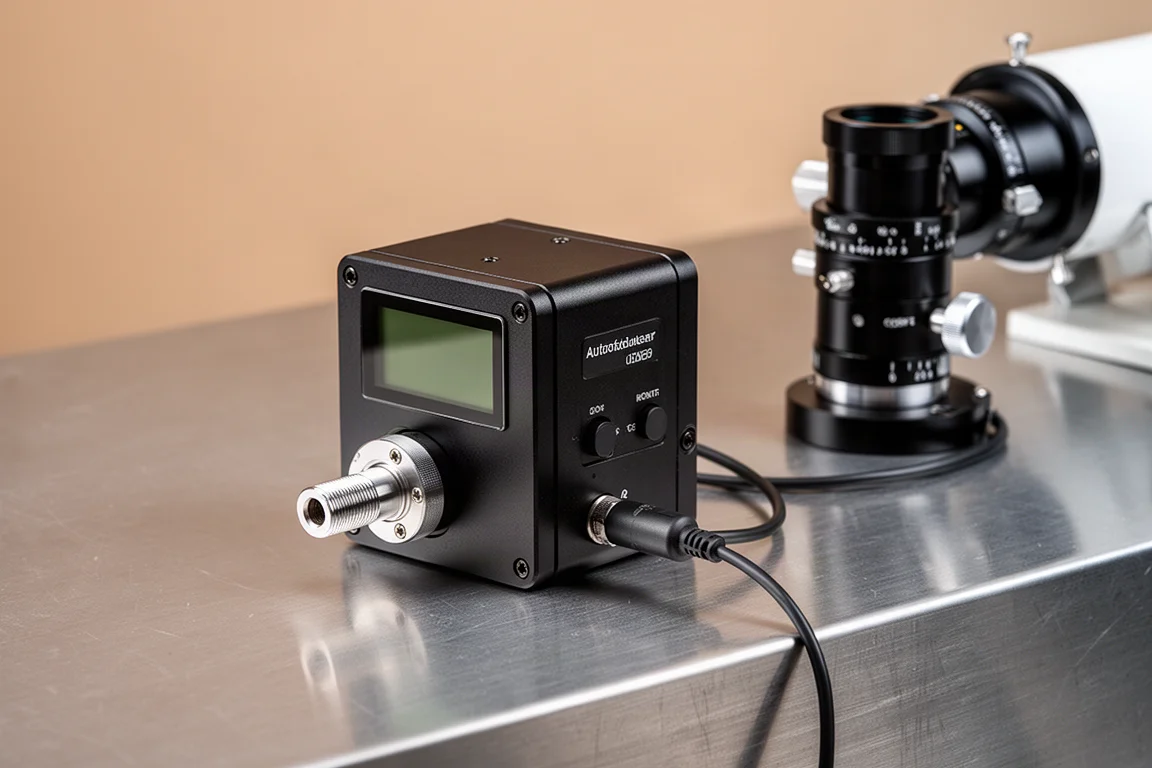
The RBFocus Merlin autofocuser is a compact electronic focuser designed for telescopes with a fine focus knob system. It promises easy installation, precise repeatable focus, and a premium feel at a price that undercuts many high-end alternatives. After spending time with it on a telescope with a fine focuser, it delivers on most of those promises, with a few important caveats to keep in mind.
Who This Product Is For
This autofocuser is aimed at astrophotographers who use telescopes equipped with a fine focus system, such as the one found on the Hope 60D. It is not designed for lens-based setups or telescopes without this type of focuser. If you are looking for a way to automate focusing and eliminate the hassle of manual adjustments, this is a strong candidate.
It is also a good fit for those who want precise, repeatable focus without spending flagship-level money. The Merlin offers premium features at a more accessible price point, making it appealing to intermediate and advanced hobbyists alike.
Installation: Simpler Than Expected
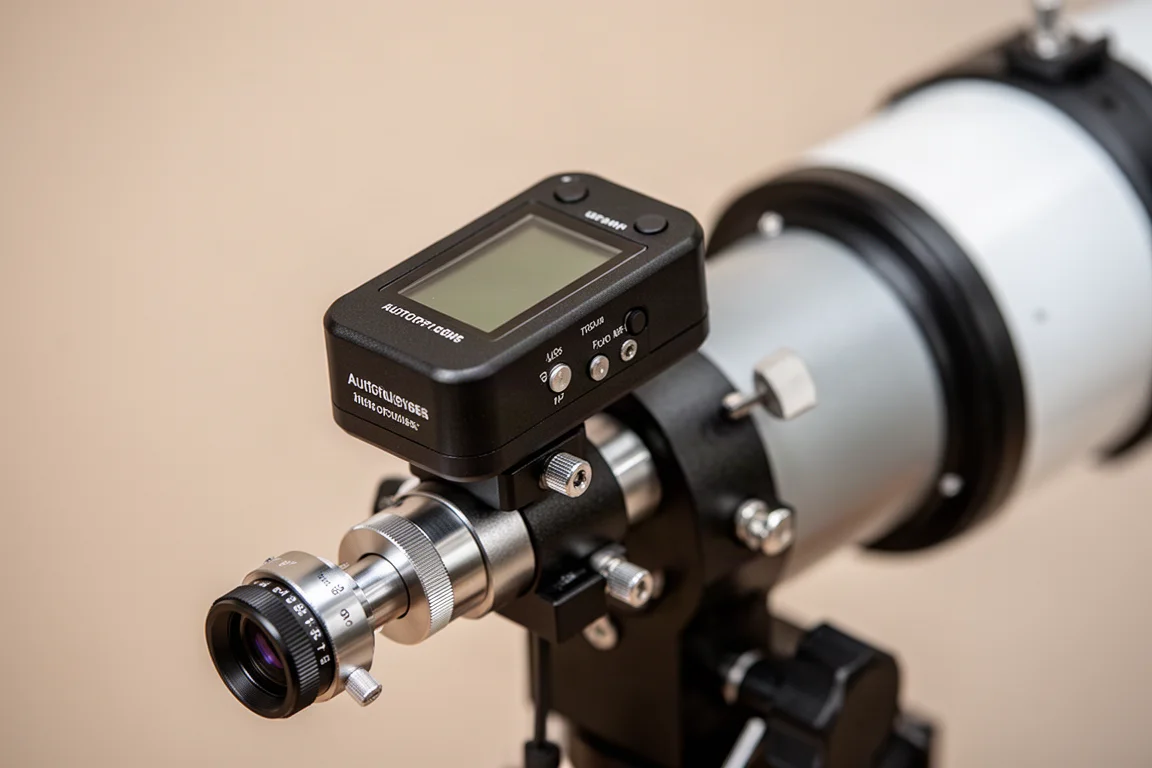
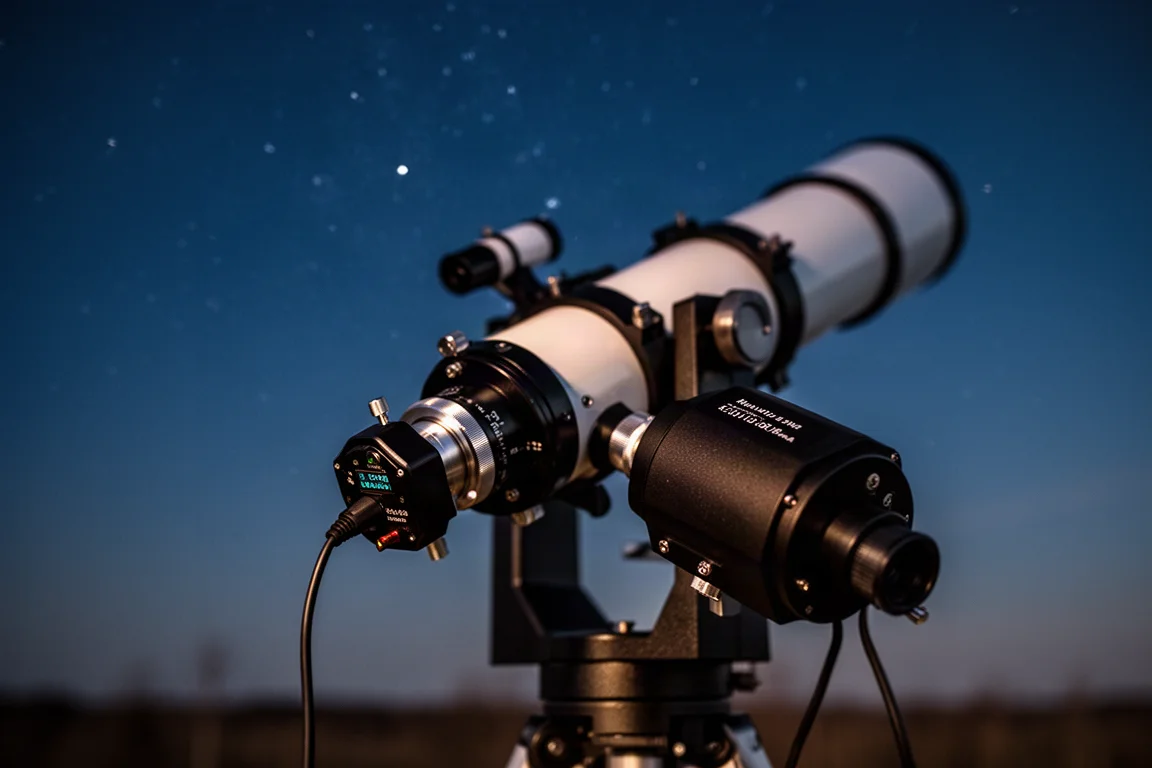
One of the biggest concerns with any new piece of astrophotography equipment is installation complexity. The Merlin installs on the part of the telescope with the fine focus knob, a component many users have never removed. In practice, the process is straightforward.
You loosen two screws to remove the existing fine focus knob, attach a coupler to the shaft, press the autofocuser into place, and tighten two more screws to secure it. In total, there are four grub screws to manage. The entire process took about five minutes, possibly less, on the Hope 60D.
This simplicity is a genuine strength. There is no need for specialized tools or extensive mechanical knowledge. If you can turn a screwdriver, you can install this focuser.
Zero Backlash Performance
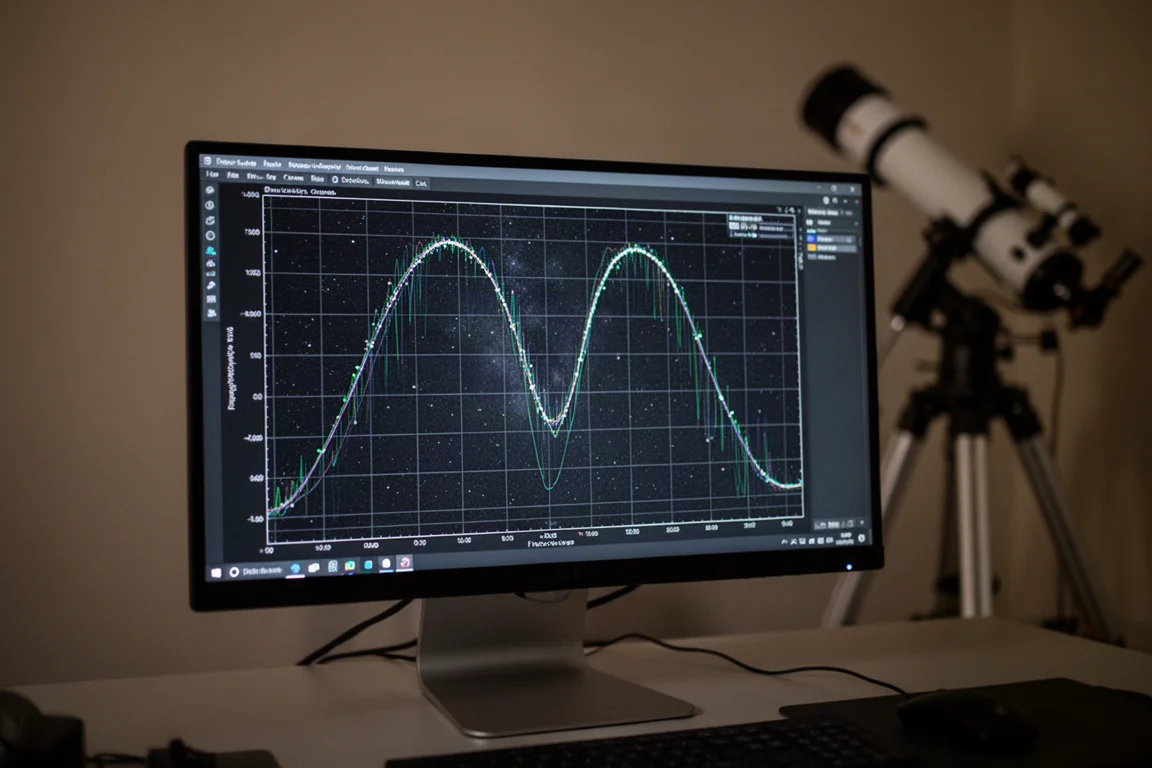
Backlash is a common frustration with electronic focusers, often requiring compensation settings in software to achieve accurate focus. The Merlin stands out here. In testing, focus curves were run without any backlash compensation, and the results showed no visible signs of backlash.
This means the focuser moves precisely where it is told to move, and it returns to the same position reliably. This is a significant advantage for astrophotographers who want consistent focus across multiple imaging sessions.
The lack of backlash also contributes to the Merlin’s ability to remember its position. When power is disconnected and reconnected, the focuser detects its home position and returns to where it was before, with precision that would be difficult to achieve with systems that have mechanical play.
Software Compatibility and Control
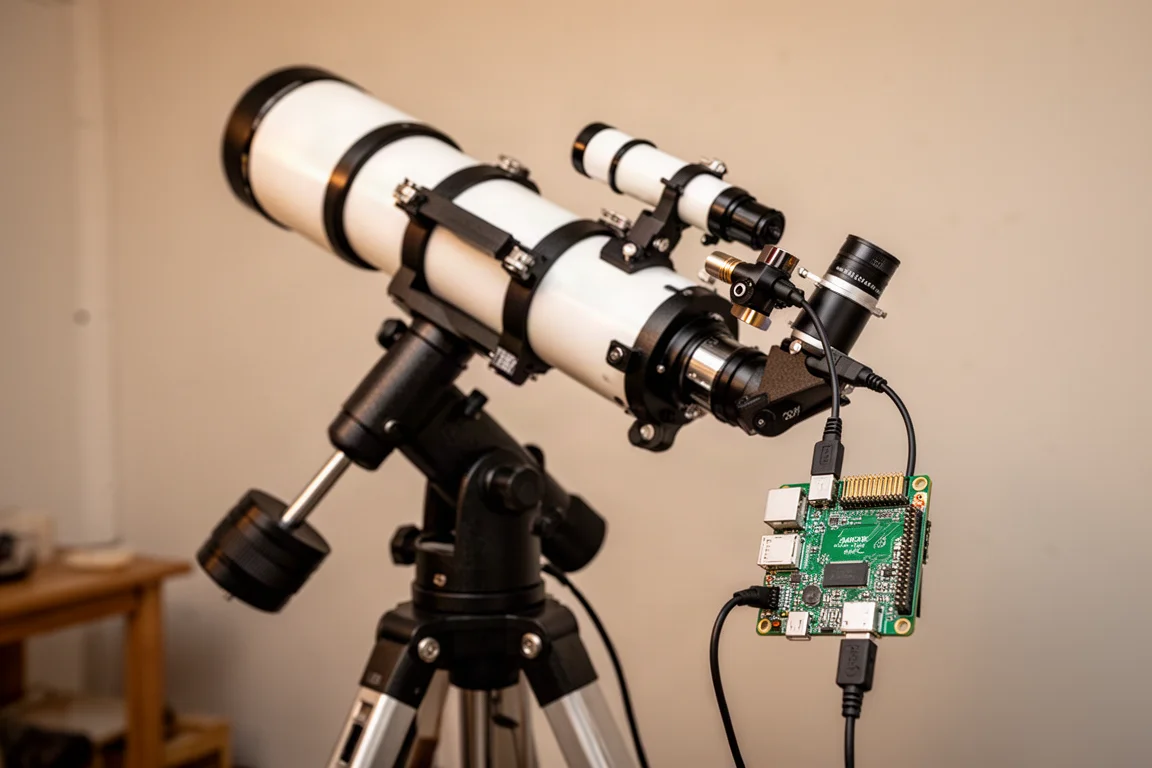
The Merlin connects to a PC or control center via USB. In testing, it worked out of the box with N.I.N.A. running on a Raspberry Pi 5, and it also worked with the Topex Stella Vita software, which includes a driver for the focuser. Control from the Raspberry Pi was smooth and issue-free.
The focuser has a small display screen that shows its status. The screen is fairly bright in the dark, but it turns off automatically, which is a thoughtful touch. If you prefer equipment without any screen at all, this might not be for you, but the auto-off feature makes it unobtrusive in practice.
Power Requirements: The 12V Caveat
The most significant limitation of the Merlin is its power requirement. It needs a 12V power input to function and will not work directly from USB-C alone. This is an important consideration for anyone planning a portable setup or who prefers to power everything from a single USB hub.
The upside is that the 12V power allows the focuser to support very heavy imaging trains. If you are looking for a robust focuser that can handle substantial equipment, this is a benefit. But you will need to plan for a 12V power source in your setup.
Build Quality and Value
The Merlin feels well-built, with a solid construction that inspires confidence. It is described as a premium focuser at a not-so-premium price. At around €253 on sale, with a normal price of €285, it is not cheap, but it is competitive for a zero-backlash focuser, which typically commands a higher price.
For the performance it delivers, particularly the lack of backlash and the precise position memory, the value proposition is strong. It is a well-made piece of equipment that does what it promises.
Things to Consider Before Buying
Before purchasing the Merlin, there are a few things to keep in mind. First, it absolutely requires 12V power. There is no way around this, so your setup must accommodate it.
Second, it only works with telescopes that have a fine focus system. It will not work on lens-based telescopes or those without this type of focuser. This limits its compatibility compared to more universal focusers.
Third, because it is less popular than some other focusers, there is less documentation available. This is not a dealbreaker, but it is worth knowing if you prefer extensive community resources.
Buying Advice
If you have a telescope with a fine focus system and you are looking for a reliable, precise autofocuser, the Merlin is an excellent choice. Its easy installation, zero backlash performance, and position memory make it a joy to use. The 12V power requirement is the main hurdle, but it is manageable with proper planning.
For those with compatible telescopes, the Merlin offers premium performance at a price that is hard to beat. It is a worthwhile investment for astrophotographers who want to streamline their focusing workflow and achieve consistent results.
Conclusion
The RBFocus Merlin autofocuser is a well-built, feature-rich focuser that delivers on its promises. Its standout qualities are the effortless installation, the absence of backlash, and the precise position recall. The 12V power requirement and limited compatibility are real limitations, but for the right telescope, this focuser is a fantastic upgrade.
It is a premium focuser at a not-so-premium price, and for anyone with a compatible setup, it is well worth considering.
Product link
View more details for RBFocus Merlin
This product is mentioned in the review. Check the specifications, options, and compatibility before buying.
View more details for RBFocus MerlinFurther reading
Related Reviews
Astrophotography
ASKAR FRA400C Review: A Versatile 400mm Refractor for Astrophotography and More
The ASKAR FRA400C is a compact 72mm refractor that balances reach, versatility, and portability for astrophotographers and visual observers.
Astrophotography
Askar SQA106 Review: A Premium 106mm Astrograph With Exceptional Optics
The Askar SQA106 is a premium 106mm quintuplet astrograph with impressive sharpness across full-frame sensors, though its price and weight demand careful consideration.
Astrophotography
Astro Imaging Gear 2026: Eight New Products Worth Watching
A look at the most interesting new astrophotography and astronomy products announced this year, from fast telescopes to smart cameras and wireless accessories.