Hi-Fi Speakers
Raven 3 Review: A Hand-Built Full-Range Speaker Worth Understanding
A close look at the Raven 3, a compact hand-built full-range floorstanding speaker with in-house cabinets, roughly 94 dB sensitivity, and a design built around amplifier flexibility.
Introduction
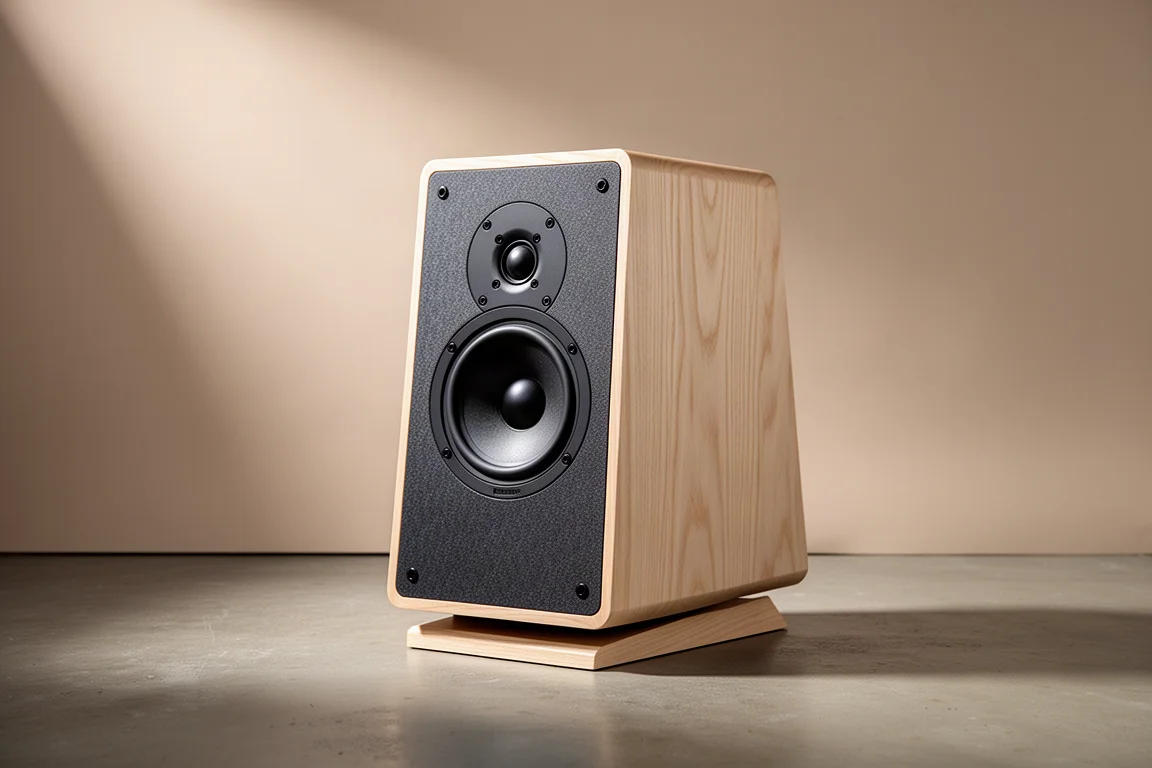
The Raven 3 is a compact floorstanding loudspeaker built around a single full-range driver, assembled by a small team in Richmond, Virginia, with the cabinets produced in-house rather than outsourced. That combination shapes almost everything about it: the sensitivity, the size, the finish options, and the way it reaches buyers.
Who the Raven 3 Is For
The Raven 3 is aimed at listeners who want one driver to cover the entire range and a speaker that a wide spread of amplifiers can drive comfortably. Sensitivity is around 94 dB, so it can run with low-power designs such as a 7-watt 300B amplifier and also with a 200-watt integrated. If you already own a low-power tube amp and want speakers that let you keep using it, that flexibility is the core appeal.
It is also for people who care about how a speaker sits in a room. The cabinet is deliberately kept compact rather than tall, because speakers above roughly 34 to 36 inches tend to dominate a living space.
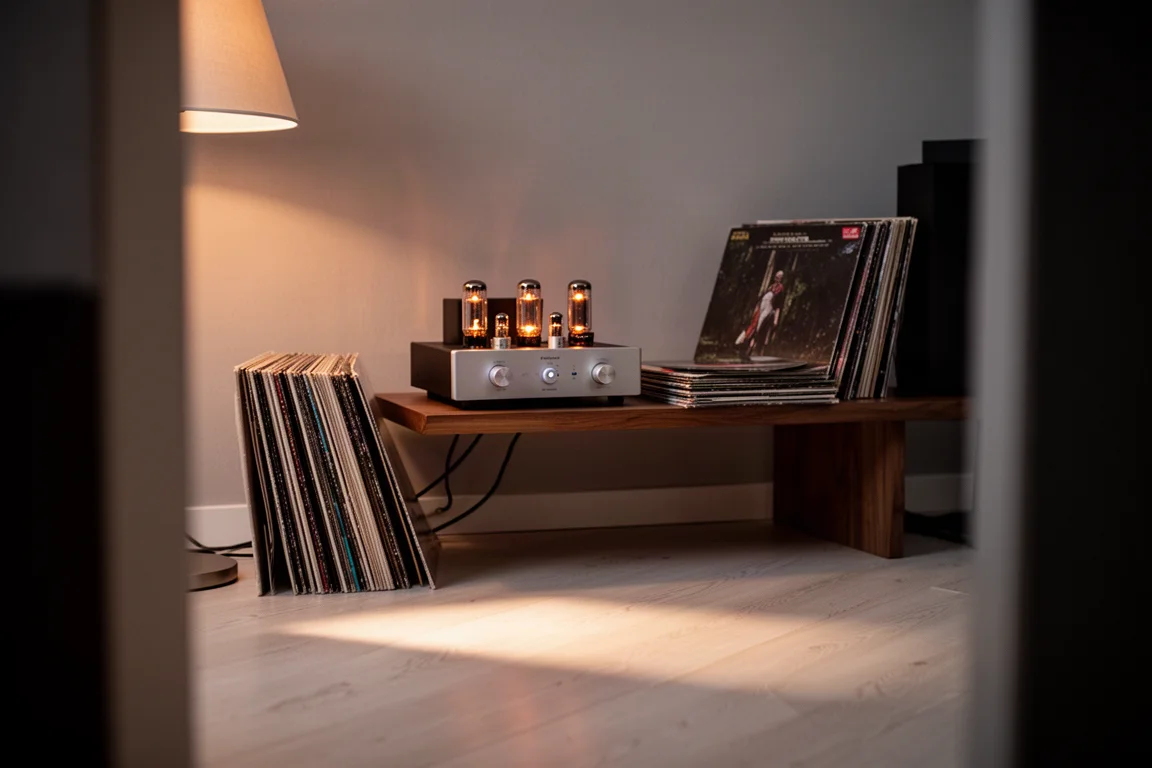
For listeners who move between many kinds of music rather than optimizing for one, the stated goal is a speaker that satisfies the widest possible range of material. Full-range designs trade some extremes for coherence, so this is the kind of speaker that rewards an open mind more than a feature checklist.
Cabinet Craftsmanship and Wood Finishes
Cabinets are built in-house, with a wood shop, a machine shop, and metal fabrication all under the same roof. Rough boards are milled into finished material, glued up on a clamp carrier to reach the correct width, then cut with miters and drilled for joinery.
That joinery is a mortise and tenon arrangement. Pockets are cut in four places and fitted with right-angle biscuits that lock the miter joints together. The reasoning is practical: glue bonds well to the side grain of wood but poorly to end grain, and a miter joint connects two pieces of end grain. The tenons give the glue a surface it can actually hold.
There is no bracing tying the front and back of the cabinet together, and with solid wood sides that is intentional. Bracing would fight the natural expansion and contraction of the sidewalls and put stress on the enclosure. Instead, the front and back panels use an engineered veneer core plywood, which stays stable in the directions that matter.
The front baffle is made from a recycled paper and phenolic resin composite, a hard and dimensionally stable material also used in the company’s turntables.
Finishes cover two woods, ash and walnut. Ash is available with a clear coat or as a black dyed ash, and every option keeps a clear coat that reveals the character of the wood rather than a hard, glossy varnish.
Full-Range Driver and Tuning
The driver is a custom full-range unit developed with an established driver manufacturer, drawing on a series the company had worked with for several years. Four or five versions were built and evaluated before one was chosen, and the cabinet, porting, and damping were then refined around it.
Because a single driver handles the whole range, there is no crossover between the terminals and the driver in the usual sense. There is, however, contouring in the signal path. After roughly a year of listening and testing, a couple of hotspots were identified, and about six months of work went into a circuit that addresses them. Owners who had already bought speakers were looked after as part of that process.
Port tuning followed the same listen-first approach. The port tube is around four inches deep, and three or four different versions were built and auditioned before the most musical one was chosen.
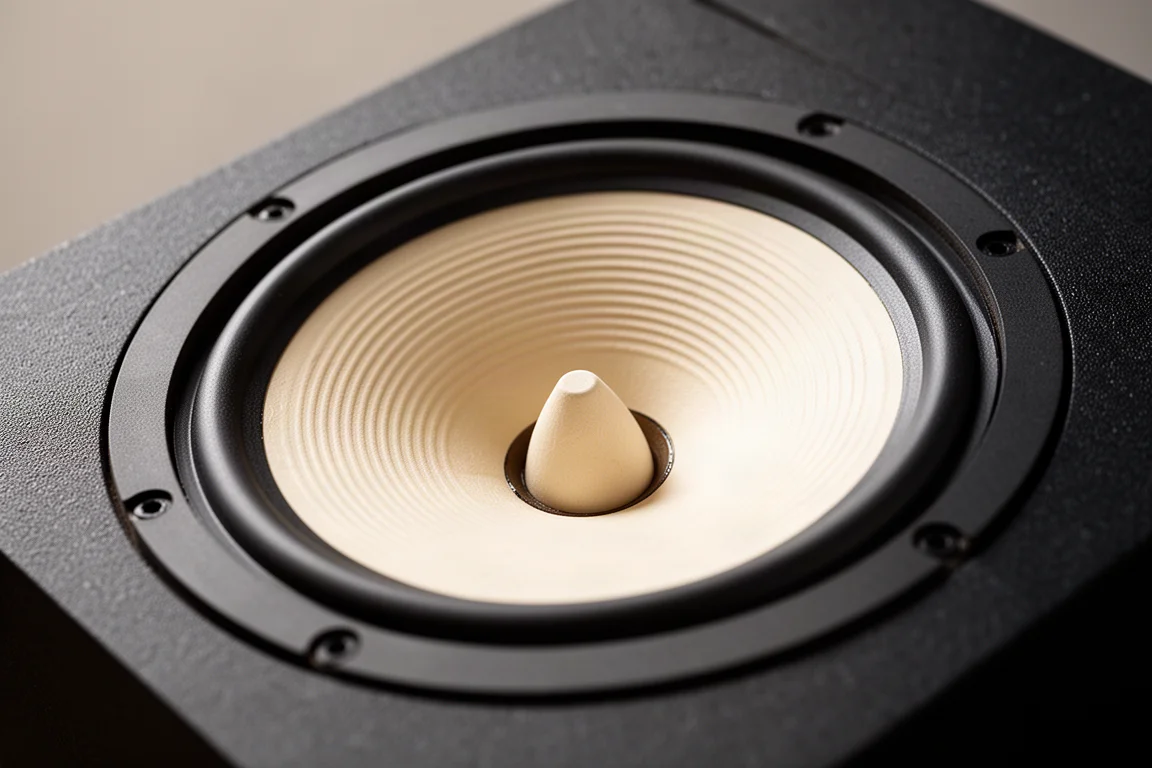
Taken together, the driver, the contouring, and the port tuning were developed as one system rather than as three separate decisions, which is the main reason the signal path is not simply a wire from terminal to driver.
Sensitivity and Amplifier Matching
At roughly 94 dB, the Raven 3 presents an easy load. It has been used with everything from a 7-watt 300B amplifier up to a 200-watt integrated, which is a notably wide window for a single speaker. For anyone building a system around a low-power amplifier, that is the most practical argument in favour of this design.
The trade-off is that a high-sensitivity full-range speaker is not the obvious choice if your priority is maximum output or deep bass extension. It is a design that plays to amplifier freedom and tonal coherence instead.
Living With the Raven 3
The cabinet is intentionally compact so that it fits into more rooms and reads as furniture rather than a monolith. A riser is included, and it tilts the speaker back slightly to aim the driver toward listening height. That is an option rather than a requirement.
There are no grilles. The design leaves the baffle and driver visible, which is a deliberate choice rather than an oversight, and it means the front of the speaker stays uncovered in daily use.
Connections use Cardas terminals, and the internal wiring is Black Cat. The company is also moving toward a different terminal of its own development, while keeping the parts it cannot economically make in-house.
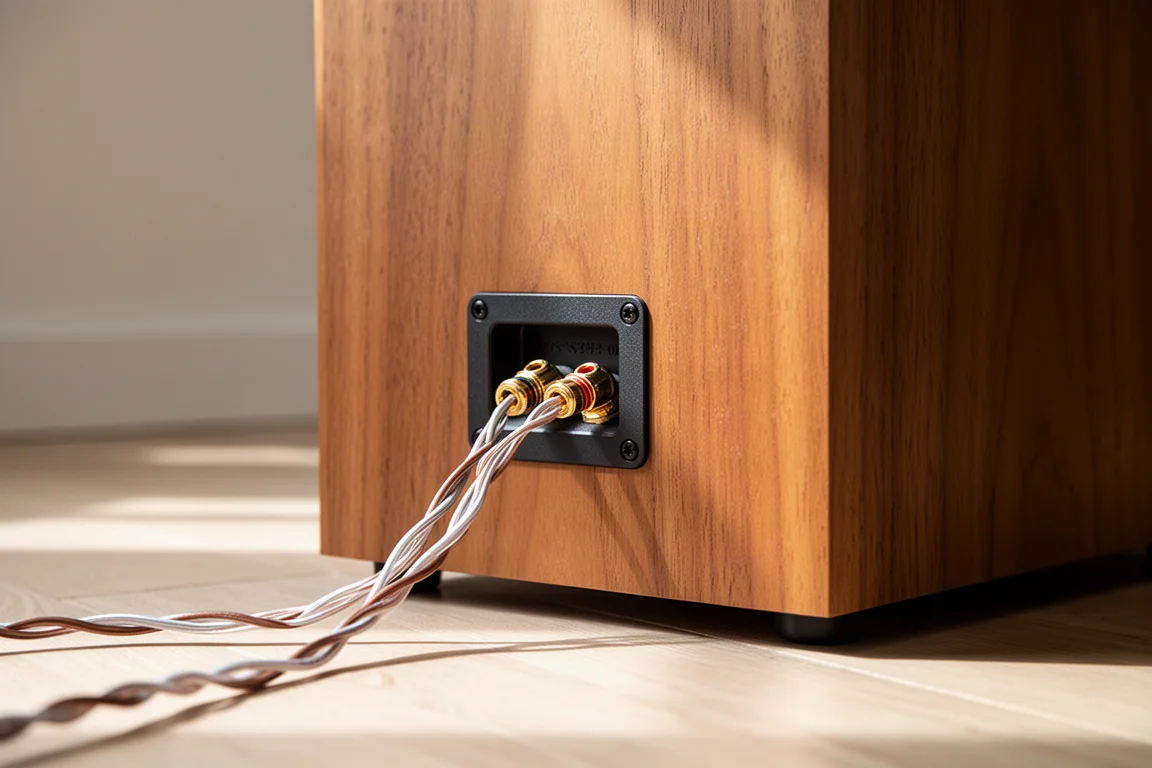
Between the compact cabinet, the included riser, and the exposed baffle, the design is aimed at rooms where a speaker has to earn its place rather than take it over.
Things to Consider Before Buying
A few trade-offs are worth weighing honestly. No grilles means the driver is always exposed, so households with curious hands or pets should plan accordingly.
The contouring circuit is also worth understanding before you buy. If your ideal is a single wire from amplifier to driver with nothing in between, this is not that. The design uses contouring to address measured and audible hotspots, and the company treats it as part of getting the sound right.
The Raven 3 is sold direct rather than through dealers, so most buyers will not have a chance to hear it in a showroom first. There are currently no dealers, though that route is being explored.
Height is another consideration. A compact cabinet is easier to live with, but it is a different proposition from a tall floorstander, and the included riser is part of how the design manages listening height.
Buying Advice and Ownership Support
Sales are direct, including internationally, which keeps the distance between buyer and builder short. That matters here: questions about amplifier matching, room placement, and finish choice can be settled before an order is placed, and the same team builds the cabinets.
Finish selection is the most visible decision. Ash with a clear coat shows the natural grain, black dyed ash gives the same wood a darker, more graphic look, and walnut brings a warmer tone.
Support is handled personally, and the contouring update is a useful signal about how owners are treated after purchase: when the design changed, existing customers were taken care of rather than left behind.

If you are weighing options, the useful questions are simple. Which amplifier will you actually use, how much space can the speaker occupy without crowding the room, and which finish are you happy to live with for years.
Conclusion
The Raven 3 is a compact, high-sensitivity full-range speaker built by people who make their own cabinets, tune their own ports, and develop their own driver with a specialist partner. It suits listeners with low-power amplifiers, rooms where a tall speaker would dominate, and a taste for one driver handling the whole job. The trade-offs are real, including exposed drivers, direct-only sales, and contouring in the signal path, but they follow from a clear design intent rather than shortcuts.
Product link
View more details for Raven 3
This product is mentioned in the review. Check the specifications, options, and compatibility before buying.
View more details for Raven 3Further reading
Related Reviews
Hi-Fi Speakers
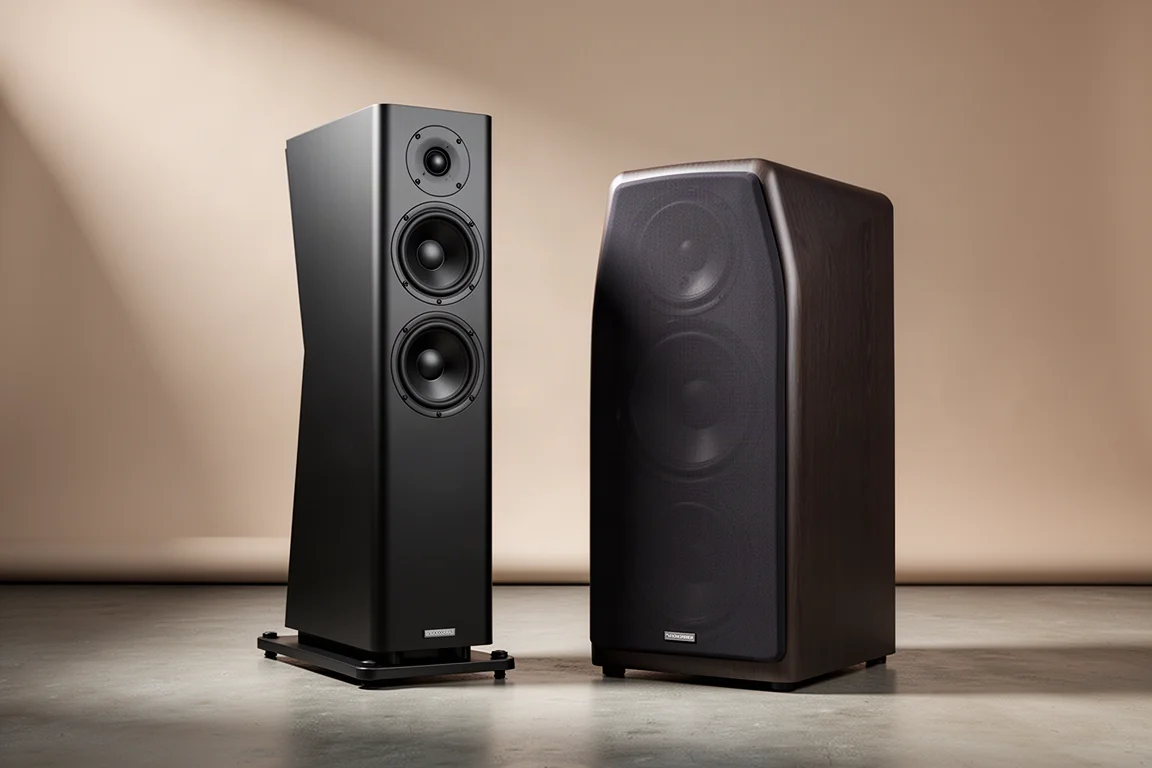
1723 THX Tower vs 1528 Bookshelf: Which Speaker Fits Your Room?
Two speakers at roughly the same price, built very differently. How the 1723 THX tower and the 1528 bookshelf compare on construction, bass, power needs, and sound.
Hi-Fi Speakers
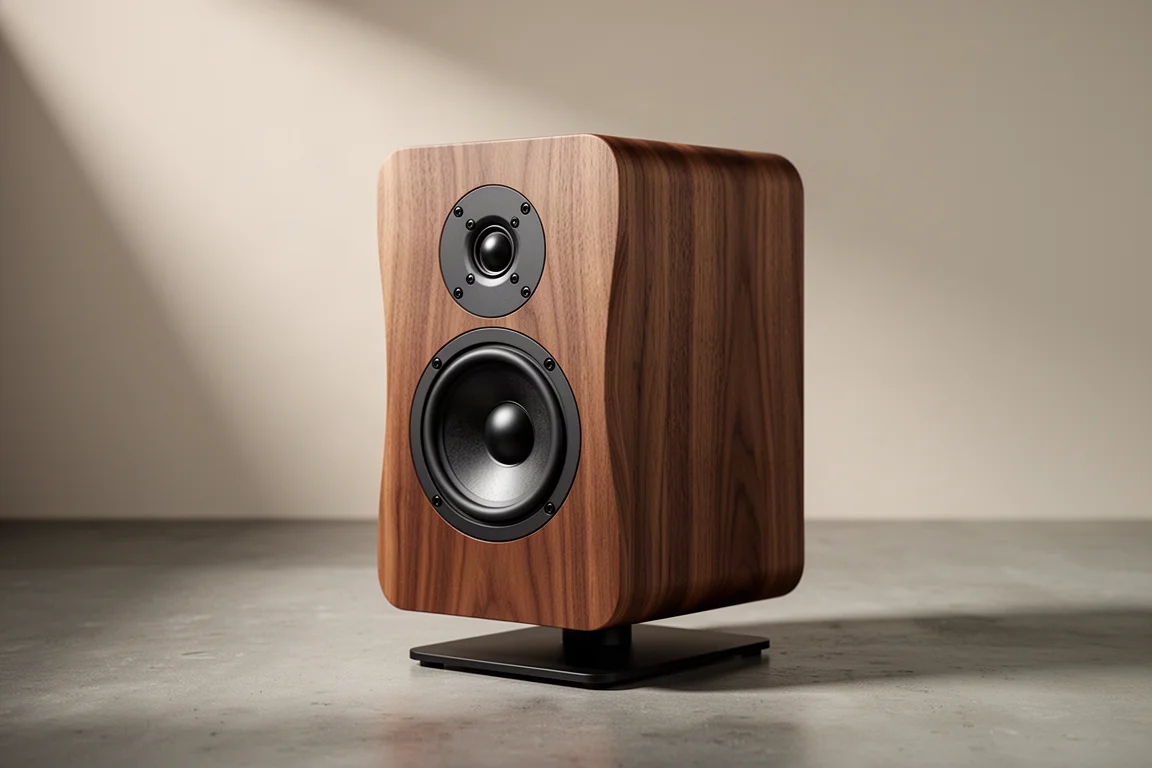
Acoustic Energy AE 300 Review: Deep Bass From a Compact Standmount
A two-way standmount with real wood veneer, surprising low-end weight, and a warm, easygoing character. Here is what to know before buying.

Hi-Fi Speakers
Acoustic Energy AE1 40th Anniversary Review: A Modern Take on a British Classic
A compact standmount that revives a 1980s favorite with all-new parts, a warm mid-centric balance, and a price of £1,499 per pair.