Light Aircraft
The Rans S20/S21 Hybrid: A Rare All-Metal Wing Taildragger Worth Knowing About
A one-off Rans that pairs the S20 fabric fuselage with the S21's all-metal wing, plus what owners say about flying it as a first taildragger.
Introduction
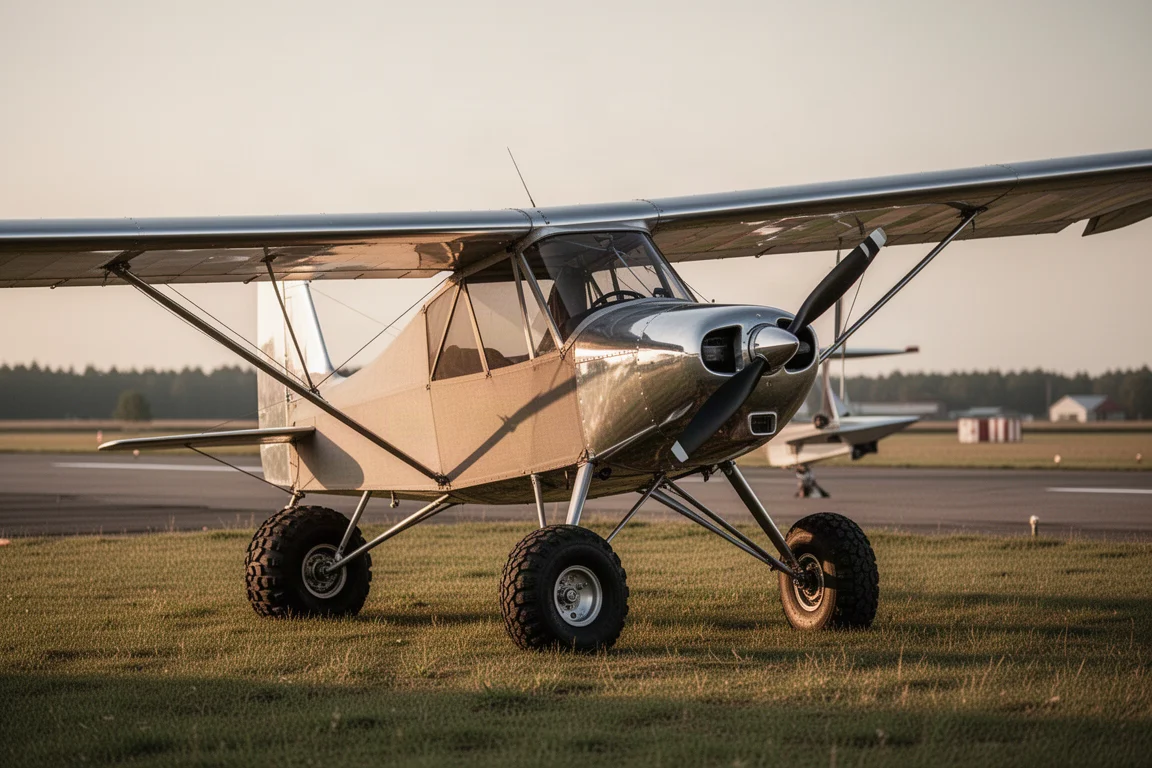
Every so often a light aircraft shows up that does not quite fit the catalog. This is one of those: a Rans taildragger that is not an S20 and not an S21, but something in between. It was built during a brief production window when buyers could combine the S20’s fabric fuselage with what is now the standard all-metal wing of the S21. The result is a genuinely rare configuration, and one owner who flies it is clearly delighted with the combination.
The Story Behind This Rare Configuration
The aircraft was purchased directly from its builders shortly after they finished it, which means it has flown its whole life with one owner. At the time it was built, Rans briefly offered the S20 with a fabric fuselage and an all-metal wing, the same wing that later became standard on the S21. Before and after that window, the S20 was only available with a dual-strut fabric wing, which is the configuration still sold today.
The builders also fitted vortex generators on top of the wing, and the owner credits them with a remarkably low stall speed in the low 30s (knots). That combination of a stiff metal wing and a very slow stall makes this hybrid an interesting middle ground between the two models.
The S21 Side: The All-Metal Wing
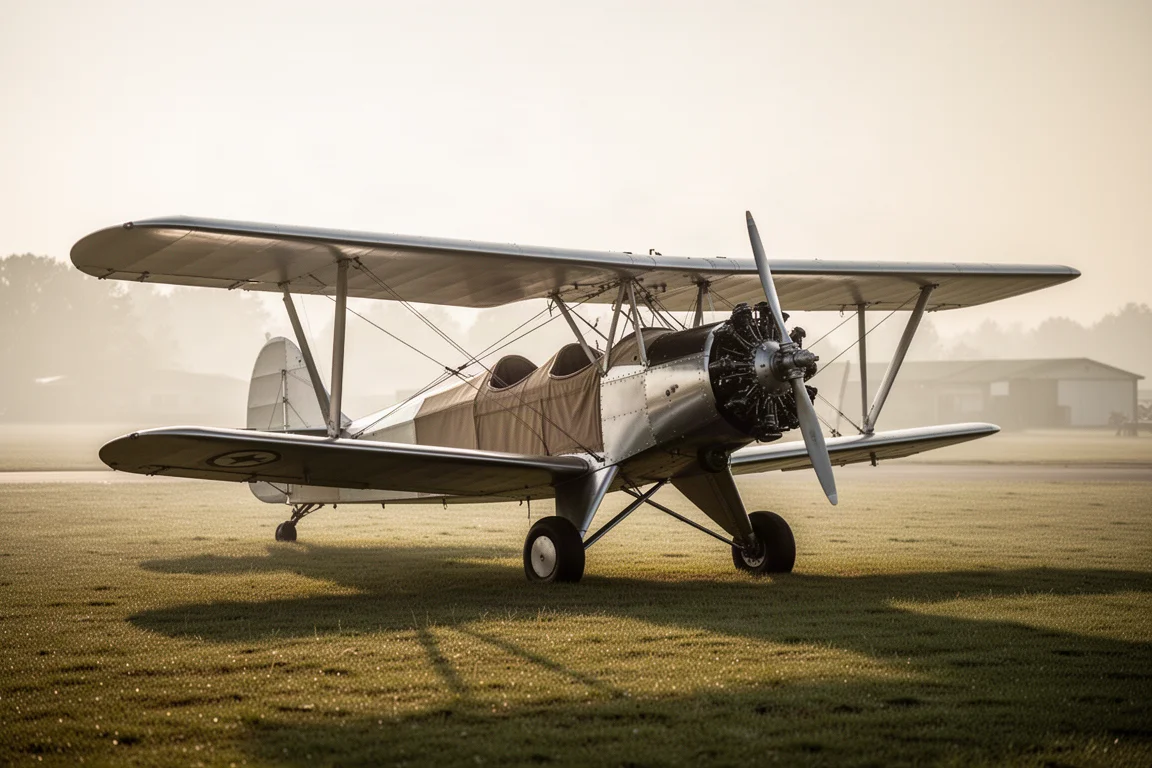
The all-metal wing is the standout feature here, since it is the defining characteristic of the S21. It gives the airframe a cleaner, stiffer structure than the fabric dual-strut wing of the standard S20, and this particular example demonstrates that the wing pairs happily with the lighter fabric fuselage. For anyone considering the S21 as it is sold today, this hybrid is a useful real-world reference point for how the metal wing behaves on a light taildragger airframe.
The S20 Side: The Fabric Fuselage
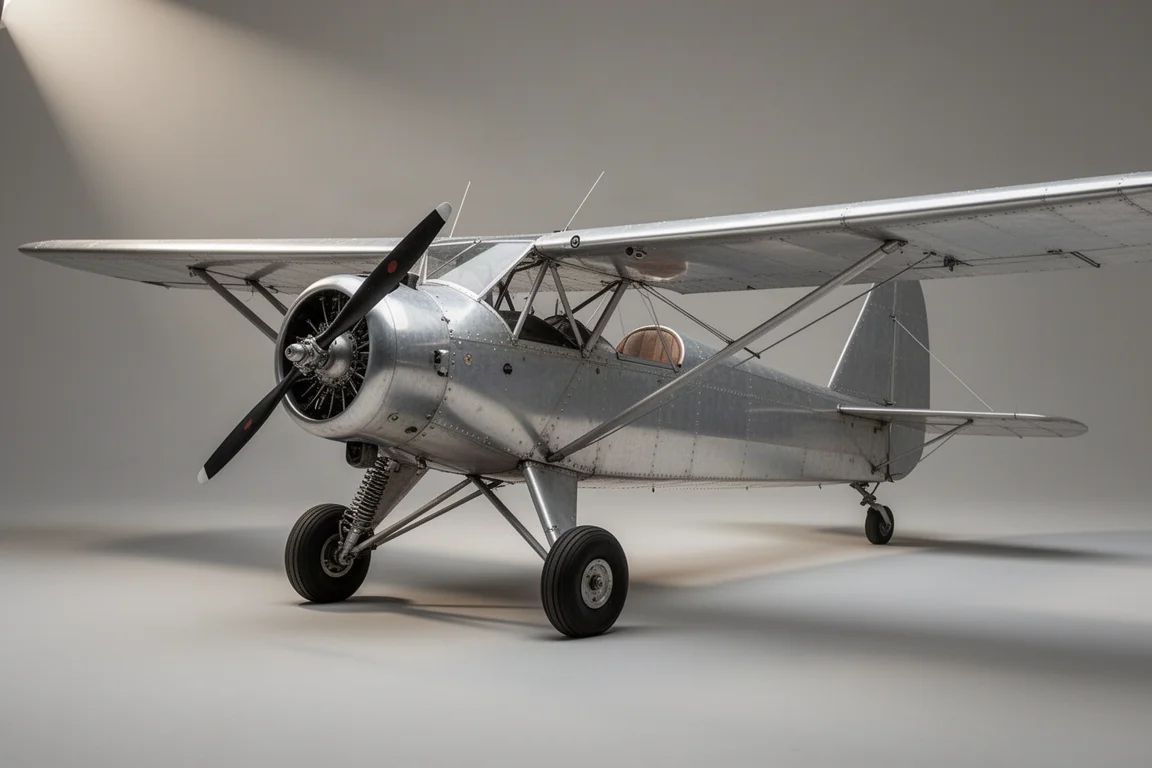
The fuselage comes from the S20, the lighter fabric-covered model in the family. The owner describes the plane as very responsive and light on the controls, calling it a ton of fun to fly after around 125 to 150 hours in type. For buyers weighing the standard S20 with its dual-strut fabric wing, the message from this example is that the S20 platform remains a sweet-handling aircraft, and the fabric fuselage keeps the aircraft light and simple.
Powerplant and Propeller Setup
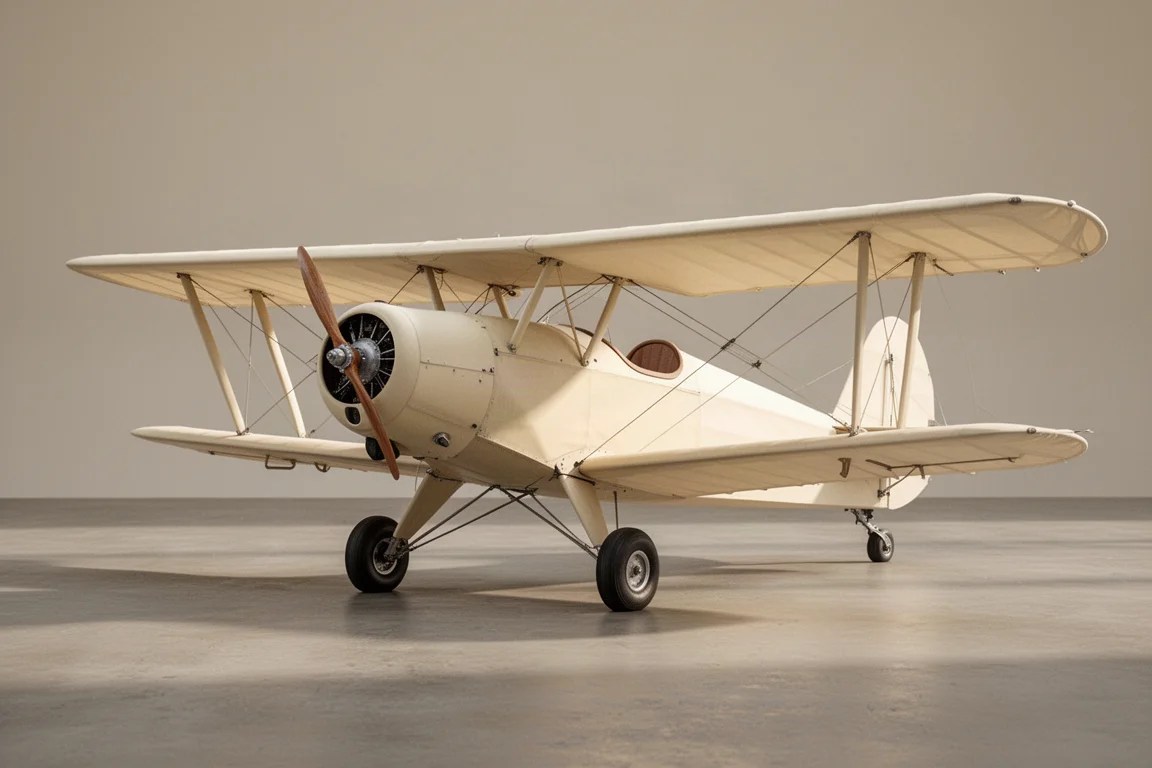
The aircraft is powered by a Rotax 912 ULS driving an Airmaster in-flight adjustable electric propeller with three presets: takeoff, climb, and cruise. Takeoff delivers full 5,500 RPM for about five minutes, then climb and cruise each drop roughly 200 RPM per setting without touching the throttle.
The owner’s pattern technique is worth noting: switching from cruise to climb when abeam the numbers for extra power if needed, then selecting takeoff on base so a go-around has the engine’s full output available immediately.
Performance and Range
Fuel capacity is a generous 40 gallons, though the owner typically flies with only about 20 on board. A full tank would allow roughly eight hours of flying, far beyond what most pilots want to sit through. Cruise speed sits around 105 to 110 mph, and the longest cross-country flown so far has been three to four hours, which still covers serious distance at those speeds.
Tires, Ground Handling and Landing Feel
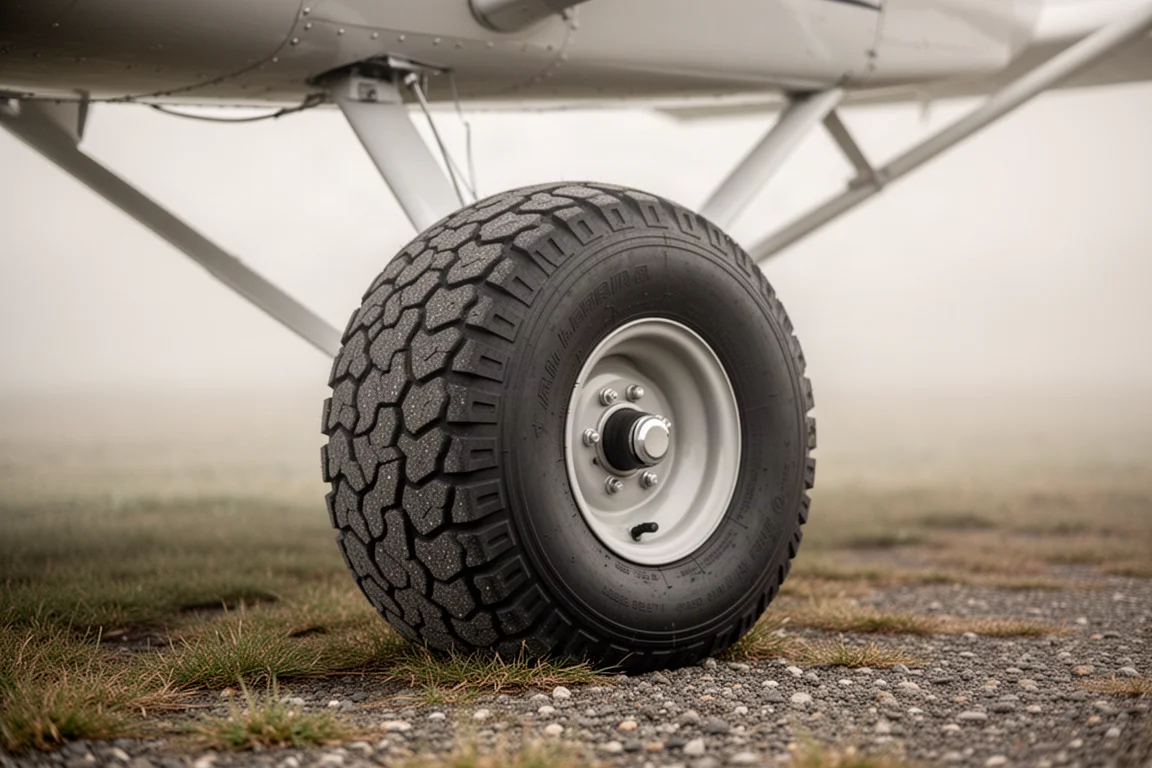
Where a typical tricycle-gear trainer runs small tires, this aircraft wears 27-inch tires run at five to six pounds of pressure. The owner says they soak up a lot of mistakes and make nearly every landing feel like butter, on grass and pavement alike, with no excessive wear after the entire life of his ownership.
As a first taildragger, the transition from tricycle gear trainers like a Cessna 152 or Cherokee 180 meant starting training over from scratch: rudder work, keeping the tailwheel on the centerline, and a healthy respect for ground loops. The tailwheel uses a spring-loaded semi-lock design that breaks free into full swivel at a certain point. Takeoffs are made by rolling forward onto the mains before rotating, and landings are typically three-point, arriving as slow as possible. Crosswind work favors wheel landings for the extra rudder authority that comes with a bit more speed.
Who This Aircraft Suits Best
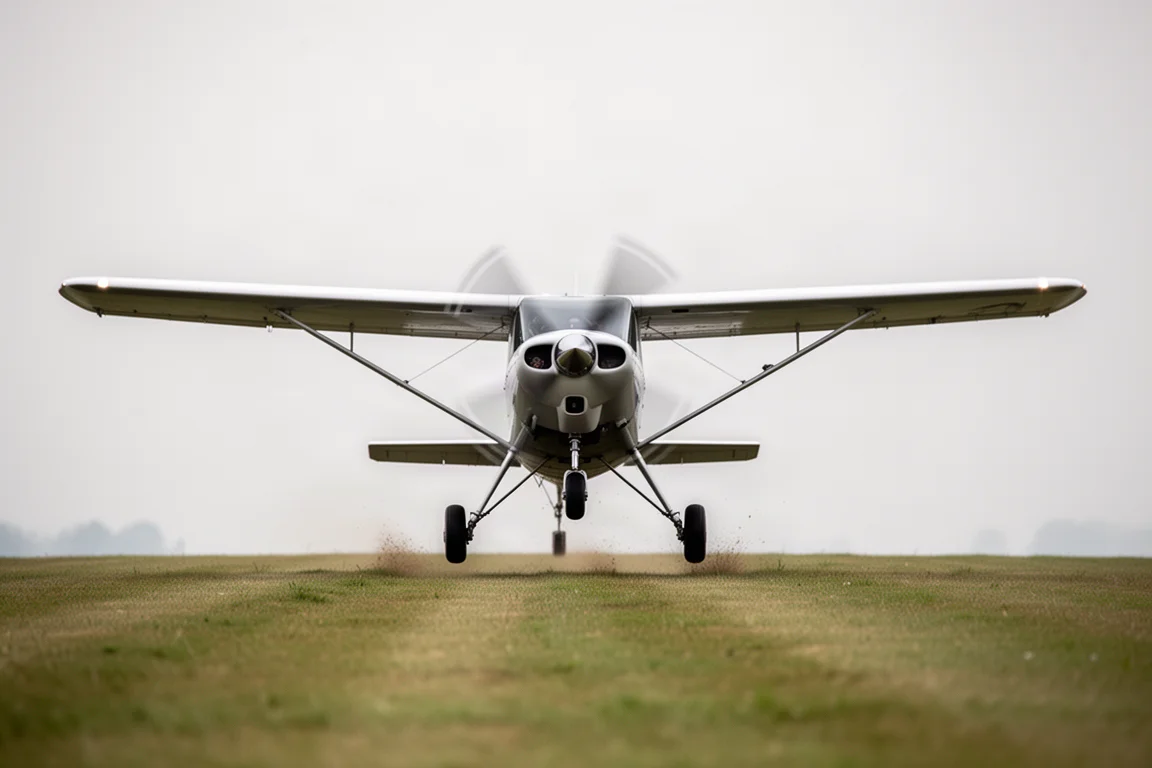
This hybrid, and the S20 and S21 it draws from, suit pilots who want a slow, forgiving, genuinely fun taildragger rather than maximum speed. A low-30s stall speed, big soft tires, and light control forces make it approachable for relatively new tailwheel pilots, while the 40-gallon capacity and 105 to 110 mph cruise give it real cross-country legs. If you want to go fast, look elsewhere; if you want to enjoy every pattern and land on anything short of water, this family of aircraft makes a strong case.
Buying Advice
The standard S20 with its fabric dual-strut wing is the configuration you can buy today, while the all-metal wing belongs to the S21. This one-off hybrid shows both approaches work well, so the choice comes down to whether you value the simpler, lighter fabric structure or the stiffer metal wing. Either way, plan on proper tailwheel transition training if you are coming from tricycle gear, and budget attention for tire pressure and the Airmaster propeller presets if you specify that option.
Conclusion
Rare configurations like this one are a reminder that the light aircraft market has more variety than the brochures suggest. A fabric-fuselage S20 wearing an S21’s all-metal wing, with vortex generators, big tires, and an in-flight adjustable prop, turns out to be a thoroughly charming aircraft: slow, responsive, forgiving on landing, and still capable of multi-hour cross-countries. For pilots chasing flying fun over speed, it is a compelling recipe.
Further reading
Related Reviews
Ultralight Aircraft
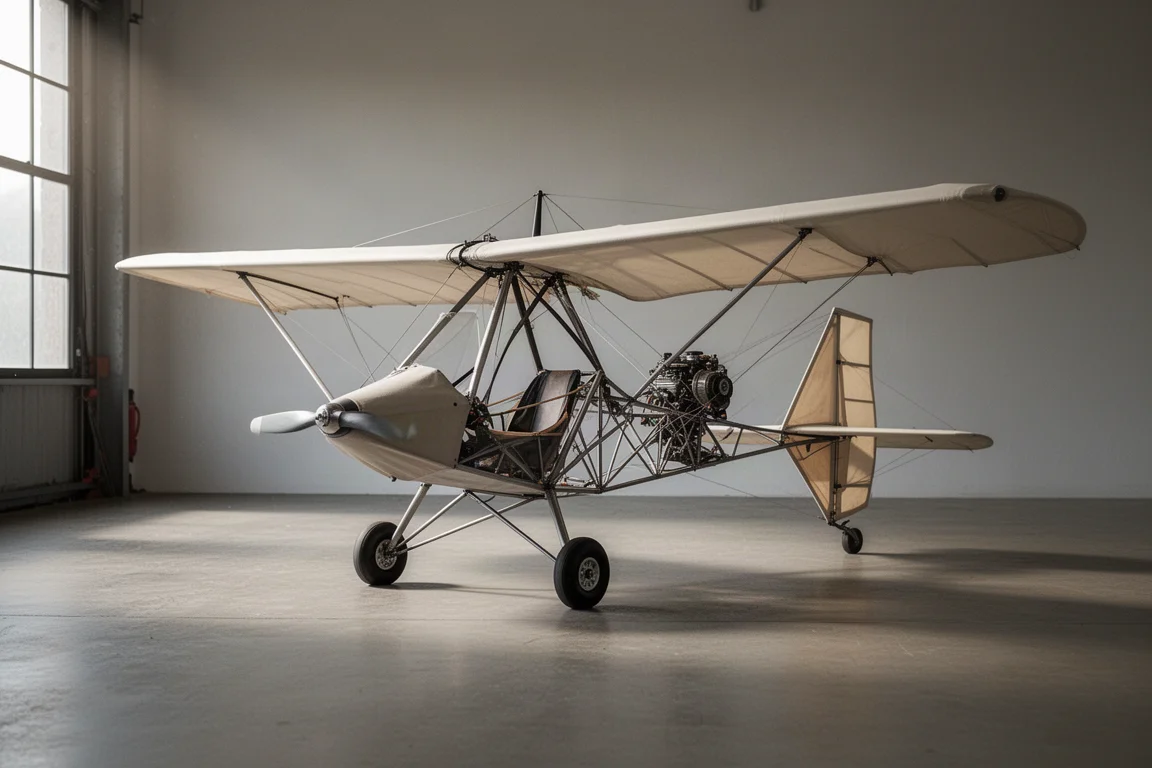
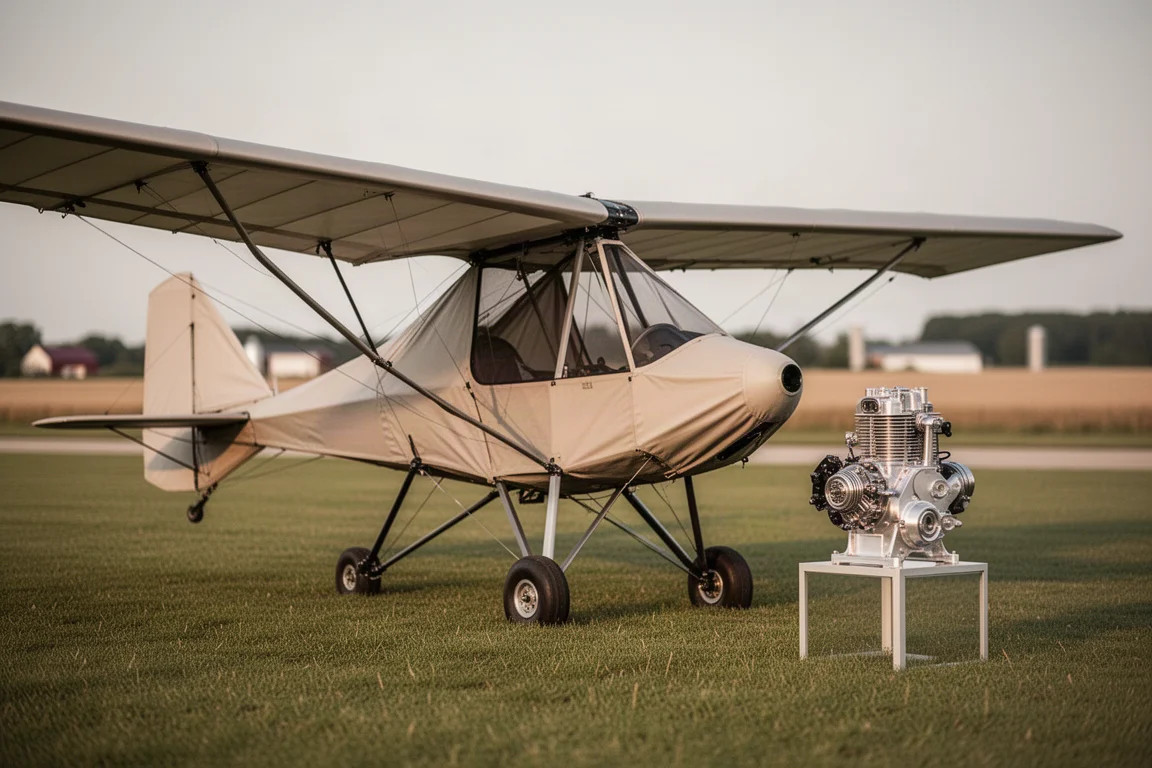
Badland Aircraft Ultralight and Polini 303: A Practical Path Into Ultralight Flying
A closer look at the Badland Aircraft Ultralight and the Polini 303 engine that powers it, from folding wings to kit options.
Aviation
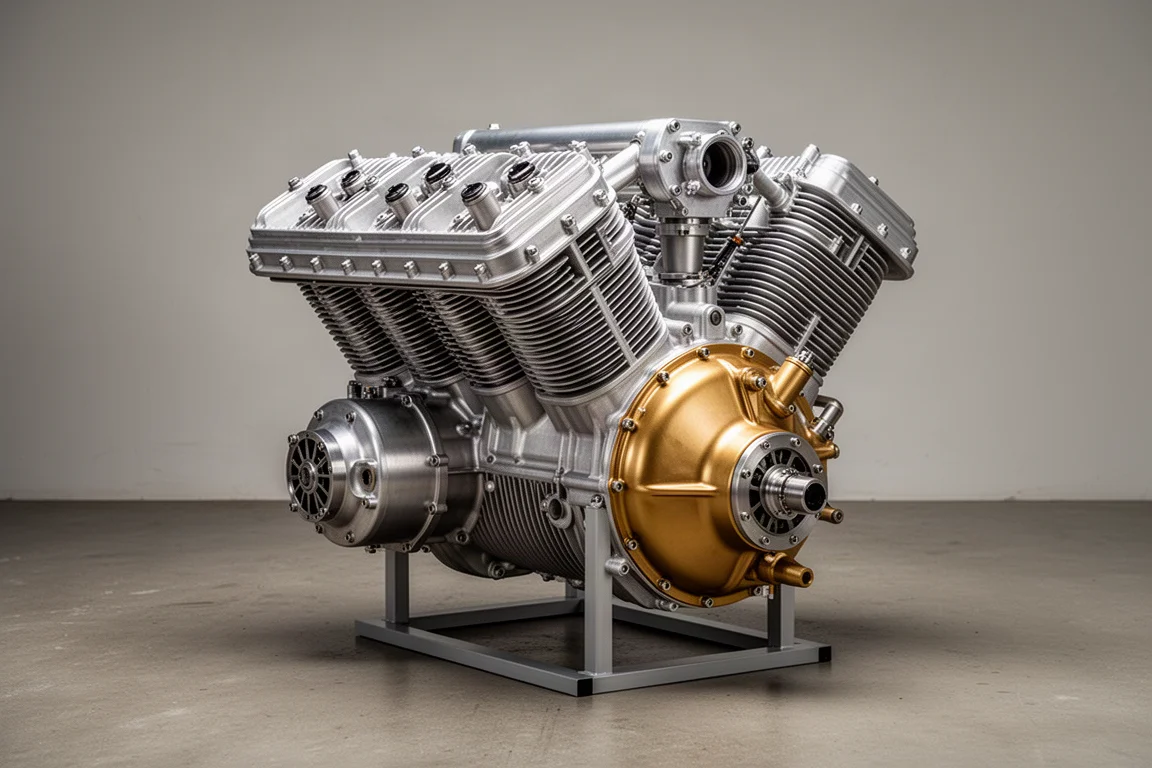
Badland Ultralight Kit and Thump Air 420cc: A Practical Backyard Aircraft Combo
A true 247-pound ultralight kit that hits the advertised weight, plus a new four-stroke engine option built for torque and lighter fuel burn.
Aircraft Engines
Corvair 2850 Aircraft Engine: A Builder-Friendly Conversion Worth Knowing
The Corvair 2850 is a horizontally opposed, air-cooled six-cylinder conversion engine with a flexible build path, honest weight, and support for experimental aircraft builders.