Cycling Buying Guide
Racing, Endurance, Cyclocross and Gravel Bikes: How to Choose the Right Drop-Bar Bike
A practical guide to the four main drop-bar bike categories, what each geometry is designed for, and which one is likely to suit the riding you actually do.
Introduction
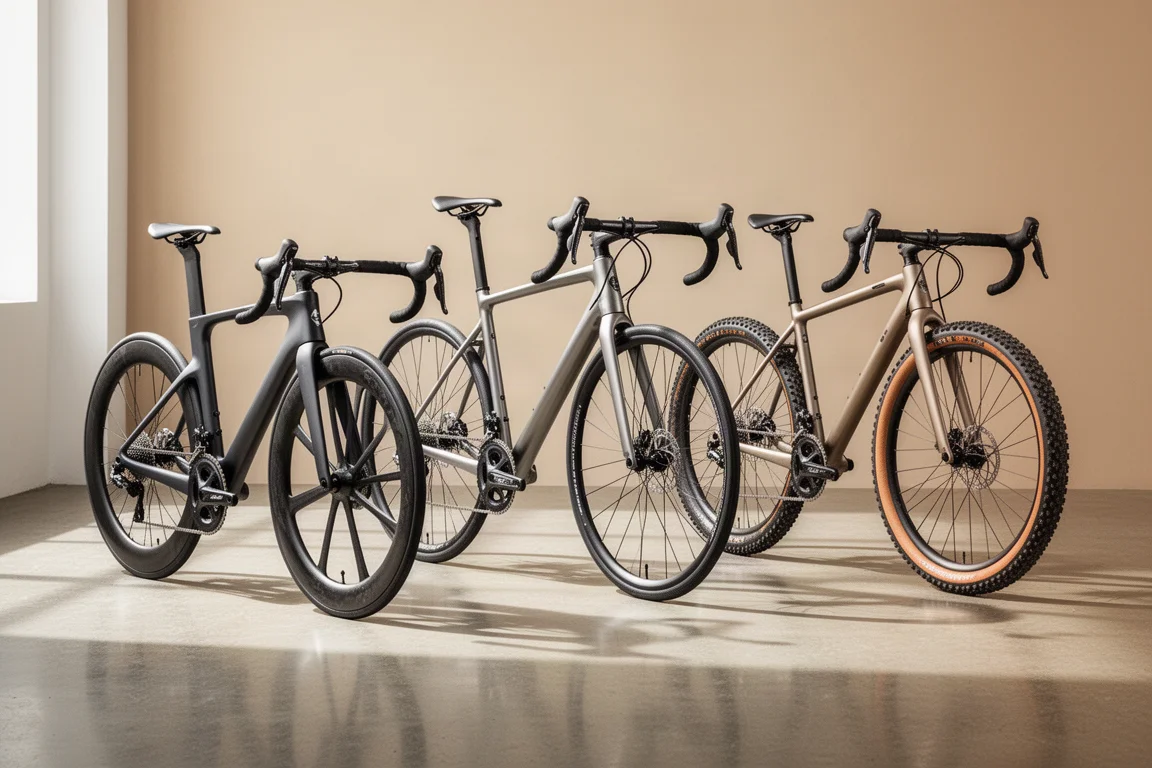
Drop-handlebar bikes are sold under four broad labels: racing, endurance, cyclocross and gravel. The labels are useful shorthand, but they hide the thing that actually decides whether a bike works for you, which is geometry. Two bikes can share a frame material, a groupset and a wheelset and still feel completely different after an hour in the saddle.
This guide walks through what each category is designed for, where the trade-offs sit, and which type of rider each one tends to suit. It also covers the growing number of bikes that deliberately sit between categories, and the custom route for riders who cannot find a good fit off the peg.
Why Bike Geometry Matters More Than the Category Name
Most race bikes are designed around a young, light, flexible athlete: someone in the region of 60 kg, with little upper body mass, putting out 300 to 400 watts for hours. Those riders are strong, flexible and able to tolerate a lot of postural compromise, and they are also paid to ride, so fit is a secondary concern.
That same geometry is then sold to a much broader group of riders, often aged 35 to 60, who spend their days at a desk. Industry marketing, plus the rule that any bike raced at the top level must also be available to consumers, has pushed a lot of aggressive geometry into showrooms. The result is that many people end up on bikes that are not really fit for purpose for their body and their riding.
The measurements that matter most are the height of the front end, the reach to the bars, the wheelbase, the bottom bracket height and the head tube angle. Those five numbers explain almost everything about how a drop-bar bike behaves, and they are the reason the categories below feel so different from one another.
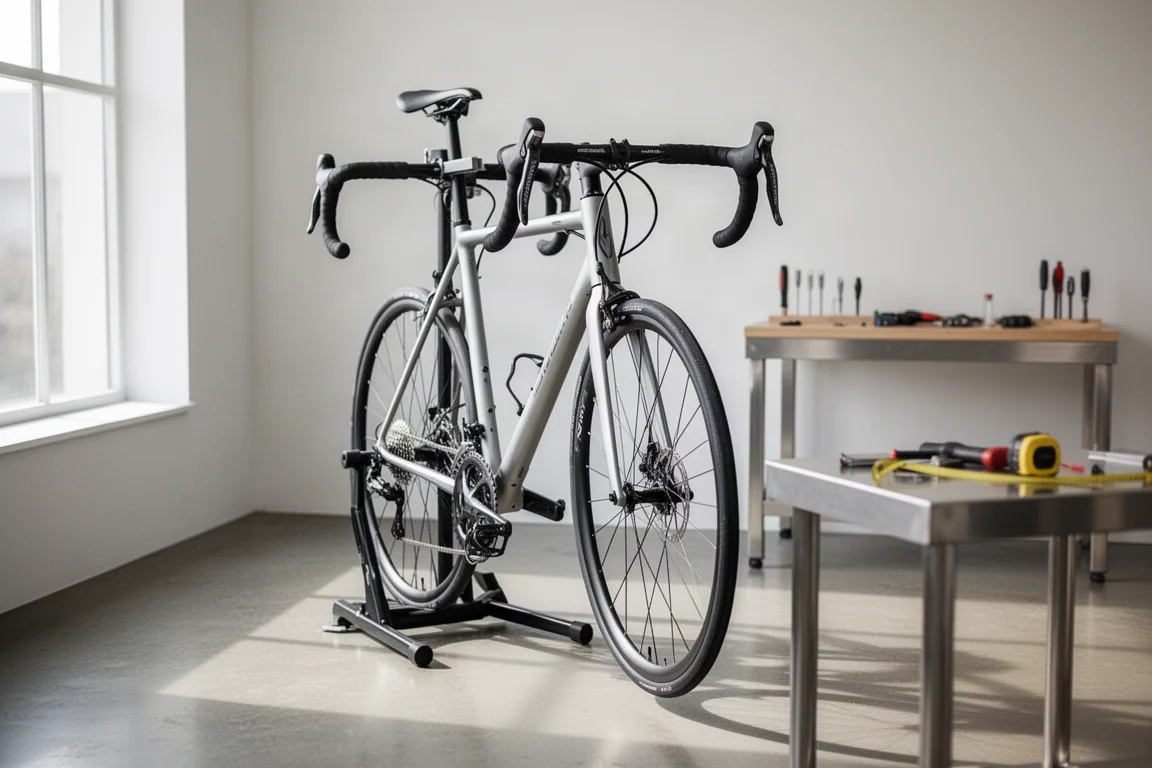
The question worth keeping in mind for the rest of this guide is simple: is this bike’s geometry designed for the rider it is being sold to?
Racing Bikes: Trek Madone
Racing bikes are long, low and aggressive, and the name tells you exactly who they are for. The Trek Madone is a clear example of the breed, alongside models such as the Specialized Tarmac, Scott Foil, Giant TCR, Cervélo S5, Pinarello Dogma and Cannondale SuperSix.
Everything about the format is built around lightweight efficiency and agility. Wheelbases are short, riding positions are low at the front, and top tubes are typically long, which gives a rider more room to move when sprinting. Over the years these bikes have become steadily more aggressive as racing demands have changed, which has also made them less suitable for everyday riders.
If you race, a racing bike is the right answer. If you ride for pleasure, fitness or commuting, the same geometry is usually working against you.
Endurance Bikes: Specialized Roubaix
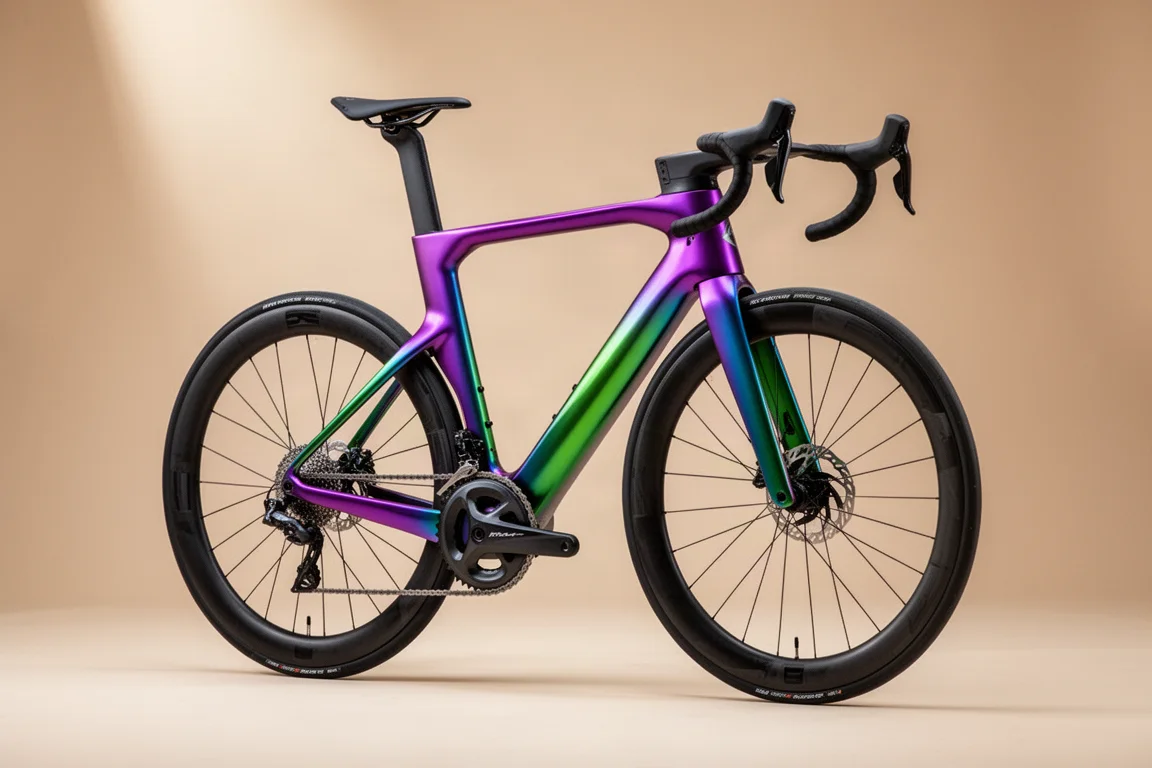
Endurance bikes take the opposite approach. The Specialized Roubaix, Cannondale Synapse and Trek Domane are all built for longer distance riding, and the geometry reflects that: a taller front end that sits closer to the rider, a shorter top tube and slacker angles overall. The ride is more benign and less demanding on the body.
The trade-off is that endurance models are often the poor cousin in a brand’s range. They tend to use cheaper carbon and raw materials, and the chassis is frequently dialled down, which makes them heavier and less exciting to ride. They can also feel mundane compared with a race bike.
For most consumers, though, the endurance category is the better starting point. The taller front end and shorter reach make the position easier to hold, and riders with shorter torsos and longer legs, who are predisposed to feeling overstretched, are usually far better suited to this geometry.
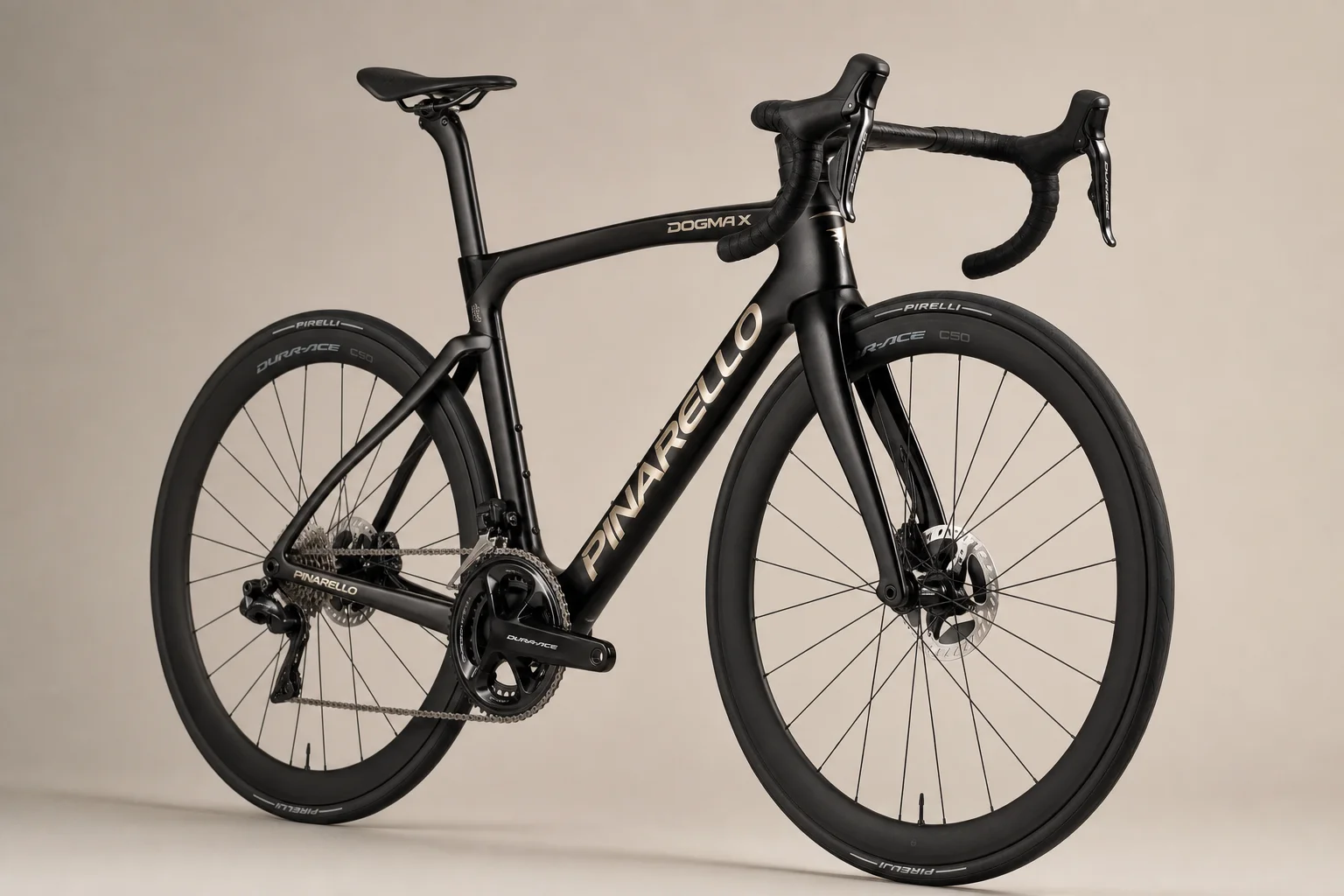
The Endurance Exception: Pinarello Dogma X
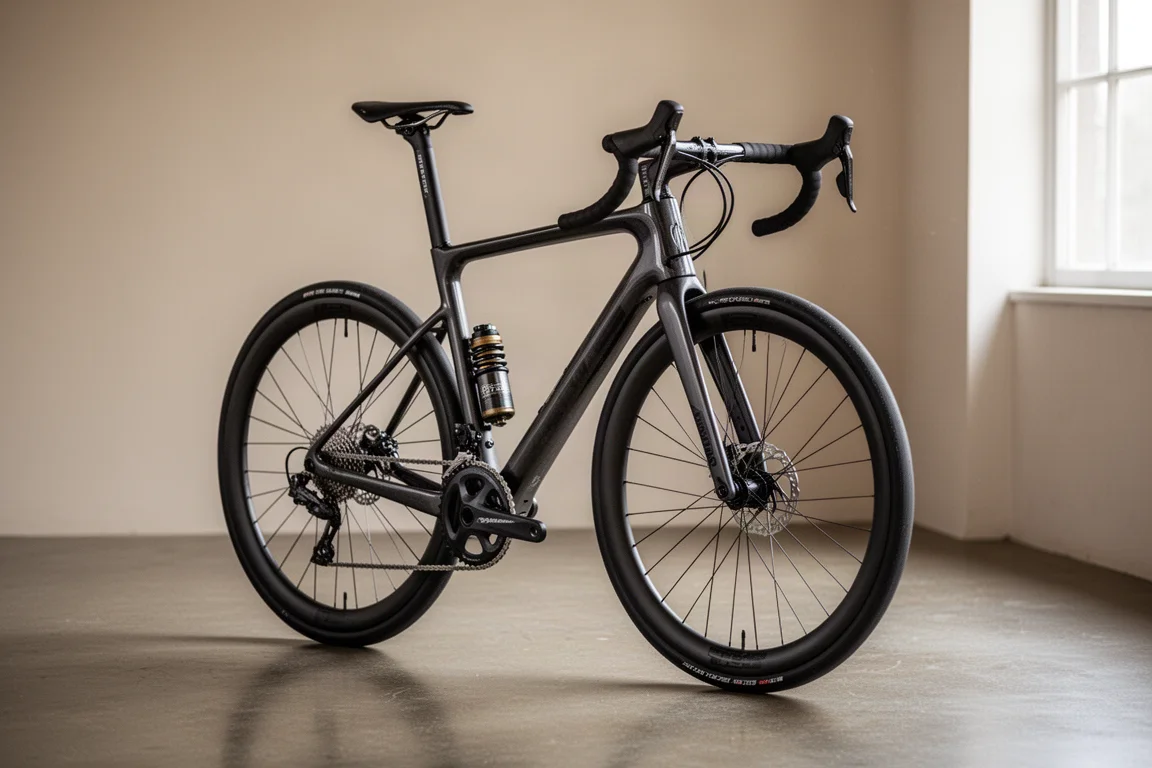
The Pinarello Dogma X is the one clear exception in the endurance category. It applies a performance-led approach to a fit-friendly format rather than treating endurance as a downgrade.
It is not perfect. Its geometry is not quite as well resolved as the simpler endurance models in the range, but the direction is right, and it shows what an endurance bike can be when a brand takes the format seriously.

Riders who want the comfort and fit of an endurance bike without the heavy, muted feel of a budget chassis should look closely at this end of the market. It is a useful reminder that endurance geometry and an engaging ride are not mutually exclusive.
Bikes That Blur the Lines: BMC Roadmachine
A growing group of bikes deliberately sits between racing and endurance. The BMC Roadmachine is one, and the Basso Venture and Astra follow the same idea: not as racy as a racing bike, but nowhere near as relaxed as a typical endurance model. The Open MIN.D is another well-regarded example of the same thinking.
For a lot of riders this is the sweet spot. You get a position that is easier to live with than a pure race bike, and a chassis that still feels lively when you push on the pedals.
Cyclocross Bikes: Canyon Inflite
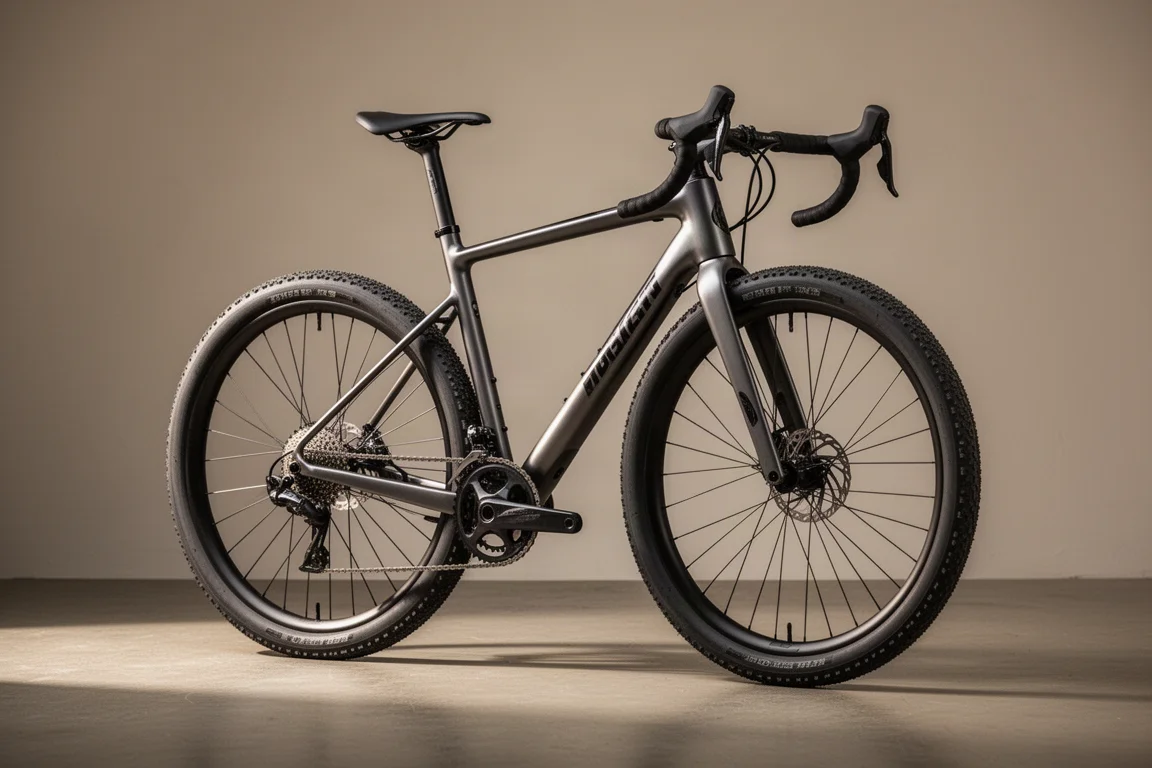
Cyclocross bikes are a dying breed, and the reason is straightforward: they are really only good at cyclocross racing. The Canyon Inflite, Giant TCX and the original Cannondale SuperX are typical of the format.
The geometry is built around short, sharp, lower-speed racing and around being shouldered. That means a very short wheelbase, a high bottom bracket for clearance and a steeper head angle. Those traits make poor winter bikes and poor road bikes, because the handling is nervous at speed and the position is not designed for long days out.
If you race cyclocross, these bikes do their job well. If you want one bike for winter miles, the gravel category below is the better choice.
Gravel Bikes: Specialized Crux
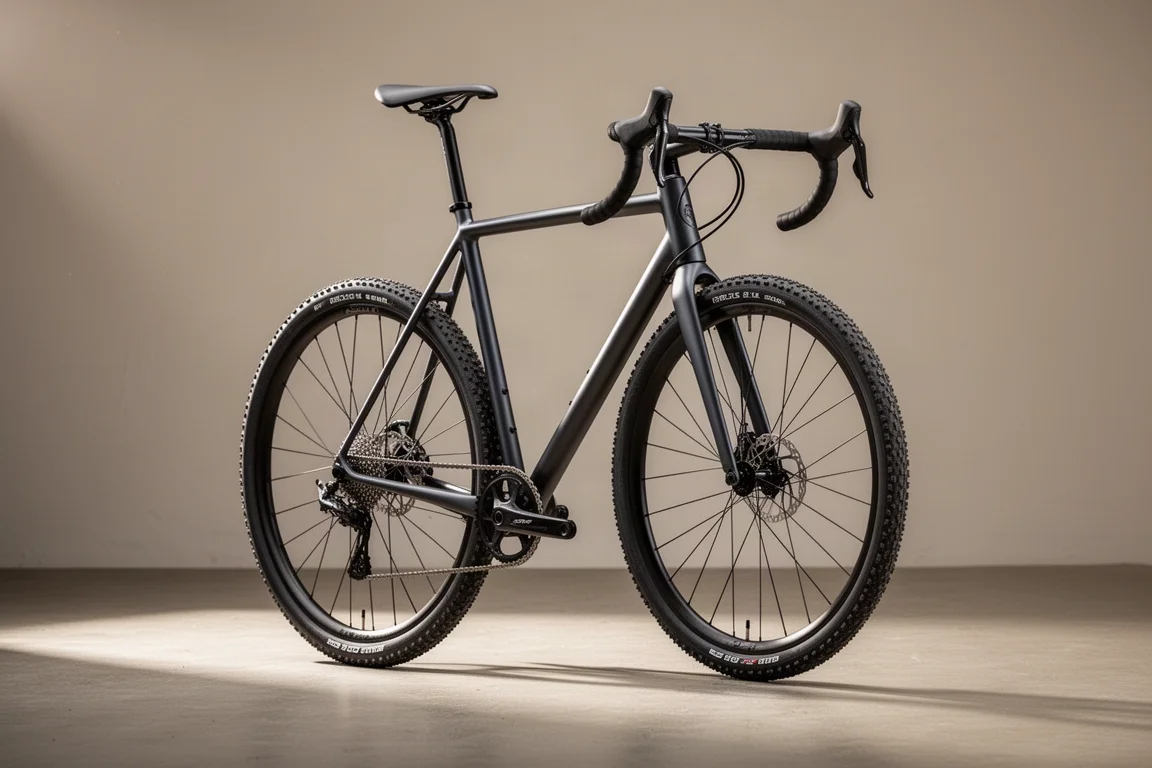
Gravel bikes have surged in popularity for good reason. They are derived from endurance geometry, with long wheelbases and slack angles, so they tend to fit well, and they are massively versatile. Wider tyre clearances, disc brakes and mounts for bags and racks make them excellent winter bikes as well as off-road machines.
The lines are blurring here too. The new Specialized Crux has a slightly higher bottom bracket and more aggressive stack and reach figures than the historic Crux, and more so than the Specialized Diverge.
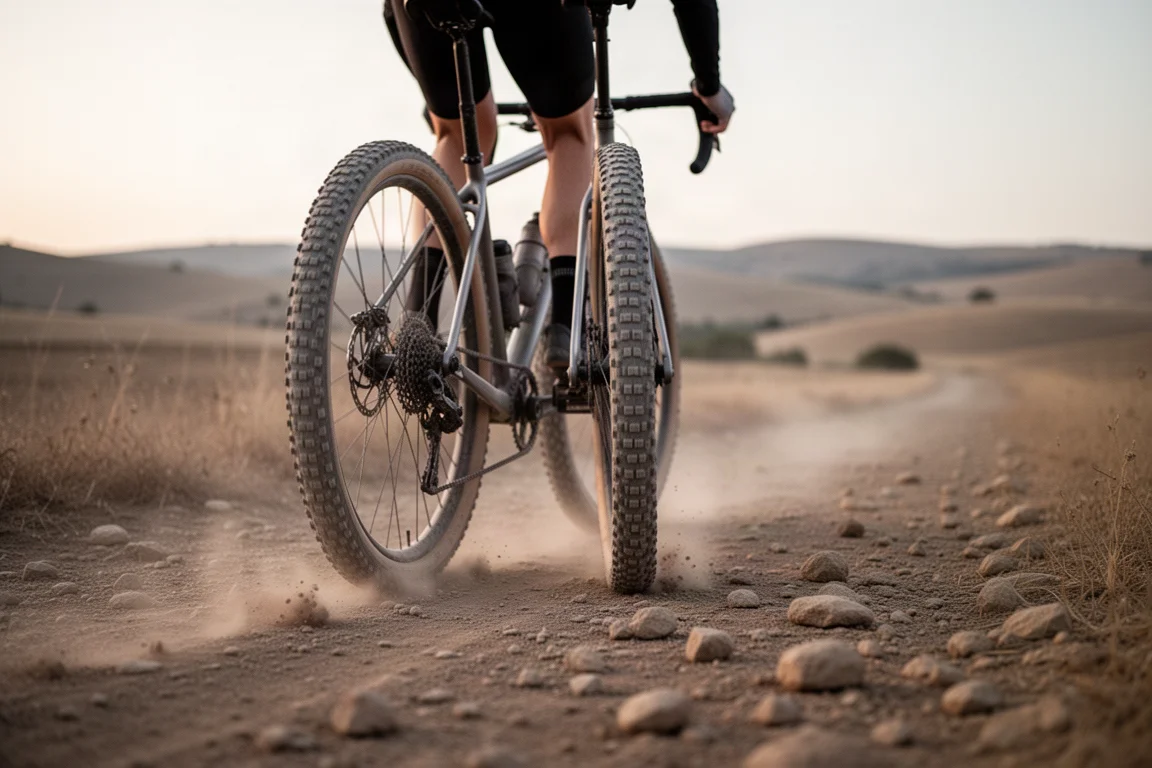
That shift moves the Crux towards gravel racing rather than all-day adventuring. It is a faster, sharper interpretation of the category, and it suits riders who want to compete on gravel or ride fast on mixed surfaces.
Gravel Bikes: Specialized Diverge
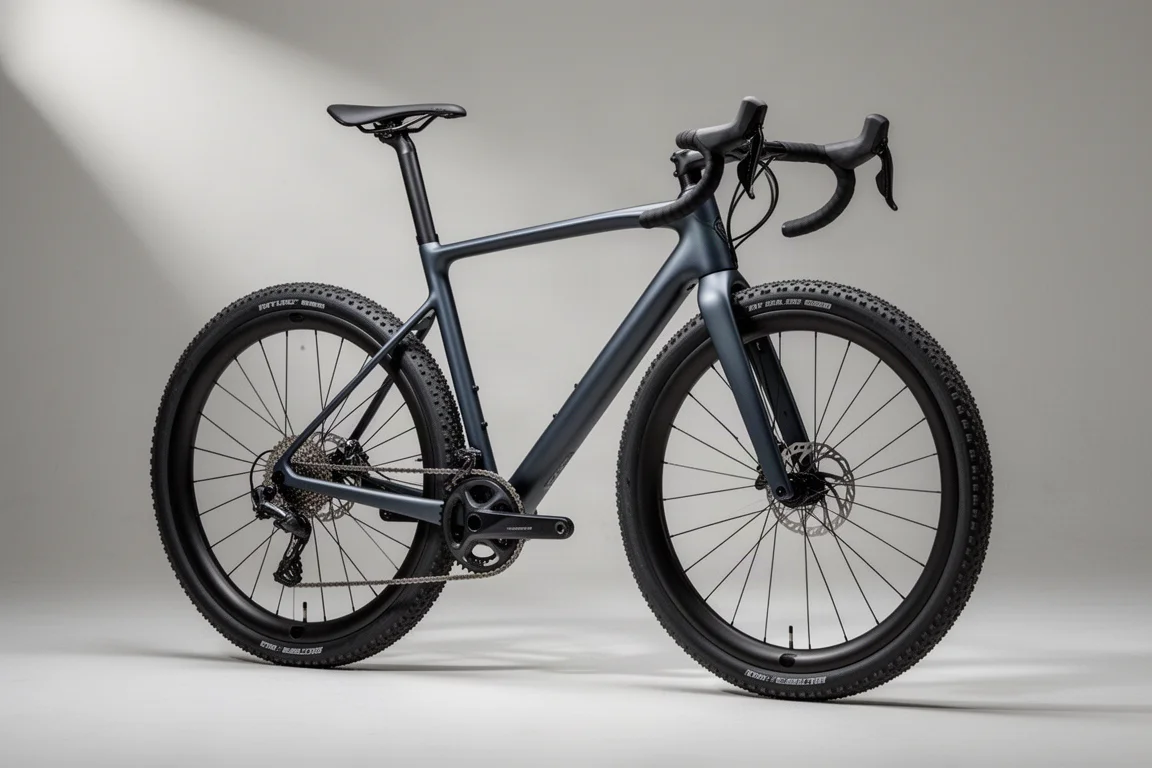
The Specialized Diverge sits at the more off-road oriented end of the gravel spectrum. Where the Crux has moved towards racing, the Diverge keeps the longer wheelbase, slacker geometry and easier position that make gravel bikes so usable.
Expect wider tyre clearance than a road bike, disc brakes throughout, and fittings for bags and racks. That combination makes it a strong choice for riders who want one bike that handles rough surfaces, winter training and loaded days out without demanding a race position.
Custom Bikes: Built Around the Rider
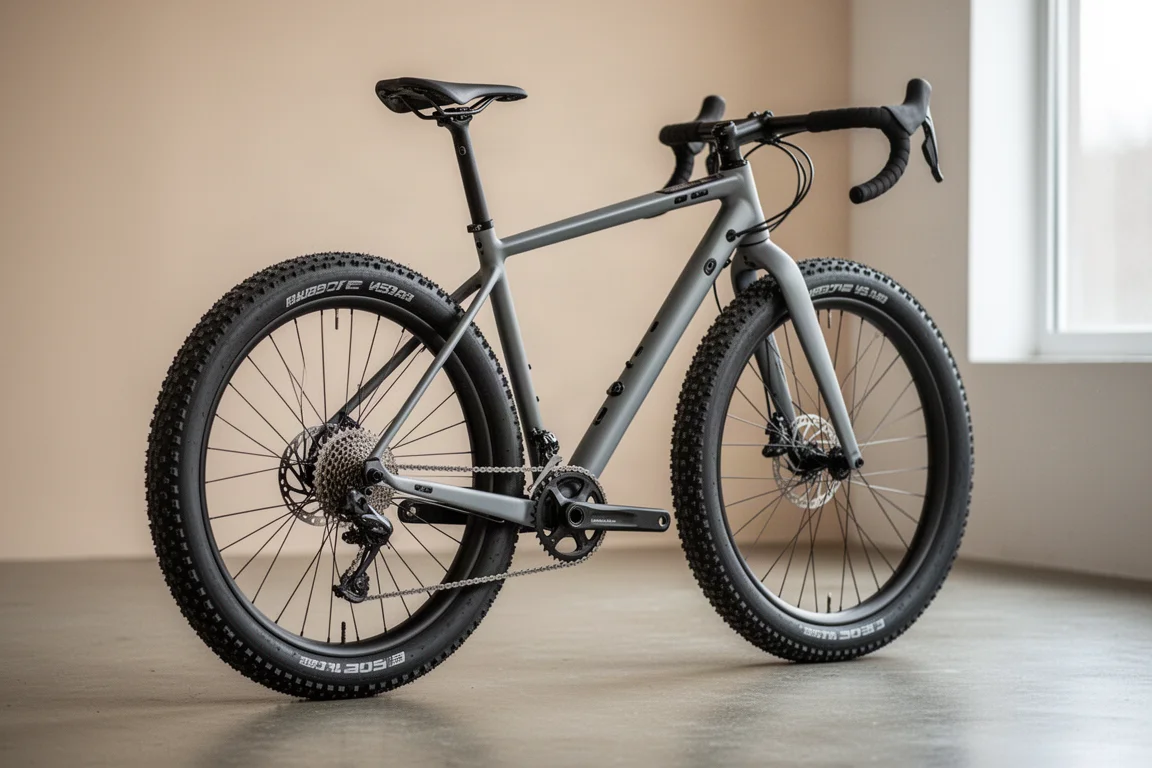
Many bikes sold today are designed around that 60 kg athlete, or they are dialled down and benign. Custom building exists to remove the compromise between the two.
Off-the-peg frames force concessions to make a bike fit: stems shortened well beyond the length the frame was designed around, stacks of spacers under the stem, inline seat posts on frames that were never designed for one. Those workarounds matter because the stem is an intrinsic part of the frame design, linked directly to the head tube angle and the wheelbase. A stem that is too long makes the steering vague; one that is too short makes it unstable.
Custom carbon builders and titanium specialists build the frame around the rider instead, and the result usually handles better, looks better and fits better. It is also not automatically more expensive than the top of the market: a flagship race build can run to around £13,000, while a complete full custom carbon bike can be had for roughly £8,000.
How to Choose Between These Categories
Start with the riding you actually do. If you race, buy a racing bike, because that geometry is designed for exactly that job. If you ride for fitness, commuting or long days out, an endurance bike is usually the better fit, particularly if you have a shorter torso relative to your leg length.
If you want something more engaging than a standard endurance bike, look at the blurred-line models such as the BMC Roadmachine, which keep a workable position without feeling dull.
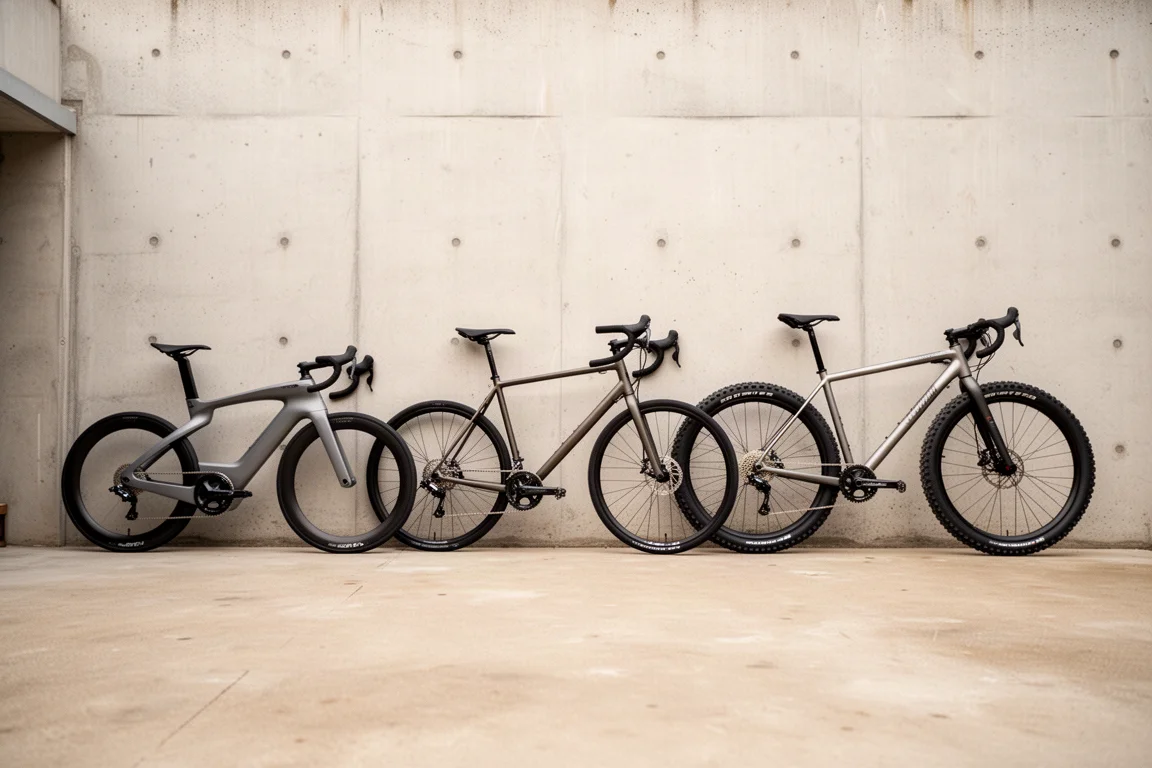
Cyclocross bikes only make sense if cyclocross racing is the plan. For everything else, gravel covers more ground: versatile, comfortable, capable on rough surfaces and genuinely useful as a winter bike. Within gravel, choose the racier end if you want to compete, and the more off-road oriented end if you want versatility.
If nothing off the peg fits properly, or if you keep running into the same workarounds, custom is the logical next step. It costs less than most people assume and it removes the compromises that make an otherwise good bike feel wrong.
Conclusion
The category name on the down tube matters far less than the numbers underneath it. Racing bikes are built for racers, endurance bikes suit the majority of everyday riders, cyclocross bikes are specialist tools, and gravel bikes are the most versatile option of the four. Bikes that blur the lines, and custom frames built around the rider, exist for the many riders who do not fit neatly into any single category.
Further reading
Related Reviews
Cycling Buying Guide
Big Bike Brands Explained: Where to Look Before You Buy
A practical guide to the biggest bike brands, what each one is known for, and how to decide where to spend your money.
Cycling Buying Guide
Bike of the Year 2025: The Best Gravel, Race, and Endurance Bikes
Three category winners from a year of testing, plus what to check before you buy a gravel, race, or endurance road bike.
Cycling Buying Guide
Bike Types Explained: Five Models That Show What Each Category Does Best
A practical walk through the main bike categories, using five well-known models to show what each type is built for and who it suits.