Race Bikes
Race Bike of the Year Winners: Climbing, Aero, Value and Overall Picks
Four category winners from a full race bike group test, covering climbing speed, aero performance, value and all-round race pace.
Introduction
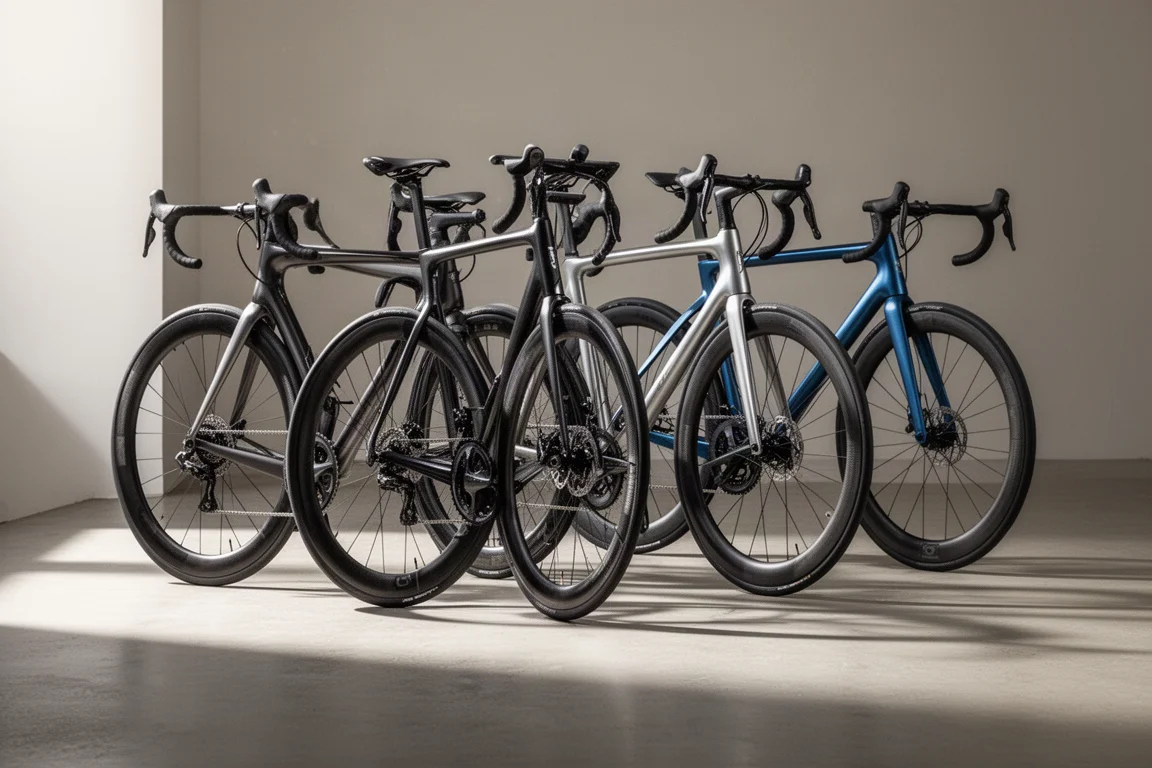
Every race bike decision comes down to a balance of three things: weight, aerodynamic efficiency and price. A dedicated climbing bike is still the quickest way up a steep gradient, but aero platforms keep closing the gap, and the strongest value usually sits lower down the range rather than at the very top.
This roundup covers four category winners from a full race bike group test: best climbing bike, best value bike, best aero bike and the overall race bike of the year. Each one wins for a specific reason, and matching that reason to how you actually ride is the fastest route to a good purchase.
How These Race Bikes Were Assessed
The bikes were divided into four categories: best climbing bike, best aero bike, best value bike and overall best race bike. Climbing bikes were judged on low weight, snappy geometry, comfort and speed optimisation. Aero bikes were judged on straight-line speed, crosswind stability and handling. Value was judged on specification relative to price, not price alone.
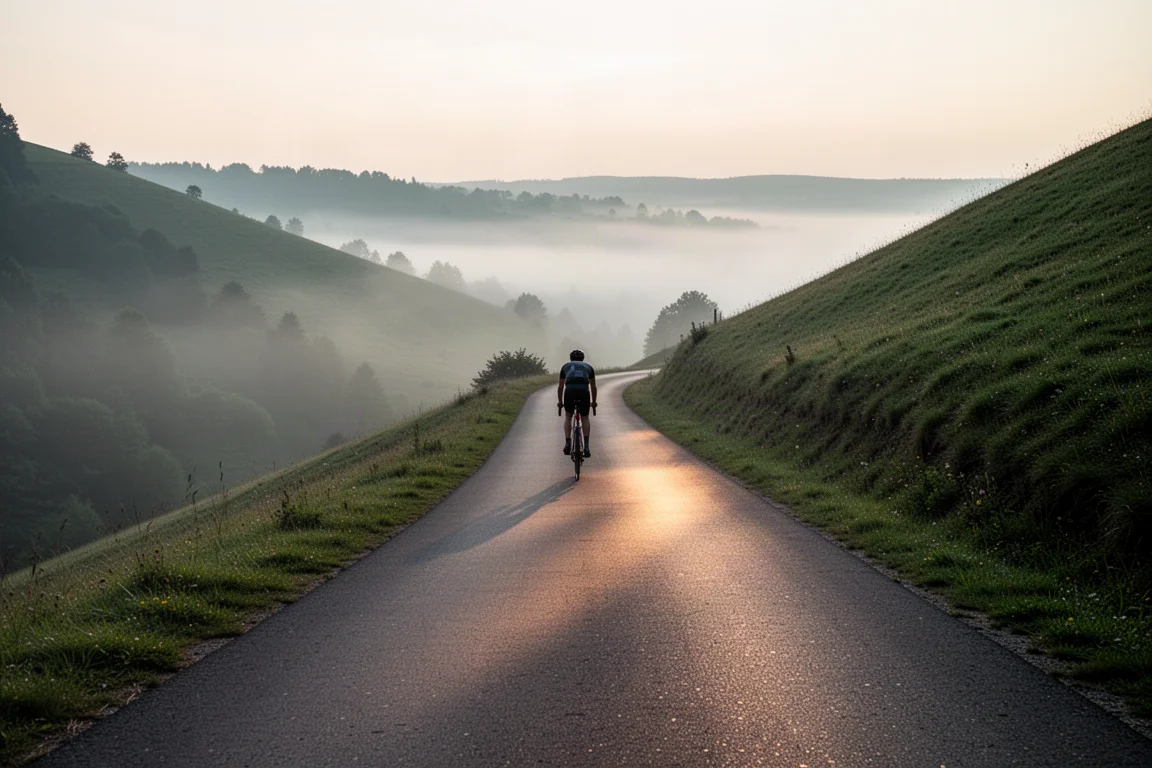
Frame weight and stiffness matter, but so do handling, ride quality and the way a bike behaves when the road surface turns coarse. A machine that is quick in a straight line but nervous through corners rarely ends up being the faster choice over a full ride.
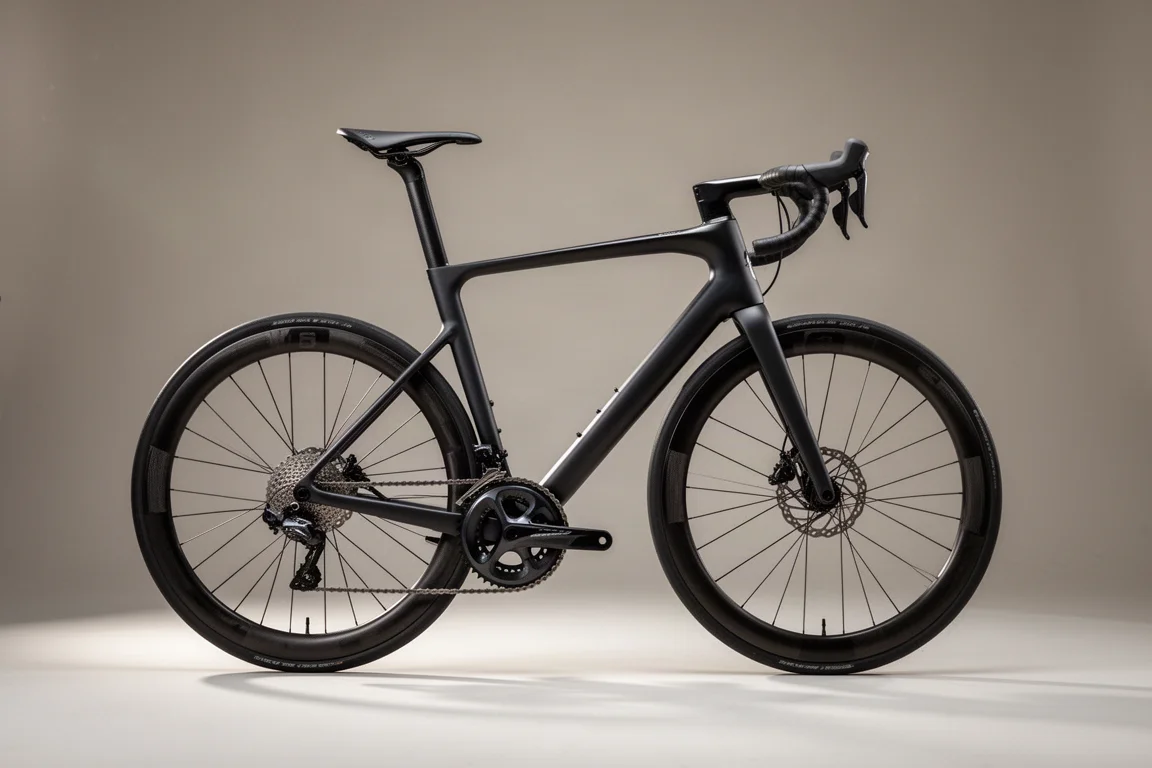
Best Climbing Bike: Cannondale SuperSix Evo
The SuperSix Evo took the climbing category on the strength of the lightest frame in the test, a claimed 770 g in a painted 56 cm size. It pairs that low frame weight with 50 mm deep HollowGram wheels, which makes it very quick to accelerate and unusually good at holding speed once it is there.
The aero story is evolutionary rather than revolutionary. The current generation is credited with saving 11 watts over the previous one, so the bike is quick on the flat as well as uphill, although it is neither as fast nor as comfortable as the overall winner of the test.
Where it stands out is climbing out of the saddle, and the geometry feels particularly well suited to short, steep efforts where carrying momentum into the gradient matters. It is poised and controlled on the way back down, which makes it easy to push your limits with confidence.
Price is the main consideration. The top-spec build sits close to the most expensive bikes in the test, though still below £15,000, while the entry-level model is the fourth cheapest on test, which may be lower than the brand’s racing reputation suggests.
Best Value Race Bike: Giant Propel
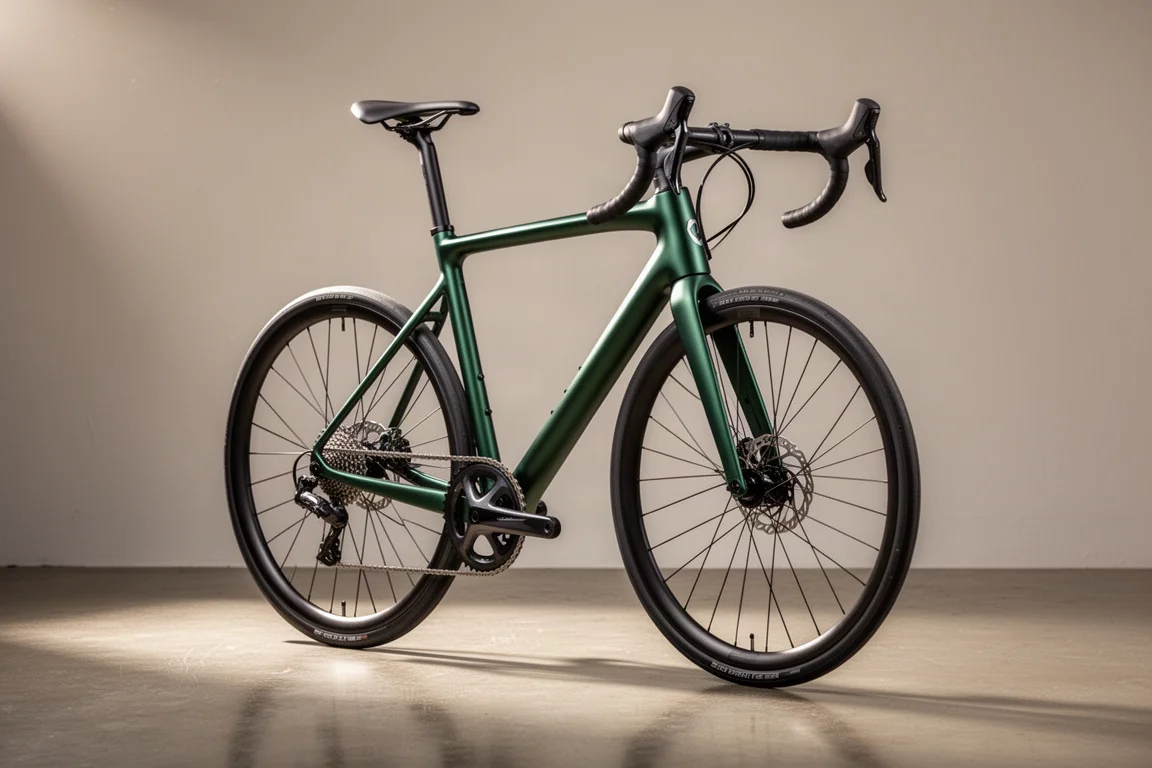
The Propel won the value category. It has long been one of the better aero bikes on the market once performance and specification are weighed against price, and the latest version brings a broad set of refinements, including slimmer tube shapes. Giant claims the new frame is 6.2 watts faster at 40 km/h than the previous model, and it feels fast when tucked in on flat sections.
Weight is competitive too. In its top specification with the fixed seat post, Giant claims a frame weight of 845 g, making it the second lightest aero bike in the test behind only the Colnago V4RS. Handling has softened into more of an all-rounder character without losing straight-line pace.
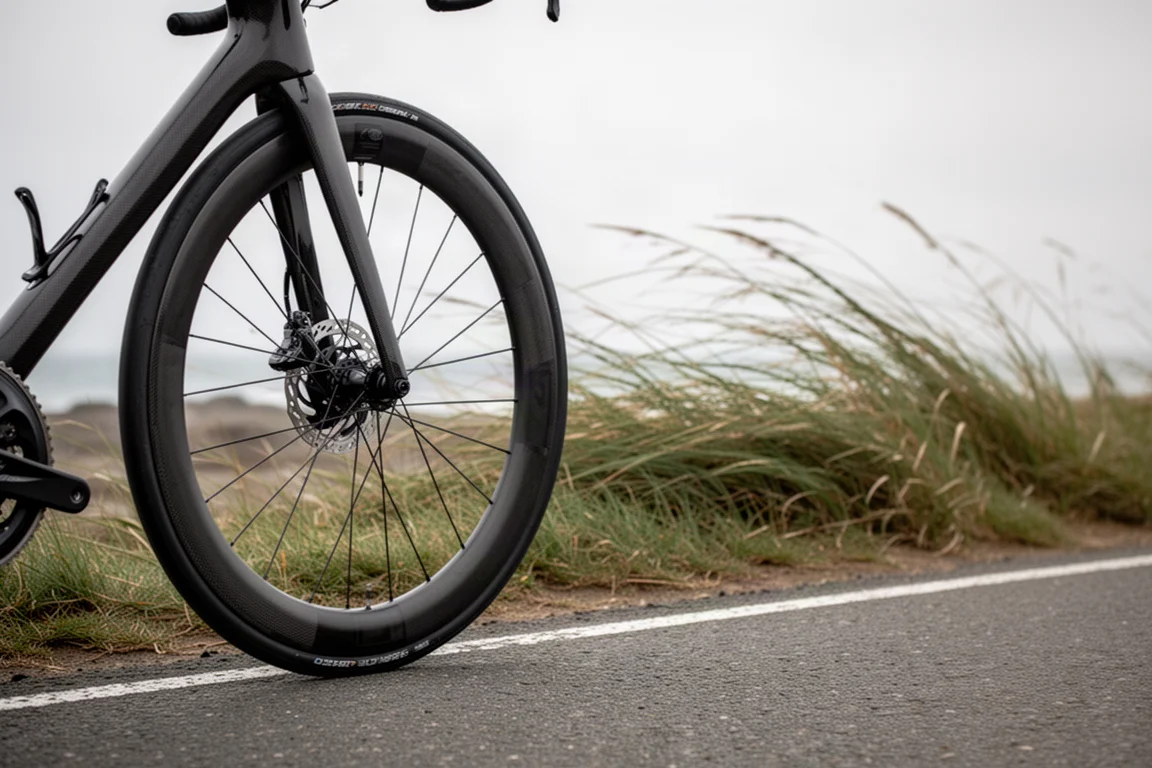
Crosswind behaviour is a genuine strength. The slimmer tubes and shallower 50 mm wheels were far less unsettled in gusty conditions than the Canyon Aeroad, and a combination of tyres on wider rims gave a noticeably smoother front end. Improvements across the board, then, and the entry-level model is the cheapest in the test and the only one below £3,000.
Best Aero Bike: Trek Madone
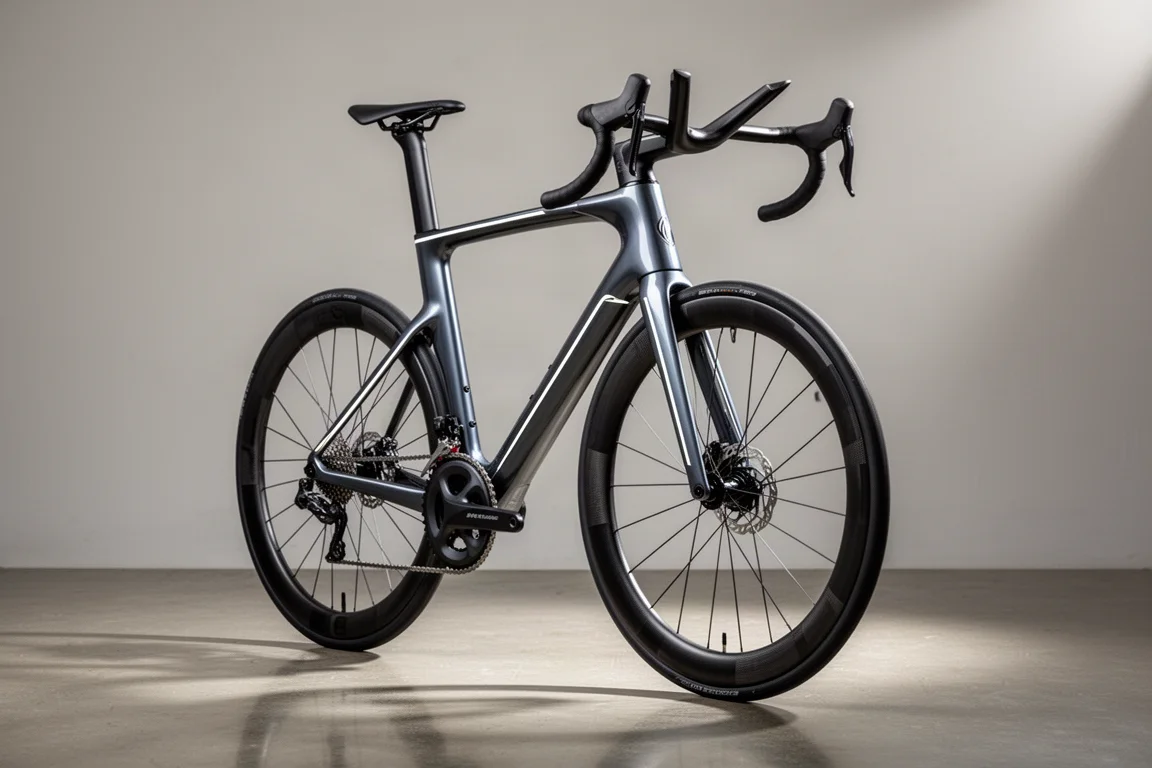
The Madone took the aero category after a major update that cut 300 g by removing the previous IsoSpeed vibration damping system. A cutout in the seat tube was added to help preserve ride quality, and a combination of new tube shapes and a redesigned handlebar is claimed to save around 60 seconds over an hour’s ride.
That handlebar is the narrowest in the test. On a 54 cm frame it measures 42 cm at the drops but narrows to 39 cm at the hoods, and on the smallest 47 cm model it drops to just 35 cm at the hoods, which is unusually accommodating for smaller riders. The three smallest frame sizes also ship with a wider saddle than the larger sizes, a quiet detail that makes a lot of sense.
Handling is the surprise. It responds to the smallest shift in weight and the tiniest movement of the bars, far quicker than anything else in the test. Some riders will love that immediacy; others will prefer a calmer, more controlled feel. Comfort is acceptable without being a standout, and the platform is exclusive, with the top model the second most expensive in the test and the entry-level model the third most expensive.
Overall Race Bike of the Year: Cervélo S5
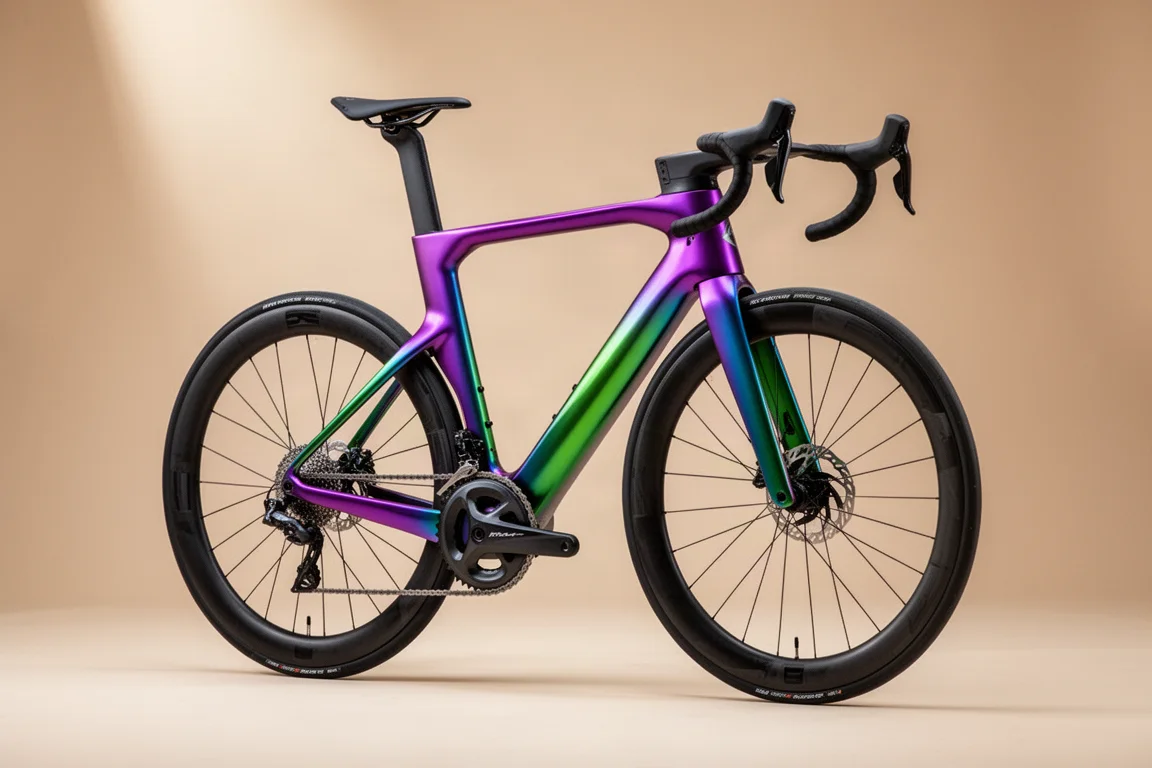
The S5 took the overall award because aero alone does not decide races. Handling matters just as much, and confidence through corners is where real speed comes from. The S5 responds quickly to a change of line without ever feeling twitchy, which makes it easy to take corners tighter and faster and to get closer to your limits without stepping over them.
The wheel and tyre package plays a big part. The Reserve wheels have an unusually wide internal rim width, 25 mm at the front and 24 mm at the rear, which stretches 28 mm Vittoria Corsa tyres out to around 31 mm. The gentler shoulder profile that results gives a larger contact patch for more grip and a more progressive feel when the tyre is loaded hard mid-corner.
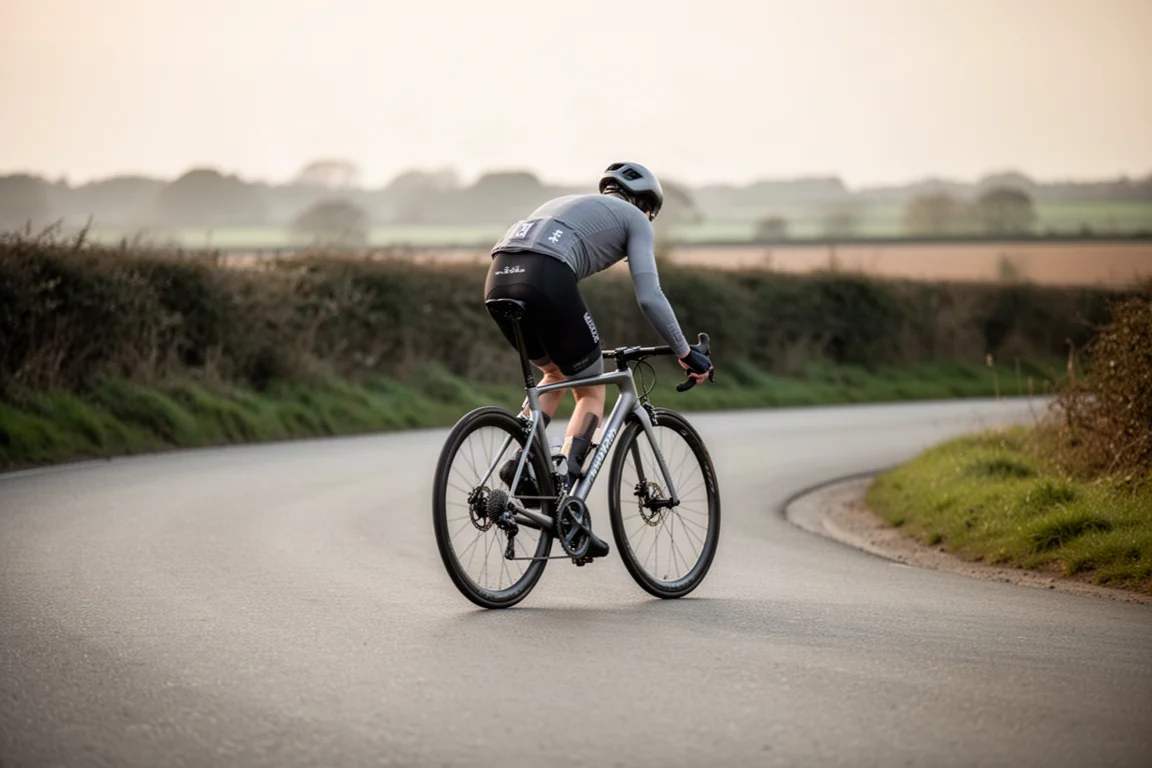
It also means ride quality is better than every other bike in the test, including models with flexing seat posts. Rough tarmac is absorbed rather than deflected, and the bike stays noticeably faster over coarse surfaces.
Weight is the trade-off. At 8.22 kg in this SRAM Force build, the S5 is heavier than comparable bikes, including the Scott Foil at 7.28 kg with SRAM Red. It does not feel heavy to ride, and the aero and rolling resistance gains more than compensate in most situations, but the scales do not lie.
Buying Advice: Matching the Bike to Your Riding
If your riding is built around steep, short climbs and punchy efforts, the climbing category winner is the obvious starting point. Its low frame weight and lively acceleration suit riders who value momentum and response over outright aero efficiency, and the entry-level build keeps the platform within reach.
If value is the deciding factor, the Propel is the straightforward answer. It is the only bike in the test with an entry price below £3,000, and it does not feel like a compromise: the frame is light for an aero platform, crosswind behaviour is predictable and the ride is smooth.
Riders who want maximum straight-line speed should look at the Madone, provided they are comfortable with very quick handling. Riders who want one fast bike that behaves well everywhere, and who are willing to carry a little extra weight for it, will get more from the overall winner.
Whatever you choose, budget for the build as well as the frame. Wheels and tyres influence grip, comfort and speed as much as the frame does, and the differences between these four bikes in the real world come down to how those parts are matched.
Conclusion
Four winners, four different reasons to buy. The SuperSix Evo is the climbing specialist, the Propel is the value benchmark, the Madone is the aero speed weapon, and the S5 is the most complete race bike of the group. Decide which of those four priorities describes your riding, and the choice becomes considerably easier.
Further reading
Related Reviews

Backpacking Gear
Building a 10 lb Base Weight: An Ultralight Backpacking Gear List
A practical walkthrough of the ultralight pieces behind a 10 lb base weight, from a 765 g pack and a roomy one-person tent to a full camp chair and a dependable water filter.
Road Bikes
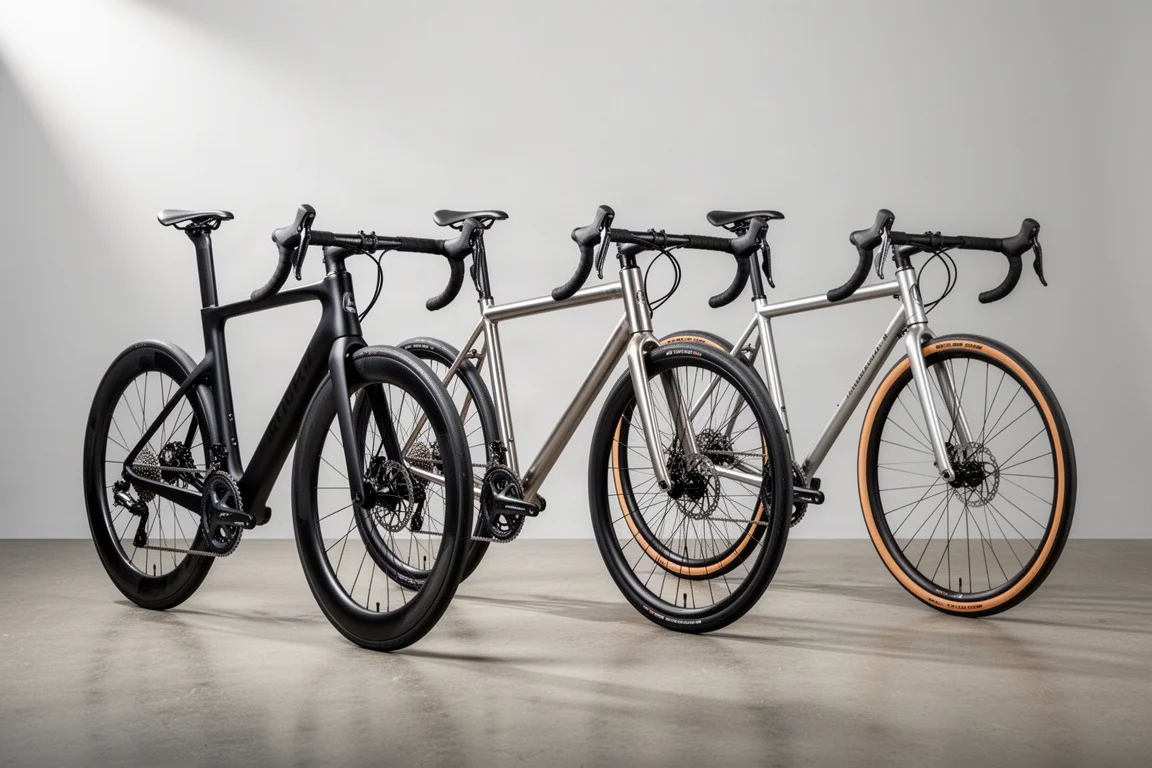
10 New Road Bikes Worth Watching: Aero, Titanium, Steel and Endurance Standouts
A practical roundup of 10 new road bikes, from aero flagships chasing single-watt gains to titanium, steel and endurance platforms built for real roads.
Bikepacking Gear
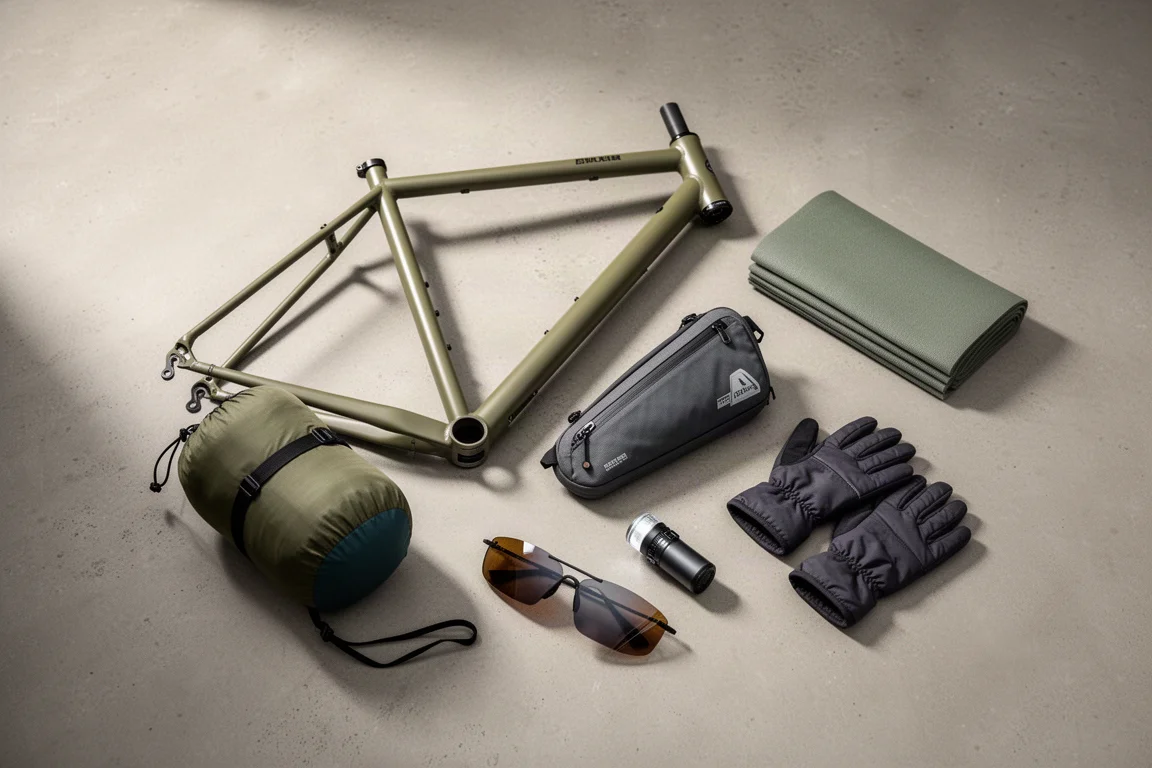
11 Bikepacking Essentials for Long-Distance Cycling
Eleven bikepacking essentials for long-distance cycling, from a steel gravel frame and a two-person tent to helmet lights, packable gloves, and a frame bag that puts weight in the right place.