Sleeping Bags
Rab Neutrino Sleeping Bag Range: Choosing Between the 200, 400, 600 and Pro
A close look at the reworked Rab Neutrino sleeping bag range, from the lightweight 200 to the weather-resistant Pro, and how to choose between them.
Introduction
Rab has spent four decades making down products, starting with jackets before moving into sleeping bags, and the down is still hand-stuffed in the UK, in Derbyshire. The Neutrino range has been reworked this year, and the most significant change is that the outer fabric is now fully recycled, paired with a fluorocarbon-free durable water repellent finish.
The range is built around a straightforward idea: warm, packable down bags that stay comfortable in real camping conditions without moving into the most expensive fill powers on the market.
That leaves the question of which model fits your trips. The answer depends on how much down you need for the temperatures you actually sleep in, and whether you want the lightest possible bag or a more weather-resistant one.
How the Neutrino Range Is Organised
The number in each model name tells you how much down is inside. A Neutrino 400 carries 400 g of down, a Neutrino 600 carries 600 g, and a Neutrino 200 carries 200 g. The range is offered in both men’s and women’s versions.
Fill power is a separate measure, and it is easy to misread. A higher fill power does not automatically mean a warmer bag. It means the down lofts more readily, so less of it is needed to achieve the same insulation. The practical result is a lighter, more packable bag for a given level of warmth, at a higher cost. The Neutrino models use 800 fill power down, while Rab’s sleeping bags reach around 900 at the top of the line. The 800 figure is a sensible middle ground between warmth, weight, packability and durability without being extremely expensive.
Rab prints three temperature ratings inside each bag: comfort, limit and extreme. On the bag described here those sit at roughly -1 °C, -7 °C and -25 °C. The limit rating is the figure most people treat as the main reference, and it is the point at which you might add a layer of clothing and still sleep reasonably well. The extreme rating is a survival figure rather than a target. The range also quotes weights, with one bag listed at 775 g.
What Changed: Baffles, Cut and Fabric
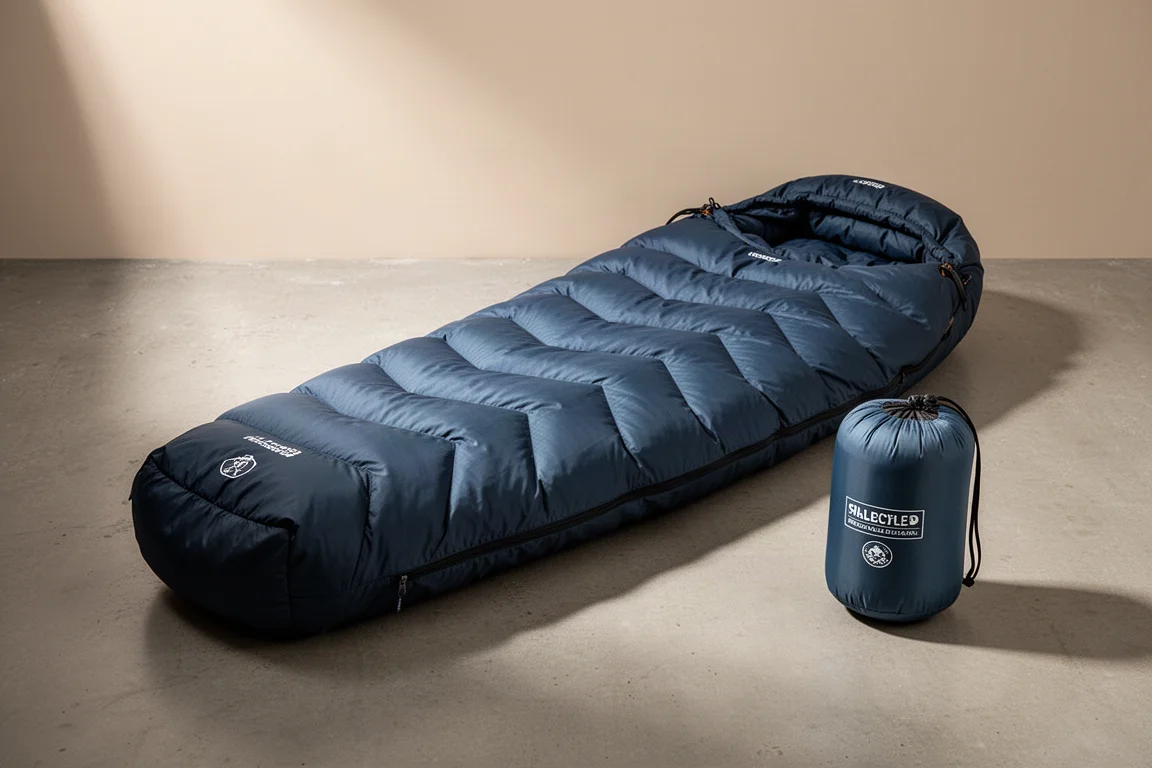
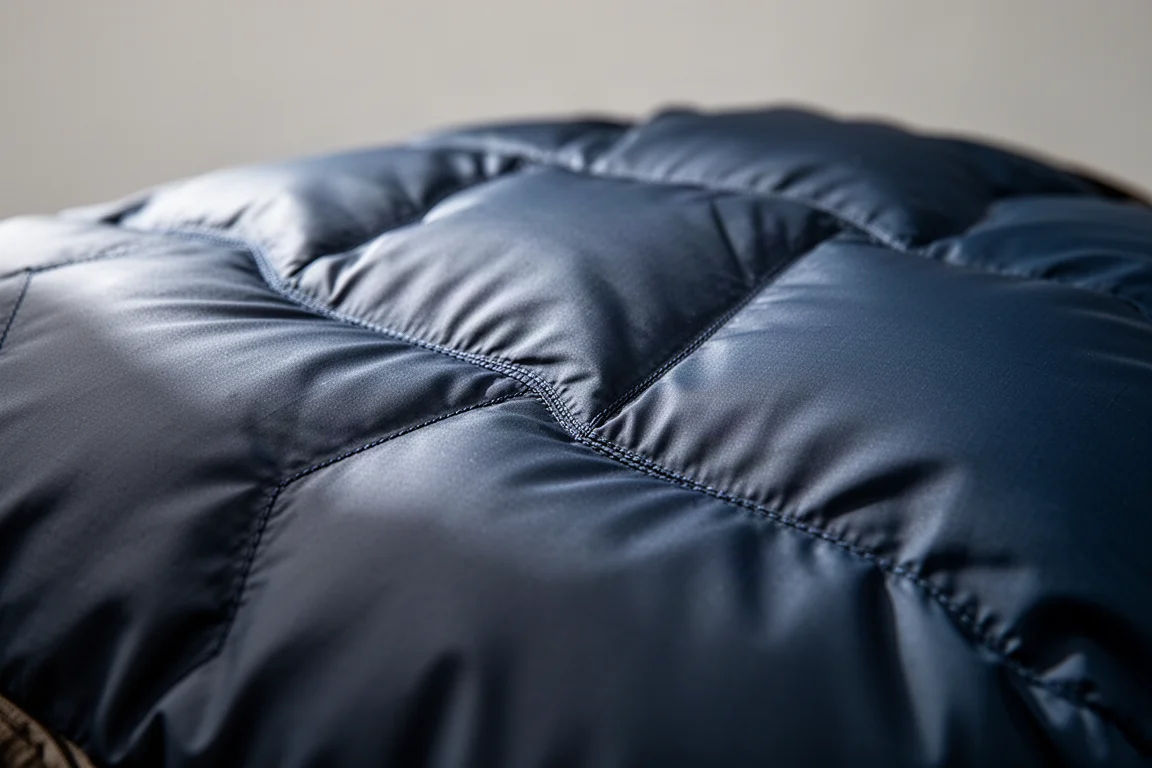
The most interesting engineering sits in the baffles. Instead of running straight across the bag, they form chevrons. That change does three things. It reduces the number of baffles needed, from roughly 13 on a bag of this length to about 10, which saves stitching and material. It resists down migration, so the fill is less likely to shift to one side overnight and leave cold patches. And it helps the down settle into place when you shake the bag out after it has been compressed in a stuff sack.
The chevron baffles are also trapezoidal, a box wall construction. Because the walls are offset rather than aligned, escaping heat meets a barrier and is slowed on its way out, which keeps it inside the insulation for longer.
Rab also uses a differential cut. The inner dimensions are identical across the 200, 400, 600 and 800, and only the outer shell changes, since a bag with more fill needs more room to loft. If you fit one model, you fit them all.
The shape is what Rab calls an Alpine cut: snug rather than roomy, with little dead space to warm up, but still enough room to roll over. The foot well is deliberately generous, so the baffles there are not squashed and you can push a pair of boots into the bottom.
The outer on the standard Neutrino models is Pertex Quantum, a recycled fabric that is lightweight, packable, weather resistant and breathable, which helps keep things from feeling clammy inside a tent. The Neutrino Pro steps up to Pertex Quantum Pro, a slightly heavier and more robust fabric with better weather resistance. It adds weight and is a little less breathable, but it traps more warm air and should last longer.
A few smaller details are worth knowing. The interior lining is bright, so it is easier to find things inside. There is a small slot near the head for a phone or an alarm clock, which keeps the device warm enough to hold its charge. A neck baffle and drawcords let you close the bag around your face, and a three-quarter length zip allows venting while your feet stay covered. The chevron line is colour coded across the range so bags are easier to tell apart on a shop floor or at home. Each bag ships with two storage options: a roll-top dry bag for carrying, and a large loose bag for storing the sleeping bag lofted at home, which protects the down from being permanently compressed and limits damp.
The down itself is 800 fill power, hydrophobic and treated with Nikwax, so it repels a degree of moisture, dries faster and holds warmth for longer if it gets damp. Both the hydrophobic treatment and the DWR finish are fluorocarbon free, and the down is certified to the Responsible Down Standard.
Rab Neutrino 200
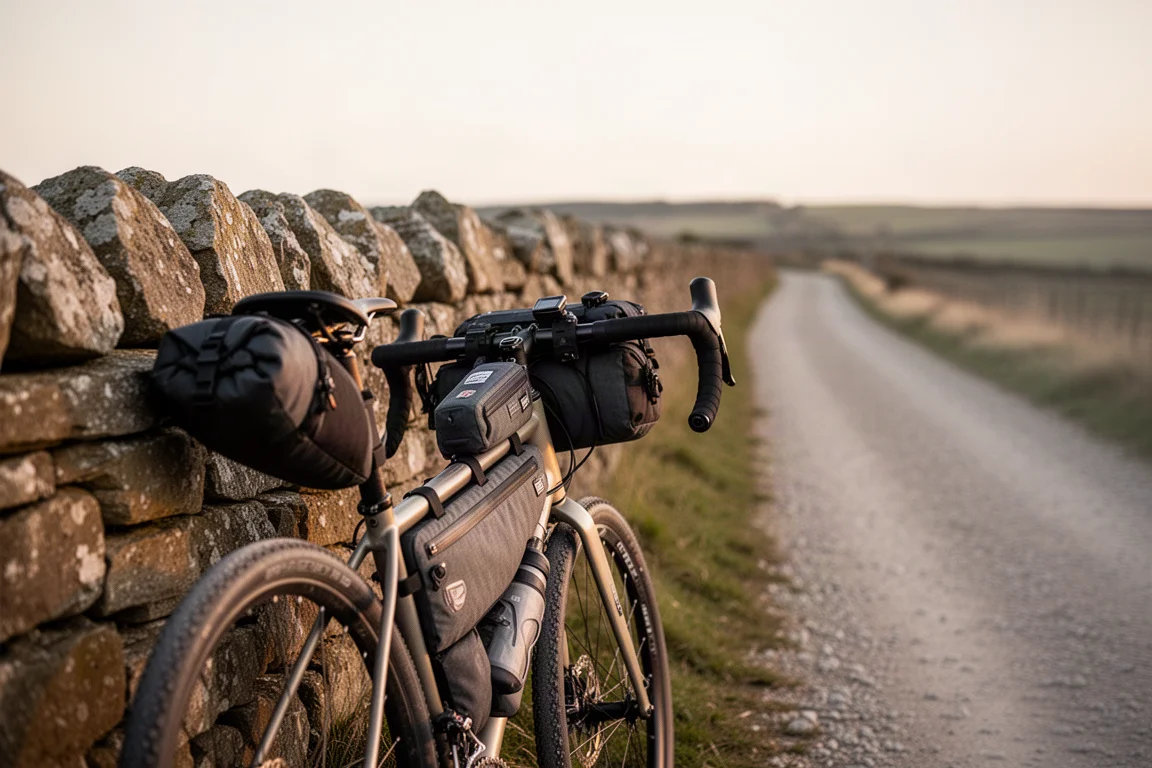
The Neutrino 200 is the lightest and coolest of the numbered models, with 200 g of down. It suits lightweight backpacking, bikepacking and adventure racing, where every gram counts and the forecast is reasonably kind.
Because it shares the same internal dimensions as the warmer models, it is a low-risk starting point if you expect to add a warmer bag later. Choose it when pack size and weight matter more than temperature headroom.
Rab Neutrino 400
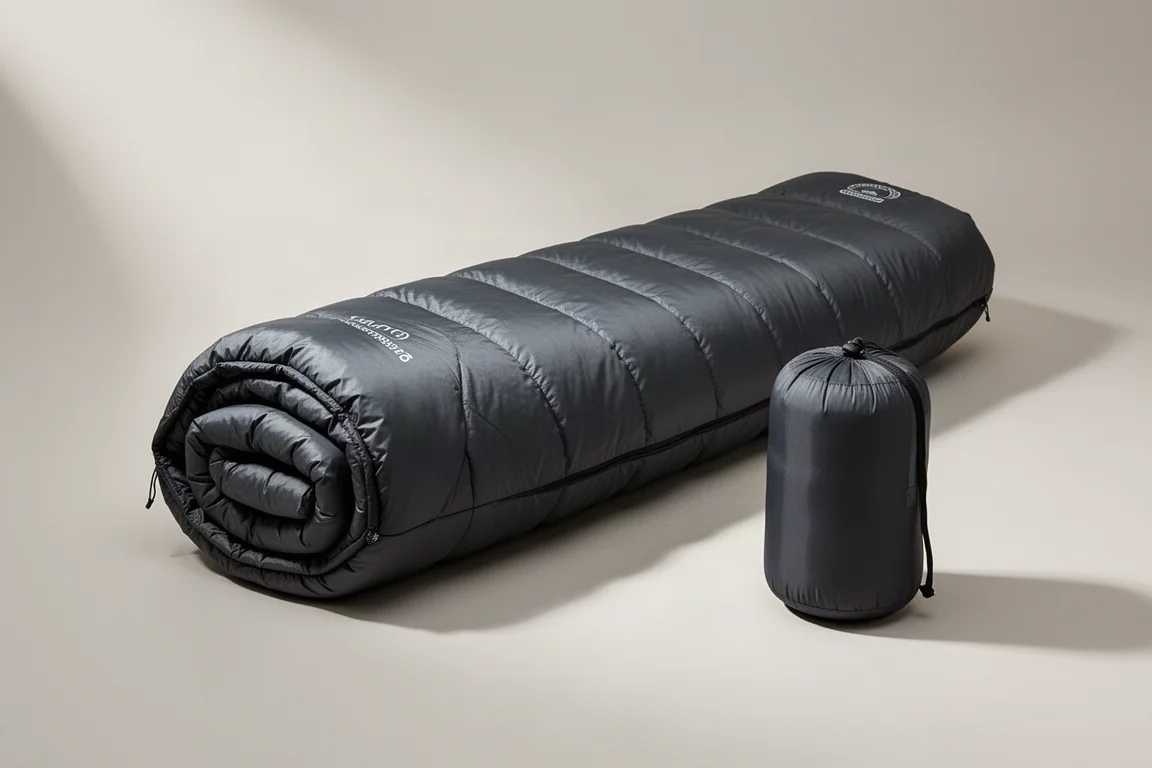
With 400 g of 800 fill power down, the Neutrino 400 is the middle of the range and a natural default for spring and summer trips, and for campers who want one bag that covers most of the year. It shares the chevron baffle construction, the Alpine cut, the recycled Pertex Quantum shell and the full set of interior details with the rest of the range.
View more details for Rab Neutrino 400
Rab Neutrino 600
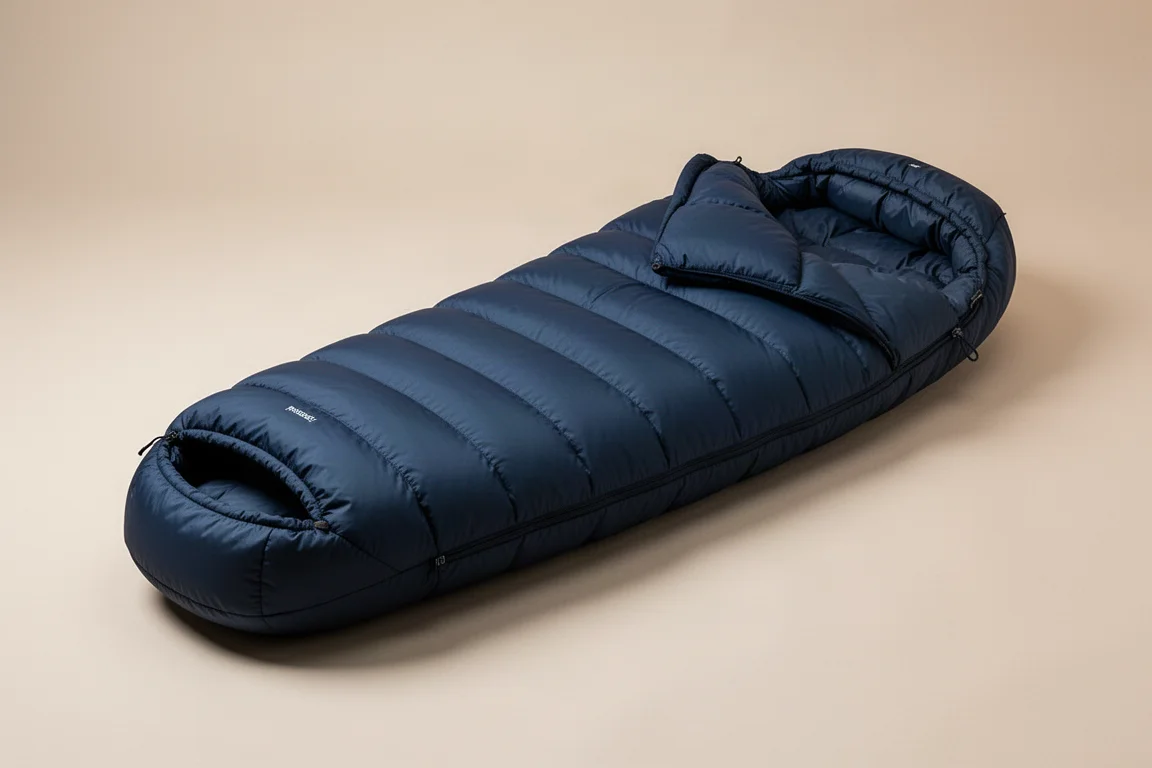
The Neutrino 600 holds 600 g of down and is warmer than the 400, which makes it the better pick for colder nights and shoulder-season camping. It is also the model that benefits most from the colour-coded chevron line, since it is easy to confuse with the 400 once both are packed away.
If you tend to sleep cold, or you camp into the colder months, the extra fill is the difference between a comfortable night and a long one.
Rab Neutrino Pro
The Neutrino Pro uses a Pertex Quantum Pro outer rather than the standard Pertex Quantum. That makes it heavier, more robust and more weather resistant, and it traps a little more warm air, though it breathes slightly less. It is the version to consider if you are alpine climbing, bivvying without a tent, or generally giving a bag a hard time over several seasons, where the extra durability should translate into a longer working life.
Buying Advice: Matching the Bag to the Trip
For most people the choice narrows to the 400 or the 600, because those two cover the widest range of conditions across spring and summer and beyond. The 200 is the specialist option for lightweight backpacking and bikepacking, where saving weight matters more than warmth. The Pro is the one to pick when exposure and long-term durability are the priority rather than the lowest weight.
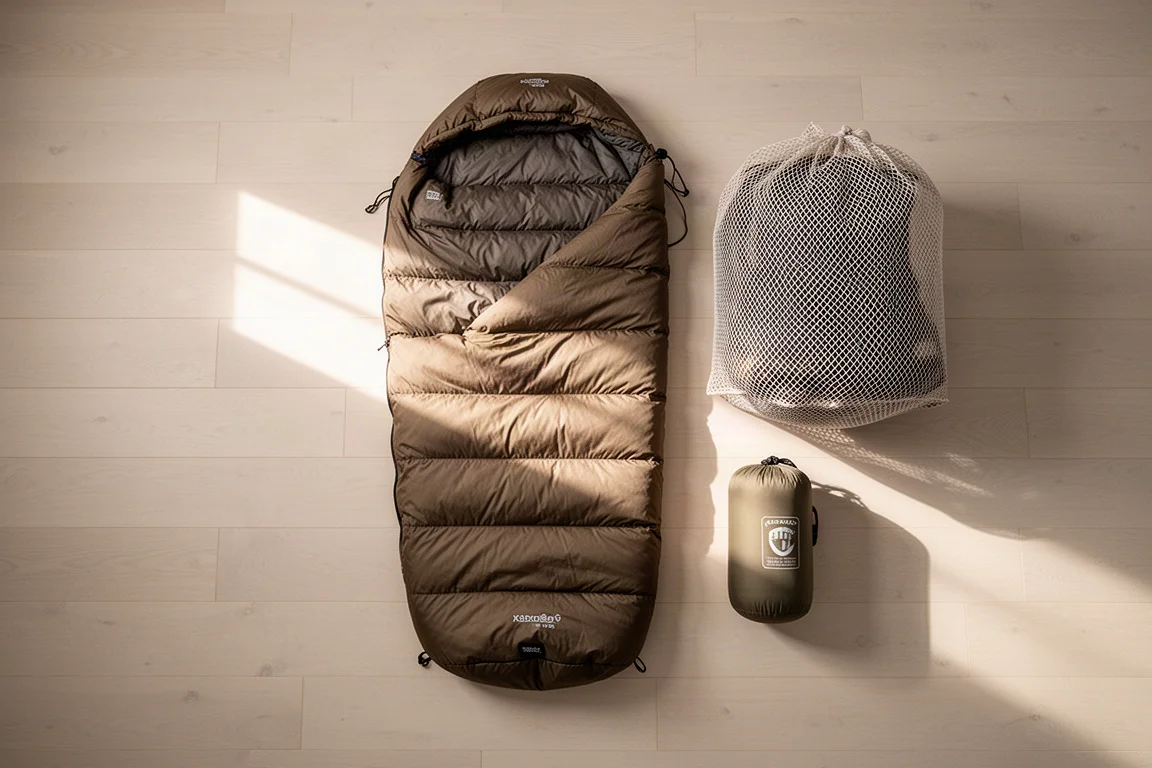
Two practical points are worth remembering. First, fit is consistent across the range, so you can base your decision on warmth and packability rather than worrying about whether a warmer bag will feel different. Second, use the loose storage bag at home. Leaving a down bag compressed for months teaches the fill to stay flat, and the loft is what keeps you warm.
Conclusion
The Neutrino range covers a lot of ground with a single design language: the same cut, the same chevron baffle construction and the same 800 fill power down, scaled by the amount of fill. The 200 is the light option, the 400 is the all-rounder, the 600 adds warmth for colder trips, and the Pro trades some weight for a tougher, more weather-resistant shell. Pick the fill weight that matches the nights you actually spend outside, and the rest of the specification will take care of itself.
Further reading
Related Reviews
Sleeping Bags
Best Down Sleeping Bags Under $300: Four Backpacking Options Worth a Look
Four down sleeping bags that stay under $300, compared on fill power, baffle design, hood comfort, and packed size.
Sleeping Bags
Best Sleeping Bags and Sleep Systems: Five Premium Down Picks Compared
Five premium down sleeping bags and sleep systems compared on warmth, weight, construction, and value.
Sleeping Bags
Big Agnes Lost Ranger UL 3-in-1 Sleeping Bag System Review: One Bag, Three Setups
A practical look at the Big Agnes Lost Ranger UL 3-in-1 Sleeping Bag System, covering how the three configurations work, where it shines, and the details worth weighing before buying.