Insulated Jackets
Rab Microlight Down Jacket Review: Light, Warm, and Built for Changing Weather
A detailed look at the Rab Microlight Down Jacket, covering sizing and fit, the Gore-Tex Infinium Windstopper shell, 700 fill power recycled down, hood and pocket layout, and the trade-offs to weigh before buying.
Introduction
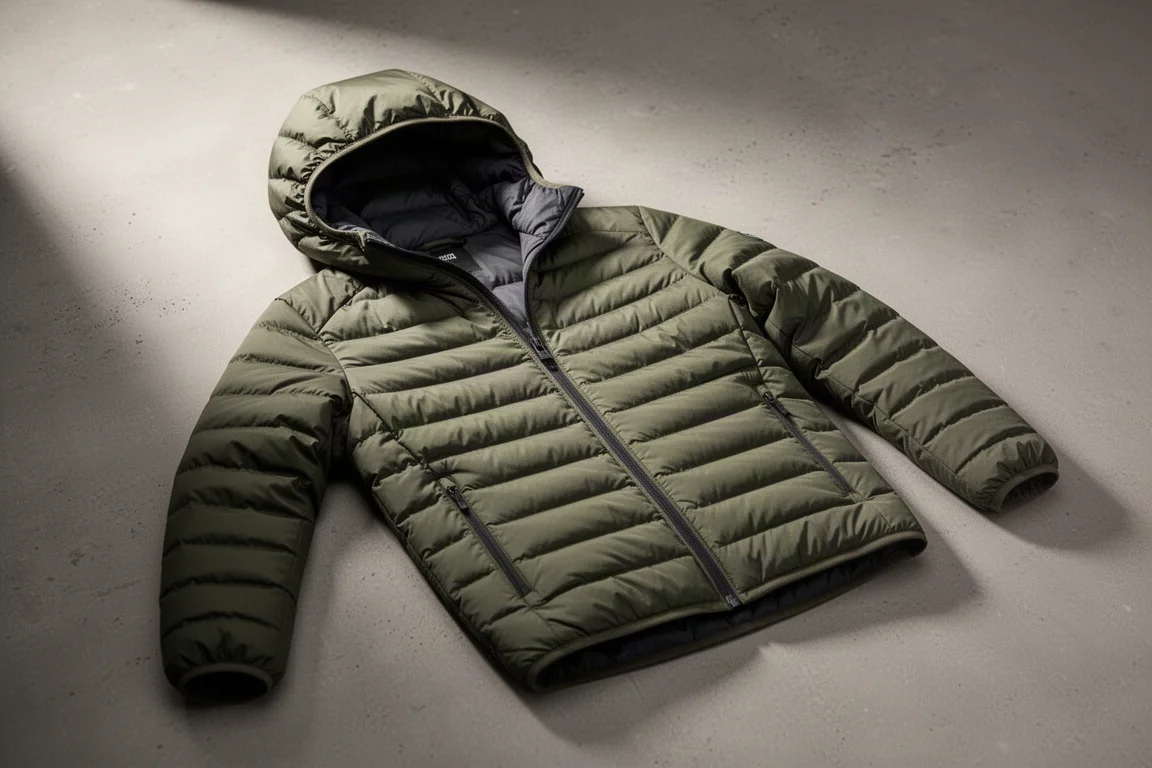
The Rab Microlight Down Jacket is one of those pieces that has been around long enough to feel familiar, yet it keeps being refined. Over the years Rab has made tweaks and improvements so the jacket works as a genuinely year-round layer for mountain days, hiking, and general time outdoors. As temperatures drop, it becomes the piece that stays by the door.
Weight matters here. A size medium comes in at just over 450 grams, which is light enough to carry without thinking about it. The insulation is 100 percent recycled down rated at 700 fill power, and the outer fabric uses Gore-Tex Infinium Windstopper technology. In the UK the jacket is priced at around 250 pounds.

This review breaks down sizing and fit, the weather-resistant outer, the warmth and baffle design, the hood and pocket layout, and the trade-offs worth knowing before you buy.
Who This Product Is For
The Microlight suits hikers, walkers, and anyone who spends time in the hills across changing seasons. Its active, slim fit is designed to sit close to the body without restricting movement, and there is enough room underneath for a baselayer and a light midlayer.
Sizing runs from small to XXL, so most body types can find a match. As a reference point, a size small on a frame of around five foot seven to five foot eight leaves clear space for layering, and on a slimmer build it can feel slightly generous rather than tight. That is useful if you plan to wear it over other layers, and less useful if you want a very close fit.
It is also a strong candidate for anyone who wants a warm layer that packs down small and can be pulled out quickly when the temperature falls, whether that is on a summit, on a rest stop, or on a cold evening at home.
Main Strengths
Weather-Resistant Outer Fabric
The outer shell is built around Gore-Tex Infinium Windstopper, which gives the jacket windproofing and a useful level of weather resistance. Light snow, spindrift, and damp air are not a problem. Water beads and sits on the surface rather than soaking straight in.
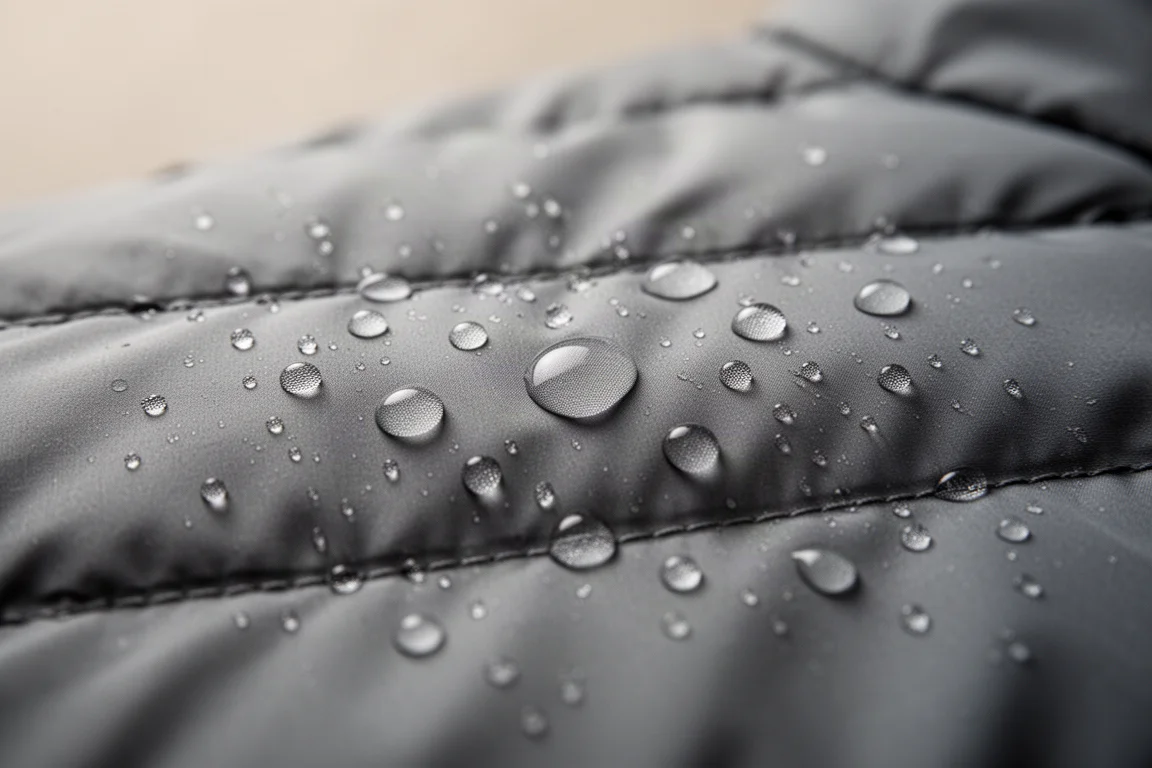
The fabric weave is 13 denier, which is deliberately light. That low density is a big part of how the jacket keeps its weight down, though it also means the shell feels thin rather than rugged. For most three-season and cold-weather use, that is the right balance to strike.
Warmth, Baffles, and Recycled Down
The fill is 100 percent recycled down with a 700 fill power rating, spread evenly across the body. Rab uses horizontal baffles against the body, a layout it calls body mapping, along with zoned micro and nano baffles. The aim is to hold warmth where you need it while still letting the jacket breathe so you do not overheat on the move.
The recycled content is the standout detail. Choosing gear that uses recycled materials is one of the more direct ways outdoor users can lower the footprint of the equipment they buy, and here it does not come at the cost of performance. The warmth-to-weight ratio is the real story: a jacket this light that still handles genuinely cold conditions.
Hood, Pockets, and Fit Details
The hood is filled with down all the way through and is helmet compatible, so it can be pulled over the top of a helmet when needed. A wire-stiffened peak holds its shape, and two side toggles let you cinch the hood down around your face when the weather turns.
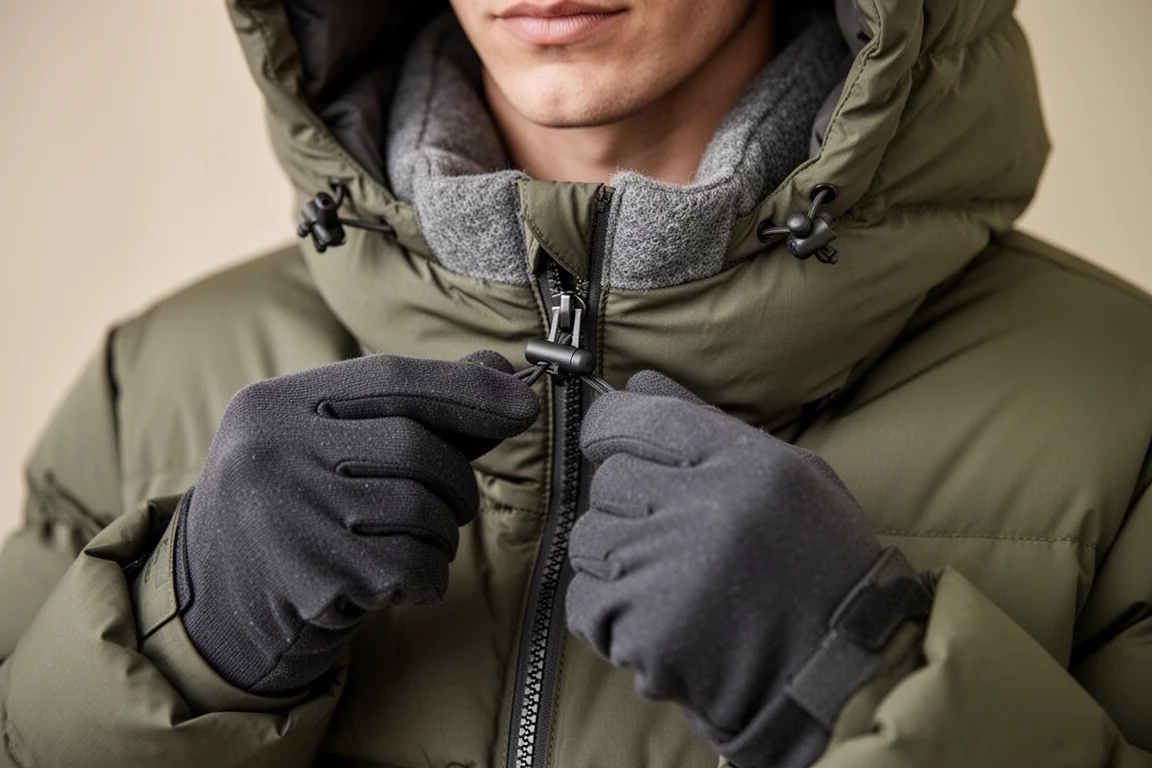
Down the front, a storm guard sits behind the zip. The fabric on that guard has a soft, felt-like feel, and it keeps wind from pushing through the zip line. The main zip is a YKK unit, which is a good sign for long-term durability.
There are two zipped hand pockets that are genuinely large, with enough depth that an OS map will fit. A hidden chest pocket on the left side is bigger than it looks, running from the shoulder seam down toward the top of the side pocket, and it is a practical place for a phone or spare batteries, where keeping the device warm helps battery life.
All the toggles on the pockets and the front are sized for gloves, so you can open and close them without taking your hands out. The cuffs are elasticated with no drawcord, and the hem has drawcords on both sides so you can seal warmth in around the waist. A stuff sack is included.
Things to Consider Before Buying
Down insulation compresses and loses loft when it gets properly wet, which is the classic argument for synthetic fills in sustained rain. The Infinium outer handles light moisture well, but this is still a down jacket, so it belongs under a shell in heavy or prolonged rain.
The hand pockets are generous, but a rucksack waist belt runs straight across the middle of them. If you are carrying a pack, reaching them is awkward, and that is exactly when cold hands want a pocket.
The elasticated cuffs have no adjustment, so the fit is fixed. On some wearers that will feel perfect, and on others a drawcord would be welcome.
The size small can feel slightly roomy on a slimmer frame, so if you want a close-fitting layer it is worth checking sizing carefully. At around 250 pounds, this is an investment piece rather than an impulse buy.
Buying Advice
Match the jacket to how you actually use it. If your time outside involves cold, dry, or mixed conditions with a shell nearby for the worst of the weather, the Microlight covers a huge amount of ground. If you are regularly out in sustained heavy rain, a synthetically insulated layer may suit you better.
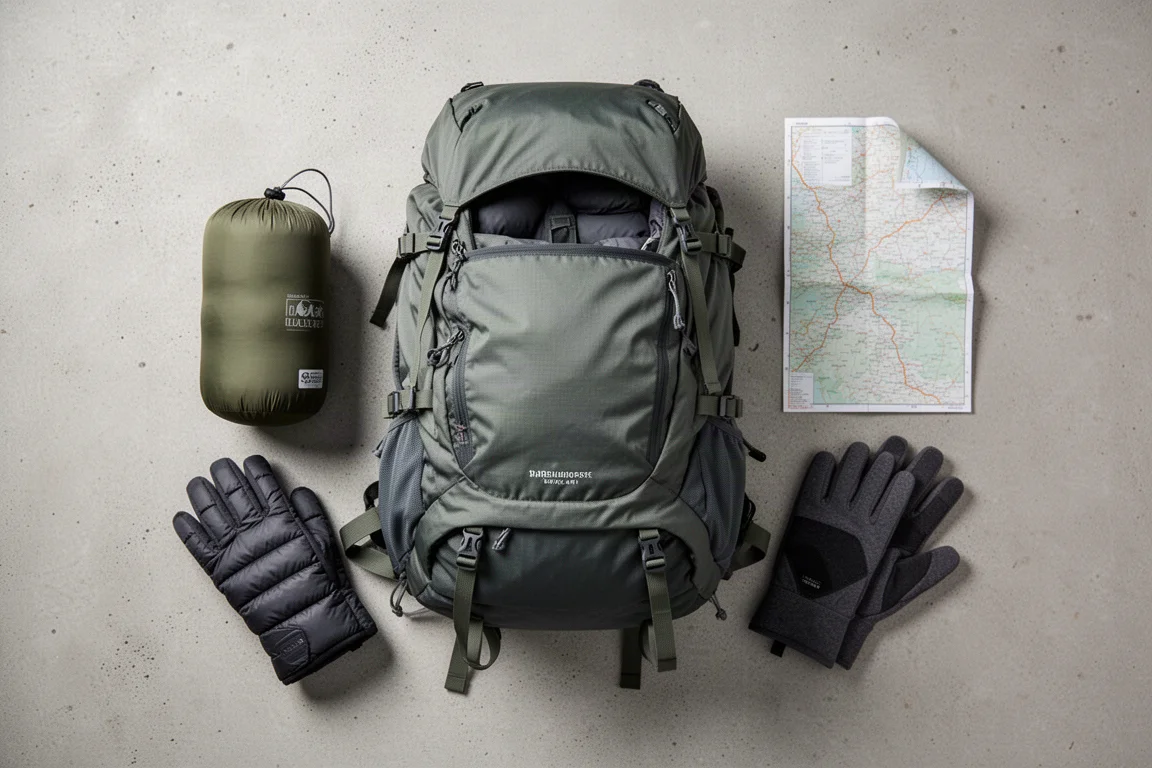
Budget matters too. At around 250 pounds new, this sits in the premium range for a down jacket, and buying second hand through outdoor gear exchange groups or marketplace listings can bring the cost down considerably while keeping good kit in use. If you do buy new, think about how you will carry it: the included stuff sack packs it down small, while many hikers simply push it into the empty space around other gear in a rucksack, which fills out the pack and keeps the layer ready to grab.
Conclusion
The Rab Microlight Down Jacket earns its long run. It is light, warm for its weight, windproof, and resistant to the sort of damp and spindrift that changeable mountain weather throws at you. The recycled down and the continued refinement of the design give it a purpose beyond pure performance.
Its weak points are specific rather than fundamental: pockets blocked by a pack belt, fixed cuffs, and down’s usual caution around heavy rain. If none of those apply to your use, this is a jacket that will work hard for you across most of the year.
Product link
View more details for Rab Microlight Down Jacket
This product is mentioned in the review. Check the specifications, options, and compatibility before buying.
View more details for Rab Microlight Down JacketFurther reading
Related Reviews
Insulated Jackets
Aerogel vs Down Insulation: Two Aerogel Jackets Compared
Aerogel is the lightest solid on record, but two aerogel jackets measured against a comparable down jacket tell a more complicated story about warmth.
Insulated Jackets
Arc'teryx Atom LT vs Decathlon Trek 50: Does the Premium Synthetic Jacket Earn Its Price?
A side-by-side look at two synthetic insulated jackets at very different prices, covering fit, weight, insulation, features, and warranty.
Insulated Jackets
Big Agnes Shovelhead Jacket Review: Does Treated Down Stay Warm When Wet?
A close look at the Big Agnes Shovelhead jacket and its bluesign approved, PFAS-free DownTek insulation, including what happened when it was soaked twice in near-freezing conditions.