Insulated Jackets
Big Agnes Shovelhead Jacket Review: Does Treated Down Stay Warm When Wet?
A close look at the Big Agnes Shovelhead jacket and its bluesign approved, PFAS-free DownTek insulation, including what happened when it was soaked twice in near-freezing conditions.
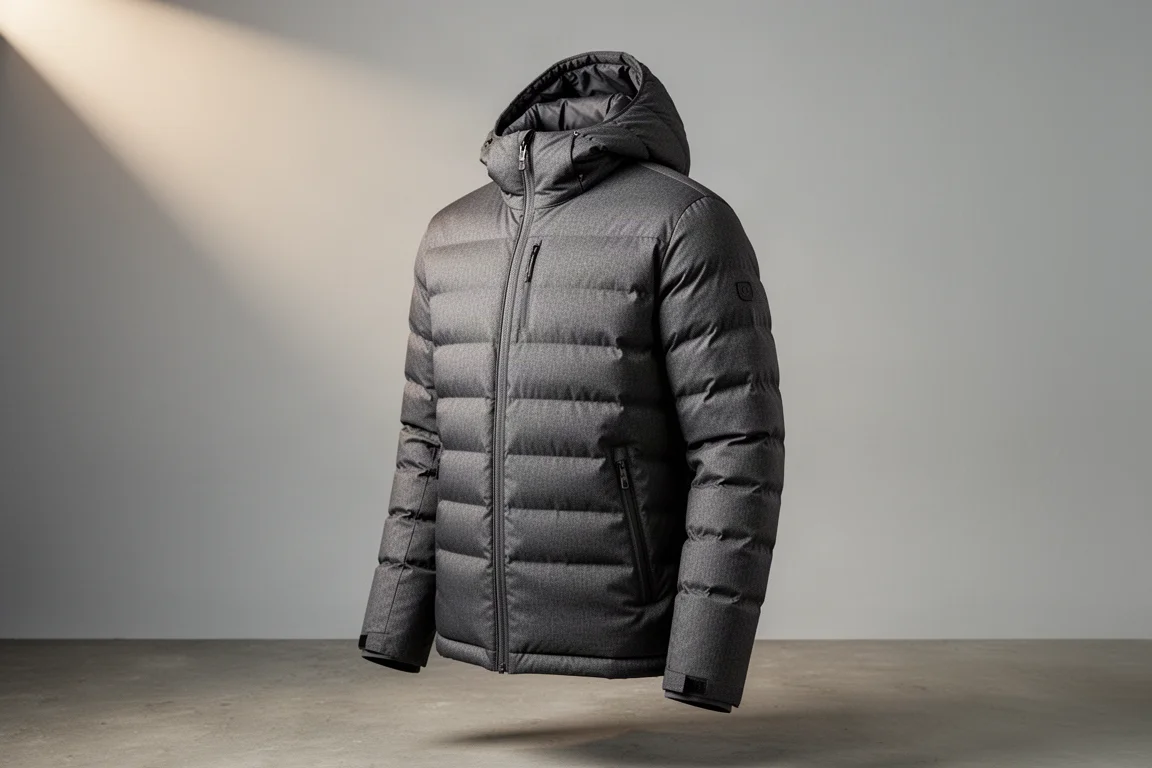
Introduction
Down has long been the benchmark for warmth to weight in backpacking insulation. Nothing else matches its combination of warmth, light weight, and compressibility. Its weakness is just as well known: once down gets wet it collapses, loses loft, turns heavy, and stops insulating. That single flaw shapes a lot of gear decisions, from dry bags to tent layouts.
DownTek is one attempt to solve it. The down is treated with a durable water repellent finish so that when moisture gets in, water is repelled and the down can keep its loft. DownTek offers two DWR formulas, one that contains PFAS and one that is bluesign approved and PFAS-free. Big Agnes uses the bluesign approved, PFAS-free version in its products, including the Shovelhead jacket.
This article looks at how the Shovelhead behaved when it was deliberately soaked in near-freezing conditions, what the treated down does well, and where the jacket fits in a layering system.
Who This Jacket Is For
The Shovelhead is a cold-weather insulated jacket. It runs warmer than the insulation most backpackers carry on typical three-season trips, which makes it a better match for genuinely cold conditions: winter camping, cold-weather backpacking, and shoulder-season trips where mornings and evenings drop to freezing or below.
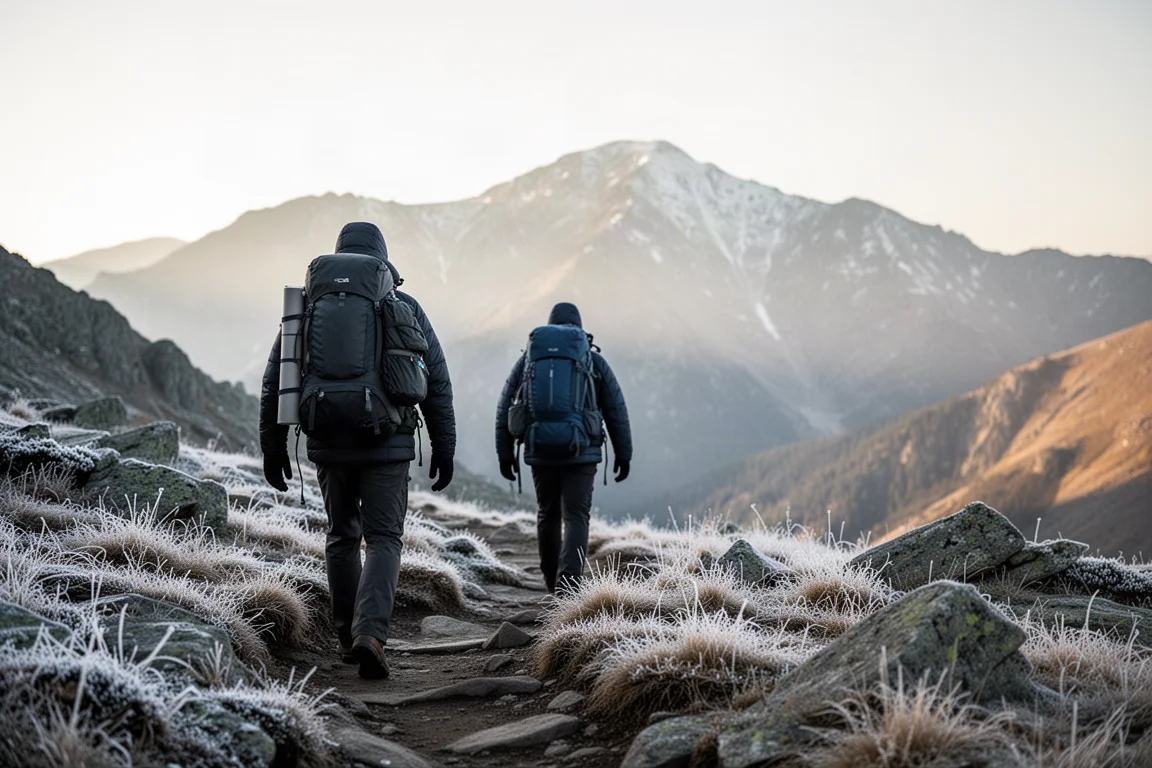
It suits hikers who already treat their down carefully and want a wider margin for error when conditions turn damp. It also works well as a single dedicated warm layer for camp rather than a thin mid layer that gets worn while moving.
How DownTek Treated Down Works
Down insulates by trapping air. Each cluster of down creates thousands of tiny air pockets, and every pocket holds warmth. More loft means more trapped air and more insulation. When untreated down gets wet, those pockets fill with water, the loft collapses, and the insulation value disappears.
A DWR finish applied to the down itself changes that behaviour. Water is repelled rather than absorbed, so the down retains its loft even when damp and can continue trapping air. That is the mechanism DownTek relies on, and it is the reason a treated down jacket can be expected to behave differently from an untreated one when moisture gets in.
Main Strengths
The clearest strength of the Shovelhead is loft retention. In a field test run just below freezing, with water at roughly 44 degrees, the jacket was submerged twice and still sprang back when pressed. The wearer stayed reasonably warm instead of dropping into the rapid chill that saturated untreated down normally produces.
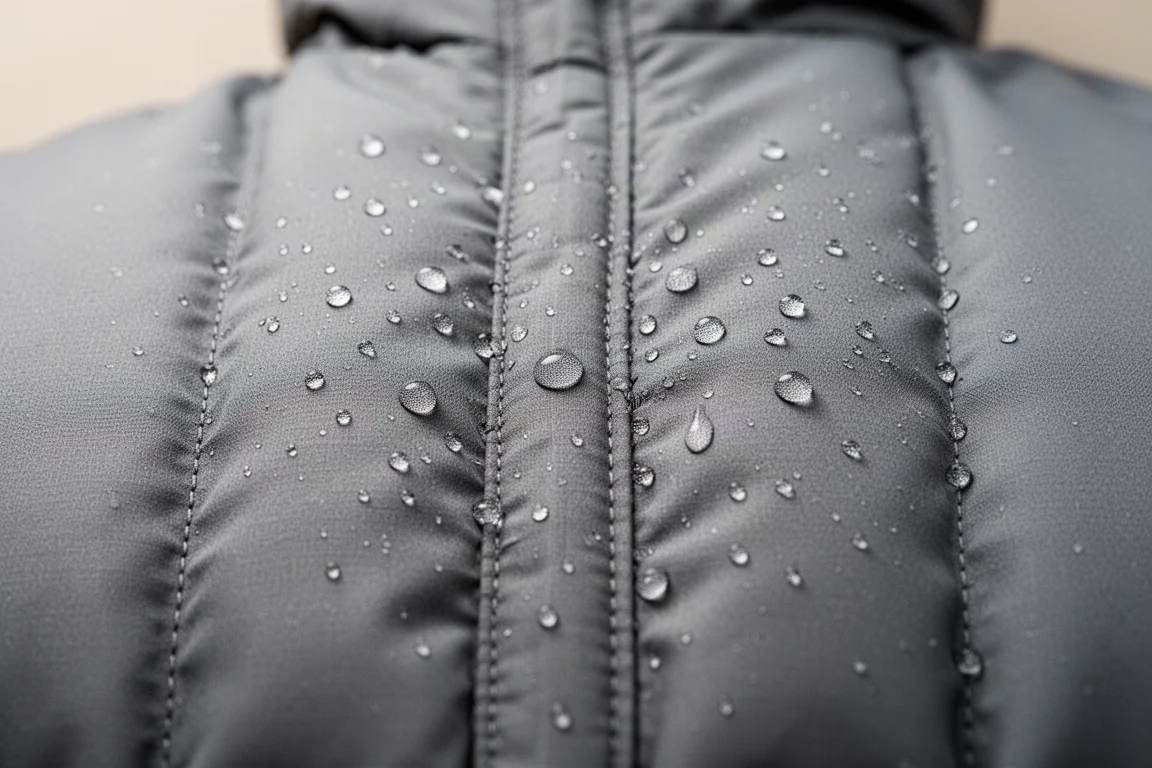
The vertical baffle construction plays a part here. Vertical baffles keep the down distributed across the torso and arms rather than letting it settle, and they held up well over extended wear. It is a design choice that looks unusual at first and becomes more convincing the longer the jacket is used.
The bluesign approved, PFAS-free DWR is another point in its favour for anyone who cares about what goes into outdoor gear and the environments it gets used in.
Wet-Weather Test Results
The test was not a laboratory measurement. Air temperature sat just below freezing and later read 29 degrees, and the jacket was dunked in a stream twice. Sun broke through partway through the session, adding warmth that could not be fully separated from the jacket’s own performance, and the jacket was still damp when a dry control was attempted again that evening.
What stayed consistent was the loft. After two soakings the insulation still rebounded when compressed, including on the arms. The down did not flatten the way untreated down does once it is saturated, and the wearer stayed warm enough to remain outside rather than retreating to a heated car.
A damp jacket in cold, dark conditions is arguably the more realistic scenario anyway. Gear gets splashed during the day, has hours to shed some moisture, and is often still slightly damp when it is needed most at night. In those conditions the treated down continued to insulate.
Warmth and Baffle Design
The Shovelhead is a warm jacket, and that has practical consequences. For most backpacking trips it is more insulation than is required, and it would be excessive in mild or summer conditions. Used as a dedicated cold-weather layer, or as camp insulation on winter trips, it makes far more sense.
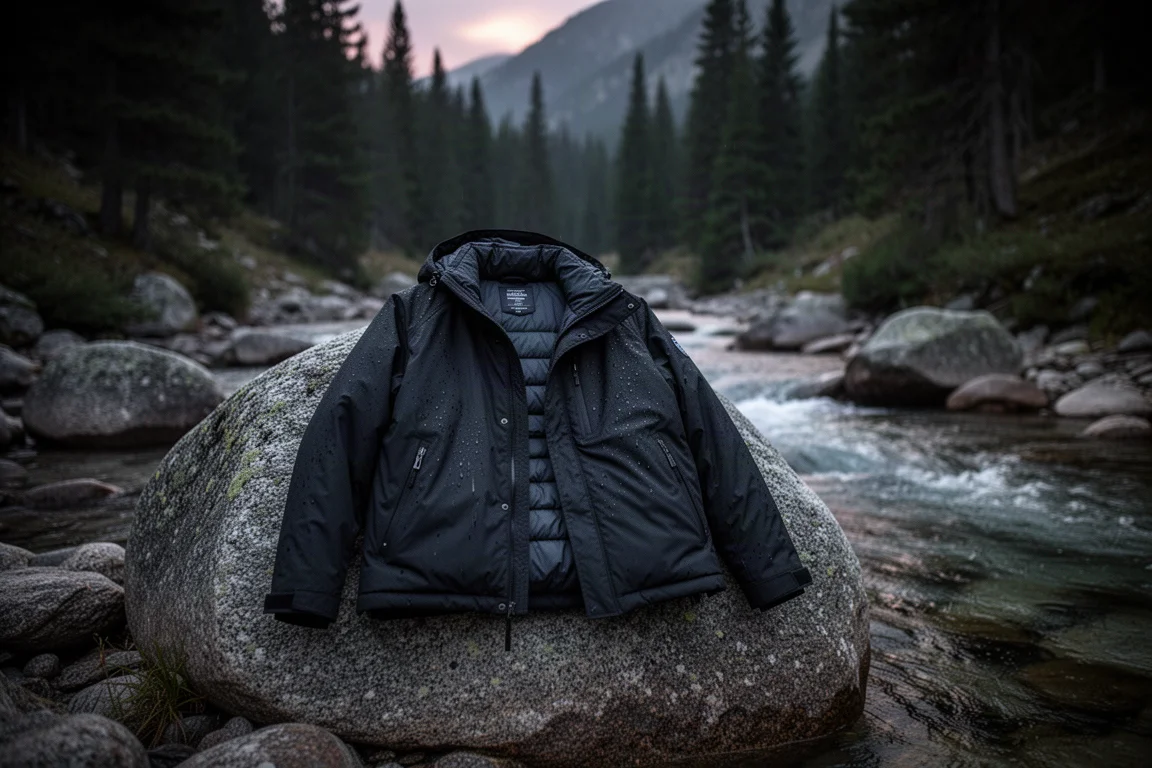
Warmth is not only about the fill. Baffle geometry controls where the down sits and how evenly it lofts, and the vertical baffles here keep the fill spread across the body and arms instead of pooling in one place. Paired with treated down that holds loft when damp, the result is a jacket that stays predictable in conditions where a wet down layer would normally be a liability.
Things to Consider Before Buying
Treated down is not a licence to be careless. The DWR finish helps the down retain loft when moisture gets in, but it is one layer of protection within a system that also includes dry bags, pack liners, and sensible camp habits. DownTek is also not the only treated down on the market, and Big Agnes is not the only brand using treated down, so it is worth comparing options rather than assuming this is a unique technology.
Weight and packed size matter too. A warmer jacket generally means more fill and more bulk, so anyone counting grams on a long-distance hike should weigh whether the extra warmth is worth carrying. The vertical baffles also change how the jacket drapes, which comes down to personal preference.
Buying Advice
Choose the Shovelhead when cold weather is the point of the trip and you want insulation that keeps working after conditions turn damp. It is a strong fit for winter camping, cold-weather backpacking, and shoulder-season trips with overnight temperatures below freezing.
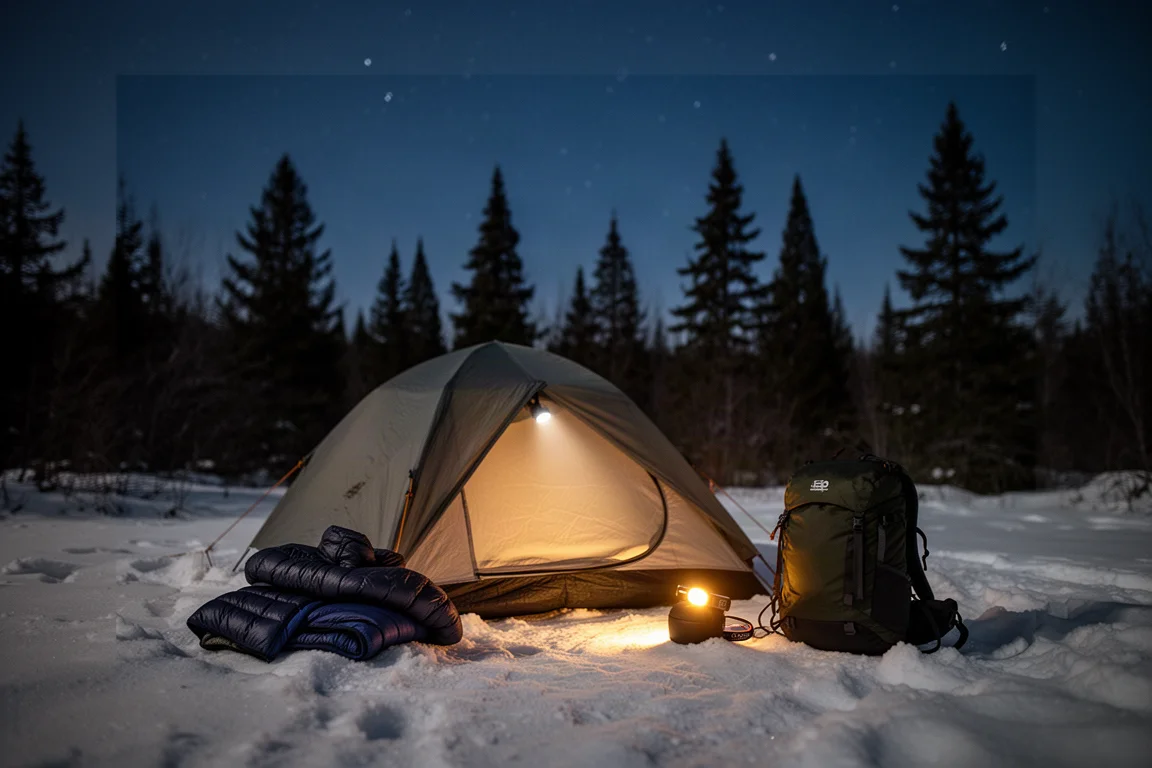
If most of your trips are mild and you are shopping for a light mid layer, this is more jacket than the conditions call for. A lighter, less insulated layer will be easier to carry and more comfortable across a wider temperature range.
If you already own down gear and worry about keeping it dry, treated down like DownTek is worth considering as a way to reduce that risk. It does not remove the need for careful packing, but it does add a margin of safety when moisture gets through.
Conclusion
The Shovelhead’s value lies in how it behaved when wet. After two soakings in near-freezing conditions it kept its loft and kept the wearer warm, which is exactly what treated down is meant to deliver. The vertical baffles, a detail that takes some getting used to, proved effective at holding insulation in place.
It is a cold-weather jacket rather than a universal one. For winter trips and genuinely cold conditions that focus is a strength. For mild-weather backpacking, it is simply more insulation than most hikers need.
Product link
View more details for Big Agnes Shovelhead Jacket
This product is mentioned in the review. Check the specifications, options, and compatibility before buying.
View more details for Big Agnes Shovelhead JacketFurther reading
Related Reviews
Insulated Jackets
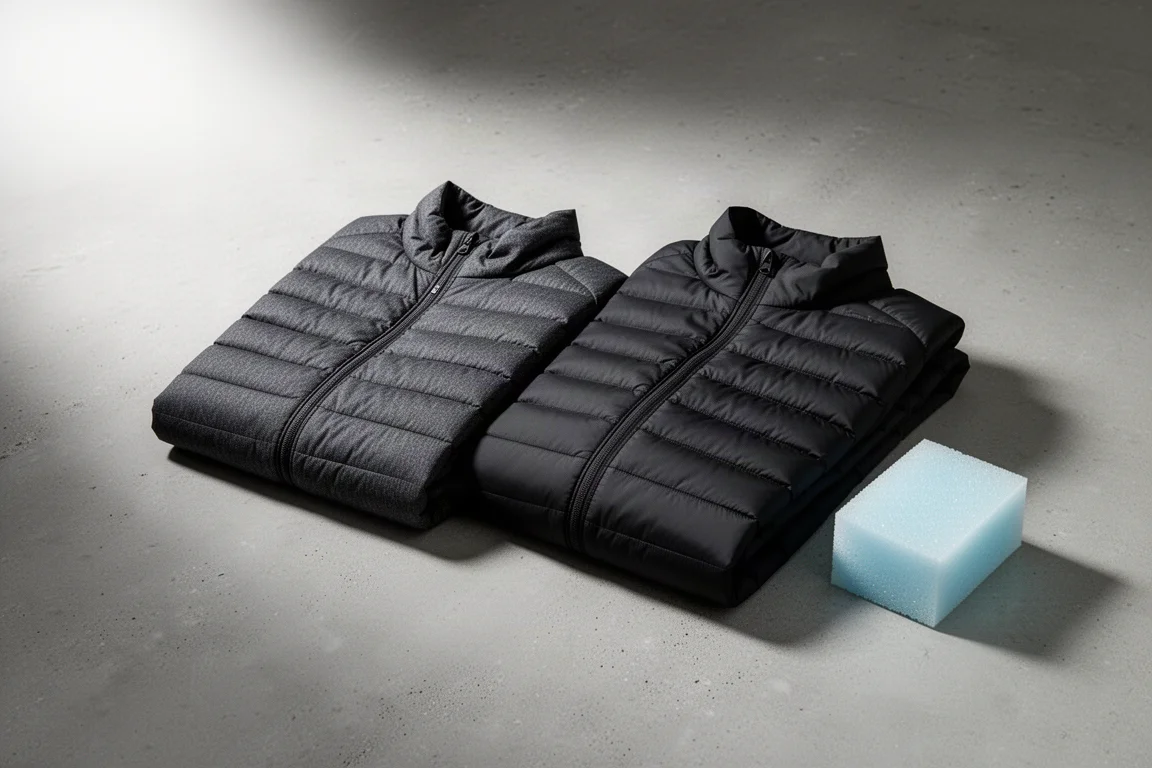
Aerogel vs Down Insulation: Two Aerogel Jackets Compared
Aerogel is the lightest solid on record, but two aerogel jackets measured against a comparable down jacket tell a more complicated story about warmth.
Insulated Jackets
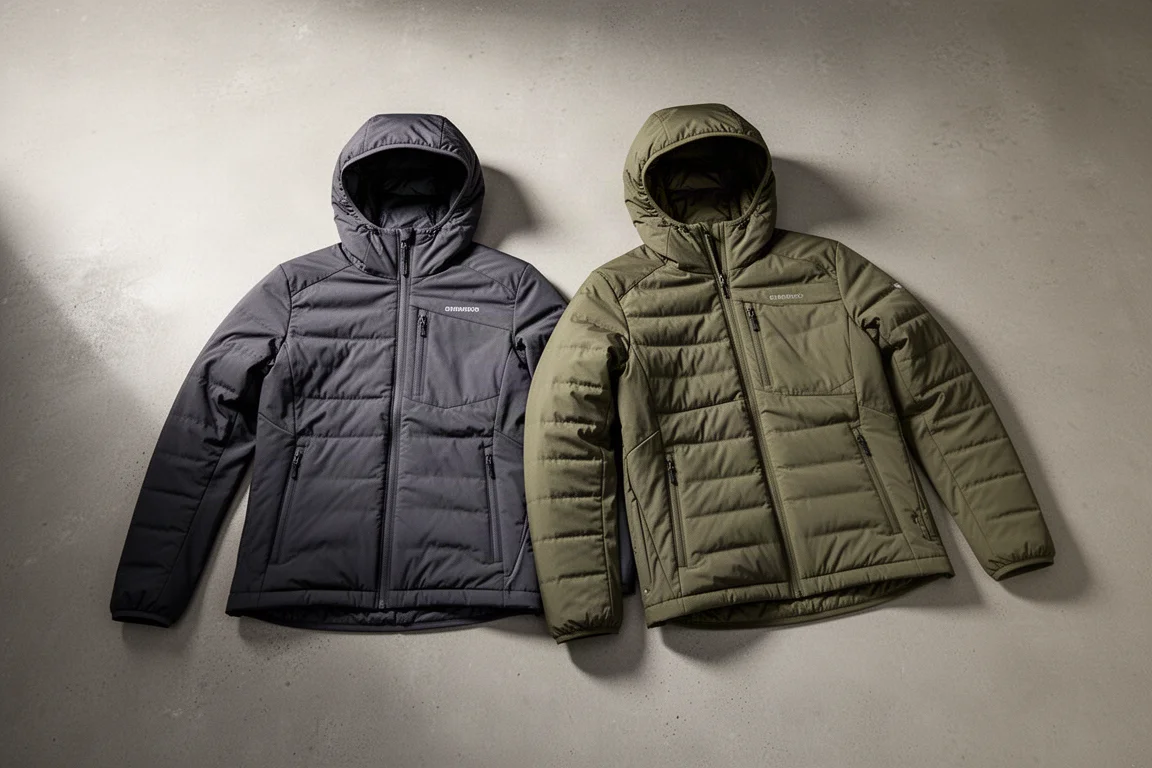
Arc'teryx Atom LT vs Decathlon Trek 50: Does the Premium Synthetic Jacket Earn Its Price?
A side-by-side look at two synthetic insulated jackets at very different prices, covering fit, weight, insulation, features, and warranty.
Insulated Jackets
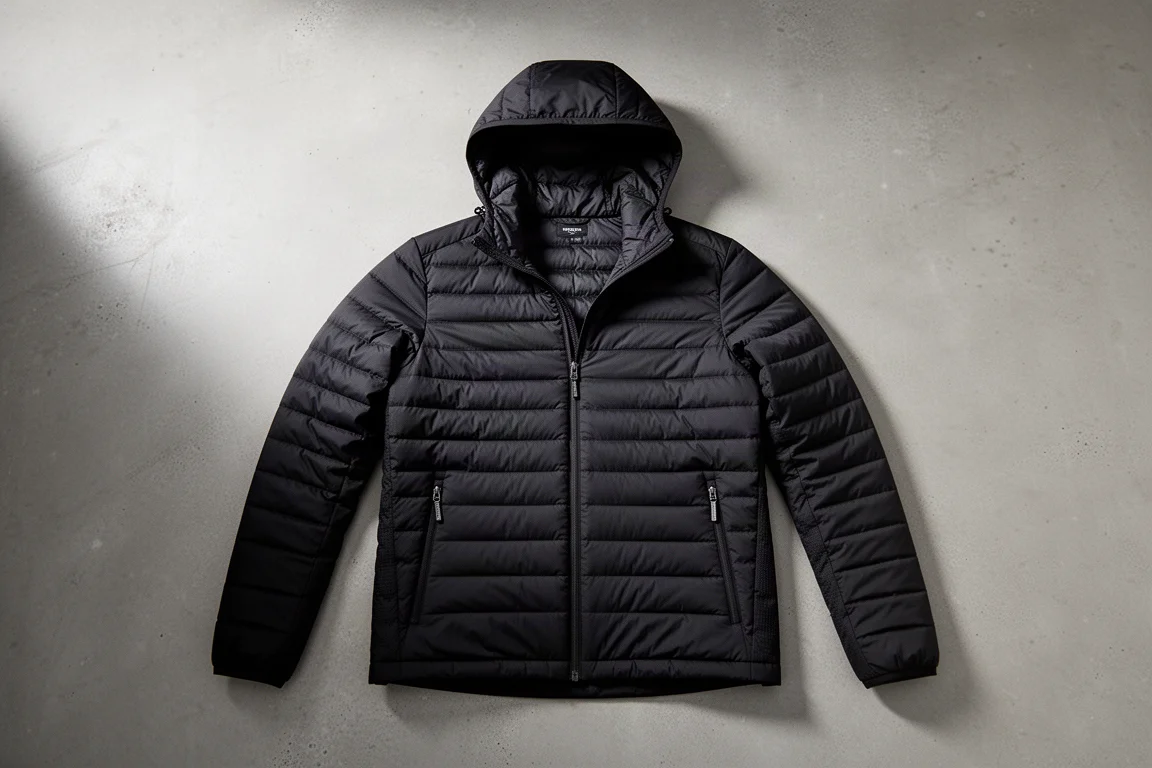
Outdoor Research Super Strand LT Hoodie Review: Down-Like Warmth in a 10.9 Ounce Synthetic Jacket
A 10.9 ounce synthetic insulated hoodie that comes remarkably close to down for warmth, packability, and wet-weather performance, with a few minimal-feature trade-offs to know about first.