Sleeping Pads
RAB Ionosphere 5 Review: A Lightweight Insulated Sleeping Pad With TILT Technology
The RAB Ionosphere 5 pairs a 550 g weight and an R-value of 4.8 with a quiet, grippy surface, and it costs noticeably less than the pads it competes with.
Introduction
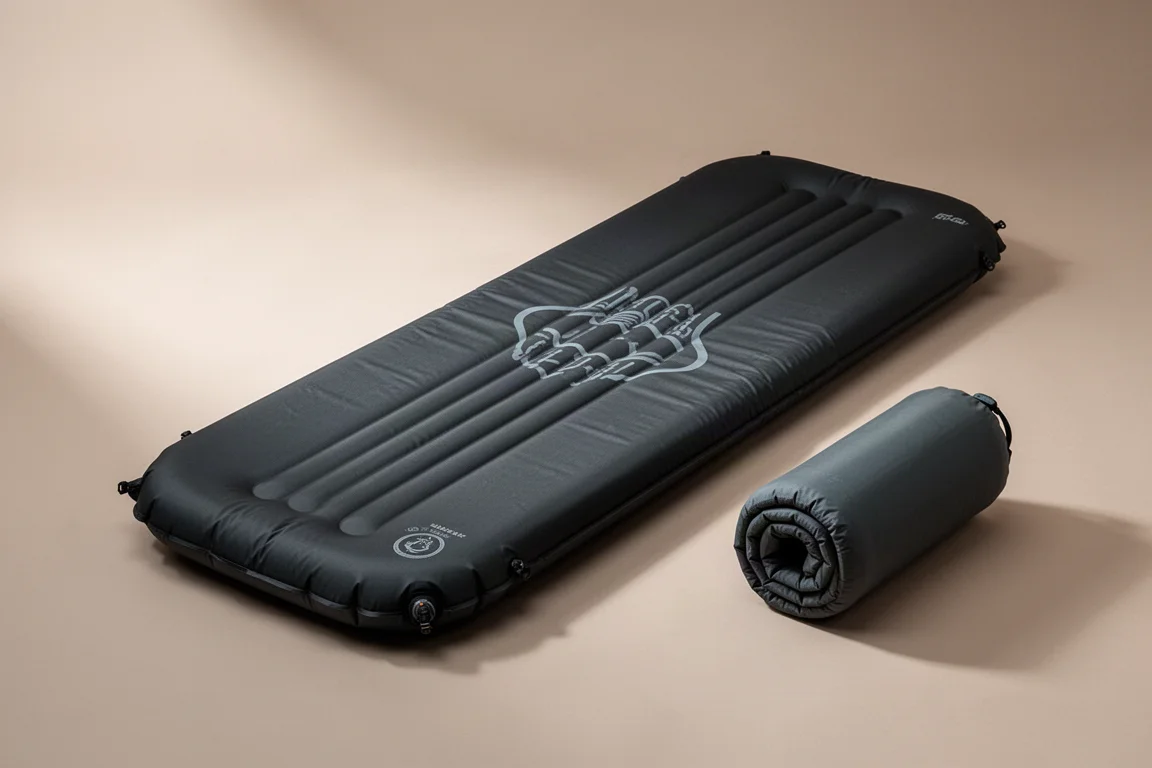
The RAB Ionosphere 5 is a lightweight insulated sleeping pad built around RAB’s TILT lining technology. In the regular size it weighs 550 g, measures 8 cm thick, and carries an R-value of 4.8, which puts it in the same warmth bracket as the Therm-a-Rest pads it invites comparison with. RAB has made class-leading sleeping bags for years, and sleeping pads are a much more recent addition to the range, so the Ionosphere 5 is an interesting look at how the brand translates that insulation know-how into a mat.
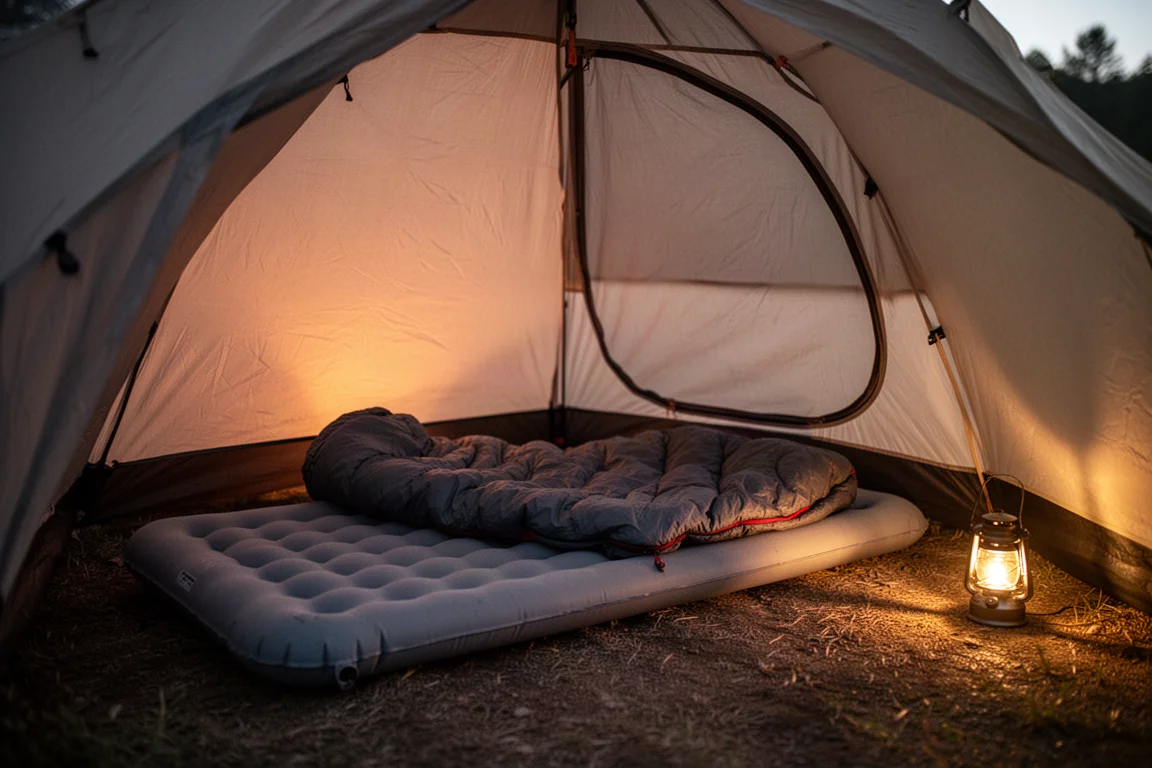
At around £125 it is a noticeably cheaper proposition than the roughly £220 Therm-a-Rest option, while offering a comparable thickness and a much quieter sleeping surface. Early impressions after leaving it inflated for several days are positive: no air loss, a comfortable feel under a sleeping bag, and a surface that grips rather than slides.
Who This Sleeping Pad Is For
This pad suits backpackers who count grams, side sleepers who want cushioning without bulk, and campers who want a quiet mat that does not rustle every time they shift position. With an R-value of 4.8 it should work for most of the year in UK conditions, including colder shoulder-season nights. The regular version is 50 cm wide, so back sleepers and anyone who moves a lot at night may prefer the wider version, which gives elbows and shoulders more room.
Main Strengths
Weight and thickness are the headline numbers: 550 g for a pad that inflates to 8 cm. The baffles run lengthwise down the pad, which tends to keep sleepers centred better than pads with crossways baffles, and the shoulder baffles at the edges are raised slightly to help hold you in the middle. A grey printed pattern on the surface adds grip, so a sleeping bag is far less likely to slide off during the night, and the fabric stays quiet in use.
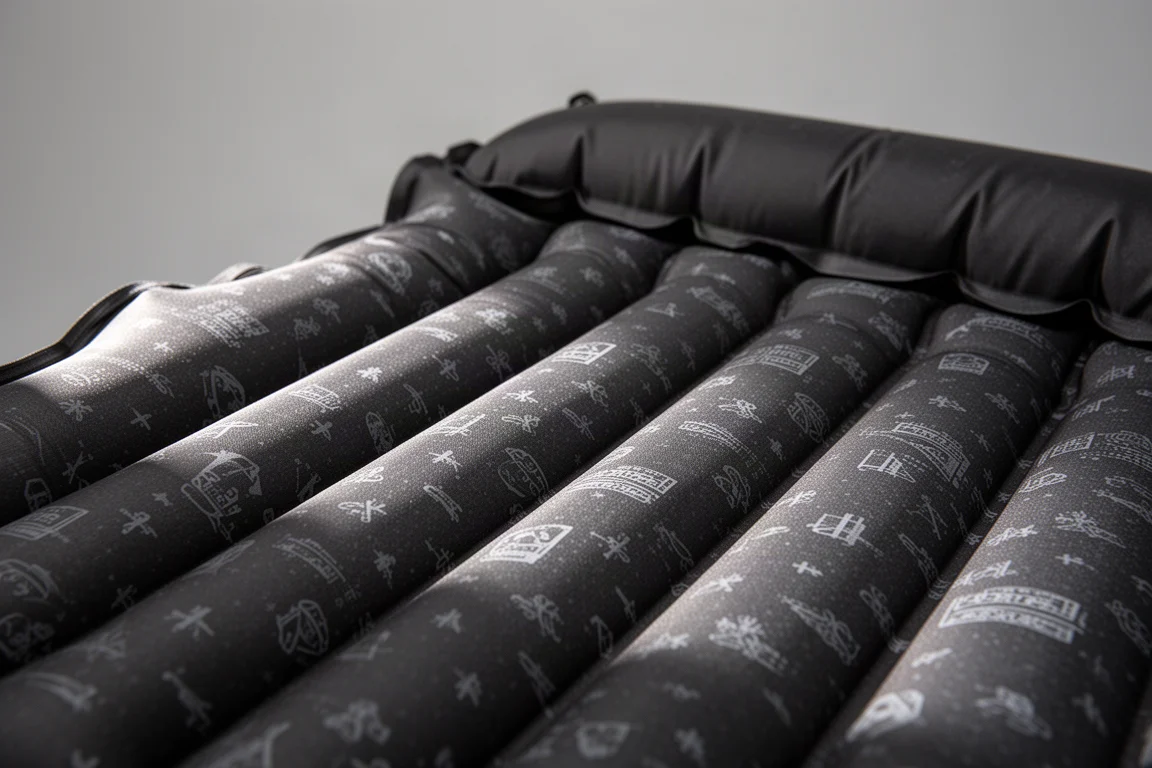
Materials are a strong point too. The face fabric is a 20 denier polyester made entirely from recycled materials, and the Stratus insulation inside is also 100 percent recycled. The welded construction has held air without loss over several days inflated, and the overall comfort level is high for a pad at this weight.
TILT Technology and Warmth-to-Weight
TILT stands for Thermo Ionic Lining Technology. A thin metal-infused layer sits inside the pad and reflects radiant body heat back towards the sleeper, which RAB states reduces heat loss through radiation by up to 30 percent. That reflective layer works alongside the synthetic Stratus insulation, which limits heat loss through convection into the ground. The same TILT approach appears across RAB’s sleeping bag range, where the lining is bonded into the material itself rather than added as a separate foil.
The result is a strong warmth-to-weight ratio for the price. Pads such as the Therm-a-Rest XLite are roughly the same weight and slightly warmer, but they cost around double, which is where the Ionosphere 5 makes its case.
Things to Consider Before Buying
The 50 cm width of the regular pad is the main limitation. On your back it can feel narrow, and elbows can hang over the edge, so the wider version is worth the extra if you sleep on your back or move around a lot. The grip pattern works very well against a groundsheet, but the pad can still shift a little on a smooth tent floor.
It is also worth being realistic about testing. The Ionosphere 5 has proven itself on inflation, comfort, and packability, but the all-season claim rests on its R-value rather than on long backcountry trips, so treat the warmth rating as the guide and match it to the conditions you actually camp in.
Packability, Valve, and Durability
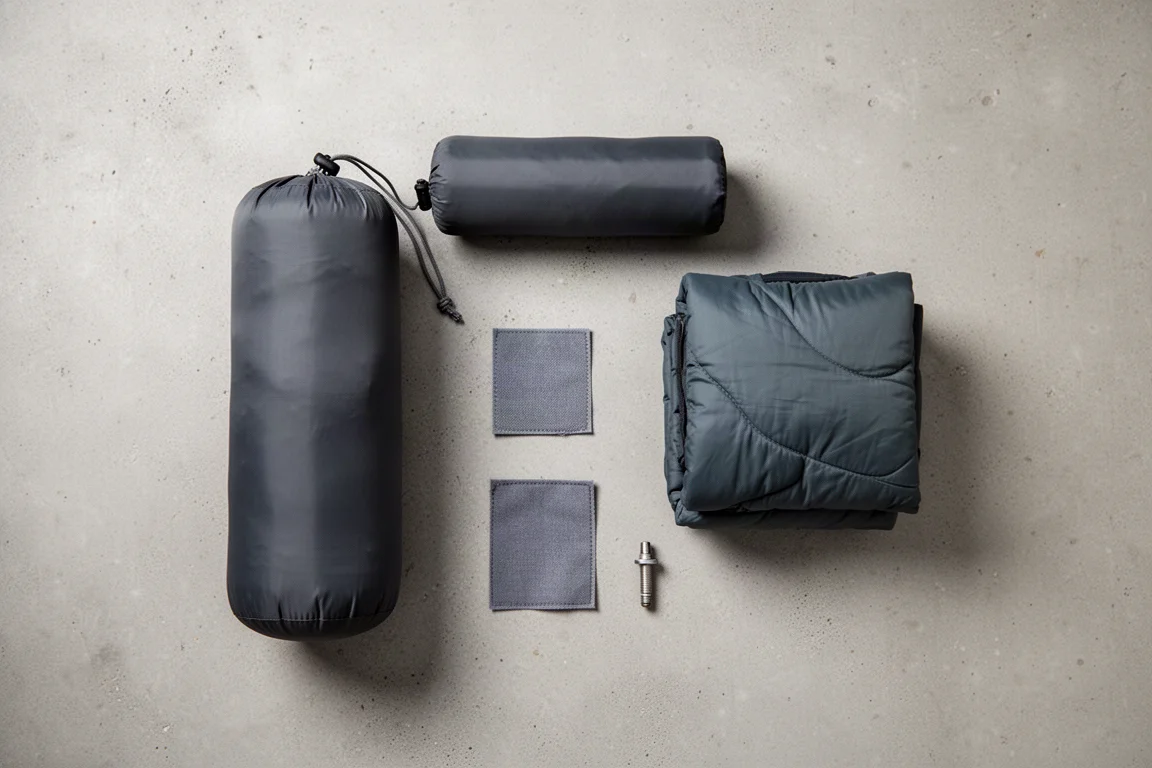
Packing down is straightforward: fold the pad in thirds, roll it, and it slides into the stretchy stuff sack, which has enough room for an inflation bag as well. A repair patch is included for punctures. The valve design is one of the better ones, combining a one-way inflate valve with a quick-release deflate valve, plus a small button that lets you fine-tune firmness without letting all the air out. On durability, the welds look tidy and consistent, and the pad has stayed fully inflated over several days.
Buying Advice
If you want a light, comfortable, quiet pad for three-season use and the colder end of the year, the Ionosphere 5 is easy to recommend. It delivers an R-value of 4.8 and 8 cm of cushioning at 550 g, uses recycled materials, and costs a good deal less than the pads it is most often compared with.

Choose the regular version if you are a side sleeper who values a low pack size, and step up to the wider version if you sleep on your back or want more room around the shoulders. Pair it with a sleeping bag rated for the temperatures you expect, and the combination covers most of the year in UK conditions.
Conclusion
The RAB Ionosphere 5 shows how far reflective lining technology has come: a genuinely light pad that stays warm, sleeps quietly, and grips well, at a price that undercuts the established premium options. Its narrow regular width and its warmth-to-weight standing relative to the very best pads are the trade-offs to weigh, but for most backpackers and campers the balance is a favourable one.
Product link
View more details for RAB Ionosphere 5
This product is mentioned in the review. Check the specifications, options, and compatibility before buying.
View more details for RAB Ionosphere 5Further reading
Related Reviews
Sleeping Pads
Best Backpacking Sleeping Pads 2026: Nine Pads Rated on Price, Comfort, Warmth, and Weight
Nine backpacking sleeping pads compared on price, comfort, warmth, and weight, from a $65 summer pad to a year-round option rated at R-7.3.
Sleeping Pads
Best Backpacking Sleeping Pads: Comfort, Warmth, and Weight Compared
A practical comparison of the Nemo Quasar 3D, Therm-a-Rest NeoAir XTherm Max, and Big Agnes Rapide SL for backpackers choosing between comfort, warmth, and packed weight.
Sleeping Pads
Best Backpacking Sleeping Pads: Ultralight, Winter, Comfort and Budget Picks
A practical roundup of the sleeping pads that stand out for ultralight weight, winter warmth, pressure relief and value, plus three popular pads that fell short.