Sleeping Pads
Rab Ionosphere 5 and REI Helix: Two Warm Sleeping Pads Worth a Closer Look
Two newer sleeping pads with R-values of 4.8 and 4.9, reflective insulation, and comfort-first baffling, plus what to check before you buy.
Introduction
If you have spent any time shopping for a sleeping pad, the same handful of established brands probably comes up again and again. Two newer entries have quietly joined that conversation, and both turn out to be more impressive than their price tags suggest, particularly on warmth, comfort, and value.

The Rab Ionosphere 5 is Rab’s first sleeping pad and sells for $180 in the regular size. The REI Helix costs $160 in the regular size and is discounted fairly often, sometimes landing close to $100. Neither asks for the $200-plus that many warm three-season pads command, yet both deliver R-values in the mid fours.
What Both Sleeping Pads Get Right
Both pads use reflective insulation to limit radiative heat loss, a technology that for years was largely limited to a small number of premium pads. Reflective insulation is efficient, which helps these pads achieve a strong warmth-to-weight ratio in real conditions rather than only on a spec sheet.
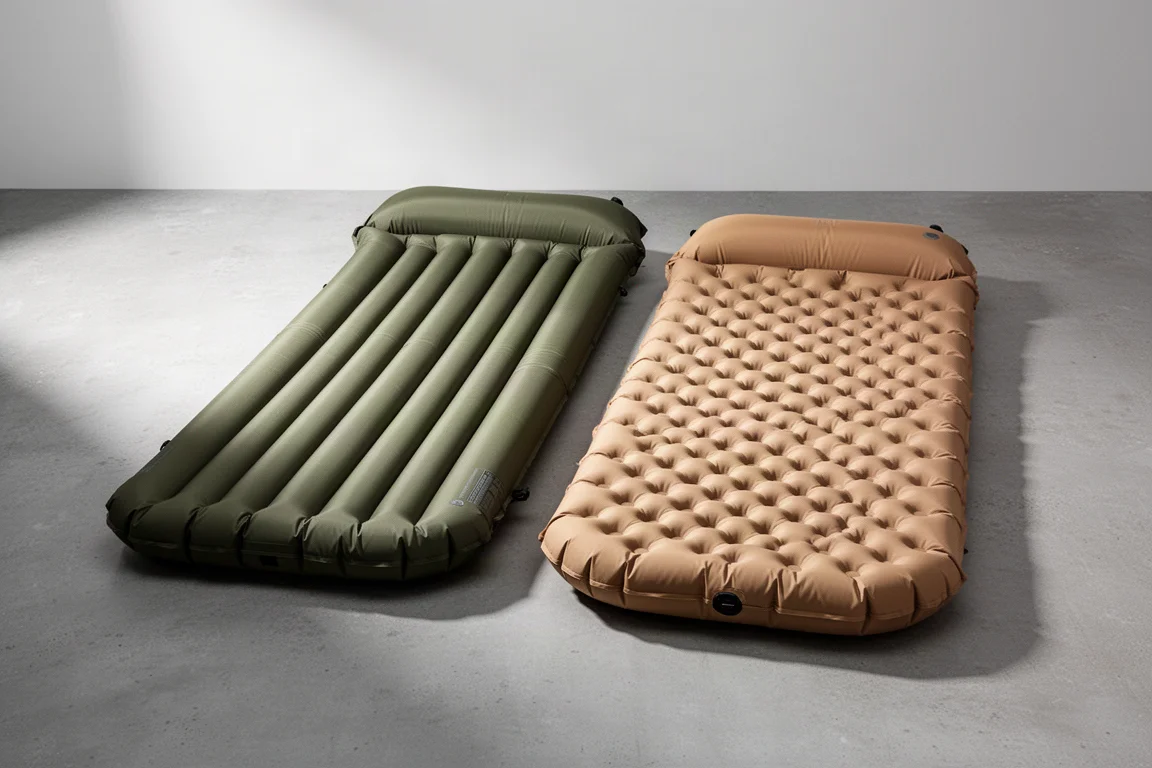
The Ionosphere 5 goes a step further and adds a synthetic insulation sheet that stretches from the bottom of the pad to the top. That layer limits air movement inside the pad as you shift around at night, which matters because convective heat loss is one of the biggest real-world drains on warmth and is difficult to capture through standard R-value testing. The Helix has no synthetic layer, but its structure appears to do similar work, with dimples on the top and bottom that do not align, creating two separate cells that reduce air circulation.
Both pads held their warmth in subfreezing temperatures on cold ground, matching their stated R-values of 4.8 for the Ionosphere 5 and 4.9 for the Helix. That shift toward mid-four R-values is now common across three-season pads, where the mid threes were once considered sufficient.
Rab Ionosphere 5 and Its Insulation Stack
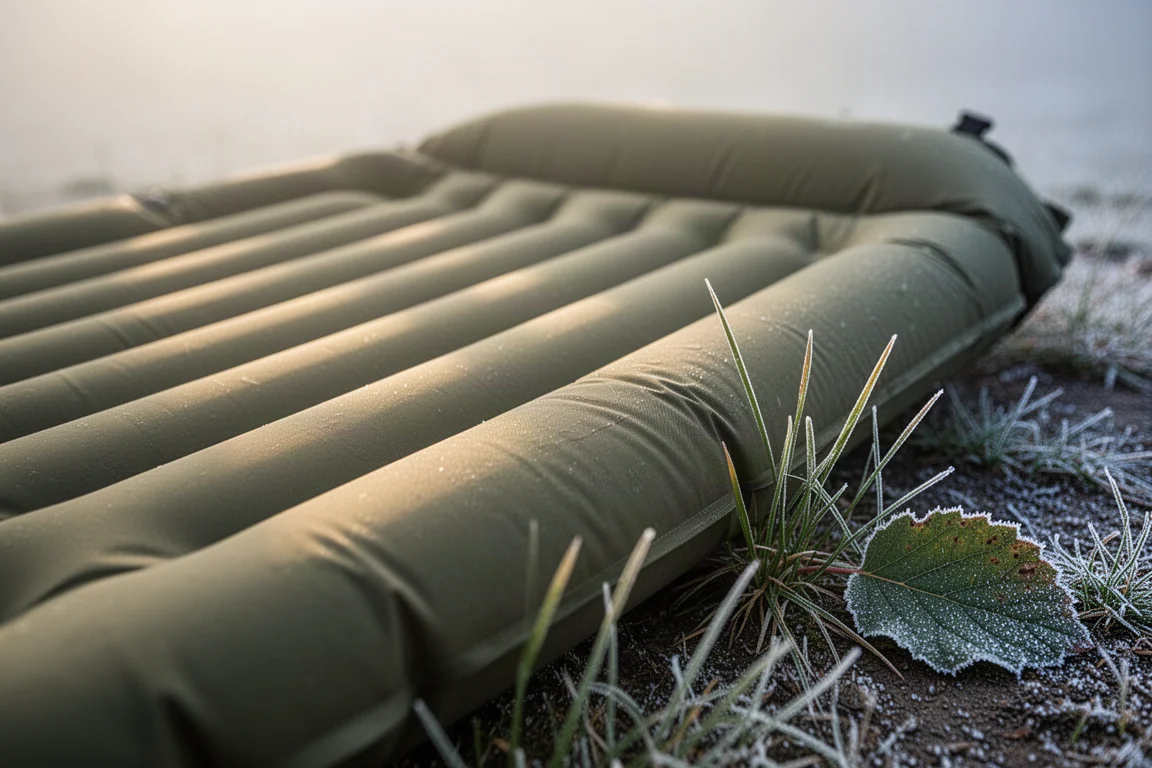
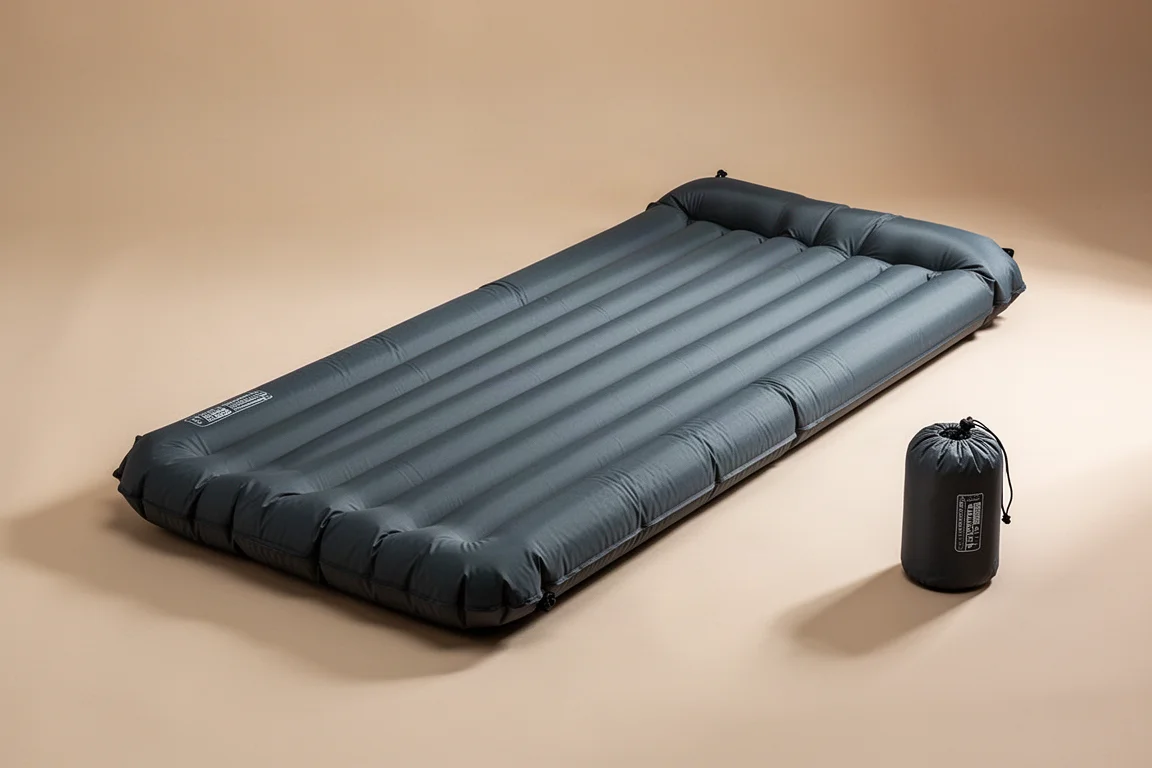
The Ionosphere 5 carries an R-value of 4.8 and, at $180 for the regular size, undercuts many pads that sell for more than $200. Its baffling runs vertically rather than horizontally, which is the more comfortable arrangement for many sleepers and avoids the arm numbness that horizontal baffles can cause. Raised side walls add a subtle cradle that helps keep you centred through the night.
Sizing is the main thing to weigh. The regular size sleeps smaller than other regular pads, so taller sleepers or anyone who moves around a lot should plan on the large.
REI Helix and Its Dimpled Baffling
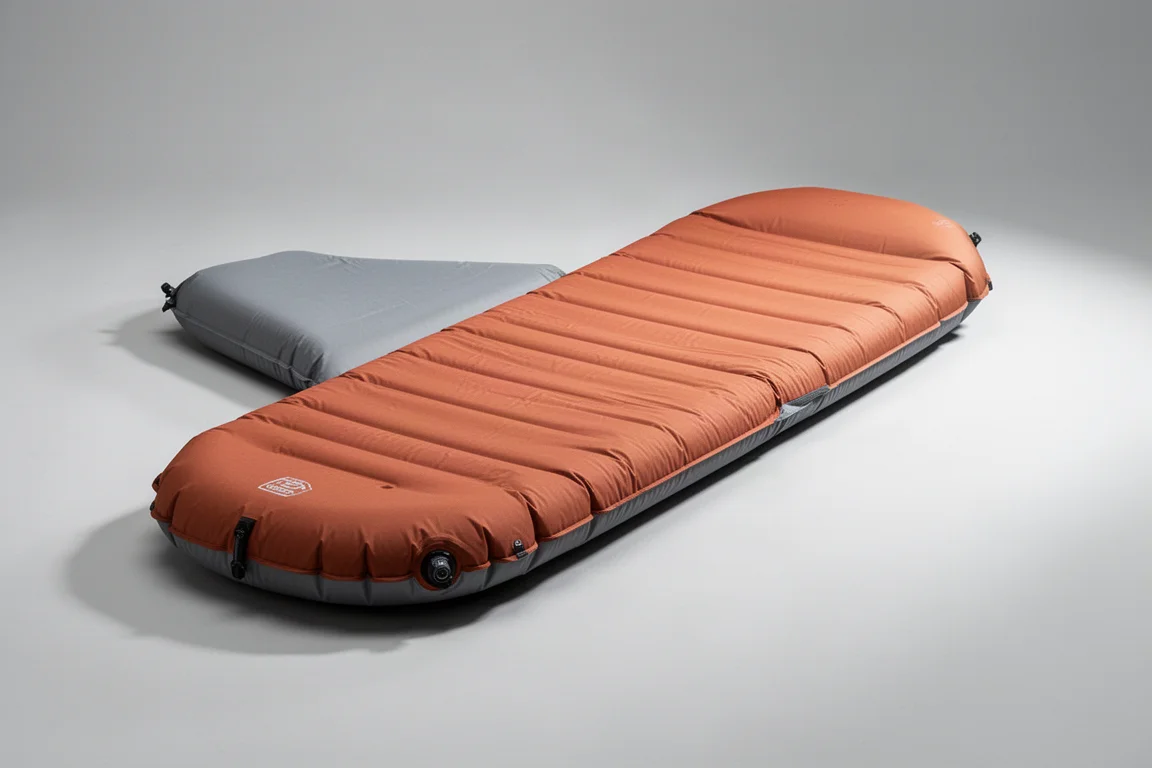
The Helix steps slightly ahead on warmth with an R-value of 4.9, and it costs less: $160 for the regular size, with frequent discounts that bring it close to $100. Its quilted, dimpled surface alternates raised and lowered sections across the pad, and because the dimples on the top and bottom are offset, the pad forms two distinct cells that cut down on internal air movement.
That structure pays off in comfort. The dimpled surface eases pressure points, which is welcome news for side sleepers who feel their shoulder or hip digging into a firmer pad, and it has proven comfortable enough to sleep through an entire night without waking. The regular length in the wide width is a strong size, balancing low weight with enough surface area to move around without running out of room.
Warmth, Sizing, and Real-World Use
R-values tell you how much warmth a pad can hold in, but comfort depends on how the surface meets your body. The Helix has become the more natural everyday choice thanks to that combination of a high R-value and a surface that stays comfortable for hours, and the wide regular size means you are not constantly readjusting.
The Ionosphere 5 stands out as the most comfortable vertical-baffle design of the two, and its raised sides add a secure feeling. Its regular size, however, runs small, and a large is the safer pick for anyone who wants the same roominess the Helix provides.

Neither pad forced a compromise on warmth during cold-weather use, which is the strongest argument for either one: the comfort and the R-value arrive together.
Price and Availability
The REI Helix is available now, and its regular price of $160 is often reduced during promotions, which makes it one of the more accessible warm pads in this class. The Rab Ionosphere 5 is priced at $180 for the regular size and is rolling out to major retailers.
Buying Advice for Three-Season Campers
If warmth per dollar is the priority, the Helix is the easier recommendation: a 4.9 R-value, pressure-point relief for side sleepers, and a price that regularly drops well below list. If you prefer a vertical baffle layout with raised sides and want the added synthetic layer that limits convective heat loss, the Ionosphere 5 justifies the extra money, provided you size up.
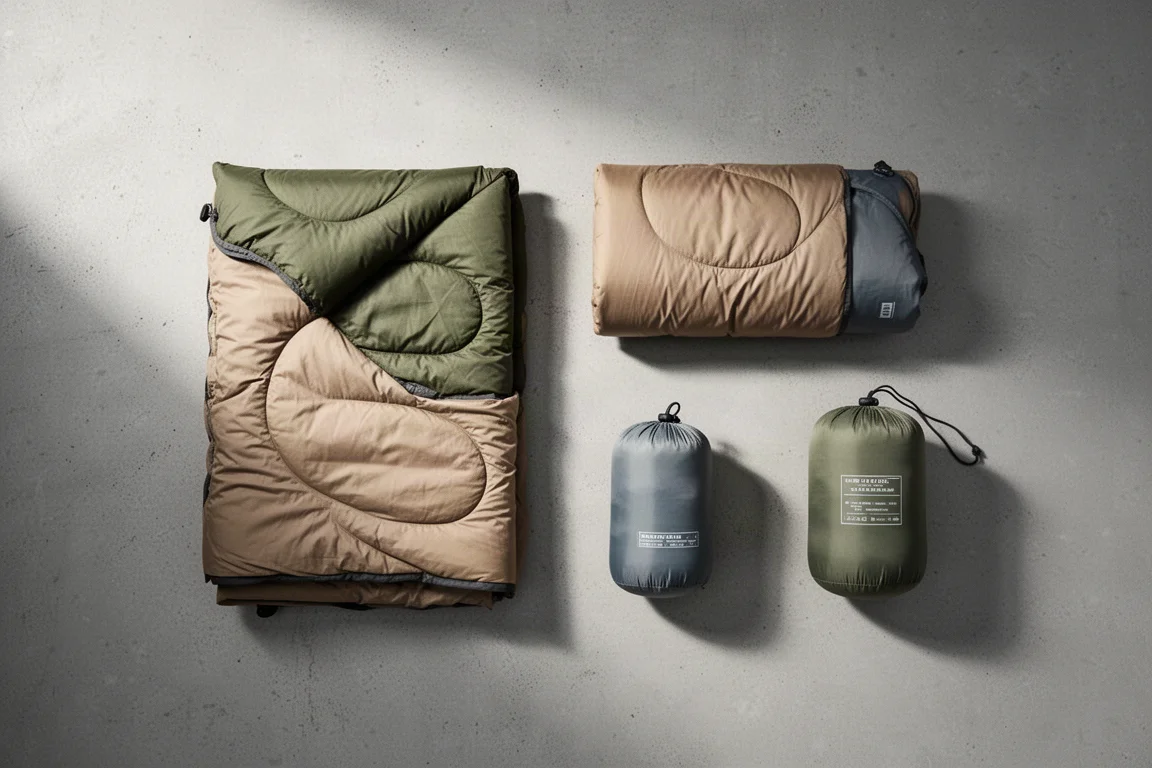
Both pads suit three-season use and subfreezing nights, so the deciding factors are fit and baffling preference rather than warmth. Side sleepers should look hard at the Helix, while anyone who dislikes the feeling of drifting toward the edge of a pad will appreciate the raised rails on the Ionosphere 5.
Conclusion
Rab and REI have both raised the bar for what a moderately priced sleeping pad can offer. The Helix is the better value and the more forgiving fit, while the Ionosphere 5 is the more layered design on insulation. Either way, shoppers who want mid-four R-values without premium pricing now have two credible options to compare.
Further reading
Related Reviews
Sleeping Pads
Best Backpacking Sleeping Pads 2026: Nine Pads Rated on Price, Comfort, Warmth, and Weight
Nine backpacking sleeping pads compared on price, comfort, warmth, and weight, from a $65 summer pad to a year-round option rated at R-7.3.
Sleeping Pads
Best Backpacking Sleeping Pads: Comfort, Warmth, and Weight Compared
A practical comparison of the Nemo Quasar 3D, Therm-a-Rest NeoAir XTherm Max, and Big Agnes Rapide SL for backpackers choosing between comfort, warmth, and packed weight.
Sleeping Pads
Best Backpacking Sleeping Pads: Ultralight, Winter, Comfort and Budget Picks
A practical roundup of the sleeping pads that stand out for ultralight weight, winter warmth, pressure relief and value, plus three popular pads that fell short.