Insulated Jackets
RAB Infinity Range Review: Three Down Jackets for Cold, Damp Weather
A practical look at the RAB Microlight Infinity, Infinity Alpine and Infinity Jacket, three Gore Infinium down jackets built for damp, cold conditions, and how to choose between them.
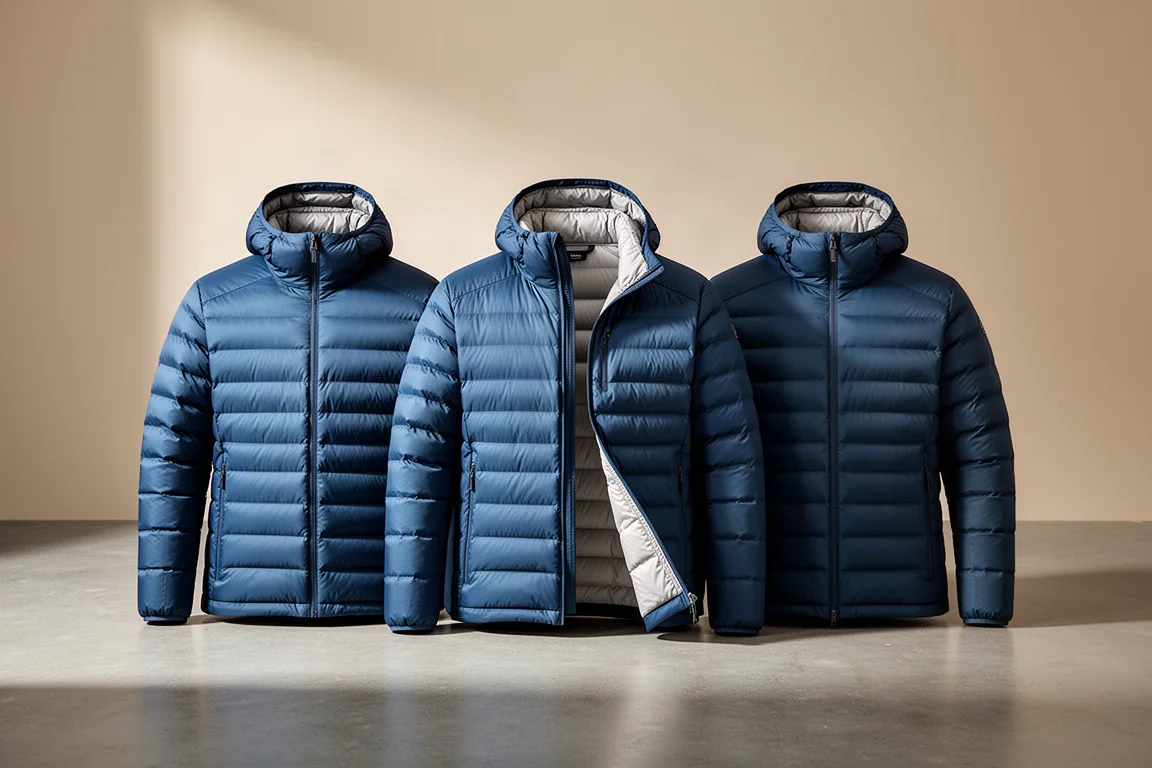
Introduction
RAB has spent decades building a reputation for high quality down jackets, and the Infinity range applies a fresh idea to three of its best known designs. Each jacket pairs a treated down fill with a Gore Infinium outer, a fabric chosen because it is far more water resistant than a typical down jacket shell while staying soft, light and packable.
That combination addresses the main weakness of down. Feathers collapse and lose their warmth when they get wet, which is a real problem in damp, changeable conditions. A more weather resistant outer keeps the down drier for longer, so the jacket stays useful in situations where a standard down jacket would begin to struggle.
The three jackets cover different jobs, and the differences between them are worth understanding before choosing.
What the Gore Infinium Outer Brings to a Down Jacket
Gore Infinium is not a waterproof membrane. It is a highly water resistant fabric, and that distinction is the whole point. Compared with a full waterproof membrane such as Gore-Tex Pro, Infinium is lighter, softer, more flexible, more breathable and much easier to pack. A stiffer waterproof membrane would not work well over a down jacket, which needs to compress and move with the body.
The Infinium face fabric is also tougher than a standard down jacket shell and has a soft matte finish, so these jackets handle rougher treatment. The fabric traps a little more warm air as well, which means the Infinity versions feel warmer than the equivalent standard jackets without any extra weight.
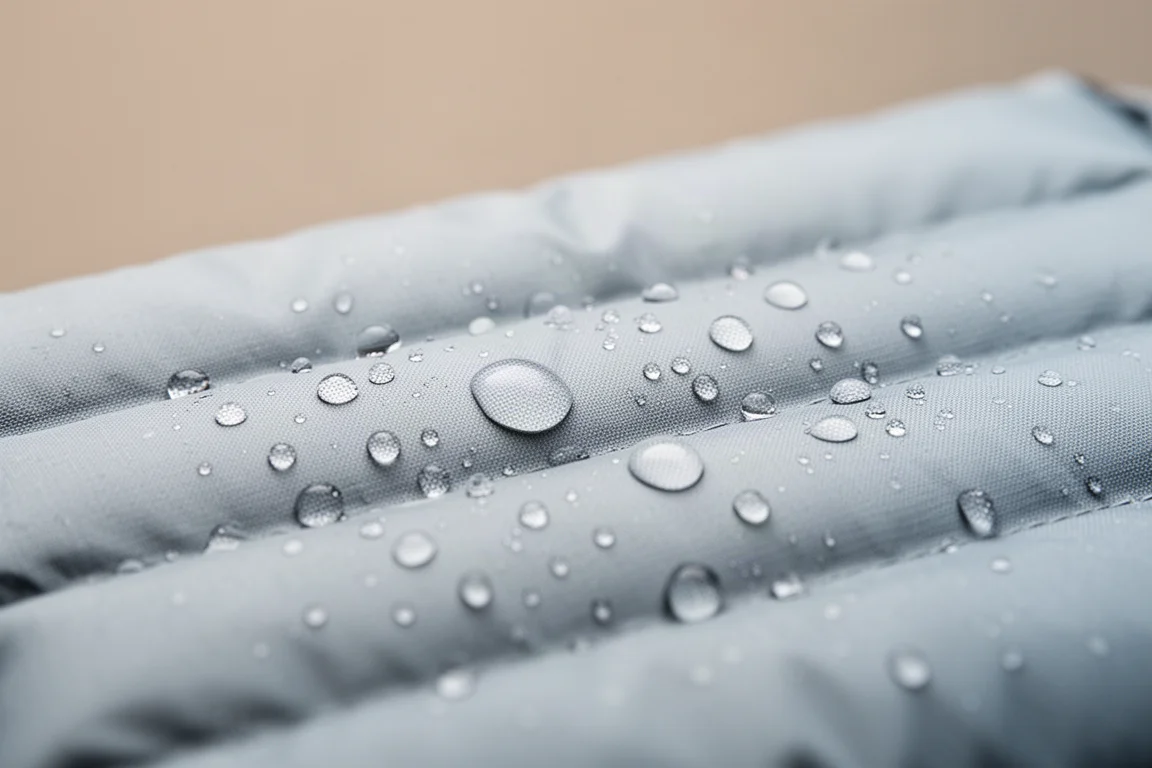
Because the outer is highly water resistant rather than fully waterproof, it still makes sense to treat these as down jackets first. Keeping one inside a dry bag means it stays bone dry no matter what happens to a water bottle or a damp pack.
Down Fill and Hydrophobic Treatment Across the Range
Two details set the insulation apart in this range.
The Microlight Infinity uses 700 fill power recycled down. The recycled route is a deliberate ethical choice: the feathers are recovered material that would otherwise go to landfill, and 700 fill is the practical ceiling that can be reached with recycled down. That still delivers a strong balance of price, warmth and packability for a jacket most people will wear day to day and occasionally take onto the hills.
The Infinity Alpine and Infinity Jacket step up to 800 fill hydrophobic down, which offers more loft per gram and therefore more warmth for the weight. The recycled fill in the Microlight Infinity is washed and proofed with a Nikwax hydrophobic treatment, the same idea as proofing a waterproof shell. Treated down resists moisture far better than untreated feathers, so it holds its loft and warmth even if some water finds its way in.
Fill weights differ noticeably too: 146 g in a size medium for the Microlight Infinity, 175 g for the Infinity Alpine and 250 g for the Infinity Jacket.
RAB Microlight Infinity Jacket: Everyday Warmth
The Microlight Infinity evolves a long-running bestseller, and the feature set will feel familiar to anyone who has used one. There is a handwarmer pocket, a chest pocket that suits a phone, an elasticated section at the back of the hood that holds it in place with or without a helmet, and a hem drawcord for sealing out wind on gusty days.
A size medium holds 146 g of 700 fill recycled down. That is enough for everyday warmth and lighter days out without pushing the jacket into bulky territory, and the tougher Infinium outer means it can be treated less carefully than a standard down jacket, whether it is stuffed into a bouldering pad or pushed into the bottom of a pack.
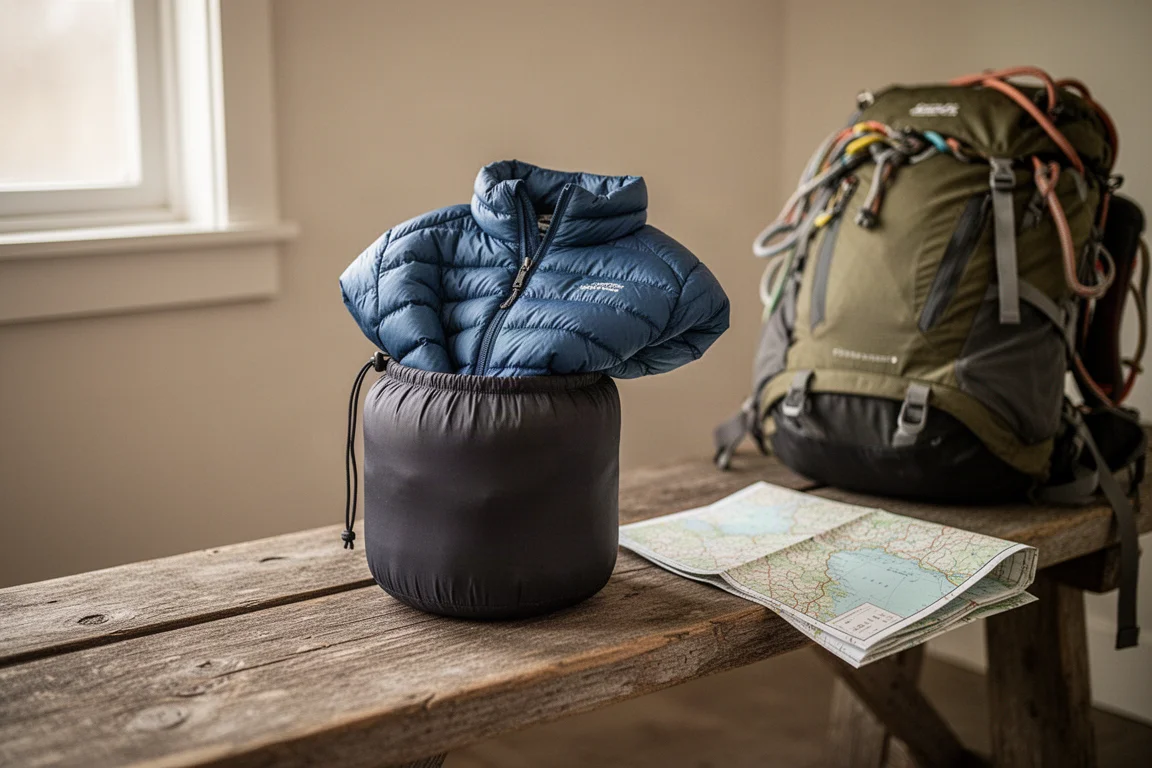
For most people this is the most versatile jacket of the three: comfortable on the street, in the pub or on a straightforward hill day, and warm enough for cold weather without being overbuilt for it.
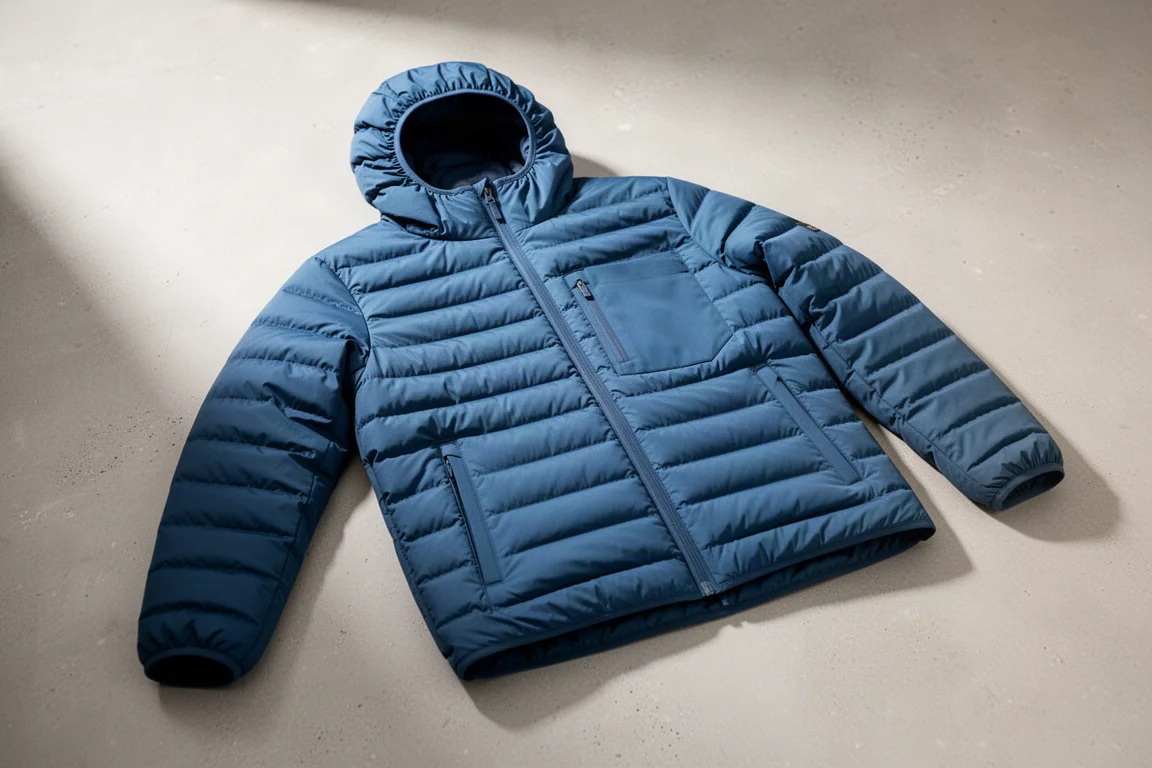
RAB Infinity Alpine Jacket: Lightweight Mountain Insulation
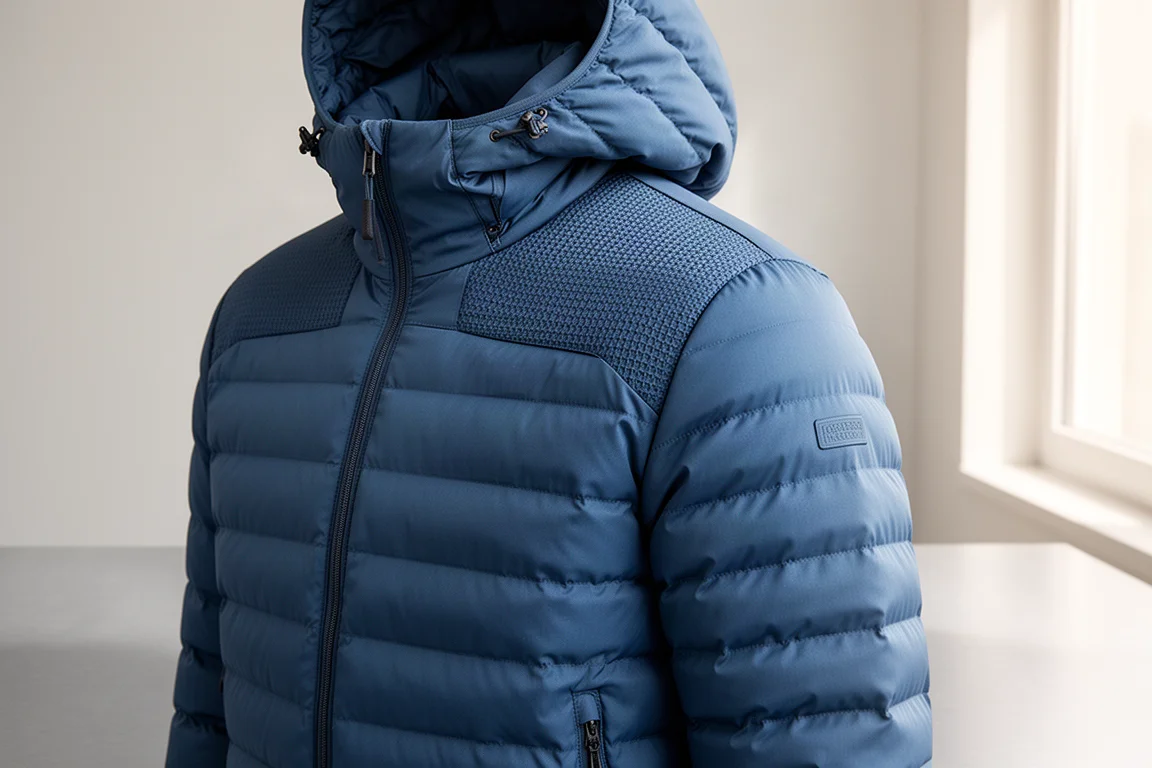
The Infinity Alpine keeps the same core layout but adds warmth and weather protection. RAB uses two fabric weights here: a 30 denier overlay across the shoulders for the areas that take the most wear, and a lighter 13 denier fabric through the body to save weight and help the jacket compress into a pack.
Fill weight rises to 175 g of 800 fill hydrophobic down in a medium, which gives noticeably more loft and warmth than the Microlight Infinity for only a modest increase in weight. A two-way zip makes the jacket easier to manage over a harness, and the chest pocket has moved inside so a phone or battery stays closer to the body and warmer in the cold.
Seams are a common entry point for water on an insulated jacket. The Alpine uses an InterStitch construction, in which a rolled flap of Infinium is stitched on the inside so the stitching is hidden from the outside. Water runs down the surface and drips from one seam line to the next instead of working its way into the down, and the hydrophobic fill provides a second line of defence if any moisture gets through.
RAB Infinity Jacket: Deep Winter Performance
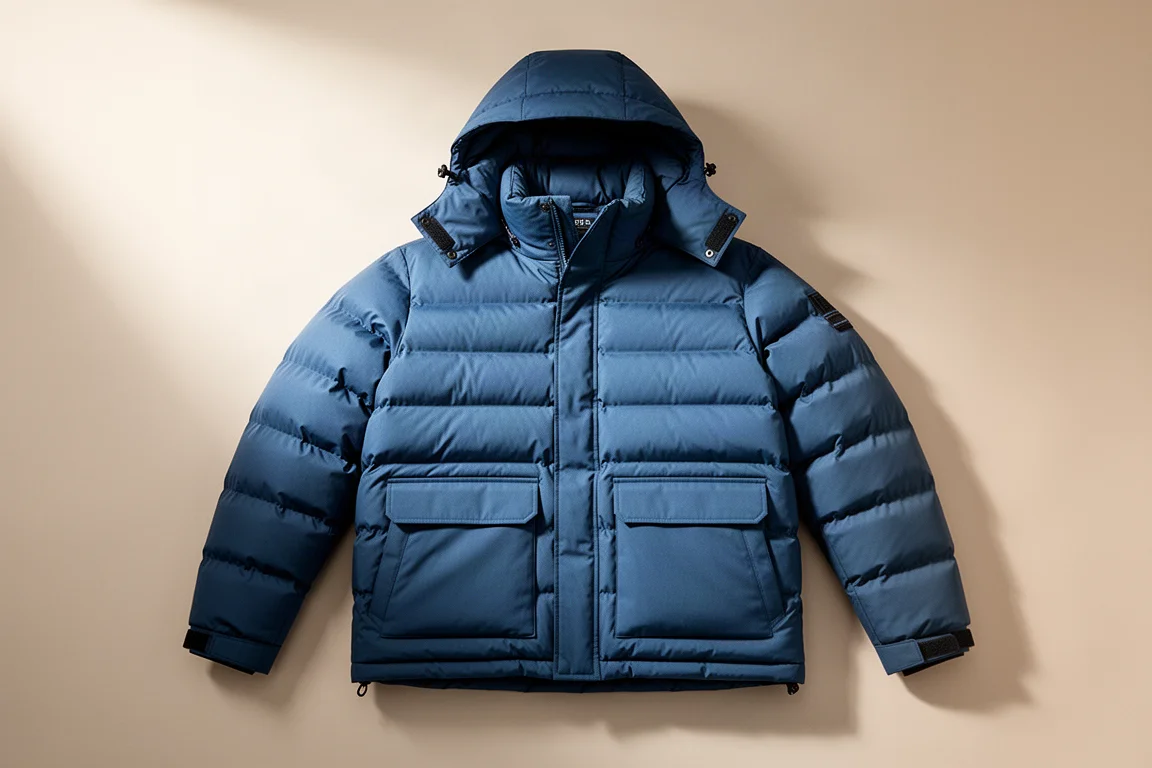
The Infinity Jacket is the warmest option in the range and the one built for the hardest conditions. It carries 250 g of 800 fill hydrophobic down in a medium, close to twice the fill of the Infinity Alpine, with more 30 denier reinforced paneling to cope with day after day of use in the high mountains.
Details shift toward use with gloves on. The cuffs return to velcro tabs, which are easier to tighten over or under large gloves than an elasticated cuff. The two-way zip helps when belaying over a harness. There is an insulated external zip pocket to keep contents warmer, large chunky pull cords that can be operated with gloves, and big internal dump pockets for spare gloves or climbing shoes. The hood is oversized and designed for a helmet, with internal pull cords around the face and a large rear pull cord for tightening it down.
Construction here combines InterStitch with box wall baffles. Box wall uses two lines of fabric with a mesh between them to create a continuous wall of down with no cold gaps, which is warmer but slightly bulkier and less packable than the stitched-through approach used on the lighter jackets.

The result is a jacket that prioritises warmth and durability over minimum packed size, which is the right trade-off for genuinely cold, extended mountain use.
Sizing and Fit Across the Range
Fit is not identical across the three jackets, and the differences are deliberate. The Microlight Infinity and Infinity Alpine sit closer to the body, while the Infinity Jacket is oversized on purpose because it is expected to be worn over more layers in genuinely cold conditions.
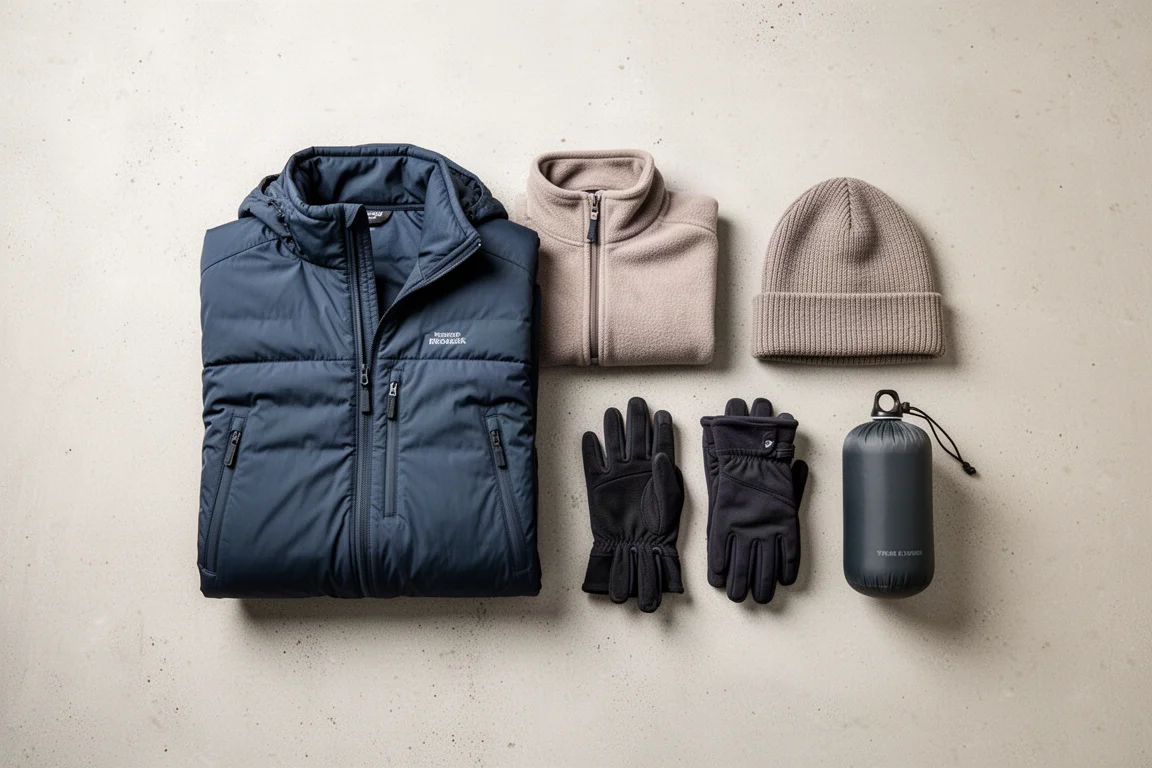
If you are between sizes or plan to layer a fleece underneath, that generous cut is an advantage in the Infinity Jacket and less so in the other two. Trying the jacket over the layers you actually intend to wear is the simplest way to get the fit right.
All three jackets ship with a stuff sack, which shows how small they compress when they are not being worn.
Buying Advice: Which RAB Infinity Jacket Is Right for You
Choose the Microlight Infinity if you want one jacket for everyday life and lighter days outdoors, and you value the balance of price, warmth and packability that 700 fill recycled down provides.
Choose the Infinity Alpine if you want more warmth without much more weight, and you spend time in summer Alpine conditions or on warmer winter mountain days. It is not intended for the biggest, coldest north faces.
Choose the Infinity Jacket if warmth and durability matter more than packed size, and you are heading somewhere properly cold for extended periods.
None of the three replaces a fully waterproof shell, and on the wildest, wettest winter days a synthetic insulated jacket remains the safer choice. What the range offers is a down jacket that keeps working in damp, changeable weather, which is exactly where a conventional down jacket tends to fall short. Each jacket is available in several colors beyond the blue finish shown in this range.
Conclusion
The RAB Infinity range takes three proven down jacket designs and gives them a far more weather resistant outer. Gore Infinium is not a waterproof membrane, and these jackets should not be treated as waterproof shells, but the fabric is tougher, softer and much more water resistant than a standard down jacket face fabric, and the treated down inside is better prepared for moisture as well.
Between the three, the Microlight Infinity covers everyday and light outdoor use, the Infinity Alpine adds warmth for lighter mountain conditions, and the Infinity Jacket delivers the most insulation alongside the most glove-friendly, helmet-compatible feature set for serious cold. Match the jacket to the conditions you actually head out in, and the range covers a great deal of ground.
Further reading
Related Reviews
Insulated Jackets
Aerogel vs Down Insulation: Two Aerogel Jackets Compared
Aerogel is the lightest solid on record, but two aerogel jackets measured against a comparable down jacket tell a more complicated story about warmth.
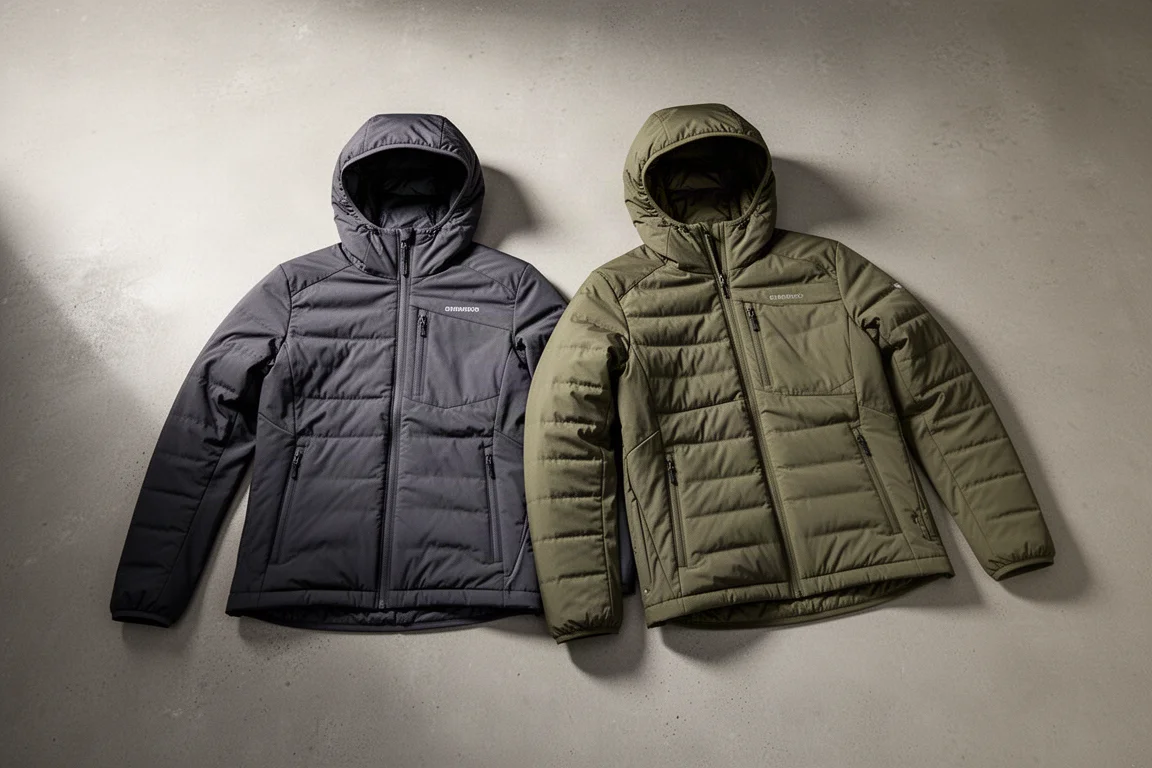
Insulated Jackets
Arc'teryx Atom LT vs Decathlon Trek 50: Does the Premium Synthetic Jacket Earn Its Price?
A side-by-side look at two synthetic insulated jackets at very different prices, covering fit, weight, insulation, features, and warranty.
Insulated Jackets
Big Agnes Shovelhead Jacket Review: Does Treated Down Stay Warm When Wet?
A close look at the Big Agnes Shovelhead jacket and its bluesign approved, PFAS-free DownTek insulation, including what happened when it was soaked twice in near-freezing conditions.