Insulated Jackets
RAB Infinity Microlight Down Jacket Review: A Light, Wind-Resistant Layer for Cold Days
A close look at the RAB Infinity Microlight Down Jacket, from its GORE-TEX INFINIUM shell and recycled 700 fill power down to fit, pocket layout, and who it suits best.
Introduction
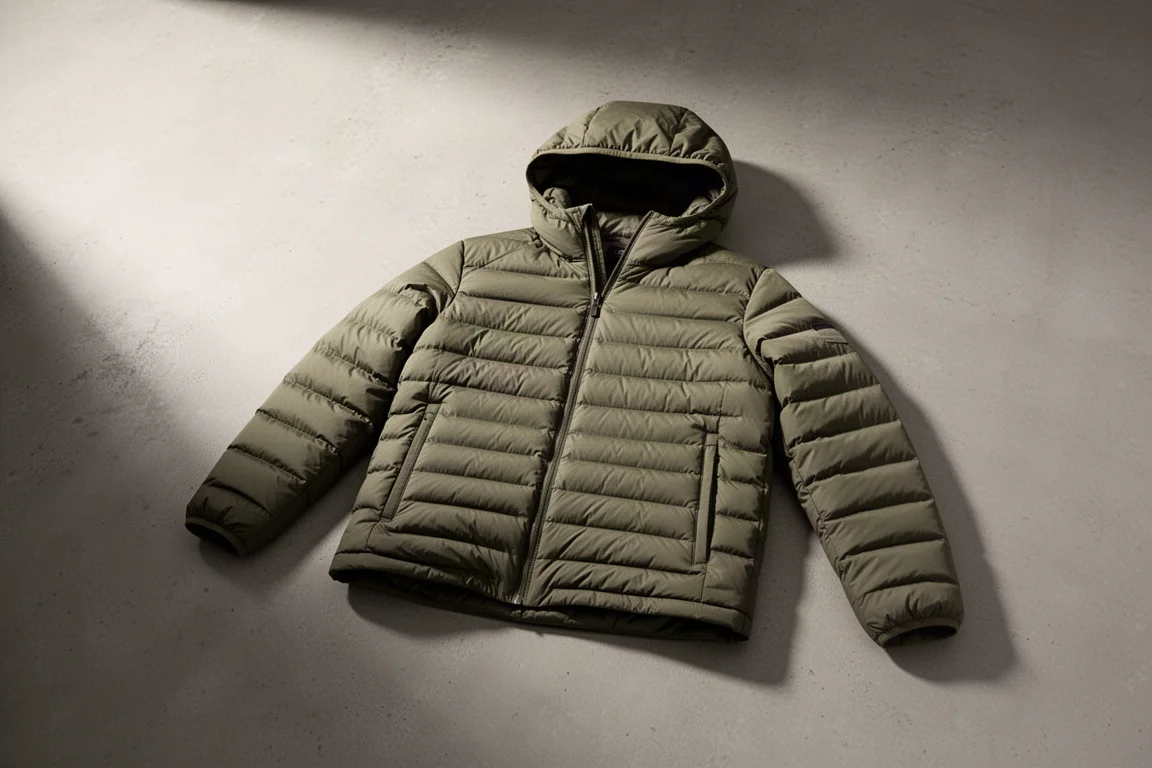
RAB has been building the Microlight for years, and the Infinity Microlight is the version that pairs a wind-resistant shell with recycled down insulation. It is positioned as a year-round layer for mountain walking, hiking, and general cold-weather use, and it has a habit of becoming the piece you reach for the moment temperatures drop.
It occupies a useful middle ground. It is warm enough for genuinely cold mornings, light enough to carry without noticing it, and finished in a way that feels considered rather than purely functional.

The detail that changes the character of this jacket is the shell. Instead of a plain nylon face fabric, the outer layer uses GORE-TEX INFINIUM WINDSTOPPER, which shifts how the jacket behaves when the weather turns breezy or damp.
Who This Jacket Is For
This is a layer for people who move between conditions rather than sitting in one. It suits hikers, hill walkers, and anyone who wants a warm jacket that can be worn under a shell or thrown on over a base layer without feeling bulky.
The fit is described by RAB as active and slim, and the practical result is a jacket that sits close to the body without being tight. That leaves room for a mid-layer underneath, which makes it a flexible part of a layering system rather than a single-purpose warm jacket.
It is also aimed at buyers who care about materials. The insulation is 100 percent recycled down, which matters if you would rather put your money behind products that reduce the footprint of buying new gear.
Main Strengths
The case for the Infinity Microlight rests on three things: how it handles wind and light moisture, how much warmth it delivers for its weight, and how well the small details are executed.
A Wind-Resistant Shell That Handles Light Weather
GORE-TEX INFINIUM WINDSTOPPER is the headline feature here. It gives the jacket a windproof quality and enough weather resistance to cope with light snow, drifting spindrift, or damp air. Moisture beads and sits on the surface rather than soaking straight in, which is a meaningful difference on a day that cannot quite make up its mind.
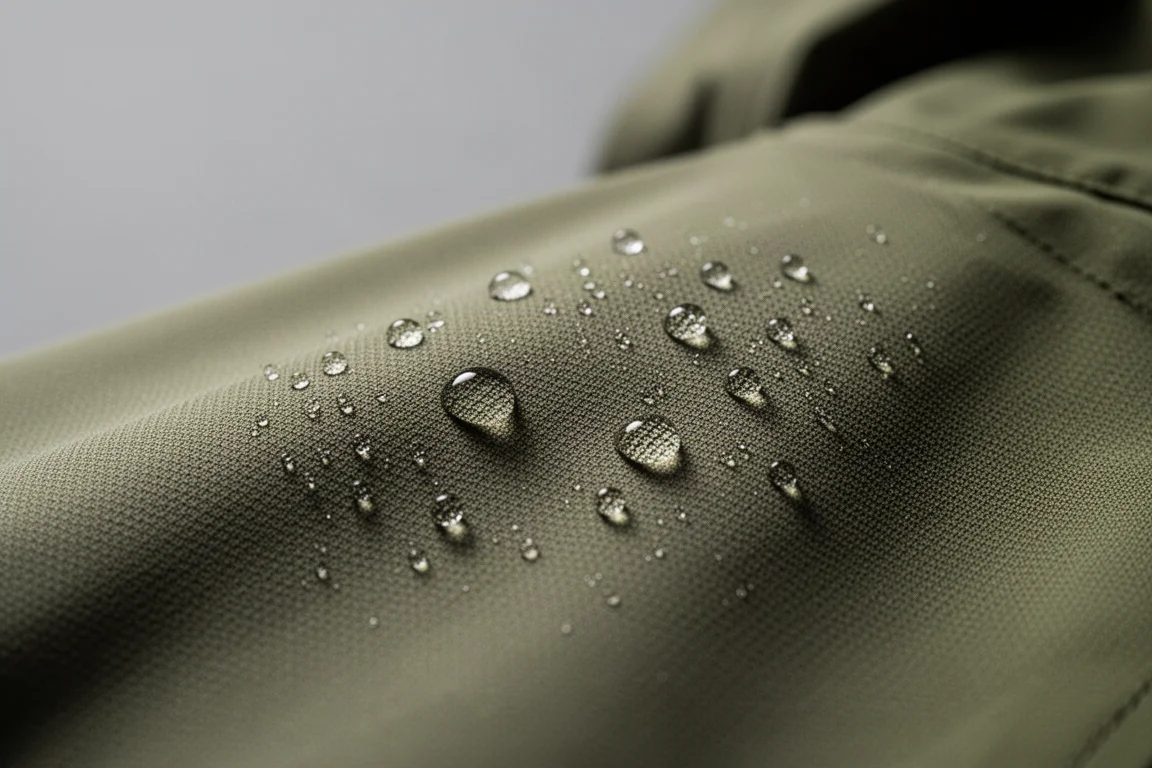
The face fabric is a 13 denier weave, which is deliberately not dense. That lighter construction is what keeps the overall weight down, and it is the main reason the jacket feels as packable as it does.
Recycled 700 Fill Power Down
The insulation is 100 percent recycled down with a 700 fill power rating. It is distributed evenly across the body, and RAB uses what it calls body mapping, with zoned micro and nano baffles running horizontally to hold the down in place.
The point of that arrangement is to keep warmth concentrated where the body needs it while still allowing the jacket to breathe, so it does not turn into a clammy shell during steady effort. The result is a strong warmth-to-weight ratio for a jacket of this class.
A Hood Built for Real Conditions
Down runs all the way through the hood rather than stopping at the collar, which matters because the head is where a lot of heat is lost. The hood is helmet compatible, so it can be pulled over a climbing or cycling helmet when needed.
It also has a wire-stiffened peak that can be shaped and moulded to keep weather off the face, plus two adjustable toggles at the sides. Pulling those in locks the hood down comfortably, whether you are on the move or sitting still.
Pockets and Finishing Details
Two zipped hand pockets sit at the sides, and they are generously sized, deep enough that an OS map will fit. A storm guard runs behind the main zip, faced with a soft, felt-like fabric that sits comfortably against the chin and blocks wind from finding its way through the zip line. The main zip itself is a YKK unit.
On the left chest there is a discreet pocket that is larger than it first appears. It runs from the shoulder seam down towards the top of the side pocket, and it is big enough for a phone, spare batteries, or similar items, which is useful for keeping electronics warm on a cold hike.
All the toggles, on both the pockets and the hood, are sized for gloved hands, so they can be grabbed and worked without much feeling in your fingers. The cuffs are elasticated and feel soft against the wrist, and the hem has drawcords on both sides so the jacket can be pulled in at the waist.
Materials and Build Quality
The construction reads as a considered package rather than a collection of features. The combination of a wind-resistant GORE-TEX INFINIUM shell, a 13 denier face fabric, and recycled 700 fill power down is what allows the jacket to stay light while still being genuinely warm.
Weight sits at just over 450 grams for a size medium, which is impressive for a down jacket with this level of weather protection built in. Sizing runs from small to extra extra large, so the range covers most body types.
The finishing details reinforce the same impression: a YKK zip, a fabric storm guard behind it, glove-friendly hardware, elasticated cuffs, and hem drawcords. Nothing feels like an afterthought, and the soft-touch fabric used along the zip line is a small touch that makes the jacket noticeably more comfortable to wear zipped up.
Things to Consider Before Buying
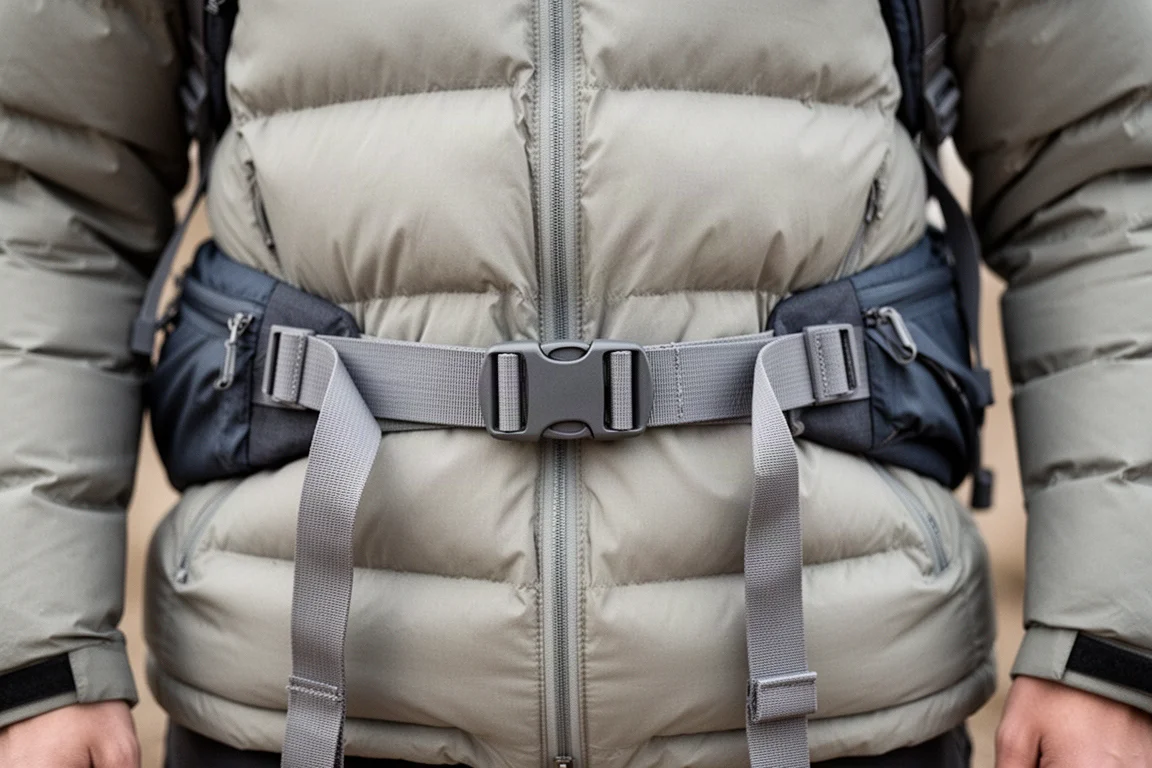
The hand pockets are the one design decision worth thinking about. They are large and well placed for everyday wear, but a rucksack hip belt runs straight across the middle of them, which makes them hard to reach while carrying a pack. If you hike with a rucksack most of the time, that is worth knowing before you buy.
The fit is also worth a moment. The active cut is not tight against the body, which is exactly what you want for layering, but it can feel generous if you prefer a closer, more sculpted fit. Trying a size before committing is the sensible approach.
Down insulation also has a well-known limitation: once it gets properly wet it compresses and loses much of its insulating power. The shell here resists light moisture and wind well, but this is still a down jacket at heart, and it is happiest in dry cold rather than sustained rain.
Finally, at 250 pounds this is a considered purchase rather than an impulse buy. That is reasonable for the materials and the weather resistance on offer, but it is a real budget decision for many people.
Packability and Layering
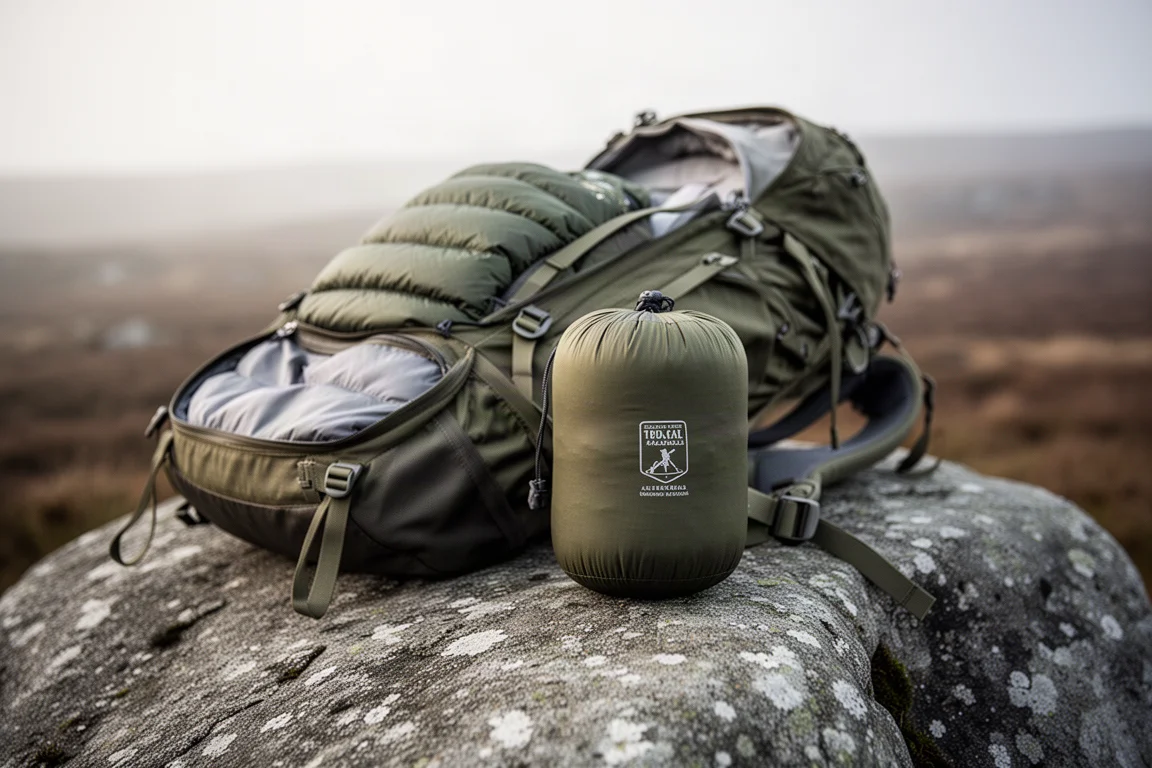
The jacket comes with a stuff sack, so it can be compressed down and pushed into a rucksack, then pulled out when the temperature drops. That is the obvious way to carry it, though it works just as well stuffed loose into the empty space around other kit, where it helps fill out a pack.
As a layering piece it is easy to live with. There is enough room underneath for a mid-layer, the elasticated cuffs sit comfortably over gloves, and the hem drawcords let you seal in warmth at the waist. It also covers the lower back and seat reasonably well, which makes a difference when you are standing around in cold air.
Buying Advice
If you want one jacket that can handle cold mornings, breezy ridgelines, and light winter weather without weighing down your pack, the Infinity Microlight is a strong candidate. The GORE-TEX INFINIUM shell and recycled 700 fill power down are a genuinely useful combination, and the hood, pockets, and hardware are all designed for people who actually spend time outside.
Buy it if you value a light, wind-resistant layer with a responsible insulation story and you are happy to layer underneath it. Think twice if you rely on hip-belt-accessible pockets while carrying a pack, if you want a very close-fitting cut, or if you need insulation that keeps working in sustained wet weather.
If the 250 pound price is out of reach, buying second hand is a sensible route. Outdoor gear holds up well, and it keeps good kit in use rather than sitting unused in a cupboard.
Conclusion
The RAB Infinity Microlight Down Jacket earns its place as a year-round layer. It is light at just over 450 grams for a medium, warm for its weight thanks to recycled 700 fill power down, and noticeably more weather-resistant than a standard down jacket because of its windproof shell.
Its compromises are honest ones: large pockets that a hip belt gets in the way of, a fit that leaves room for layering rather than hugging the body, and a price that asks you to commit. For the right buyer, that is a fair trade for a jacket that is comfortable, well made, and easy to carry every day of the cold season.
Product link
View more details for RAB Infinity Microlight Down Jacket
This product is mentioned in the review. Check the specifications, options, and compatibility before buying.
View more details for RAB Infinity Microlight Down JacketFurther reading
Related Reviews
Insulated Jackets
Aerogel vs Down Insulation: Two Aerogel Jackets Compared
Aerogel is the lightest solid on record, but two aerogel jackets measured against a comparable down jacket tell a more complicated story about warmth.
Insulated Jackets
Arc'teryx Atom LT vs Decathlon Trek 50: Does the Premium Synthetic Jacket Earn Its Price?
A side-by-side look at two synthetic insulated jackets at very different prices, covering fit, weight, insulation, features, and warranty.
Insulated Jackets
Big Agnes Shovelhead Jacket Review: Does Treated Down Stay Warm When Wet?
A close look at the Big Agnes Shovelhead jacket and its bluesign approved, PFAS-free DownTek insulation, including what happened when it was soaked twice in near-freezing conditions.