Sleeping Bags
Rab Alpine 600 Review: A Three-Season Down Sleeping Bag for Shoulder Seasons
A close look at the Rab Alpine 600, a 650 fill power duck down sleeping bag rated for three-season use, including its warmth, design details, and the trade-offs worth knowing before you buy.
Introduction
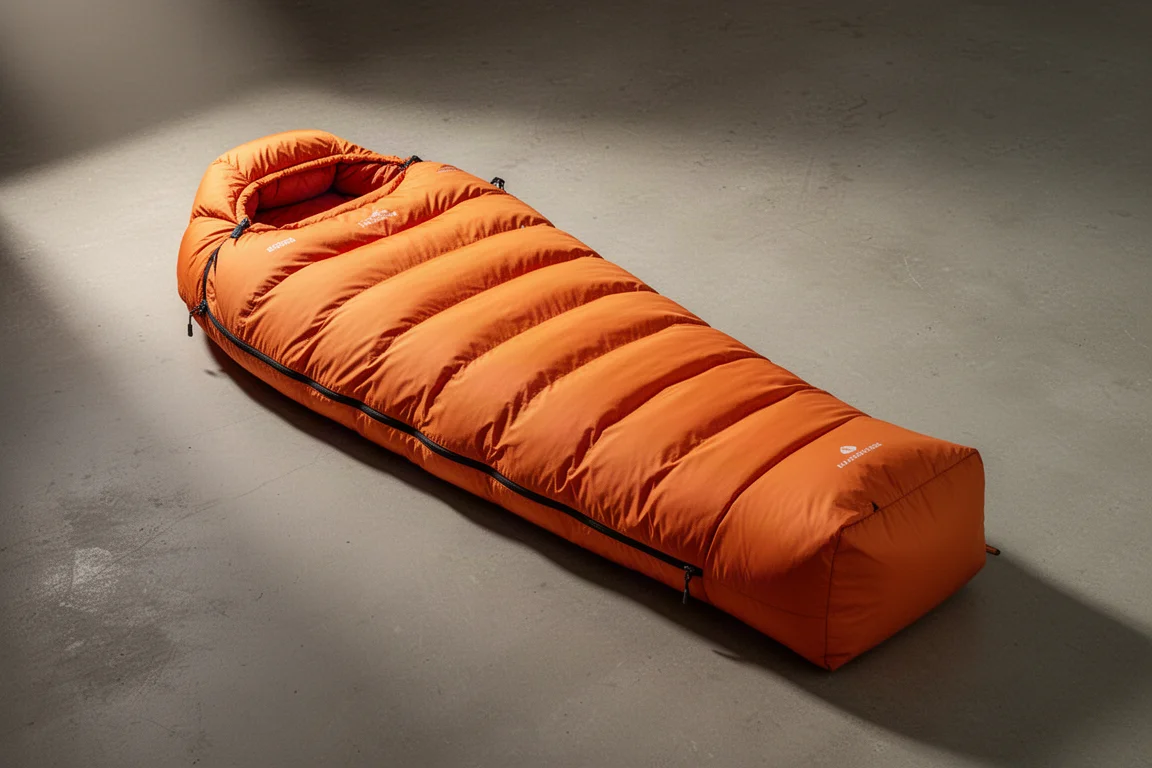
The Rab Alpine 600 is a three-season mountaineering sleeping bag built around 650 fill power duck down. It sits in the part of the market where most people actually camp: spring, summer and autumn, with enough margin that some sleepers will stretch it into winter depending on where they are and how warm they sleep.
At 1,050 grams it is not the lightest bag available, and at £260 it is not the cheapest either. What it offers instead is a carefully considered construction, a traceable down supply chain, and a design that has held up across roughly 50 nights of real use in mixed conditions. Here is what the bag does well, where it falls short, and who it suits.
Who This Product Is For
The Alpine 600 is aimed at three-season use, which means the shoulder seasons in particular. That makes it a sensible choice for people who camp across a range of conditions rather than for a single narrow window of weather. If you are heading out in spring and autumn as often as midsummer, a bag in this category is likely to earn its place.
Rab offers the bag in short, regular and long lengths, and you can choose which side the zip sits on. That combination matters more than it sounds. Length affects how efficiently the bag traps heat around your feet, and zip side affects how easily you get in and out of a tent you share with someone else.
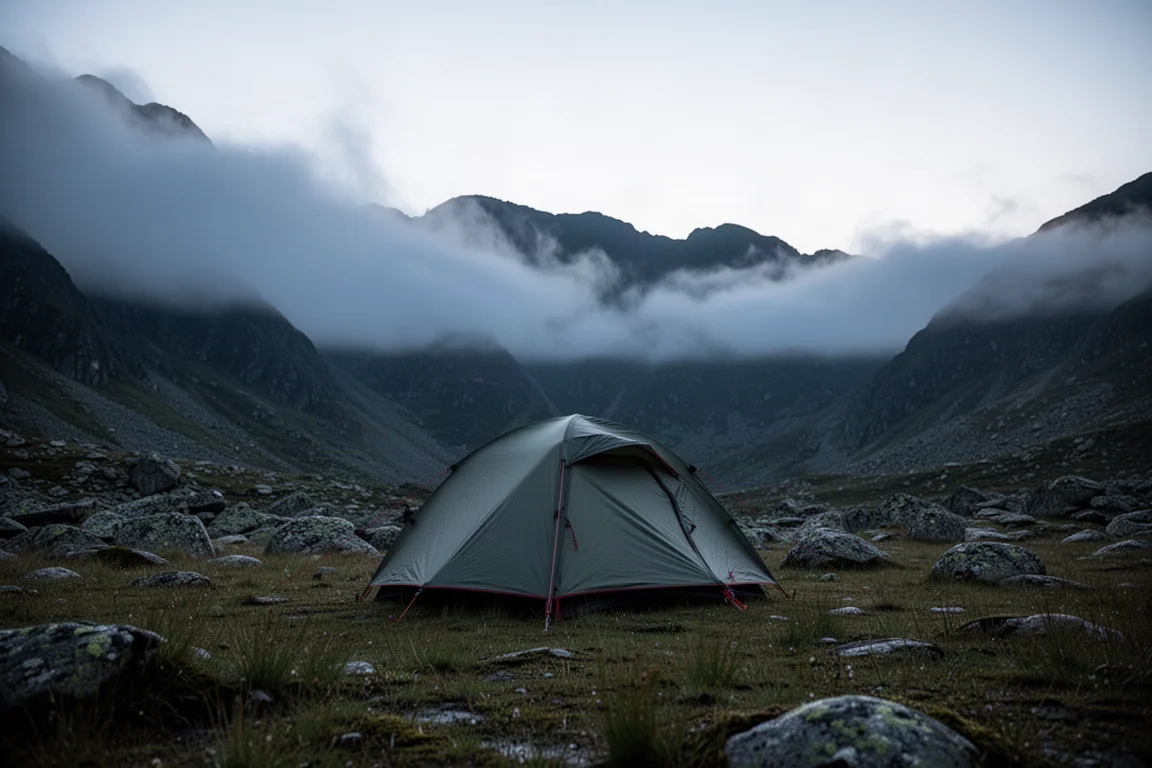
It is less obviously suited to anyone who only camps in high summer and wants the smallest possible pack size, or to anyone heading into genuinely extreme winter conditions. For those use cases, a lighter summer bag or a heavier expedition bag will make more sense.
Warmth and Insulation Performance
Rab lists a comfort rating of -5 and an extreme rating of -9 for the Alpine 600. Temperature ratings are always a rough guide, because two people in the same bag on the same night can sleep completely differently. What matters more is whether the bag sits inside the season you are actually camping in.
The insulation is 650 fill power duck down, and it carries RDS certification, meaning the down can be traced back to the farm it came from. The bag uses baffles to hold the down in place rather than letting it migrate down towards the foot of the bag, so the loft stays distributed around your body where it does the most work. There is also an angled toe box, which keeps insulation wrapped around your feet, and a three-dimensional hood design that does the same around your head, where a lot of heat is lost.
At 1,050 grams the bag is a reasonable all-round weight rather than an ultralight one. For most campers that is a fair trade, since the weight buys a broader usable temperature range than a stripped-back summer bag would.
Design Details That Make a Difference
The Alpine 600 uses a classic mummy shape with a hood that closes over your head. The hood has plenty of room to move inside it, and many people will find there is enough space to keep a camp pillow tucked in with them. A shoulder baffle can be cinched down, and a separate drawcord around the face opening lets you seal the bag tightly if that suits how you sleep.
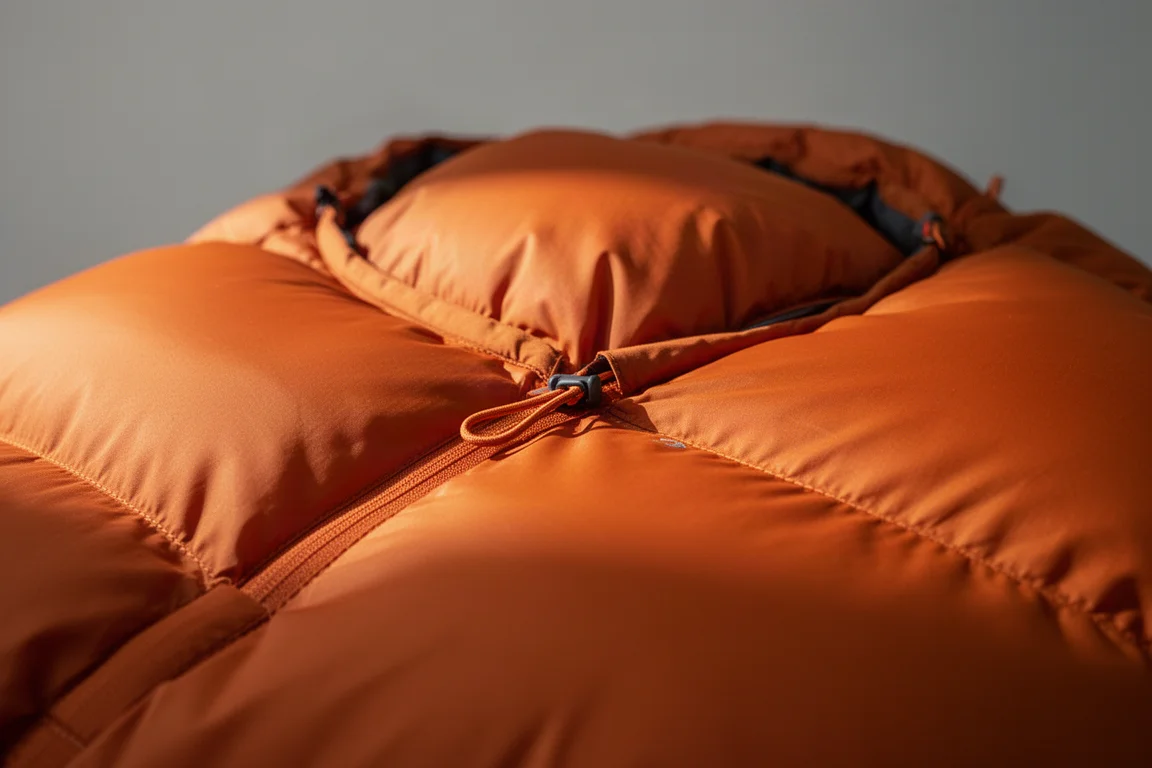
The main zip is a YKK anti-snag design, and there is a second zip at the foot of the bag so you can vent your feet without opening the whole thing. Behind the main zip sits a down-filled baffle, a strip of insulated fabric that presses against the zip to reduce heat loss along the closure. In practice that baffle is effective, and the bag feels genuinely snug once it is closed up.
There is one zipped pocket inside, sized generously enough to take a phone.
Fabric, Weather Resistance, and Care
The outer fabric is a 20-denier Pertex Quantum weave with a light durable water repellent finish and some wind resistance. Denier describes how dense the weave is, and 20 denier is deliberately open and light. That openness is what allows the down to loft properly and keeps the overall weight down, but it also means the occasional feather can work its way out. The lining is recycled nylon in the same 20-denier weave.
Water repellency is worth understanding clearly before you buy. In a tent with heavy condensation, small amounts of moisture can seep through the shell, and wet down loses much of its insulating value. If that happens repeatedly, Rab offers a reproofing service that any owner can use. Airing the bag out fully after every trip is the simplest habit to protect the loft.
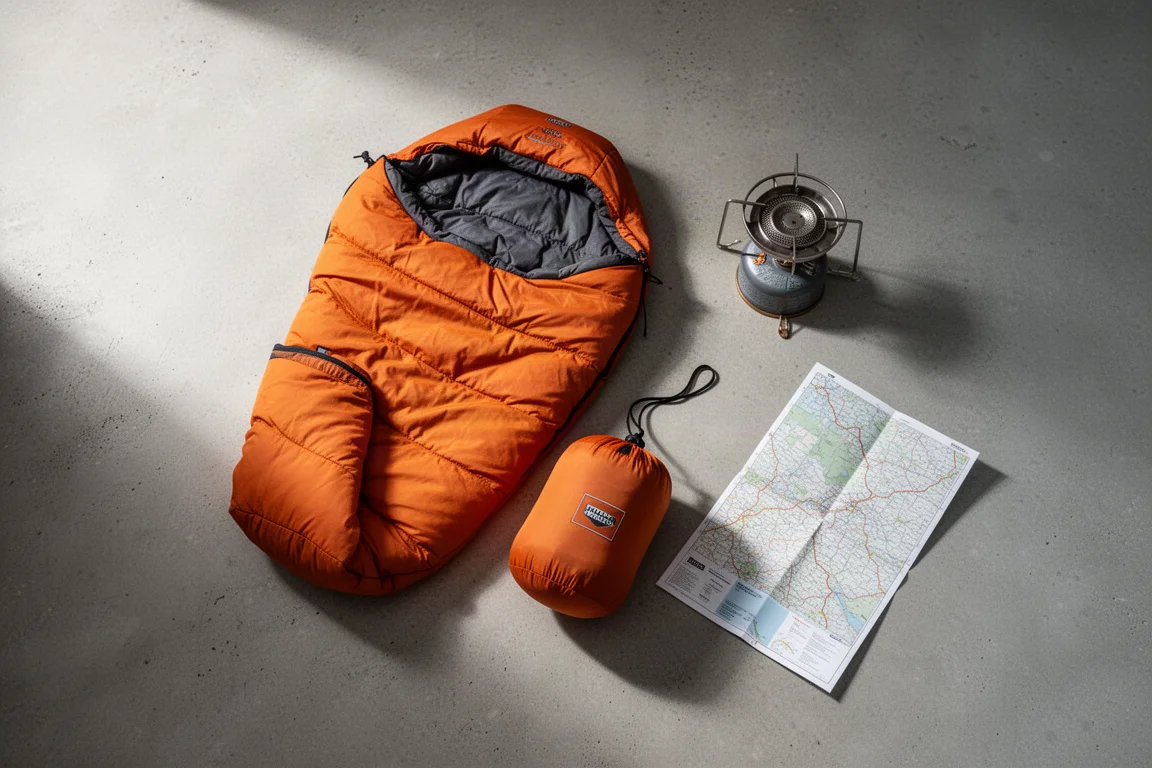
The bag ships with a stuff sack for travel and a larger storage bag. Storing down loosely in the bigger bag between trips helps it keep its loft, and the stuff sack should really only be used when you are actually carrying the bag.
Things to Consider Before Buying
The anti-snag zip is designed not to jam, and it largely succeeds at that, but it has occasionally worked itself gradually open during the night. It is a minor annoyance rather than a fault, and far less frustrating than a zip that sticks, but it is worth knowing if you sleep restlessly.
The interior pocket is a good size, though its position high on the chest means a phone sits against your neck. It is also placed away from the core body heat you might want for keeping electronics warm overnight, so some people will simply not use it much.
The bag does not pack down especially small, and at 1,050 grams it is not a weight-first choice. Anyone counting grams for long-distance hiking should weigh that against the broader seasonal range the bag covers.
Finally, £260 is a meaningful outlay. Down bags reward that spend over many seasons, but only if you are willing to look after them.
Care, Repairs, and Long-Term Value
Part of the case for a bag at this price is what happens after you buy it. Rab runs repair and cleaning services, which means a damaged or tired bag can be restored rather than replaced. Combined with the RDS-certified down and the recycled nylon lining, that adds up to a product designed to stay in use for a long time.
The practical routine is simple. Air the bag after every trip, store it loose in the supplied storage bag, and keep the stuff sack for travel only. Handled that way, a down bag in this class can serve for many seasons, which changes the arithmetic on the purchase price considerably.
Buying Advice
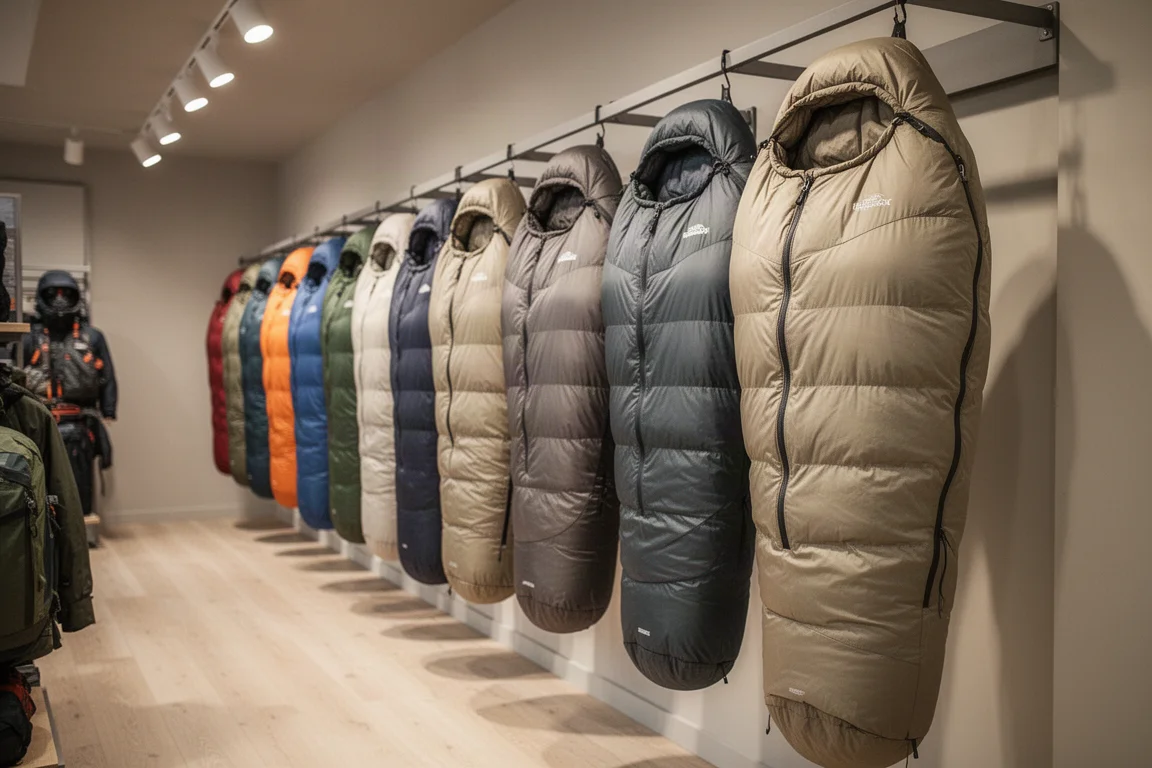
Sleeping bags are one of the few pieces of kit where trying before you buy is genuinely easy. Most outdoor stores hang them on rails, and staff will usually let you pull one down and get inside it. Do that. Check the length that suits your height, confirm which zip side you want, and see how the hood and shoulder baffle feel when cinched.
If you are unsure about your activities, the time of year you will be out, or you simply camp across the whole season, a three-season bag like the Alpine 600 is a sensible place to land. It covers a lot of ground, it is built to be repaired rather than replaced, and it will handle more conditions than a summer-only bag without the weight and cost of a full winter option.
Conclusion
The Rab Alpine 600 is a well-considered three-season down bag with a traceable supply chain, effective baffling, and a construction that has proven durable over dozens of nights. Its compromises are honest ones: modest weight, moderate pack size, a zip that occasionally drifts open, and a pocket in an awkward spot. For anyone who camps across spring, summer and autumn and wants one bag that covers all three, it makes a strong case for itself.
Product link
View more details for Rab Alpine 600
This product is mentioned in the review. Check the specifications, options, and compatibility before buying.
View more details for Rab Alpine 600Further reading
Related Reviews
Sleeping Bags
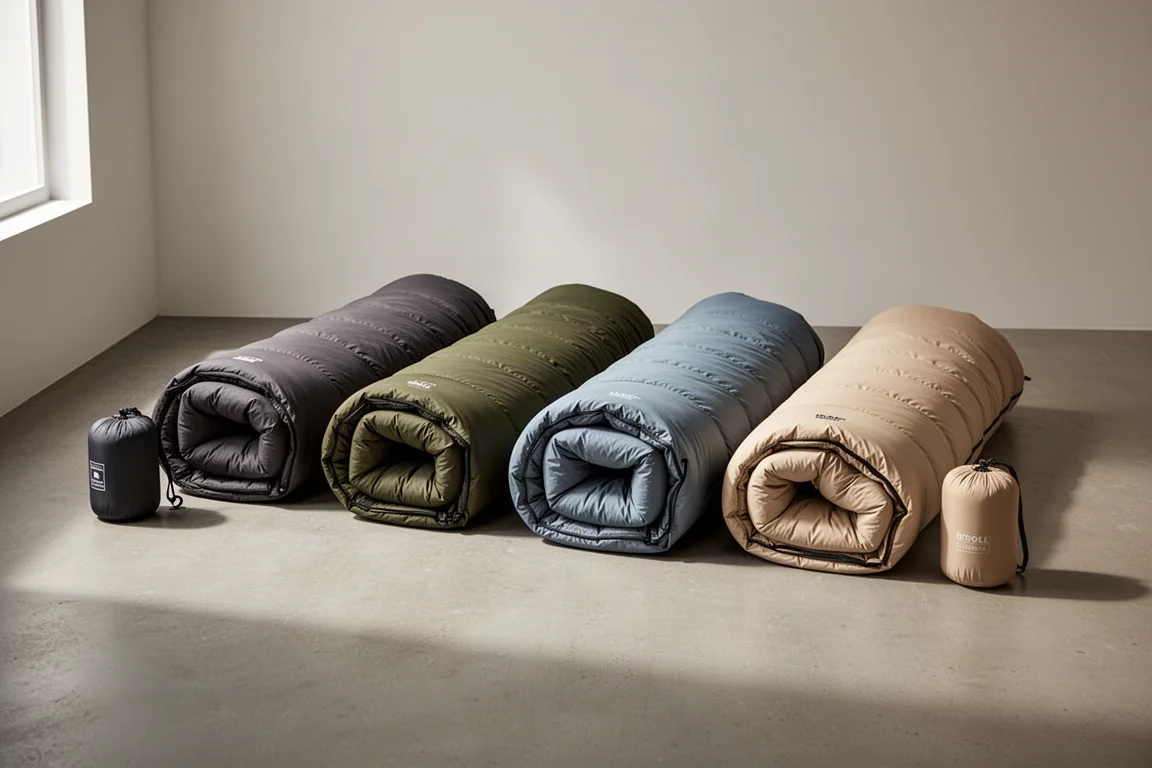
Best Down Sleeping Bags Under $300: Four Backpacking Options Worth a Look
Four down sleeping bags that stay under $300, compared on fill power, baffle design, hood comfort, and packed size.
Sleeping Bags
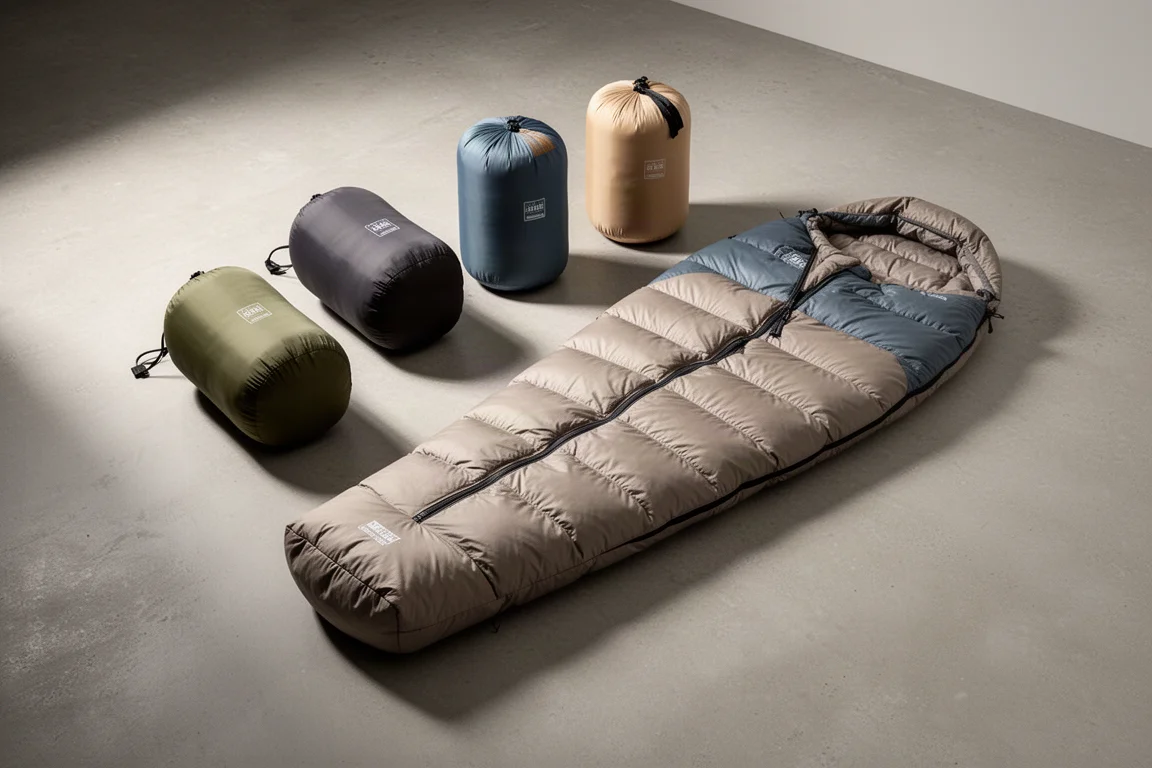
Best Sleeping Bags and Sleep Systems: Five Premium Down Picks Compared
Five premium down sleeping bags and sleep systems compared on warmth, weight, construction, and value.
Sleeping Bags
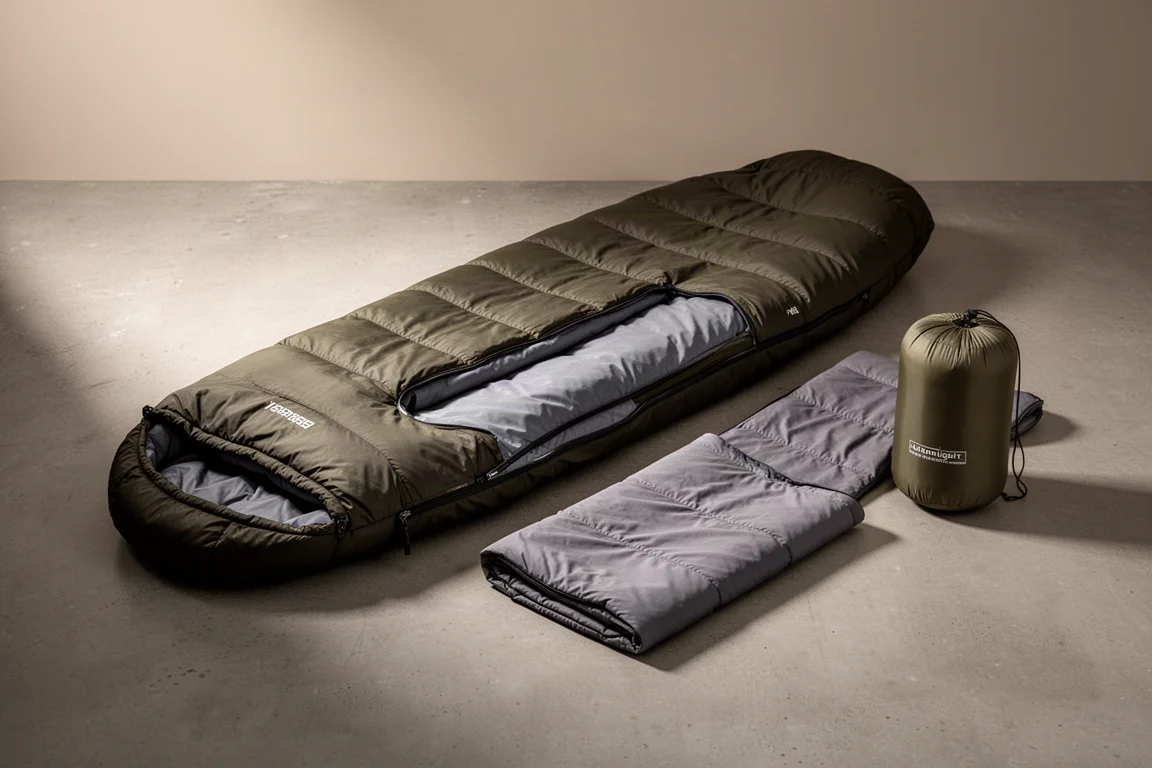
Big Agnes Lost Ranger UL 3-in-1 Sleeping Bag System Review: One Bag, Three Setups
A practical look at the Big Agnes Lost Ranger UL 3-in-1 Sleeping Bag System, covering how the three configurations work, where it shines, and the details worth weighing before buying.