Mountain Bikes
Quirk Cycles Super Chub Review: A Steel XC Mountain Bike at 10.3 kg
A close look at the Quirk Cycles Super Chub, a steel cross-country mountain bike built to 10.3 kg without pedals, with 3D printed stainless steel junctions and fully integrated cable routing.
Introduction
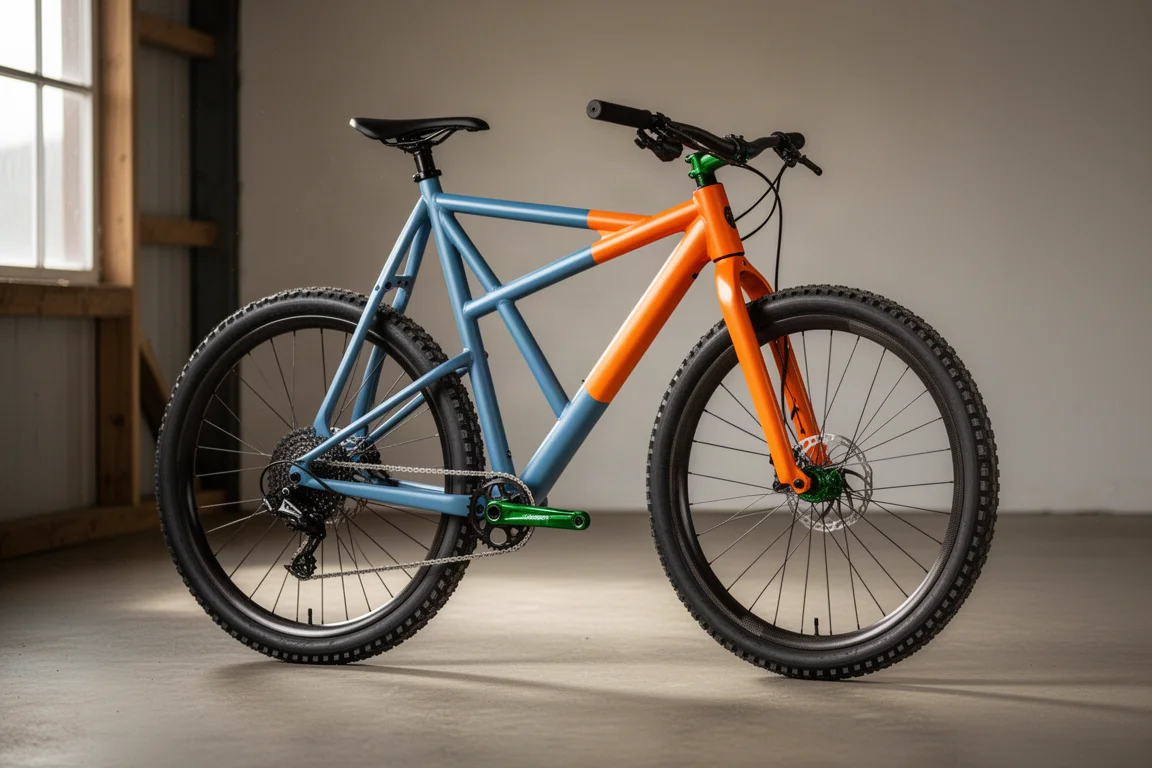
Steel and low weight are rarely mentioned in the same sentence, which is exactly what makes the Quirk Cycles Super Chub worth a closer look. This is a steel cross-country mountain bike, fully built, that comes in at 10.3 kg without pedals. That figure sits in the same territory as carbon XC bikes, and it arrives without a carbon frame.
Quirk Cycles is a London frame building outfit founded and run by Rob Quirk, and the Super Chub is one of its cross-country platforms. The build shown here uses mechanical shifting, an aluminium crank and a GX derailleur rather than top-tier components, so the weight is achieved without a premium groupset doing the heavy lifting.

That makes the Super Chub a useful case study in what a modern steel mountain bike can be: a frame that keeps the material’s ride character while trimming the weight penalty that usually comes with it.
Who This Product Is For
The Super Chub suits riders who want the feel of a steel frame but are not willing to accept a meaningful weight disadvantage against carbon. It also makes sense for riders who spend real time in mud and wet conditions, where cables routed inside the frame are easier to live with than lines running under a tube.
Because it comes from a small frame building workshop, it is a custom purchase rather than an off-the-shelf bike. Buyers who enjoy being involved in specification, colour and finish decisions will get more from it than someone who wants a fixed catalogue build. It is also a natural fit for riders who value a frame that looks unlike anything else on the trail.
Main Strengths
The headline number is the weight, but the more interesting story is how the frame gets there. Two structural elements do most of the work, and both of them come from 3D printing.
3D Printed Stainless Steel Junctions
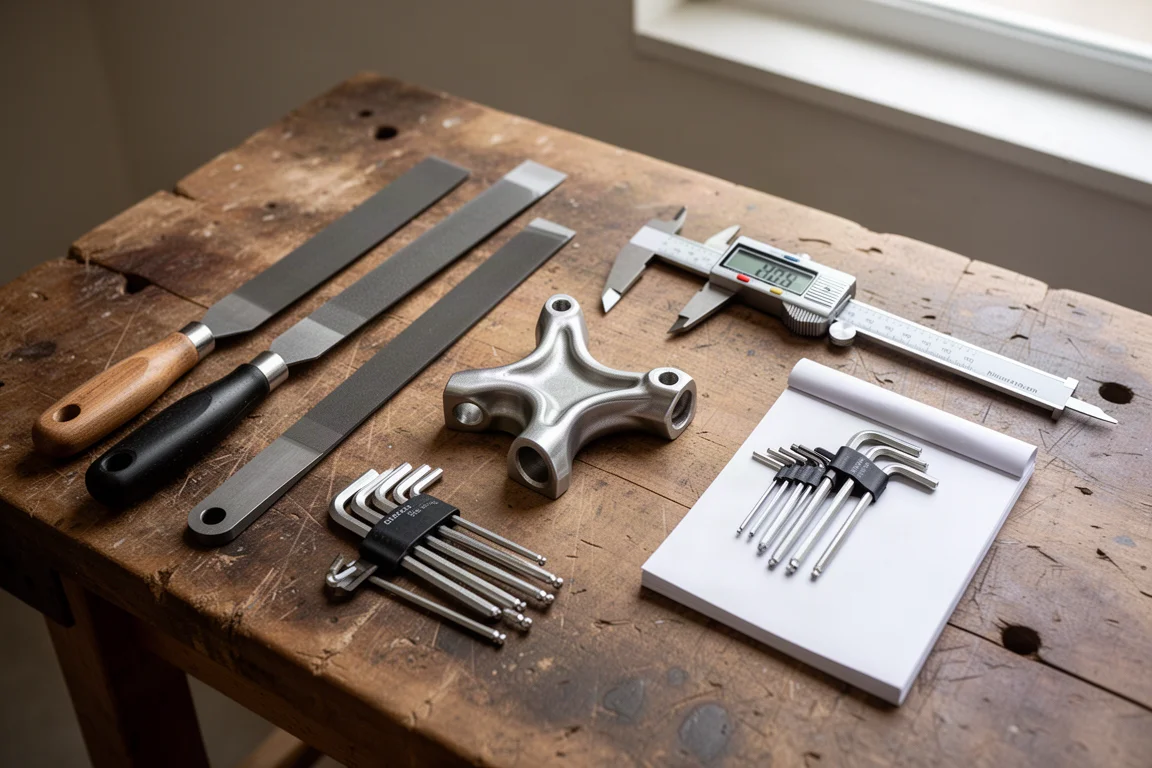
Both the dropouts and the seat cluster on the Super Chub are 3D printed in stainless steel, produced by a company in New Zealand. The process allows shapes that would be difficult or impractical to achieve through machining or casting, and it avoids the minimum order quantities that casting normally demands.
The dropout integrates the brake mount directly into the printed part. Because the mount does not have to be welded on separately, fewer heat cycles go into the assembly, which matters for the long-term life of the surrounding steel. The frame’s skin is also continuous, so the chainstay profile flows straight into the shape of the dropout and stress is distributed across the structure rather than concentrated at a joint.
Finite element analysis is used to refine these components. Simulating the stresses a part will experience allows material to be removed where it is not needed, which produces a lighter part without sacrificing strength. Compared with the Quirk Cycles Overland 29er, whose frameset weighed nearly two kilograms, this frame came out around 200 grams lighter. The seat cluster also integrates the seat clamp into the printed piece.
Integrated Cable Routing
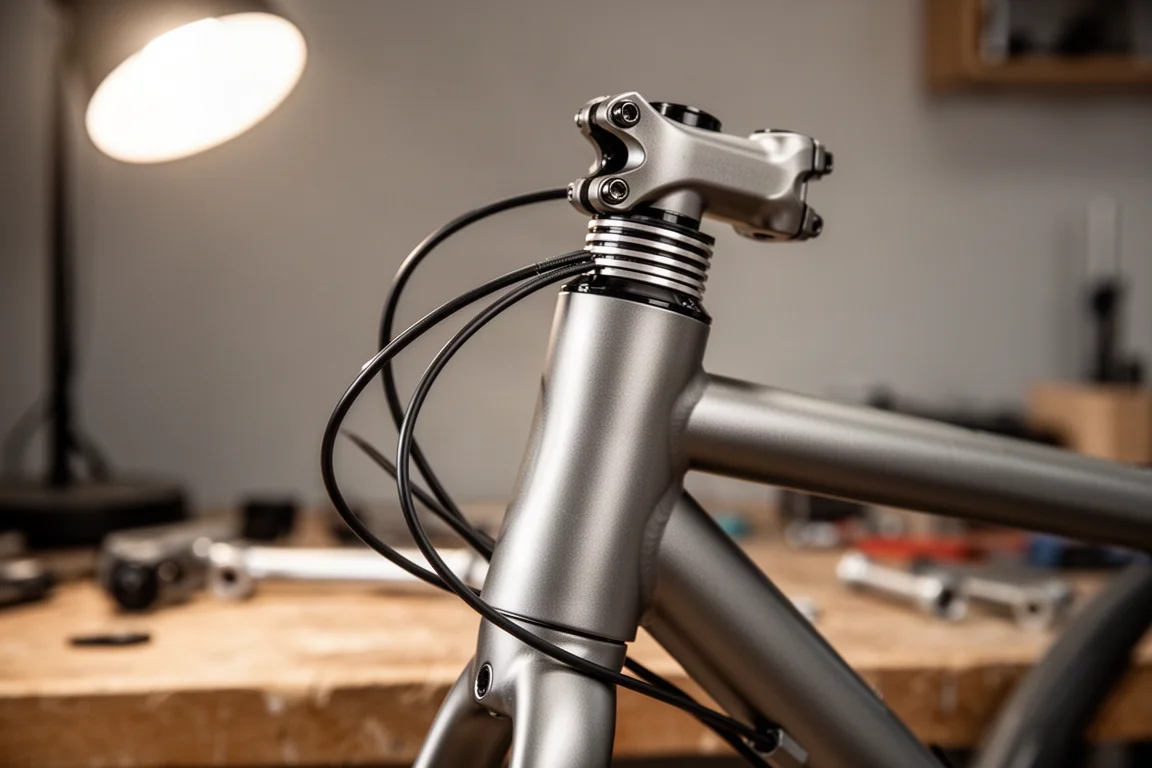
All of the cables run inside the frame and enter through the front of the bike. Making that work on a steel frame required a purpose-built head tube: the Super Chub uses an oversized 56 mm head tube, where 46 mm was previously the largest common size. Routing cables through the head tube calls for a 1.5 inch bearing at the top.
Internal routing on a mountain bike is a divisive subject, but there are practical arguments behind it. Externally routed cables running under a tube collect mud and are awkward to clean, and they sit exposed to rock strikes in a way that internal lines do not. The clean front end is part of the appeal as well.
Paint and Finish
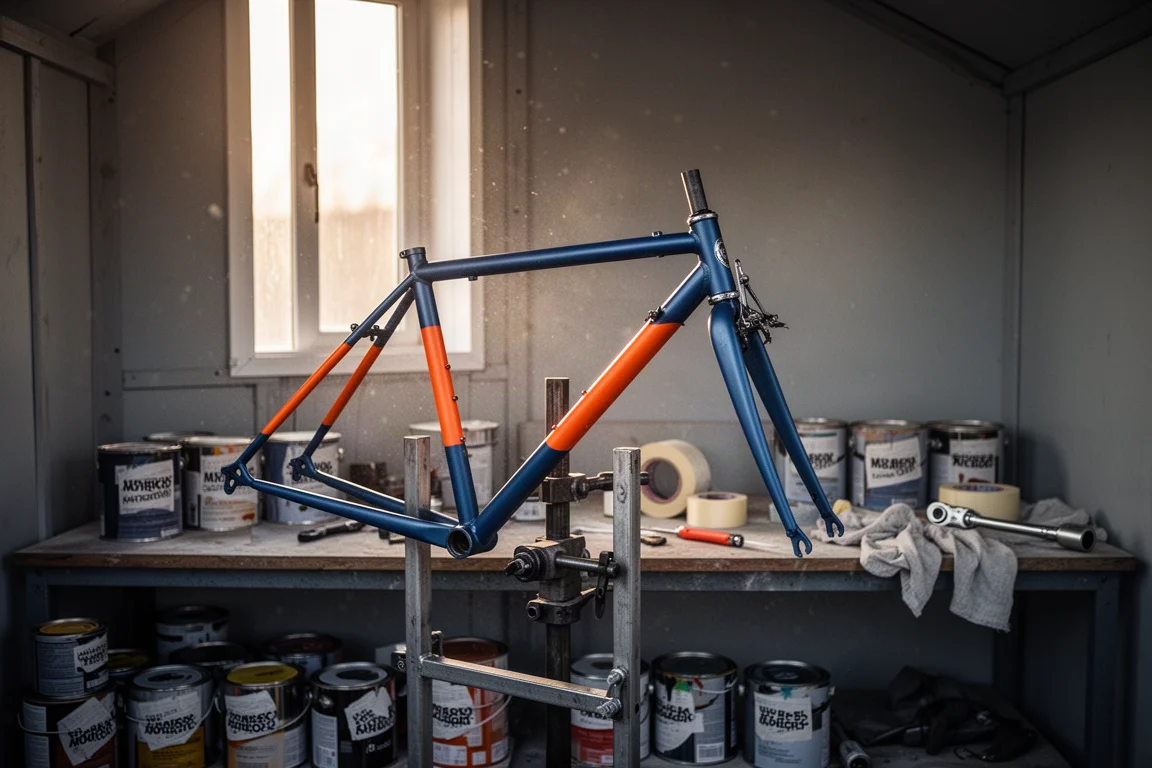
The standard finish, called Kinder, is a two-tone scheme with two colours split down the middle, and it is included in the cost of a frame. The colours shown here take inspiration from a 1980s Renault palette, and the scheme can be reproduced in a range of colours.
On this build the painter, Jack Kingston in Hull, extended the colours onto as many of the components as possible. A carbon rim had its factory black paint removed so the carbon layup is visible, then received a UV clear coat to protect the material from delamination.
The aluminium parts were anodised green in-house, a process that took one to two weeks of late nights to get right. Small carbon reservoir caps from a German supplier allow the rear derailleur to be rebuilt with carbon parts, a change that saved two grams. Details like these are not performance upgrades in any meaningful sense, but they are part of what separates a hand-built frame from a production one.
Things To Consider Before Buying
The 10.3 kg figure belongs to this specific build. Mechanical shifting, an aluminium crank and a GX derailleur are all working parts here, and a super-premium groupset would bring the number down further. Buyers should read the weight alongside the build list rather than as an absolute property of the frame.
Internal routing remains a genuinely contested choice among mountain bikers, and some riders will simply prefer exposed cables they can inspect and replace easily. If that describes you, it is worth being clear about it before committing to a custom build.
Cost is the other consideration. 3D printing is described as a high-cost process, and it is central to how this frame is made. That is a trade-off buyers are effectively opting into, in exchange for the shapes and the weight that the process makes possible.
Finally, the finish is good enough that the builder himself has been reluctant to ride the bike hard. That is a real warning for anyone who intends to use a frame like this properly: plan on protection tape before the first ride, not after the first scratch.
Buying Advice
Treat the Super Chub as a custom purchase rather than a product you pick from a list. The most useful first step is a straightforward conversation about how you actually ride, because cross-country racing, long off-road days and general trail riding each push a specification in a different direction.
Decide on the paint early. The Kinder two-tone finish is included in the frame cost, which means colour choices are part of the standard package rather than an optional extra, and it is easier to settle them before the frame reaches the painter. If you want the carbon layup visible on your wheels, that is a decision worth raising at the same time.
It also pays to be honest about weight expectations. The frame is light for steel, but the complete figure depends on every part bolted to it. A buyer who specifies the build deliberately, rather than chasing the lightest possible number, tends to end up with a bike that suits them better over time.
Conclusion
The Quirk Cycles Super Chub makes a clear case for itself: a steel cross-country mountain bike built to 10.3 kg without pedals, using 3D printed stainless steel junctions, fully integrated cable routing and a two-tone finish that comes as standard. For riders who want steel character at a weight that keeps pace with carbon, it is a genuinely compelling proposition, provided they are comfortable with a custom process, a divisive approach to cables, and a finish that deserves protecting.
Product link
View more details for Quirk Cycles Super Chub
This product is mentioned in the review. Check the specifications, options, and compatibility before buying.
View more details for Quirk Cycles Super ChubFurther reading
Related Reviews
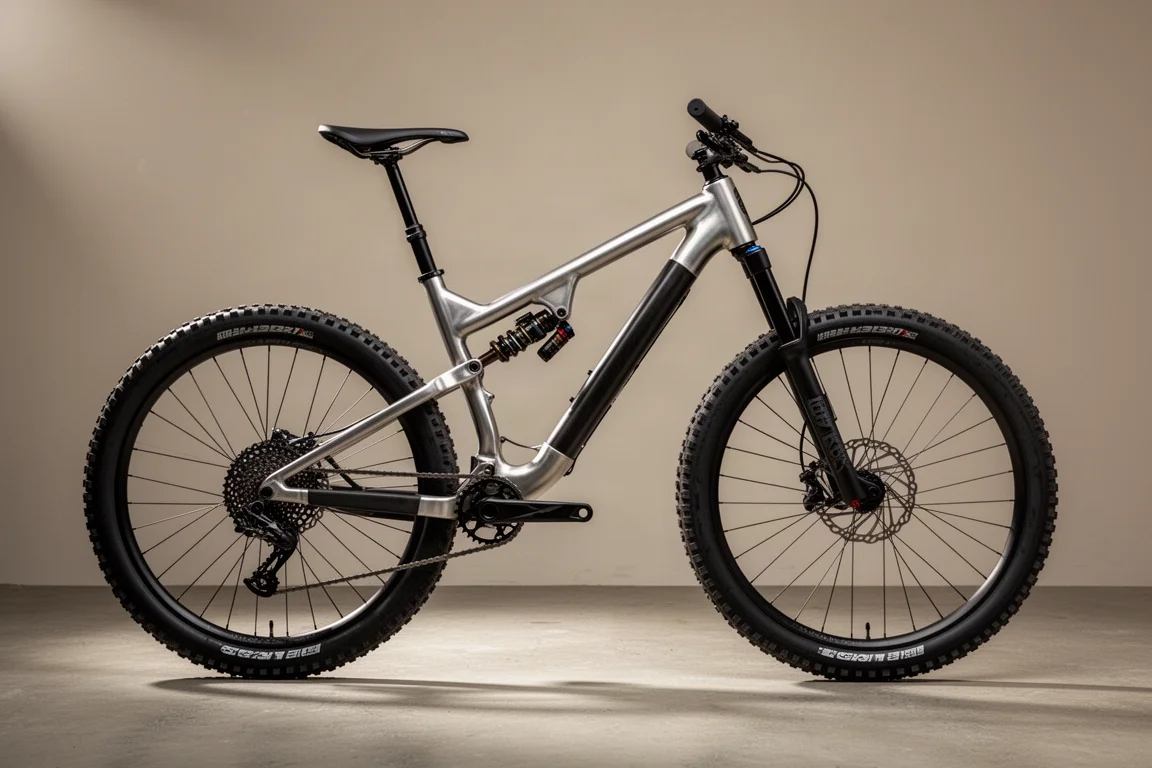
Mountain Bikes
Atherton AM.130 Review: 3D-Printed Titanium Lugs and a 130mm Trail Bike That Descends Like a Bigger Machine
The Atherton AM.130 pairs 3D-printed titanium lugs with carbon tubes and a DW6 suspension platform. Here is how it rides, what the build delivers, and who it suits.
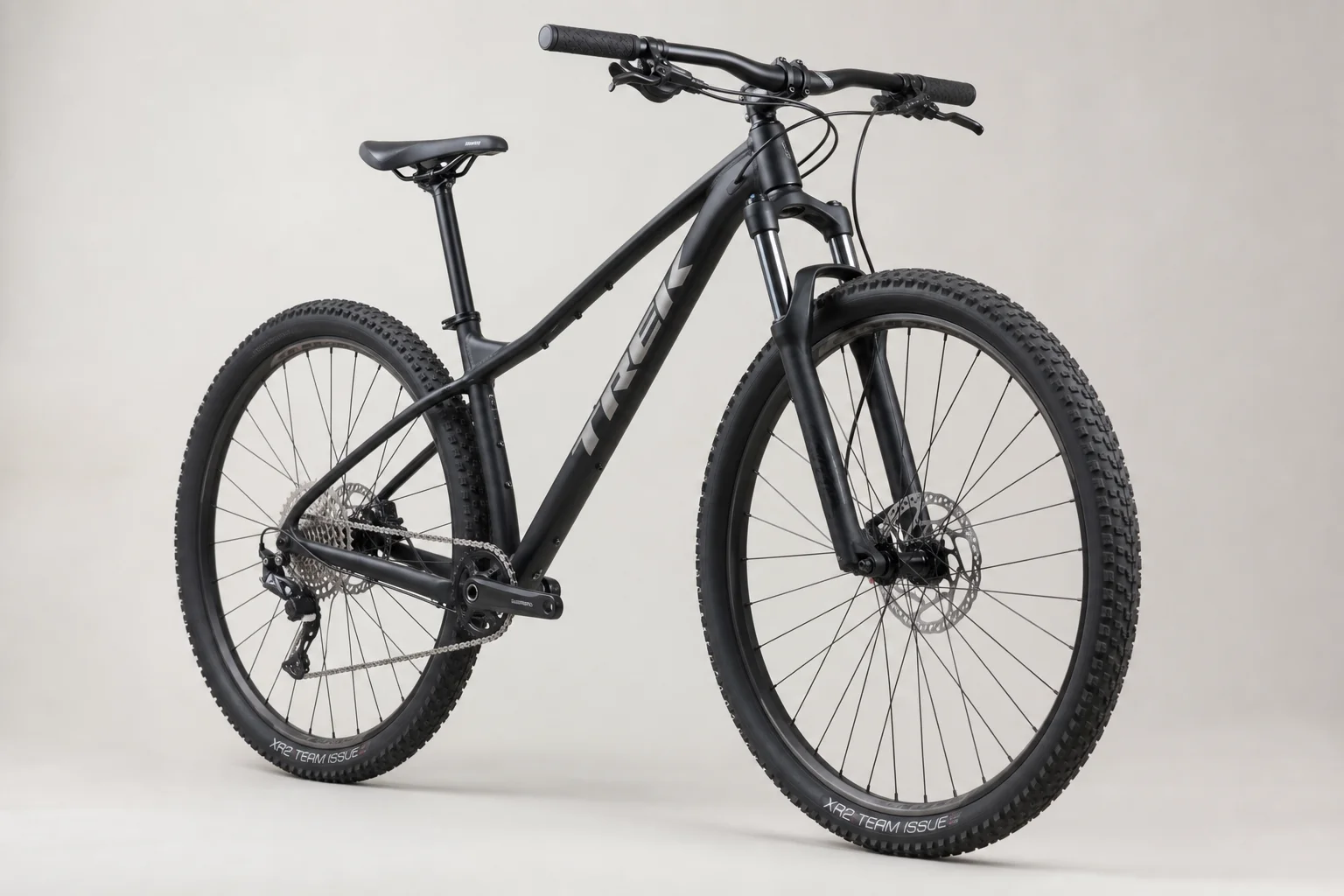
Mountain Bikes
Beginner Mountain Bike Buying Guide: What to Look For in a Trailworthy Hardtail
A practical framework for evaluating beginner mountain bikes, whether new or used, by examining key components that indicate real trail capability.
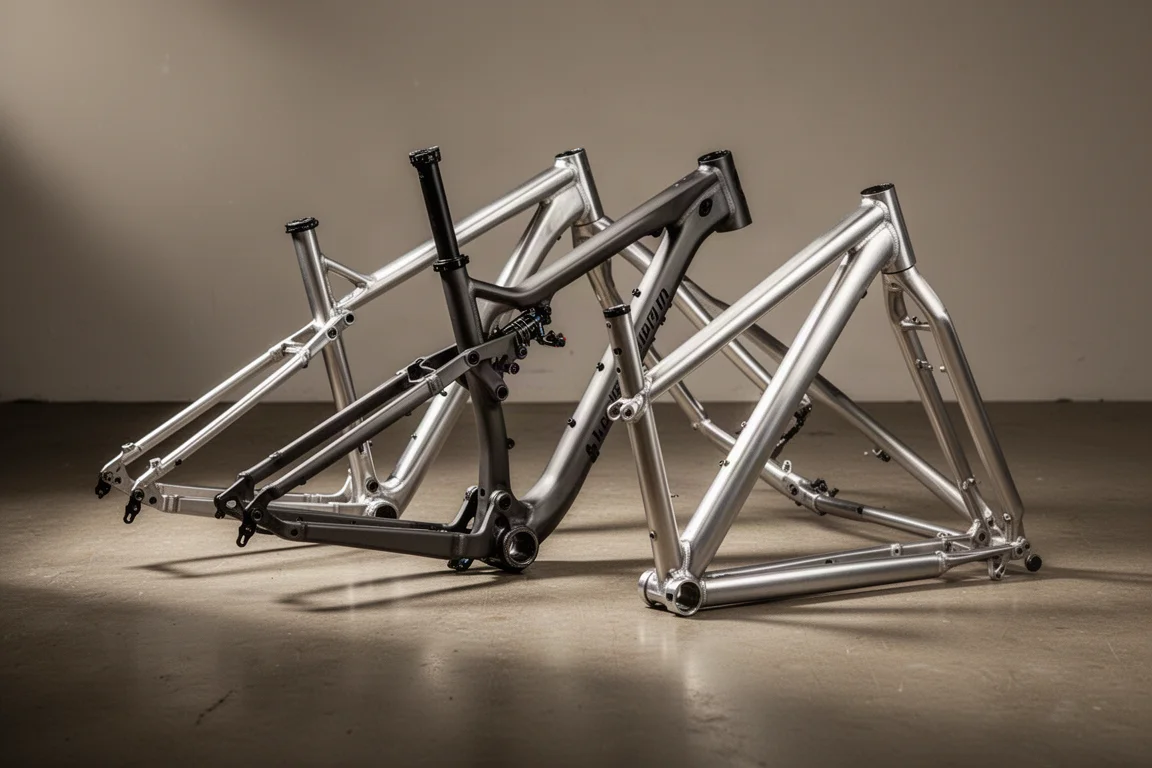
Mountain Bikes
Best Aluminum Mountain Bikes 2026: Five Alloy Bikes Worth Your Attention
Five aluminum mountain bikes that show how far alloy has come, from a 120mm trail bike and a versatile machined frame to a 180mm freeride machine.