Camping Sleep Systems
Quilt vs Sleeping Bag: Two Backpacking Sleep Systems Compared
A practical comparison of quilts and sleeping bags, with two standout options and the trade-offs worth knowing before you buy.
Introduction
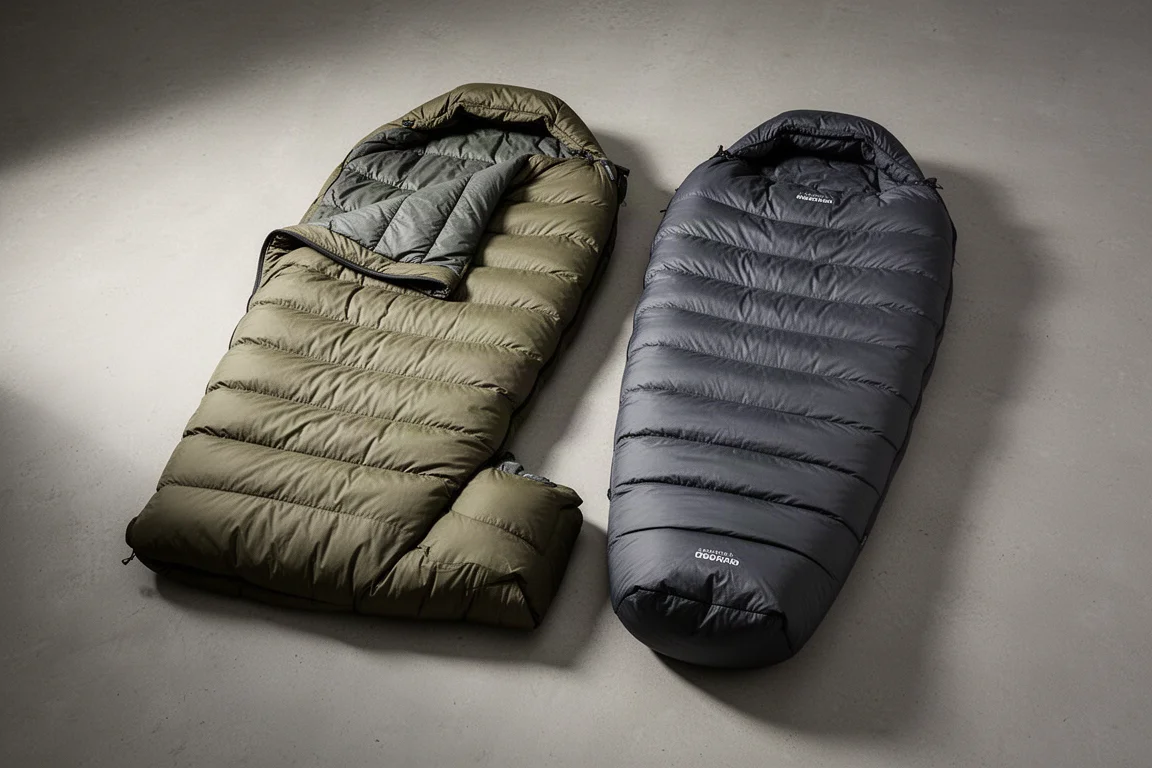
The quilt versus sleeping bag debate turns up in every corner of backpacking, and the answer is less absolute than it sounds. Both designs solve the same problem in different ways, and the better choice usually comes down to the temperatures you camp in, how much you move at night, and how much weight you are willing to carry.
Two useful reference points sit at either end of that spectrum. The Therm-a-Rest Chorus quilt is a minimalist option built for warm and shoulder-season nights. The Big Agnes Torchlight UL sleeping bag is a mummy-style bag that lets you change how much room you have without giving up insulation. This guide covers how the two designs actually differ, which common claims about each hold up, and when each one tends to make more sense.
Quilt vs Sleeping Bag: The Core Differences
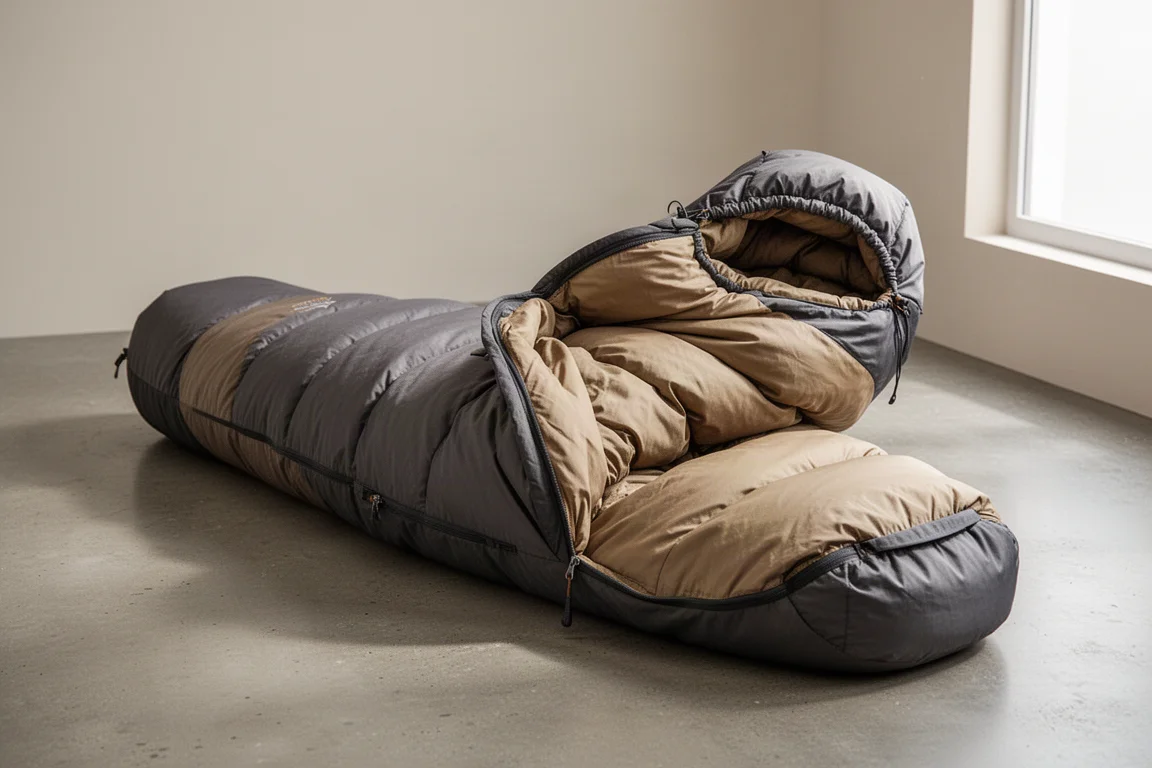
A sleeping bag is the familiar design: a mummy-shaped shell with insulation wrapping almost all the way around you, usually with a hood that can be cinched up close to your face when the temperature drops. Zipper length varies, from bags that open halfway to bags that open the full length, and interior room varies just as widely from one model to the next.
A quilt is best understood as a minimalist sleeping bag. It uses the least amount of material that still keeps you warm in the backcountry. Quilts generally do not have a hood, and many do not have a full zipper, though some close at the foot into a foot box. The trade-offs are practical: less material means less weight and a smaller packed size, and the open design makes it quick to get in and out of during the night. If you like a hood over your head while you sleep, a hooded jacket or a hat can fill that role.
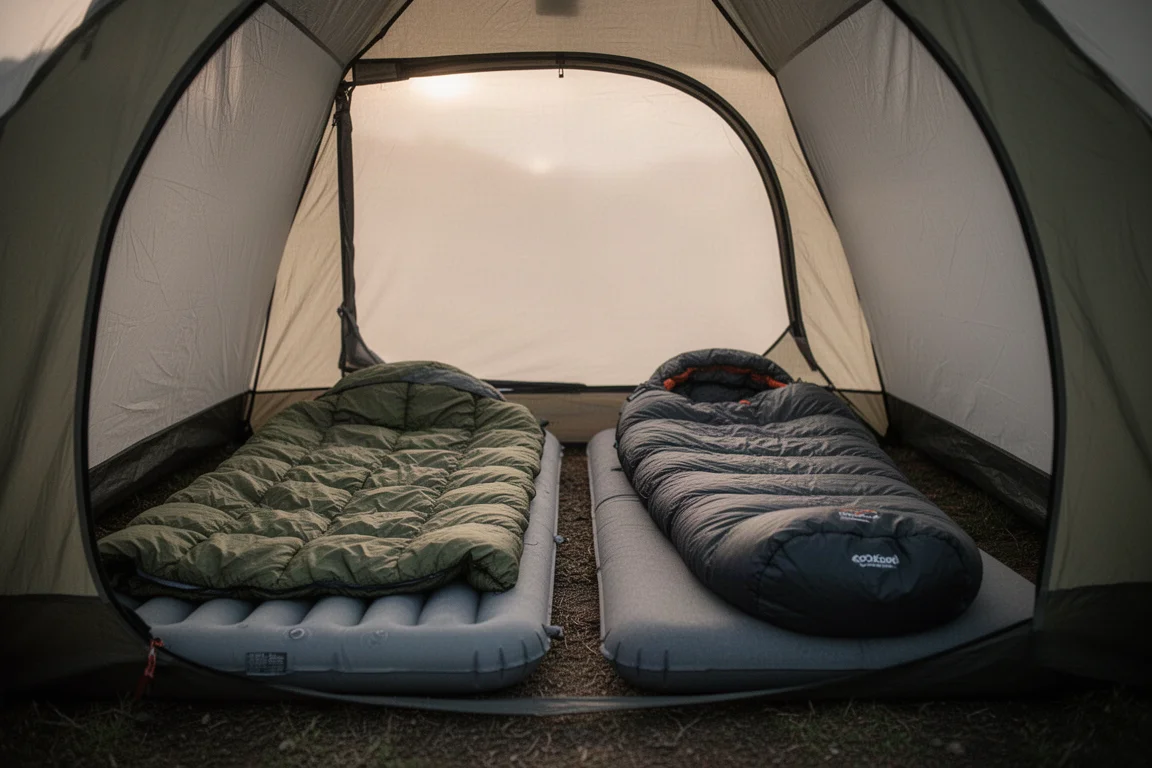
That difference in coverage is the whole story. A sleeping bag surrounds you, while a quilt lies over you and leaves the underside of the system to your sleeping pad.
Therm-a-Rest Chorus Quilt: Lightweight and Packable
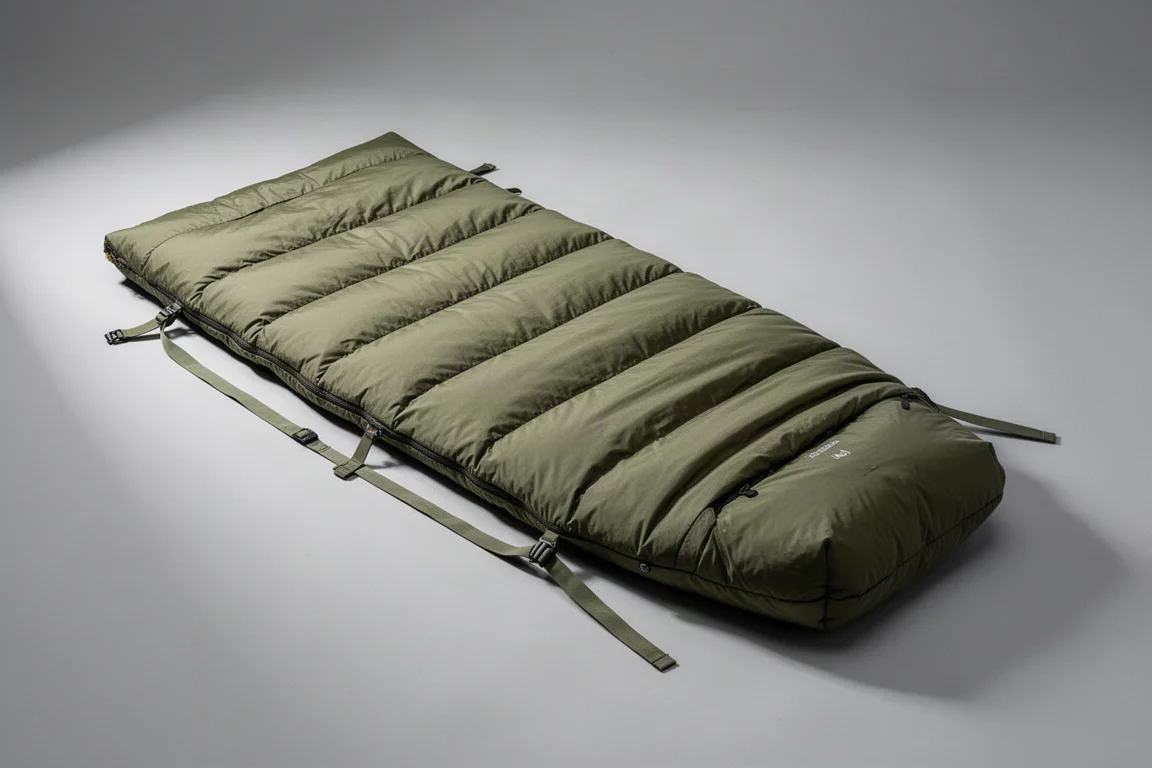
The Therm-a-Rest Chorus quilt shows how flexible a quilt can be. It can wrap around just your feet, or wrap around both your sleeping pad and your feet, which helps hold it in place through the night. It also has pad straps around the back. The result is a quilt that stays put better than a plain blanket-style design while keeping the low weight and small packed size that make quilts appealing in the first place.
Pad Straps, Drafts, and How Warmth Really Works
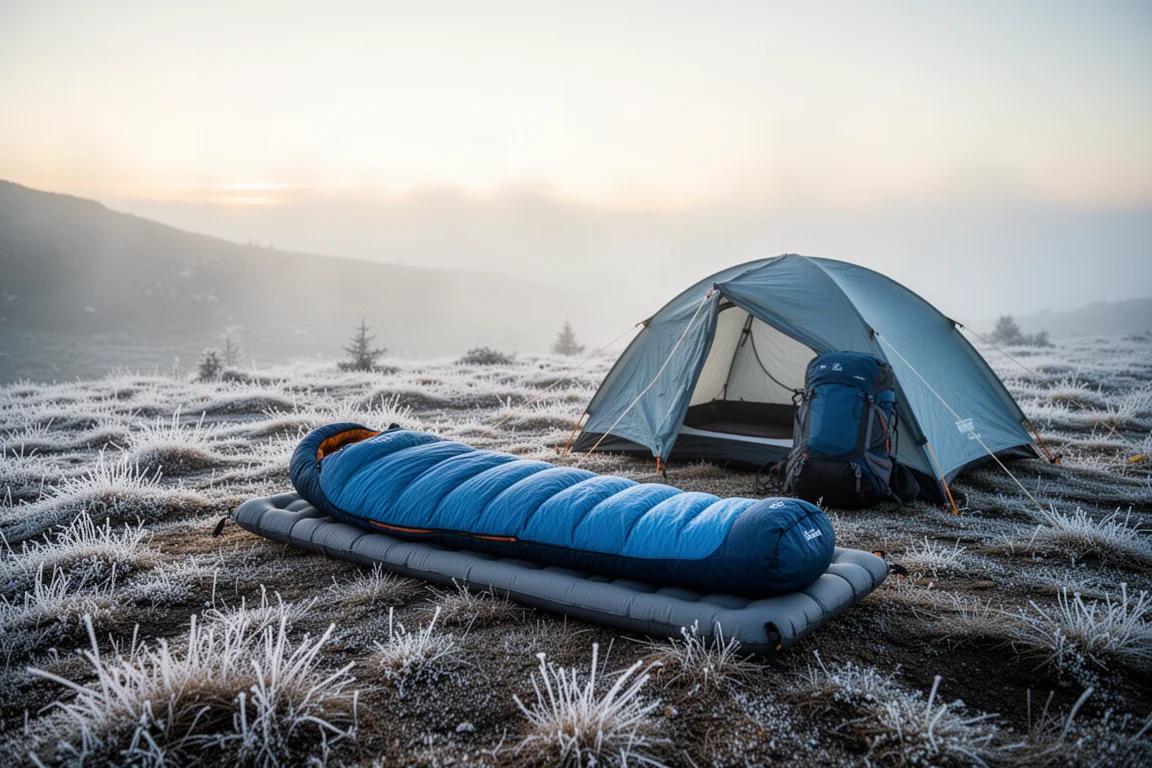
Pad straps attach to the quilt, wrap underneath the sleeping pad, and come back up to the other side, holding the quilt in position while you sleep. They genuinely help, and for a sleeper who stays fairly still they can all but remove drafts. If you roll around a lot, expect to find a cold spot once or twice a night even with the straps in place. That is a real limitation rather than a dealbreaker.
Warmth underneath works differently for each design. In a sleeping bag there is still material beneath you, a small amount compared with the top of the bag, but enough to add limited insulation on top of whatever the pad provides. A quilt leaves that job entirely to the sleeping pad. Either way, the pad has to be rated for the conditions you are camping in. An under-rated pad will undermine a quilt and a sleeping bag alike.
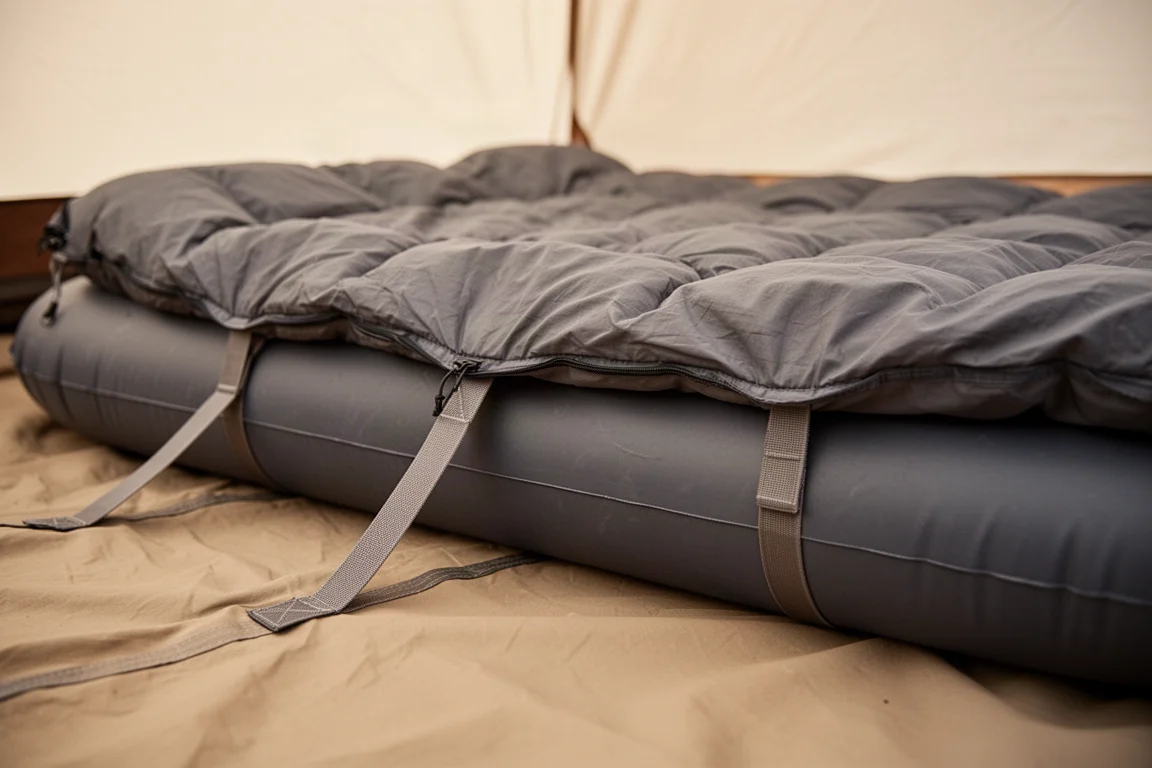
Matching the pad rating to the sleep system rating is the simplest way to avoid a cold night, and it matters more than the choice between a quilt and a bag.
Big Agnes Torchlight UL: Adjustable Room Where You Need It
The Big Agnes Torchlight UL sleeping bag takes the opposite approach and makes the bag itself adaptable. It can expand in whichever area you want more space, whether that is a larger foot box or more room around your arms, and it does so without losing insulation. If you prefer a snug fit instead, it can be cinched back down. That flexibility matters for anyone who has found mummy bags either too tight or too roomy to sleep well in.
Retiring the Myths Around Insulation
Three claims are worth setting aside.
The first is that quilts cannot be as warm as sleeping bags. Used properly, a quilt is very warm, and plenty of backpackers sleep in them comfortably well below freezing.
The second is that sleeping bags are inherently claustrophobic. Many bags are cut with generous wiggle room and enough interior space to roll around in without leaving pockets of dead air that cool you down, and some bags even include pad straps to help hold them in place.
The third is that the insulation underneath you in a sleeping bag does nothing. It is a small amount of material, but it is material, and it does contribute some warmth to the system.
None of these points changes the basic trade-off. A quilt saves weight by covering less, and a sleeping bag adds coverage and a hood at the cost of extra grams and pack volume.
Matching the Choice to Conditions and Sleeping Style
Quilts make the most sense in warm weather: summer trips, late spring and early fall, and the fringe temperatures on either side of those seasons. They are light, they pack small, and they are easy to get in and out of without a zipper.
Sleeping bags make the most sense when it gets cold, and especially on mountain trips where you might camp at a lower, warmer elevation one night and climb to a much colder one the next. In those conditions a bag gives you full coverage and a hood, so drafts are not something you have to think about. If you move a lot in your sleep, that cocooned feeling is often worth the extra weight.
Buying Advice: Sleeping Pads and System Warmth
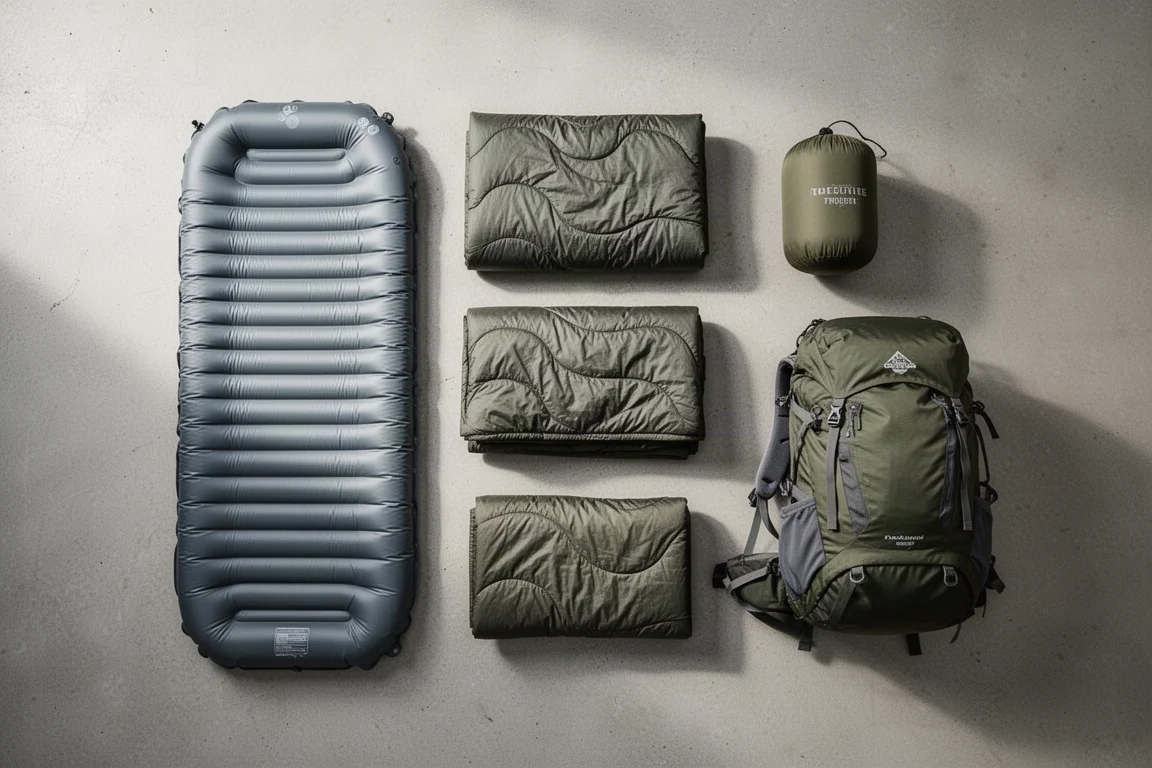
The single most important purchase alongside either option is a sleeping pad rated for the conditions you expect. The pad and the sleep system work as one unit, and the wrong pad will undercut both a quilt and a sleeping bag.
From there, think about how you sleep rather than which design happens to be trending. If you want maximum weight savings on mild nights and you do not mind managing coverage, a quilt such as the Chorus is a strong fit. If you want the bag to adapt to your body, keep a hood available, and handle cold and variable conditions without extra thought, the Torchlight UL is the more forgiving choice.
Neither option is a compromise. They are two tools for two different sets of nights, and the right one is the one that matches the trips you actually take.
Conclusion
Quilts and sleeping bags are not rivals so much as answers to different questions. Choose a quilt for warm and fringe-season trips where weight and packability matter most, and choose a sleeping bag for cold weather, changing elevations, and nights when you would rather not think about drafts. Pair whichever you pick with a properly rated sleeping pad, and the system will do its job.
Further reading
Related Reviews
Camping Sleep Systems
Backcountry Sleep System Guide: Two Pads and Two Pillows for Colder Nights
Two sleeping pads and two camp pillows that cut pressure points and tossing, plus the quilt setup habits that keep cold air out of your sleep system.
Camping Sleep Systems
Extreme Cold Sleep System: Three Pieces That Make Winter Camping Work
A practical look at the three core pieces of an extreme cold sleep system that together handle wind, cold ground, and moisture on sub-zero nights.
Camping Sleep Systems
NatureHike Ultralight Down Quilt Review: A Versatile Warm-Weather Sleep System
A close look at the NatureHike Ultralight Down Quilt, covering real-world warmth, build quality, weight, sizing, and the one trade-off to expect from any down-filled product.