Aviation
Quicksilver Ultralight Aircraft Guide: Models, the Helena Aero 1000 Engine, and What They Cost
A practical look at the Quicksilver ultralight lineup from Airtech, from the single-seat Sprint to the two-seat Sport models, plus the Swiss-built Helena Aero 1000 engine package.
Introduction
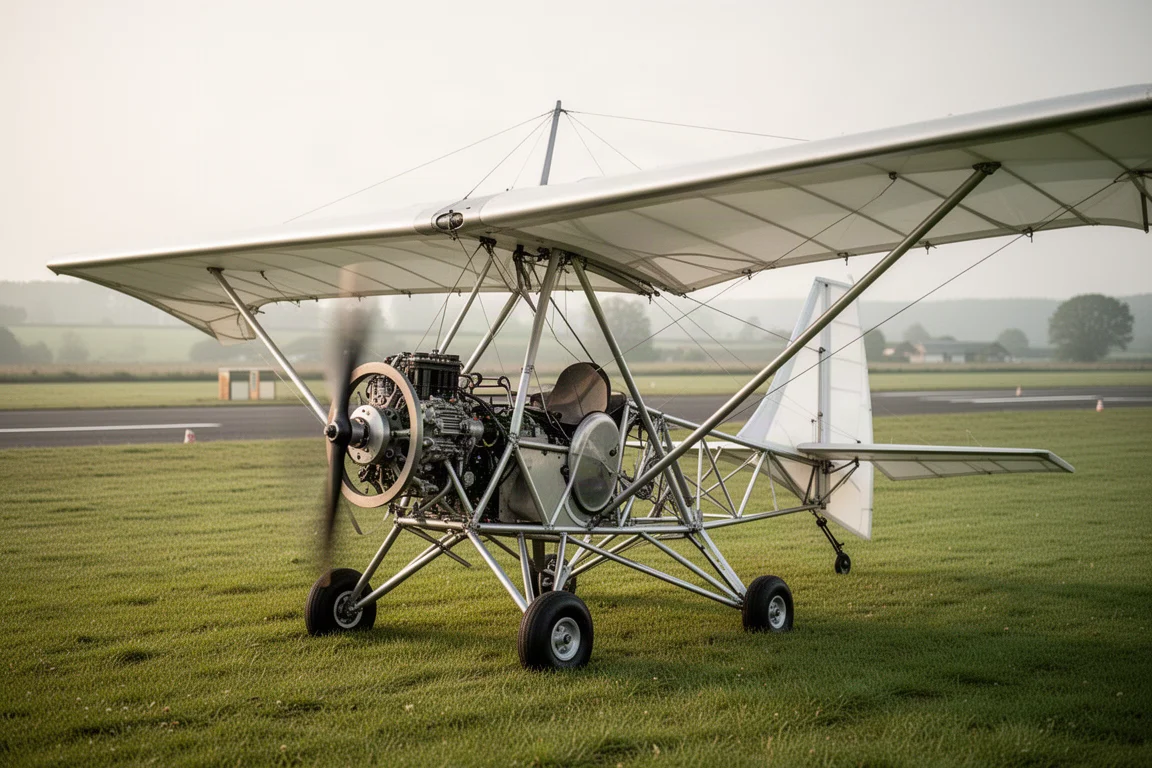
The Quicksilver ultralight aircraft line, now manufactured by Airtech Incorporated out of Reserve, Louisiana, is one of the most approachable ways into personal flying. The company has produced the Quicksilver product line since 2014, after moving production from Temecula, California, and it still services and supplies parts for aircraft going all the way back to 1978.
These are slow, simple, bolt-together machines designed for short takeoffs, low speeds, and flying for the pure enjoyment of it. If your idea of aviation is leaving the earth in something you fully understand and control, this lineup deserves a close look.
The Current Quicksilver Model Lineup
Airtech currently builds several models that share the same basic airframe philosophy in different configurations:
- Sprint: single place, single surface wing
- Sport: single place, double surface wing
- Sprint 2 / Sport 2: two place side-by-side models
- Sport 2S / Sprint 2S: strut-braced versions of the two place models
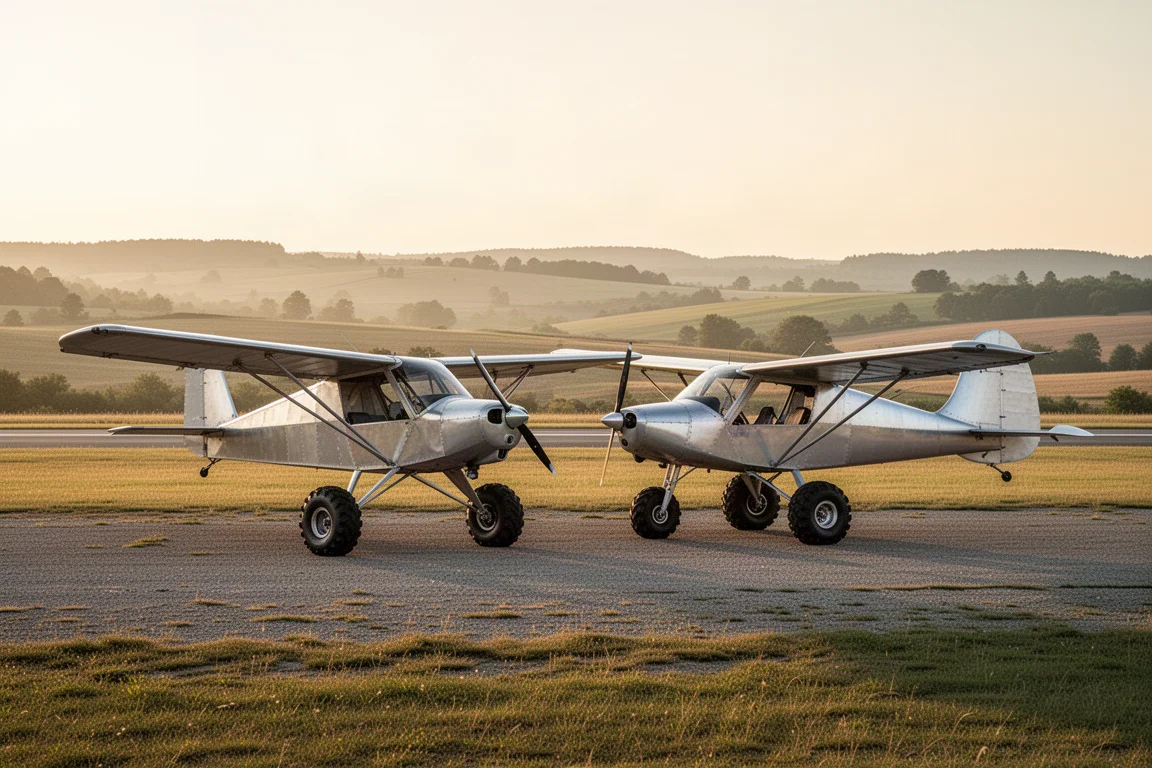
The Sprint is the single surface wing, the Sport is its double surface sister, and the two place models follow the same split. One notable exception: the GT500 is produced in Guadalajara, Mexico, not at the Louisiana facility.
Single Surface vs Double Surface Wings
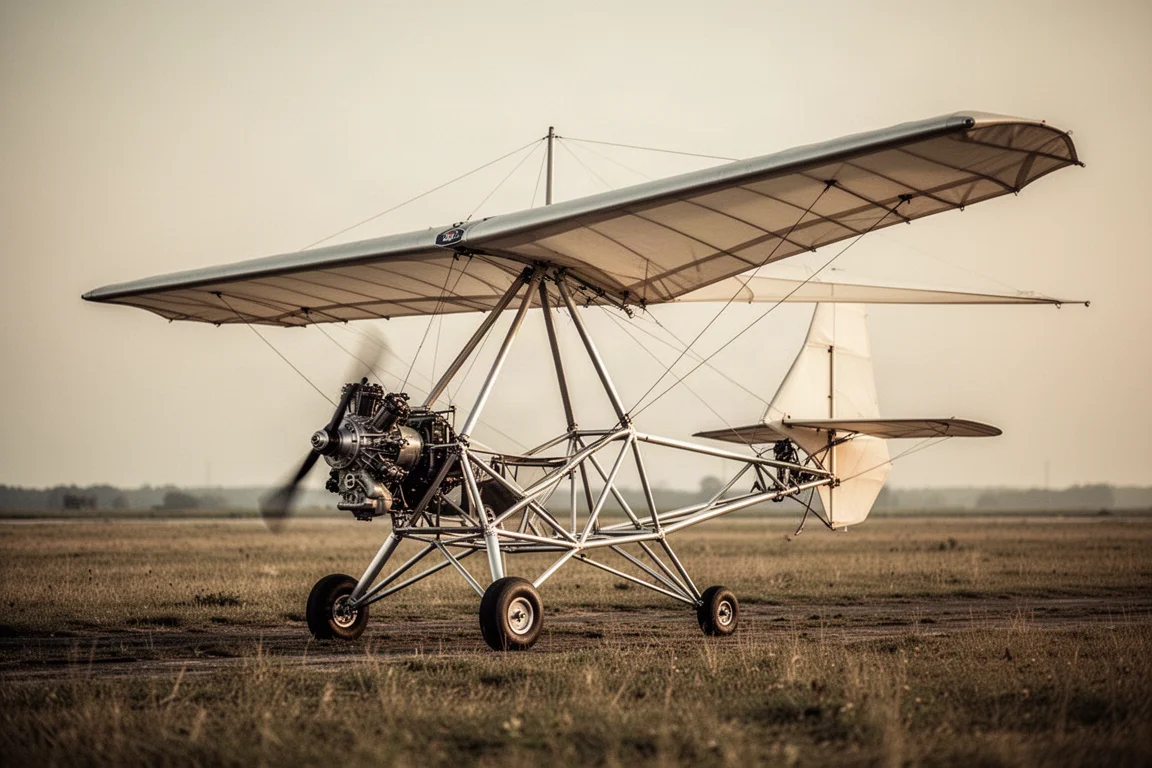
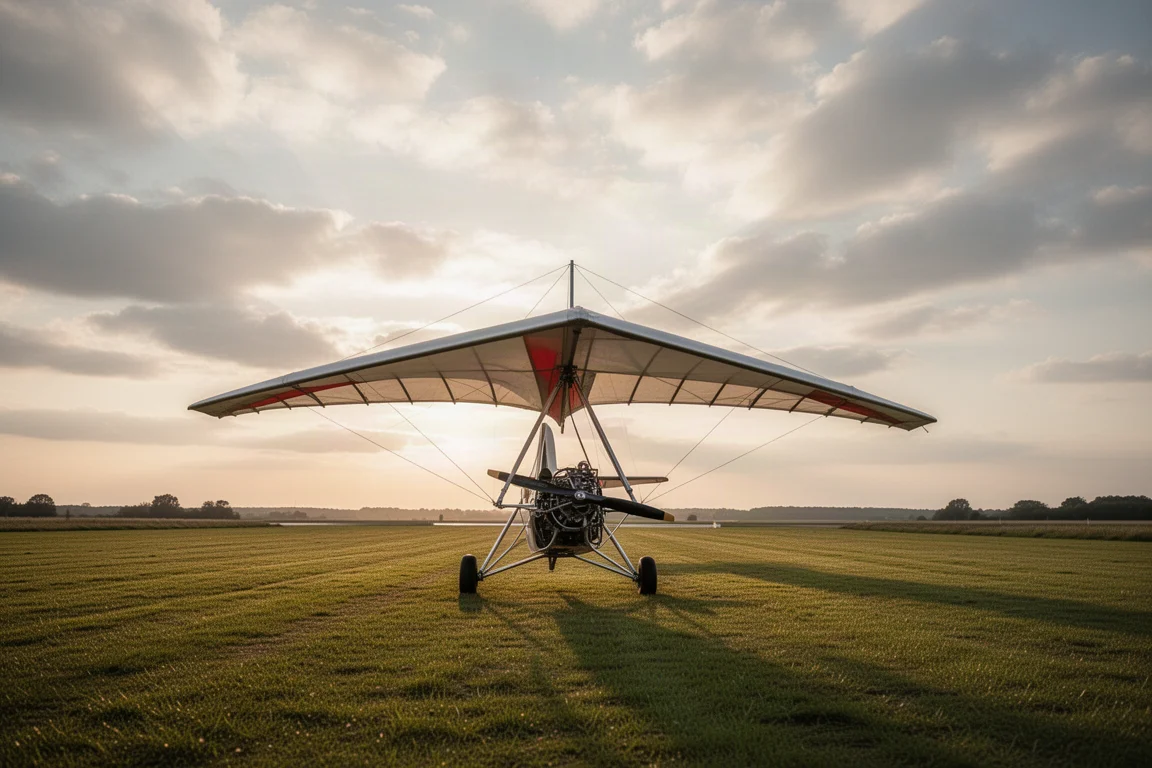
The single surface wing comes from Quicksilver’s hang gliding roots. A double surface wing adds a lower surface, like a conventional wing. The single surface version delivers shorter takeoffs and a steeper climb, at the cost of lower cruise speed. In this category, low speed is the point; the honest question is not how fast it goes, but how slow.
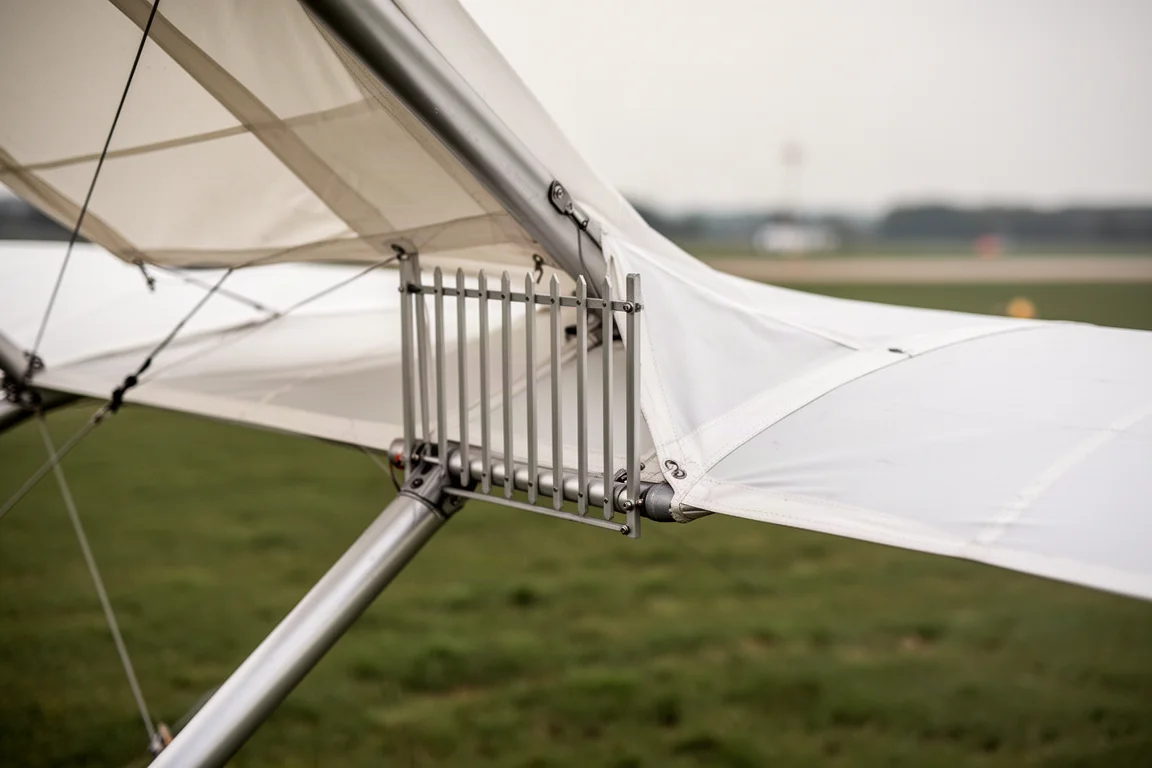
Wing tip fences help here too. By closing off the open wing end, they keep the high pressure area from spilling into the low pressure area, which helps the wing hold its lift and the airplane feel like it is floating on the air. The double surface wing is smoother and less draggy, gaining roughly 7 mph. In practice, the single surface wing is by far the more popular choice, because most buyers fly locally around their own airport or grass strip and value the short takeoff more than the extra speed.
Kits or Ready to Fly
The ultralight versions can be bought either as ready-to-fly aircraft or as do-it-yourself kits, and the kit experience is Airtech’s signature strength. Nothing arrives as loose bags of parts. Components are laid out on blister boards, shrink wrapped, and numerically ordered, and each instruction page corresponds to a specific board. That layout is also how the factory runs its quality control.
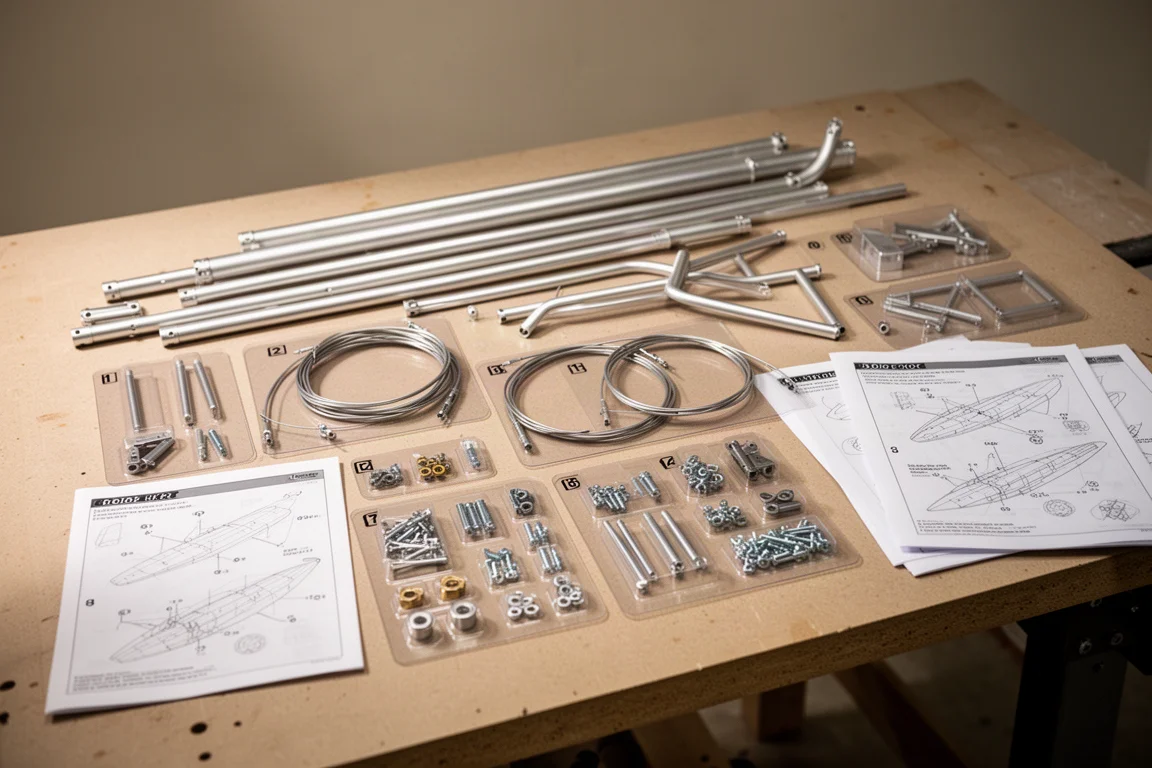
Assembly is very much bolt-together. The builder does no welding, no bending, no anodizing, and very little drilling. Cables come pre-swedged, tubing is bent and welded in house on proprietary jigs, and the sail fabric simply slips over the aluminum frame. Sliding the ribs into the wing is what tensions the fabric, so there is no heat shrinking or doping. The same approach applies to the tail and even the ailerons, where a zipper at the root end provides the final tension.
The shiny wing finish is an automotive clear coat the builder can spray on themselves. It is a lot of work, comparable to painting two cars, but it acts as a UV protective layer, and the fabric is rated for 1,000 hours in the sun, which for these airplanes amounts to two lifetimes.
Engine Options: The Helena Aero 1000
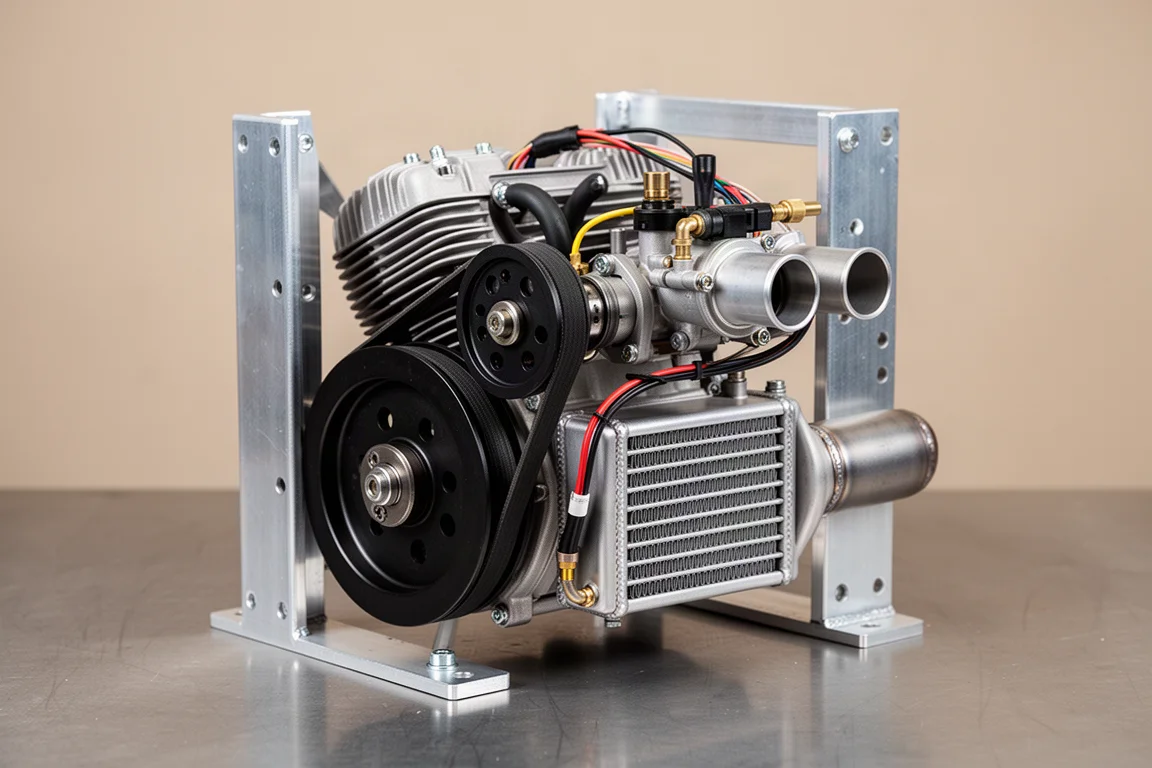
With Rotax having discontinued its entire two-stroke line, the single place Quicksilver now flies behind the Helena Aero 1000, an engine produced in Switzerland and derived from the professional karting industry that is huge in Europe. It is water cooled, oil lubricated, and electronically fuel injected, with electronic ignition, electronic timing, and an engine control module that records operating parameters for later review.
The engine package is remarkably tidy. Mounting plates sandwich the engine, the radiator is integral, and a very large pulley provides nearly a 4.5 to 1 reduction ratio, since the engine turns 9,400 RPM at full throttle while the prop spins just under 2,000. A centrifugal clutch means the engine starts unloaded and runs smoothly, almost turbine-like, until RPM brings the prop in. Starting is fully electric: flip the switch, push the button.
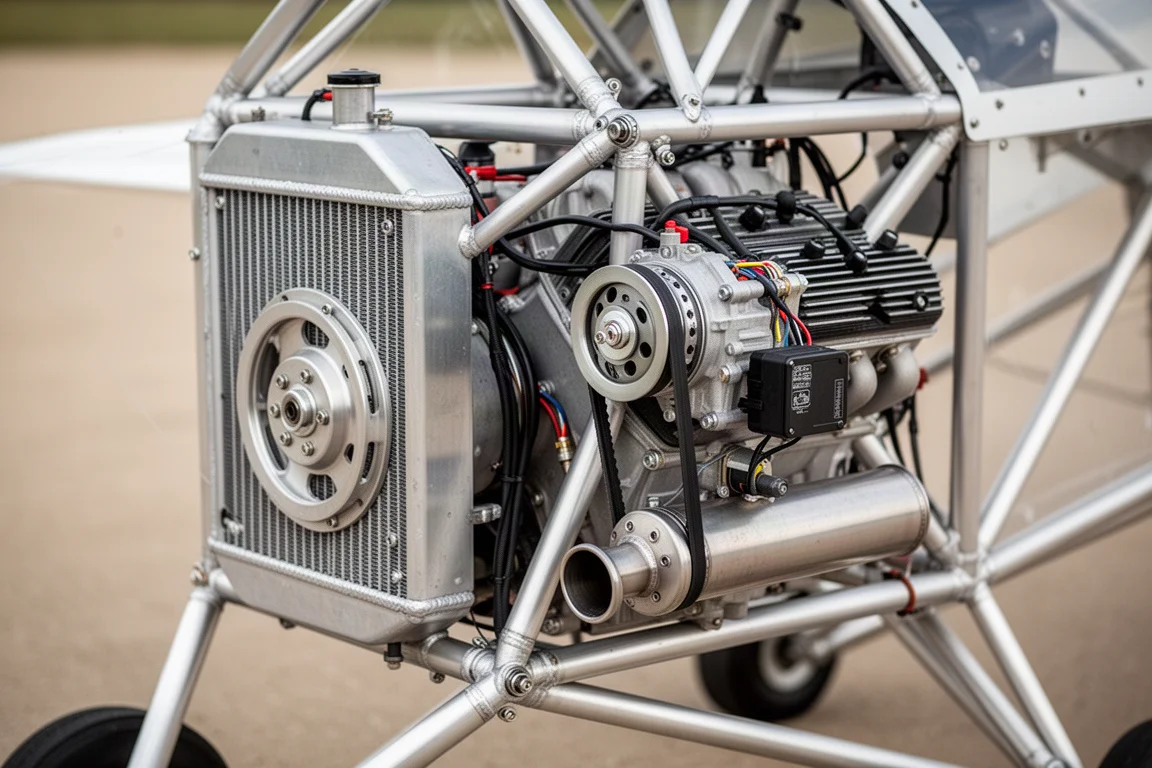
Maintenance is simple. There is nothing to adjust or reset, the exhaust is just a muffler for noise rather than a tuned system, and the oil is changed roughly every 20 hours via an easy-to-read sight glass. The complete engine package weighs 80 lb, a bit heavier than the original engine it replaces, so a small center of gravity correction with nose weight handles weight and balance. Instrumentation is minimal: a water temperature gauge and a tachometer. If a parameter drifts out of range, the ECU enters a limp mode that gradually lowers RPM rather than shutting the engine down in flight.
One quirk worth knowing: unlike the old Rotax 447 and 582 engines that could run on a bench with just fuel, the Aero 1000 requires a battery to run. The regulator/rectifier keeps that battery charged in flight. The fuel system uses a high pressure pump with a gravity feed from the tank and a return line back to the tank top, which cools the fuel. The real appeal is packaging: the engine arrives complete and mounts as essentially a cartridge, rather than being assembled from parts sourced from multiple suppliers.
The Legacy Quicksilver MX
The older Quicksilver MX still has a following, and Airtech supports it fully. At a recent fly-in, one owner had fitted a newer engine to an older MX with an impressively clean adaptation, and Airtech is happy to sell airframes to buyers who already have an engine package from another source. The company is not tied to any single engine manufacturer.
Pricing and Buying Advice
Airtech breaks pricing into airframes, engines, and engine mounts, which keeps things flexible. The single place airframe runs around $13,000, and the Helena Aero 1000 engine package is about $10,000, putting a complete single place airplane at a little over $23,000. Two place airframes sit in the $18,000 to $19,000 range while the company finalizes engine options for those models.
Every airframe is all-inclusive: padded seats, upholstery, Loctite, safety wire, wheels, tires, brakes, everything needed to finish the airplane. No “you’ll also need this” surprises.
Which model makes sense for you?
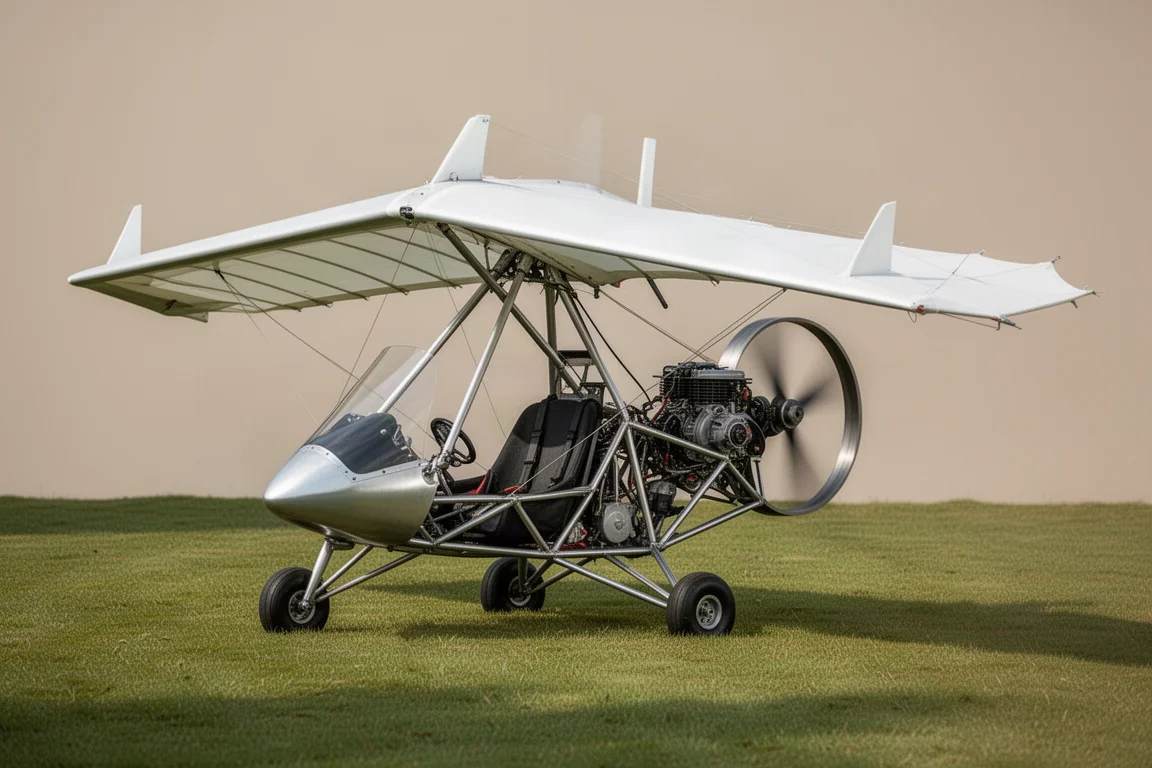
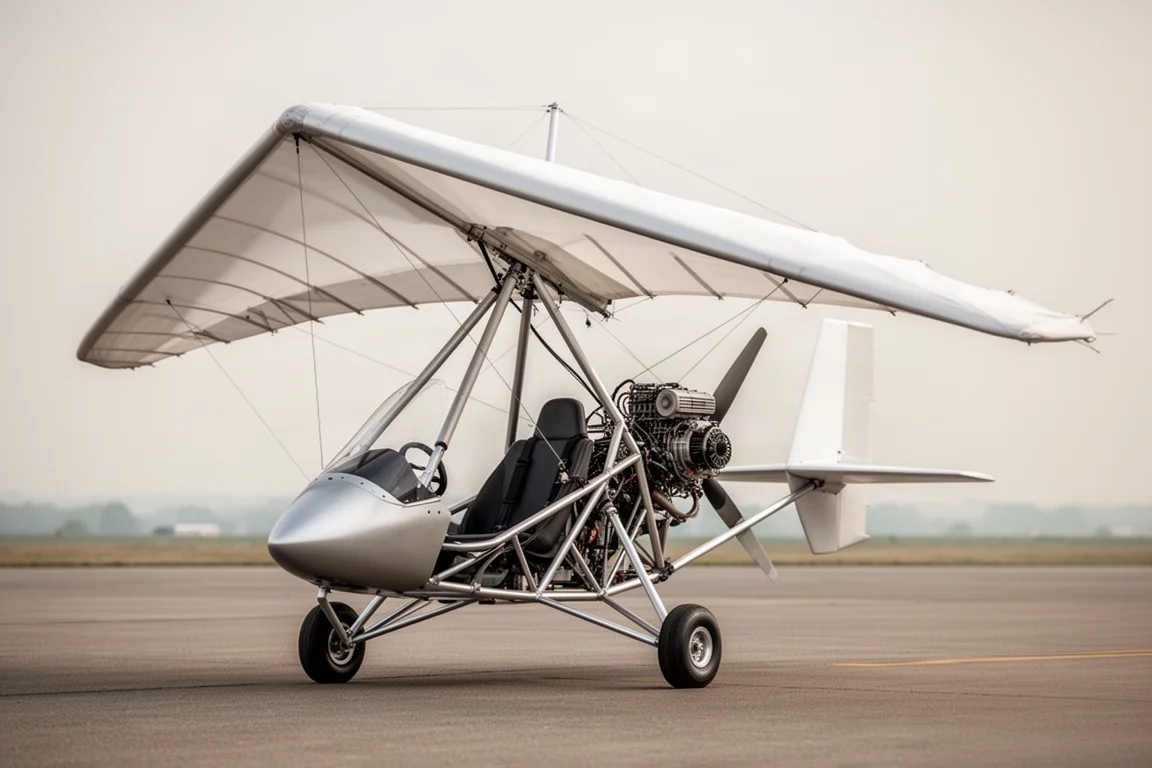
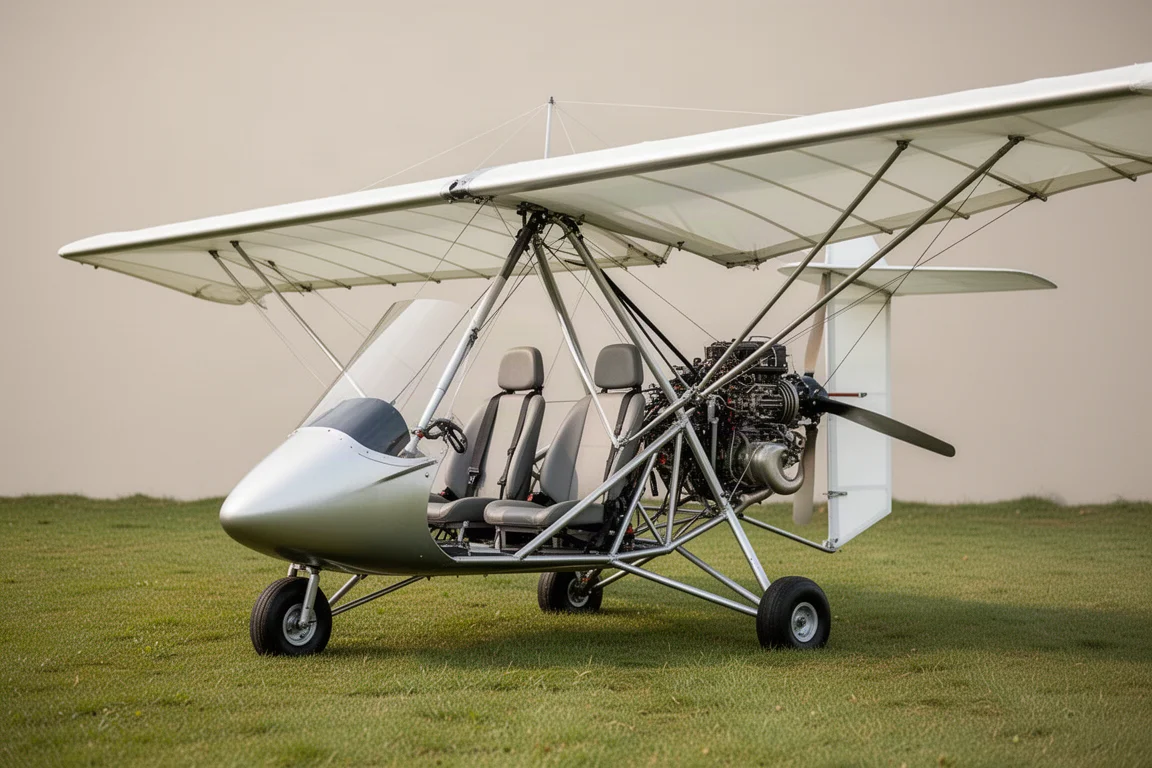
If you want the shortest takeoff and simplest build for flying around your own property or local field, the single surface Sprint is the mainstream pick. If you want a bit more speed, the Sport’s double surface wing adds roughly 7 mph. For flying with a companion, the two place Sport 2S is the strut-braced side-by-side option. And if you already own an engine, buying an airframe only is a well-supported path.
Airtech operates from the Reserve Airport, about 15 miles west of New Orleans International, five minutes off the interstate, and works four ten-hour days a week. Support and parts coverage extends back to 1978, including legacy weight-shift and even some old Quicksilver hang gliding parts.
Conclusion
The Quicksilver lineup stands out for how little it asks of its owners: bolt-together kits laid out board by board, fabric that tensions itself when the ribs slide in, and a modern Swiss engine package that mounts like a cartridge. Whether you start with the Sprint, step up to the two place Sport 2S, or revive an older MX, you are buying into nearly five decades of continuity and support. For anyone daydreaming about wide open spaces and leaving the ground in something simple, this is one of the friendliest entry points in aviation.
Further reading
Related Reviews
Aviation
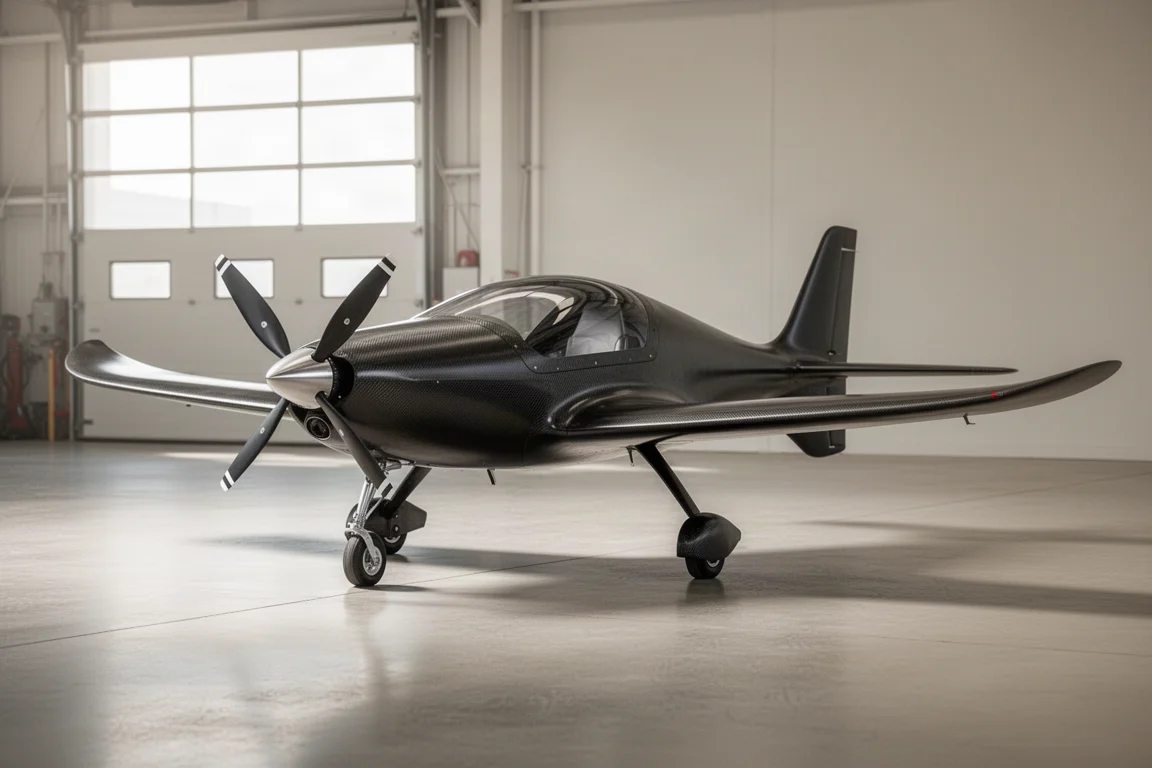
Aero Technics ACH 212 Solo Review: A Carbon Fiber Solo Kit Aircraft You Can Build Fast
A nearly 30-year-old Czech design still offered only as a kit: 90% carbon fiber, quick-release wings, a 350 to 400 hour build, and performance that surprises.
Aviation
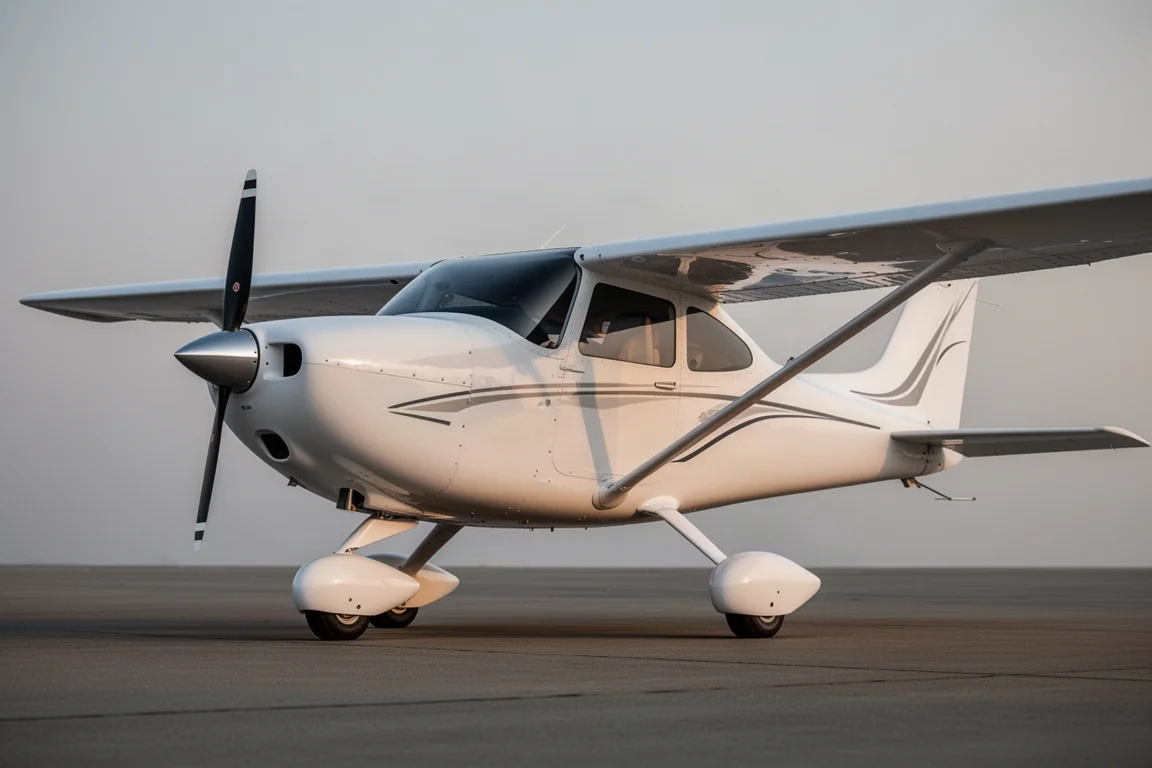
Aeropilot: The 80% Scale Cessna-Style Light Sport Aircraft Winning Over Flight Schools
A full-carbon, two-seat light sport aircraft modeled after the Cessna 182, with a larger cabin, big climb performance, and fuel burn that flight schools love.
Aviation
Aeropro A22 and A32: Two Light Sport Aircraft Worth a Close Look
A side-by-side look at the Aeropro A22 and A32, covering performance, pricing, customization, and what buyers should know before ordering.