Camping Tents
Quechua 2 Seconds vs 2 Seconds Fresh & Black: Which Pop-Up Tent Should You Buy?
A practical comparison of the Quechua 2 Seconds pop-up tent and the 2 Seconds Fresh & Black, covering setup time, ventilation, interior space, weight, and price.
Introduction
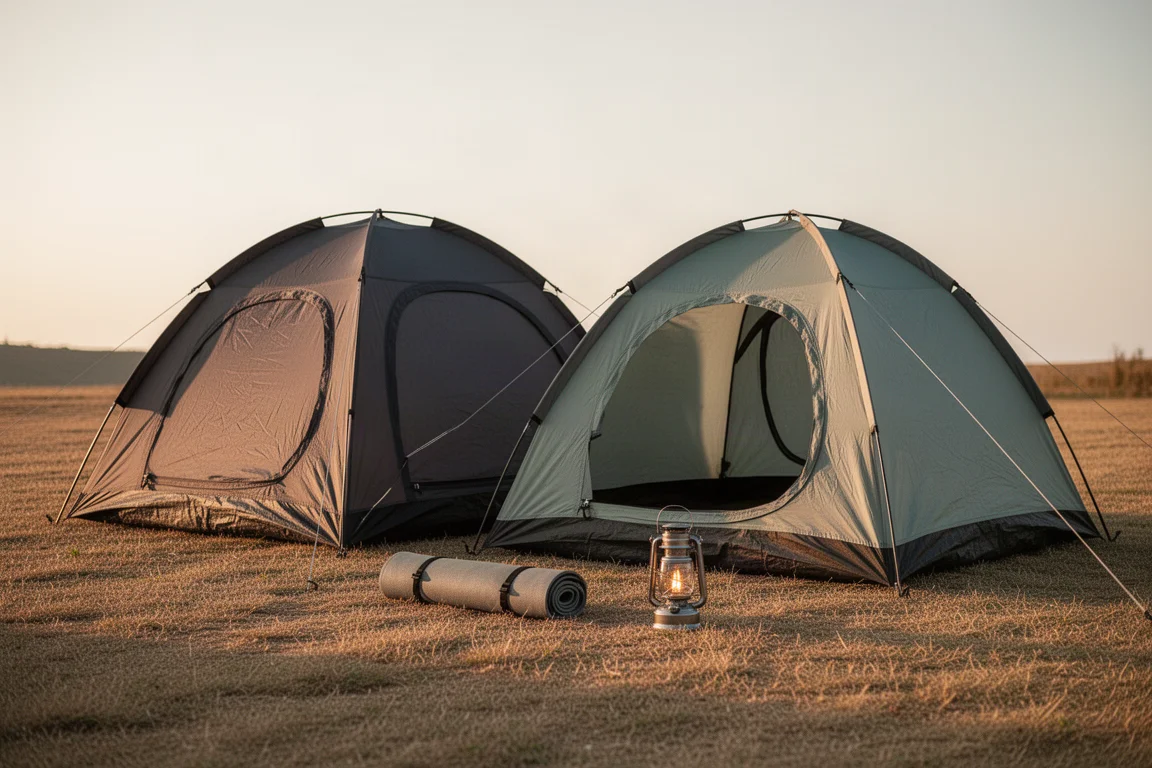
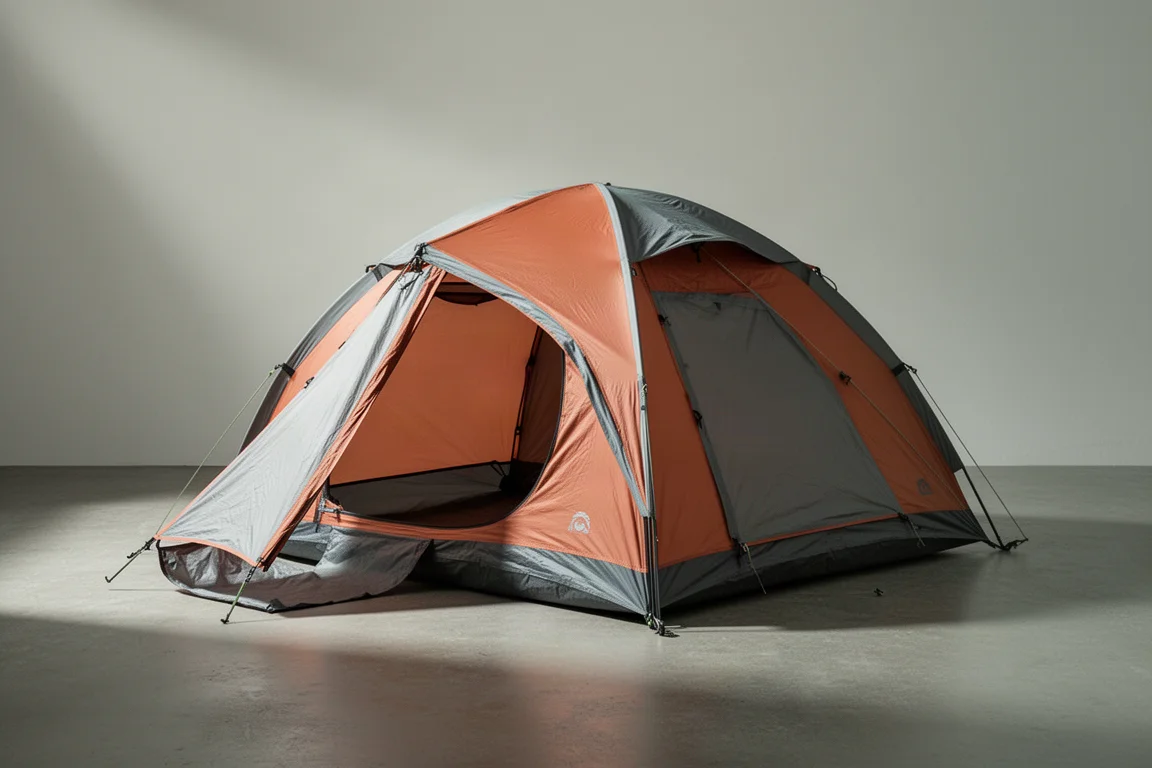
Quechua’s 2 Seconds range does one thing well: a tent that pitches in seconds and packs away almost as fast. There are two versions worth knowing about. The standard 2 Seconds pop-up tent is the lighter, cheaper model. The 2 Seconds Fresh & Black adds blackout fabric with SPF 50 UV protection, two large side vents, and larger pockets, and it asks for more money, more weight, and about half a minute more at each end of the trip.
Both have seen several seasons of use, including overnight trips, rain, and wind, so the differences are easier to describe in practical terms than in marketing ones. This guide walks through the shared features, ventilation, interior space, weather behaviour, weight, and price, and then explains which camper each tent suits.
What Both Quechua 2 Seconds Tents Have in Common
Both tents use the same pop-up shell and the same packing sequence: fasten the red and yellow buckles, fold the tent, and slide it back into the carry bag. Each one comes with four loops for staking down the tent body and seven loops for seven guy lines. The guy lines are not pre-attached, so fitting them takes a few extra minutes on the first setup, and leaving them attached afterwards keeps later pack-ups quick.
The rainflies provide full coverage on both models, and both floors use a bathtub design that extends up to five inches at the sides. Inside, each tent has two pockets, one mesh window that becomes usable when the outer door is left open, and two small openings in the rainfly, one on each length of the tent, that open onto the main body. Each also has a single small rear vent, and on the standard tent that rear vent has to be guyed out to stay open.
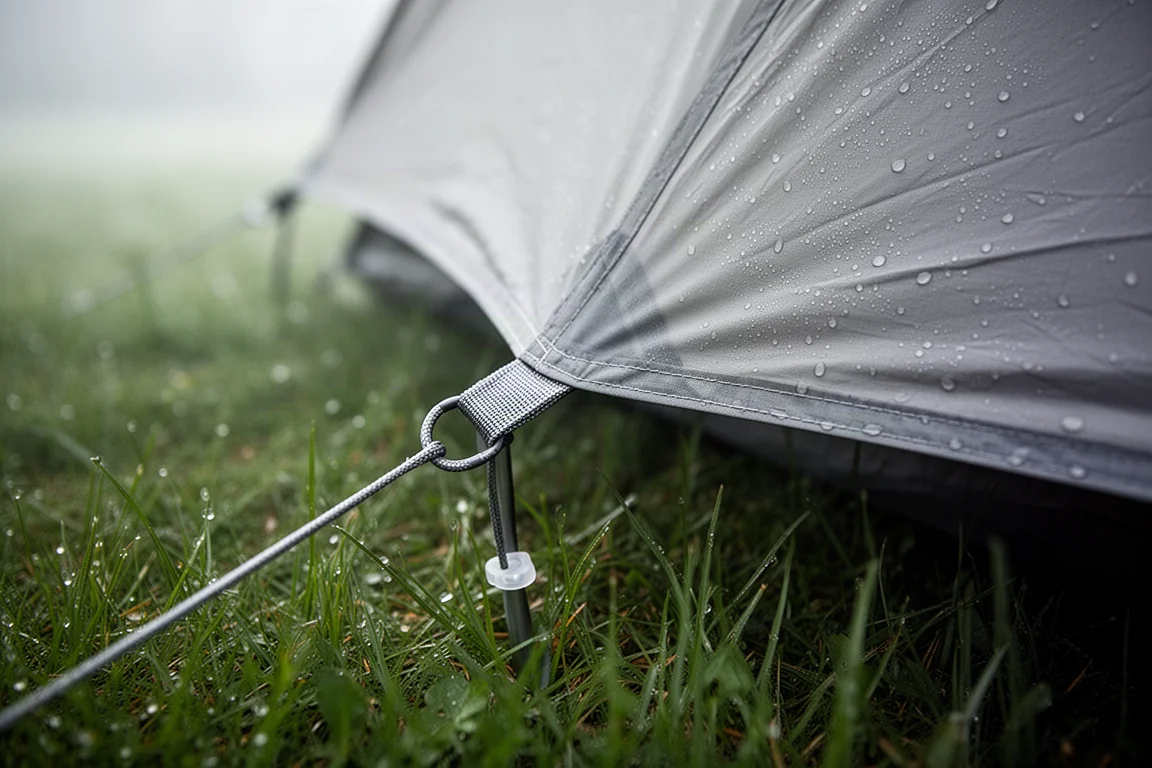
One shared limitation is worth knowing before you buy. The manufacturer recommends a sleeping pad no thicker than 2.4 inches, because anything taller cuts into usable interior space.
Quechua 2 Seconds Fresh & Black Pop-Up Tent
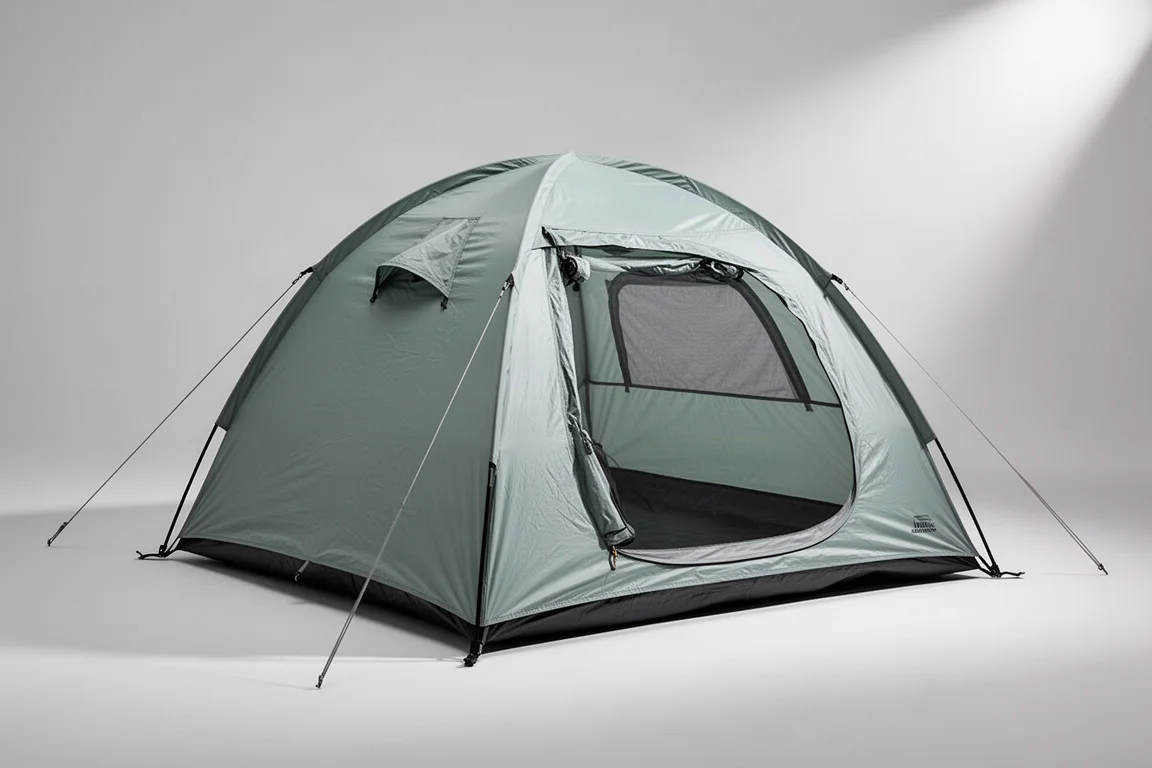
The Fresh & Black version is the comfort-focused tent. Its blackout fabric blocks a significant amount of daylight, which helps on bright mornings, and it carries UV protection rated SPF 50. The interior pockets are considerably larger than the standard model’s and each one is split into two sections, so small items stay organised. A small extended eave above the front door adds a little extra cover at the entrance.
Ventilation is where the gap is widest. Beyond the shared rear vent, rainfly openings, and mesh window (slightly larger here), the Fresh & Black has two large vents at the sides, one on each length of the tent. They can be left fully open, or partially opened in rain by hooking their S-hooks onto the two guidelines. The mesh panel on the inside of each vent can be opened and closed, and both vents can be adjusted from inside the tent. The rear rainfly can also be lifted clear of the ground by unbuckling the blue buckle and pulling the blue string from inside.
Overnight with both side vents fully open, the interior stayed noticeably fresher and less stuffy than the standard tent, with no condensation on the roof by morning.
Quechua 2 Seconds Pop-Up Tent
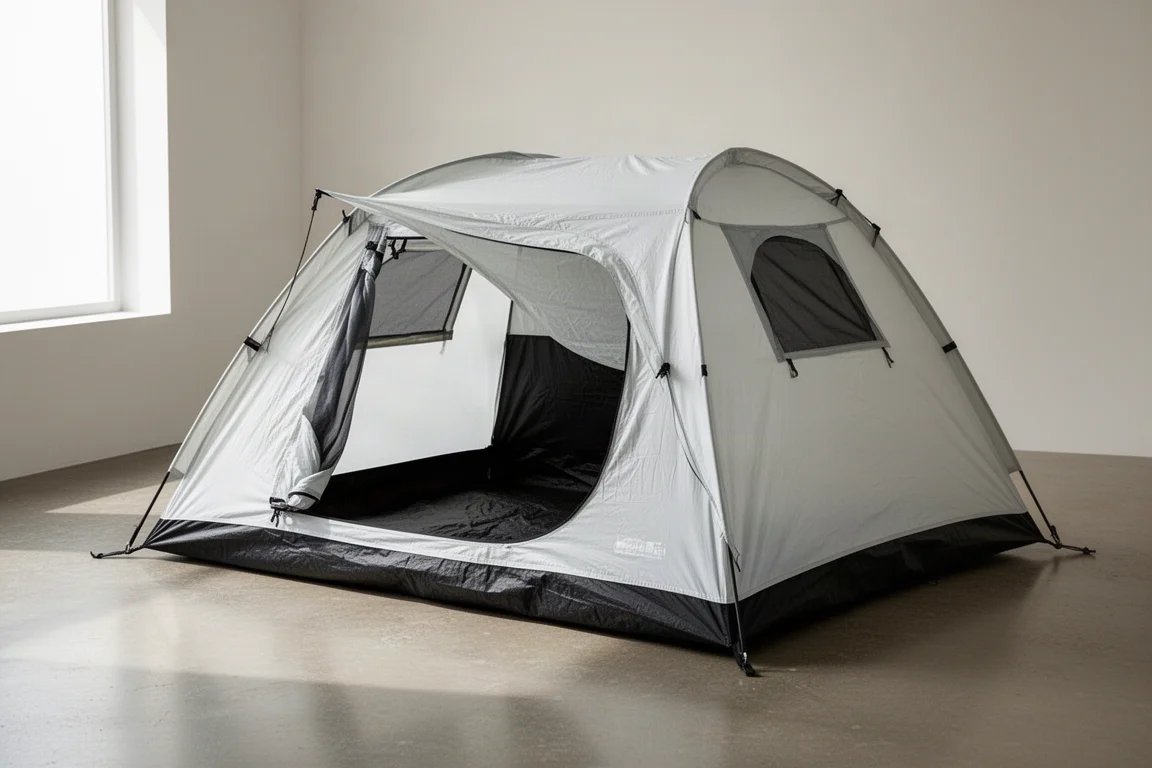
The standard 2 Seconds tent is the simpler and lighter of the pair. It pitches in about two and a half minutes and packs down in the same time, and it weighs around 5.5 pounds for the tent and carry bag. It also measures slightly larger inside: about an inch more peak height at the front, an inch more at the lowest point at the back, and an extra inch in both length and width. In practice that difference is small enough to ignore.
Ventilation is more limited. There is the single small rear vent, which needs to be guyed out to stay open, plus the rainfly openings, the smaller mesh window behind the outer door, and two pockets that are smaller and not divided. Overnight, the interior felt stuffier, and a few drops of condensation had formed on the roof by morning. In rain and wind it held up well, with a fully covering rainfly and no water finding its way through the fly itself.
Setup and Takedown: The 30-Second Difference
The Fresh & Black takes about half a minute longer to set up and about half a minute longer to take down and pack, which works out to roughly three minutes at each end against two and a half minutes for the standard tent. The extra time goes into the two additional vents. They need to be staked down and adjusted, and each one has two S-hooks for attaching to the fiberglass poles of the tent body plus a black latch for tying up the vent guidelines.
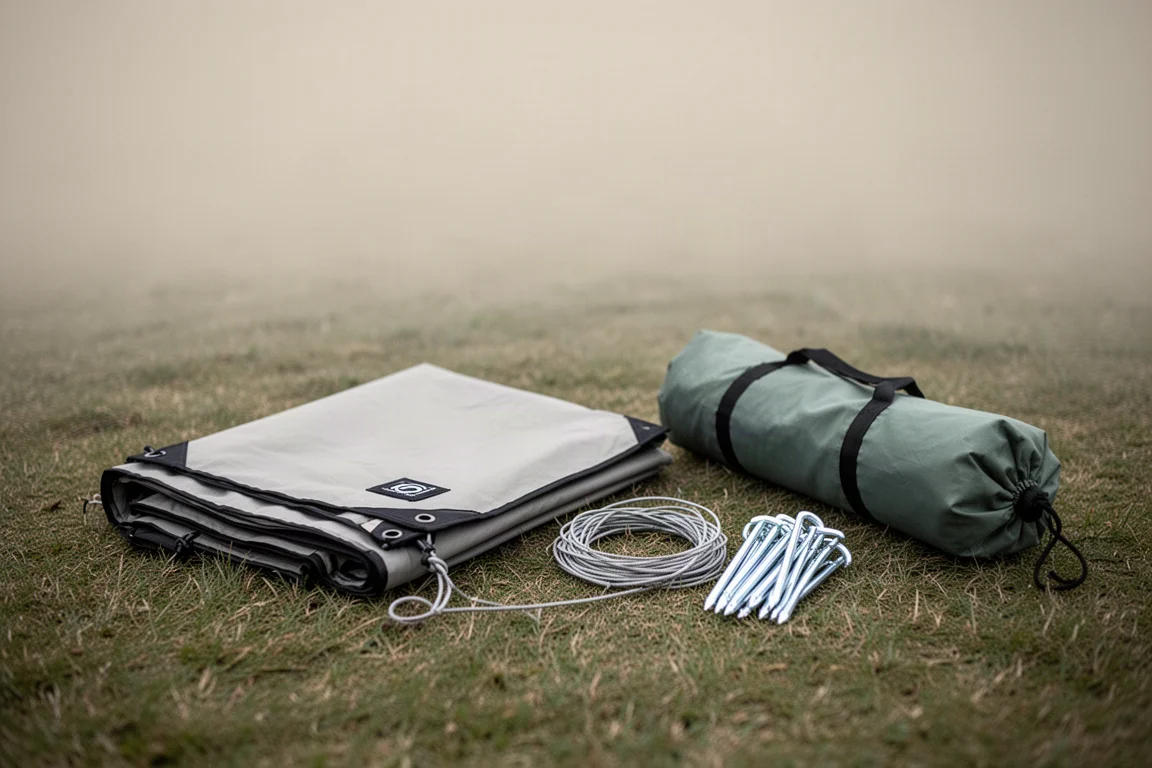
Guy lines account for the rest of the difference. The standard tent ships with seven, the Fresh & Black with five, and neither arrives with them attached. Removing the lines at pack-up adds time, while leaving them attached keeps the routine fast. Packed size is close between the two, with the Fresh & Black slightly larger.
Interior Space, Pockets, and Sleeping Comfort
The standard tent’s extra inch in length, width, and height is measurable but not really noticeable in use, and both models feel like the same tent from the inside. What matters more is mattress height. With a 2.5-inch loft mat, both tents still offered usable living space, and anything taller reduces it quickly: an 8-inch mattress left the interior feeling squashed.
The pocket design is the more meaningful interior difference. Both tents have two pockets, but the Fresh & Black pockets are bigger and each is divided into two, which is genuinely useful for keeping a phone, a torch, and small accessories apart.
Ventilation, Condensation, and Rain Performance
Airflow separates these two tents more than anything else. The Fresh & Black’s two large side vents can be fully open, partly open, or closed, and the mesh behind them can be adjusted independently, all from inside the tent. The standard tent relies on its rear vent (guyed out to stay open), the rainfly openings, and the mesh window behind the outer door. Close the door in windy weather and the standard tent can feel sealed up.
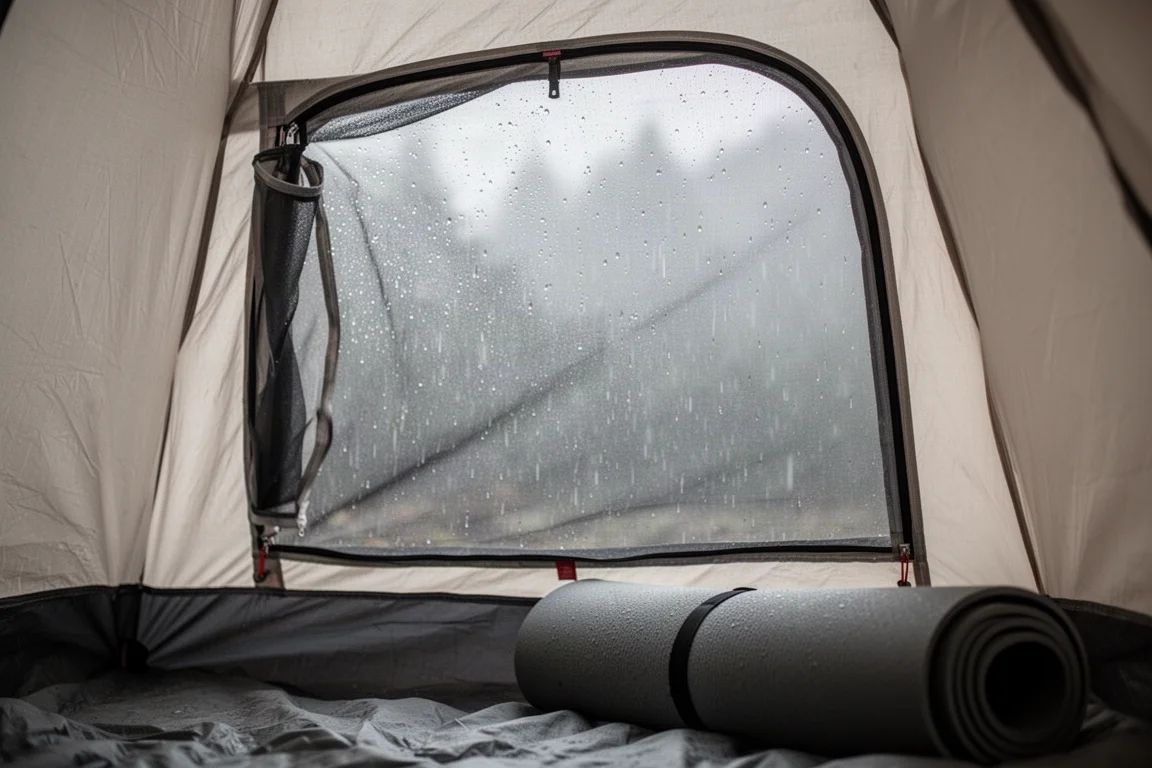
Overnight, that difference showed up clearly: the Fresh & Black stayed fresher with no condensation, while the standard tent was stuffier and picked up a few drops of condensation on the roof. In rain, both tents performed well. Their rainflies cover fully and no water came through the fly. Both bathtub floors extend up to five inches and share the same floor seams, and a small amount of water worked through those seams. The Fresh & Black leaked a little more, though it is the older tent and its seam tape had degraded further, which points to age rather than design.
Weight, Packed Size, and Price Differences
Weight is the clearest trade-off. The standard tent comes in at around 5.5 pounds for the tent and carry bag, while the Fresh & Black is around 7.2 pounds, roughly 1.7 pounds more to carry. Packed size is broadly similar, with the Fresh & Black slightly bulkier.
On price, the Fresh & Black costs around 30 more than the standard tent, which reflects the blackout fabric, the extra vents, and the additional ventilation hardware. Both tents represent reasonable value for what they offer, and both have delivered plenty of nights out over the seasons.
Buying Advice: Which Quechua Pop-Up Tent Suits You
If budget is the priority, the standard 2 Seconds tent is the sensible pick. It sets up fast, handles rain and wind well, and weighs less. The thing to accept is limited ventilation: if you have to close the door in wind, the interior can get stuffy, and condensation on the roof is likely.

If you can spend a little more and you value comfort, the Fresh & Black earns its extra cost. The blackout fabric, larger pockets, and two large side vents make a real difference overnight, and the tent feels noticeably more comfortable in warm conditions. Two caveats are worth weighing. First, it is heavier and takes slightly longer to pitch and pack. Second, in humid climates the blackout fabric will eventually degrade after a few years, at which point the tent needs replacing. Neither tent is a long-term heirloom, but both are worth their price for the nights you get out of them.
Conclusion
The Quechua 2 Seconds and the 2 Seconds Fresh & Black share the same quick-pitching design and the same solid rain performance. The standard tent wins on weight and price, while the Fresh & Black wins on ventilation, blackout comfort, and interior organisation at the cost of about 1.7 pounds, around 30 more, and roughly 30 extra seconds at each end of the trip. Choose the standard model if you want the lightest, cheapest option, and the Fresh & Black if a fresher, darker tent is worth carrying a little more.
Further reading
Related Reviews
Camping Tents
3F UL Gear Taiji Two-Person Tent Review: Field Waterproofing Results and Buying Advice
The Taiji pairs an attached fly with a removable inner, but sustained rain exposed untaped vent seams that need sealing before this shelter can be trusted.
Camping Tents
3FUL Gear Lanshan 2 Pro 4-Season Review: A Sub-$200 Single-Wall Trekking Pole Tent
An early look at the 3FUL Gear Lanshan 2 Pro 4-Season, covering its straightforward pitch, generous interior space, and the condensation and seam-sealing questions that come with any single-wall shelter.
Camping Tents
Alps Mountaineering Lynx 1-Person Tent Review: Big Value in a Small Budget Tent
A close look at the Alps Mountaineering Lynx 1-Person Tent, covering real interior dimensions, materials, setup time, ventilation limits, and who should buy it.