Camping Tents
Quechua 2 Seconds Tents in the Rain: Two Pop-Up Tents Compared
How the Quechua 2 Seconds tent and the 2 Seconds Fresh & Black tent handle light rain, moderate rain, multi-day storms and shallow flooding.
Introduction
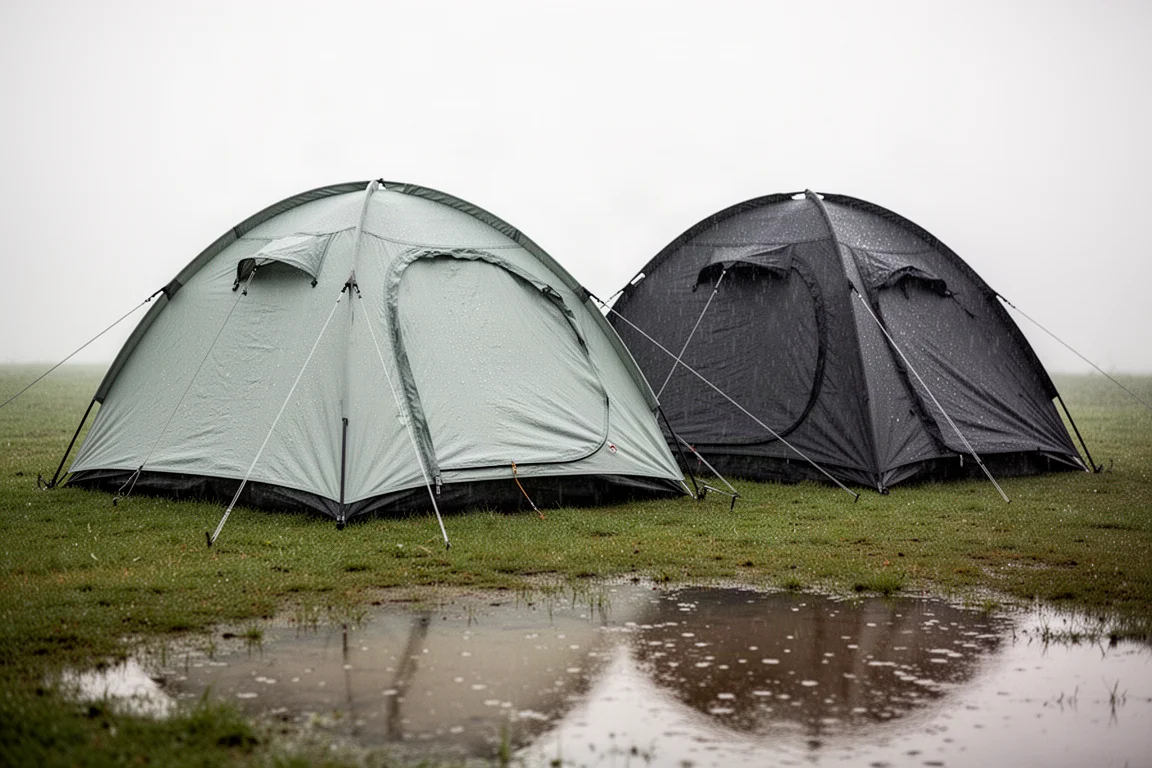
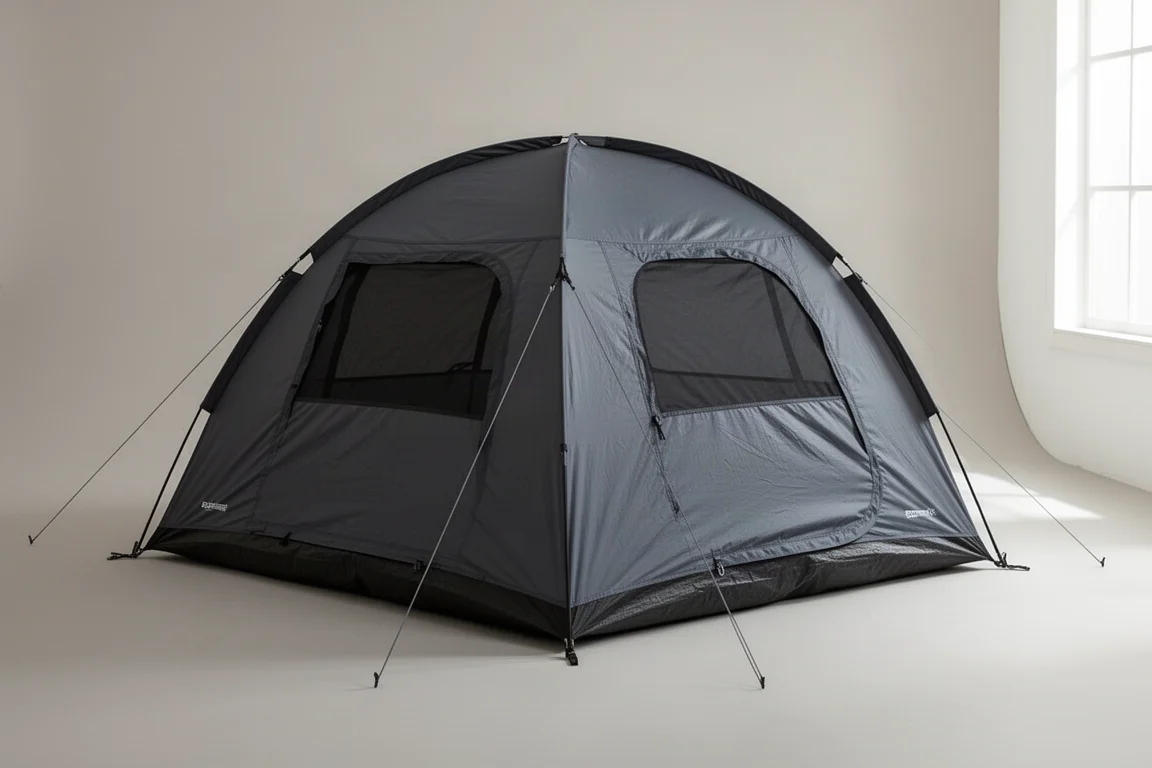
Quechua’s 2 Seconds range is built around a simple idea: a pop-up tent that pitches in moments and keeps the weather out. The two models here, the standard 2 Seconds tent and the 2 Seconds Fresh & Black tent, share most of their weather protection but differ in how they ventilate and how their fabrics are finished.
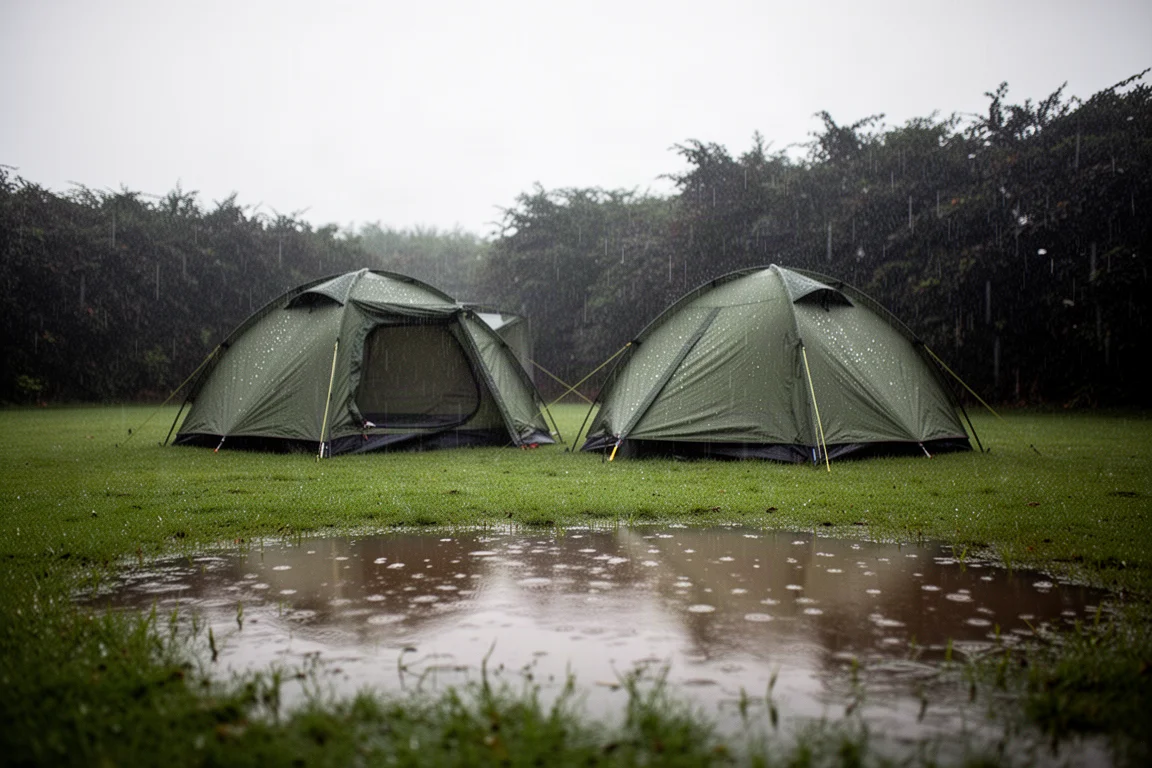
To find out how much rain they can genuinely take, both tents were pitched in a yard and put through a one hour light rain test, a one hour moderate rain test, and a period of shallow flooding. The standard model also spent three days under heavy afternoon thunderstorms, with roughly three hours of rain each day. The results were reassuring, with one clear weak point worth knowing about before you buy.
Shared Rain Protection Design
Both tents use a polyester rainfly rated at 2,000 mm of water resistance, and it provides full coverage over the inner tent body. The rainfly seams are factory taped. The seams on the main tent body are not taped, because the rainfly covers them completely, and only the seams on the bathtub flooring are taped.
The curved roof is deliberate. Water runs off the sides instead of collecting on top, but that only works when the tent is pitched taut. If the tent is not pulled out tight with the guy lines, a small amount of water pools on the roof. Guy it out properly and the fly stays tight and the pooling stops.
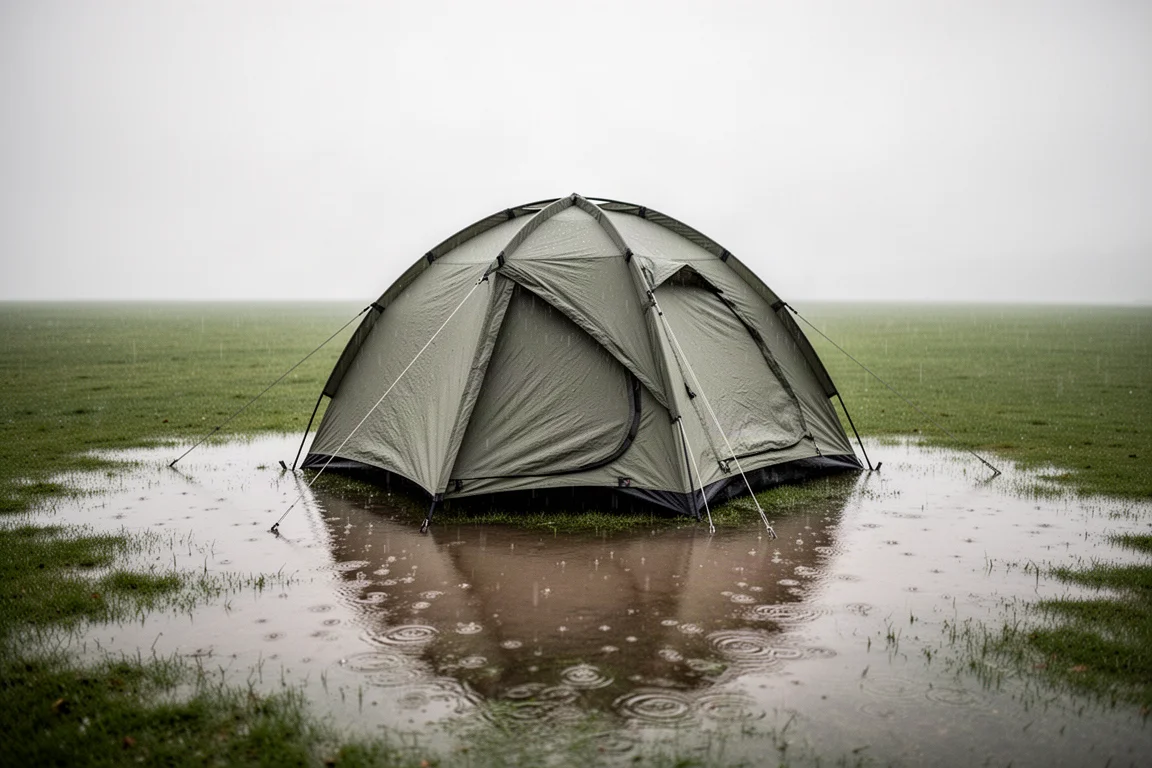
The floor carries the more impressive numbers. Both models use a polyethylene floor rated at 5,000 mm of water resistance, with a bathtub design that turns up about five inches around the perimeter. During the flooded yard test, the tents sat in roughly an inch of water and no water came through the flooring itself, even without a ground sheet underneath.
Quechua 2 Seconds Tent: The Standard Model
The standard 2 Seconds tent ventilates through a single rear vent and two gaps in the rainfly, one along each side. In every rain test, no water came through the rear vent or through those gaps. On one occasion the rear vent was left open deliberately and the inner tent body still stayed dry.
In the one hour light rain test, this tent came through with no leaks at all, flooring included. It also stayed dry through the moderate rain test. Over three days of heavy afternoon storms, with around three hours of rain a day, the tent body remained remarkably dry apart from a small amount of water working in at a rear corner seam while the yard was lightly flooded.
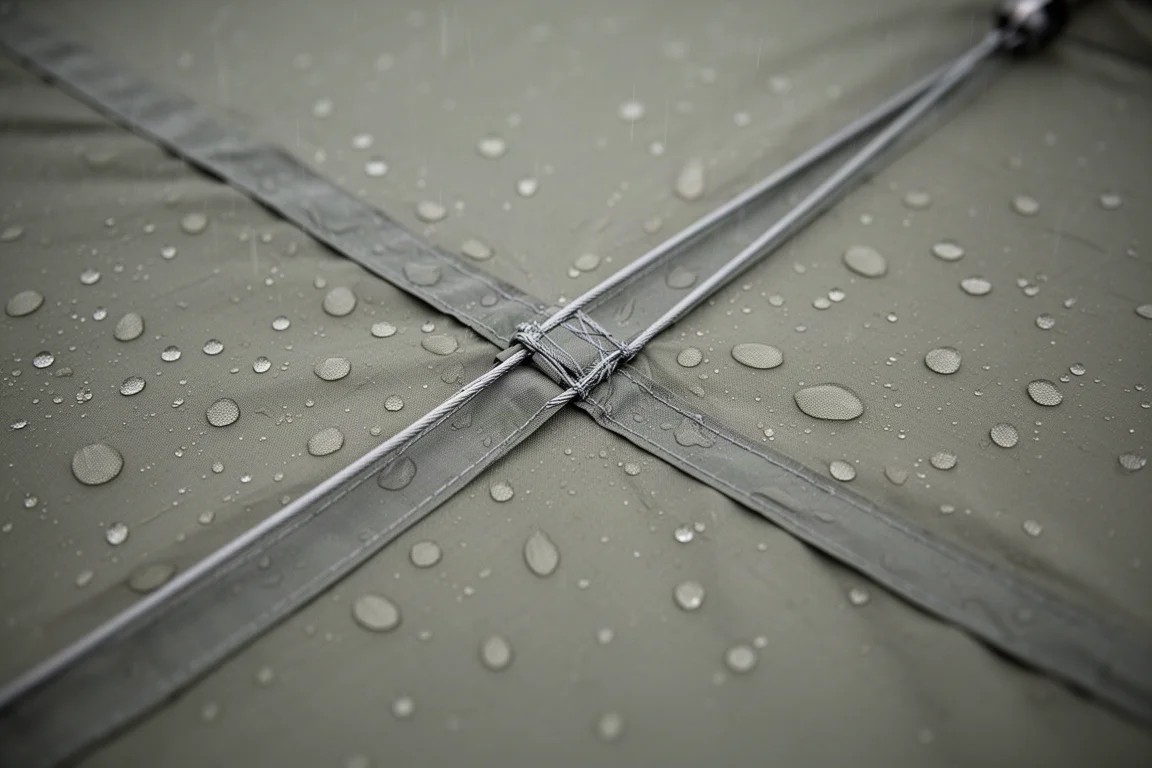
That rear corner seam is the caveat. This particular tent is old and its factory seam tape had never been renewed, so water began entering after about 30 minutes. The same seams sit at the two rear corners of the floor on any example of this model, and they are the most exposed points in sustained rain.
Quechua 2 Seconds Fresh & Black Tent
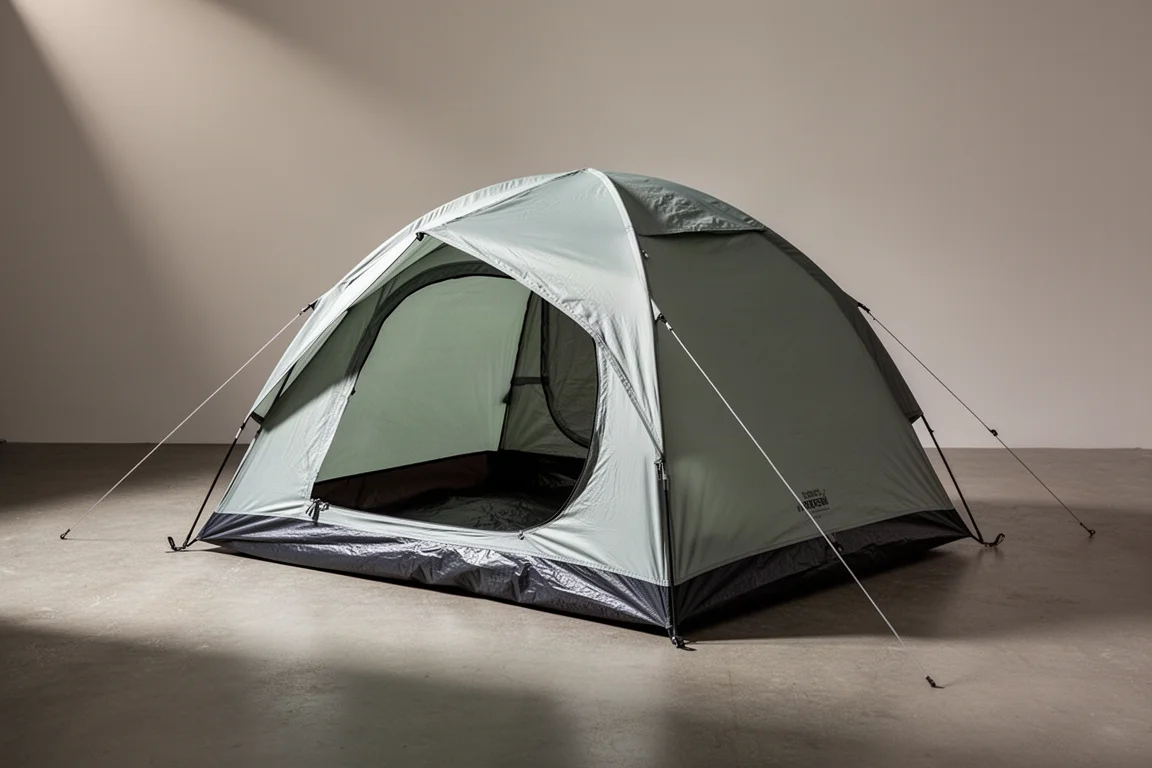
The Fresh & Black version uses the same rainfly coverage and the same two gaps along the sides, but adds two noticeably larger vents, one on each side, plus a small rear vent. All of them can be left open in the rain without water reaching the inner tent body, which matters on warm, humid nights when airflow is the difference between a comfortable sleep and a sticky one.
Walls and roof stayed dry throughout the testing. The weak point appeared in the flooring near the front of the tent, where water began leaking through a floor seam. In the one hour moderate rain test this was the only tent that leaked, and the most likely reason is age: this tent is older than the standard model, so its seam tape had degraded further and let more water through.
Floor Seams: The Most Vulnerable Point
Across every stage of testing, the floor seams were the only place water got in. Both tents have seams at the front and the back of the floor, and those are the points to inspect first.
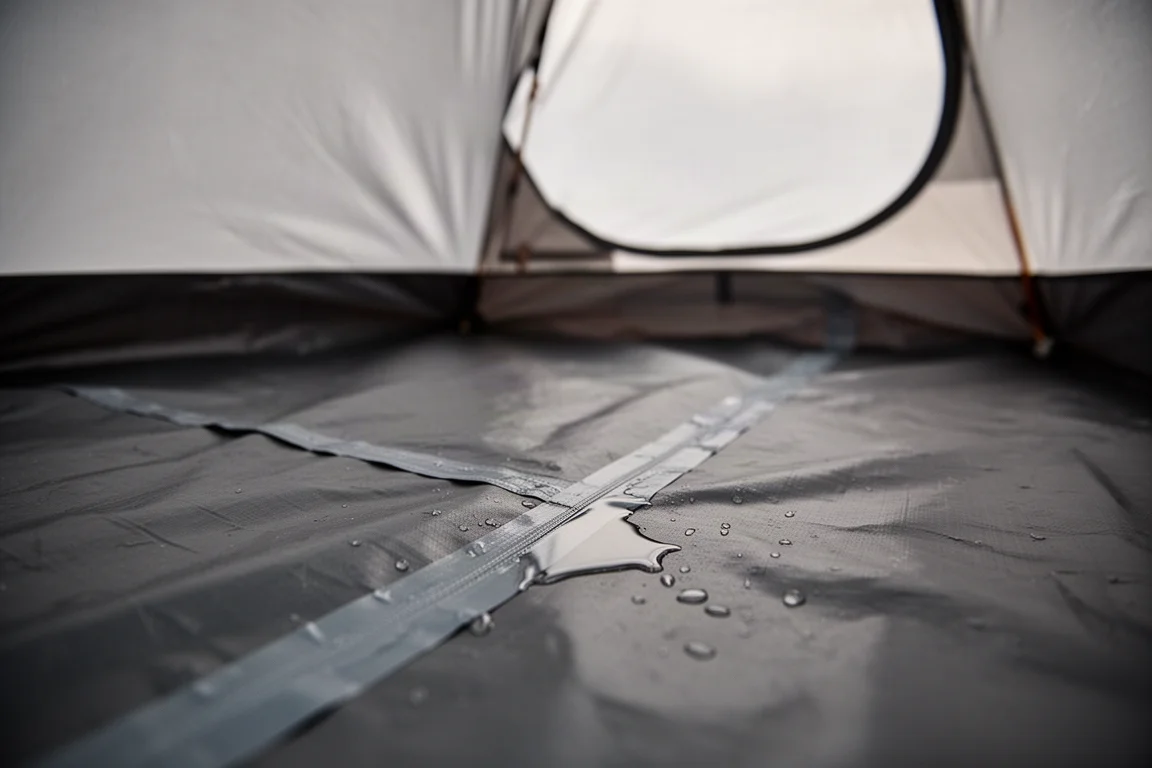
The pattern was consistent. Light flooding around the base produced a small amount of leakage through a floor seam, while the flooring material itself never let water pass, with or without a ground sheet underneath.
The practical takeaway is straightforward. If you expect heavy rain, renew the sealing on the floor seams, especially on a tent that is several years old. A newer tent with intact factory tape held up without any attention at all.
Ventilation and Pitching Notes
Ventilation is handled differently across the two models, and both approaches kept rain out. The standard tent relies on one rear vent and two rainfly gaps. The Fresh & Black tent adds two large side vents and a small rear vent on top of the same two gaps. Leaving all of them open in the rain caused no water to reach the inner tent body.
Pitching matters as much as the design. Pull the tent out tight with the guy lines so the fly sits taut over the curved roof, because slack fabric collects water on top. Once the fly is tensioned, water sheds down the sides as intended.
The bathtub floor earns its keep in wet conditions. Its edge rises about five inches, which is enough to keep a shallow puddle in the yard from becoming a puddle inside the tent.
Buying Advice
Both tents deliver serious rain protection for a pop-up design, and the differences between them come down to ventilation and to the condition of the seams rather than to waterproofing.
Choose the standard 2 Seconds tent if you want the simplest setup and you are willing to check the floor seams and reseal them once the tent gets old. Choose the 2 Seconds Fresh & Black tent if you camp in warm, humid weather and want the extra airflow that the larger side vents provide.
Whichever you pick, treat the floor seams as a maintenance item. Inspect them before a trip where heavy rain is likely, and renew the sealing if the tape looks worn. The rainfly, the curved roof and the bathtub floor will handle the rest.
Conclusion
These tents handled rain better than their weakest seam suggests. The rainfly stayed dry on the inside through light rain, moderate rain and multi-day storms, the curved roof shed water once the tent was pitched taut, and the bathtub floor kept shallow flooding outside where it belongs.
The only failures happened at taped floor seams on older tents, and those seams are easy to check and reseal. Look after them and both the standard 2 Seconds tent and the 2 Seconds Fresh & Black tent are confident choices for camping in wet weather.
Further reading
Related Reviews
Camping Tents
3F UL Gear Taiji Two-Person Tent Review: Field Waterproofing Results and Buying Advice
The Taiji pairs an attached fly with a removable inner, but sustained rain exposed untaped vent seams that need sealing before this shelter can be trusted.
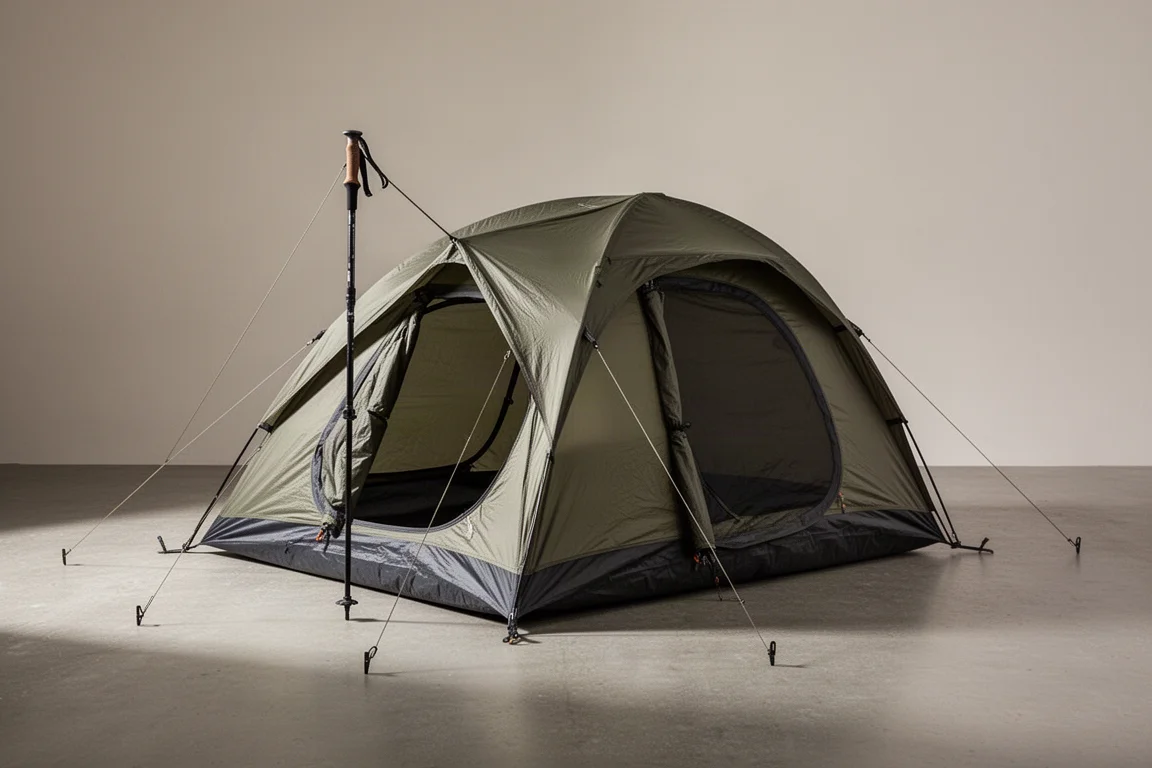
Camping Tents
3FUL Gear Lanshan 2 Pro 4-Season Review: A Sub-$200 Single-Wall Trekking Pole Tent
An early look at the 3FUL Gear Lanshan 2 Pro 4-Season, covering its straightforward pitch, generous interior space, and the condensation and seam-sealing questions that come with any single-wall shelter.
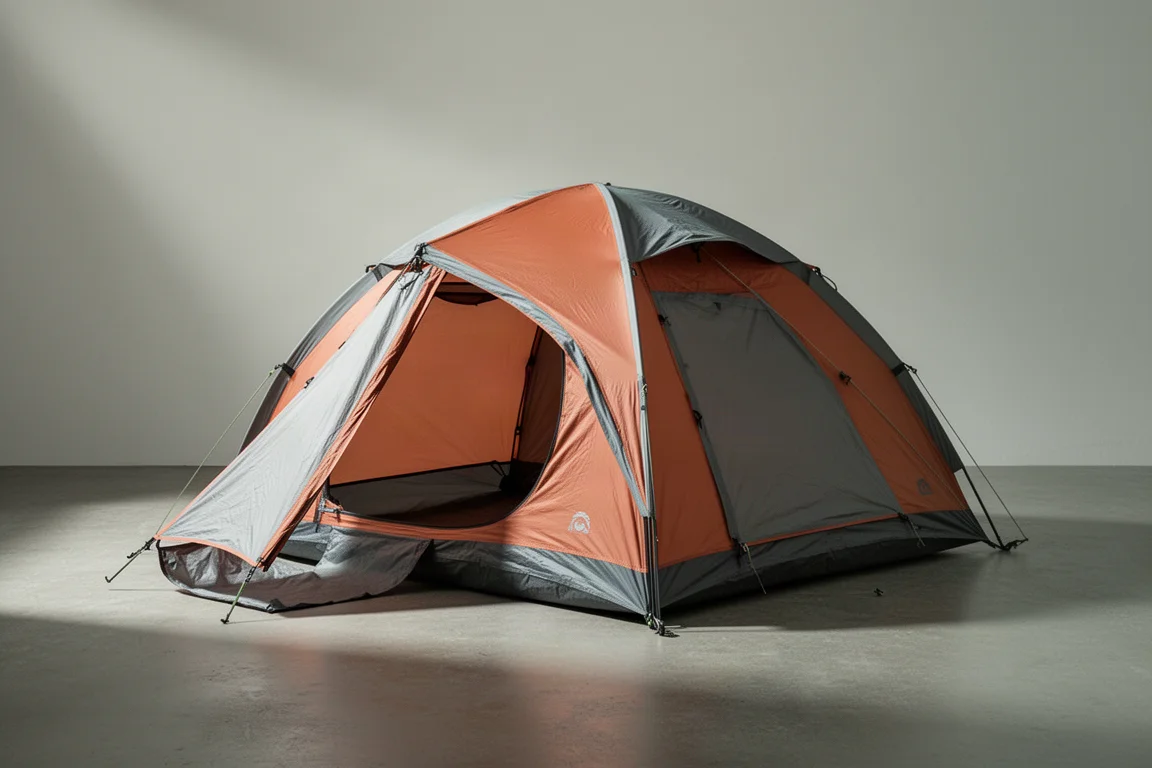
Camping Tents
Alps Mountaineering Lynx 1-Person Tent Review: Big Value in a Small Budget Tent
A close look at the Alps Mountaineering Lynx 1-Person Tent, covering real interior dimensions, materials, setup time, ventilation limits, and who should buy it.