Camping Tents
Quechua 2 Seconds Pop Up Tent (2-Person) Review: Fast Pitch, Serious Storm Protection
A two-person pop-up tent that opens in about 30 seconds and stands up to days of heavy rain, with a compact floor and limited airflow to weigh up first.
Introduction
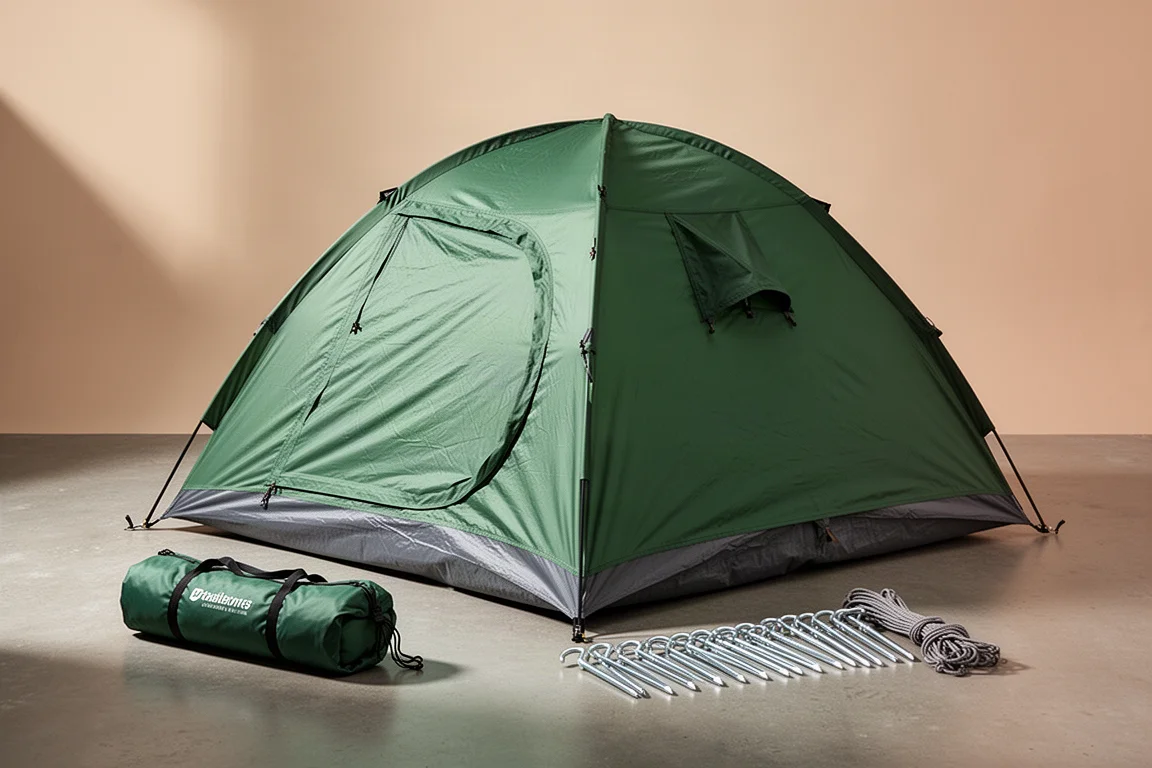
Pop-up tents often ask campers to accept a compromise: fast pitching in exchange for fragile weather protection and an awkward fold-down. The Quechua 2 Seconds Pop Up Tent, in its two-person size, argues against that trade-off. It springs open in about 30 seconds, packs down in roughly two and a half minutes with a guided fold, and it handled three consecutive days of heavy afternoon thunderstorms with only a few drops of water finding their way inside.
It is not a universal tent. The floor is compact, the rainfly is fixed in place, and airflow is limited when the weather turns warm or wet. Understanding those limits is the difference between a tent that frustrates you and one that quietly does its job for years.
Who This Tent Is For
This two-person pop-up suits campers who want shelter up and down quickly without a wrestling match: weekend car campers, festival goers, and anyone arriving at a site late who would rather not pitch in the dark. The package is straightforward, with the tent in its carry bag plus nine stakes and seven guylines stored in dedicated pockets. The guylines do not come pre-attached, so allow a few extra minutes the first time.
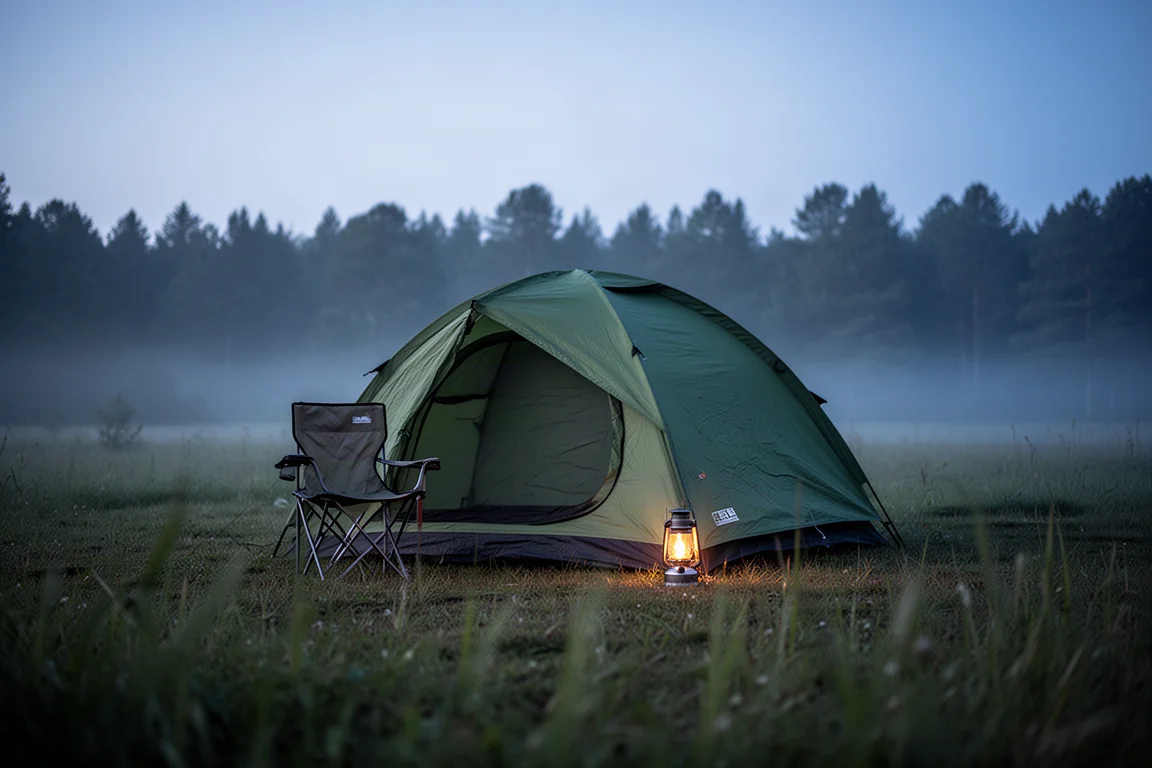
Capacity deserves a realistic look. The tent is rated for two people and will sleep two on narrow pads, but it is not a spacious two-person shelter. Anyone who wants room to spread out, sit upright anywhere inside, or use a large air mattress should step up to the three-person version instead.
Main Strengths
Storm protection is the headline. Through three days of heavy afternoon thunderstorms, with hours of rain each day, the rainfly kept the interior dry and no water seeped through the fly itself. The only intrusion was a small trickle at two rear corner seams after roughly 30 minutes, on a tent that had seen years of use and whose factory seam tape had degraded over time. Once the seams are resealed, the tent copes with sustained heavy rain very well.
Stability is the second strength. With all seven guylines deployed, one for the rear vent and six supporting the body, the tent stayed planted even under vigorous shaking. Wind performance was not formally tested, but the structure is clearly built to absorb a beating.
Build quality holds up too. The polyethylene bathtub floor feels thick and rugged, the polyester rainfly is similarly substantial, and the seams on both the fly and the floor are taped. Stitching is double stitched and consistent, with no loose threads. The fiberglass poles have survived years of light use without breaking. The zips are not especially smooth, but they run without catching.
Then there is the value. For a well-made two-person pop-up tent with this level of weather resistance, it is inexpensive.
Setup and Pack-Up
Setup is genuinely quick. Take the tent out of the carry bag, remove the yellow strap, and the tent springs open into a larger circle. Undo the red buckles, then the yellow buckles, and unfold the tent. That opening stage takes about 30 seconds.
Staking the body through four loops and guying out with the seven supplied lines adds roughly two minutes, putting a full pitch at about two and a half minutes once you are used to it. Staking is optional, but staking the body and guying out the rear vent is strongly recommended.
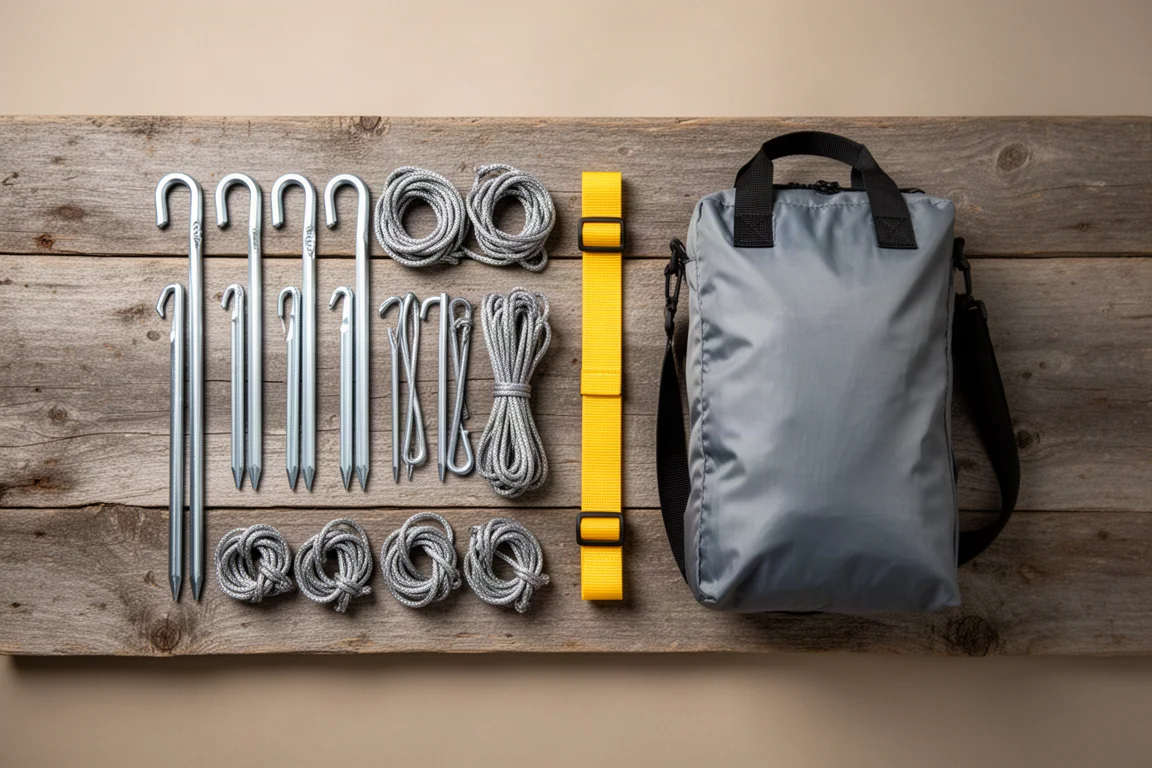
Packing down is guided rather than fiddly. Remove the stakes, pull the red buckle at the back of the tent, clip the red buckles together, then the yellow buckles. Grab the red strap near the yellow buckles and push the body down to the ground, which forms a figure eight that folds in half into the smaller circle. Secure the yellow strap and the tent slides back into the carry bag. Removing the stakes takes about 30 seconds and folding takes about two minutes, so the whole pack-up lands around two and a half minutes. Leaving the guylines attached saves time.
Things to Consider Before Buying
The rainfly is not removable and offers full coverage, with very few vents and very little mesh on the inner tent body. That design is exactly what makes the tent so weatherproof, but it also means airflow is limited on hot days and on rainy days when the outer door has to stay closed.
There is no vestibule, so anything left outside the door, boots included, will get wet in rain.
Inside, the main tent body fabric droops downward and makes only minimal contact with the rainfly. That reduces the likelihood of condensation forming on the body, but it also makes the interior feel tighter than the quoted dimensions suggest.
Seam maintenance matters on an older example. Factory tape can degrade and let water through at the corners, and resealing restores the weather performance, but it is a job worth planning for on a well-used tent.
Interior Space and Mattress Fit
The floor measures about 82 inches long and about 52 inches wide. Headroom is uneven: roughly 39 inches at the front peak, where you can sit upright without your head touching the roof, dropping to about 30 inches at the rear, where you cannot sit up even without a mattress underneath.
Width is the real constraint. The tent is too narrow for a full-size mattress, and a near full-size mattress will bulge out of the side. A queen is out of the question. With a mattress around eight inches thick, the interior feels claustrophobic.
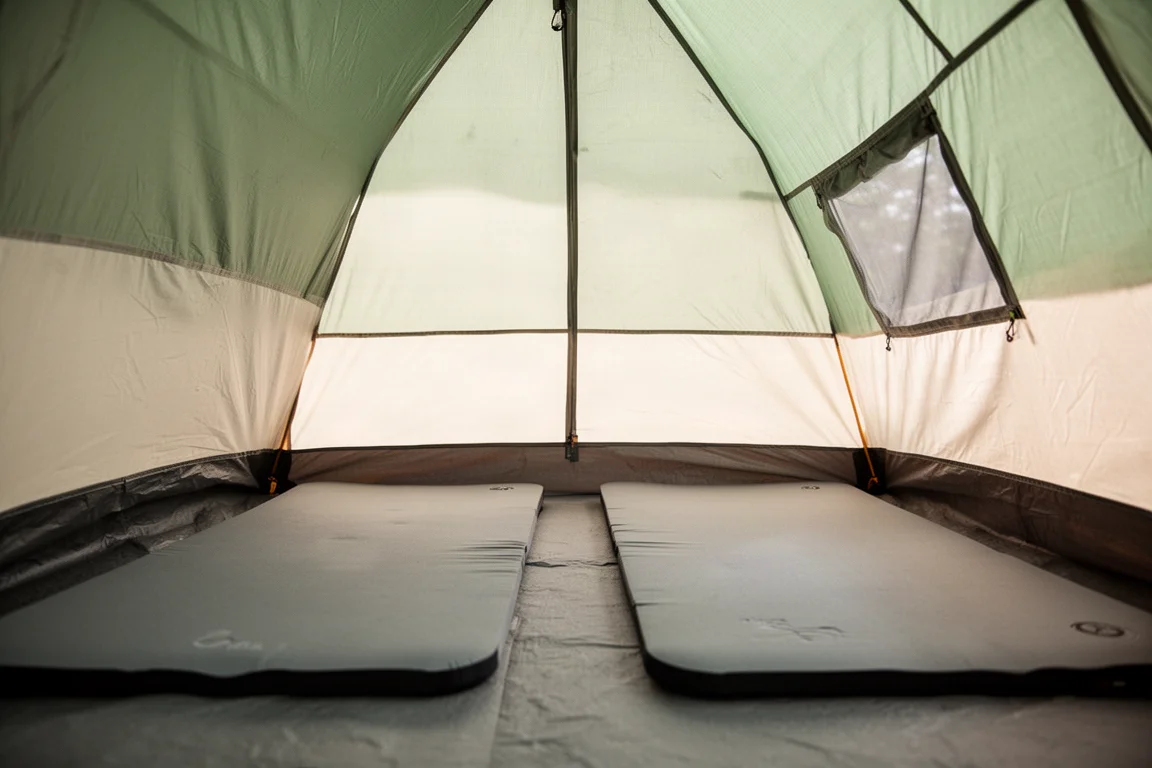
The recommended maximum mattress thickness is 2.4 inches. A double pad with about 2.5 inches of loft fits perfectly, leaves the interior noticeably roomier, and allows you to sit up throughout the tent. Two regular pads side by side also work, with a little room left over.
Storage is modest but sensible: two pockets near the front, one on each side, each about seven by six inches, plus a lantern loop at the rear that suits a small lantern.
Ventilation and Condensation
There is a single rear vent, and it is small. It has to be guyed out to stay open, and it can remain open in rain without letting water in. The rainfly also has two openings, one along each side of the tent, that vent into the main body and do not admit water.
The front door is about 41 inches wide and 36 inches long. The outer green door can be zipped shut on its own while the inner white fabric stays open, and zipping only the inner white fabric creates a small mesh window about 31 inches long and 8 inches wide. To close the outer door fully, the window has to be unzipped first. Both layers carry two zips and can be operated from inside or outside. On a wet day the outer door has to be closed completely, or water will come in.
Overnight, with the door and window closed and one person inside, airflow was limited and the interior felt warmer and stuffier than the air outside, though not unbearable. By morning the walls were completely dry, with a few drops of condensation on the roof. With two people inside, expect more.
Buying Advice
Buy this tent if speed, weather protection, and simplicity matter more to you than interior volume and airflow. It suits campers who pitch late, pack early, and want a shelter that does not need careful handling when wind and rain arrive.
Think twice if you sleep hot, camp in humid or still conditions, or want a large air mattress inside. The limited ventilation and compact floor are the direct cost of the stormproof design, and they are the reasons the three-person version exists.
Maintenance is simple but worth doing: keep the seams sealed, and consider leaving the guylines attached to speed up pitching.
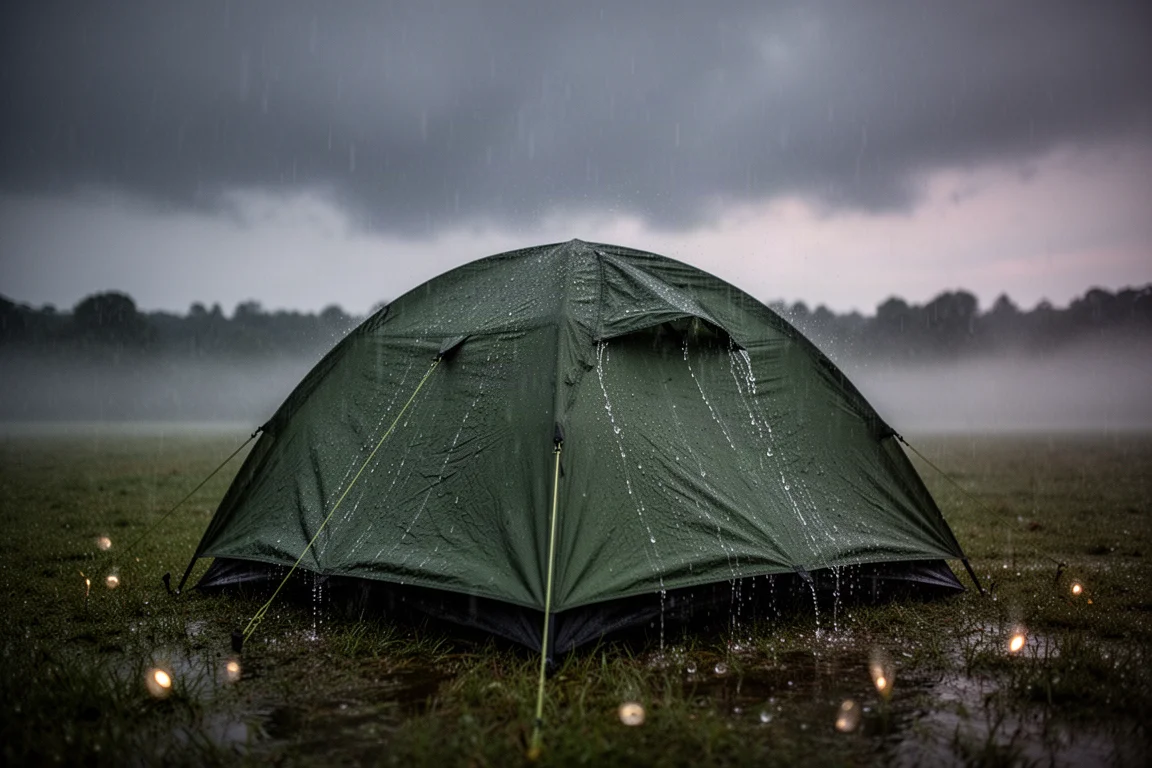
For the money, this is a well-made two-person pop-up tent with rain and wind protection that is hard to match in the pop-up category.
Conclusion
The Quechua 2 Seconds Pop Up Tent gets the fundamentals right. It opens in about 30 seconds, packs down in about two and a half minutes with a guided fold, and it stays dry through days of heavy rain and stable when fully guyed out. Its weaknesses, limited ventilation and a small footprint, are the price of that weatherproofing. If your priorities line up with its strengths, it is an easy tent to recommend.
Product link
View more details for Quechua 2 Seconds Pop Up Tent (2-Person)
This product is mentioned in the review. Check the specifications, options, and compatibility before buying.
View more details for Quechua 2 Seconds Pop Up Tent (2-Person)Further reading
Related Reviews
Camping Tents
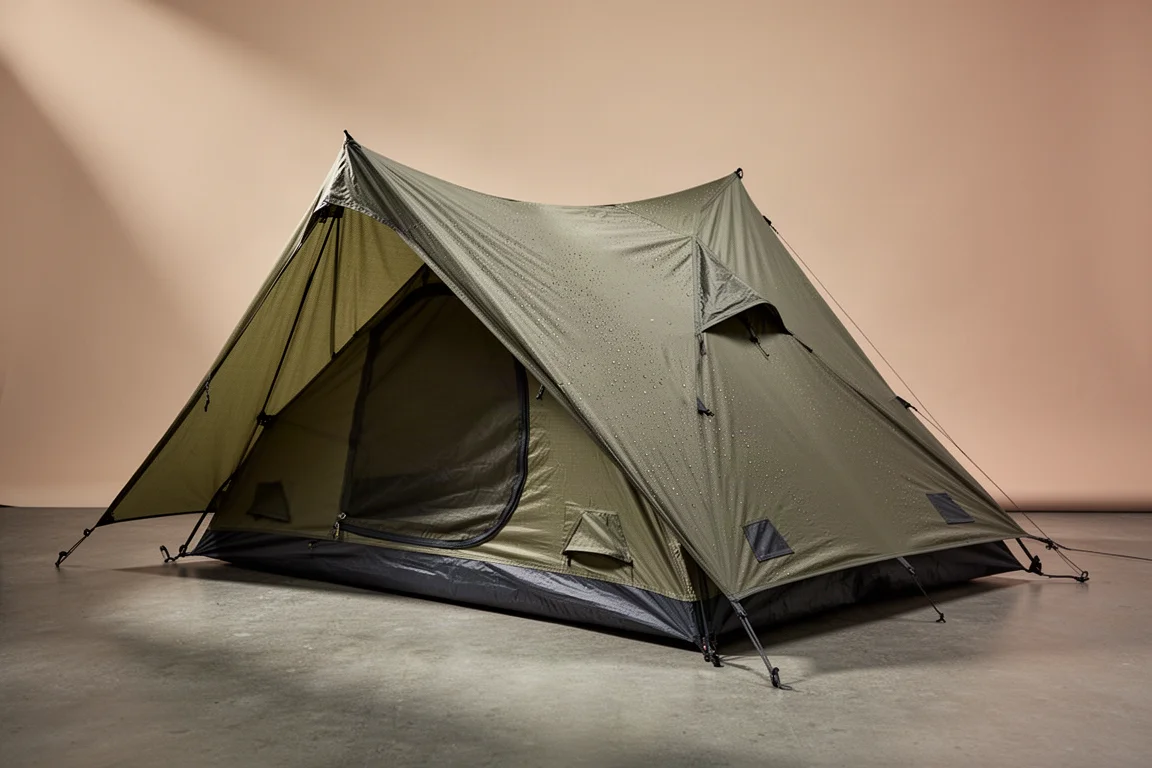
3F UL Gear Taiji Two-Person Tent Review: Field Waterproofing Results and Buying Advice
The Taiji pairs an attached fly with a removable inner, but sustained rain exposed untaped vent seams that need sealing before this shelter can be trusted.
Camping Tents
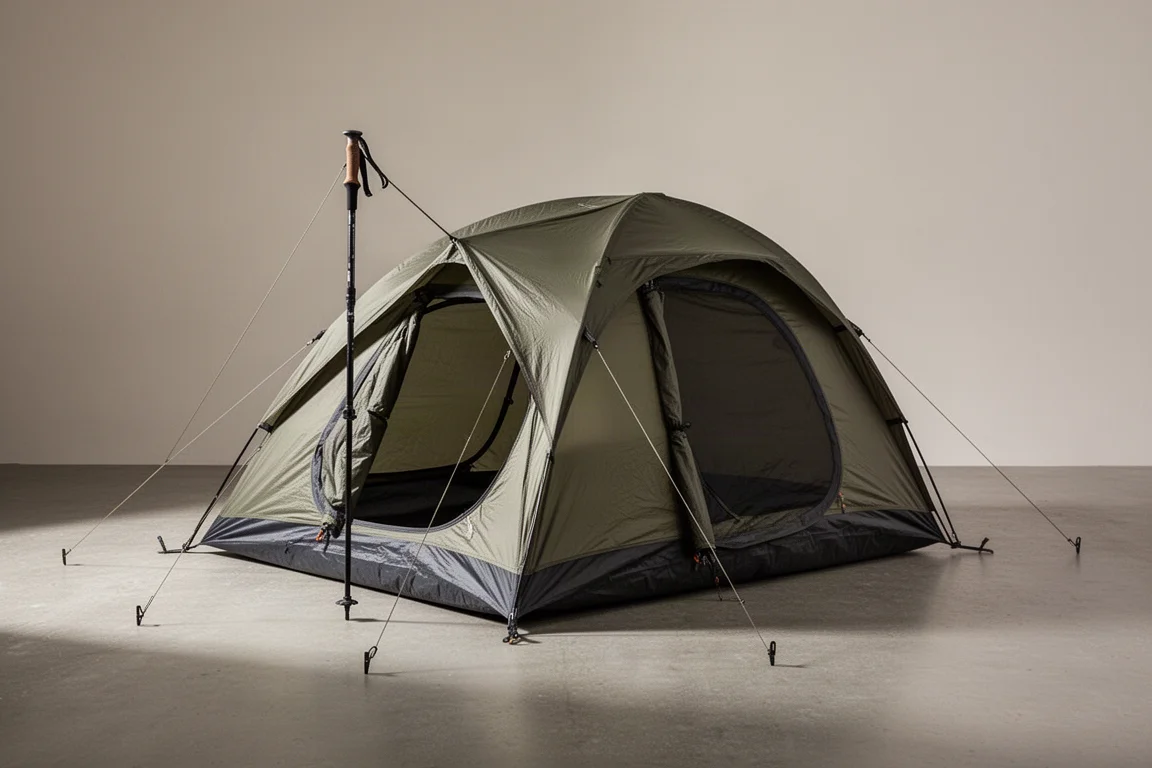
3FUL Gear Lanshan 2 Pro 4-Season Review: A Sub-$200 Single-Wall Trekking Pole Tent
An early look at the 3FUL Gear Lanshan 2 Pro 4-Season, covering its straightforward pitch, generous interior space, and the condensation and seam-sealing questions that come with any single-wall shelter.
Camping Tents
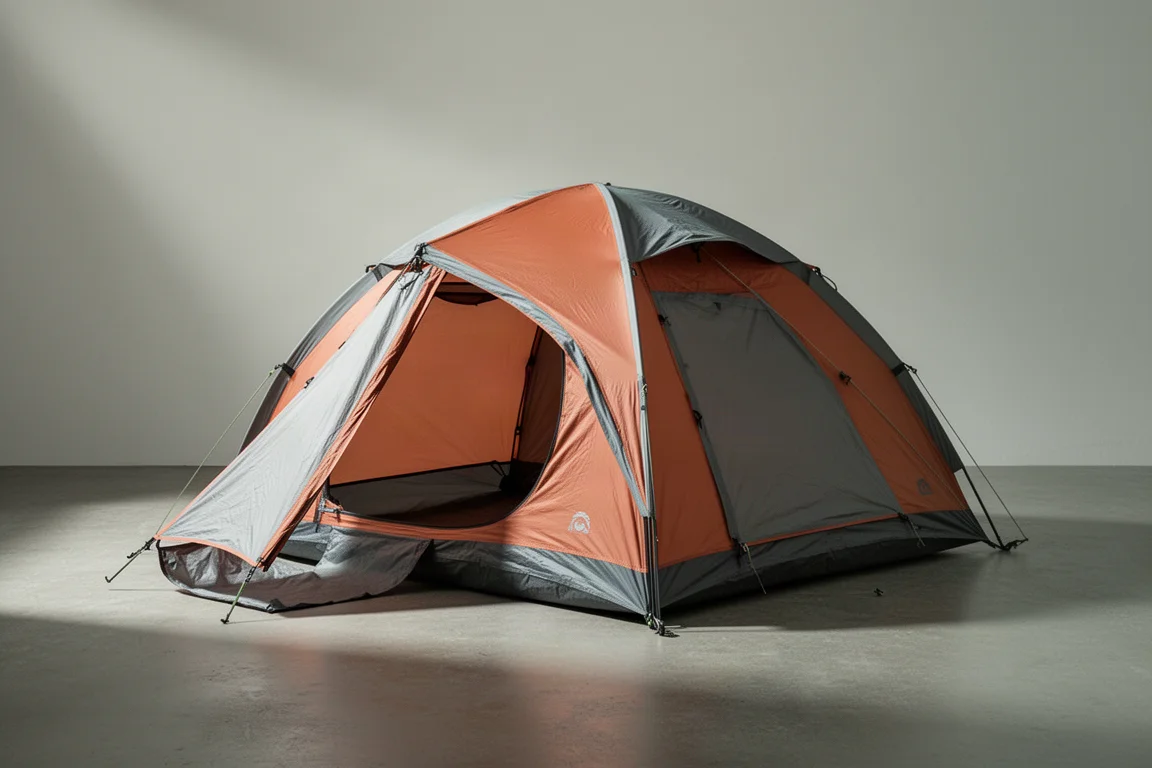
Alps Mountaineering Lynx 1-Person Tent Review: Big Value in a Small Budget Tent
A close look at the Alps Mountaineering Lynx 1-Person Tent, covering real interior dimensions, materials, setup time, ventilation limits, and who should buy it.