Camping Tents
Quechua 2 Seconds Fresh and Black 2-Person vs 3-Person Tent: Which Size Makes Sense?
A practical comparison of the Quechua 2 Seconds Fresh and Black pop-up tent in its 2-person and 3-person versions, covering floor space, mattress fit, height, weight, packed size, and value.
Introduction
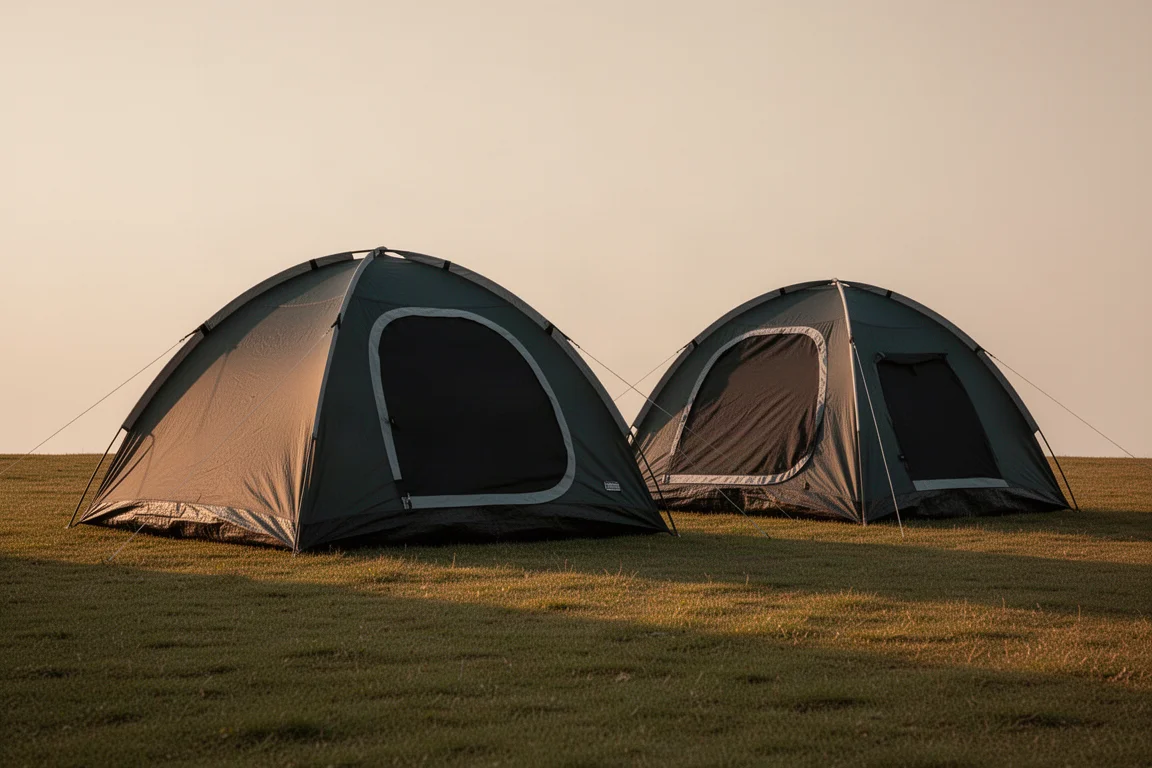
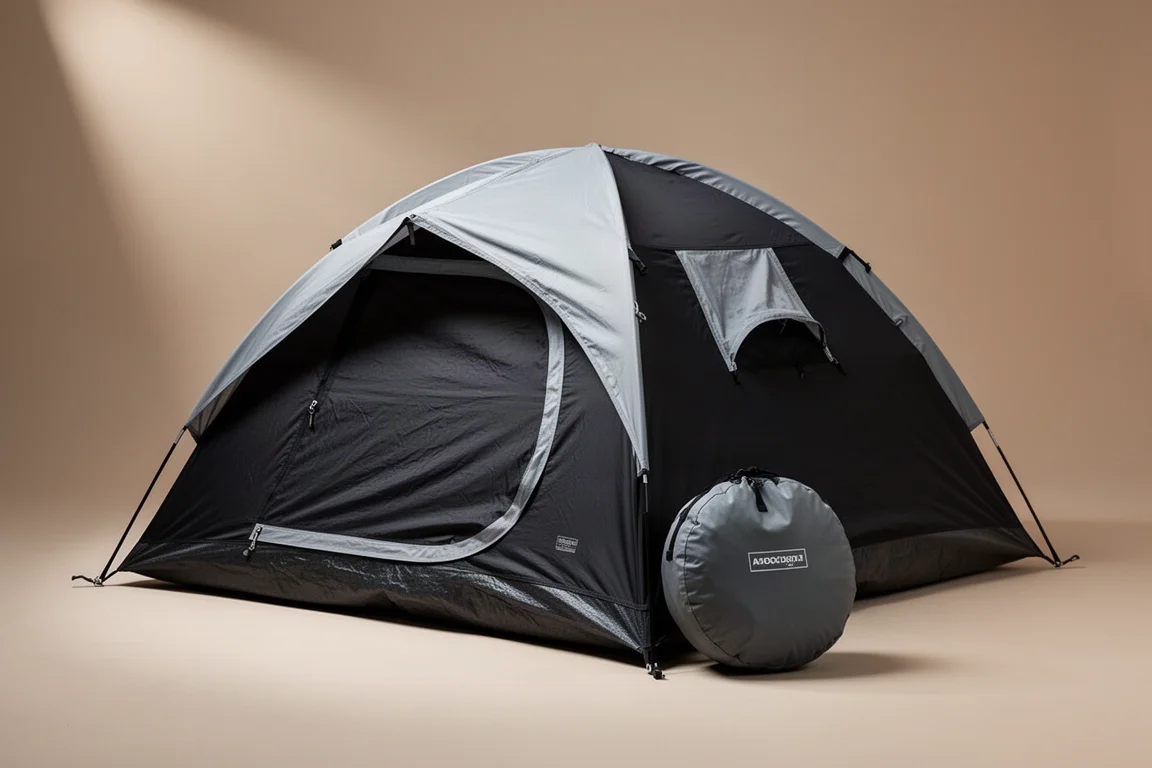
Pop-up tents trade packing bulk for speed, and the Quechua 2 Seconds Fresh and Black line is built around exactly that trade-off. Both the 2-person and the 3-person version open in about 30 seconds, share the same feature set, and use the same setup method. The real decision is not about how they work, it is about how much interior space you actually need and how much weight and packed volume you are willing to carry.
That makes this a straightforward comparison. The two tents differ in floor width, interior height, weight, packed size, and price, while everything else stays essentially identical.
What Both Tents Have in Common
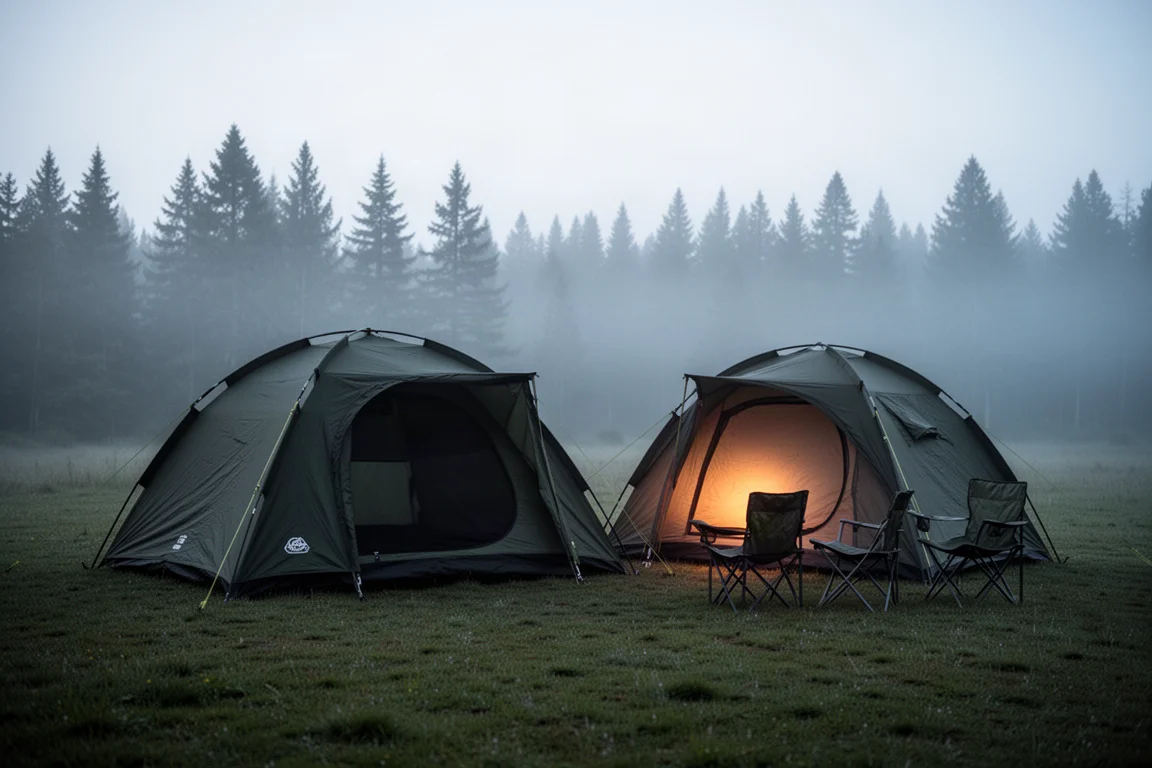
The shared foundation is what makes the choice simple. Both tents pop open in about 30 seconds, and both use the same setup process. Each has four loops for staking out the tent and seven loops for seven guylines, plus two vents for airflow. The feature list is identical across both sizes: the same door design, window, vents, bathtub flooring, and blackout fabric that keeps the interior darker and cooler in bright conditions.
Measured setup times were close, roughly 3 minutes for the 2-person tent and about 3.5 minutes for the 3-person tent, with take down following the same pattern. The extra half minute on the larger tent is simply a reflection of its bigger footprint rather than a different mechanism.
Quechua 2 Seconds Fresh and Black 2-Person Tent
The 2-person version measures 81 inches long and 51 inches wide. That floor plan fits two regular sleeping pads or a single double sleeping pad comfortably, which covers the standard two-person camping setup. What it will not do is accommodate a full sized camping mattress, and a queen sized mattress is out of the question because the width is too narrow.
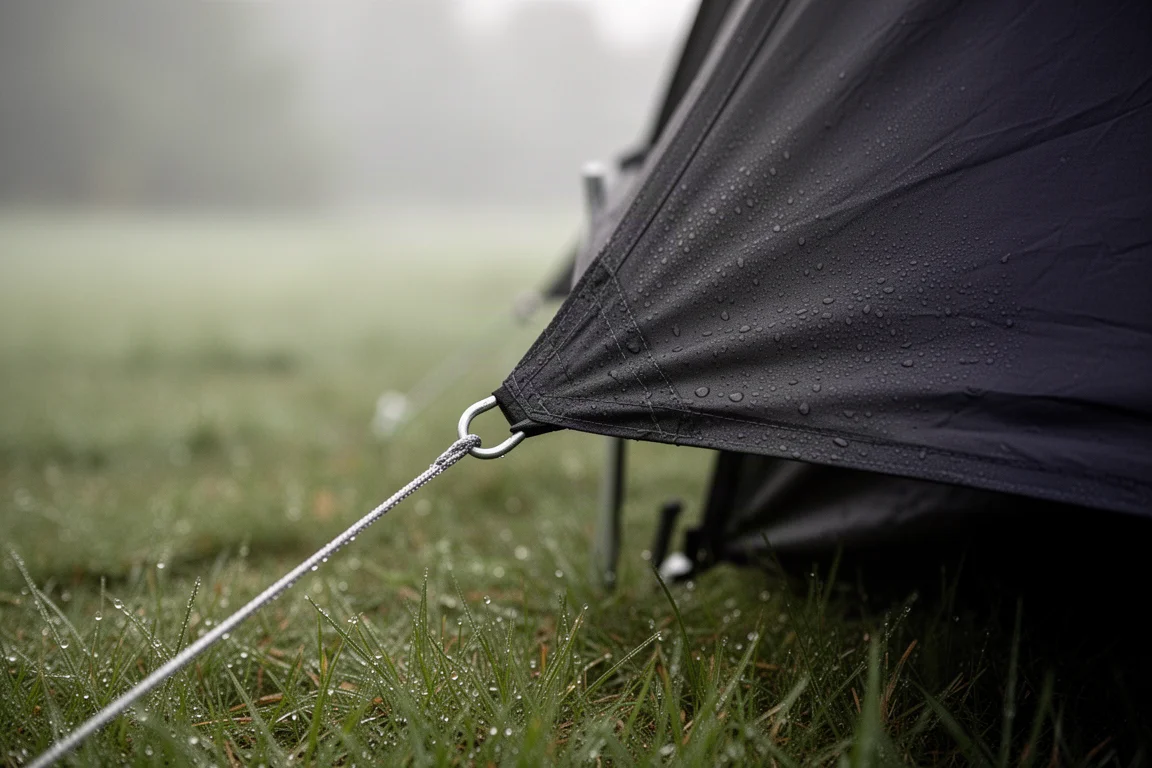
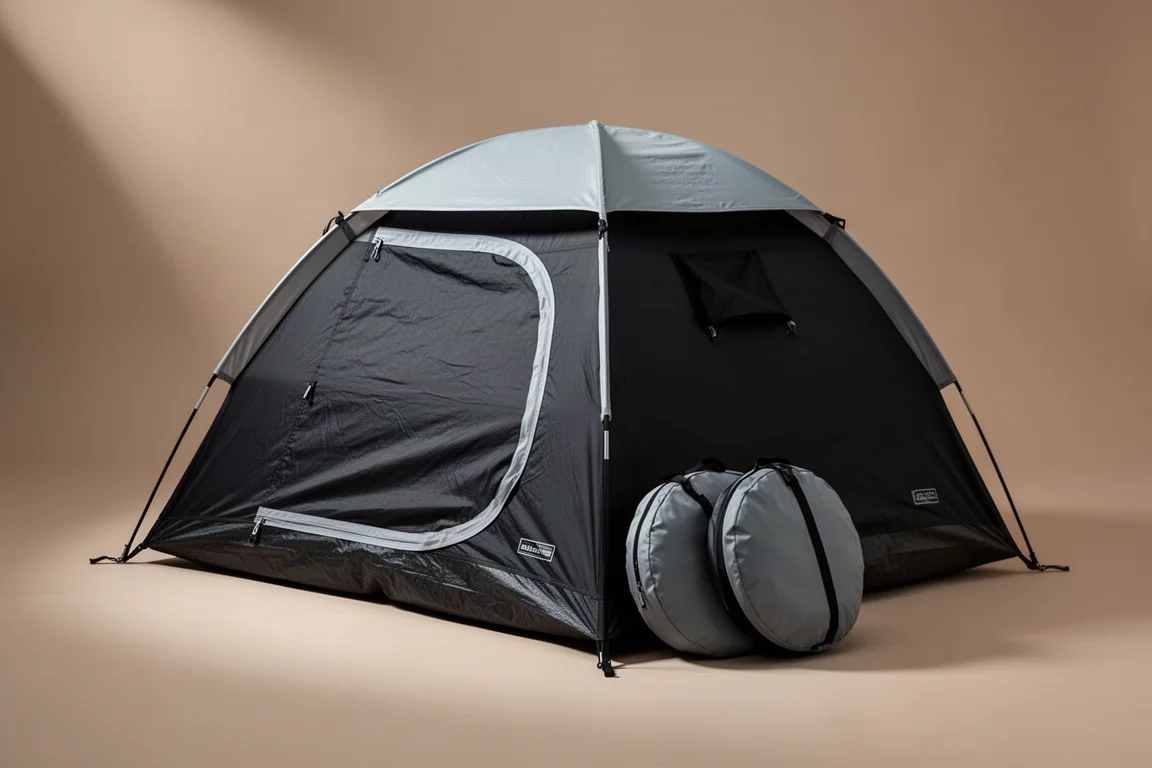
For carrying, the tent and its bag weigh about 7.2 pounds, with a packed size of 27 by 27 by 7 inches. Adding the nine stakes and five guylines brings roughly another 0.7 pounds. That combination makes it the more portable of the two and the easier option to move between pitches or store in a smaller vehicle.
Quechua 2 Seconds Fresh and Black 3-Person Tent
The 3-person version keeps the same 81 inch length but widens the floor to 76 inches. That extra width changes what the tent can do. It fits three regular sleeping pads, or a double pad plus a regular pad, and it also opens up the possibility of a much larger mattress.
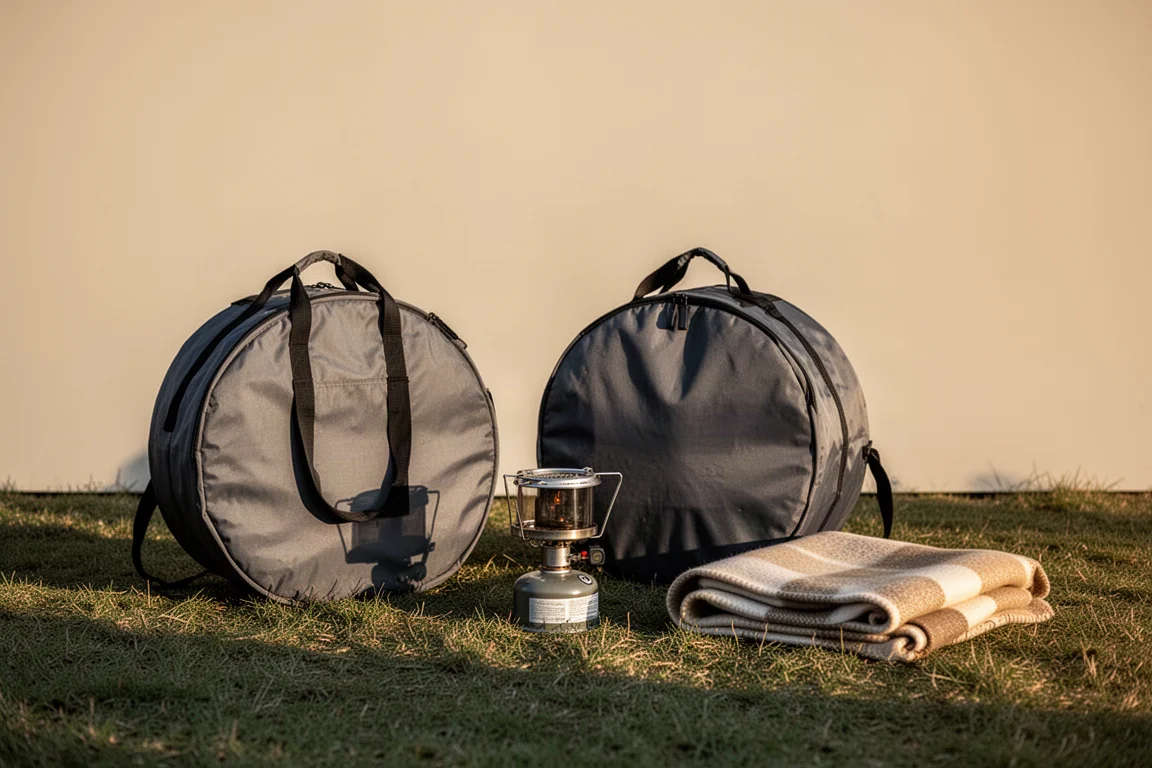
Weight rises to about 8.8 pounds for the tent and carry bag, roughly 20 percent more than the smaller version, and the packed size grows to 31 by 31 by 8 inches. The larger packed footprint is real, even if it does not look dramatically bigger side by side with the 2-person bag.
Interior Space and Mattress Fit
This is where the 3-person tent separates itself. A nearly queen sized Alps Mountaineering Vertex mattress measuring about 6 inches thick fitted inside with room left over along the side. That leftover space is enough for a bit of camping gear, but not enough for another regular pad.
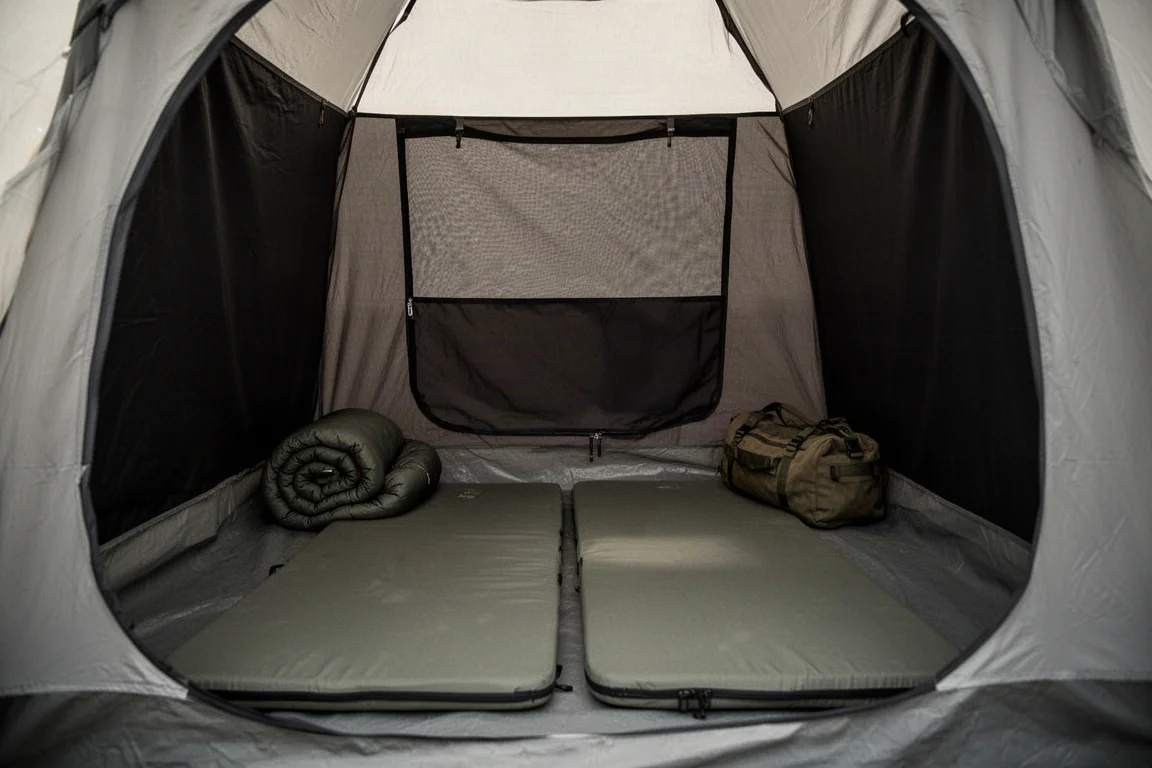
Mattress height matters as much as mattress size. With a 6 inch mattress in place, sitting fully upright means your head touches the top of the tent, while sitting naturally with a slight slouch feels perfectly fine. Going higher than that is not recommended. In the 2-person tent, an 8 inch Coleman mattress felt claustrophobic by comparison. A maximum loft of around 2.4 inches leaves noticeably more livable space, and the lower the mattress, the more usable headroom you get.
Height, Weight, and Packed Size
The 3-person tent peaks at about 39 inches at the front and drops to roughly 32.5 inches at the back. The 2-person tent peaks at about 38 inches and falls to around 29 inches at the rear, so it is slightly lower across its entire length. That difference in rear height is most noticeable when moving around inside or sitting up near the back wall.
On the scale, the gap is smaller than the size difference suggests. The 2-person tent comes in at about 7.2 pounds and the 3-person at about 8.8 pounds, an increase of roughly 20 percent. Packed volume grows more sharply, with the 3-person bag measuring 31 by 31 by 8 inches against 27 by 27 by 7 inches for the smaller tent, which works out to about 50 percent more volume on paper. In person, the two bags look closer in size than that figure implies.
Overall Buying Advice
The 3-person version costs about $20 more than the 2-person version. For that difference you get a wider floor, a few more inches of interior height, the ability to sleep three people, and enough space to run a nearly queen sized mattress with a little room left for gear. It is also only about 20 percent heavier, which is a modest penalty for the added versatility.
If weight and packed size are not key considerations for you, the 3-person tent is the stronger purchase. It covers the same two-person trips just as well while leaving the door open to larger groups or more comfortable sleeping arrangements. The 2-person version remains the better choice for campers who need to travel light, pack into a small car, or move the tent frequently and value the smaller bag and lower weight above interior room.
Conclusion
Both tents deliver the same fast pop-open setup, the same staking and guylines, and the same feature set. The decision comes down to a single question: do you need the wider floor and taller interior enough to accept a heavier, bulkier bag? For most campers who are not counting grams, the 3-person tent offers the better balance of space, flexibility, and value.
Further reading
Related Reviews
Camping Tents
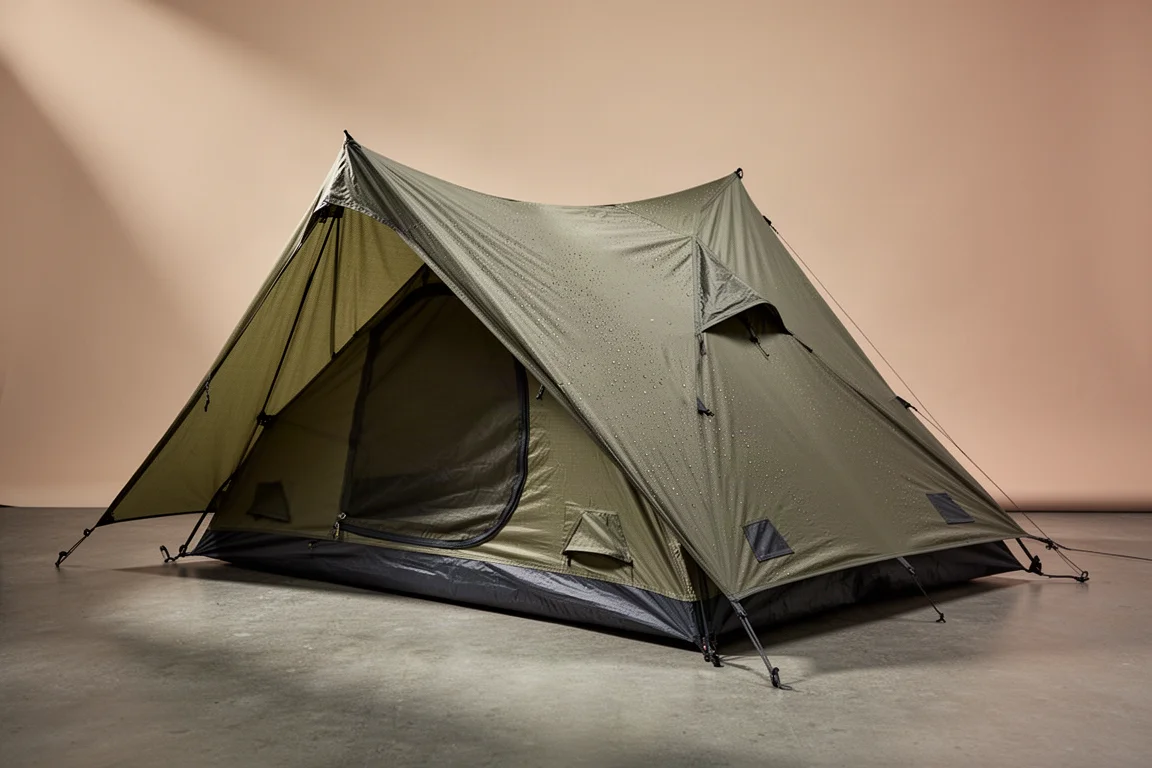
3F UL Gear Taiji Two-Person Tent Review: Field Waterproofing Results and Buying Advice
The Taiji pairs an attached fly with a removable inner, but sustained rain exposed untaped vent seams that need sealing before this shelter can be trusted.
Camping Tents
3FUL Gear Lanshan 2 Pro 4-Season Review: A Sub-$200 Single-Wall Trekking Pole Tent
An early look at the 3FUL Gear Lanshan 2 Pro 4-Season, covering its straightforward pitch, generous interior space, and the condensation and seam-sealing questions that come with any single-wall shelter.
Camping Tents
Alps Mountaineering Lynx 1-Person Tent Review: Big Value in a Small Budget Tent
A close look at the Alps Mountaineering Lynx 1-Person Tent, covering real interior dimensions, materials, setup time, ventilation limits, and who should buy it.