Backpacking Gear
Quality Backpacking Gear Worth the Investment: 15 Items That Earn Their Place
A practical look at 15 backpacking items that justify a higher spend through reliability, longevity, and dependable support.
Introduction
There is no shortage of budget-friendly backpacking gear that gets people outside, and a lot of it works well. The case for spending more is not about brand prestige or chasing the newest thing. It is about what shows up over years of use: tighter quality control, longer service life, stronger warranty terms, and support that actually answers when something goes wrong.
This guide covers 15 items that have earned a permanent place in a backcountry kit. Some carry a higher price tag, others cost about the same as their budget counterparts. What they share is a record of dependability in real conditions, season after season.
Why Quality Gear Is Worth the Investment
Cheap gear and quality gear often do the same job on the first trip. The difference appears on the tenth. Materials hold their shape, seams stay intact, valves stop leaking, and the item does not need replacing mid-season.
Spending more also buys something less visible: accountability. Better warranty coverage and responsive customer service matter when equipment fails far from a trailhead, and a product that lasts several seasons usually costs less per year than three cheap replacements.
The items below are grouped by the role they play in a pack, from water treatment and shelter through to cooking and emergency communication.
Water Treatment: Katadyn BeFree Filter
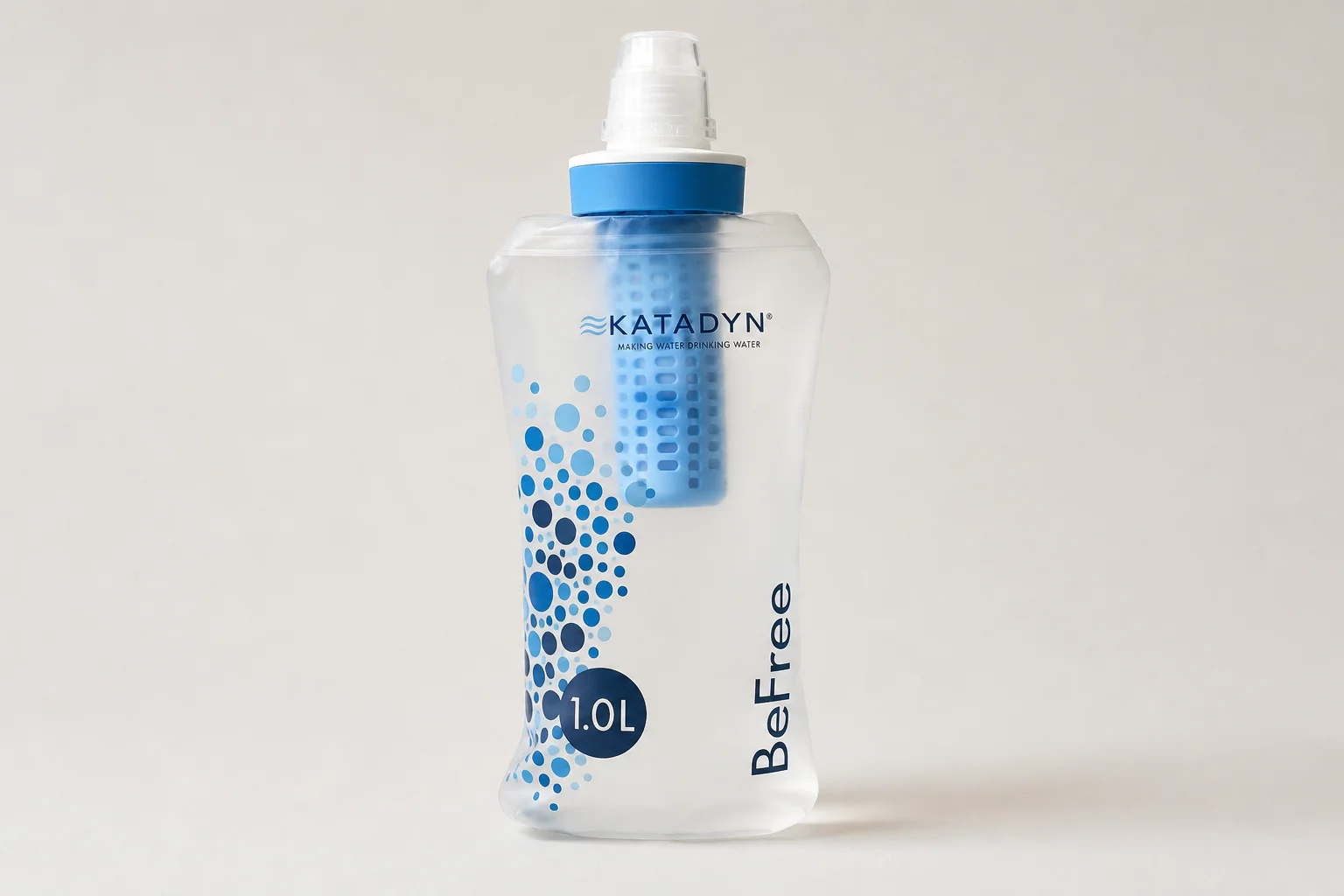
The BeFree is a hollow-fiber squeeze filter built around a soft flask and a threaded collar at the top. It is not a new design, but it remains a strong option for backpackers who want fast, simple water collection without a pump.
Performance depends heavily on the bottle it is paired with. The wider 42 mm thread pattern found on some collapsible bottles does not seal as well as the narrower 21 to 22 mm threads used elsewhere, and that mismatch tends to show up as leaks over time.
Filter cartridges run about $25, so a complete setup lands near $50 when paired with a compatible flask. Replacement cartridges are the only consumable, which keeps long-term running costs predictable.
Water Storage: HydraPak Seeker 2L
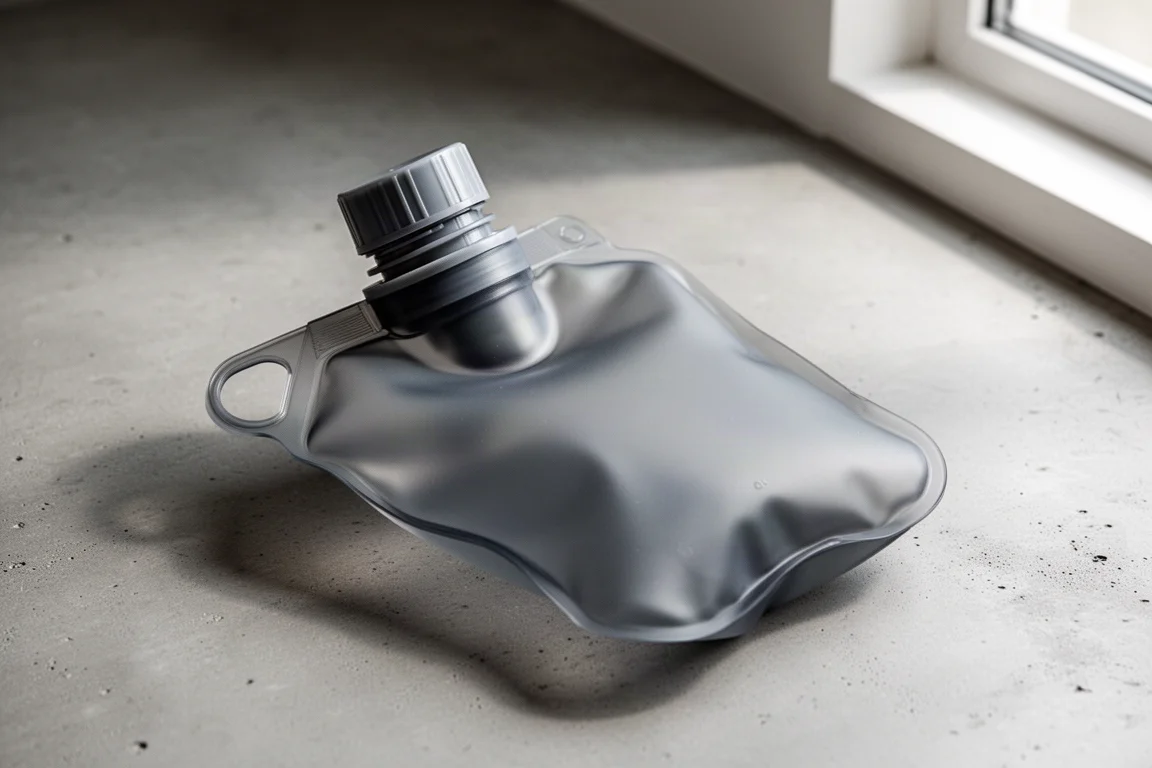
The Seeker 2L is the flask that makes the BeFree work at its best. Its main advantage is a hard plastic collar at the top, which gives the filter threads something solid to bite into while the body of the bag still rolls and squeezes like a standard soft flask.
That combination has proven more durable in practice, with fewer leaks and none of the pinhole failures that can develop in other collapsible bottles. It holds two liters, which covers a long stretch between water sources on most trips.
At roughly $25, the Seeker is one of the least expensive items in a kit and one of the most frequently used.
Backup Water Treatment: Aquamira Drops
Every filter can clog, freeze, or fail. Aquamira drops are a lightweight chemical backup that weighs almost nothing and takes up almost no pack space, which makes them easy to justify carrying on every trip.
The two-part liquid treatment is a reliable way to make water safe to drink when the primary filter is out of commission. At roughly $11 to $12, it is inexpensive insurance against a problem that can otherwise cut a trip short.
Insect Protection: Sawyer Picaridin
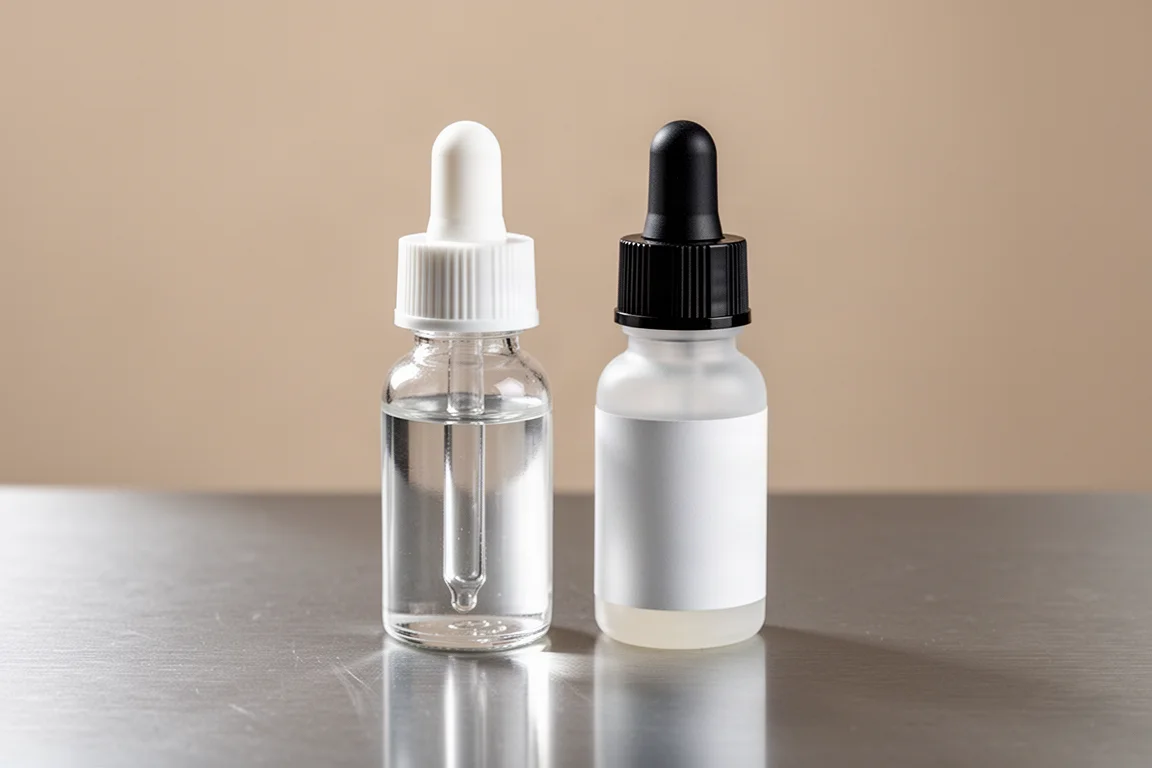
Picaridin lotion has become the preferred insect repellent for anyone who wants their gear to last. DEET is hard on synthetic fabrics, coatings, and plastics, and the damage it causes is often permanent.
Picaridin is effective, carries far less odor, and is gentler on the equipment it touches. It is inexpensive and available in single-use packets, so a weekend trip does not require carrying a full-size bottle.
Ultralight Sleeping Pads: Therm-a-Rest NeoAir UberLite
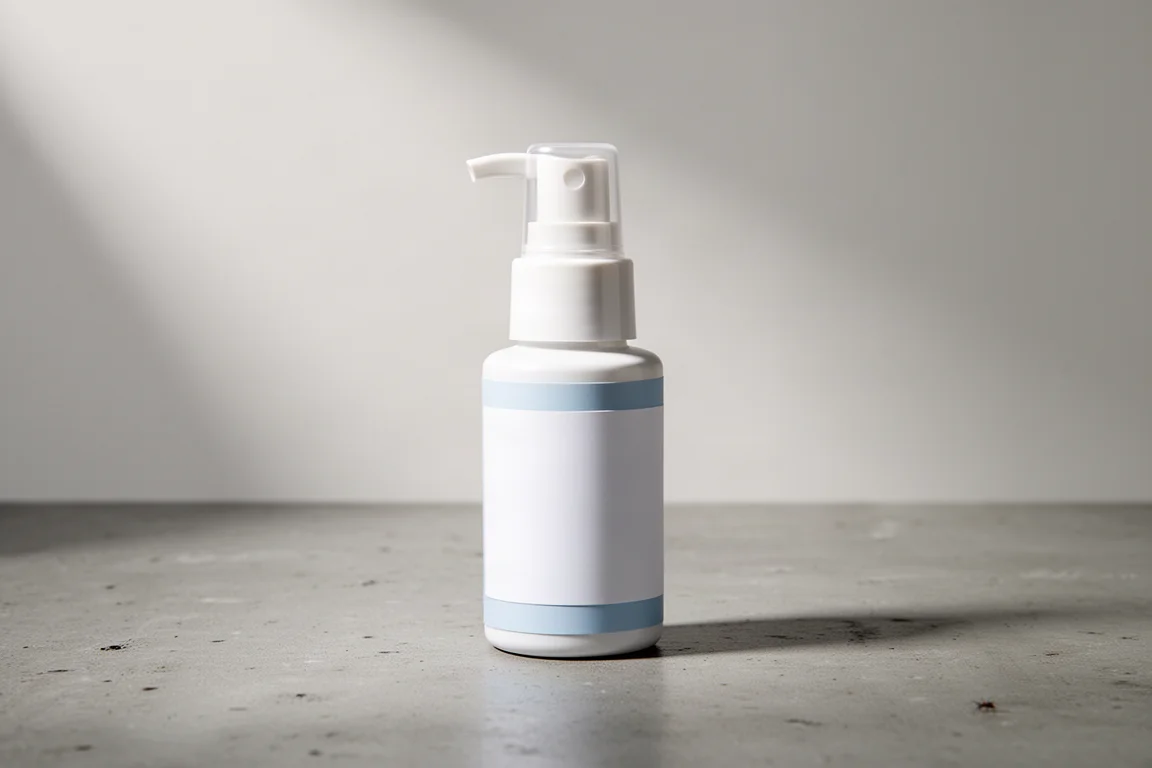
The NeoAir UberLite weighs roughly 8 to 10 ounces depending on size and packs down to about the size of a water bottle, which makes it a natural choice for trips where every gram counts.
Comfort is better than the weight suggests, though the pad is narrower than some sleepers would like. The fabric also has a pronounced crinkle that is audible against tent floors, a trade-off common to ultralight air pads.
For backpackers moving down from heavier pads, the UberLite delivers a meaningful reduction in pack weight and volume without giving up much sleep quality.
Comfort Sleeping Pads: NEMO Tensor
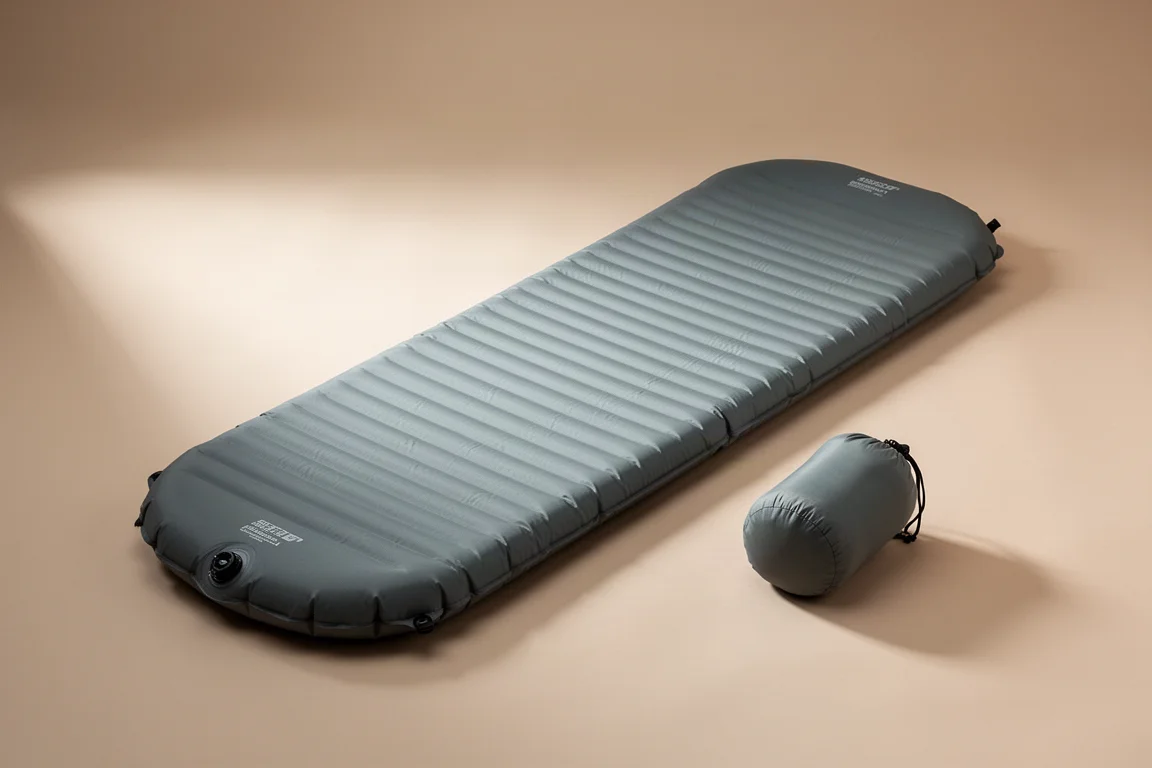
The NEMO Tensor is heavier than the UberLite by several ounces, and that extra weight buys one of the most comfortable nights of sleep available on the trail. The fabric shares some of the crinkle of other air pads, but it does not detract from the experience.
For backpackers who struggle to sleep well in the backcountry, the Tensor is an easy recommendation despite the weight penalty.
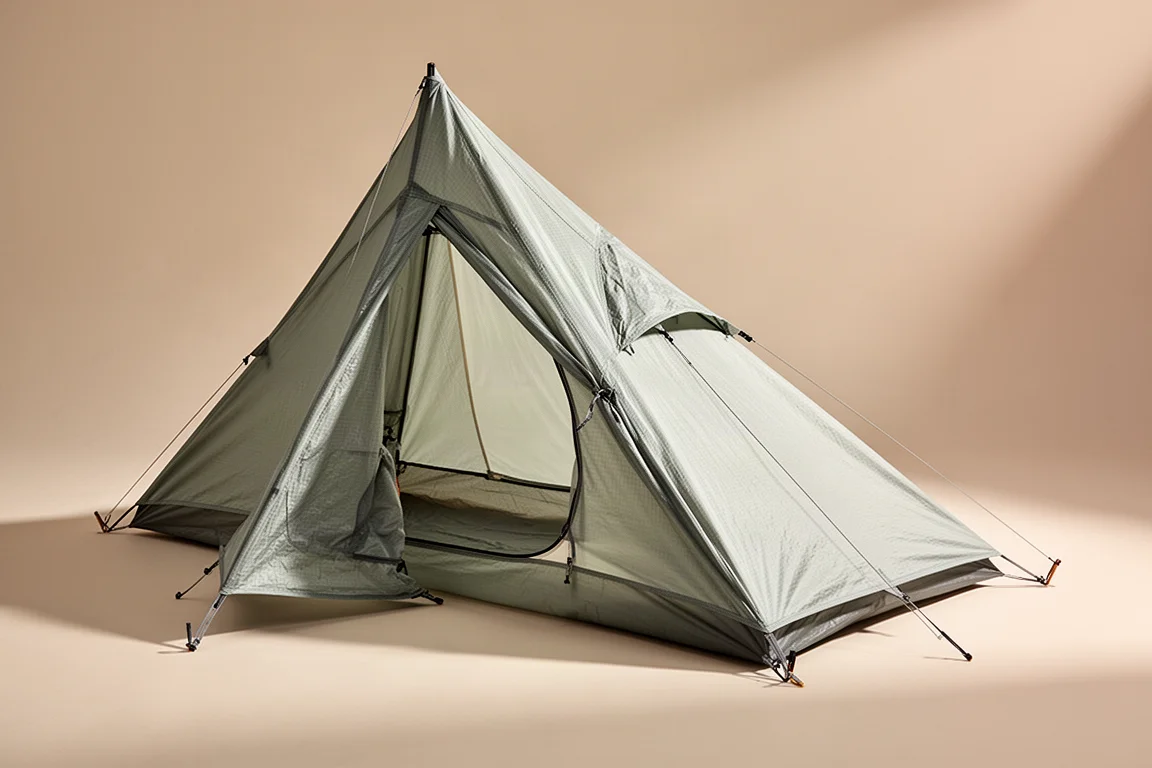
Ultralight Shelters: Gossamer Gear The One
The One is a trekking pole supported, non-freestanding shelter. It depends on two poles and a taut pitch, and it rewards that setup with a reliable, repeatable shape every time it goes up.
At about $300, it sits above what many backpackers expect to pay for a single-wall nylon shelter of this type, where $225 to $250 would feel closer to the mark. The consistent pitch and low weight have made the difference worth it in practice.
Freestanding Shelters: Big Agnes Copper Spur HV UL2
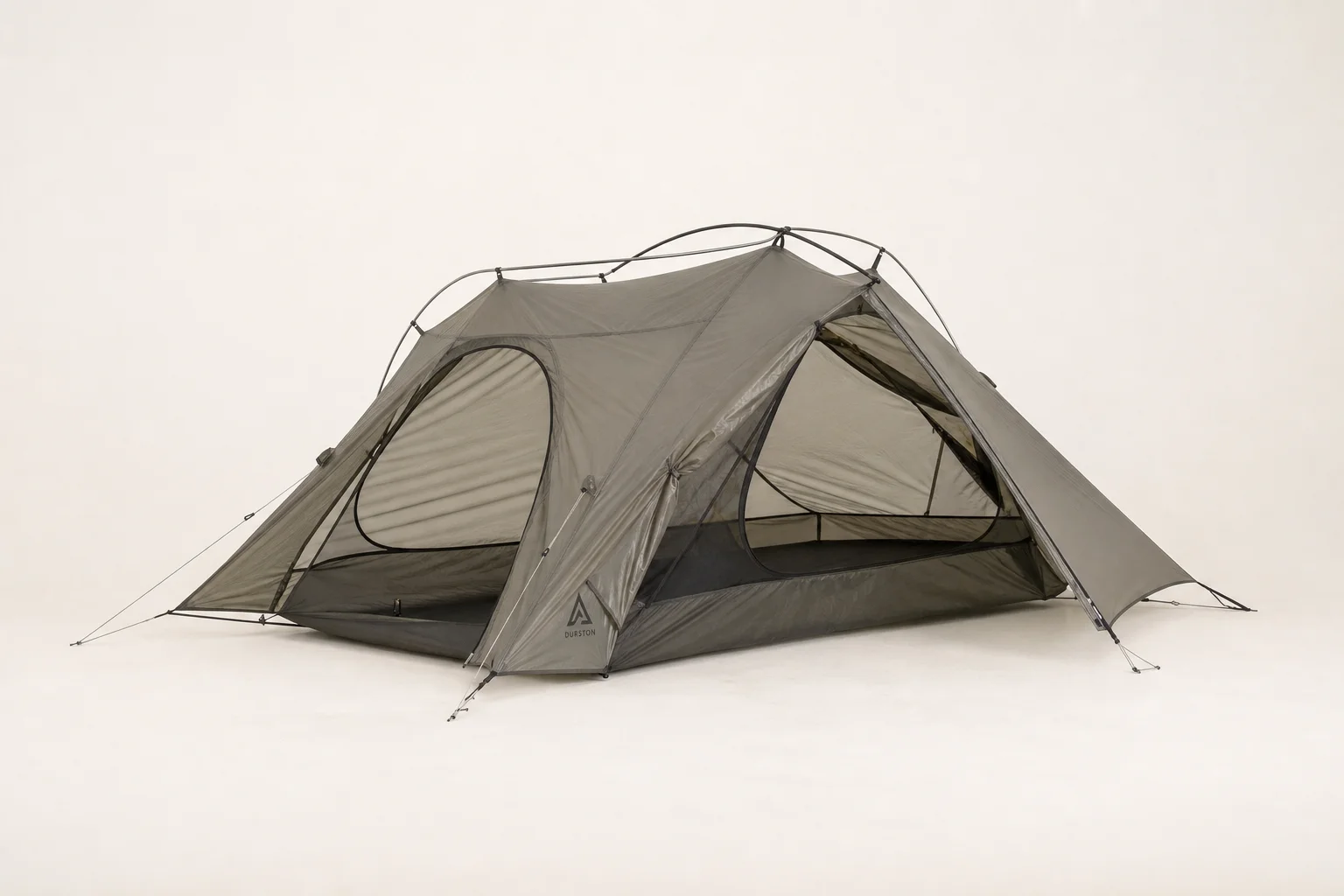
The Copper Spur HV UL2 is a freestanding two-person shelter that trades a little weight for liveability. Interior storage is the standout: a large three-dimensional pocket and ceiling storage keep small items off the floor and within easy reach.
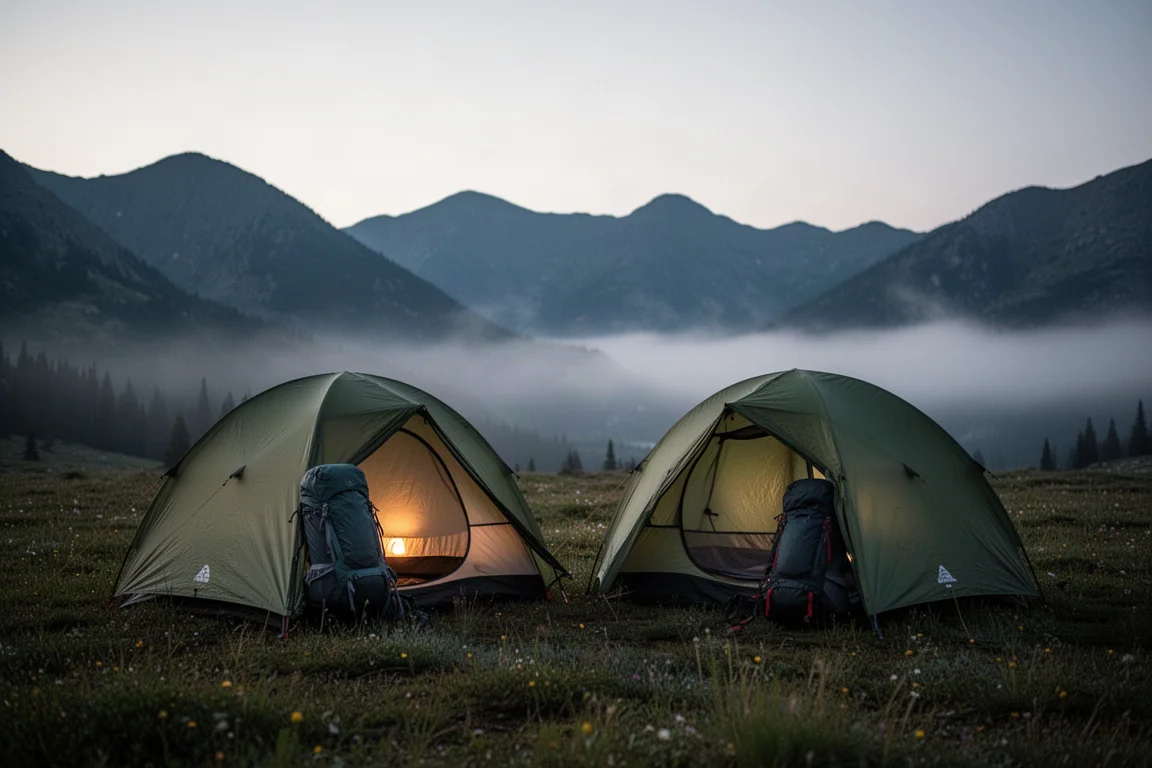
It costs roughly $50 to $100 more than comparable shelters, and that premium is the main thing to weigh before buying. For backpackers who want comfort and organization rather than the absolute lowest weight, the layout and storage justify the spend.
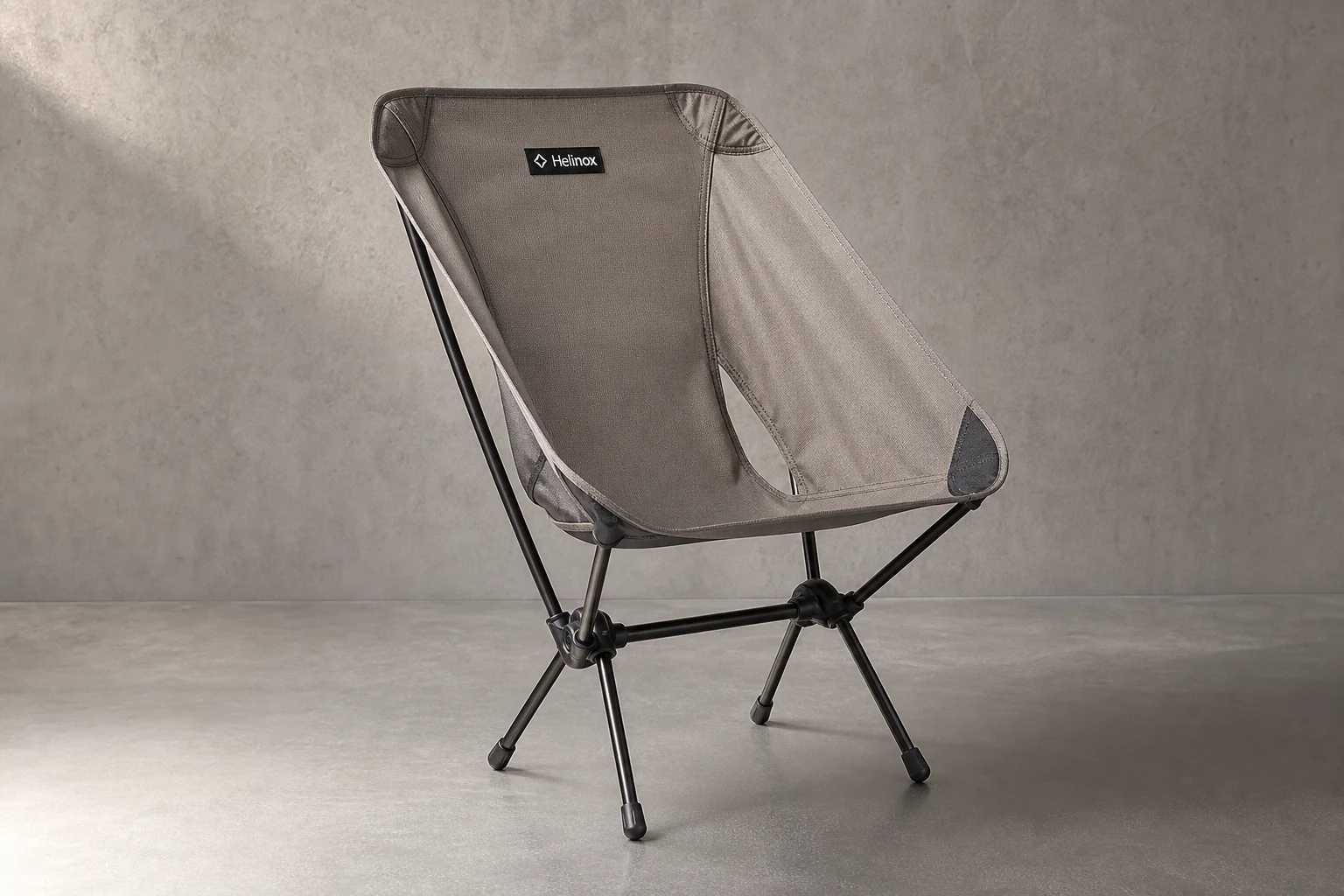
Camp Comfort: Helinox Chair Zero
A chair is the item most often left behind, and the Chair Zero is the reason that calculation has changed. It weighs about a pound and packs small enough to disappear into a pack.
After a long day, having something to sit on and lean back into takes strain off the back and makes camp considerably more pleasant. The frame and fabric have held up to repeated use without rips, holes, or failures.
For backpackers who have written off camp chairs entirely, this one is worth reconsidering.
Top Quilts: UGQ Bandit
The Bandit is a customizable top quilt from a family-owned maker, and it is a strong example of what small-shop manufacturing can deliver.
It is not the cheapest option. A Bandit generally runs more than $200 regardless of how it is specified, and the price climbs with insulation and sizing choices. What the money buys is careful stitching, dependable construction, and customer service that has been consistently responsive.
For backpackers ready to move from a sleeping bag to a quilt, the Bandit is a well-made place to start.
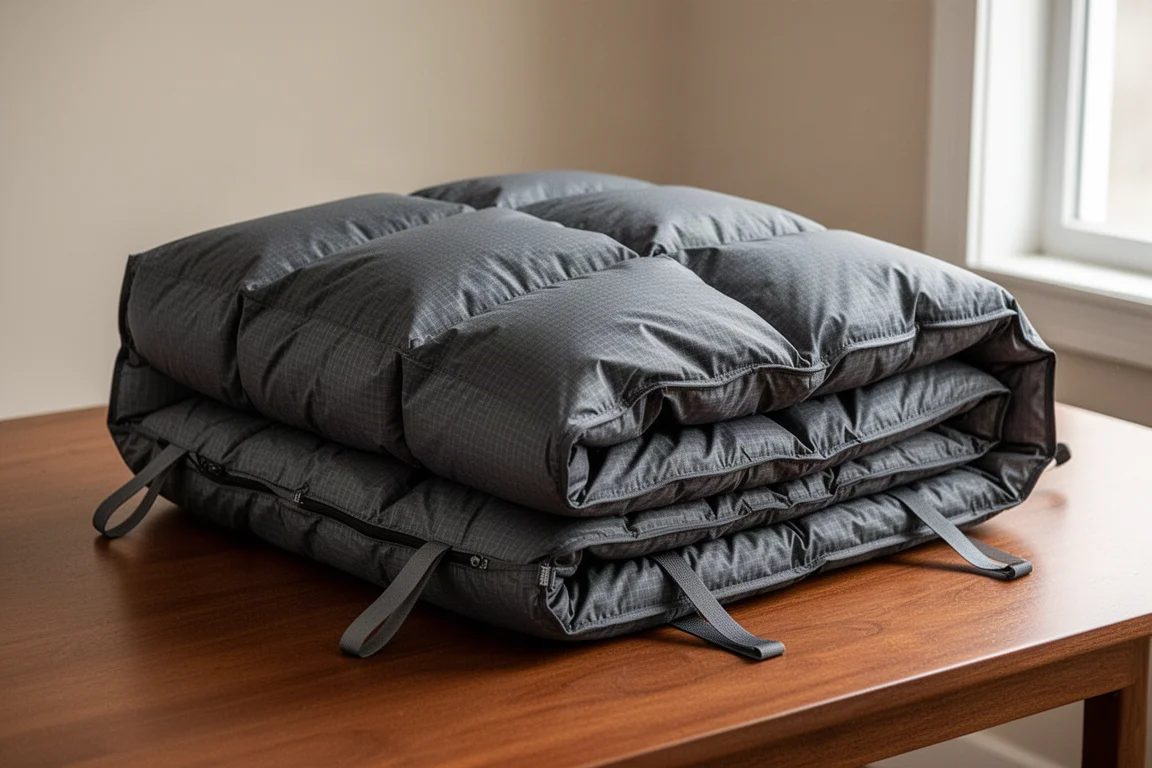
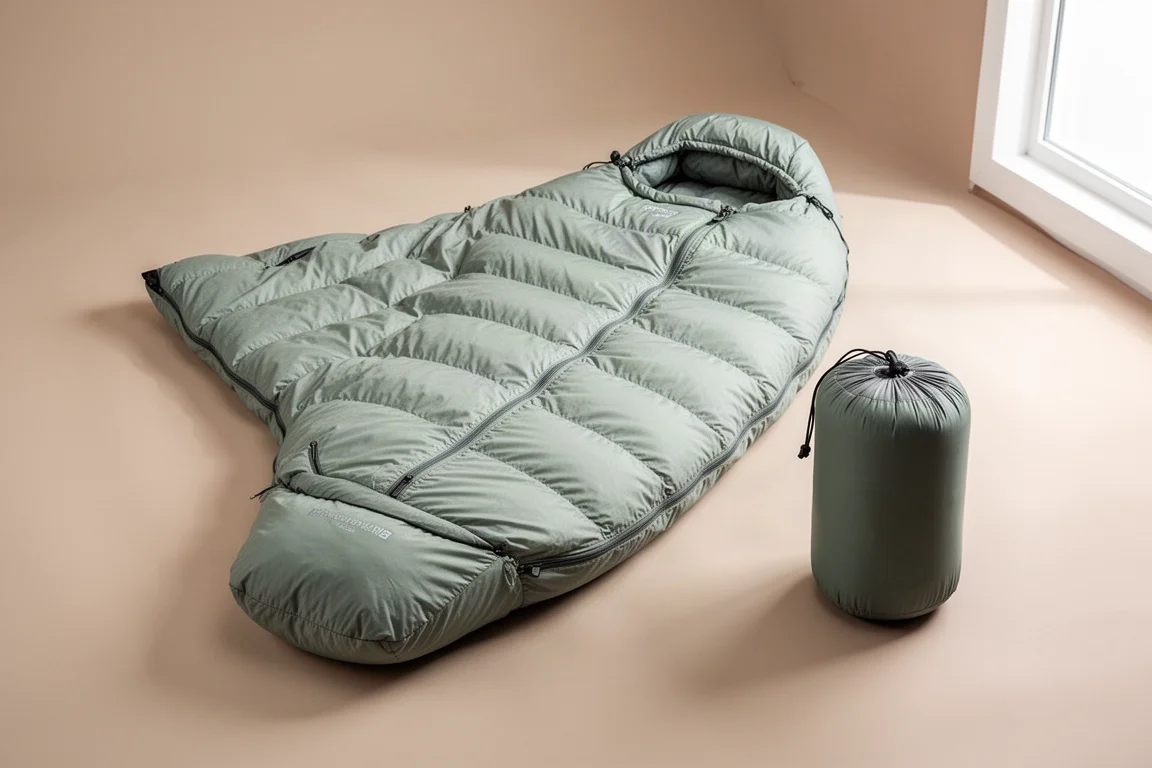
Sleeping Bags: Therm-a-Rest Hyperion 20
The Hyperion 20 is a 20-degree sleeping bag that has proven warmer and more comfortable than its weight suggests. It packs down small and stays roomy inside, which sets it apart from tighter mummy bags.
Pad straps on the back of the bag keep it anchored to a sleeping pad through the night, and the fabric is soft against the skin. A 32-degree version is also part of the line for warmer conditions.
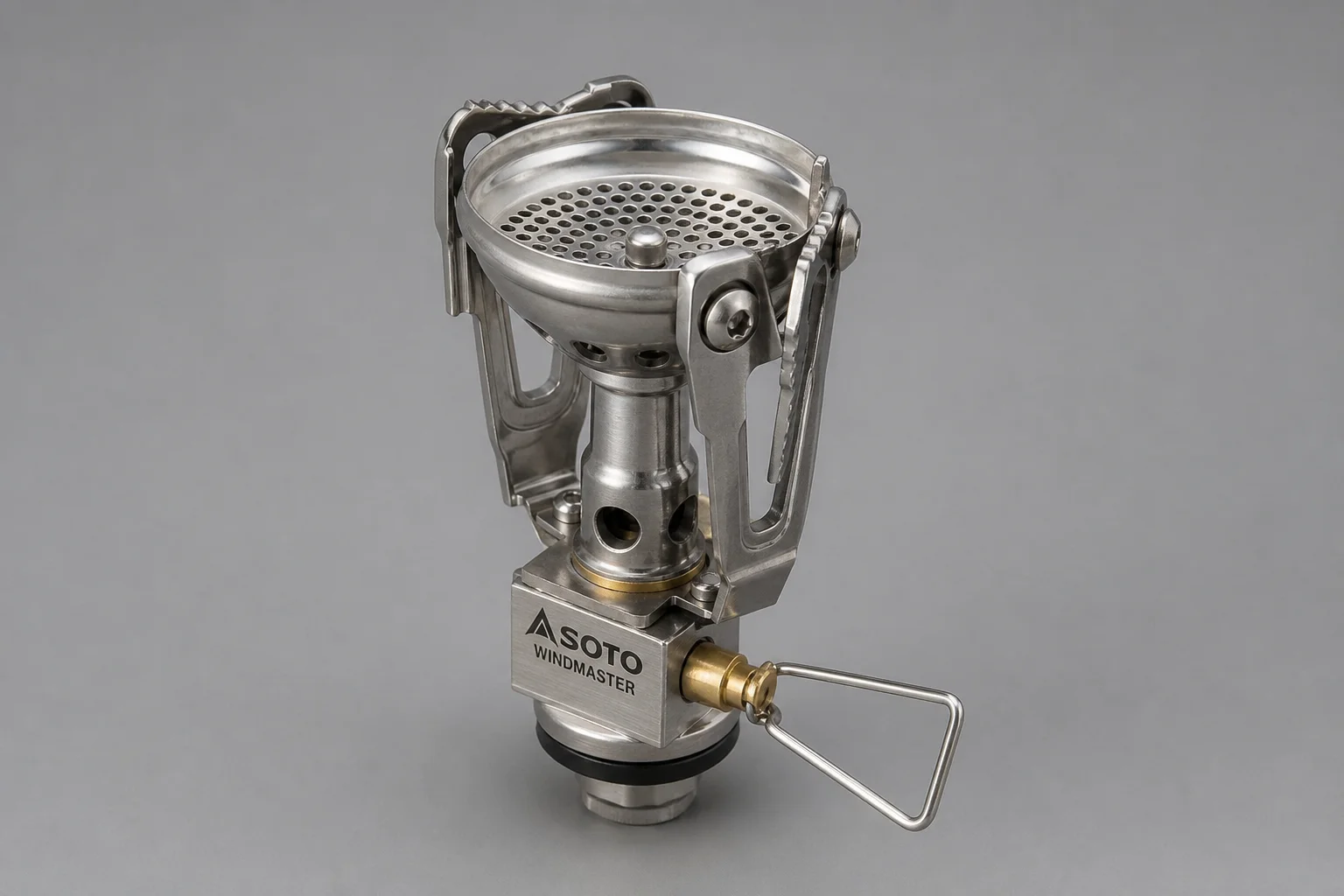
Stoves: Soto WindMaster
The WindMaster is a canister stove at about $70 that has been completely dependable in extended use. Build quality is evident in the details, and reliability is the trait that matters most in a stove that has to boil water in poor weather.
For backpackers who want one stove that keeps working trip after trip, the WindMaster is a straightforward choice at a mid-range price.
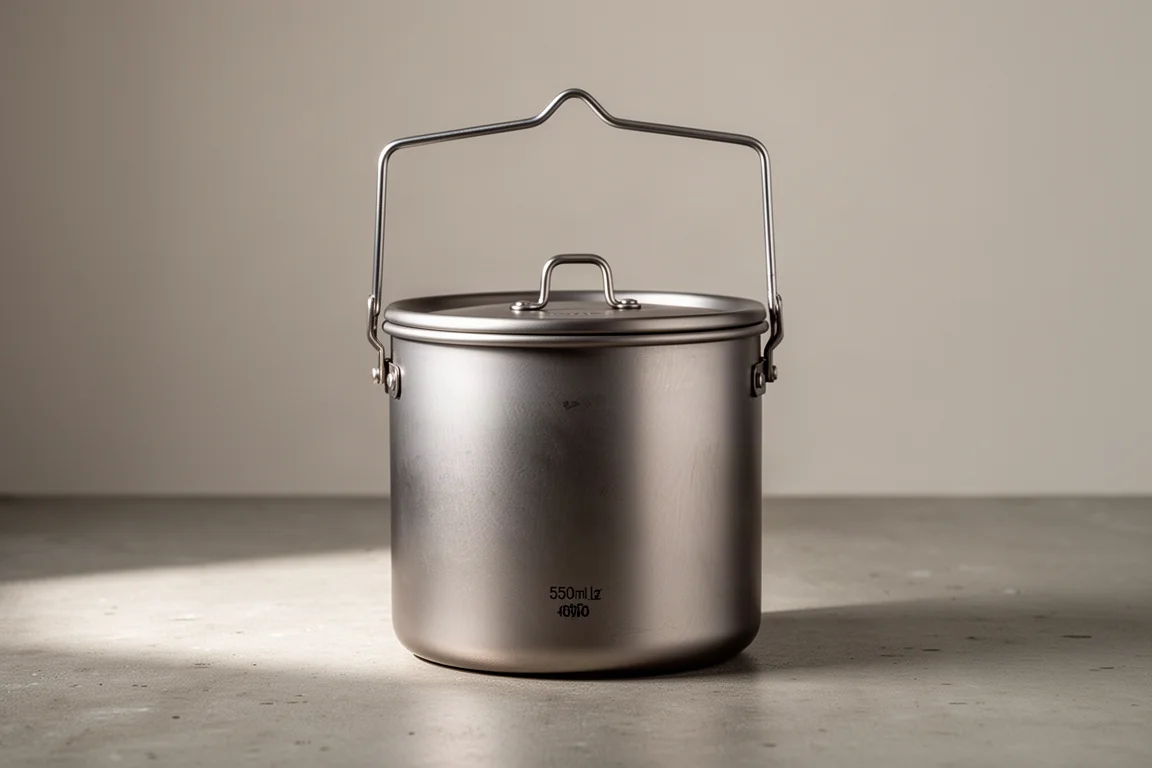
Cookware: TOAKS Titanium 550ml Pot
The TOAKS 550 ml titanium pot is a small, light piece of cookware aimed at backpackers who rehydrate meals rather than cook from scratch. Most freeze-dried meals need less than two cups of water, which makes the 550 ml size a natural match.
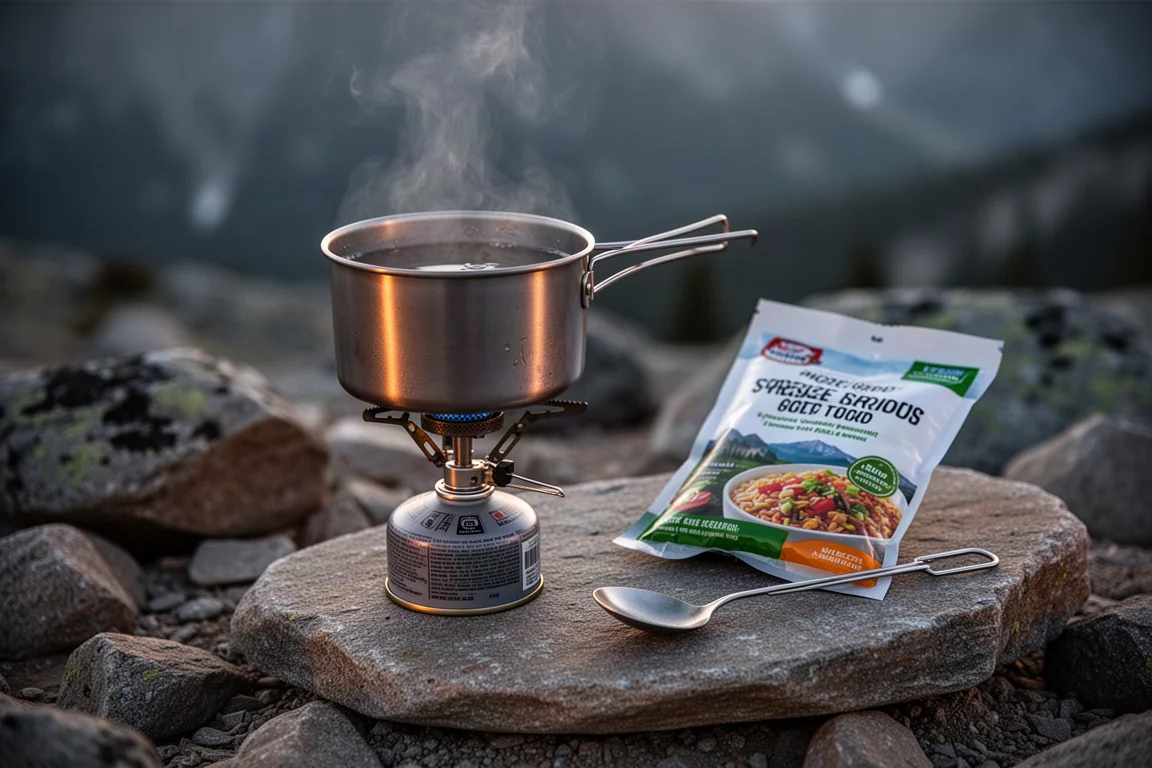
Titanium keeps the weight down, and the pot has proven reliable over consistent use. At about $35, it is a modest investment that pairs well with both canister and alcohol stove systems.
Alcohol Stove Systems: Trail Designs Caldera Cone
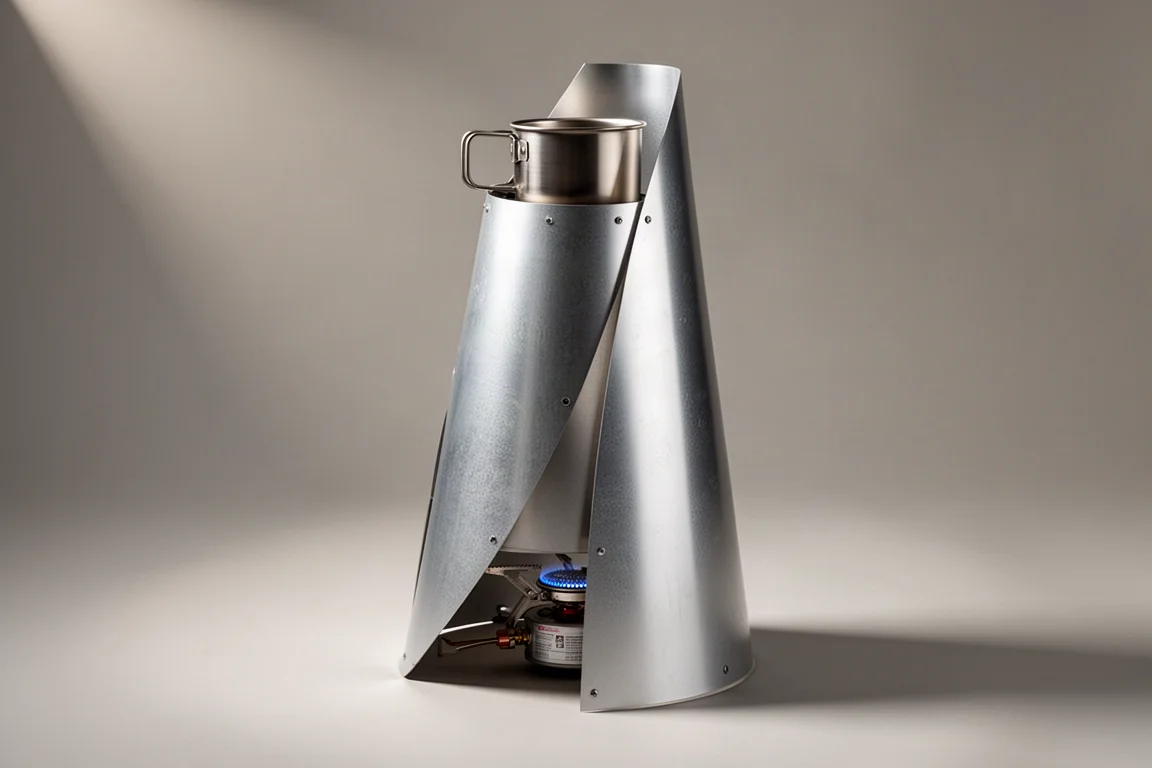
The Caldera Cone is an alcohol stove system built around a cone-shaped windscreen that also supports the pot. A complete kit with a stove runs about $45.
It is simple, basic, and effective, which is exactly the appeal. For backpackers curious about alcohol stoves, it is an inexpensive way to try the approach without committing to a complicated setup.
Satellite Communication: ZOLEO
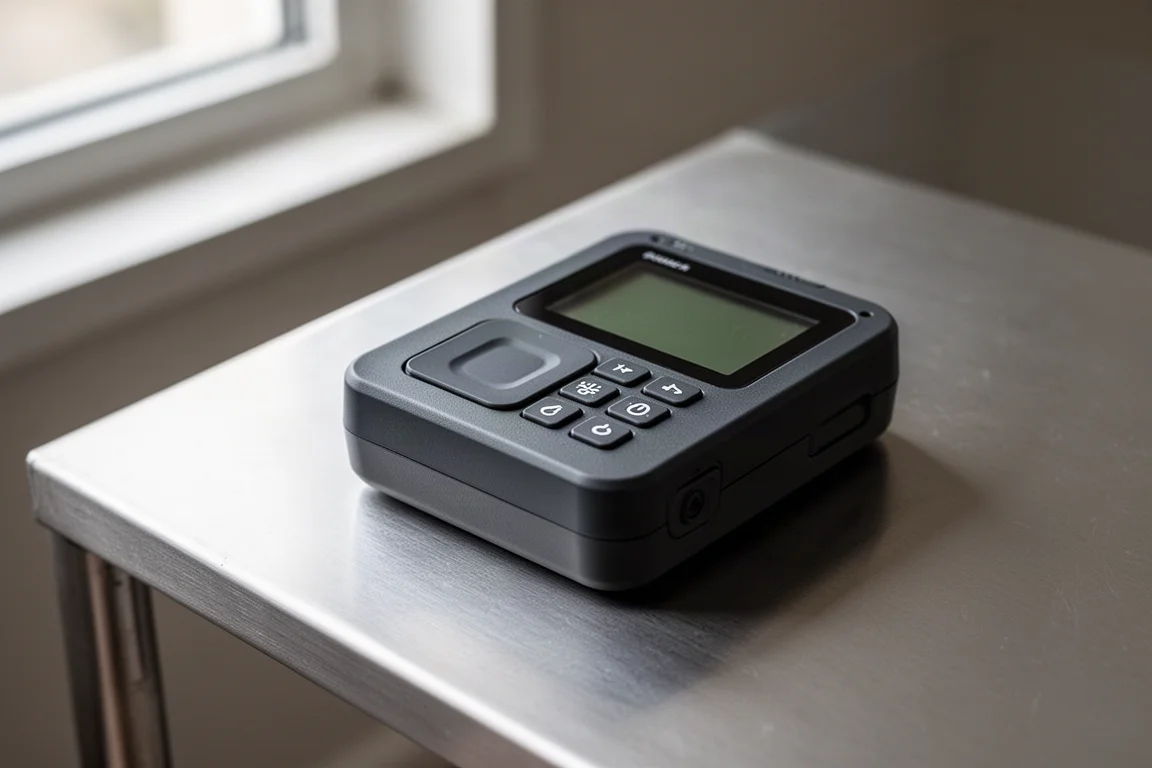
The ZOLEO is a standalone satellite communicator that pairs with a phone app. The device costs about $200, with subscription plans priced separately on a monthly basis.
Reliability and ease of use are its strengths. The app experience is polished, and the device has been dependable on every trip it has been carried on, including outings where cell service was expected.
The main reason to carry it is standalone SOS capability that does not depend on a phone. Even with a charged handset and signal coverage, the ZOLEO adds a layer of security that is hard to replace.
How to Prioritize Your Backpacking Purchases
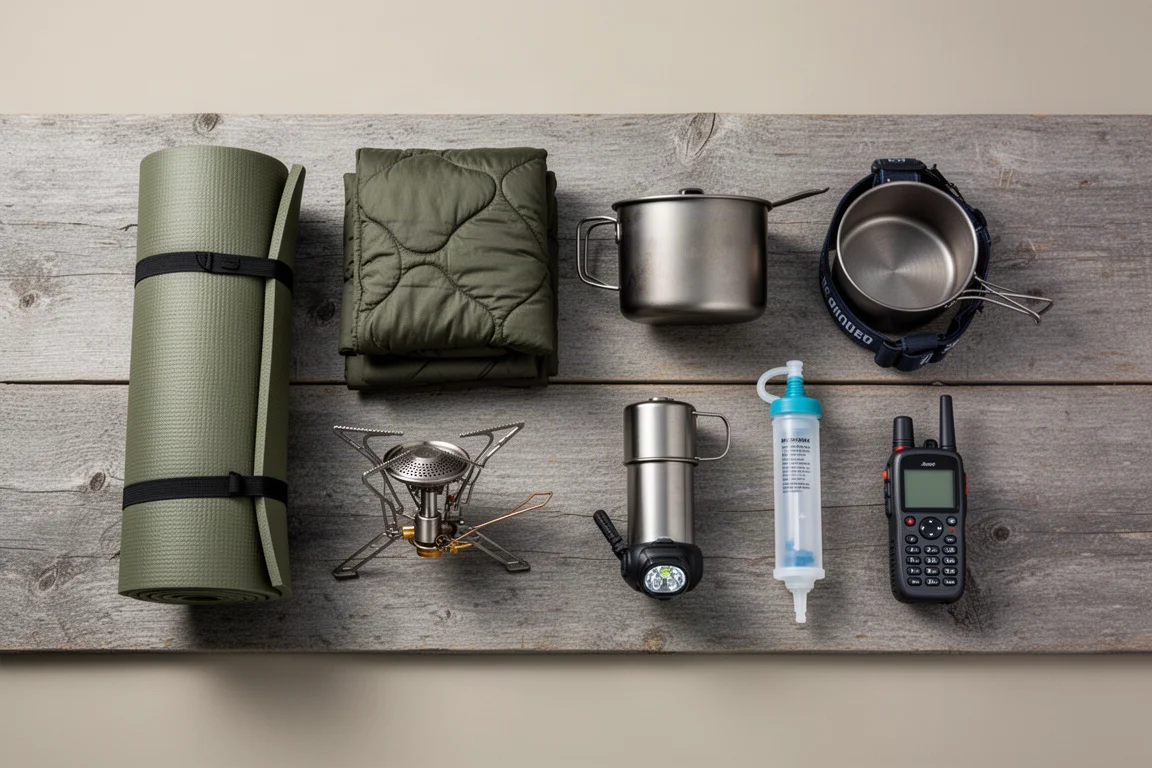
Not every item on this list needs to be bought at once. The most sensible order is usually dictated by failure risk and frequency of use: water treatment, insulation, and shelter first, then camp comfort and cooking, then communication and backup systems.
A useful way to evaluate any purchase is cost per season rather than sticker price. An item that lasts five years at $300 costs less annually than a $90 item replaced every season, and it usually performs better along the way.
Buying used or waiting for seasonal sales can also bring quality gear within reach without compromising on the things that matter most, such as warranty support and repairability.
Conclusion
Quality backpacking gear is not about spending the most money. It is about choosing items that keep working, that come with support when they do not, and that make time in the backcountry more comfortable and safer. The 15 items here have each earned their place for those reasons.
Further reading
Related Reviews

Backpacking Gear
Building a 10 lb Base Weight: An Ultralight Backpacking Gear List
A practical walkthrough of the ultralight pieces behind a 10 lb base weight, from a 765 g pack and a roomy one-person tent to a full camp chair and a dependable water filter.

Backpacking Gear
A 15-Pound Lightweight Backpacking Gear List for Solo Trips
A beginner-friendly 15-pound backpacking setup built from easy-to-find gear, with notes on what each piece does, how it packs, and where to spend your attention.

Backpacking Gear
8 Ultralight Backpacking Gear Upgrades Worth Carrying
Eight small, affordable backpacking upgrades that solve real trail annoyances, from a pillow that stays put to a fuel valve that rescues leftover canister gas.