Smart Home Window Treatments
QMotion Motorized Shades Review: Quiet Light Control for Home Theaters and Smart Homes
A practical look at QMotion motorized shades, from Zigbee integration with Control4 and near-silent spring-assisted motors to fabric options, battery life, and the dealer measurement process.
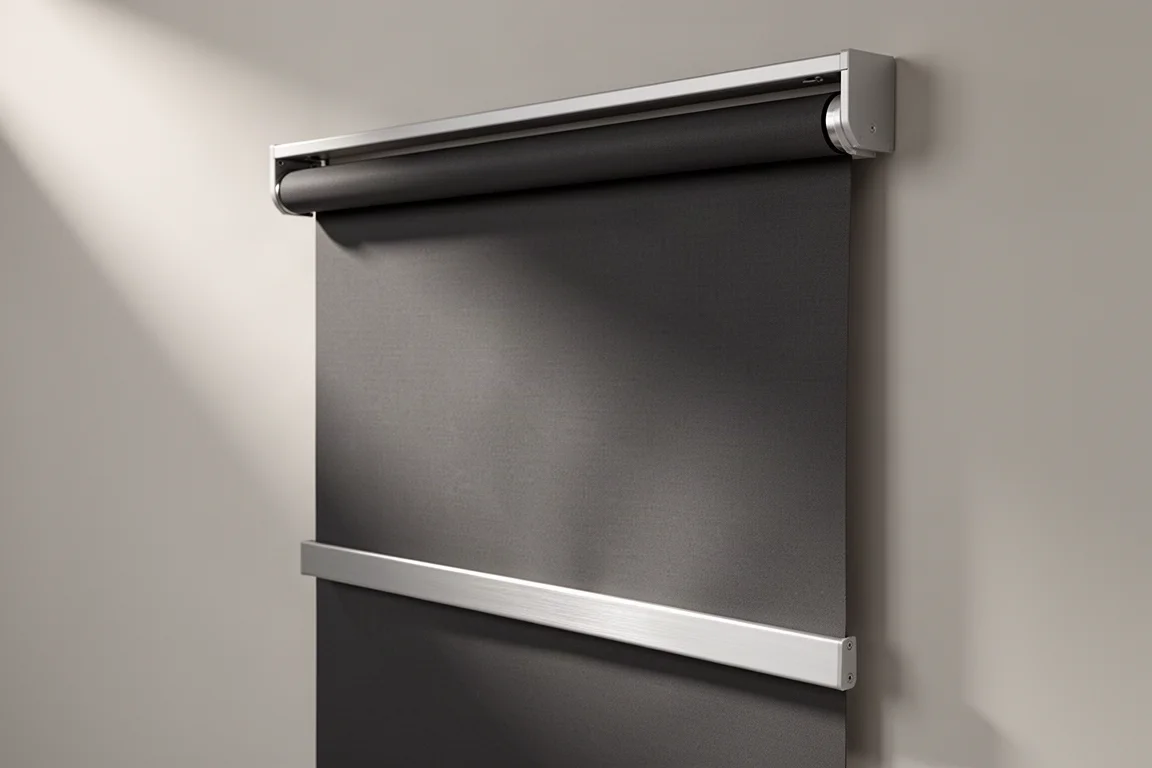
Introduction
Home theater budgets usually go toward speakers, amplifiers and cables, while light control sits near the bottom of the list. That priority is easy to question once a room is finished, because uncontrolled daylight does more to undermine a picture than most component swaps. Window treatments also affect how warm a room gets and how much of the outside world you can see in.
QMotion builds motorized window shades designed to be part of a smart home rather than an afterthought. The range covers new construction and retrofit installations, and it is built around direct integration with popular control systems. This review looks at where the strengths are, what the ownership experience actually involves, and which details are worth settling before you order.
Who QMotion Motorized Shades Are For
These shades suit homeowners who want window coverings that can be scheduled, triggered by a scene, or operated from a remote or a wall button instead of a chain. Buying runs through a certified dealer network, and the dealer handles fabric selection, measurement and installation rather than leaving the homeowner to work out mounting details alone.
Retrofit projects are a strong fit. Shades can go into an existing home without any pre-wiring by running on battery power, while new construction can route a single cable that carries both power and communication. Riders who want automation on some windows and simple manual operation on others can mix the two, since chain-operated passive shades are available alongside the motorized versions.
Main Strengths
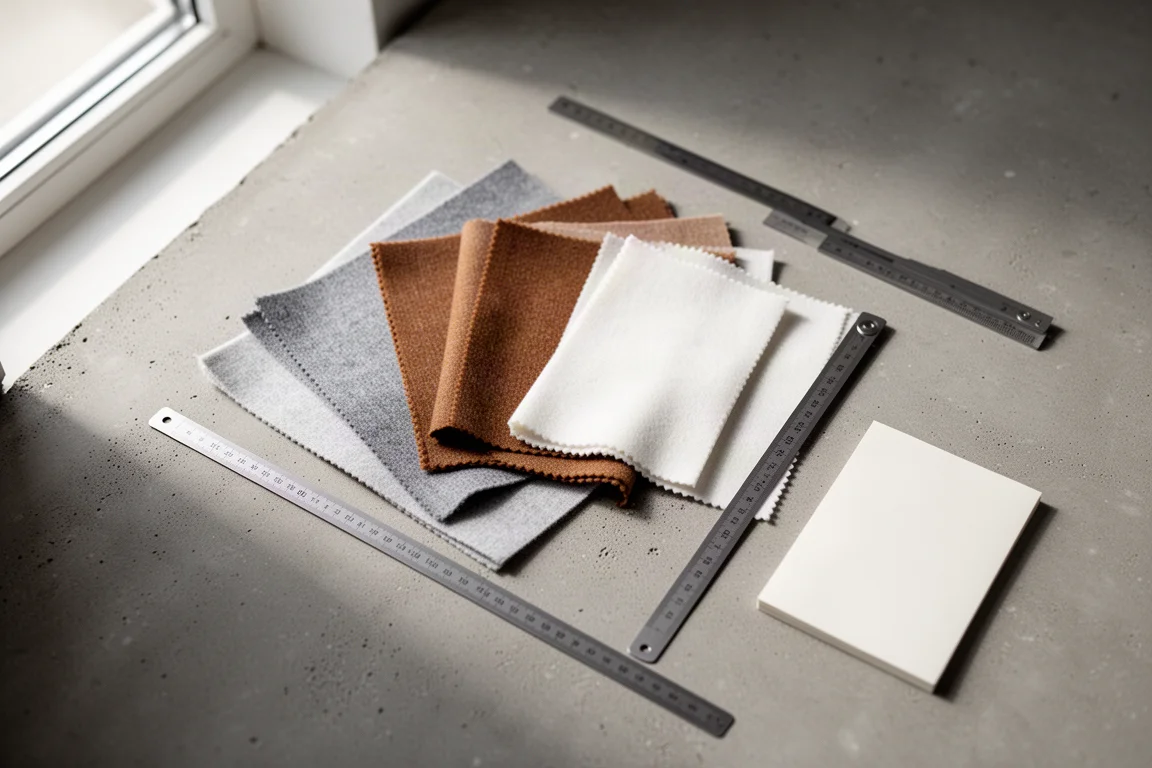
Fabric options that match the job. QMotion offers room darkening fabric with effectively zero light transmission, plus light filtering options rated at 1 percent, 3 percent and 5 percent for rooms where some daylight is welcome. Side channels can be added to reduce the light that leaks around the edges of a room darkening shade. Two-tone constructions let the room-facing side match the decor while the exterior-facing side stays white, and custom prints are possible for anyone who wants something more personal on the glass side.
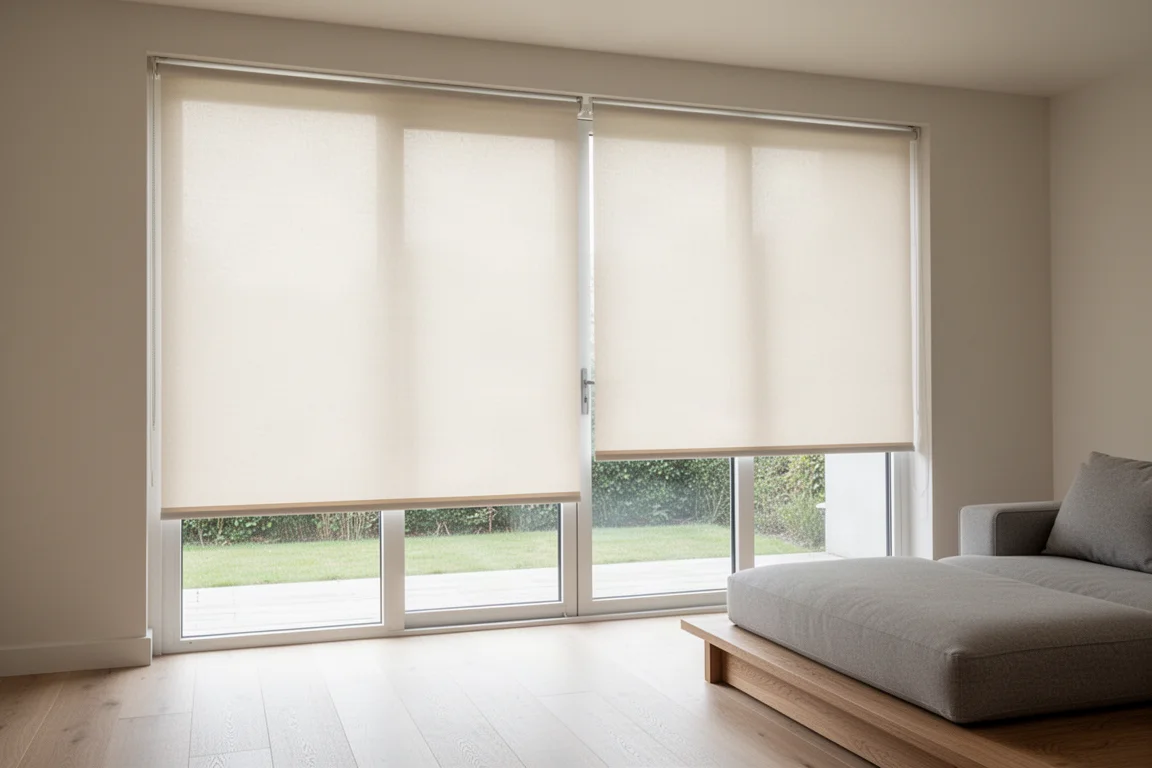
Quiet motors, even on wide openings. The design borrows a garage door spring concept: a spring inside the shade carries much of the lifting work as the shade winds down, so the motor does not have to raise the full weight of the fabric. That allows smaller motors, which in turn means less noise. On wide openings where two shades work side by side, the motors track each other so the fabric descends evenly and inconspicuously.
Direct smart home integration. Wireless QMotion shades communicate over Zigbee, the same protocol Control4 uses. Because the shades are controlled directly, there is no interface layer sitting between the control system and the motors, which simplifies both installation and day to day operation. That direct link is what makes scene programming practical, so shades can close as lights dim when a movie starts. The motors also have Zigbee built in when they are wired.
Flexible power for new builds and retrofits. Motors run at 24 volts. In new construction, a single Cat 5e or Cat 6 cable pulled from a centralized location can carry power and RS-485 communication together, similar in approach to PoE, while the same motors can still be controlled wirelessly over Zigbee. Existing homes typically use battery power instead.
Things to Consider Before Buying
Battery life depends on how you use the shades. Expect roughly one year to possibly two years from a set of batteries when shades cycle about twice a day, once to block morning sun and once to open again. Shade size and the environment matter too, since a very large shade in a hot climate will land closer to the shorter end of that range.
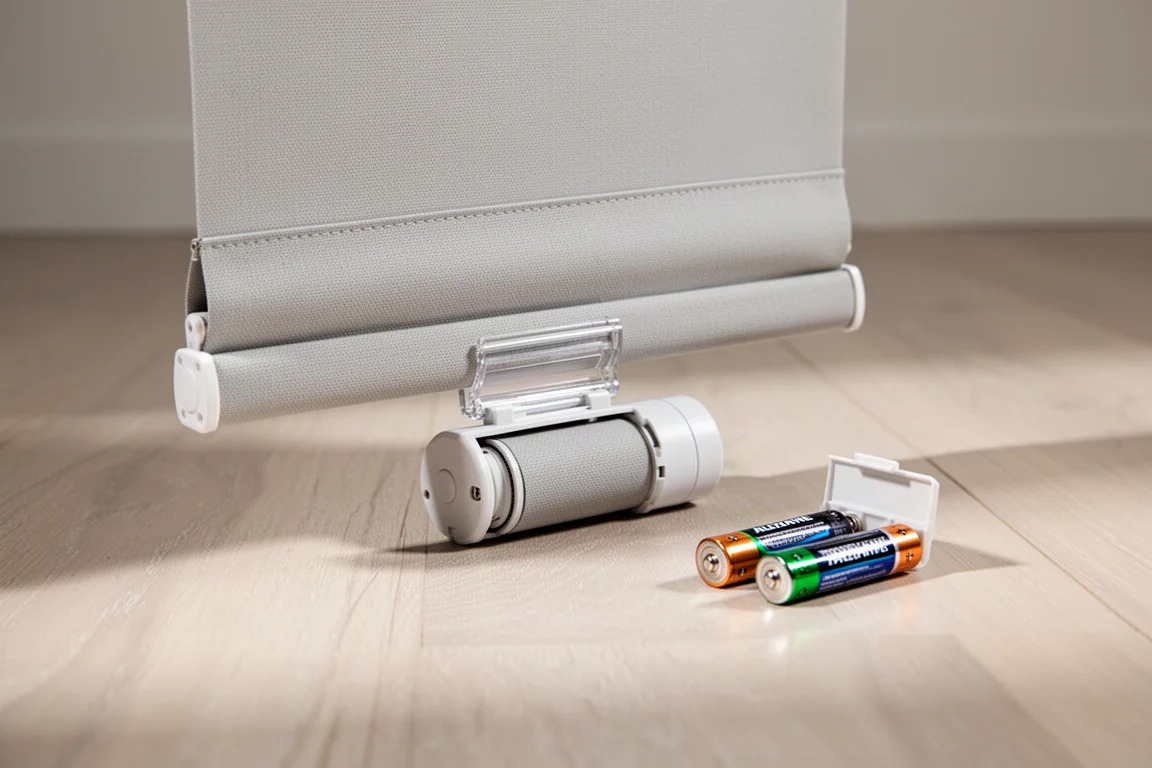
Battery choice and replacement are simple but not automatic. QMotion recommends recognizable alkaline brands and advises against lithium ion cells and no-name batteries, which are standard D cells. Replacement is done from the floor: pull the hem bar down to expose the roll, remove the small cover, swap the cells, and the shade rolls itself back up once power returns. There is no ladder work and no disassembly, but it is still a recurring task in a battery installation.
Installation is a dealer-led process. The workflow starts with locating a certified dealer, who brings fabric samples to the home, measures the width and height of each opening, and checks for obstructions that could interfere with mounting. Shades can be specified in-frame or out-of-frame, with an exposed roll or with fascia brackets. Those measurements are the step that determines how clean the finished result looks, so it is worth the time and worth getting right the first time rather than scheduling a return visit.
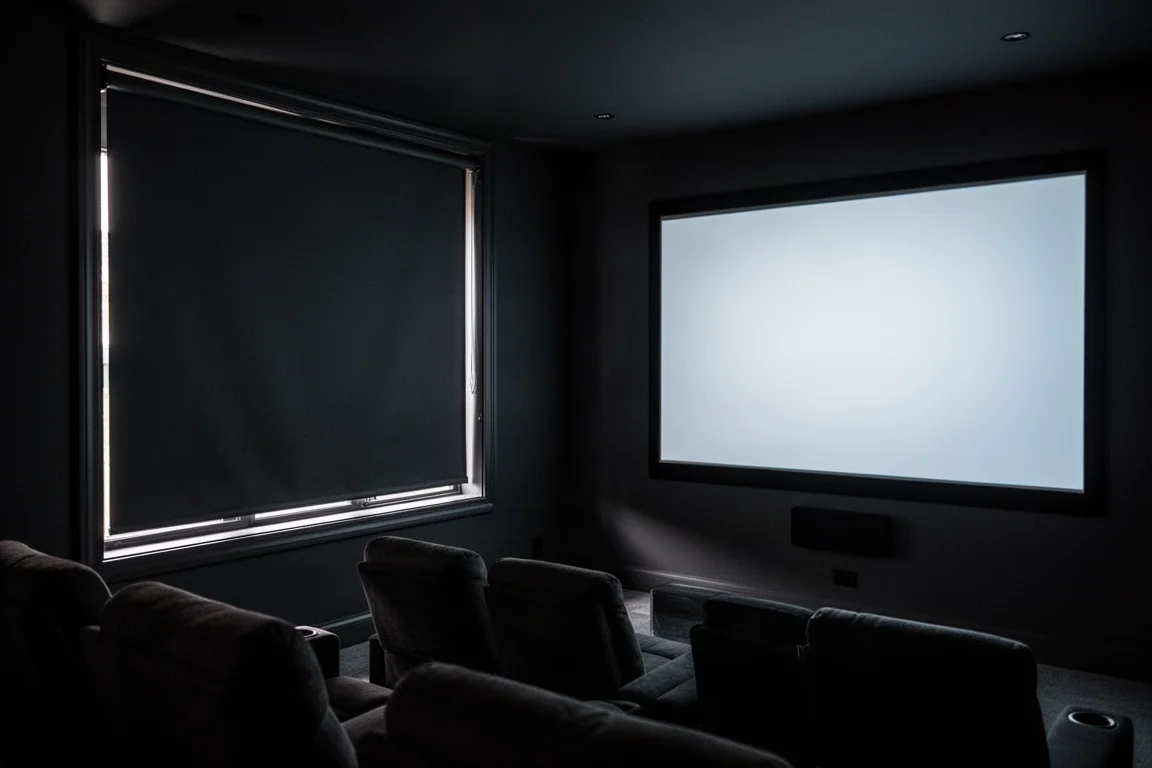
Room darkening is not the same as total darkness. Even with fabric that has zero transmission, light can find its way in around the sides of a shade unless side channels are part of the specification. If a theater room needs to go fully dark, plan for them from the start.
Buying Advice
Start by deciding what each window actually needs. A theater room usually calls for room darkening fabric with side channels, while living spaces are often better served by 1 percent, 3 percent or 5 percent light filtering fabric that keeps a view and softens glare without sealing the room off. Two-tone options are useful where the inside face of the shade needs to blend with a dark interior while the outside face should stay white from the street.
Next, settle the power plan. If walls are still open, running Cat 5e or Cat 6 from a central location removes batteries from the equation entirely and adds a wired communication path. In a finished home, battery shades are the simpler route, with a realistic expectation of a year or more between battery changes at typical use. Alkaline D cells from a recognizable brand are the right call.
Then confirm how the shades will be controlled. Because the wireless shades speak Zigbee and pair directly with Control4, scenes such as closing shades and dimming lights at the start of a film can be set up without extra hardware in the middle. Voice assistants and wall buttons are also part of the picture, so it is worth mapping out which control method belongs to which room before programming begins.
Finally, treat measurement as the most important part of the project. A dealer who documents the opening, notes obstructions and agrees the mounting style up front tends to deliver the tidiest result on wide sliders and multi-shade spans. If motorized shades are not in the budget, the chain-operated shades use the same materials and are a reasonable alternative, particularly for guest rooms and secondary spaces.
Conclusion
Light control deserves more attention than it usually gets, and QMotion addresses it with a focused set of choices: quiet spring-assisted motors, direct Zigbee integration with Control4, power options that work for both new construction and existing homes, and a genuine spread of fabric from near-blackout room darkening to light filtering. The trade-offs are honest ones. Battery installations require periodic cell changes, room darkening needs side channels to go truly dark, and the finished result depends heavily on accurate dealer measurements. Handled with care, motorized shading stops being a gadget and becomes a quiet part of how the room works every day.
Product link
View more details for QMotion Motorized Shades
This product is mentioned in the review. Check the specifications, options, and compatibility before buying.
View more details for QMotion Motorized ShadesFurther reading
Related Reviews
Smart Home
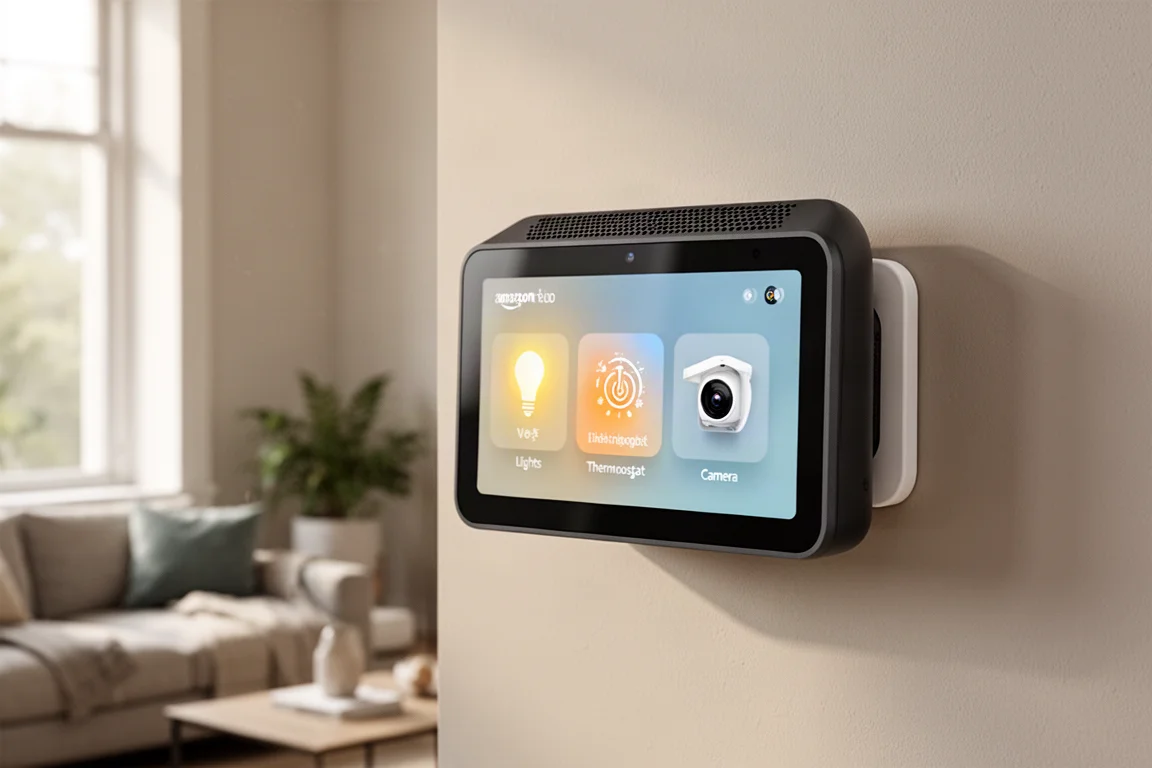
Amazon Echo Hub Review: A Smart Home Dashboard That Finally Gets It Right
The Amazon Echo Hub puts smart home controls front and center with a fast, simple interface. Here is how it performs as a family-friendly dashboard.
Smart Home
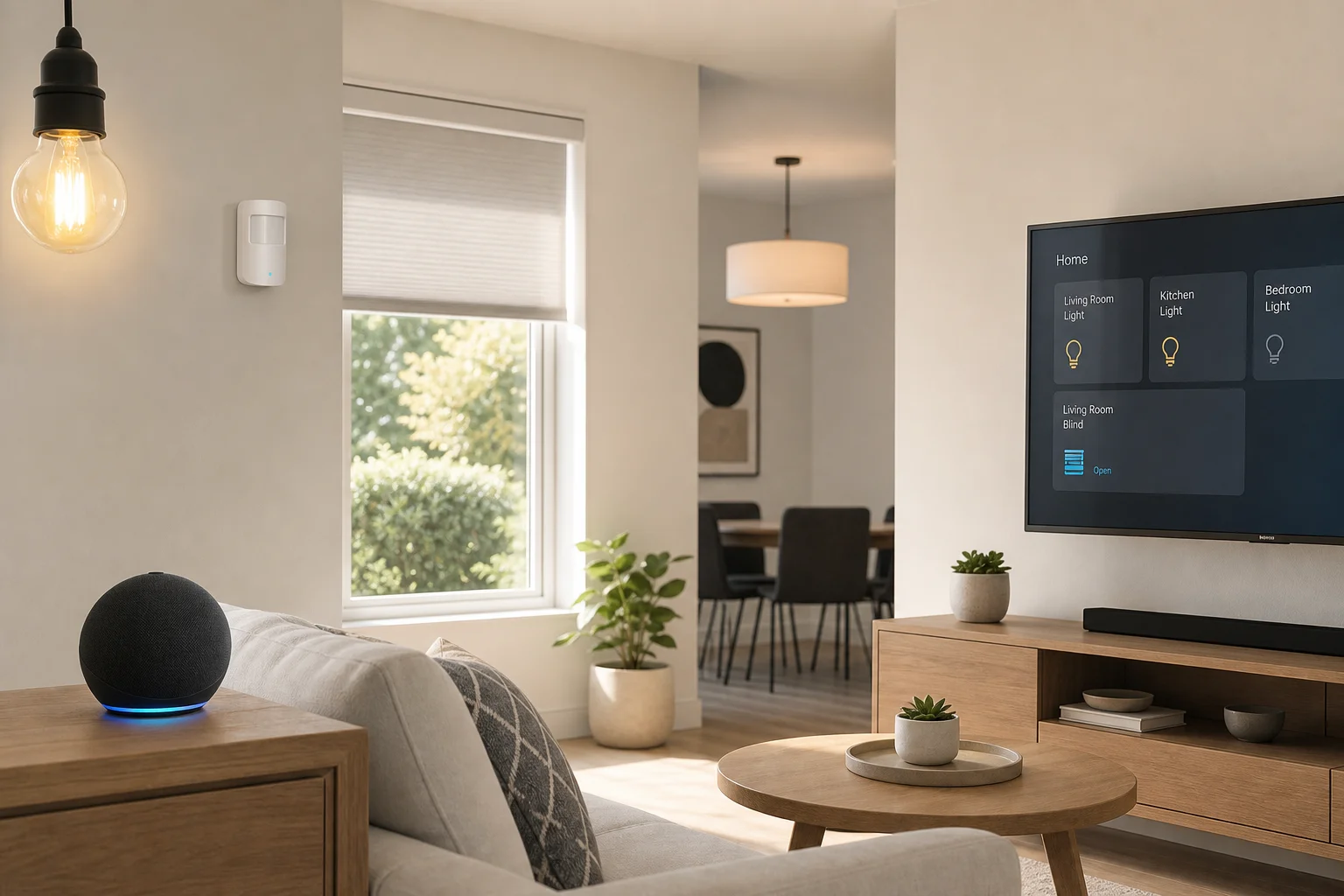
15 Amazon Smart Home Automations: Practical Ideas for Every Room
Fifteen practical Amazon Alexa routines and automations that solve real household problems, from pet care to security and entertainment.
Room Correction
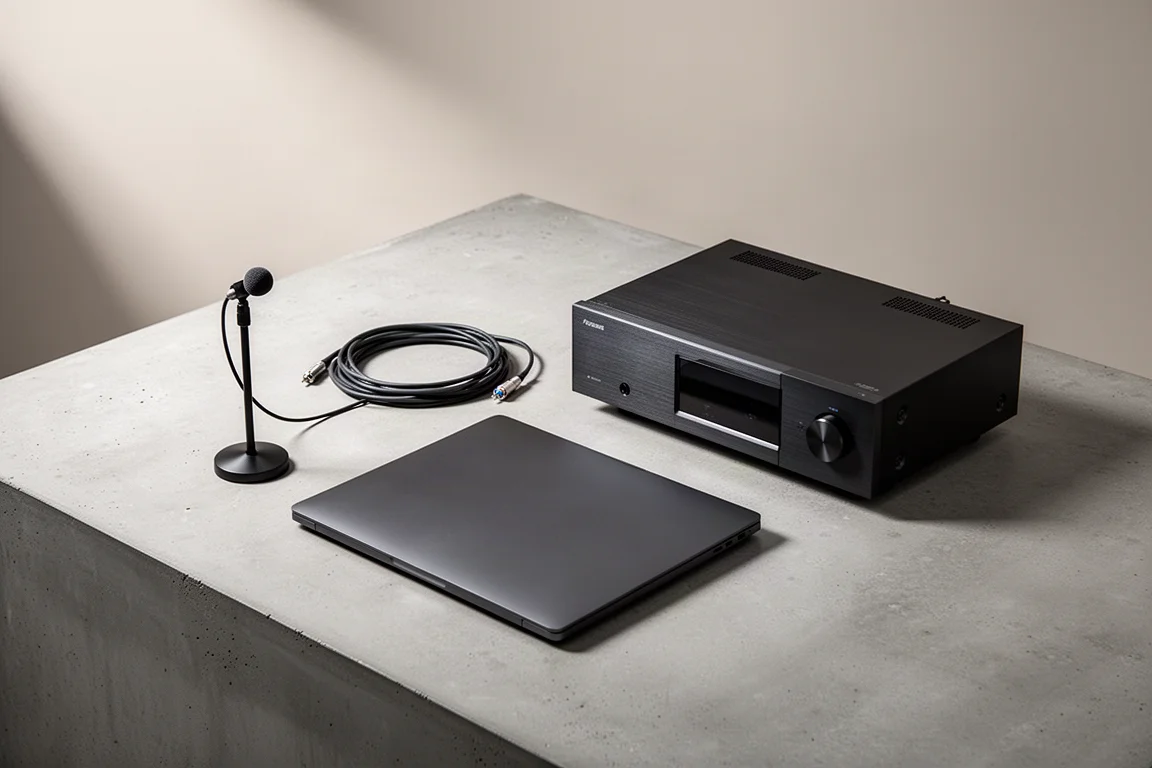
Anthem ARC Genesis Beta Review: Smarter Speaker and Subwoofer Integration
A practical look at Anthem's ARC Genesis beta, including phase-aware speaker calibration, all-pass subwoofer blending, and the settings worth adjusting.