Astrophotography
QHY 3nm Narrowband Filter Set for QHY Minicam 8: A Detailed Look
A practical review of QHY's 3nm narrowband filter set for the Minicam 8, covering performance, value, and what to expect under light-polluted skies.
Introduction
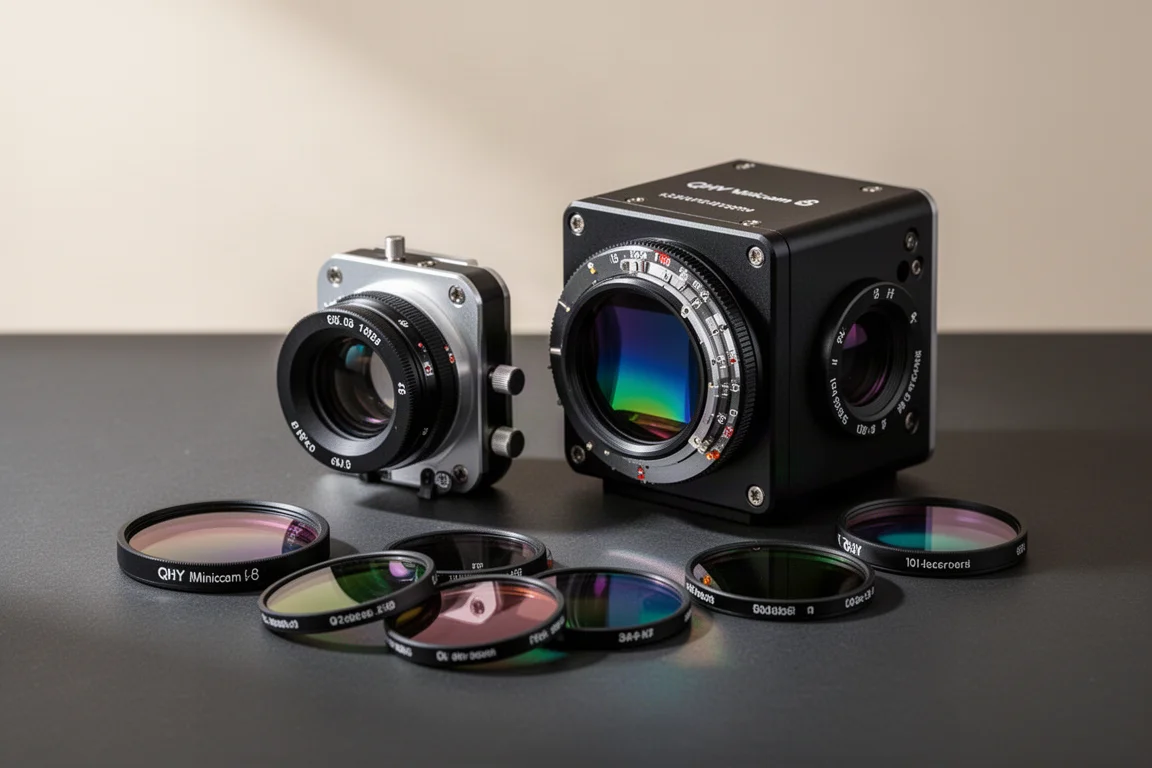
QHY has released new narrowband filters for the QHY Minicam 8, a compact camera with an internal filter wheel. The original filter set included LRGB plus sulfur 2, H-alpha, and oxygen 3 filters with 7nm band passes. The new set replaces those narrowband filters with 3nm versions, and the question is whether the upgrade is worth it.
This review compares the 3nm filters against the 7nm versions under identical conditions, and also covers what you get in the box, optical performance, and practical considerations like parfocality and halos.
What Comes in the Box
The 3nm narrowband filters cannot be ordered separately. You have to buy the full LRGB plus SHO filter set, which comes in a box. Along with the filters, the set includes a new filter wheel, so you can switch wheels in the camera fairly easily. The total time to switch the wheel, reassemble the camera, and return to imaging was roughly 30 minutes, with the wheel swap itself taking about 10 minutes.
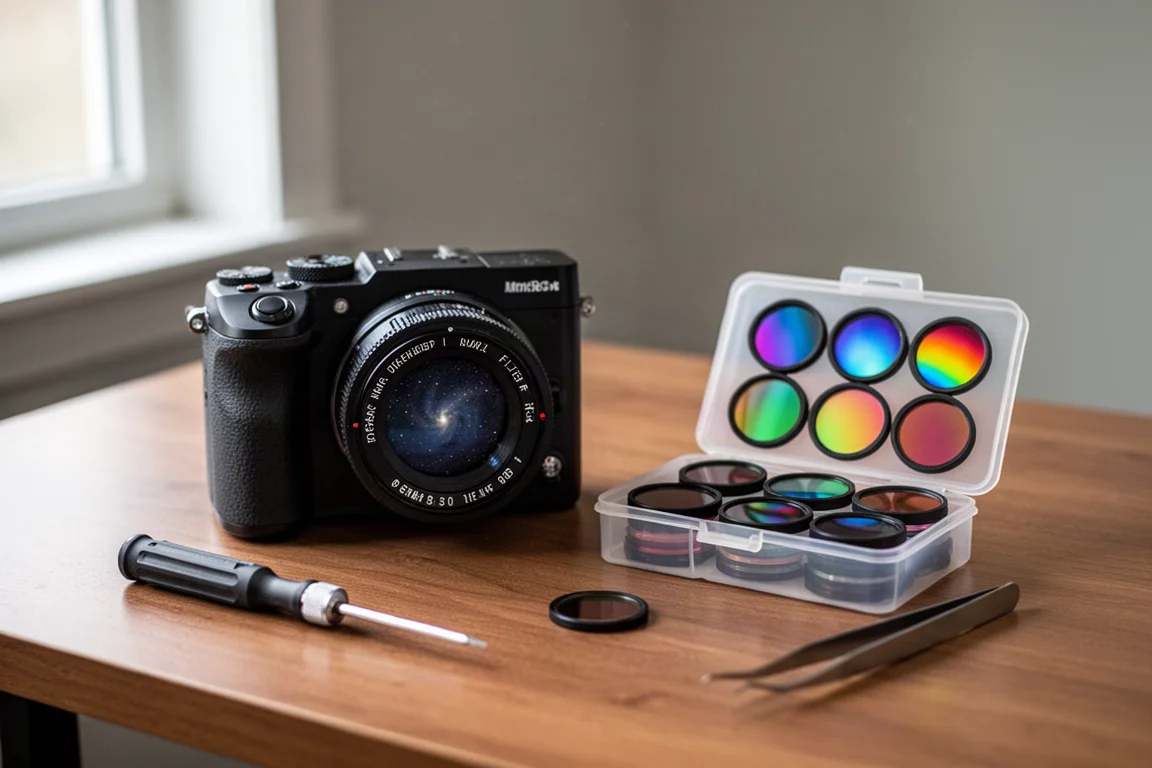
The filters come in a small plastic holder. You open it and, without changing the filter orientation, pick up each filter one by one and place them in the filter wheel. This ensures the correct orientation. A screwdriver is included for replacing the cover on top of the filters after installation, along with a pair of tweezers for handling the filters.
One visible difference from the older filters is the black borders on the sides, designed to reduce stray light. These borders are visible from within the filter when looking at the non-coated side, which should face the telescope. They are not visible from the coated side that faces the camera.
The full set is priced at $299, which includes the 3nm SHO filters plus LRGB and the new wheel. For that content, it is a reasonable price.
Optical Performance and Specs
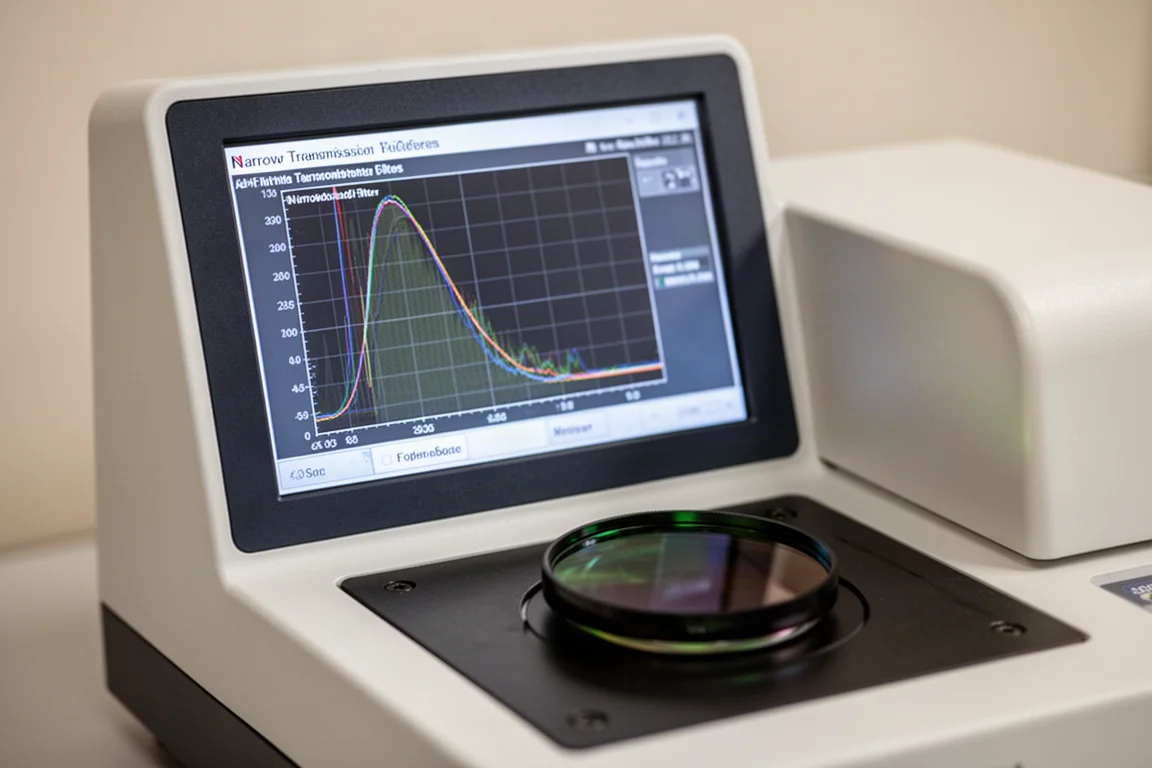
Each filter was tested with a spectrophotometer. The LRGB filters performed as expected. The SHO filters measured perfectly centered band passes with a full width at half maximum of 3nm. Oxygen 3 measured closer to 3.5nm, with its center shifted slightly to the right by about 0.5nm, which is actually beneficial for fast optics.
In terms of parfocality, the older 7nm LRGB and SHO filters were fully parfocal. The new 3nm filters are not quite parfocal across the whole set. The SHO filters are parfocal with one another, and the LRGB filters are parfocal with one another, but LRGB and SHO are not perfectly parfocal with each other.
Measured filter offsets showed LRGB filters within one to two focuser steps of one another, essentially parfocal. The SHO filters were also within two steps of one another, but there was roughly one full autofocus step between the luminance and H-alpha filters. If you switch from luminance to H-alpha without applying filter offsets, you will be slightly out of focus.
This is not a problem if you use imaging software with a filter offset measurement plugin. Let it run for 20 to 30 minutes, apply the offsets, set luminance as the default autofocus filter, and enable backlash compensation. After that, you can switch between filters in a loop without worry.
Field Test: 3nm vs 7nm in a Light-Polluted City
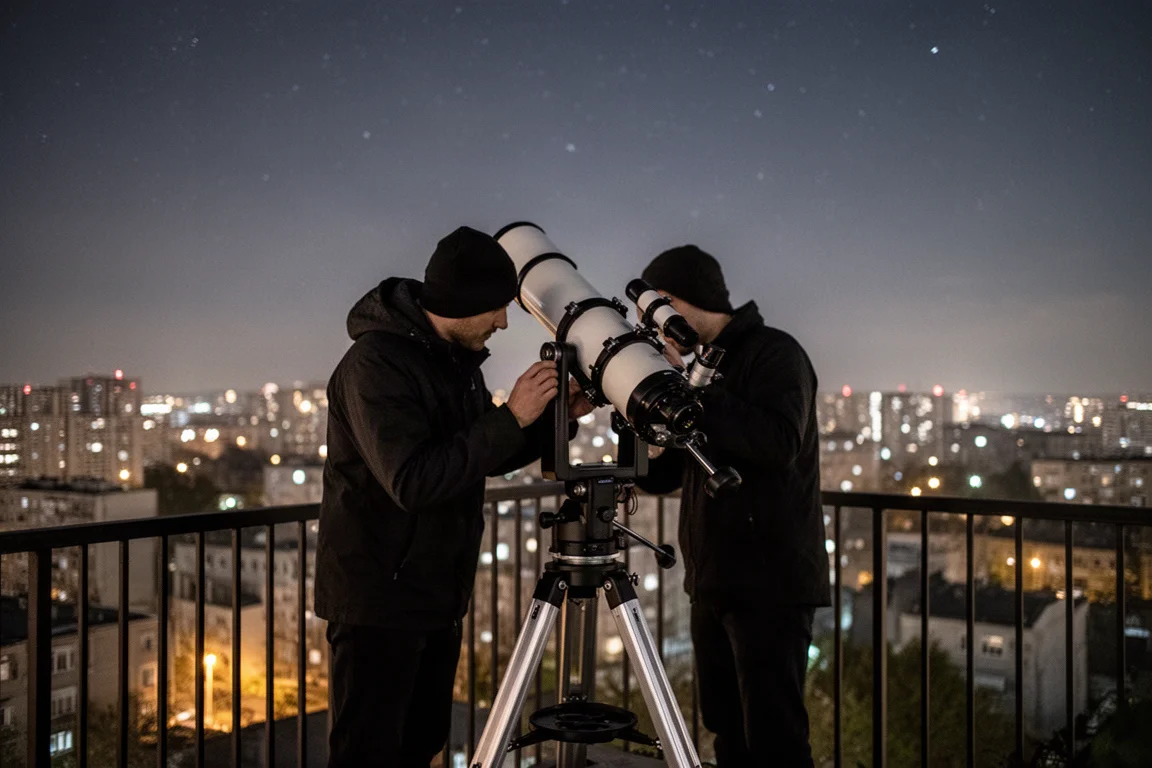
The comparison was done from a balcony in Tokyo, one of the most light-polluted cities on the planet. The test targeted the Rosette Nebula on a cloudless night with no moon. About 1.5 hours of data were collected before the meridian using the 7nm filters, stopping 20 minutes before the meridian to swap the filter wheel. Imaging resumed 20 minutes after the meridian with the 3nm filters for the same amount of time. The session started after 9:00 p.m., when most shops in Japan turn off their front lights, providing as close to an apples-to-apples comparison as possible.
For oxygen 3, the 3nm image showed clearer structures and less noise than the 7nm image. Dark structures stood out more from the background. For sulfur 2, the difference was more obvious, with better signal-to-noise ratio visible in the 3nm image. The most dramatic difference appeared in H-alpha, where the 3nm image showed noticeably smoother detail and far less noise compared to the 7nm image.
When both sets of images were processed with exactly the same steps, the difference remained clear. The 3nm image showed much better definition of dark filaments and smoother overall structure, even after noise reduction and other processing. The difference was obvious at first glance.
The combined result of a full night of imaging, merging both 3nm and 7nm data, produced a detailed image of the Rosette Nebula’s core, which is impressive given the light pollution.
Halo Performance Around Bright Stars
Halo behavior was tested on the Horsehead Nebula, which contains the very bright star Alnitak. After several hours of data, the H-alpha image showed no significant halo around Alnitak. Sulfur 2 showed a slightly more pronounced halo, but still not an issue on a star that bright.
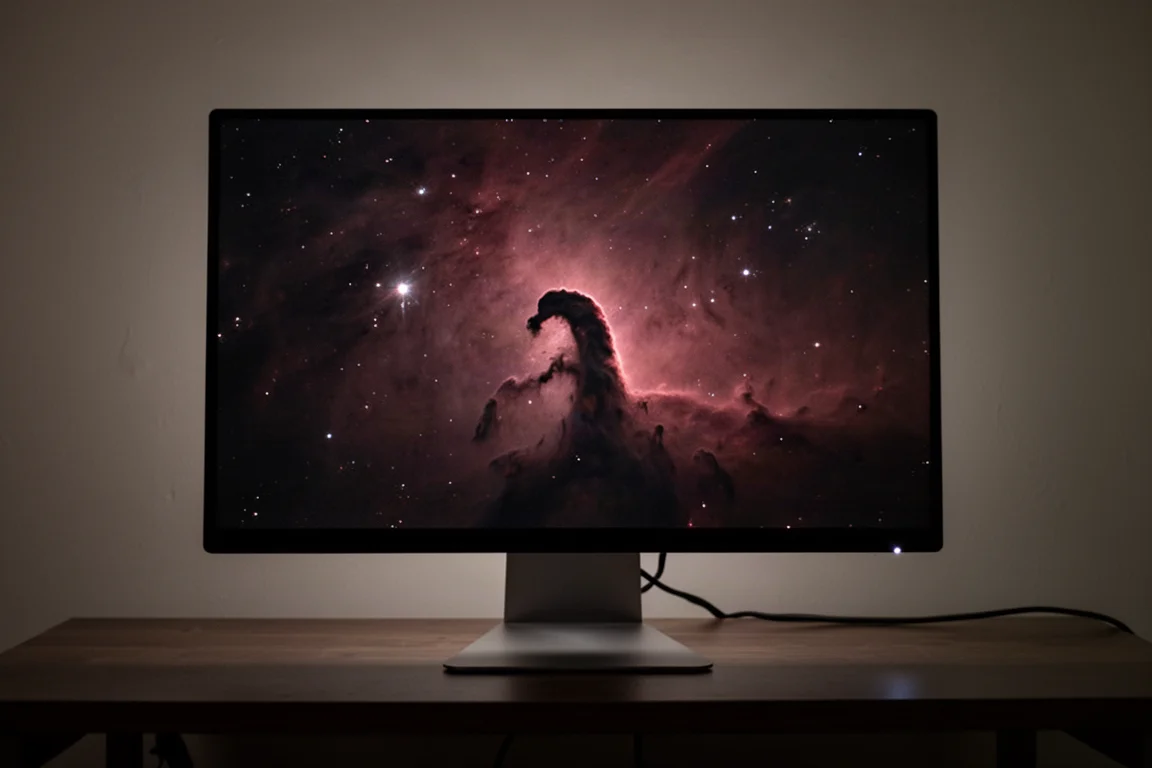
Oxygen 3 showed a diffuse halo rather than a sharply defined one. The area around Alnitak appeared brighter than the rest of the image, and this did affect the final combined image to some degree. For most targets, this is unlikely to be a problem, but if you frequently image oxygen 3 targets around very bright stars, it is worth keeping in mind.
Buying Advice
For a full set of LRGB plus 3nm SHO filters with a new wheel at $299, the value is strong. The 3nm filters deliver visibly better signal-to-noise ratio and detail compared to the 7nm versions, especially in H-alpha, even from a heavily light-polluted location.
However, 3nm filters are not for everyone. If your optics are slower than f/4, 3nm is clearly better. If you are using very fast optics at f/2.8 or f/2, or a RASA telescope, stick with 7nm filters unless you have specialized filters designed for those systems.
Conclusion
The QHY 3nm narrowband filter set for the Minicam 8 is a worthwhile upgrade for narrowband imaging. The optical quality is excellent, the included wheel makes swapping easy, and the performance gain over 7nm filters is real and visible. The slight lack of parfocality between LRGB and SHO is easily managed with filter offsets, and the halo behavior is acceptable for most targets. At $299 for the complete set, it is a solid investment for astrophotographers who want to get the most out of their narrowband sessions.
Product link
View more details for QHY 3nm Narrowband Filter Set for QHY Minicam 8
This product is mentioned in the review. Check the specifications, options, and compatibility before buying.
View more details for QHY 3nm Narrowband Filter Set for QHY Minicam 8Further reading
Related Reviews
Astrophotography
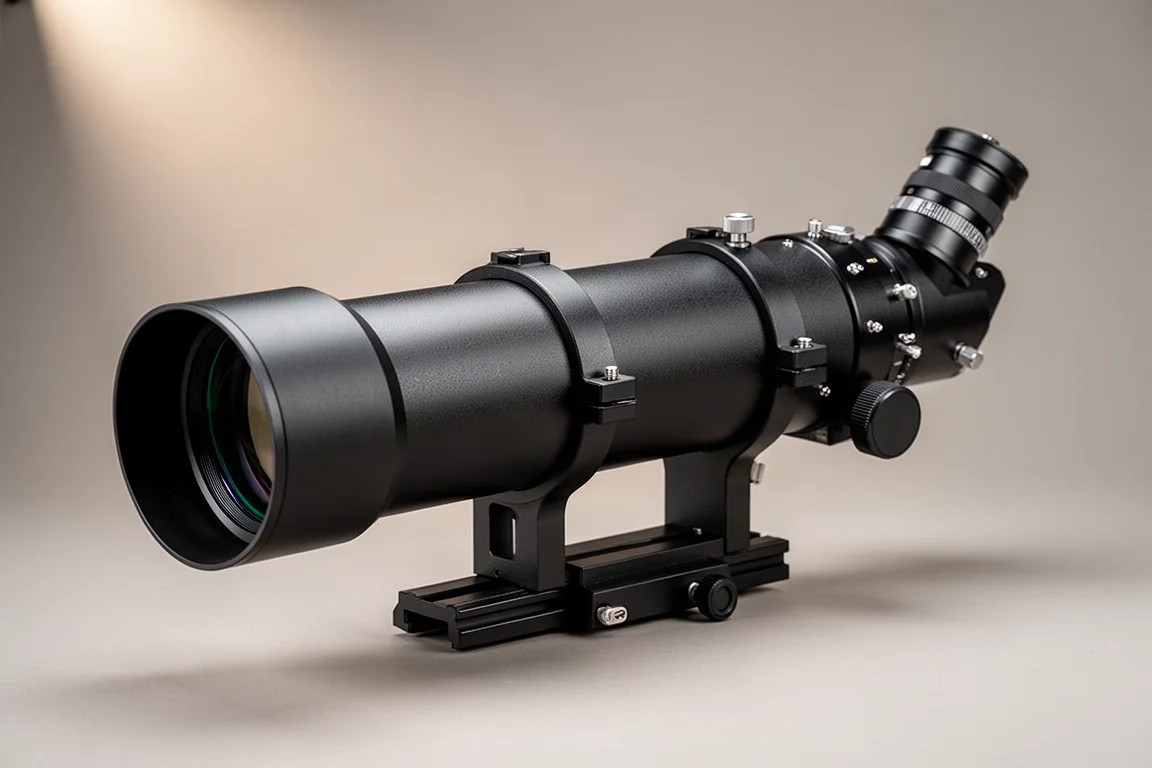
ASKAR FRA400C Review: A Versatile 400mm Refractor for Astrophotography and More
The ASKAR FRA400C is a compact 72mm refractor that balances reach, versatility, and portability for astrophotographers and visual observers.
Astrophotography
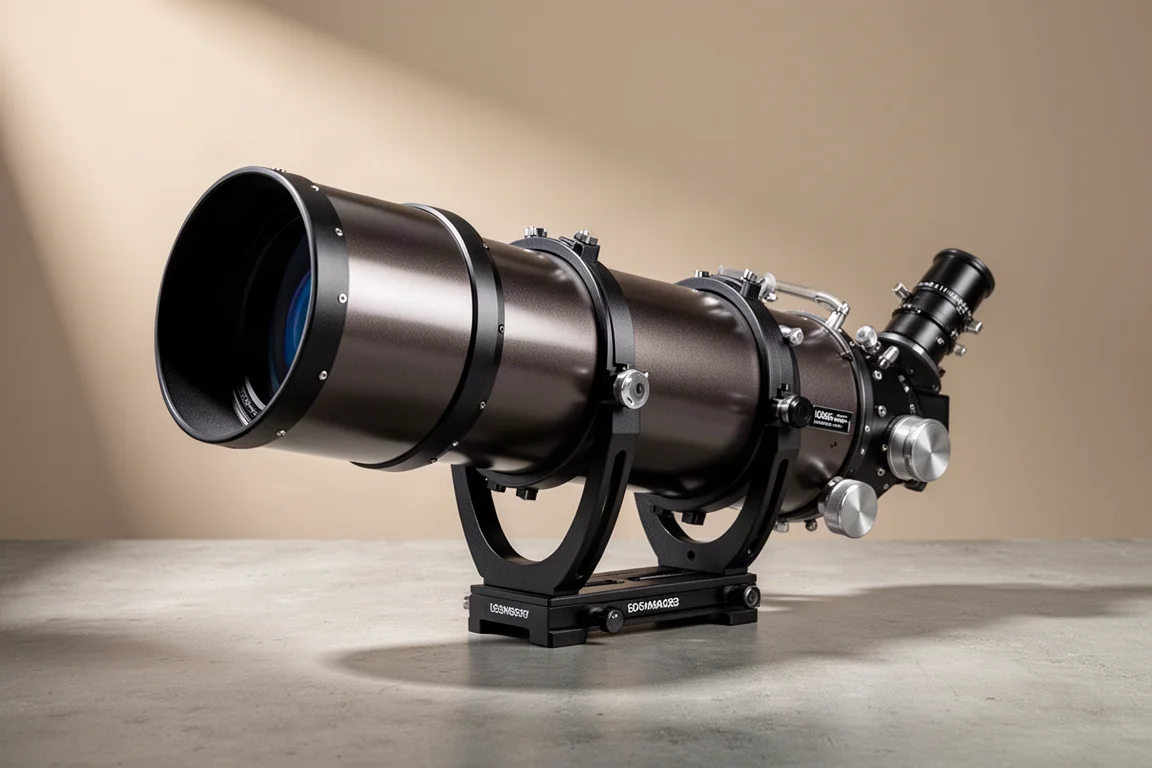
Askar SQA106 Review: A Premium 106mm Astrograph With Exceptional Optics
The Askar SQA106 is a premium 106mm quintuplet astrograph with impressive sharpness across full-frame sensors, though its price and weight demand careful consideration.
Astrophotography
Astro Imaging Gear 2026: Eight New Products Worth Watching
A look at the most interesting new astrophotography and astronomy products announced this year, from fast telescopes to smart cameras and wireless accessories.