Powered Speakers
Q Acoustics M20 Review: A Complete Powered Speaker System for Around $600
A practical look at the Q Acoustics M20, a powered speaker pair with built in amplification, a DAC, Bluetooth, and a subwoofer output, and what it means for first time buyers.
Introduction
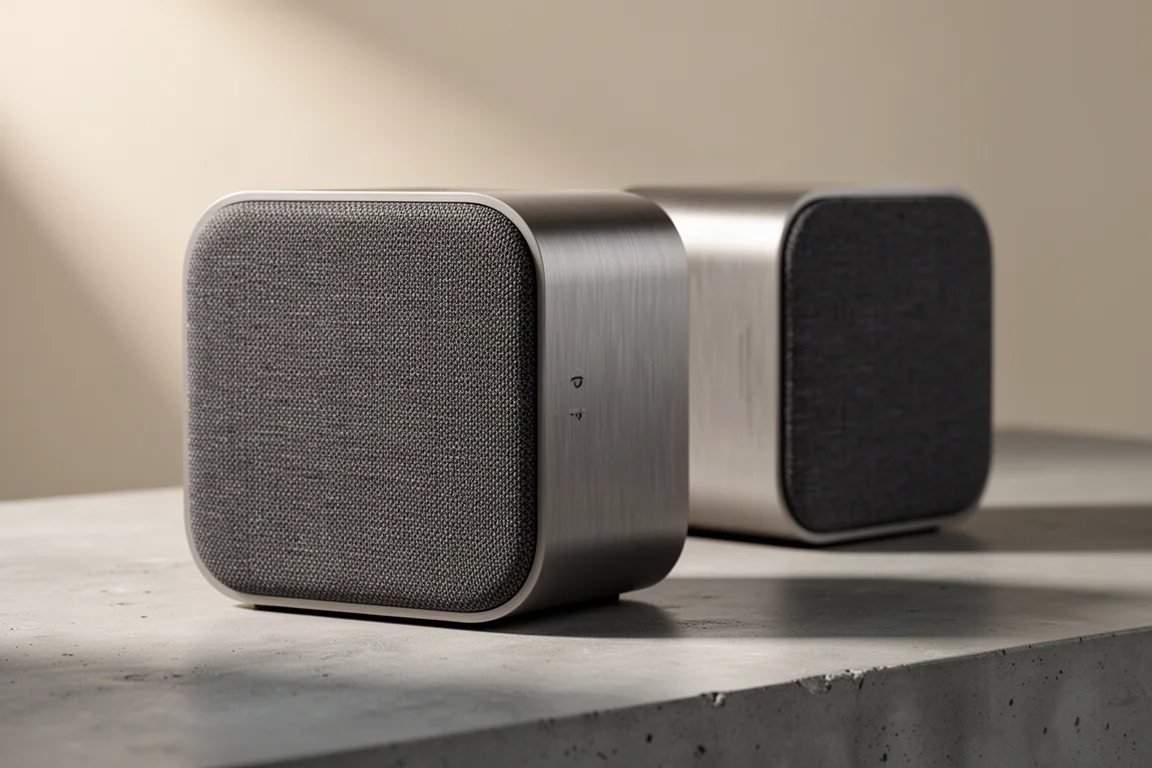
The Q Acoustics M20 is a pair of powered bookshelf speakers that bundles together everything a simple two channel system needs: amplification, digital to analog conversion, Bluetooth, and a remote control. There is no separate amplifier to choose, no DAC to match, and no extra cable shopping beyond the single run between the two cabinets.
That packaging is the point. For around $600, the M20 delivers a complete setup that can replace a soundbar, feed a desktop computer, or become a first proper hi-fi system in a small room.
Who the Q Acoustics M20 Is For
The M20 suits listeners who want good sound without assembling a system from separate parts. Setup is quick, roughly ten minutes from opening the box to playing music, and the cabinets are easy to place on a television stand, a desk, or a pair of speaker stands.
They also make sense for anyone stepping up from a soundbar. Because the system includes optical, USB, analog RCA, and 3.5mm inputs, a television, a computer, a game console, and a phone can all connect without extra hardware. Bluetooth covers wireless playback with aptX, aptX HD, SBC, and AAC, so both Android and Apple devices have a suitable codec available.
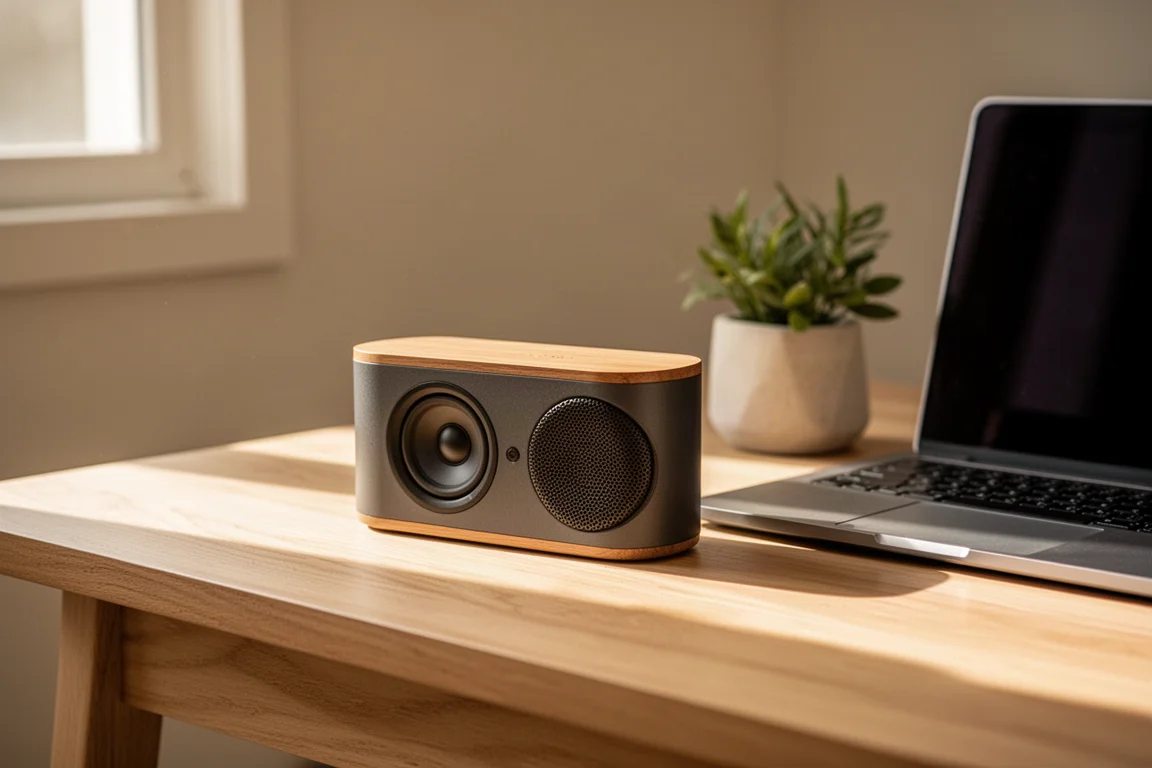
For a first or second system, the appeal is the absence of system matching decisions. The amplifier inside is voiced for the speaker it drives, and there is a subwoofer output for anyone who wants to add low end later.
Connectivity and Inputs
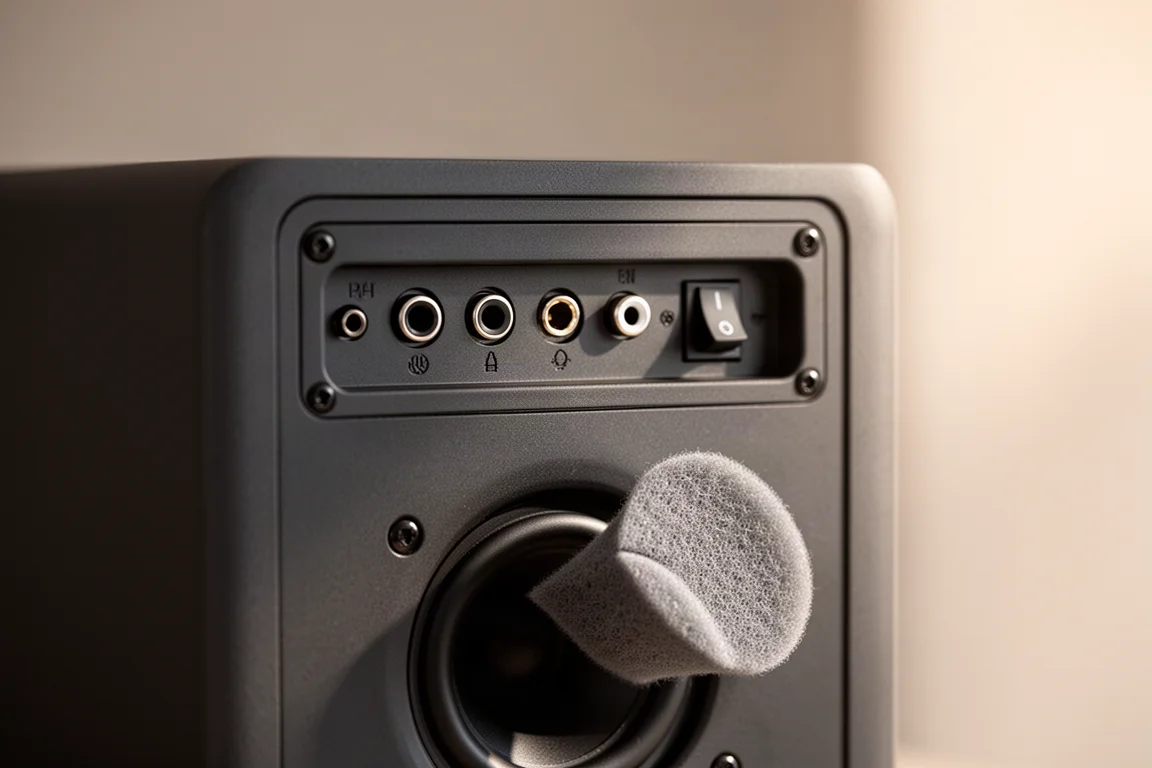
The rear panel is more complete than most powered speakers in this bracket. An RCA analog input sits alongside a 3.5mm input, so a streamer, a turntable preamp, or a portable player can connect directly. An optical input handles televisions, CD players, DVD players, and game consoles. A full size USB input takes audio from a computer.
A subwoofer output is provided on an RCA connection, which is a meaningful addition for anyone who wants more bass without replacing the speakers. The amplifier drives both cabinets, and the second speaker connects through flat binding posts that accept banana plugs or bare wire if you unscrew them.
A left and right toggle switch lets you put the powered speaker on whichever side is closest to a wall outlet, a small detail that makes real world placement easier. Bluetooth pairing and the optical input both worked immediately, while the USB input needed a settings adjustment before it behaved as expected.
Sound Quality
The overall tonal balance is linear. Q Acoustics has a reputation for flat, well controlled voicing, and the M20 follows that pattern: neutral rather than dull, with a soundstage that extends well behind the speakers and a sense of travel between the left and right cabinets that is convincing at this price.
Bass is textured and accurate rather than plentiful. Listeners who want weight will want a subwoofer, but with the speakers placed near a wall and the rear bass switch adjusted, there is more low end available than the size of the cabinets suggests.
The midrange is where taste matters most. Through the internal conversion, some male vocals come across as slightly dry, with a little less body than the best external converters can draw out. It is not thin, digital, or metallic, and it is not something most listeners will notice without a direct comparison. Adding a separate DAC later does restore some of that body, although at this price the built in conversion is a reasonable compromise.
Treble is well behaved and the speakers are not fatiguing. Pushed loud, they stay composed instead of turning shouty in the midrange, which makes long listening sessions easy. Cymbal decay is a touch brief, and listeners who prefer a little extra lift above 4 to 5 kHz may wish for a brighter top end, but the balance is honest and easy to live with.
Build Quality and Setup
The cabinets are about the same size as the Q Acoustics 3020i, though this is a different speaker rather than a powered version of that model. The grilles are fixed and do not come off. Enclosure construction is a particular strength: resonance is well controlled, and the speakers are stable enough to sit on a television stand without turning the furniture into a sounding board.
The bass ports flare outward at the ends, and rubber feet on the base protect whatever surface the speakers rest on. The binding posts use the flat style found across several Q Acoustics models and accept banana plugs or bare wire.
Placement, Bass Control, and Adding a Subwoofer
There are no tone controls on the M20, which is the clearest limitation of the design. What the speaker does offer is a rear switch for bass mitigation, which reduces how much low frequency energy passes through the cabinet. In practice it behaves like a coarse tone control: turned down, the treble steps forward and the sound leans brighter; left higher, the low end comes forward.
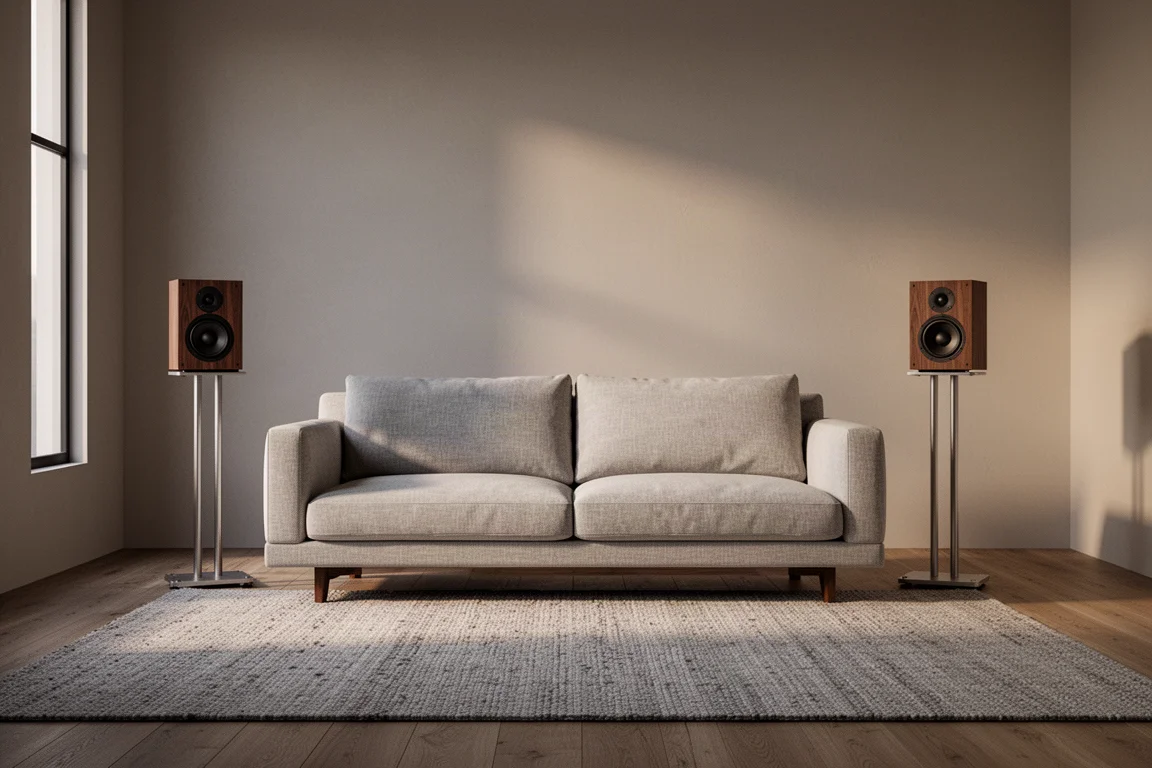
Placement matters just as much. Pushing the speakers closer to a wall or into a corner reinforces bass through room gain, which is useful in a bass light room but can cost some accuracy. Plugging the ports is another way to trim low end once a subwoofer takes over.
Things to Consider Before Buying
The missing tone controls are worth thinking about, especially since most competitors in this price range include them. An app with EQ presets, or the ability to load custom curves over USB, would have made the system more flexible. Neither is available here.
The internal conversion is good rather than exceptional, and the midrange trade off described above is the most likely reason to add an external DAC down the line. The USB input also needed some adjustment before it worked properly, so a little patience may be required.
Competition is strong. Klipsch, Edifier, and Swan all offer powered speakers in this bracket, and buyers should weigh whether they want tone controls and app support, or the simpler package and the enclosure quality offered here.
Buying Advice
At around $600, the M20 is best understood as three purchases in one: a well built pair of speakers, an amplifier tailored to them, and a digital to analog converter, plus Bluetooth and a remote control. Judged that way, the value is easier to see than the price tag alone suggests.
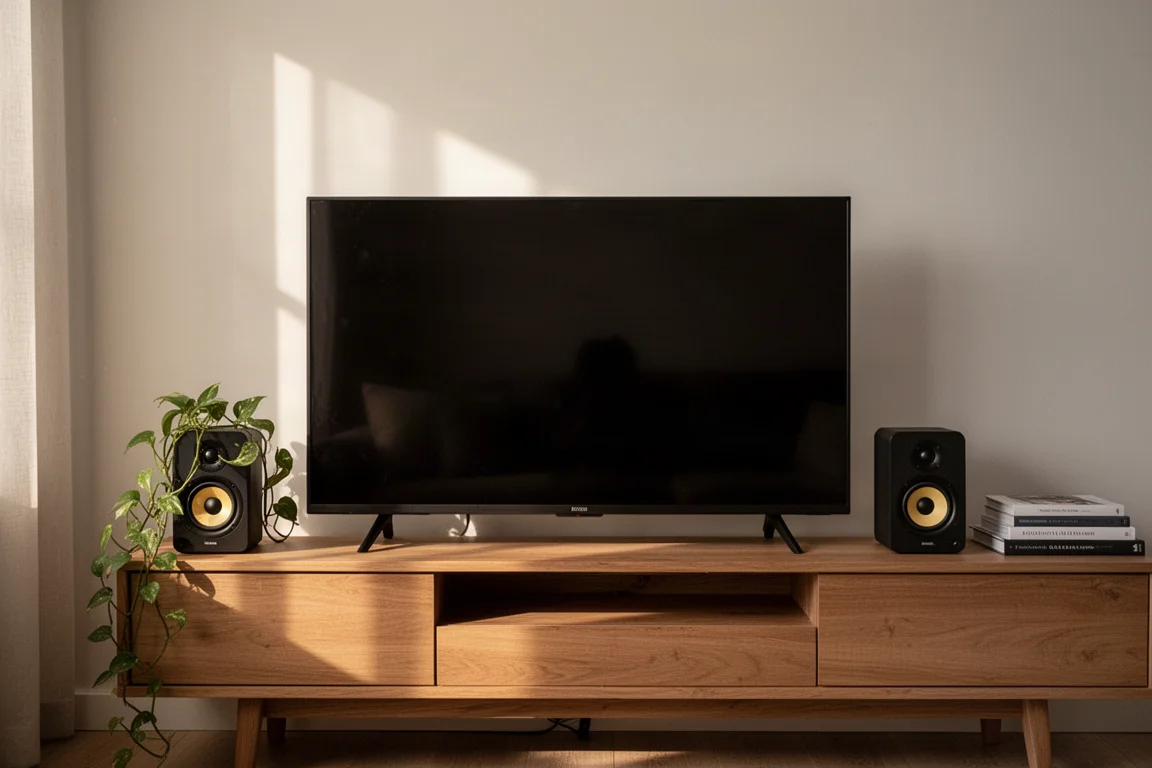
For anyone new to hi-fi, the appeal is that nothing has to be matched or configured. Music is playing within minutes of unboxing, and the system can be upgraded later with a subwoofer, a better DAC, or both. As a soundbar replacement in a living room, or a desktop system that handles a computer and a console, it covers the essentials without asking the buyer to learn a new vocabulary.
Conclusion
The Q Acoustics M20 is a safe, well executed entry into proper two channel sound. Its strengths are a linear and non fatiguing presentation, a deep soundstage, solid enclosure construction, and an input set that covers televisions, computers, consoles, and phones. Its compromises are the absence of tone controls and a midrange that benefits from a better DAC. For listeners who want convenience first and are willing to add a subwoofer later, it is an easy recommendation.
Product link
View more details for Q Acoustics M20
This product is mentioned in the review. Check the specifications, options, and compatibility before buying.
View more details for Q Acoustics M20Further reading
Related Reviews
Powered Speakers
AbramTek X50 Review: Powered Speakers With Real Bass and a Full Feature Set
The AbramTek X50 pairs a phono preamp, HDMI ARC, optical, and Bluetooth with genuinely capable sound. Here is what it does well and what to check before buying.
Powered Speakers
Amazon Basics Powered Speaker Review: Useful Features, Compromised Sound
A practical look at the Amazon Basics Powered Speaker: a handy remote and an optical input, held back by shouty upper mids, minimal bass, and erratic pricing.
Powered Speakers
Aperion Audio Alaire Review: Compact Powered Speakers With Serious Bass
A compact two-way powered speaker with genuine low-end punch, excellent imaging, and a control scheme that depends entirely on its remote.