Hi-Fi Speakers
Q Acoustics Concept 30 Review: Neutral, Fast and Deeper Than Expected
A compact standmount speaker with a dual-layer gel-core cabinet, a sealed soft dome tweeter and bass that reaches well beyond its driver size.
Introduction
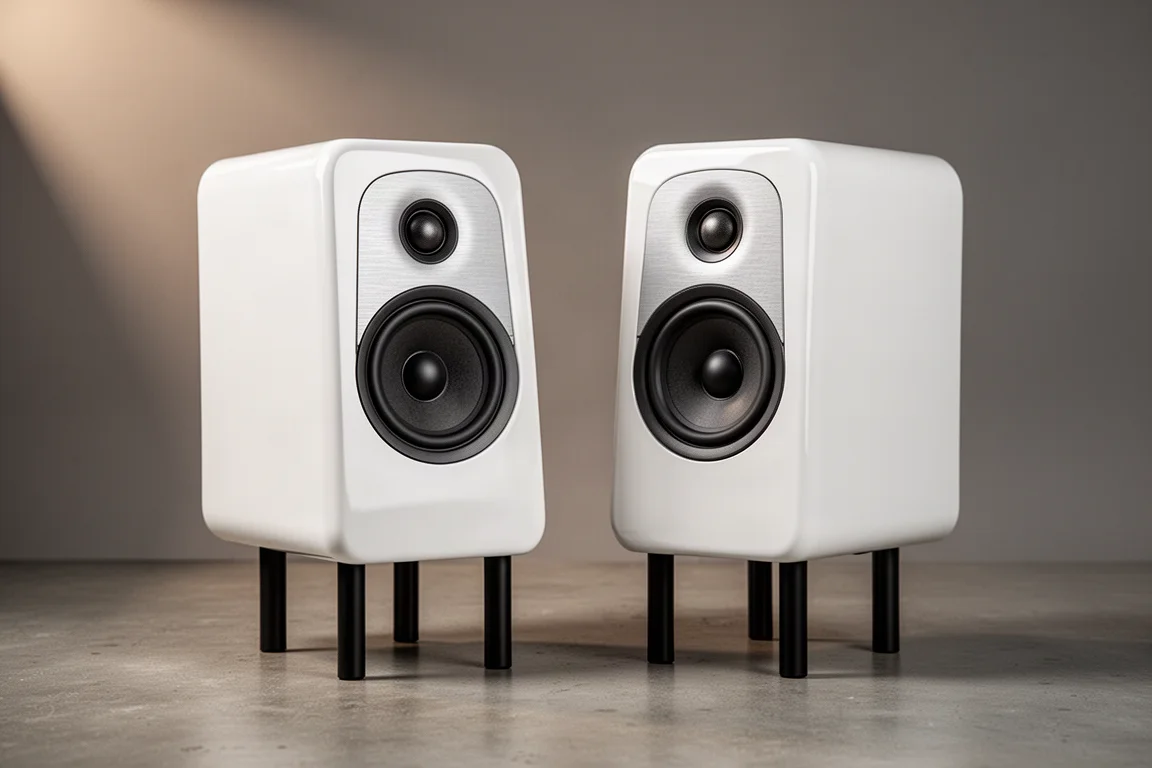
Q Acoustics Concept 30 is a compact two-way standmount speaker that borrows heavily from the company’s flagship Concept 300, and the family resemblance goes well beyond the name. Both designs chase the same goals: high transparency and a very neutral balance, wrapped in a modern, contemporary looking cabinet.
The Concept 30 is priced at $1,299 a pair and is available in gloss black, gloss white and silver. It is designed in the UK and built in China. Optional matching tripod metal stands are sold separately at $499 a pair and complement the look of the speaker neatly.
On the outside it looks fairly conventional. On the inside there is a lot more going on than the price and the compact dimensions suggest.
Who This Speaker Is For
This is a speaker for listeners who want to hear the recording rather than a flattering version of it. The balance is neutral rather than warm or sweet, and the overall character leans monitor-like: detail, speed and clarity come first. Anyone who prioritises a forgiving, laid-back sound that smooths over hard-edged recordings should look carefully before buying.
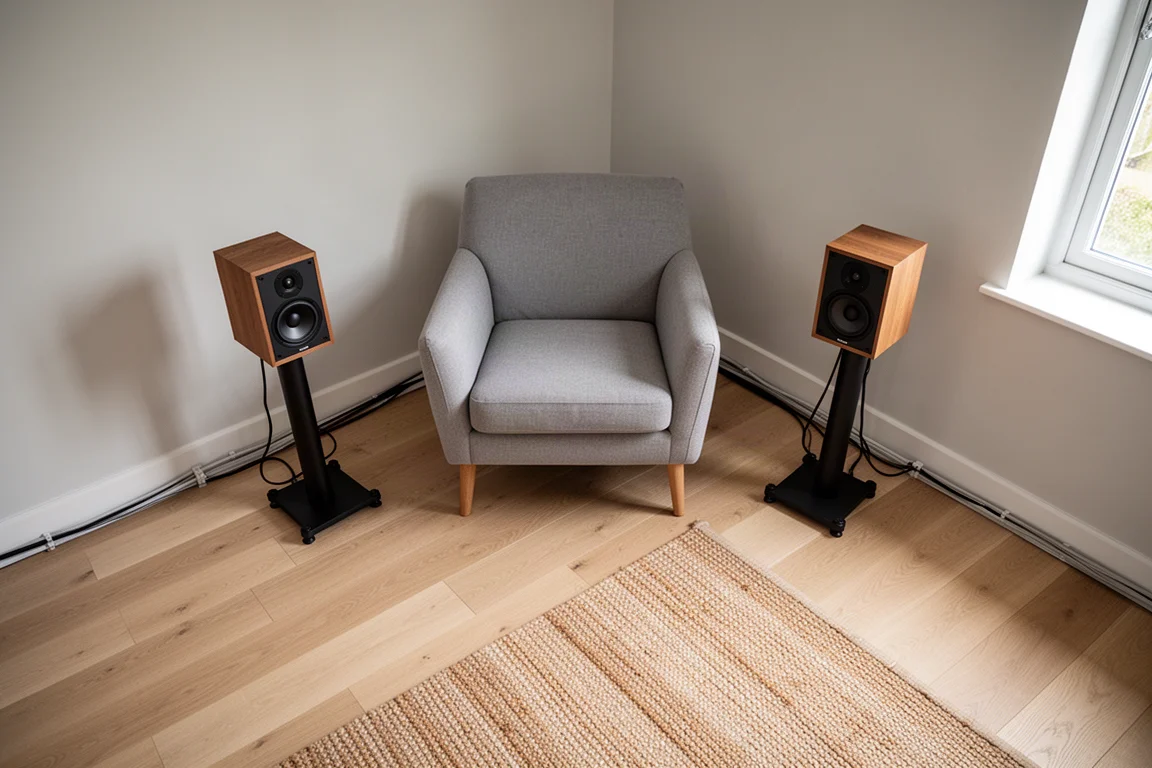
Setup is not fussy. Placing the speakers roughly 18 inches from the wall behind them, with minimal toe-in or none at all, produced a coherent and well-focused result. The Concept 30 also proved willing to work with very different electronics, from a modest integrated amplifier to a six-watt-per-channel EL34 tube amp, which makes it easier to slot into an existing system.
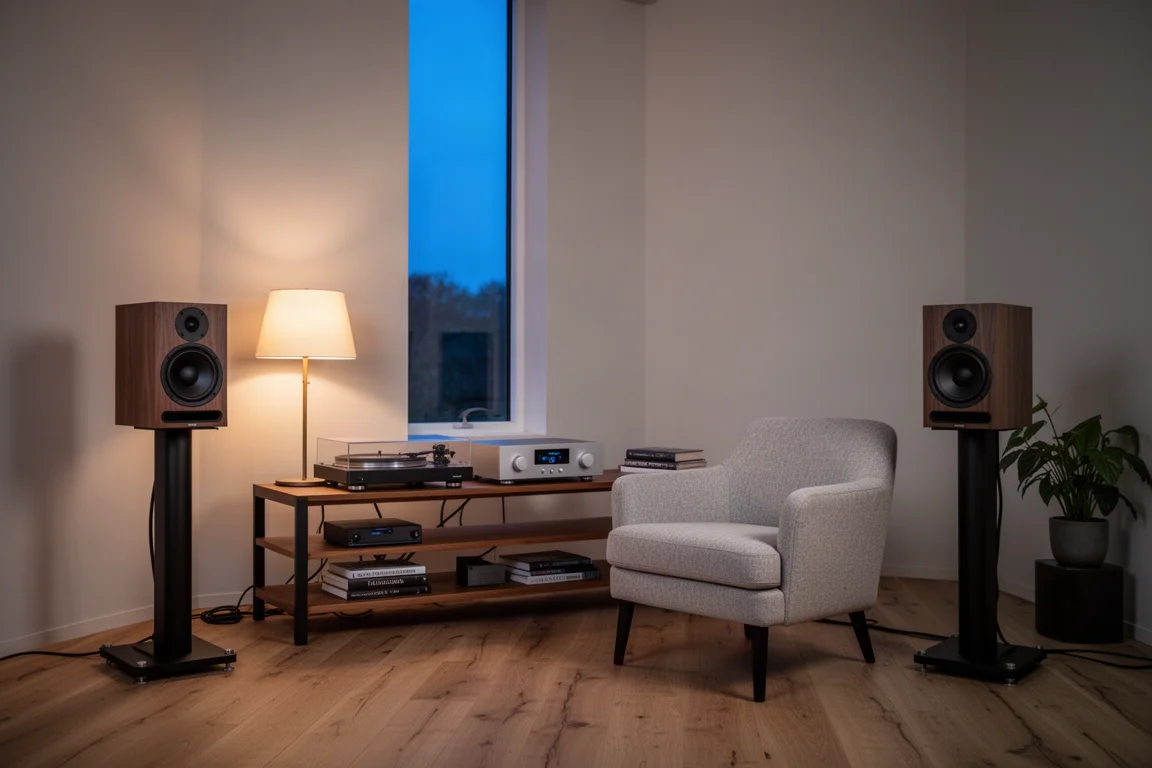
The built-in isolation platform on the underside of each cabinet helps here as well. It decouples the speaker from whatever it is standing on, which is a genuinely useful detail for anyone placing a pair on a sideboard, desk or shelf rather than on dedicated stands.
Design and Build Quality
Inside the cabinet, the Concept 30 uses a dual-layer construction: an inner and an outer shell separated by a gel core material intended to damp vibrations within the cabinet. The cabinet itself is heavily braced, with brace placement and tensioning carefully dialed in. The front baffle is a 3 mm aluminum plate, and both the tweeter and the woofer are mounted to it before that baffle is attached to the rest of the cabinet.
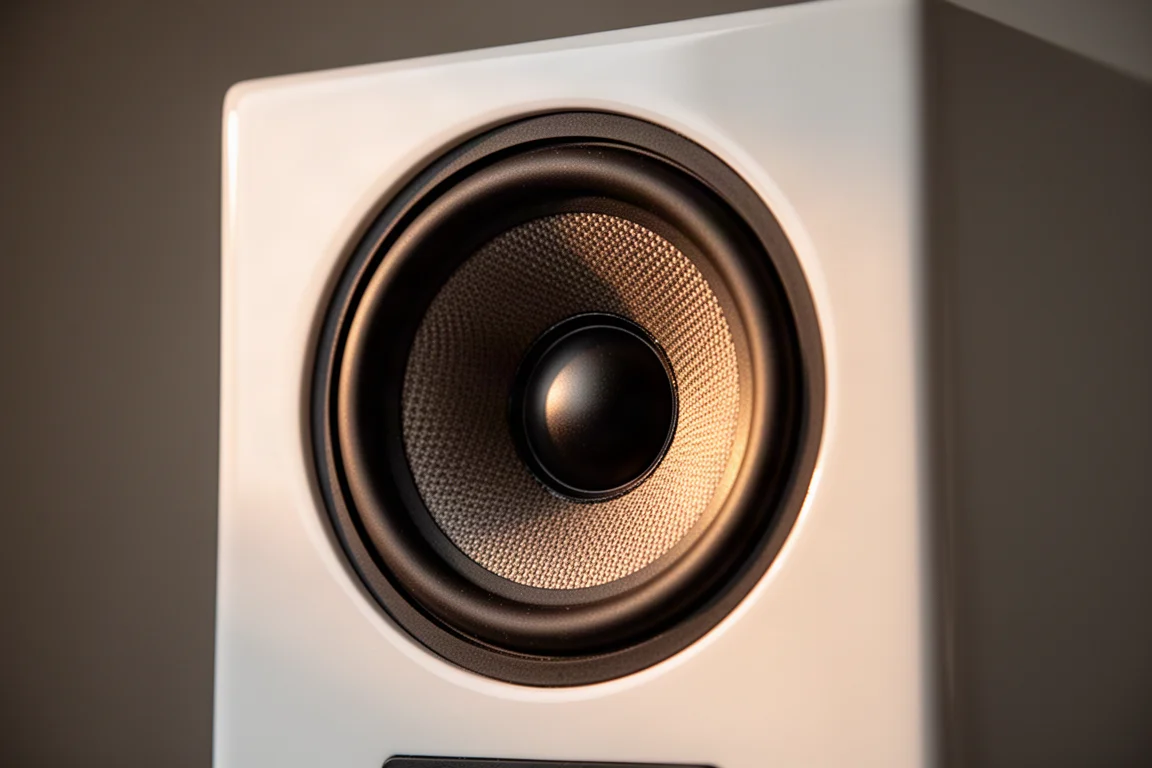
The tweeter is a 0.9-inch soft dome fabric unit, hermetically sealed from the rest of the energy inside the cabinet and set into a shallow waveguide. The woofer is a 5-inch driver with a notably solid construction. In the hand the whole speaker feels completely inert, which is impressive build quality at this price.
Main Strengths: Clarity, Speed and Deep Bass
Clarity is the headline. Across material as varied as jazz-tinged grooves, 1960s hard rock and solo harp, the Concept 30 kept delivering the same thing: high levels of detail with a tactile quality that makes percussion feel present rather than reproduced. Transient speed is a particular strength, and the speaker stays firmly on the monitor-like side of neutral.
Bass is the surprise. From a 5-inch woofer, output stayed solid down to the low 40 Hz range, which is exceptional for a cabinet this size. Just as importantly, it is not one-note, thick or bloated bass. It is fast and clear, matching the rest of the frequency range rather than lagging behind it.
Neutrality is the other defining trait. Nothing about the sound is artificially warmed or sweetened. Driven by a solid-state integrated amplifier, the presentation was flat, very clear and genuinely punchy, and it rocked when the music asked for it. That directness is exactly why the speaker works so well as a window onto a recording.
Amplifier Pairing and Sound Character
The Concept 30 is transparent enough that the amplifier in front of it makes an obvious difference. With a six-watt-per-channel EL34 tube amp, the sound softened considerably, bloomed and opened up, gaining depth and beauty, at the cost of resolution, clarity, speed and some bass grip. Through a solid-state integrated, the same recordings were flatter and clearer, but dimensionally flatter too.
Neither result is the correct one. It comes down to personal taste and to the kind of music you listen to most, which is why this speaker rewards a little experimentation rather than a single fixed recipe.
Things to Consider Before Buying
Neutrality cuts both ways. Recordings that are already bright, aggressive or peaky in the upper midrange and lower treble will be presented exactly that way, and one well-regarded album proved an uncomfortable listen for that reason. A better-balanced record from the same era fared only slightly better. Well-recorded material, by contrast, sounded genuinely beautiful.
The practical takeaway is that the Concept 30 rewards a careful source and amplifier match more than most speakers at this price. If your library leans towards compressed or sharply mastered recordings, allow time for placement and amplifier experiments, or consider whether a warmer-sounding speaker would suit you better. Listeners who prefer a fuller, warmer presentation may find alternatives such as the KEF LS50 Meta closer to their taste, while the Concept 30 is the faster and more neutral of the two.
Recording Quality and Long-Term Listening
A solo harp recording captured in a hall showed what the speaker does with space. The perspective was close to the instrument, yet the harp clearly filled the room behind it, and the Concept 30 resolved that depth without blurring it. A sultry, beautifully balanced vocal album came across as sweet, detailed and airy, with everything sitting in its proper place.
That contrast is the point of this speaker. It tells you what is in the recording, good and bad. If you want to hear the difference between a great master and a compromised one, it will show you. If you would rather not know, it will not hide it from you either.
Buying Advice
Buy the Concept 30 if you want detail, speed and neutrality from a compact cabinet, and if you want bass that reaches deeper than its driver size suggests. It suits listeners with well-recorded material who enjoy hearing into a mix, and anyone building a system around a single pair of standmounts rather than a floorstander.
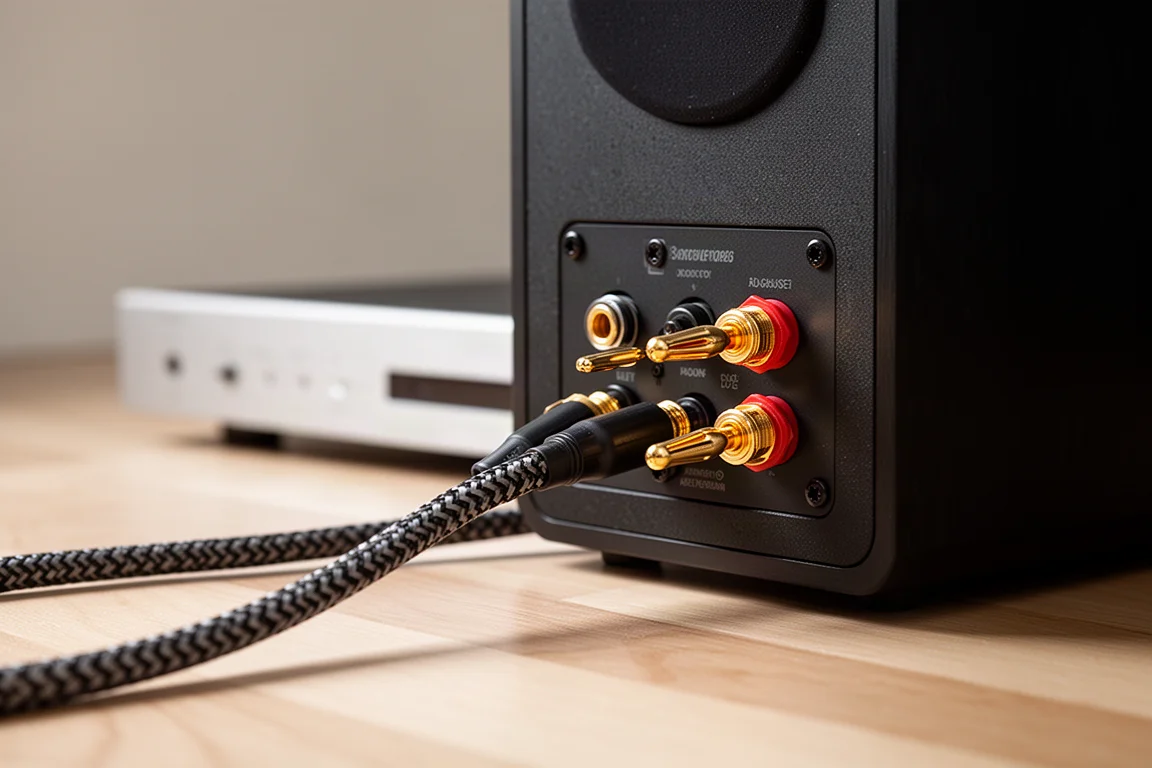
Budget for the matching tripod stands if the look matters to you, since they complete the design and add $499 a pair to the total. Allow for amplifier matching as well: the speaker is revealing enough that the amplifier you already own will have a real say in how it sounds, and that is worth testing before you commit. At $1,299 a pair the expectations are high, and on build quality, bass extension and clarity, the Concept 30 meets them.
Conclusion
Q Acoustics Concept 30 is a compact standmount with a serious technical story inside a conventional-looking box: a dual-layer gel-core cabinet, a heavily braced structure, an aluminum baffle and a hermetically sealed soft dome tweeter. The result is a fast, neutral, monitor-like speaker with deep, clean bass for its size and a level of clarity that makes good recordings shine.
It is not a forgiving speaker, and bright recordings will sound bright. For the right listener, that honesty is precisely the appeal. If you value transparency and want to hear what is actually on the record, the Concept 30 is an easy speaker to recommend.
Product link
View more details for Q Acoustics Concept 30
This product is mentioned in the review. Check the specifications, options, and compatibility before buying.
View more details for Q Acoustics Concept 30Further reading
Related Reviews
Hi-Fi Speakers
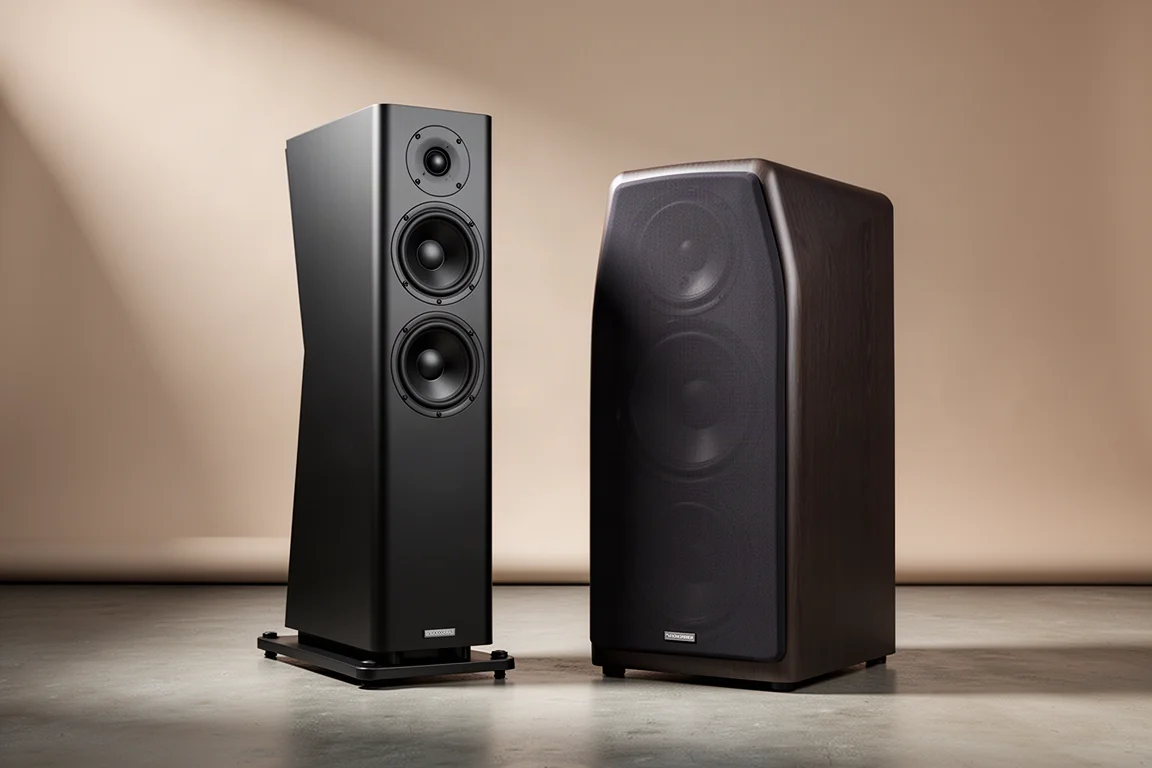
1723 THX Tower vs 1528 Bookshelf: Which Speaker Fits Your Room?
Two speakers at roughly the same price, built very differently. How the 1723 THX tower and the 1528 bookshelf compare on construction, bass, power needs, and sound.
Hi-Fi Speakers
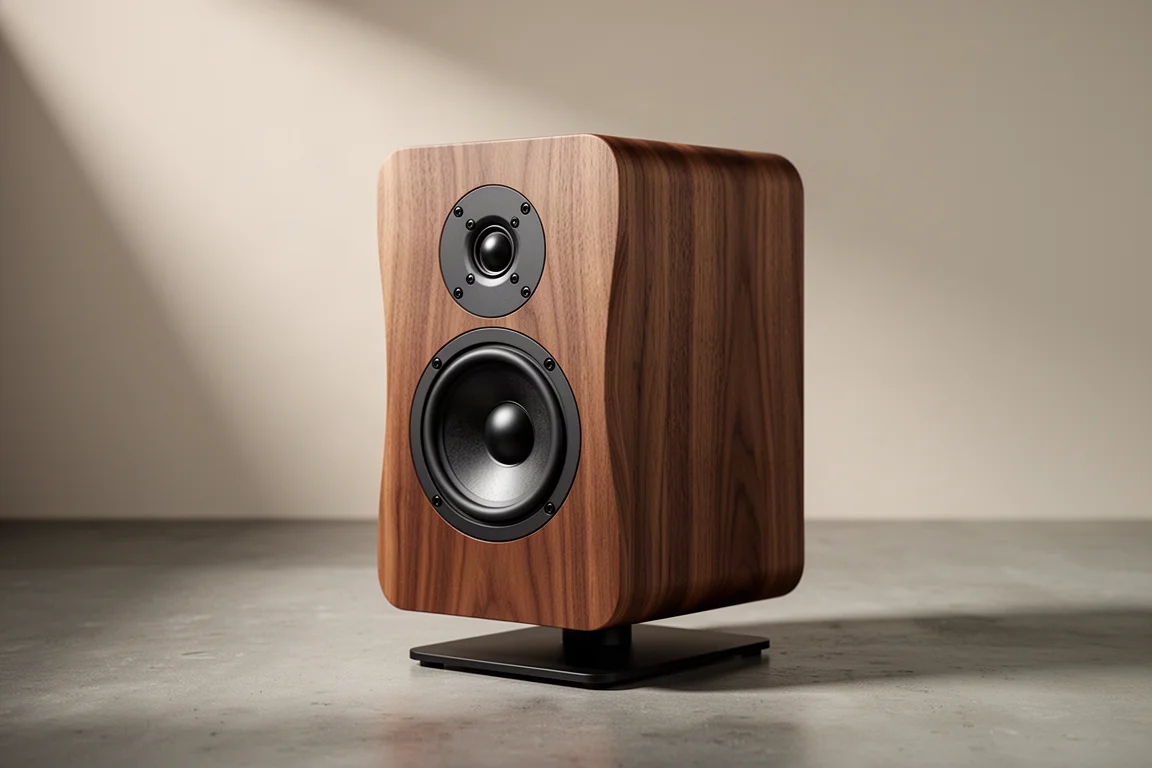
Acoustic Energy AE 300 Review: Deep Bass From a Compact Standmount
A two-way standmount with real wood veneer, surprising low-end weight, and a warm, easygoing character. Here is what to know before buying.
Hi-Fi Speakers
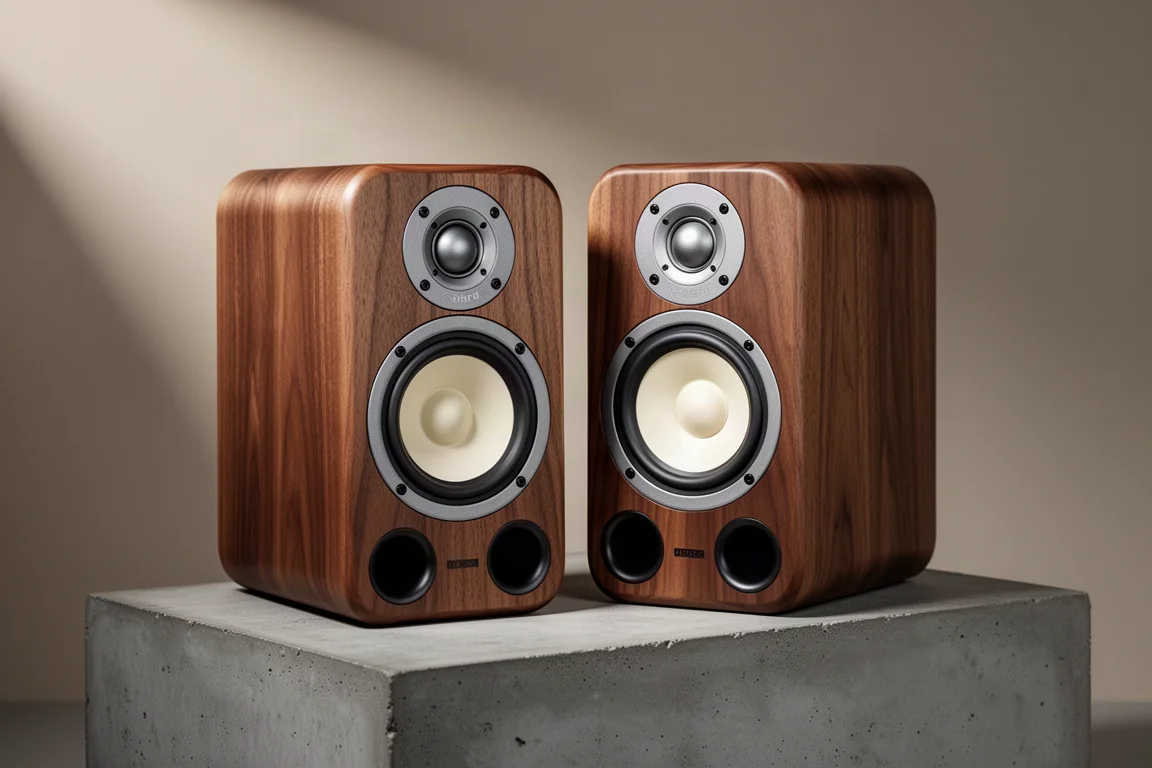
Acoustic Energy AE1 40th Anniversary Review: A Modern Take on a British Classic
A compact standmount that revives a 1980s favorite with all-new parts, a warm mid-centric balance, and a price of £1,499 per pair.