Hi-Fi Speakers
Q Acoustics 5020 Review: Refined Sound and Exceptional Instrument Separation
The Q Acoustics 5020 is a mid-tier standmount with a clean, linear character, deep imaging and superb separation. Here is what to know before buying.
Introduction
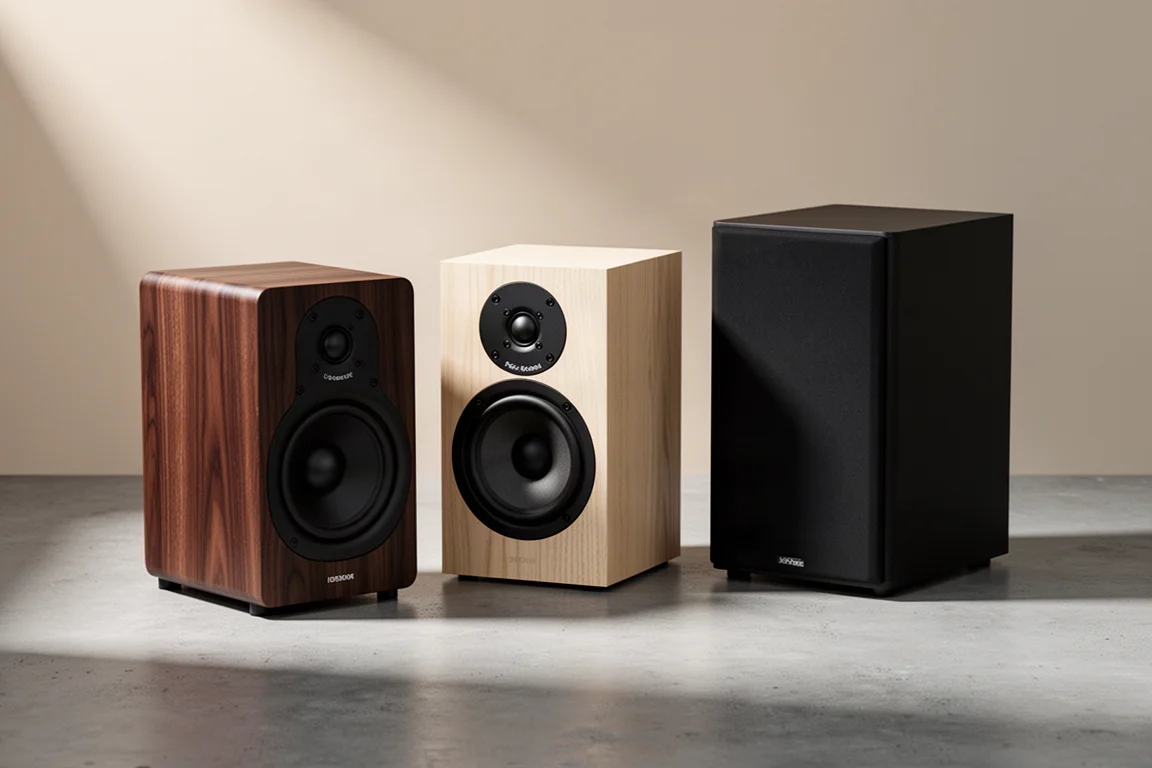
The Q Acoustics 5020 sits in the middle of the company’s standmount range, above the more affordable 3000 series that includes the 3020, 3020i and 3030. It arrives with a redesigned woofer and a redesigned tweeter implementation, and it sells for around $900, which places it comfortably below the Q Acoustics Model 30 at roughly $1,300.
That is not a small amount of money for a speaker built around a five-inch woofer, and it is worth being clear about that up front. What the 5020 offers in return is a genuinely refined two-way design, a cabinet built with the kind of bracing Q Acoustics is known for, and a sound that prioritises cleanliness and separation over sheer output.
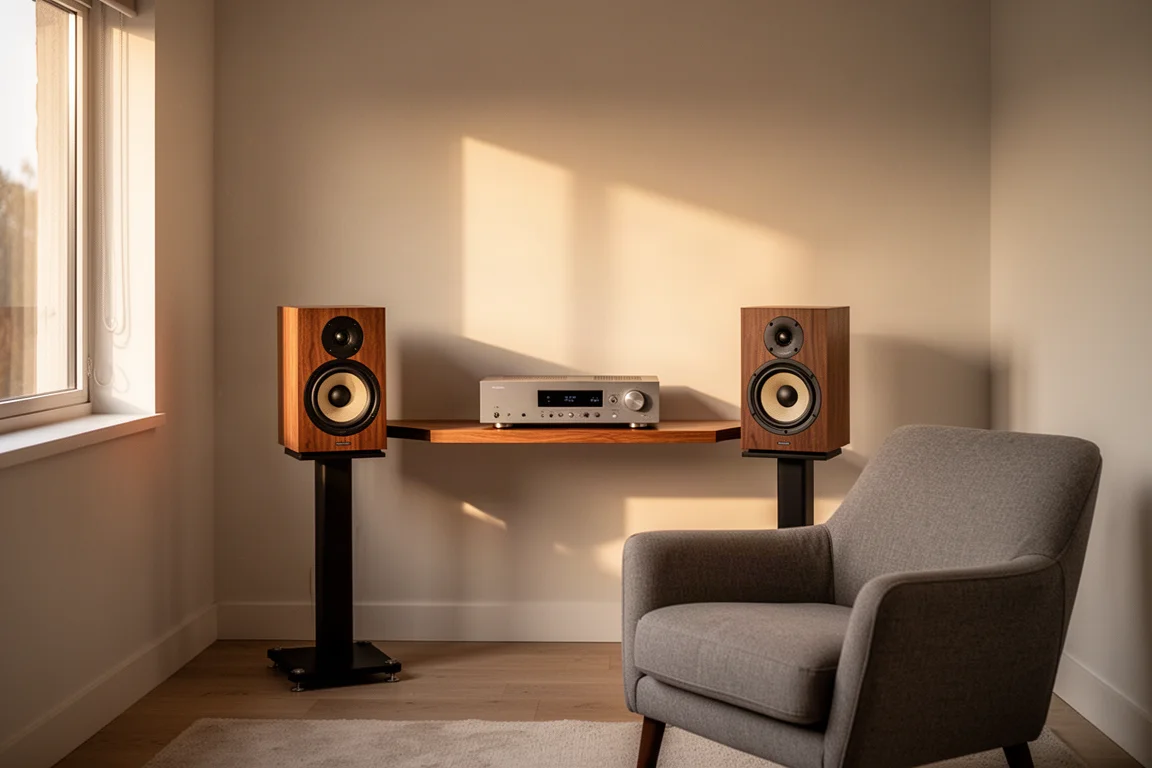
This article covers who the 5020 suits, where it performs best, the trade-offs worth knowing about, and how to get the most from it in a real system.
Who This Speaker Is For
The 5020 is aimed at listeners who value detail, separation and a linear tonal balance more than a big, warm, bass-heavy presentation. It plays well across genres and does not push its own character onto the music, which makes it a sensible choice for anyone with a wide-ranging library.
It is also unusually well suited to near-field listening, where the speakers sit close to the listener on a desk or in a compact room. At that distance the 5020 performs at a level that makes it a realistic long-term choice rather than a stepping stone.
Buyers weighing alternatives should note two things. Against the Model 30, the 5020 has a slightly more distinctive personality and costs a good deal less, even though the Model 30 has the more polished enclosure. Against the ELAC Uni-Fi 2.0, the midrange character is fairly similar, the 5020 gives up a little bass, but its top end comes across as more natural and it does not need a long break-in period before it starts sounding right.
Main Strengths
Soundstage and Imaging
The most striking quality of the 5020 is how it places sound in space. With music, the stage sits noticeably higher than the speakers themselves, roughly a foot above the cabinets even when the listener is at ear level with the tweeters.
Centre imaging is strong enough that it is worth checking whether a centre channel is active in a surround setup, because the phantom centre is convincing on its own. The presentation is not forward: the midrange does not lean toward the listener and vocalists do not jump out ahead of the rest of the mix.
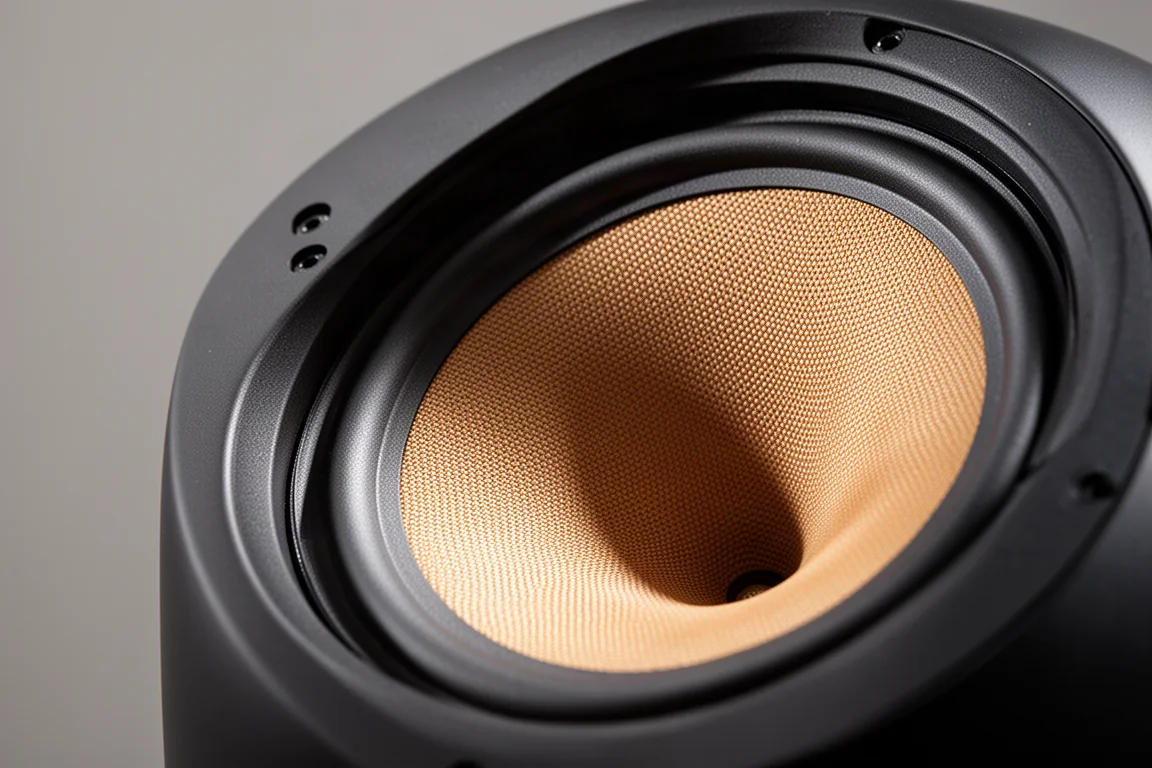
What the speaker does especially well is depth. Instruments in the midrange and upper bass are separated with real precision, and that separation is what lets the 5020 build a front-to-back stage rather than a flat wall of sound. With film material, effects were thrown convincingly around a large living room. As with any speaker, the recording itself sets the ceiling here, but the 5020 has the ability to communicate what is on it.
Instrument Separation and Detail
Separation is the thread that runs through everything the 5020 does. Backing vocals sit clearly apart from lead vocals. On denser material, cymbal and hi-hat hits that normally blur into a single sound were rendered as distinct events.
Some of this comes down to the cabinet. Q Acoustics uses point-to-point bracing to keep the enclosure inert, and the drivers themselves have been redesigned. The result is a speaker that surfaces small details in familiar recordings, which is exactly the kind of thing that keeps a listener engaged over long sessions.
The flip side is transparency. The 5020 does not smooth over or flatter a poor recording, and a heavily compressed or badly balanced track will sound like one. Well-recorded material, on the other hand, sounds excellent.
Bass, Midrange and Treble Character
Bass extension is quoted at 53 Hz, and Q Acoustics tends to be conservative with that figure, so the speaker often sounds like it reaches deeper than the number suggests. The low end is clean and well separated rather than forceful. A thick, boosted bass line came across as purposeful and plucky, and a bass drum hit landed with impact and clarity. On one track with a very deep drop, the speaker hinted at the depth without delivering the full weight of it. In a large room, a subwoofer is the sensible addition; in a near-field setup it may not be necessary.
The midrange is where the speaker’s personality is most obvious. It is slightly cool rather than lush, and male vocals come through as believable but a little lean rather than romantic. A dip somewhere in the midrange leans out some voices, and a baritone vocal does not sound as deep as it does on other speakers. Where the midrange excels is separation: acoustic guitars and backing vocals are laid out clearly, and some material came through with unexpected fullness and force.
Treble is hard to fault. Cymbals were exceptionally well separated, and on one track a hi-hat and a crash cymbal playing together were distinguishable in a way that had not been apparent before. On a sparsely arranged recording, the speaker conveyed a strong sense of the room’s size and air.
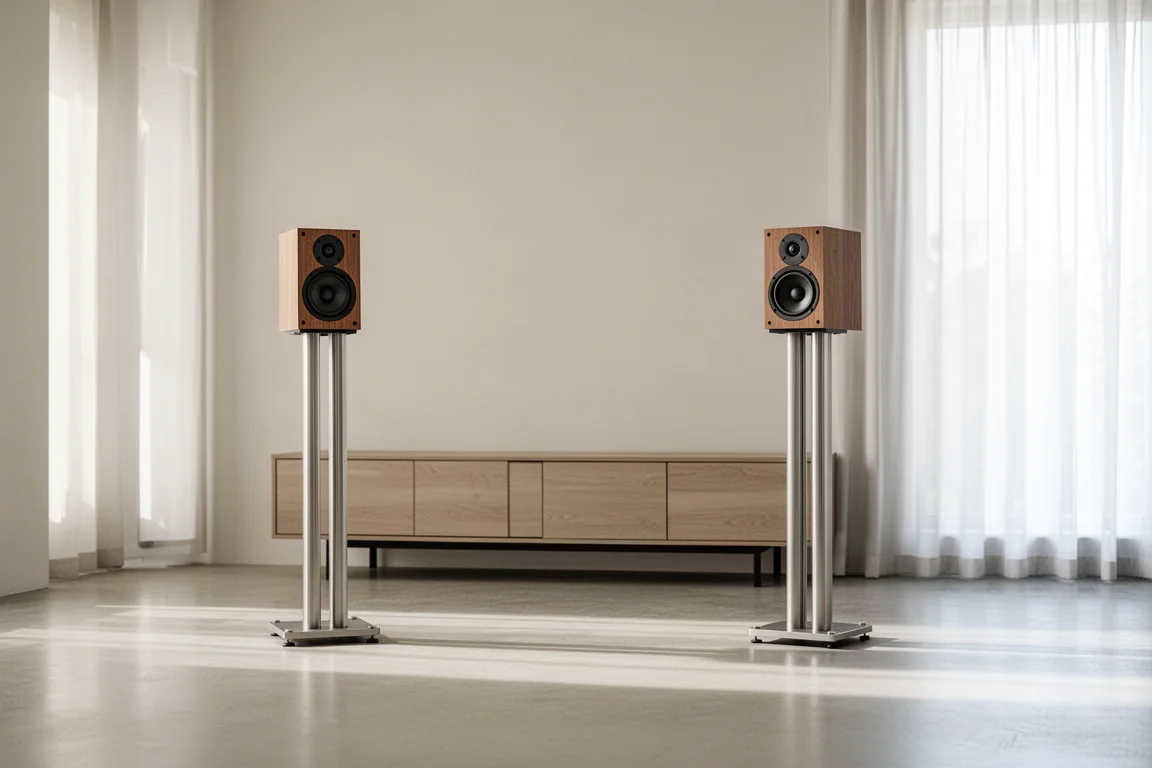
Taken together, the balance is linear and flat enough to work with every genre, with the midrange dip being the one voicing choice worth being aware of.
Things to Consider Before Buying
- Bass depth is limited by the cabinet size. The quoted 53 Hz figure is honest, but the bottom octave is out of reach without a subwoofer, particularly in a large room.
- The midrange runs slightly cool. Listeners who want a rich, romantic male vocal presentation may prefer a warmer speaker.
- Poor recordings are exposed rather than hidden. The 5020 is transparent, and that cuts both ways.
- The enclosure finish is less polished than the more expensive Model 30, even though the 5020 is the more characterful speaker of the two.
- At around $900, the price is high for a standmount with a five-inch woofer, so it makes most sense for buyers who specifically want its separation and imaging strengths.
- Amplifier matching matters. Very neutral amplification keeps the speaker neutral, and some listeners will prefer an amplifier with a little more weight at the bottom or a touch of tone adjustment.
Buying Advice
The 5020 was driven by several amplifiers during testing, including a neutral high-power option and a pair of monoblocks, as well as a lower-power setup. The high-power pairing worked well, the monoblocks kept things very neutral, and a little extra low-end weight suited the speaker’s character nicely. If a neutral amplifier leaves the system sounding a touch thin, tone controls or a mild EQ adjustment are a practical alternative to changing amps.
Placement is worth experimenting with. Moving the speakers closer to a rear wall adds useful low-frequency reinforcement, and for most rooms that will be enough bass without a subwoofer. Anyone who wants genuine bottom-octave output should plan for a sub from the start.
For near-field use, the 5020 is one of the strongest options available at this price, and for many listeners it will be the last speaker they need to buy. The main requirement is simply knowing what it is: a clean, linear, highly separated speaker rather than a bass-forward one.
Buyers who want a more luxurious cabinet finish and a slightly different voicing may prefer the Model 30 at a higher price. Buyers who want a similar balance with a bit more bass may find the ELAC Uni-Fi 2.0 appealing, provided they are comfortable with a long break-in period and a slightly less natural top end.
Conclusion
The Q Acoustics 5020 is a refined, honest standmount that earns its price through separation, depth and tonal consistency rather than brute force. Its midrange is a touch cool and its bass stops short of the bottom octave, but neither undermines what it does well: it lays out a recording with unusual clarity and builds a deep, well-defined stage.
For near-field listeners and anyone who values detail across a wide range of genres, it is an easy recommendation. Add a subwoofer for a large room, pair it with amplification that suits your taste, and it should keep rewarding close listening for years.
Product link
View more details for Q Acoustics 5020
This product is mentioned in the review. Check the specifications, options, and compatibility before buying.
View more details for Q Acoustics 5020Further reading
Related Reviews
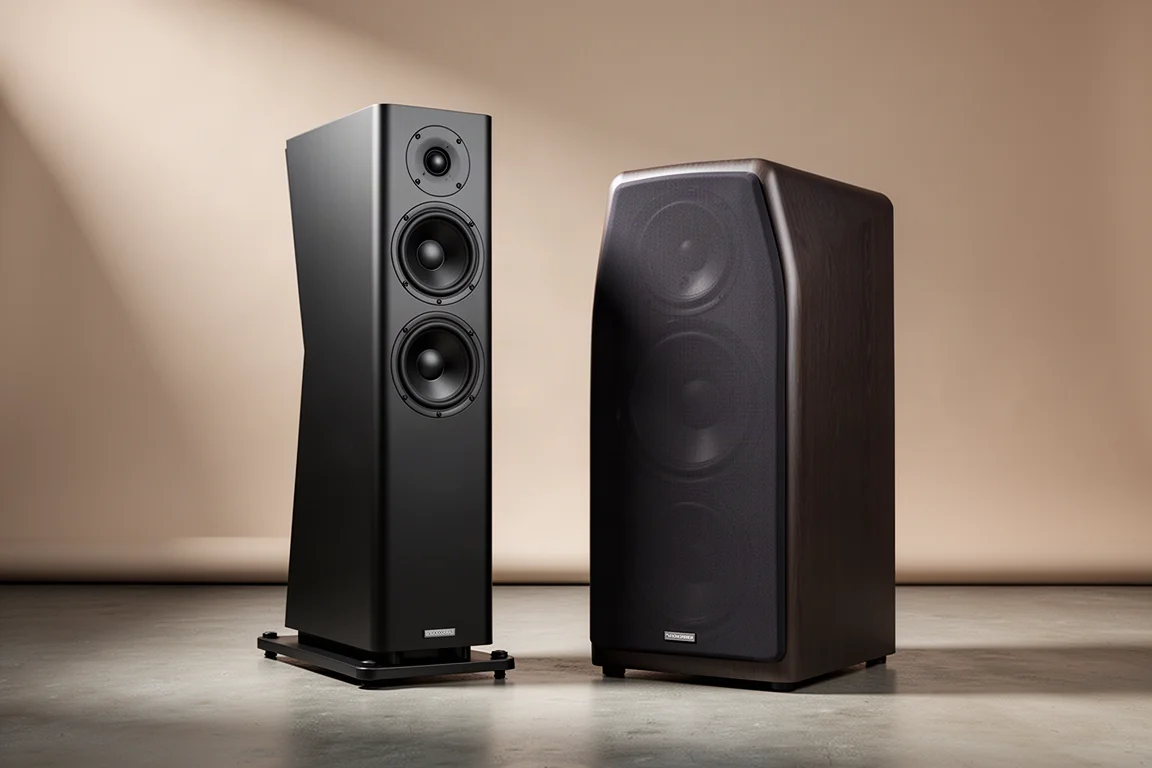
Hi-Fi Speakers
1723 THX Tower vs 1528 Bookshelf: Which Speaker Fits Your Room?
Two speakers at roughly the same price, built very differently. How the 1723 THX tower and the 1528 bookshelf compare on construction, bass, power needs, and sound.
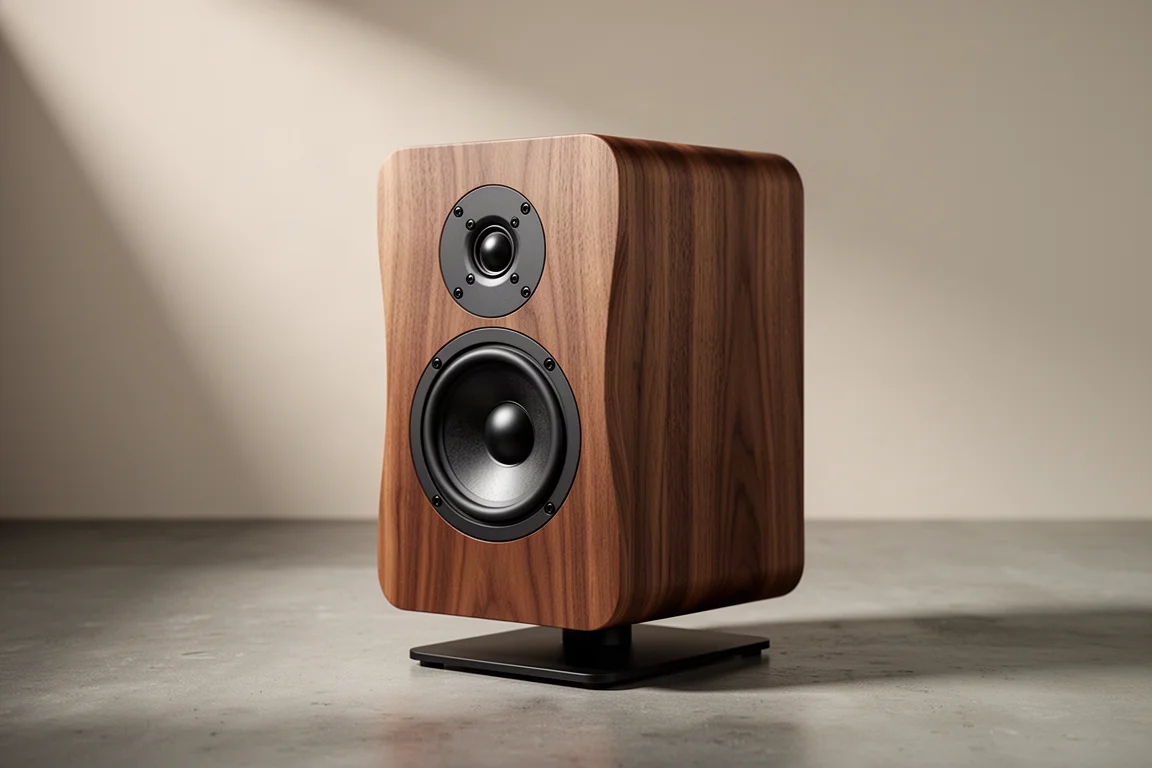
Hi-Fi Speakers
Acoustic Energy AE 300 Review: Deep Bass From a Compact Standmount
A two-way standmount with real wood veneer, surprising low-end weight, and a warm, easygoing character. Here is what to know before buying.
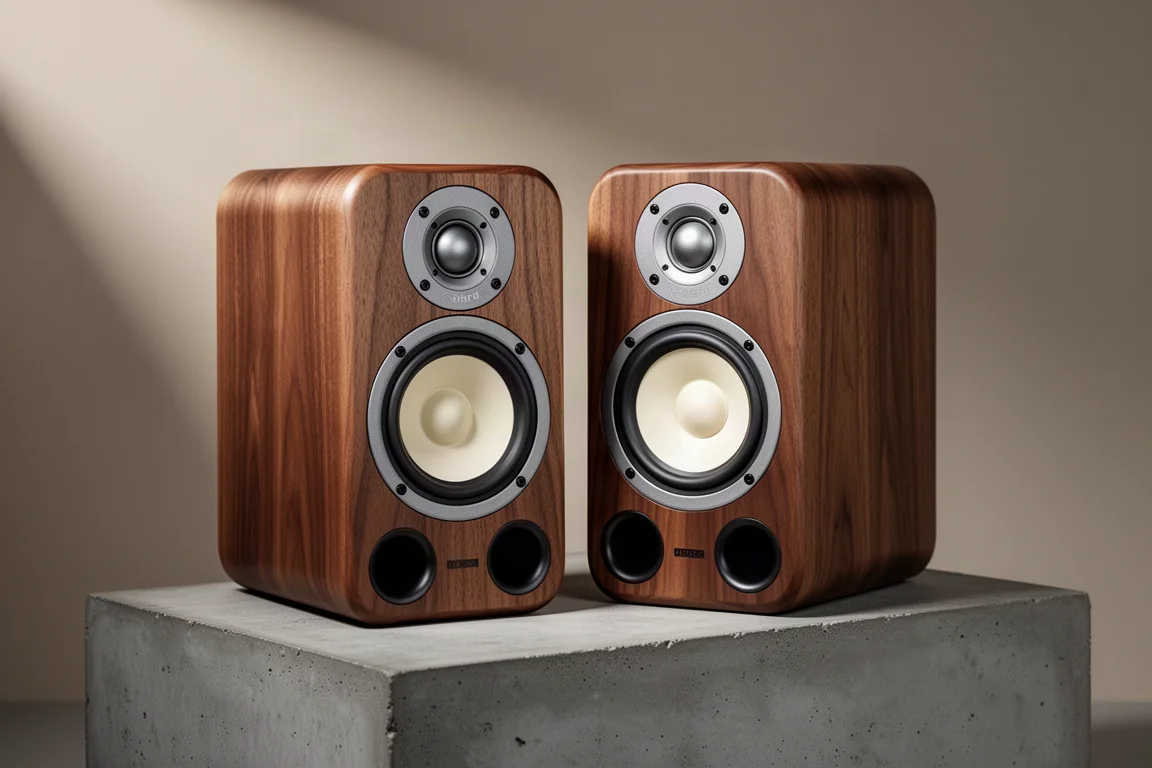
Hi-Fi Speakers
Acoustic Energy AE1 40th Anniversary Review: A Modern Take on a British Classic
A compact standmount that revives a 1980s favorite with all-new parts, a warm mid-centric balance, and a price of £1,499 per pair.