Hi-Fi Speakers
Q Acoustics 5010 Review: The Smallest Speaker in the 5000 Series
A compact passive bookshelf speaker with a remarkably inert cabinet, a natural mid-range, and more bass punch than its size suggests. Here is what to know before buying.
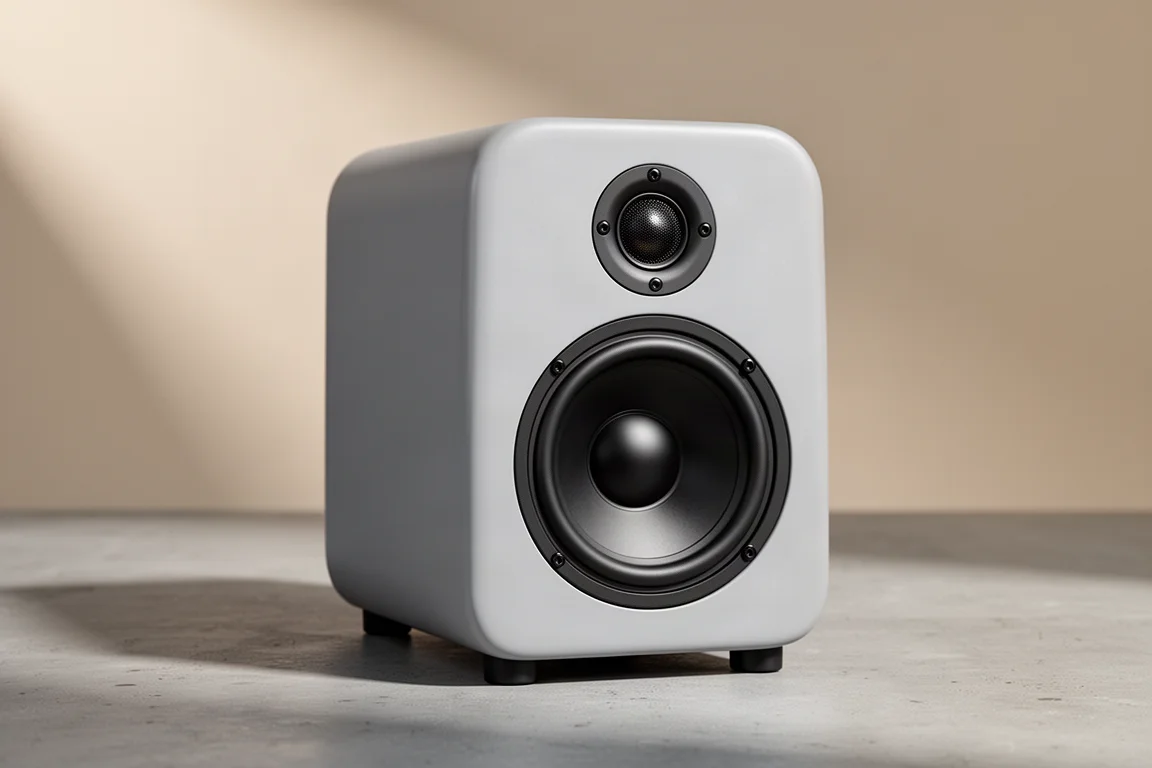
Introduction
The Q Acoustics 5010 is the smallest model in the Q Acoustics 5000 series, a range that also includes the larger 5020 bookshelf, the 5040 and 5050 floorstanders, and a matching centre channel. It sits at the entry point of a line that has earned attention for its tonality and its cabinet engineering, and it does so without abandoning the character that defines its bigger siblings.
At $750 per pair it is not a budget speaker in the strict sense, but it is $150 per pair less than the 5020. The question this review answers is simple: does the smallest member of the family deliver enough to justify the price, or should buyers stretch to the larger model?
Who the Q Acoustics 5010 Is For
This is a speaker for listeners who care about mid-range realism and imaging more than raw output. With a 4.5 inch woofer and a cabinet that weighs 12.3 lb per speaker, it suits desktop and nearfield setups, small to medium living rooms, and anyone building a two-channel system around quality rather than volume.
It also suits listeners who prefer a passive speaker paired with a separate amplifier. The 5010 rewards a decent amp, and it works best in rooms where the speakers can be pulled away from the wall. If you need chest-thumping low end in a large space, this is not the tool for that job, and the floorstanding 5040 or 5050 in the same range is the more logical destination.
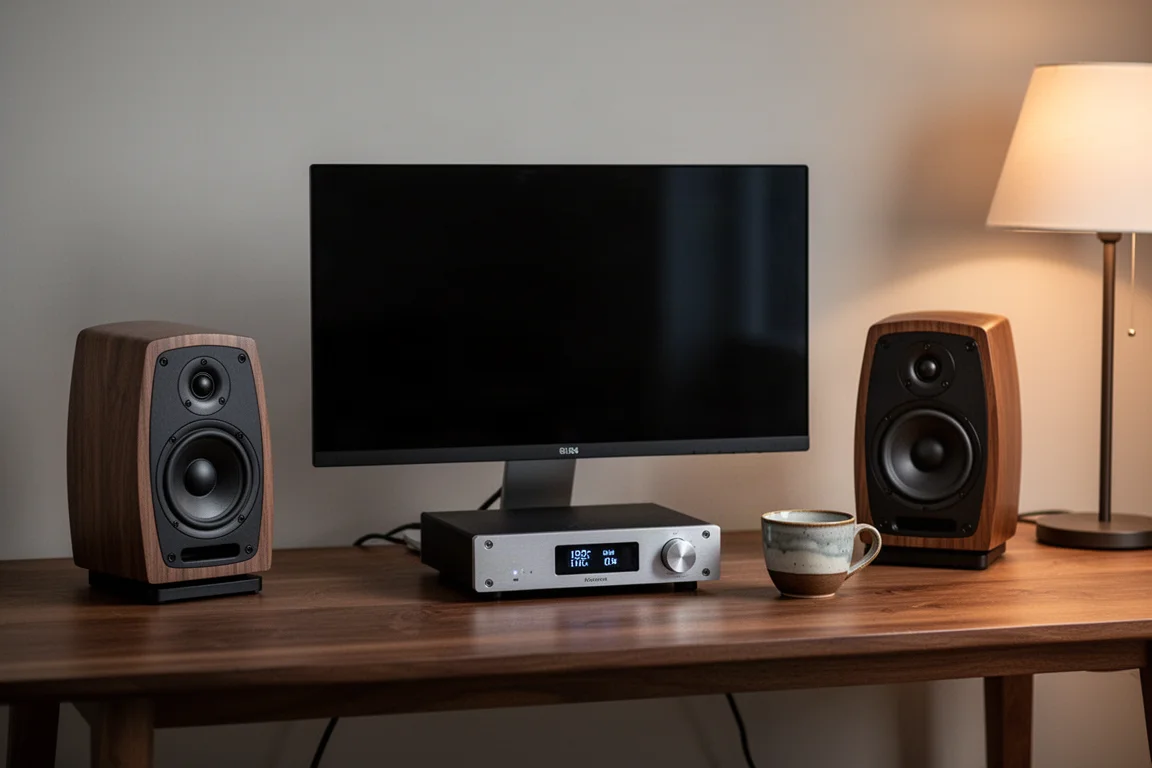
For a listener who wants one honest pair of speakers for a modest room, the appeal is straightforward: it does the fundamentals well rather than chasing scale.
Design, Build, and Enclosure Engineering
Q Acoustics has built the 5000 series around cabinet inertness, and the 5010 carries that approach into a compact box. The sides are curved rather than square, the feet are rubber bumpers, and there is an option to thread the speaker onto a stand. On the back you get a single set of flush-mounted binding posts that barely protrude from the cabinet, plus a single rear port.
The driver package trickles down from the more expensive Concept series. A 1 inch soft dome tweeter handles the top end, and a 4.5 inch continuous cone woofer covers the mid-range and bass. Q Acoustics also uses point-to-point bracing inside the cabinet, and the company has long focused on making its enclosures as inert as possible.
That focus matters more than the spec sheet suggests. A cabinet that stays quiet lets you hear the drivers rather than the box, and it also means you can push the speaker harder before the enclosure starts to colour the sound.
Main Strengths: Tonality and Mid-Range Clarity
The mid-range is the standout. Vocals come across as believable rather than flattering, with no veiling on male voices and no unnatural forwardness on female ones. The overall balance leans slightly warm, just enough to add richness to acoustic material without blurring detail.
That combination works especially well with singer-songwriter and acoustic recordings, where the extra touch of warmth flatters voices while the tweeter keeps the detail intact. The 5010 also holds a remarkably consistent character with the rest of the 5000 series, so the smallest model does not feel like a downgrade in voicing.
Imaging and soundstage are another high point. Because the cabinet is so inert and the speaker is small enough to place away from the wall, the 5010 can disappear into a well-set-up room in a way that is unusual at this size. Buyers who care about a precise centre image and a sense of space will find plenty to like here.
Bass Response and Dynamics in Real Rooms
Bass is the surprise. A 4.5 inch woofer in a cabinet this size should not have much punch, and the 5010 has more than its dimensions suggest. Around 100 Hz it produces genuinely tactile output, and the smaller cone moves quickly enough to render detail that larger drivers can sometimes smooth over.
The limit is extension rather than impact. Output falls away quickly below 50 Hz, so the lowest octaves of bass-heavy material simply are not there without a subwoofer. In a large room, a subwoofer crossed over low is a sensible addition. In a smaller room, many listeners will not miss it.
Dynamics are strong for the size. The speaker stays composed when pushed, which is a direct benefit of the rigid cabinet. Sensitivity is rated at 86.3 dB with a nominal impedance of 6 ohms, so it is not the easiest load to drive, and a capable amplifier makes a meaningful difference to how confidently it performs. Rated frequency response runs from 56 Hz to 30,000 Hz.
Treble, Detail, and Resolution
The 1 inch soft dome tweeter is the part of the design that is easiest to underestimate. Soft dome tweeters can sometimes round off percussion and metallic instruments, or trade impact for smoothness. Here, the detail is present without the mid-range taking on a cool or unnatural character.
There is a caveat for listeners who prioritise air and sparkle above all else. The 5010 does not have the extra top-end openness of a folded ribbon or AMT tweeter, and some alternatives in that style will sound more explicit in the highest frequencies. What the 5010 offers instead is resolution and detail that are unusually strong for a soft dome design, and it keeps that quality across the whole 5000 series.
Compared with speakers further up the price ladder, the 5010 holds its own on resolution. Its balance and mid-range clarity are arguably more even-handed than some more expensive designs, even where those speakers have their own distinct character and their own reasons to be chosen.
Things to Consider Before Buying
The first consideration is the price. At $750 per pair, this is a lot of money for a speaker with a 4.5 inch woofer. The sound quality justifies the outlay for listeners who value tonality and imaging, but it is not an impulse purchase, and a lower price would make the recommendation much easier.
The second is low-frequency extension. If your music depends on deep bass, or you are filling a large room, budget for a subwoofer alongside the speakers.
The third is amplification. At 86.3 dB sensitivity and 6 ohms nominal impedance, the 5010 benefits from an amplifier with real current delivery. In nearfield setups, a small desktop amplifier with tone controls can help you add a little low-end weight to taste. In a larger room, a higher power amplifier will let the speaker play at sustained levels without strain.
Buying Advice
The 5010 makes the most sense for listeners who want a compact passive speaker with a natural mid-range, strong imaging, and enough bass to satisfy in a modest room. If your priority is scale and deep low-frequency output, the larger 5020 at $900 per pair or one of the 5000 series floorstanders is the more logical choice.
If you are cross-shopping, similar tonal character can be found elsewhere, but expect to spend time with tone controls to bring the mid-range clarity up to the same level, particularly by trimming around 300 Hz and lifting the treble slightly.
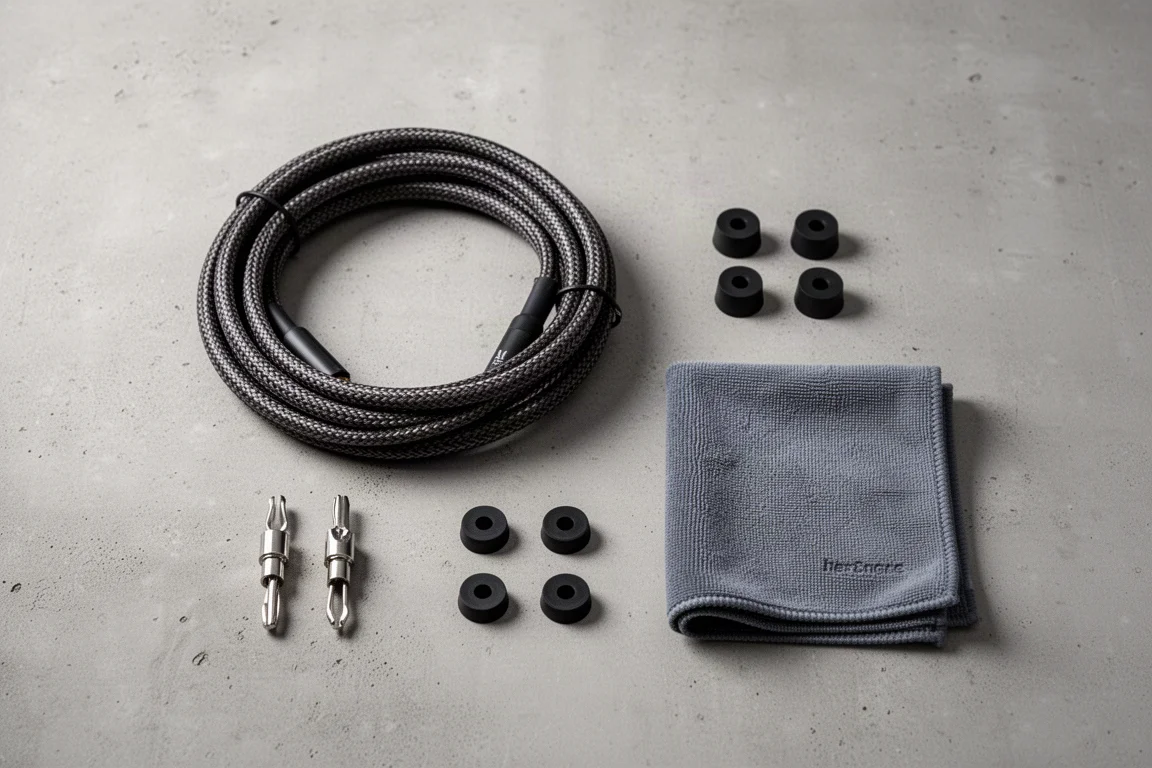
Pair it with an amplifier you trust, give it some space from the wall, and add a subwoofer if you want the bottom octave. Set up that way, the 5010 delivers a level of refinement that is difficult to match at this size.
Conclusion
The Q Acoustics 5010 is the smallest speaker in a line that gets a great deal right, and it preserves the family character without obvious compromise. Its inert cabinet, natural mid-range, and precise imaging make it a compelling choice for nearfield and small-room listening, and its bass output is better than its dimensions imply. The reservations are practical rather than sonic: $750 per pair is a serious price for a compact bookshelf, the 86.3 dB sensitivity asks for a capable amplifier, and deep bass requires a subwoofer. Buyers who prioritise tonality and detail over scale will find very little to fault here, and that earns it a confident recommendation.
Product link
View more details for Q Acoustics 5010
This product is mentioned in the review. Check the specifications, options, and compatibility before buying.
View more details for Q Acoustics 5010Further reading
Related Reviews
Hi-Fi Speakers
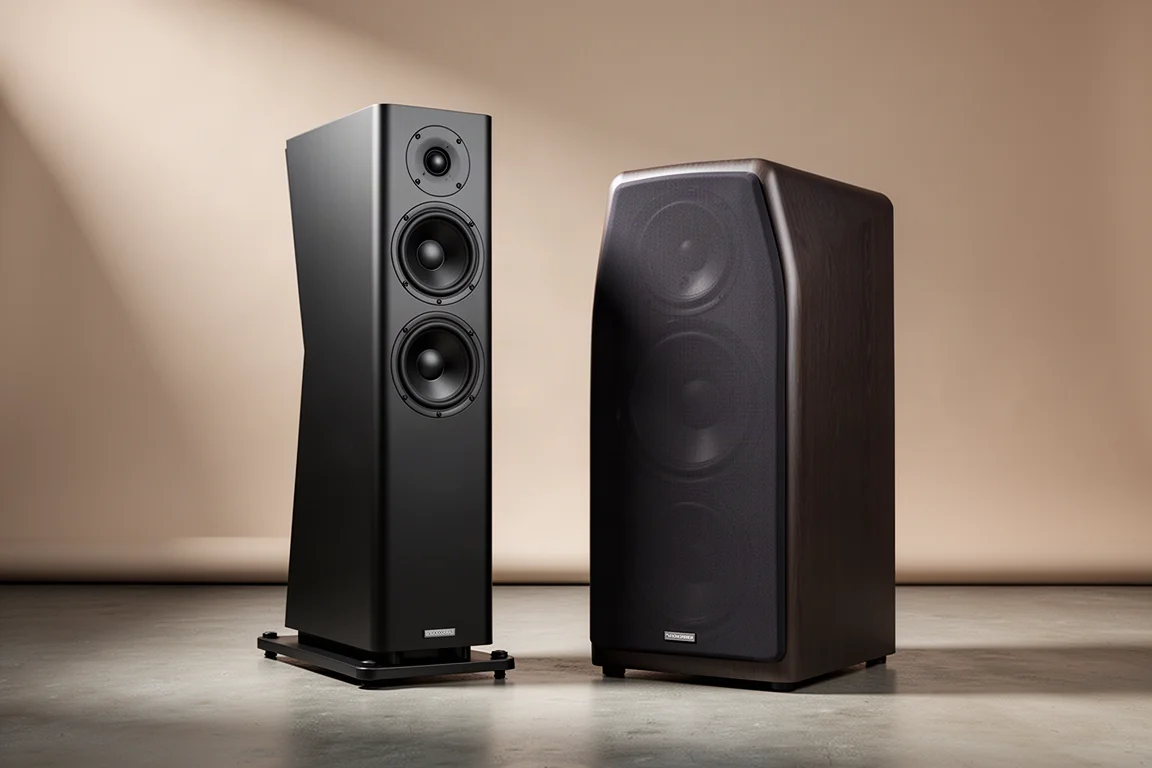
1723 THX Tower vs 1528 Bookshelf: Which Speaker Fits Your Room?
Two speakers at roughly the same price, built very differently. How the 1723 THX tower and the 1528 bookshelf compare on construction, bass, power needs, and sound.
Hi-Fi Speakers
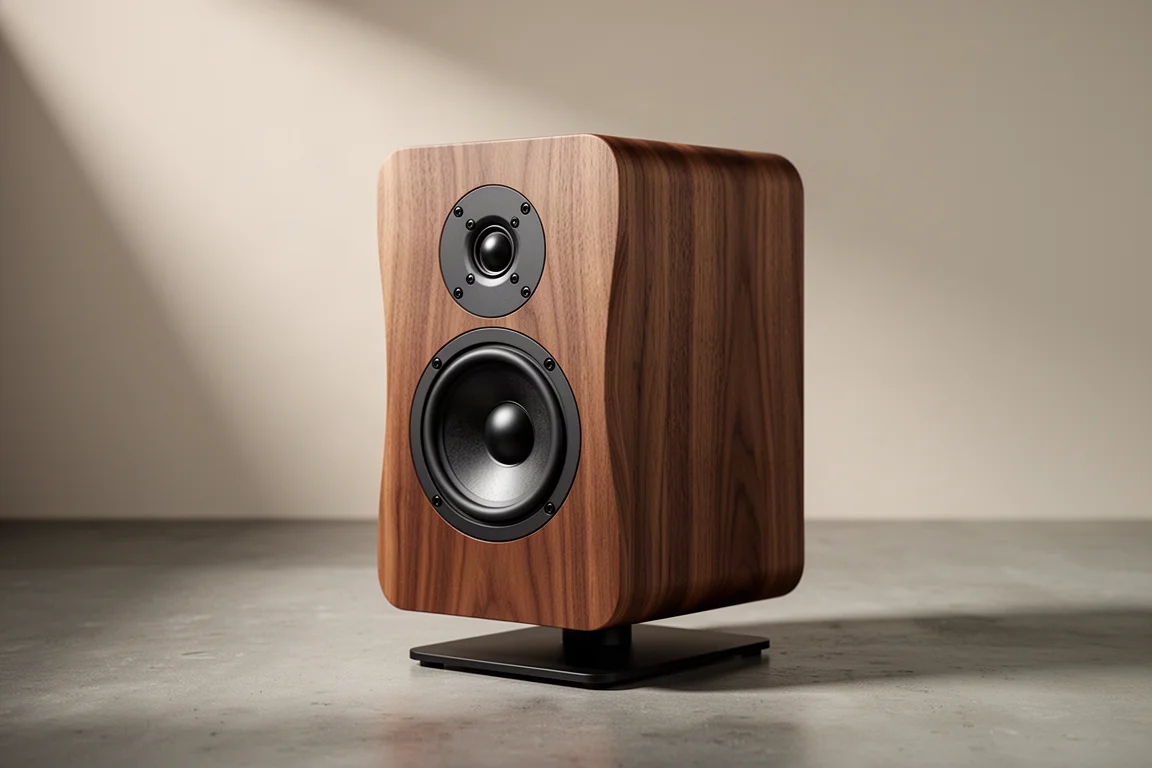
Acoustic Energy AE 300 Review: Deep Bass From a Compact Standmount
A two-way standmount with real wood veneer, surprising low-end weight, and a warm, easygoing character. Here is what to know before buying.
Hi-Fi Speakers
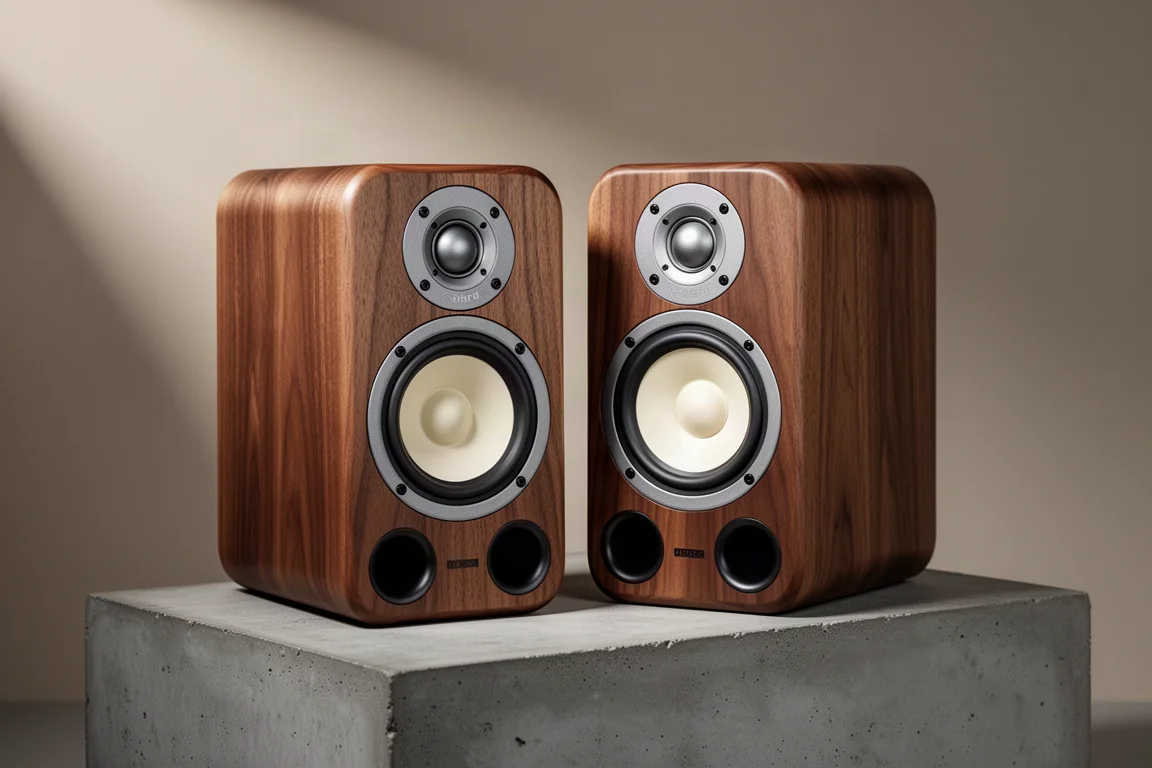
Acoustic Energy AE1 40th Anniversary Review: A Modern Take on a British Classic
A compact standmount that revives a 1980s favorite with all-new parts, a warm mid-centric balance, and a price of £1,499 per pair.