Bookshelf Speakers
Q Acoustics 3030c vs 5020 vs ELAC Debut 3.0: Three Stand-Mount Speakers Compared
The Q Acoustics 3030c sits between the step-up 5020 and the cheaper ELAC Debut 3.0. Here is how the three differ in sound, output, and value.
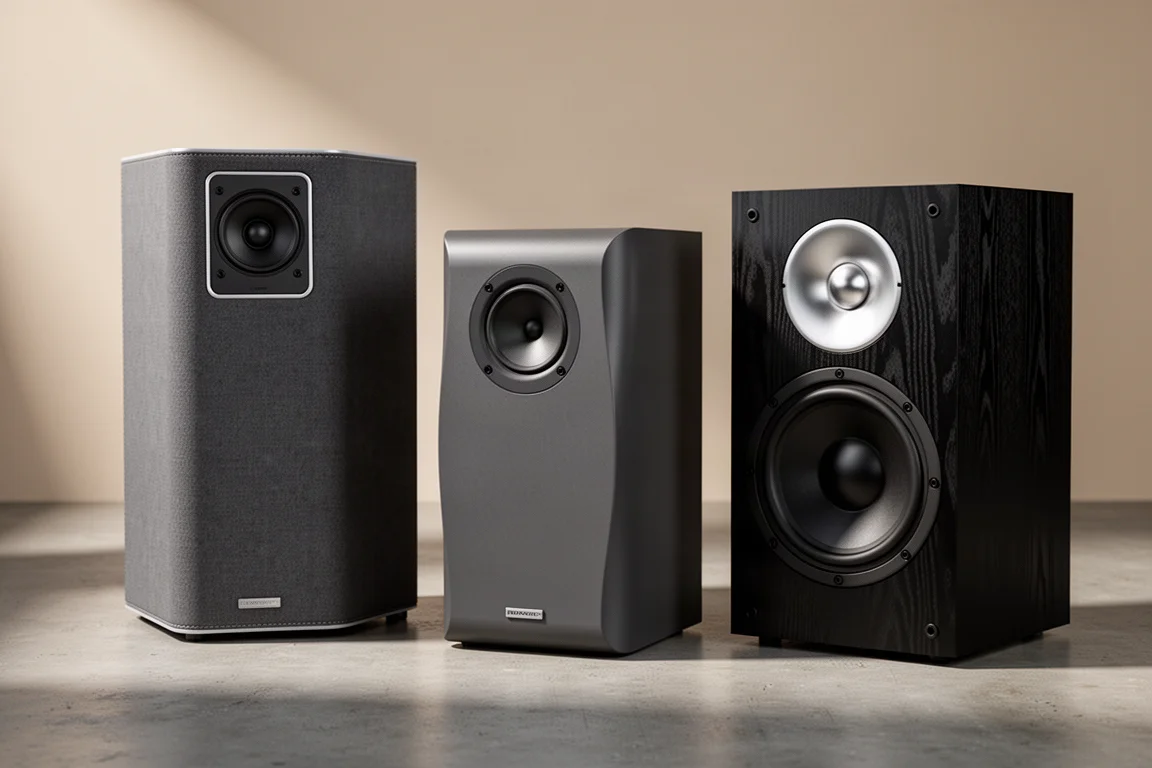
Introduction
The Q Acoustics 3030c arrives at $700, which places it in an interesting spot within its own family. It costs $200 less than the Q Acoustics 5020 one tier up, and $250 more than the ELAC Debut 3.0 in its 6.5-inch form. All three are stand-mount designs with a 6-ohm nominal impedance that need an amplifier, and all three can fill a reasonably large room. The real question is what the extra money buys, and whether the 3030c’s particular personality matches the way you listen.
How These Three Bookshelf Speakers Compare
On paper, the three speakers have plenty in common. The 3030c is the latest generation of the 3000 Series and pairs a 5.5-inch woofer with a 1-inch soft dome tweeter. It is rated from 48 Hz to 30 kHz at plus or minus 6 dB, with a nominal impedance of 6 ohms and a sensitivity of 86.5 dB. The ELAC Debut 3.0 6.5-inch model also lists a 6-ohm nominal impedance and a sensitivity of 87 dB, with a frequency response of 42 Hz to 38 kHz at plus or minus 6 dB, and it weighs 17.3 lb per cabinet. The 5020 is the smallest and densest of the group, around a pound lighter than the 3030c, though its compact cabinet makes it feel the more substantial of the two in the hand.
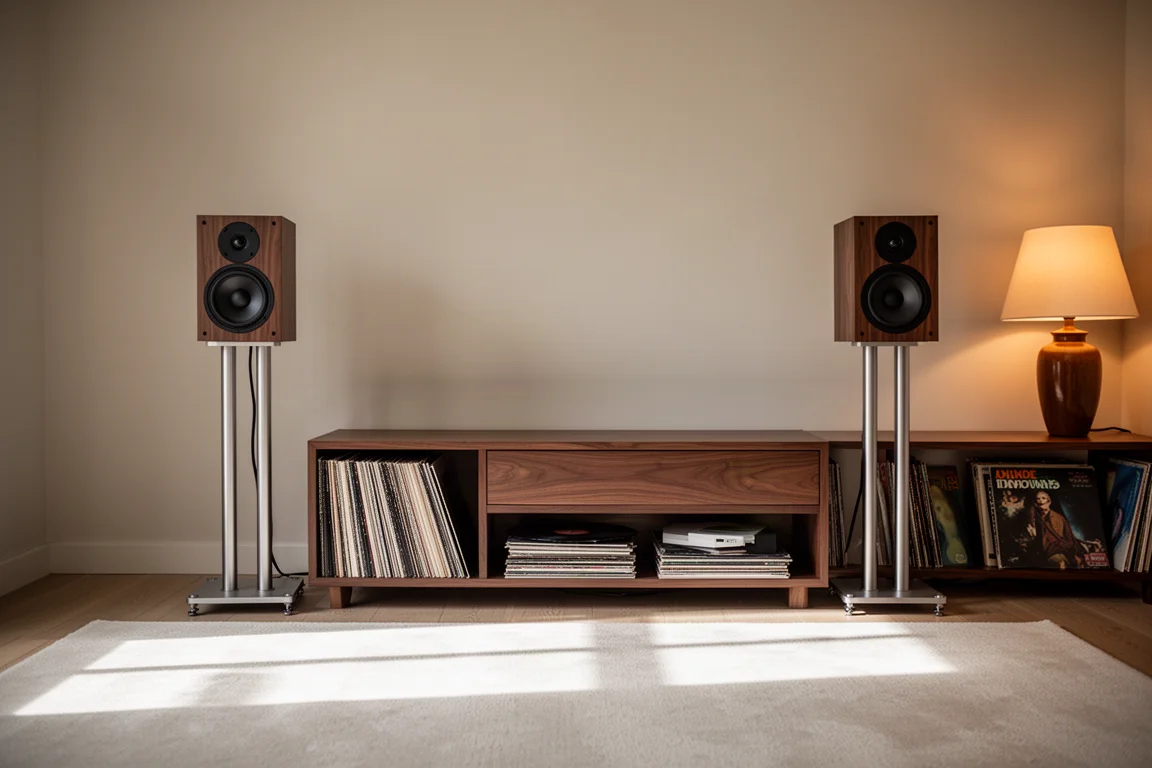
What separates them is tonal balance rather than specification. The 3030c and the Debut 3.0 both lean full in the lower mid-range, while the 5020 takes a more even and more musical approach and carries noticeably more energy in the treble. Price, cabinet size, and how much correction you are willing to apply in your system end up mattering more than the numbers on the box.
Q Acoustics 3030c: Design and Sound
The 3030c borrows technology from the 5000 Series. Its woofer uses a continuous curved cone profile intended to deliver stronger bass dynamics and a smoother handoff to the high-frequency driver, and the 1-inch soft dome tweeter is derived from the design used in the Concept series. Cabinet bracing is point to point, as is typical for the brand, and the cabinet itself is a curved, vinyl-wrapped box with a tidy plate around the tweeter and woofer and clean binding posts on the back.
In use, the 3030c is a full-sounding speaker. The lower mid-range is generous and the bottom end is punchy, while the top end is slightly rolled off. That combination gives rock recordings a thick, present quality: guitars come across as less analytical and more substantial, and kick drums land with real weight. The trade-off is mid-range detail, particularly in baritone male vocals, which are easier to follow on more neutral designs. There is extra energy in the region around 300 Hz that adds size to the sound but softens some of the texture inside it.
Dynamics are a genuine strength. The 3030c peaked at 95.1 dB while the listening position was at least 10 feet away in a large room, and it held its character at that level, only beginning to come apart at the very top of its range. It tends to be more cohesive at higher volumes, sounding better at 80 dB than at 70 dB. Soundstage width is not its strongest suit: it did not spread as far beyond the cabinets as the Debut 3.0, and it sounded slightly closed in next to the 5020. Within that narrower window, though, the image stayed locked in place as it moved across the stage.
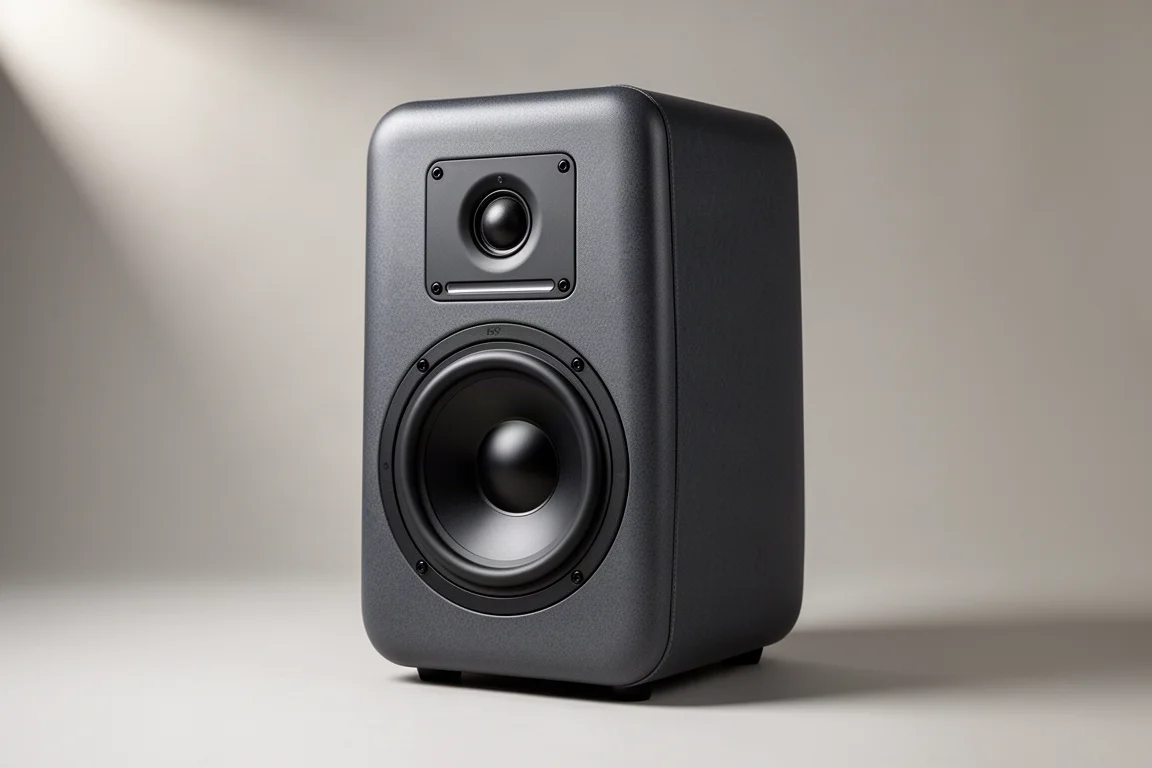
Q Acoustics 5020: The Step-Up Model
The 5020 costs $200 more than the 3030c, and it is not simply a nicer version of the same speaker. Its cabinet is smaller and denser, and it uses a different tweeter. Where the 3030c leans into weight and warmth, the 5020 is defined by a cohesive mid-range, a very musical presentation, and a balance that holds all the way into the treble. It carries noticeably more treble energy than the 3030c.
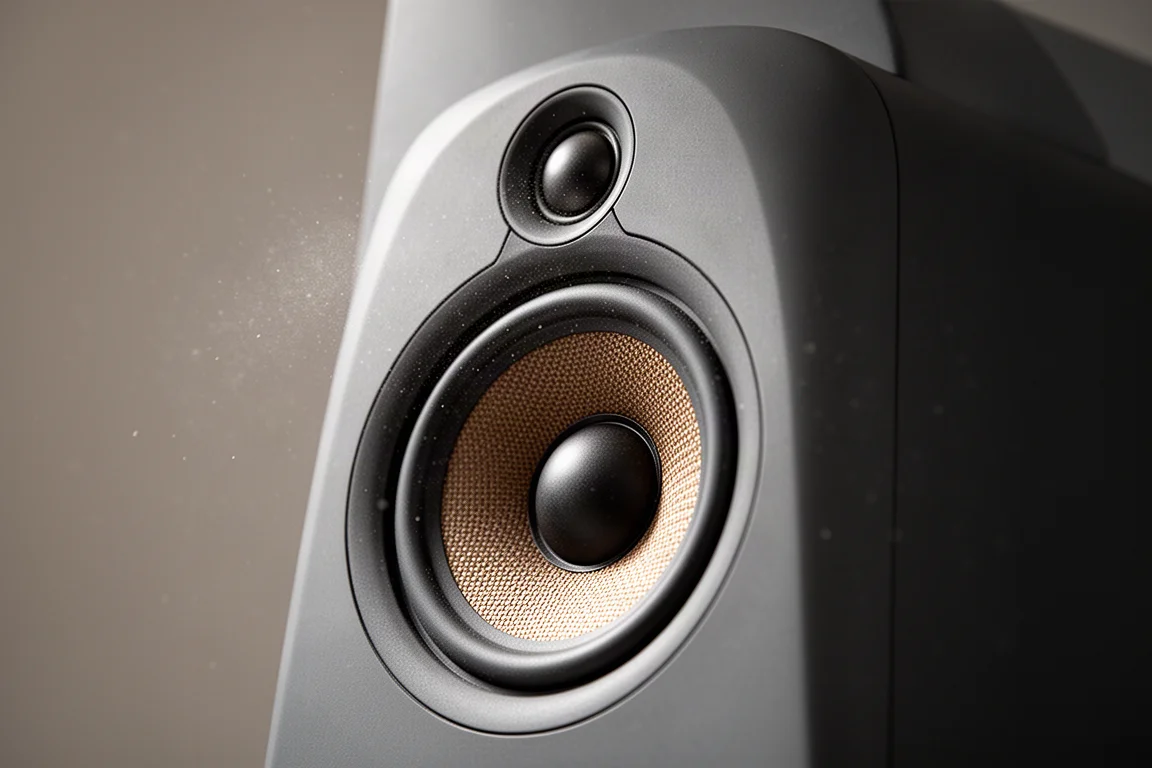
That difference is the heart of the comparison. Listeners who want a speaker that stays even and expressive across the whole range will find the 5020 the more refined of the two, and the extra $200 buys a genuine change in character rather than a marginal improvement. It remains dynamic, and it never turns harsh or fatiguing at the top.
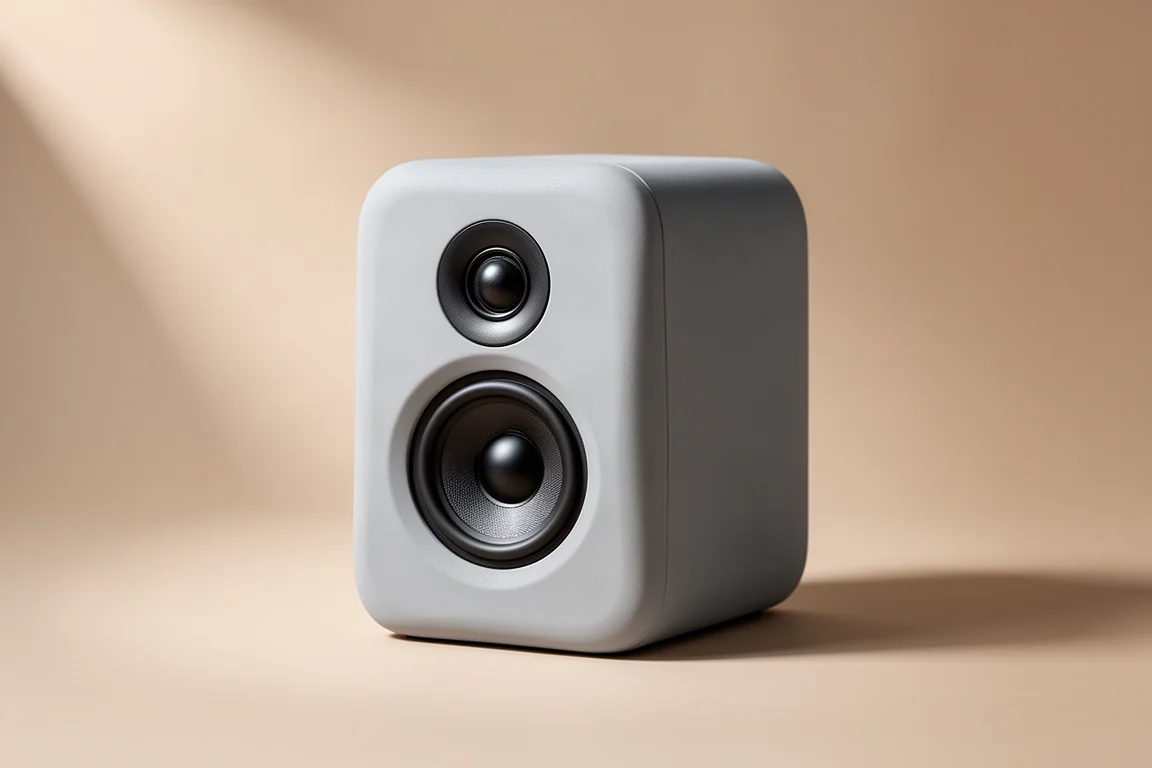
ELAC Debut 3.0 (6.5-Inch): The Value Alternative
At $250 less than the 3030c, the ELAC Debut 3.0 in its 6.5-inch form is the value play here, and it is a closer rival than the price gap suggests. It shares the 3030c’s full lower mid-range, and it plays just as loud. Its aluminium dome tweeter gives it an advantage above roughly 4 kHz, where certain frequencies are simply better resolved than on the Q Acoustics.
Below 4 kHz the picture reverses, and the 3030c is the more informative speaker through the mid-range. The Debut 3.0 also throws a wider soundstage, extending further beyond the cabinets than the 3030c manages, although the 3030c keeps a tighter grip on the image as it travels across the stage. Choosing between them comes down to whether you value width and top-end detail or mid-range body and a more stable image.
Amplifier Pairing and EQ Notes
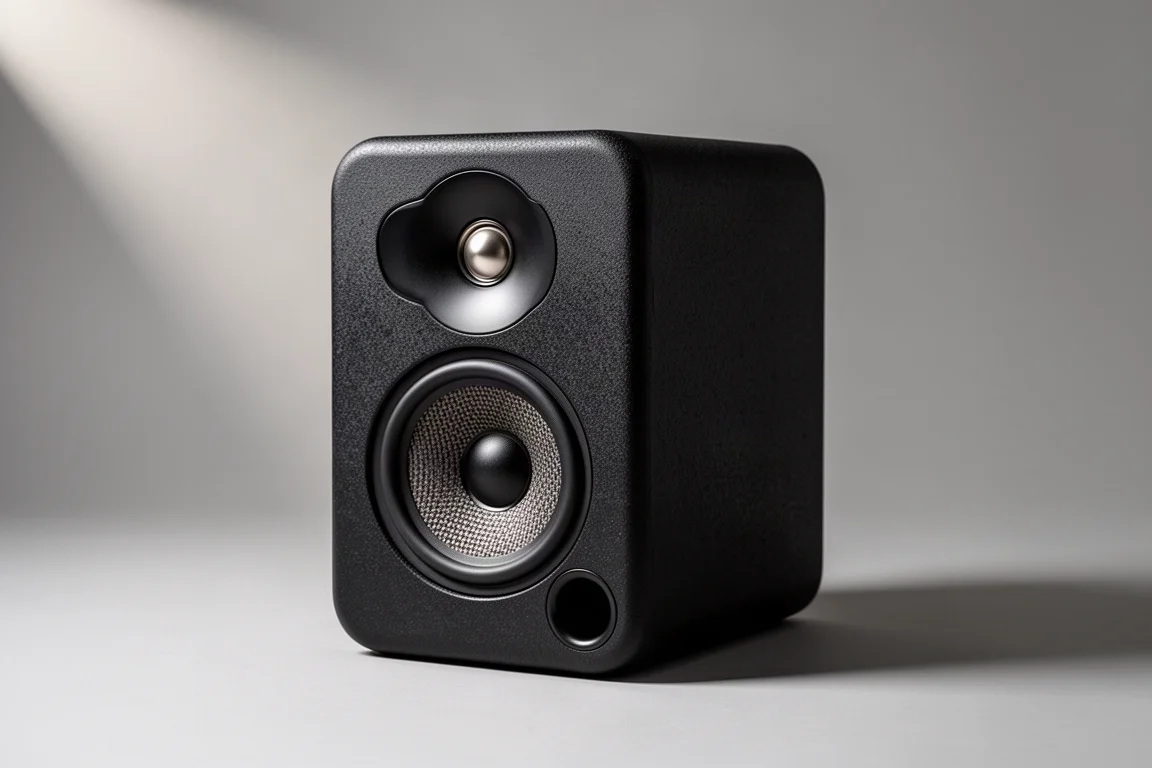
The 3030c responds well to modest correction. A gentle EQ curve did the job: minus 1.1 dB at 125 Hz, minus 1.2 dB at 250 Hz, minus 1.1 dB at 2 kHz, plus 1.4 dB at 8 kHz, and plus 2.2 dB at 16 kHz. That cleaned up the mid-range and brought more detail to the top end without sounding heavy-handed, and it left the speaker’s fundamental character intact.
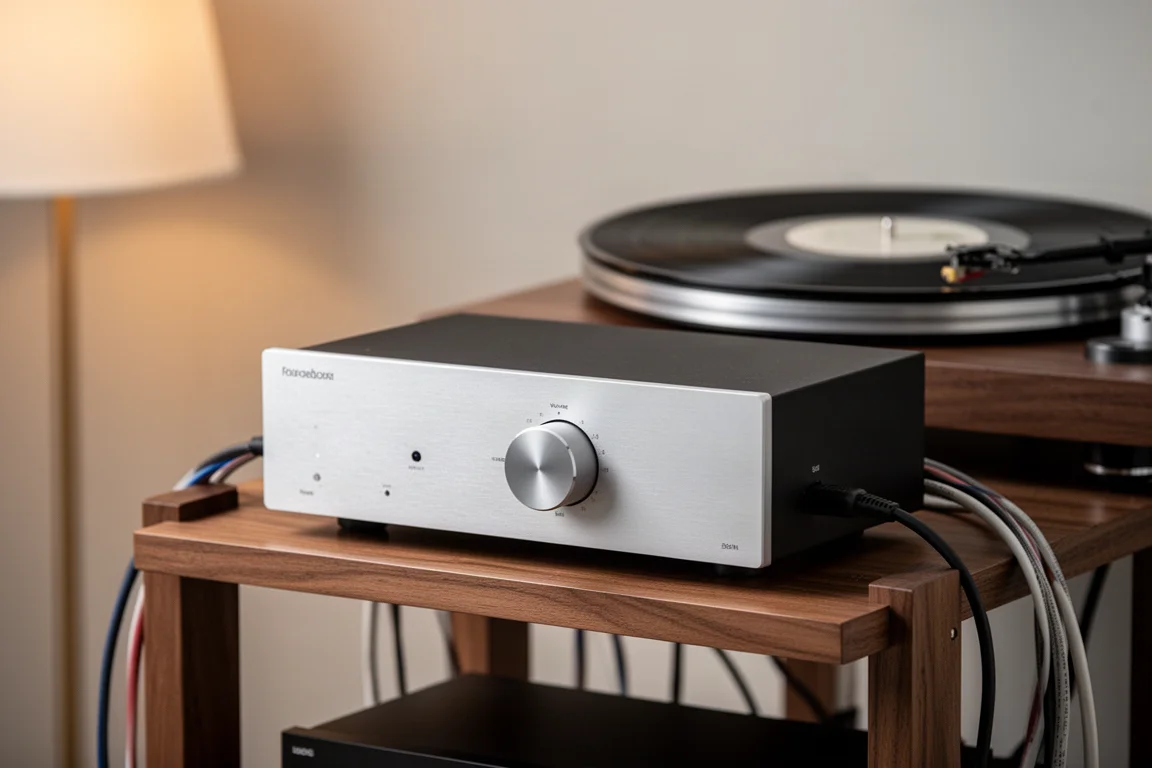
Amplifier choice matters just as much. The 3030c benefits from an amplifier that is leaner and more energetic in the treble. Class D designs, including models using Infineon chips, NAD amplifiers, and most Cambridge Audio models above the AXA25 and AXA35, suit it well. If your system has no EQ or DSP available, that kind of pairing is the simplest way to balance the speaker’s fuller low end against its softer top end.
Room Placement and System Matching
A great deal of what listeners describe as soundstage and imaging comes down to the room. Consistent side walls and a consistent rear wall behind the listening position help almost any speaker in this class spread convincingly, and that applies to all three models here. The 3030c’s rear port moves a noticeable amount of air when the speaker is driven hard, so leaving some breathing room behind the cabinet is worthwhile. Listening distance shapes the experience too: at 10 feet in a large room, the 3030c still reached peaks of 95.1 dB without losing its composure.
Buying Advice
At $700 the 3030c sits squarely between the two alternatives, and that positioning is the main thing to weigh. It is $200 below the 5020 and $250 above the Debut 3.0, while the previous-generation 3030i currently sells for around $550. The 3000 Series has a habit of appearing in sales over time, so patience can change the value calculation.
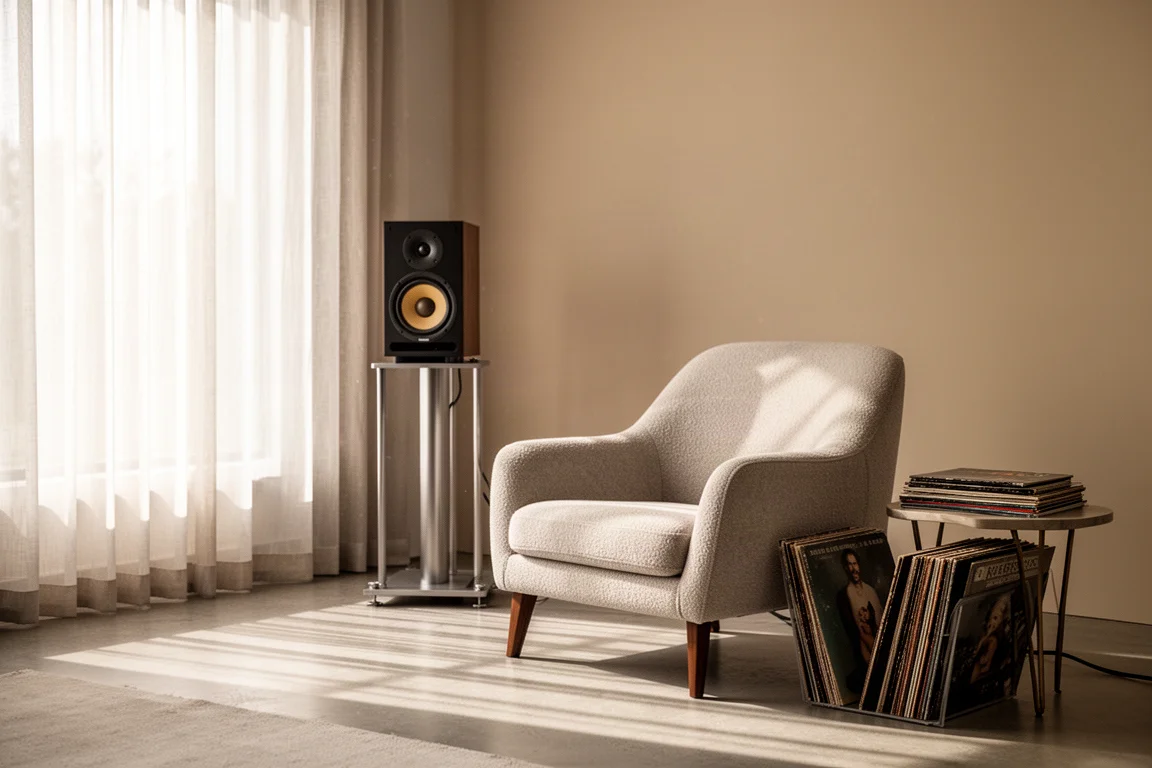
Choose the 3030c if you want a dynamic, full-bodied speaker with a forgiving top end, and if you can apply a little EQ or pair it with an amplifier that leans bright. Choose the 5020 if a cohesive, musical mid-range and more treble energy are worth $200 to you. Choose the ELAC Debut 3.0 6.5-inch if you want a similarly big sound for less money and you value a wider soundstage.
Conclusion
The 3030c is a good speaker with a specific personality: generous low end, a slightly soft top end, and excellent composure at high volume. It is at its best in systems where a little correction is available, or with an amplifier that adds sparkle up top. If that describes your setup and you want a speaker that sounds big and lively, the 3030c delivers. If you want the most balanced and musical option of the three, the 5020 is the one to stretch for, and if budget is the deciding factor, the Debut 3.0 gets you much of the same character for $250 less.
Further reading
Related Reviews
Bookshelf Speakers
Acoustic Energy A100 Mark II Review: A Compact Standmount With an Expansive Soundstage
The Acoustic Energy A100 Mark II brings clarity, natural tonality and a wide soundstage to an entry-level standmount, with a few setup details worth knowing first.
Bookshelf Speakers
Acoustic Energy AE-100 Mark II Review: Compact Bookshelf Speakers With Standout Imaging
A compact British two-way bookshelf speaker with deep, layered imaging, fast bass, and a slight treble lift to weigh against a crowded $500 field.
Bookshelf Speakers
Acoustic Energy AE100 MK2 Review: Measured Performance and Four Alternatives
A close look at the Acoustic Energy AE100 MK2 bookshelf speaker, what its measured performance reveals, and four alternatives with different trade-offs.