Bookshelf Speakers
Q Acoustics 3020C Review: A Balanced Bookshelf Speaker at $549
A close look at the Q Acoustics 3020C: bass authority, natural treble, a midrange that rewards small adjustments, and how it fits at its price.
Introduction
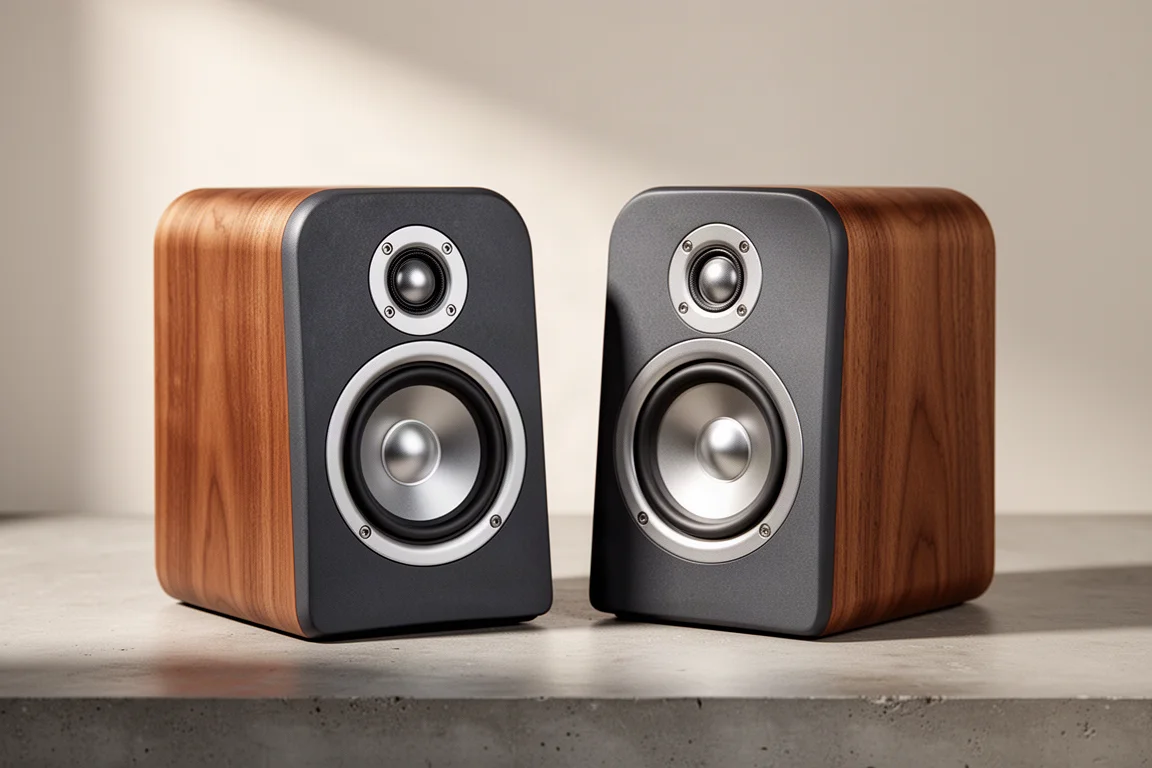
The Q Acoustics 3020C is the middle model in the new 3000C series, a line of passive two-way bookshelf speakers from a brand that has built its reputation on affordable, well-braced cabinets. At $549 in the US it sits above the smaller 3010C at $400 and below the larger 3030C. It arrives with a refreshed look that includes satin metallic driver trims and a gently curved front baffle, and it is offered in finishes such as pin oak, claro walnut, satin white and satin black.
The previous 3000i generation remains on sale, with the 3020i priced roughly $100 lower than the 3020C. That makes the buying decision less obvious than it first appears, because the older model is not simply a worse version of the same speaker.
For anyone weighing a compact stand-mounted pair for a small or medium room, the 3020C deserves a serious look. It also has a couple of specific habits that are worth understanding before you commit, and knowing them in advance is the difference between a good system and a great one.
Who the Q Acoustics 3020C Is For
This is a passive speaker, so it needs a separate amplifier. Q Acoustics specifies 25 to 90 watts of recommended amplifier power, a nominal impedance of 6 ohms with a minimum of 3.7 ohms, and a sensitivity of 87 dB. That combination rewards a competent amplifier rather than the cheapest one available, but it does not demand anything exotic.
The 3020C suits listeners who want a neutral presentation with real dynamic snap rather than a warm, softened sound. It also works well for television and film duty in a living room, where a compact cabinet is far easier to place than a floorstander, and it makes sense for anyone building a modest system around a streaming front end and an integrated amplifier.
It is a less obvious fit for very large rooms, for listeners who want deep sub-bass from the main speakers alone, or for anyone hoping to drive it with a low-powered amplifier and no headroom to spare.
Main Strengths: Bass, Dynamics, and Build
The headline surprise is low-frequency performance. The stated response reaches down to 60 Hz, a figure that reads conservative in practice. On a track with a deep bass drop centred around 70 Hz, the 3020C delivered the note with genuine authority, which is not what a compact two-way with a 4.75 inch mid and bass driver is normally expected to do.
Dynamics are the other strong point. A speaker of this size usually starts to compress in the high 80s, but the 3020C held itself together confidently in the low 90s, with both the woofer and the 0.9 inch tweeter staying composed as the volume climbed. Bass-heavy material that typically exposes the limits of a small cabinet did not trip it up, and the speaker kept instruments and voices separated in space even on dense, airy mixes.
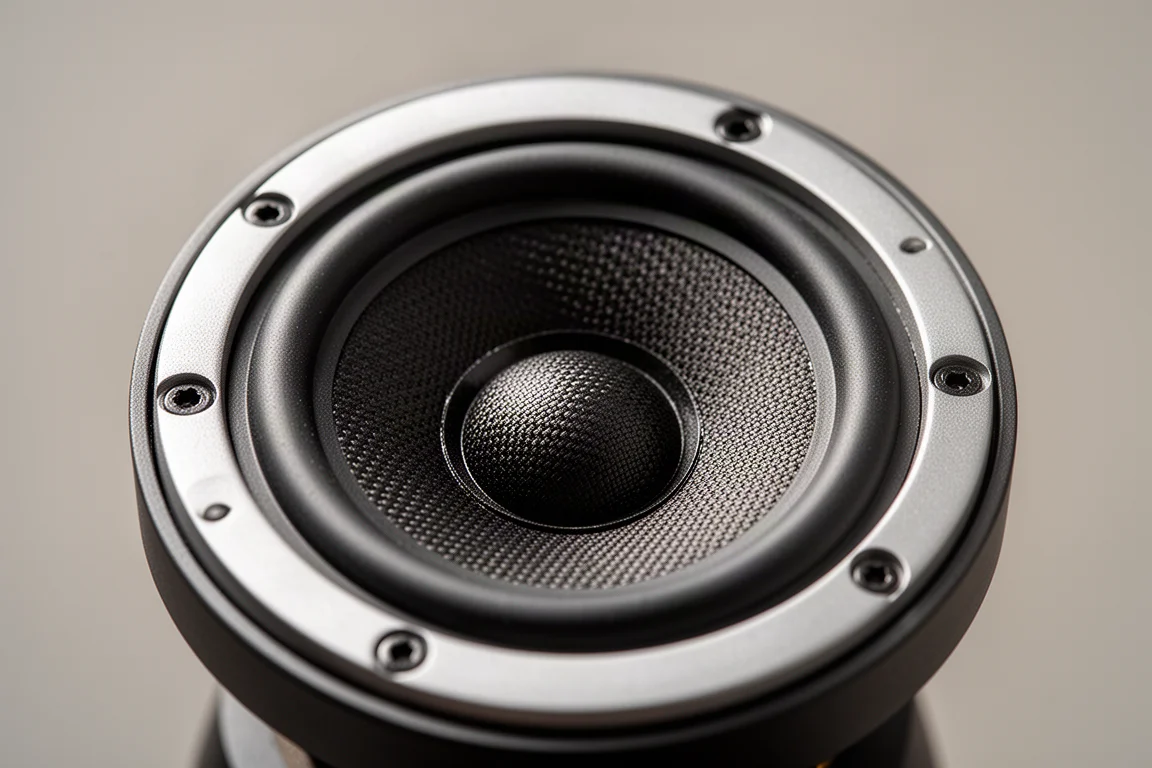
Much of that composure comes down to the cabinet. Q Acoustics uses point-to-point bracing to keep the enclosure as inert as possible, and the result is a box that feels solid and evenly balanced rather than front-heavy. At 12.1 lb it is not a heavy speaker, but the weight is distributed in a way that makes the larger 3030C feel noticeably more front-loaded by comparison.
The details are handled well too. A rear port is supplied with foam bungs for listeners who want to damp or effectively seal the cabinet in tighter spaces, and the binding posts sit almost flat against the back panel, which keeps cable routing tidier than the flimsy terminals often found at this price.
Treble, Clarity, and High-Volume Behaviour
Treble is where the 3020C is easiest to live with. It never draws attention to itself in either direction: nothing sounds rolled off, and nothing sounds sharp or fatiguing. The top end simply sounds natural and in place, which is a difficult trick for a speaker in this bracket and one that makes long listening sessions easy.
Clarity and air are strong as well. The presentation stays clean and open without pushing detail forward to the point where it becomes distracting. The crossover is set at 2600 Hz, which is high for a soft dome tweeter, yet the integration between the two drivers is smooth enough that the handover is not audible.
That character also carries over at higher volumes. Where a lesser speaker starts to harden and lose its composure, the 3020C keeps its balance, which makes it a comfortable choice for a living room system that has to serve background listening, focused sessions and film dialogue without constant readjustment.
Things to Consider Before Buying
The midrange is not perfectly balanced out of the box. There are modest peaks around 500 Hz, 1 kHz and 2 kHz, and they show up most clearly on male and female vocals, where one can sound a touch more forward than the other. Pulling each of those three bands down by roughly 1 dB was enough to bring voices into line and settle the whole midrange. That is a small correction, but it is worth knowing that the 3020C benefits from a little tuning rather than being perfect straight out of the box.
Amplifier matching matters more than usual here. With one integrated amplifier, loudness compensation and a touch of tone adjustment were needed to get the speaker sounding its best. Moving to a more powerful amplifier rated at 50 watts into 8 ohms and 90 watts into 4 ohms produced a noticeably better result, particularly at the bottom and top ends, with the speaker opening up and sounding more relaxed.
Placement and expectations are the other considerations. The rear port means the speaker wants some breathing room behind it, and with a 60 Hz low-frequency rolloff, anyone chasing genuine sub-bass will still want a subwoofer in the system. A sensitivity of 87 dB alongside a minimum impedance of 3.7 ohms also means a low-powered amplifier is not the ideal partner.
How the 3020C Compares With Other Speakers
At the price, the 3020C occupies a distinctive spot. The ELAC Debut 3.0 is warmer and costs roughly $100 to $200 less, with a more rolled-off top end. The Emotiva XB2s, at around $500, pushes the opposite way: an emphasised top end, a punchy bottom end and a cooler midrange. The 3020C lands between the two, more neutral than the ELAC and less bright than the Emotiva, while keeping a dynamic, energetic character that neither of the alternatives matches in the same way.
Against Q Acoustics’ own range, the more expensive 5000 series has a richer lower midrange and a more balanced midrange overall. The 3020C gives up some of that richness, but it retains the dynamics and the well-judged top end of its bigger sibling without ever sounding boosted or forward.
Within the new 3000C line, the 3020C is the more appealing speaker. The larger 3030C leans harder on the bottom end and less on the midrange, which makes it less even overall. And compared with the outgoing 3000i generation, the 3000C series is a clear step forward: the older speakers were more neutral and considerably less dynamic.
Buying Advice
The 3020C is a strong contender at the $500 price point, and it earns that position through bass authority, dynamic headroom and a treble presentation that never grates. Buyers who want a neutral, energetic compact speaker for a small or medium room will find a lot to like, provided they pair it with a capable amplifier and are willing to make a small midrange adjustment.
Price and availability are worth checking carefully. US pricing is $549, but Q Acoustics and other British brands are often cheaper in the UK and Europe, so buyers outside the US may find the value proposition even stronger. Within the line, the 3010C at $400 is the option for very small rooms, and the 3020i from the previous generation is around $100 cheaper for anyone who prefers a more neutral, less dynamic presentation.
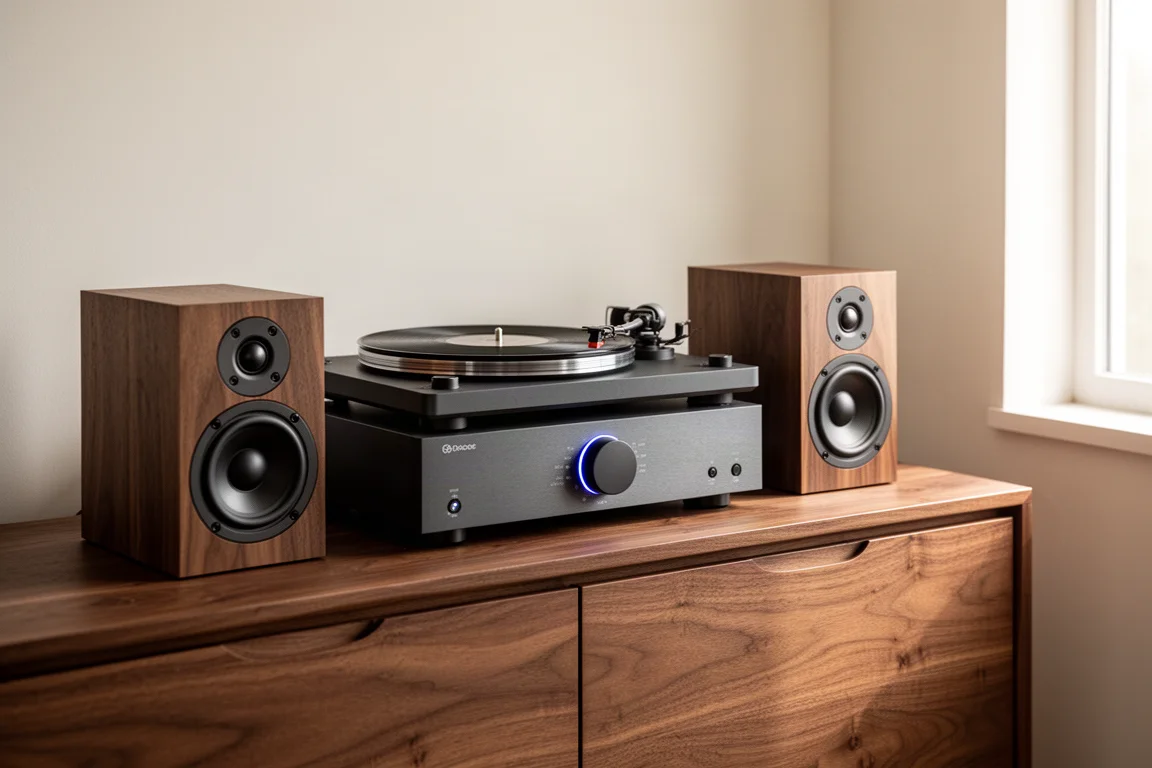
If the budget is tight, spending the difference on a better amplifier rather than a larger speaker is likely to pay off. The 3020C responds well to quality power, and a modest, well-matched system will get more out of it than a bigger cabinet driven by an amplifier that runs out of steam.
Conclusion
The Q Acoustics 3020C is a compact passive speaker that punches above its size. Its bass extension and dynamic composure are the standout qualities, its treble is natural and unfatiguing, and its build quality is better than the price suggests, with proper cabinet bracing and well-designed binding posts. The midrange asks for a small amount of tuning, and the speaker rewards a decent amplifier, but those are reasonable conditions rather than deal-breakers. At $549, and potentially less outside the US, it is one of the more convincing options in its class.
Product link
View more details for Q Acoustics 3020C
This product is mentioned in the review. Check the specifications, options, and compatibility before buying.
View more details for Q Acoustics 3020CFurther reading
Related Reviews
Bookshelf Speakers
Acoustic Energy A100 Mark II Review: A Compact Standmount With an Expansive Soundstage
The Acoustic Energy A100 Mark II brings clarity, natural tonality and a wide soundstage to an entry-level standmount, with a few setup details worth knowing first.
Bookshelf Speakers
Acoustic Energy AE-100 Mark II Review: Compact Bookshelf Speakers With Standout Imaging
A compact British two-way bookshelf speaker with deep, layered imaging, fast bass, and a slight treble lift to weigh against a crowded $500 field.
Bookshelf Speakers
Acoustic Energy AE100 MK2 Review: Measured Performance and Four Alternatives
A close look at the Acoustic Energy AE100 MK2 bookshelf speaker, what its measured performance reveals, and four alternatives with different trade-offs.