Bookshelf Speakers
Pylon Jasper Monitor 18 Review: A Polish Flagship Bookshelf Speaker With Real Character
A two-way flagship bookshelf speaker with Scanspeak drivers, generous midbass weight and a lively forward character that rewards careful room treatment.
Introduction
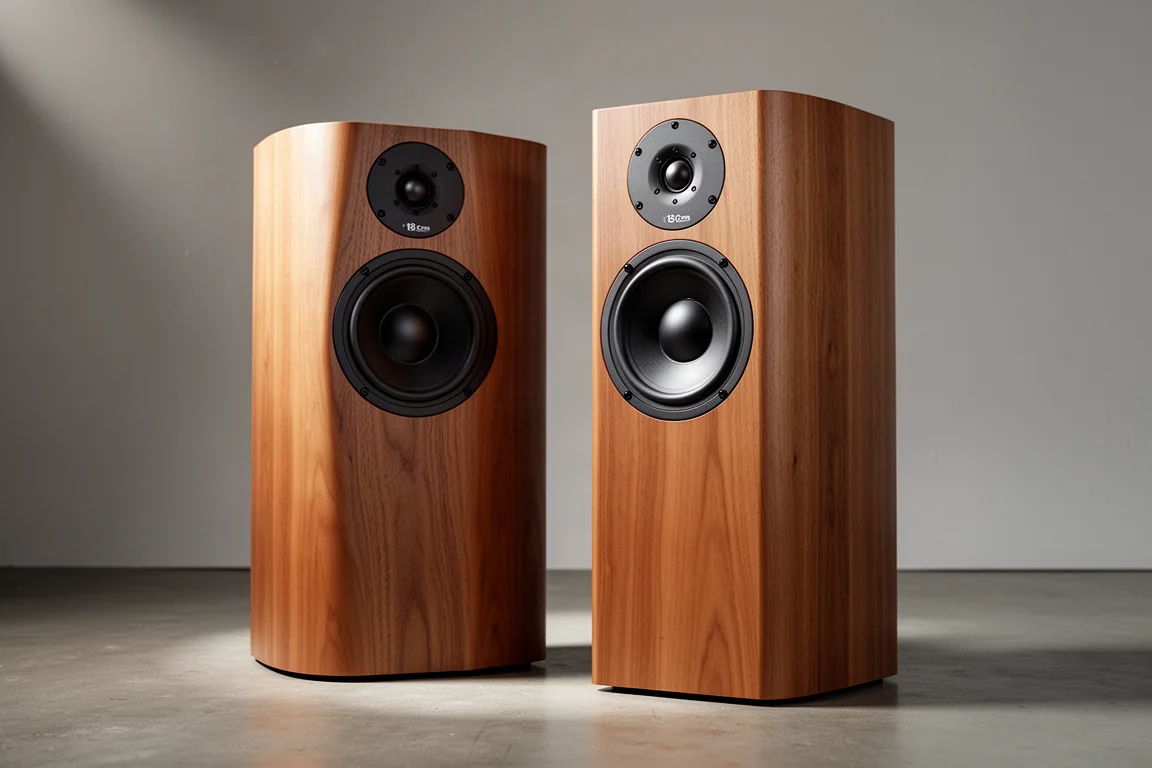
The Pylon Jasper Monitor 18 is a two-way bookshelf speaker built in Poland and positioned in Pylon’s flagship range. It pairs a Scanspeak tweeter with an 18 cm Scanspeak midwoofer, a driver combination with a strong reputation among listeners who value tone and character over clinical precision.
Physically it makes a good first impression. The cabinet looks refined, the curved baffle gives it a purposeful shape, and Pylon offers an unusually wide spread of colorways, so the speaker can be matched to a room rather than simply tolerated in it. Pricing moves with the finish: the pair tested here retails at around €3,950, and other colorways are priced differently, with some options costing less.
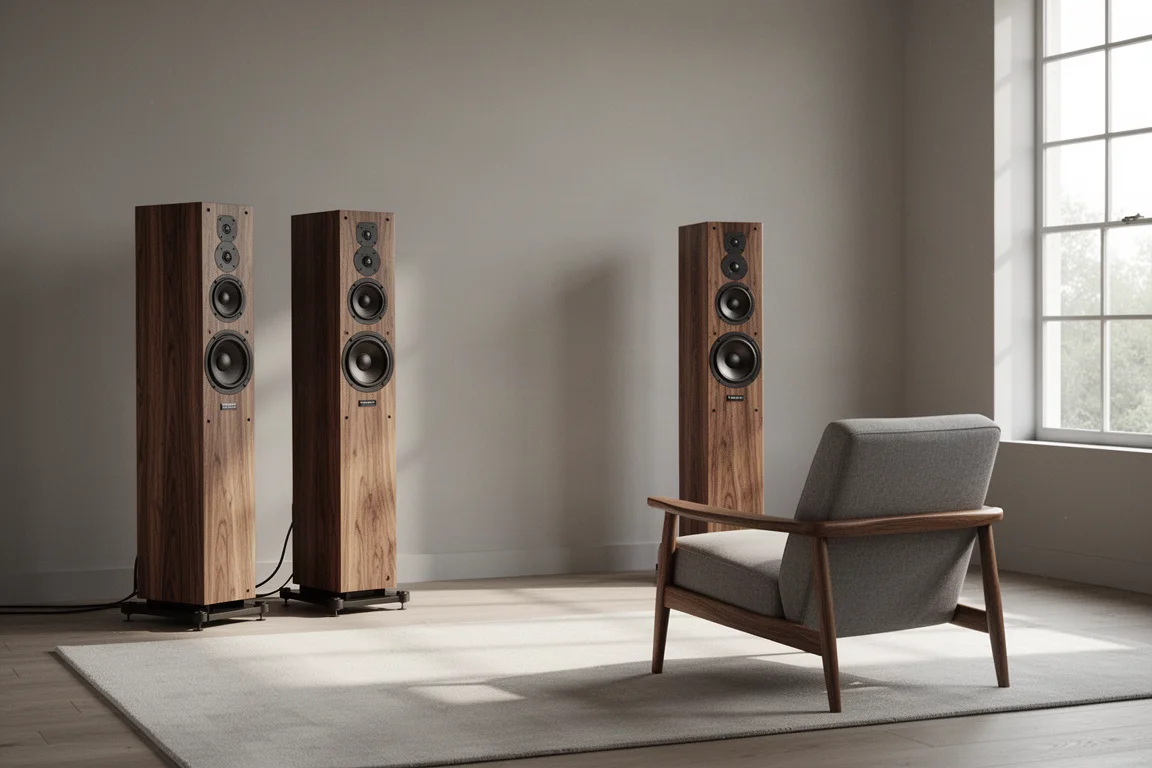
What makes this speaker interesting is how strongly it commits to a personality. It is lively and forward at low volumes, with extra midbass weight and a pronounced attack around 2 kHz that makes instruments step out of the mix. That same energy is the source of nearly every caveat that follows, because this is not a neutral speaker in the way a studio monitor is neutral. It is a character speaker, and the real question is whether that character suits your room and your listening habits.
Who this product is for
This is a speaker for listeners who want a bit of drama rather than a flat, analytical presentation. At low volumes it stands out from more conservative designs: there is extra midbass thump, and the 2 kHz region carries enough attack to make plucked strings, brass and percussion sound immediate.
It is also a speaker for people who are willing to work with their room. It responds well to treatment and to careful toe-in, and listeners who are prepared to place absorption panels and experiment with positioning will get far more out of it than those who drop it near a wall and hope for the best.
Finally, it suits owners of powerful amplification. With 83 dB sensitivity and an impedance that dips to around 4 ohms, it needs a capable amplifier to reach high output without strain.
Main strengths
Build and finish quality are a clear plus. The cabinet looks well made, the curved baffle gives it a purposeful shape, and the color options are broader than most speakers at this level.
The drive units are a genuine highlight. The Scanspeak Revelator midwoofer and the Scanspeak tweeter are respected parts, and the Revelator woofer in particular has a long-standing following among listeners who value its tone.
Measured performance is tidy in several important respects. Off-axis linearity stays within roughly plus or minus 3 dB, horizontal radiation covers about plus or minus 60 to 70 degrees, and the soundstage holds together best within a window of around plus or minus 60 degrees. Go wider than that and the image becomes diffuse; go narrower and it loses its enveloping quality.
Compression behaviour is solid up to a point. Output holds together reasonably well at around 95 to 96 dB, and in-room bass extension lands at roughly 60 Hz in most rooms.
Bass and midbass character
Low-frequency behaviour is generous. There is a broad lift of roughly 3 to 5 dB in the region around 100 Hz, and that is what gives the speaker its extra midbass thump and its sense of weight with drums and lower strings.
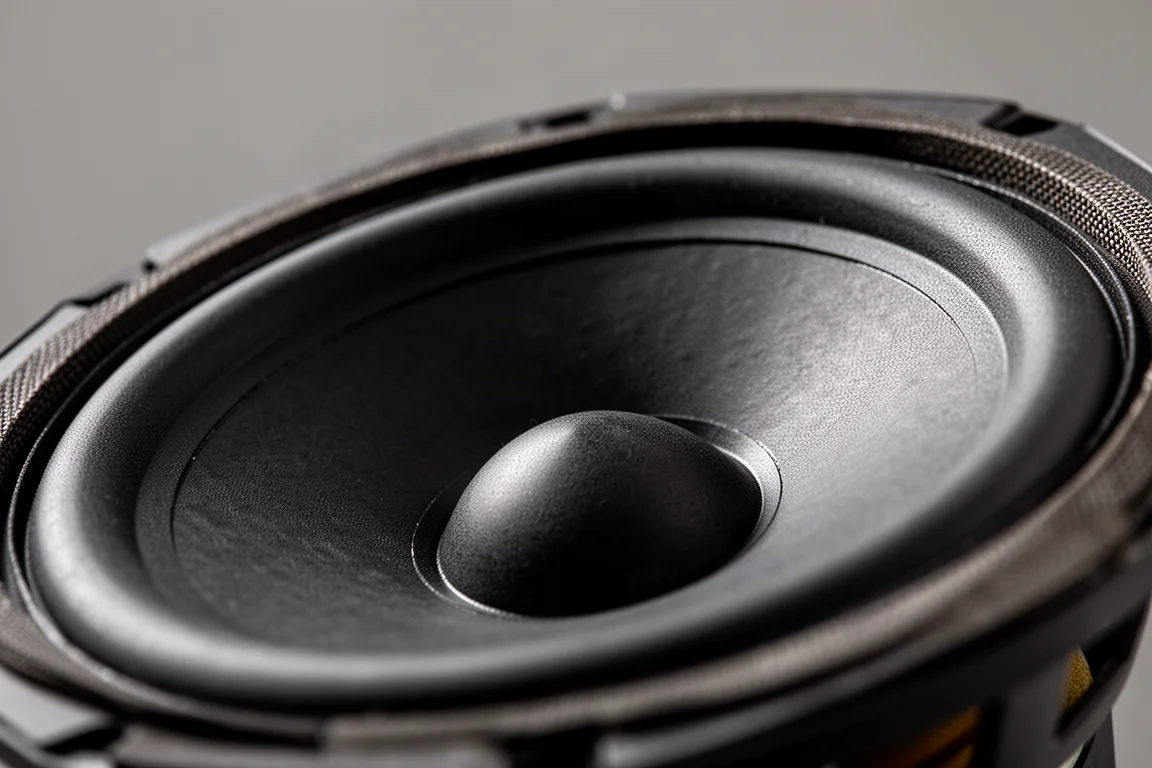
That lift is a matter of taste. Listeners who enjoy a fuller low end will find it appealing, while those who prefer a leaner, more neutral balance may find it a little heavy. Bass extension also falls away at very high output volumes, and above roughly 96 dB the speaker begins to lose some bass control, which changes the sense of timing and dynamics.
Treble and driver quality
The top end is lively, and on axis there is a direct high-frequency lift. Pointing the speakers straight at the listening position emphasises it, which is why the presentation can tip into brightness.
There is also a resonance issue in the midwoofer. Measurements show extended decay between roughly 500 and 800 Hz, most likely a mix of woofer and cabinet behaviour, and the driver itself shows a resonance in the 600 Hz to 1 kHz region. That resonance appears to come from the cone edge and surround operating slightly out of step, and it shows up as elevated second-order distortion. Plugging the rear port does not remove it, which confirms the woofer as the source. This is an older driver design, so the distortion behaviour is a known characteristic of the unit rather than a fault in this particular cabinet.
Things to consider before buying
The biggest consideration is the tonal balance. There is a peak in the region around 2 kHz followed by a dip around 3 to 4 kHz, and the midrange itself is recessed. The combination makes the 2 kHz emphasis stand out more than it otherwise would, and it can leave vocals, male and female, sounding slightly hollow. At higher listening levels, roughly 75 to 85 dB at around 10 feet, that extra energy becomes tiring over long sessions.
Brightness is the second issue. In a room with sidewall reflections, the speaker sounds bright whether it is toed in or pointed out into the room, because early reflections carry a different tonal character than the direct sound. Rooms with distant sidewalls, or rooms where those reflections are absorbed, will sound considerably less bright.
Room and placement
Placement matters more than usual here. Toeing the speakers out so they face directly into the room, rather than angling them at the listening position, levels out the on-axis high-frequency lift and makes the overall balance noticeably more neutral.
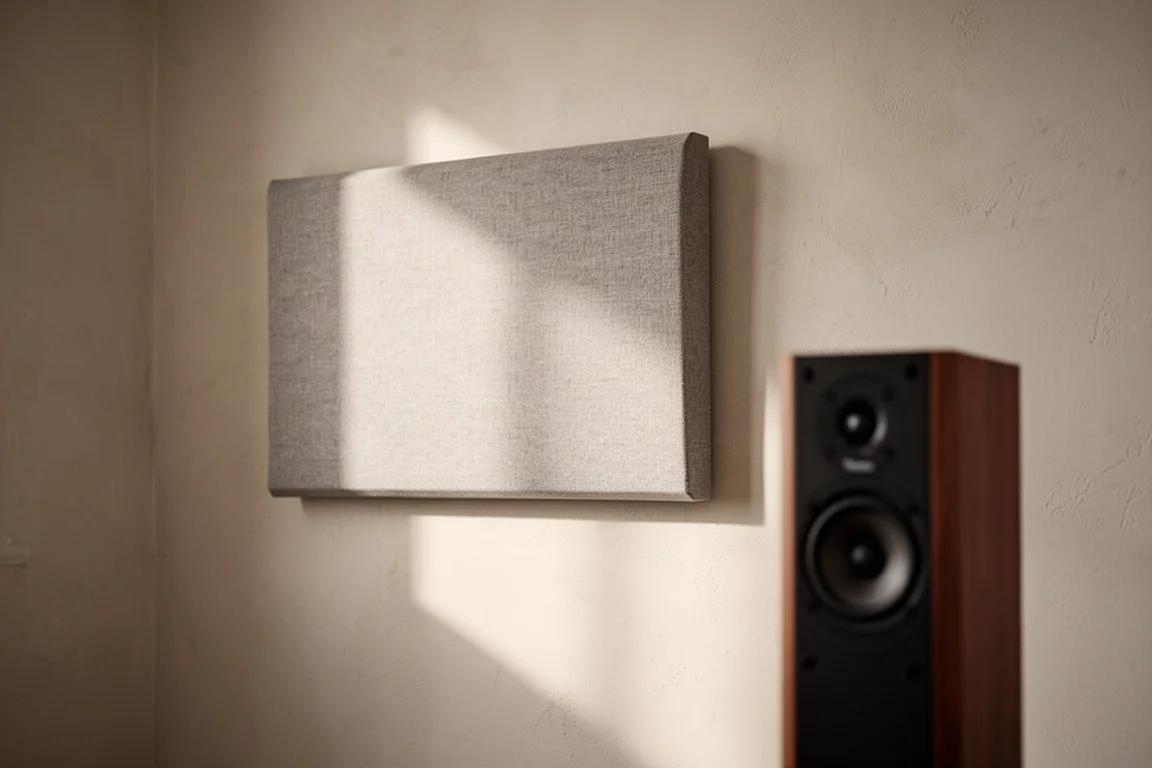
Absorption is the other half of the solution. Two-inch panels will help, and four-inch panels at the first reflection points will do more, particularly in the upper midrange and lower treble where the extra energy lives. This is the single change that most reliably smooths the speaker’s character in a normal room.
Vertical placement is also narrow. The usable vertical window is roughly plus or minus 10 degrees, and the curved baffle means the reference point sits at the tweeter. Listening with ears level with the tweeter gives the most consistent result, while listening from above produces a suckout in the upper midrange and tweeter level.
Amplifier and power demands
Sensitivity is 83 dB and minimum impedance is around 4 ohms, so the speaker wants a robust amplifier. With a class AB design, make sure there is plenty of power in reserve, because sustained high-output listening can otherwise lead to heat build-up over the long term. Instantaneous compression data shows that stepping from 96 dB up to 102 dB costs some bass control, which is exactly where a well supplied amplifier earns its place.
Buying advice
The Jasper Monitor 18 rewards a specific kind of buyer: someone who likes a forward, energetic presentation, listens at moderate levels, and is willing to treat the room and position the speakers carefully. Set up that way, with absorption at the first reflection points and the speakers facing straight into the room, it is an engaging and enjoyable speaker with a distinctive voice.
Buyers who want neutrality out of the box, who listen loud for hours, or who cannot place absorption panels should think carefully. The 2 kHz emphasis, the recessed midrange and the brightness in reflective rooms are not subtle, and no amount of amplifier quality will remove them.
Budget for the room as well as the speaker. Panels, stands and a capable amplifier are part of the real cost of getting this speaker to sound its best. Finish choice is largely aesthetic, but it does affect price, so it is worth comparing colorways before committing.
Conclusion
The Pylon Jasper Monitor 18 is a well-built flagship bookshelf speaker with excellent drive units and a strong personality. It offers real midbass weight, plenty of attack and a solid soundstage within its window, and it looks the part in a way few rivals manage. It is also unapologetically non-neutral: bright on axis, forward around 2 kHz and recessed through the midrange, with a woofer resonance that adds distortion in the lower midrange.
For the right listener, in the right room, with the right setup, those traits read as character rather than flaws. For everyone else they are a genuine limitation. Approach it with a plan for absorption, toe-in, ear-level placement and generous amplification, and it can be a satisfying long-term speaker.
Product link
View more details for Pylon Jasper Monitor 18
This product is mentioned in the review. Check the specifications, options, and compatibility before buying.
View more details for Pylon Jasper Monitor 18Further reading
Related Reviews
Bookshelf Speakers
Acoustic Energy A100 Mark II Review: A Compact Standmount With an Expansive Soundstage
The Acoustic Energy A100 Mark II brings clarity, natural tonality and a wide soundstage to an entry-level standmount, with a few setup details worth knowing first.
Bookshelf Speakers
Acoustic Energy AE-100 Mark II Review: Compact Bookshelf Speakers With Standout Imaging
A compact British two-way bookshelf speaker with deep, layered imaging, fast bass, and a slight treble lift to weigh against a crowded $500 field.
Bookshelf Speakers
Acoustic Energy AE100 MK2 Review: Measured Performance and Four Alternatives
A close look at the Acoustic Energy AE100 MK2 bookshelf speaker, what its measured performance reveals, and four alternatives with different trade-offs.