Hi-Fi Speakers
Open Baffle vs Horn Speakers: Pure Audio Project Duet 15 and Klipsch Cornwall IV
Two 15-inch floorstanding speakers, two designs, two sets of priorities. A practical look at open baffle and horn loudspeakers and who each one suits.
Introduction
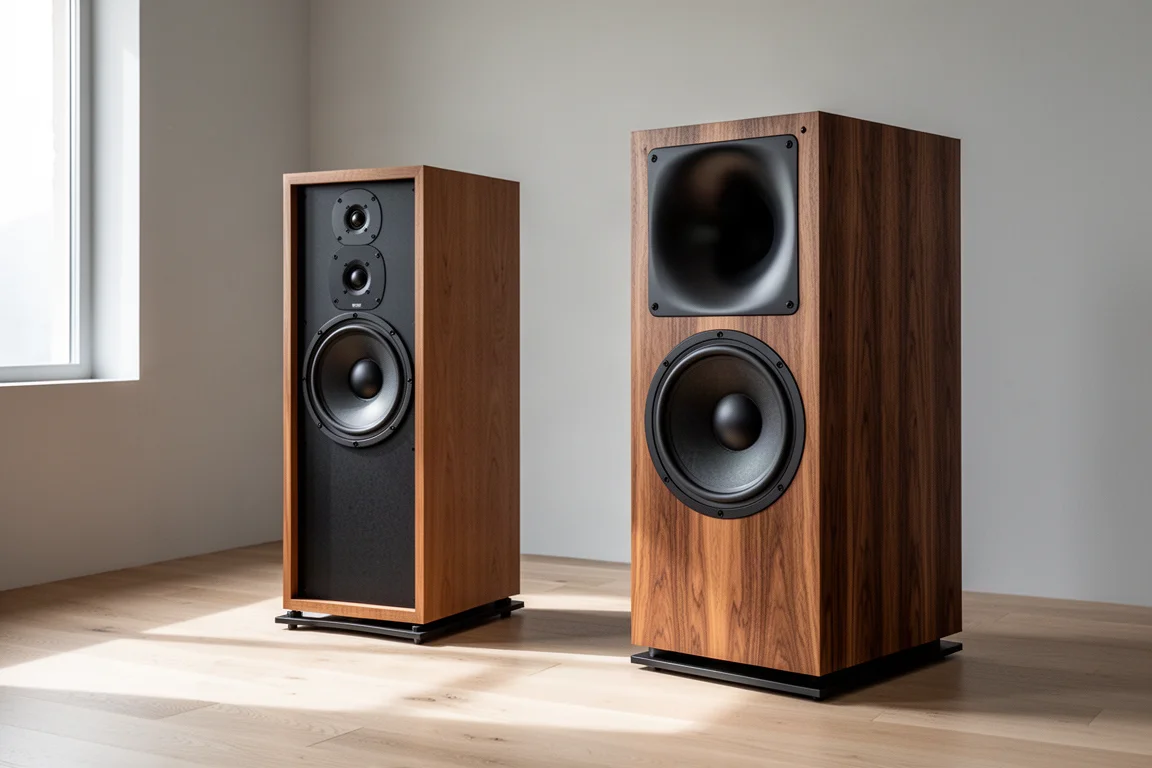
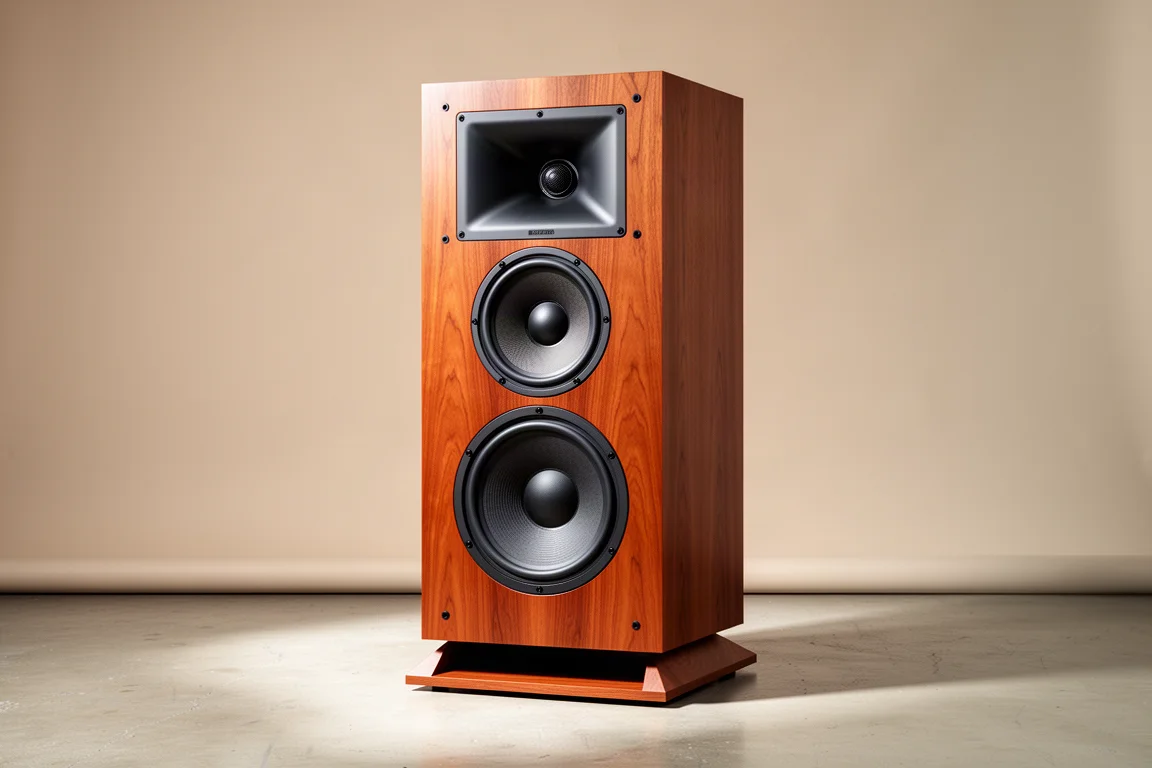
Two floorstanding speakers, two 15-inch woofers, and two very different answers to the same question about how a loudspeaker should move air. The Pure Audio Project Duet 15 is an open baffle design, with its woofer and midrange mounted on a panel and nothing behind them. The Klipsch Cornwall IV is a horn-loaded box speaker from a company that has been building horn loudspeakers since 1946.
Both designs deliver the sense of ease that comes with a large woofer, and both are easy to listen to for long stretches. The differences show up in the midrange, in the bass, and in the way each speaker fills a room.
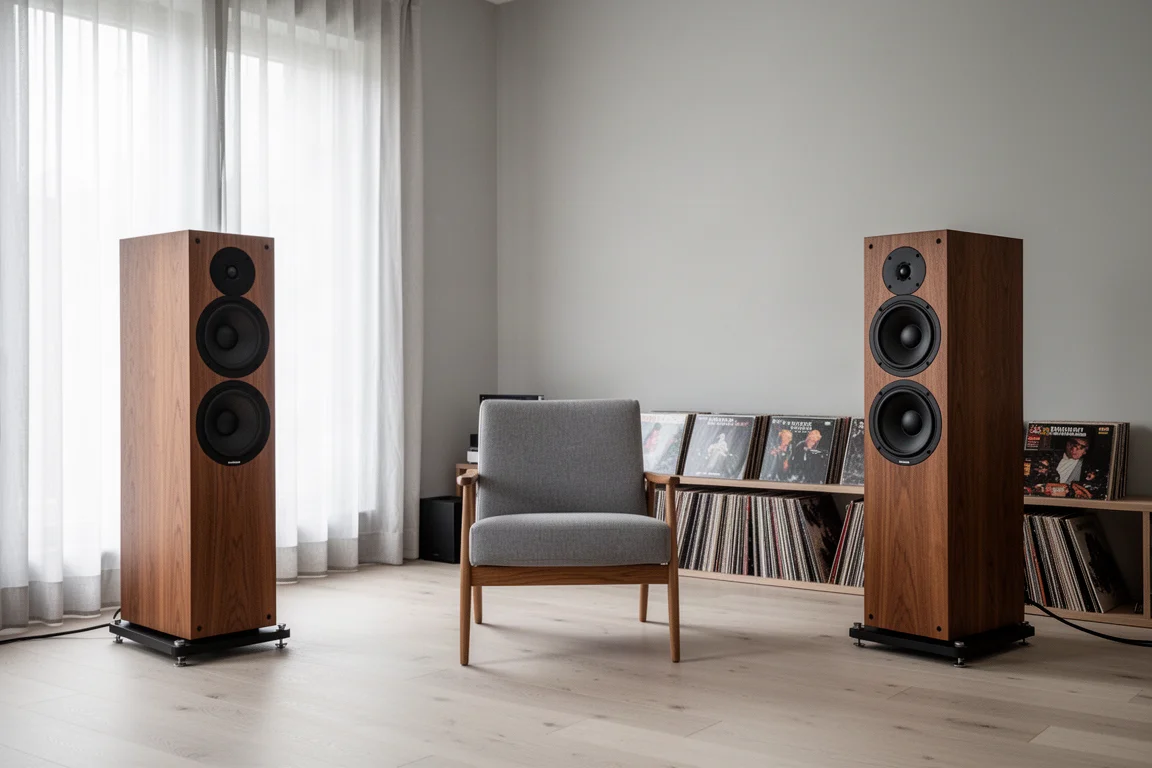
This comparison looks at what each design does well, where the two speakers diverge, and which kind of listener is likely to be happier with which. Both are serious loudspeakers, and neither one is simply better than the other.
How the Two Speaker Designs Differ
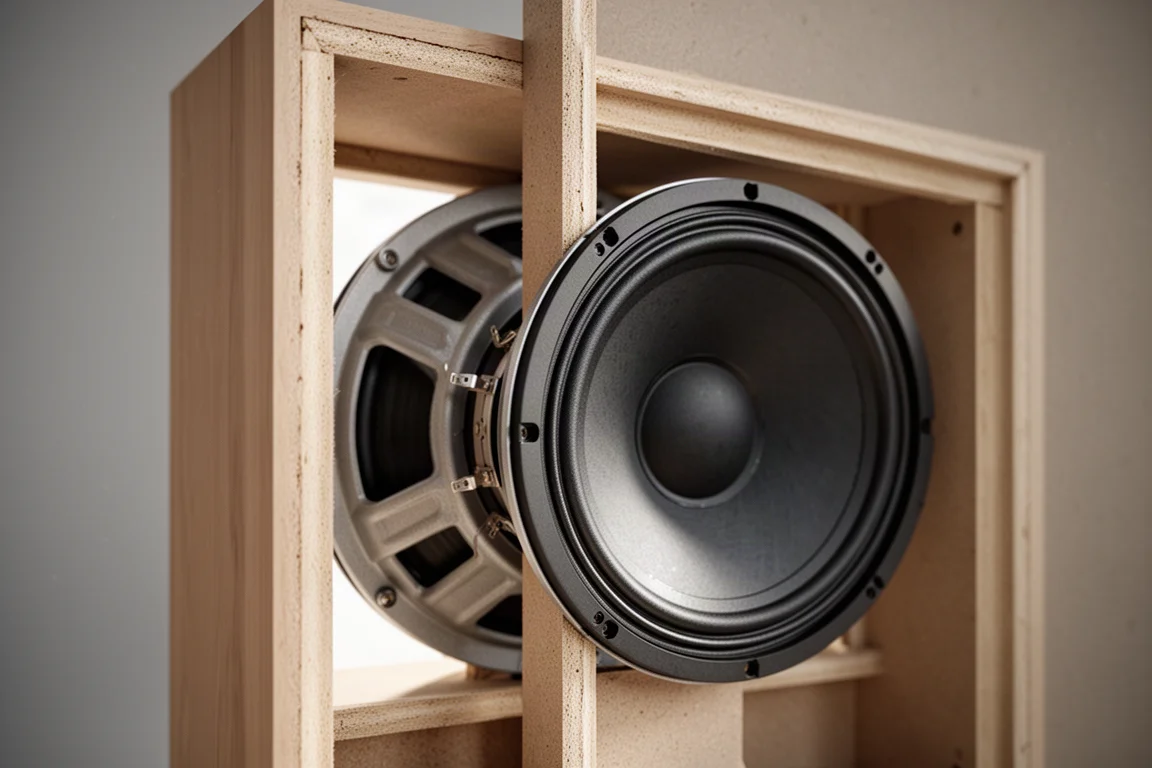
In a conventional box speaker, the driver pressurizes the air inside the cabinet, and some of that internal sound re-radiates back out through the cone. What reaches your ears is the driver plus the box. Remove the box, as an open baffle design does, and the pressure in front of and behind the woofer stays essentially the same. That is the mechanical reason the Duet 15 sounds so fast, nimble, and articulate in the low frequencies.
Horn loading takes the opposite approach. A horn couples the driver to the air with high efficiency, which is where the Cornwall IV’s liveliness and its ability to play loudly without strain come from.
Pure Audio Project Duet 15: Open Baffle Strengths
The Duet 15 does not sound like a box speaker, a horn speaker, or a planar magnetic speaker. Its strongest argument is tonality in the midrange: vocals, pianos, guitars, and acoustic instruments generally come across as more natural, more coherent, and more believable.
Imaging is where it moves furthest ahead. Center focus is precise, and the presentation has a three-dimensional quality that reaches in front of, on, and behind the plane of the speakers. It reveals depth that is already in a recording rather than inventing it, so recordings made in different rooms with different microphones and different engineers continue to sound different from one another.
Bass is the other surprise. The Duet 15 does not reach as deep as a large horn box speaker, but the definition and speed of what it does produce are excellent. Electric bass, acoustic bass, and bass drums arrive as pitches and textures rather than as a general low-frequency rumble.
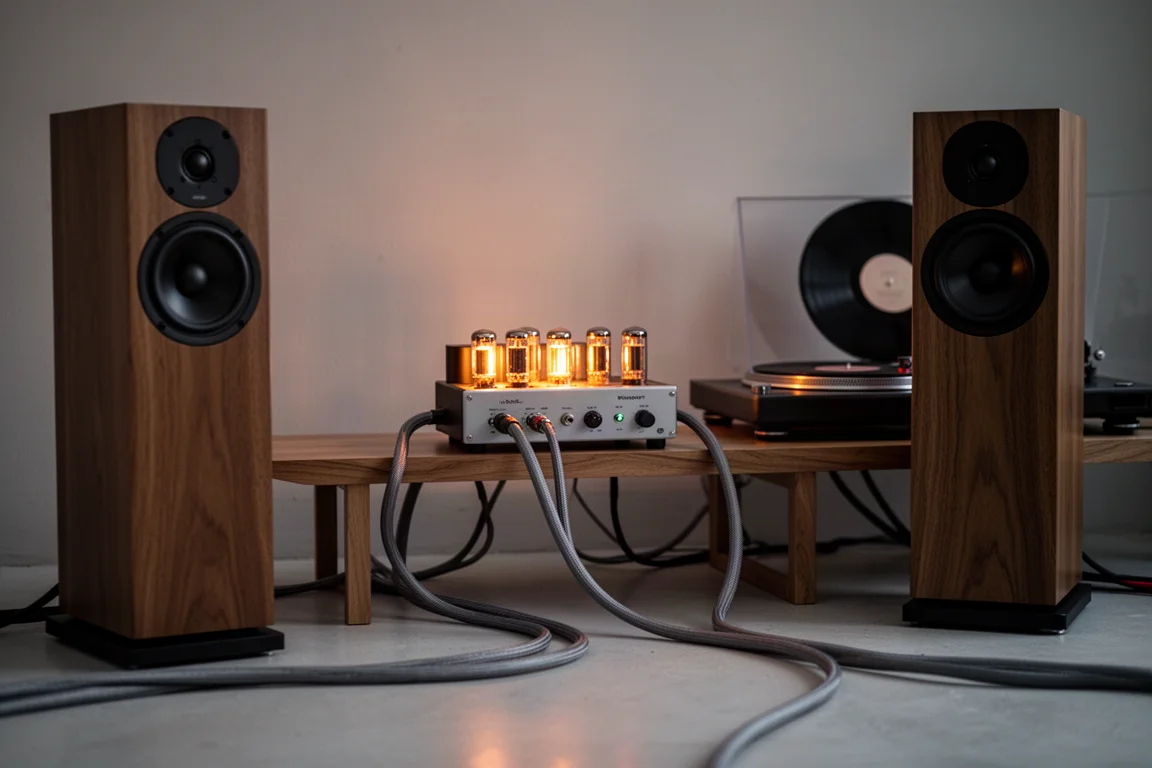
Because the design is high in sensitivity, it is also comfortable with low-powered amplifiers, including the First Watt models and the Pass Labs XA25, and it is a natural partner for low-powered tube amplifiers.
Klipsch Cornwall IV: Horn Strengths
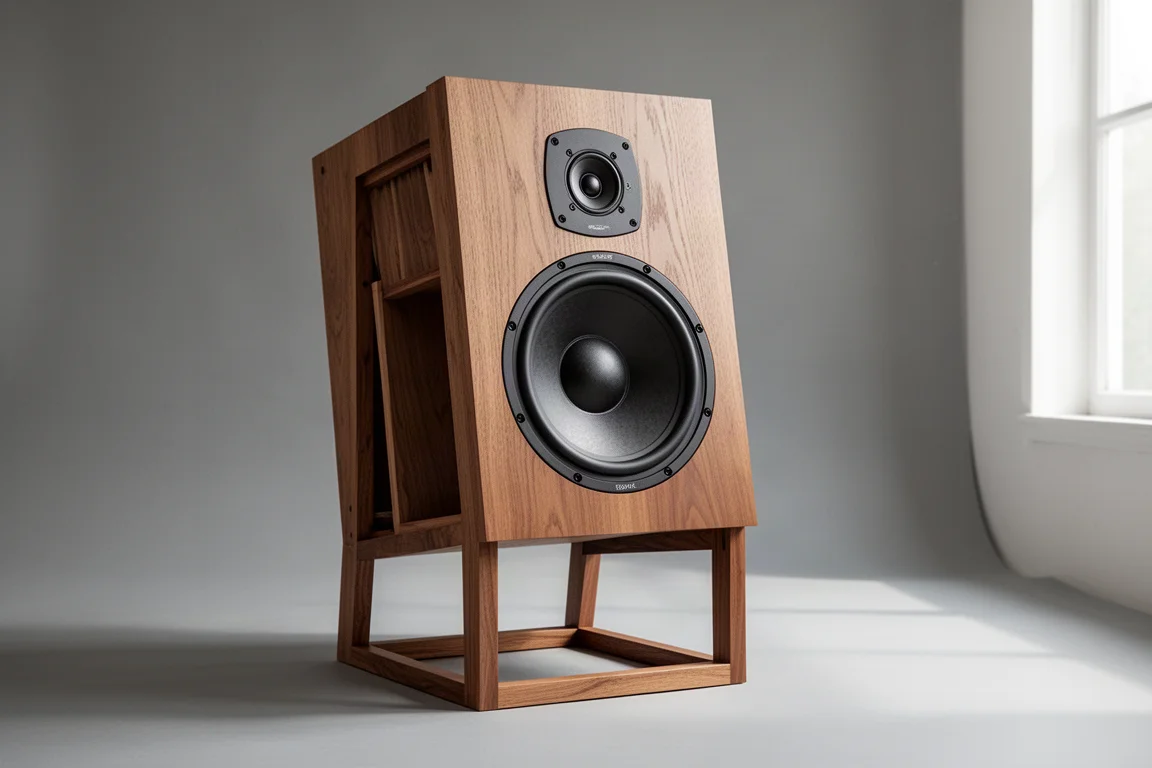
The Cornwall IV plays to the classic horn virtues. It is more dynamic, its bass is punchier and reaches deeper, and it sounds more alive. It also plays louder with greater ease, which matters in larger rooms and for listeners who like realistic levels.
What it gives up is the last word in midrange naturalness and bass definition. Set beside the open baffle design, its bass is less defined and less quick, and its midrange is less coherent. That is less a flaw than a consequence of the enclosure: a box adds weight and output, and it adds its own signature along with them.
Living With Both Speakers: Amplifiers and Setup
The high sensitivity of the Duet 15 is a practical advantage for anyone who already owns a low-powered amplifier. It is a comfortable match for the First Watt F7, F8, and G2 and for the Pass Labs XA25, and it will make the most of low-powered tube designs as they come through a system.
It is worth remembering that the Duet 15 is a dipole. It radiates as much sound from the back of the panel as from the front, which is part of why it sounds so open, and why the space behind the speaker matters more than it does with a box design.
The Cornwall IV is the more forgiving of the two when high output and a solid low end are the priorities. Its horn-loaded efficiency means it never sounds strained, and it will fill a large room without asking much of the amplifier.
Overall Buying Advice
If your priorities are midrange naturalness, imaging depth, and bass articulation, and you already own a low-powered amplifier you love, the Duet 15 is the more rewarding choice. It also suits listeners who want to hear more of what separates one recording, one amplifier, or one DAC from the next.
If you want punch, dynamic contrast, deep bass, and the ability to play loudly without strain, the Cornwall IV delivers all of that with confidence.
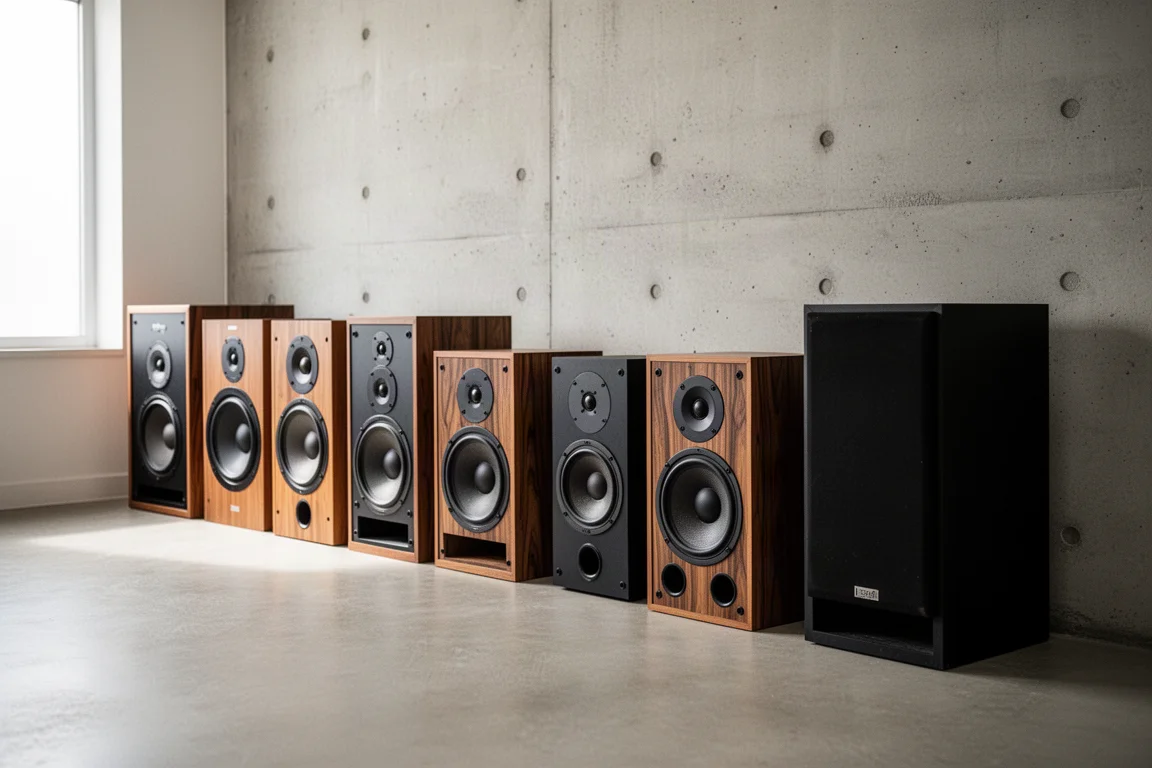
There is also a practical side to the decision. Klipsch has been making horn speakers since 1946, so used Heresy, Forte, and Cornwall models appear regularly at modest prices, which makes living with a horn system a relatively low-risk experiment. Open baffle speakers are a smaller niche, so hearing one in your own room, or at least in a room similar to yours, matters more before you commit.
Conclusion
Two excellent speakers, two different sets of priorities. The Duet 15 rewards listeners who value natural midrange tone, deep imaging, and articulate bass, especially if a low-powered amplifier is already part of the plan. The Cornwall IV rewards listeners who want dynamics, punch, and effortless output from a design with decades of heritage behind it.
Both are worth hearing, and the right answer depends on the sound you are chasing rather than on which speaker wins a specification sheet.
Further reading
Related Reviews
Hi-Fi Speakers
1723 THX Tower vs 1528 Bookshelf: Which Speaker Fits Your Room?
Two speakers at roughly the same price, built very differently. How the 1723 THX tower and the 1528 bookshelf compare on construction, bass, power needs, and sound.
Hi-Fi Speakers
Acoustic Energy AE 300 Review: Deep Bass From a Compact Standmount
A two-way standmount with real wood veneer, surprising low-end weight, and a warm, easygoing character. Here is what to know before buying.
Hi-Fi Speakers
Acoustic Energy AE1 40th Anniversary Review: A Modern Take on a British Classic
A compact standmount that revives a 1980s favorite with all-new parts, a warm mid-centric balance, and a price of £1,499 per pair.