Grow Room Monitoring
Pulse vs SensorPush Grow Monitors: Which Environment Monitor Fits Your Grow
A practical comparison of the Pulse One, Pulse Pro, and the SensorPush HT1, HT.W, and HTP.xw monitors, covering accuracy, connectivity, battery life, and app experience.
Introduction
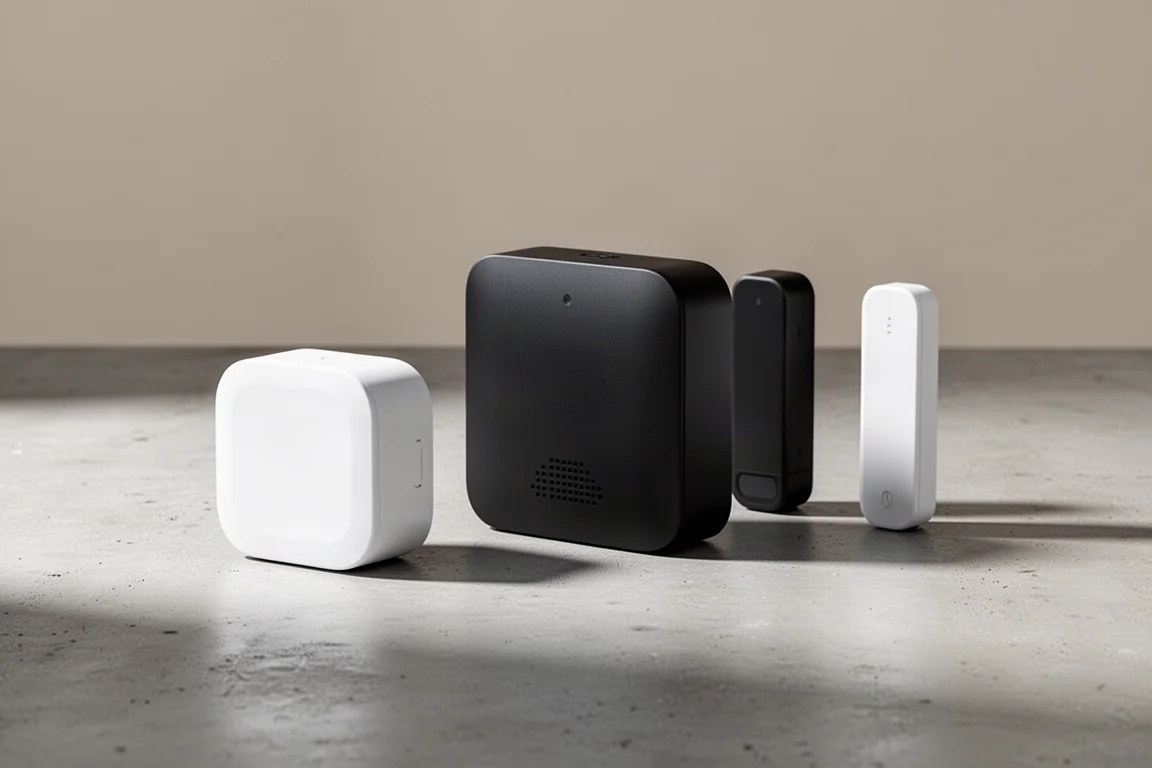
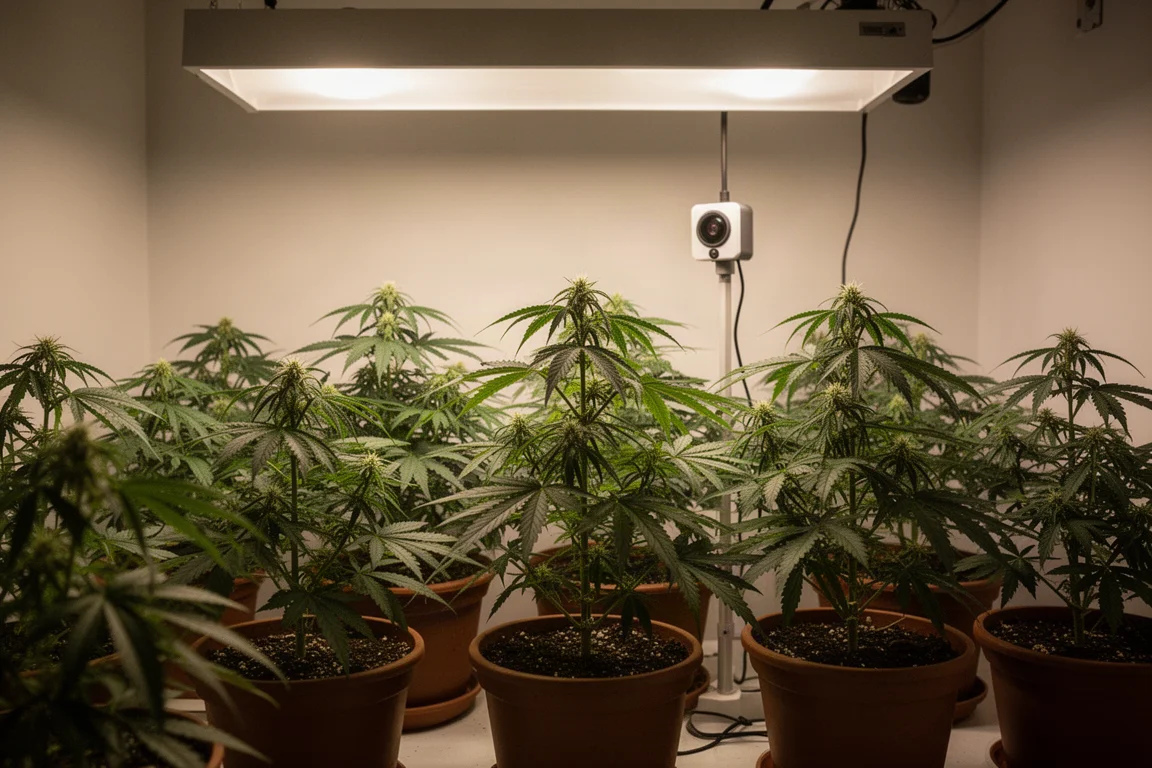
Environment monitoring is one of those upgrades that pays off quickly. Two names come up again and again in the growing community: Pulse and SensorPush. Both measure temperature, humidity, vapor pressure deficit (VPD), and dew point, but they take noticeably different approaches on size, power, accuracy, connectivity, and price. This comparison walks through what each family of monitors does well and where each one asks you to compromise, so you can match the right unit to your grow space and budget.
Size, Weight, and Battery Life
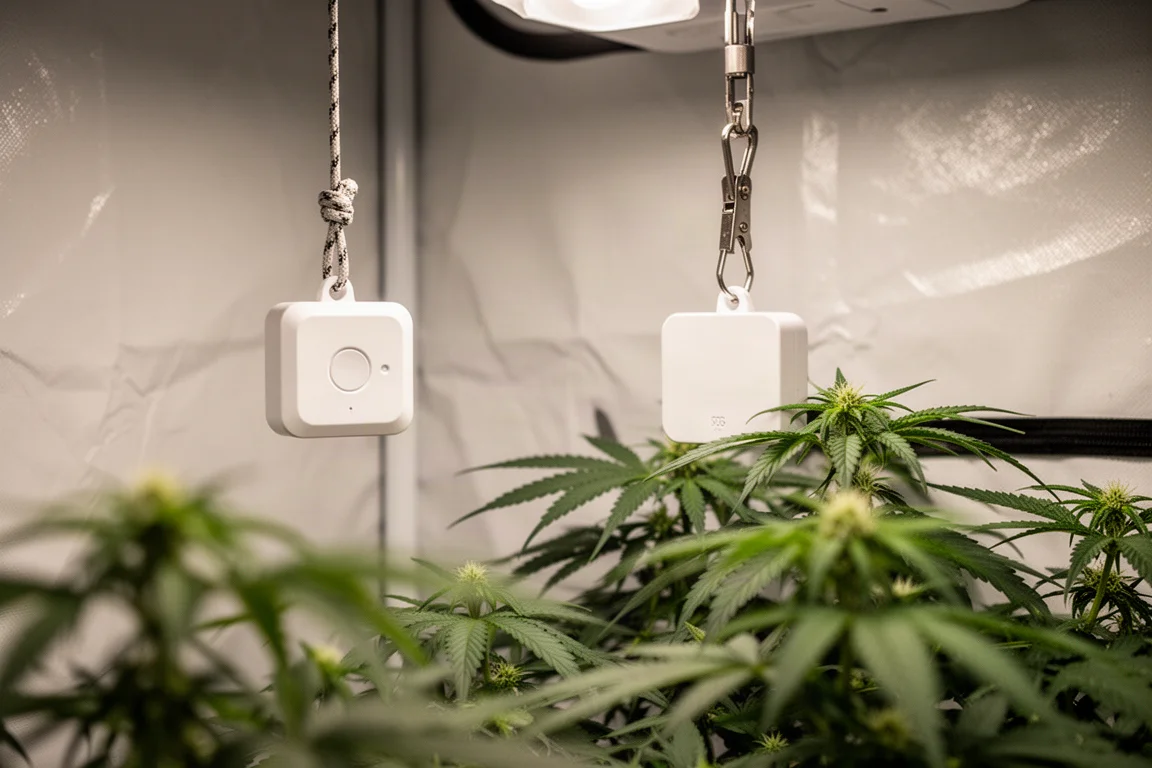
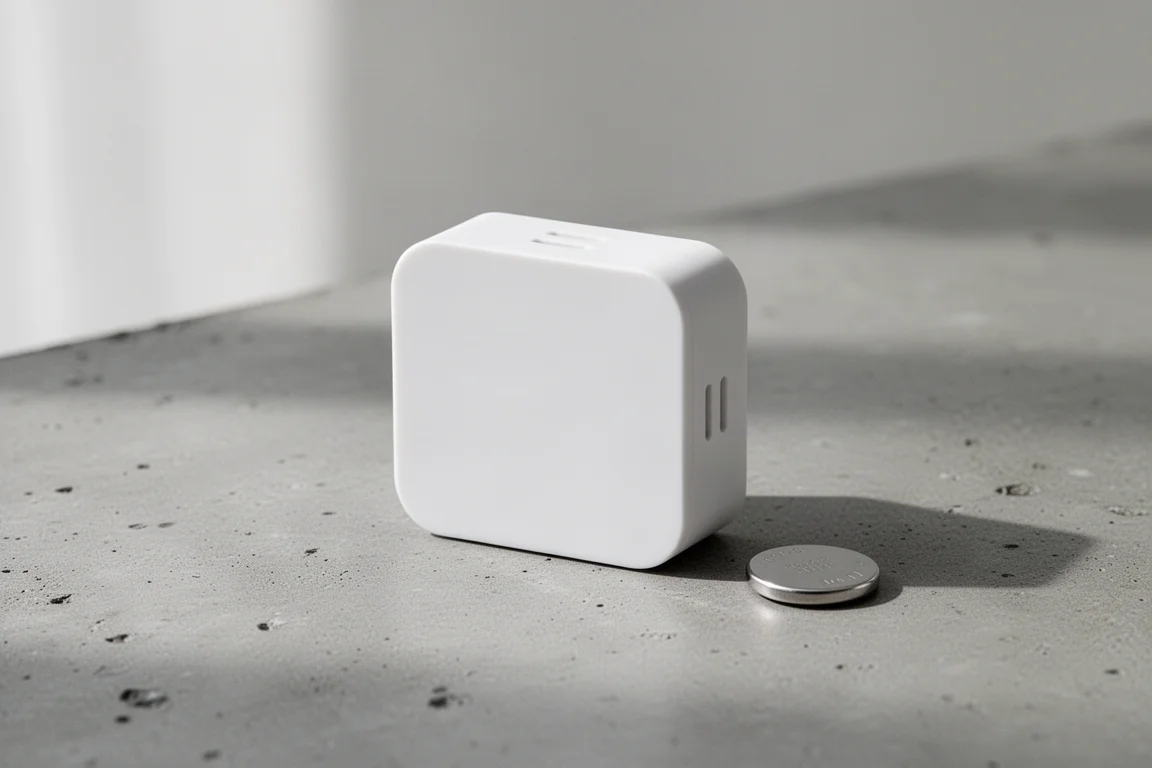
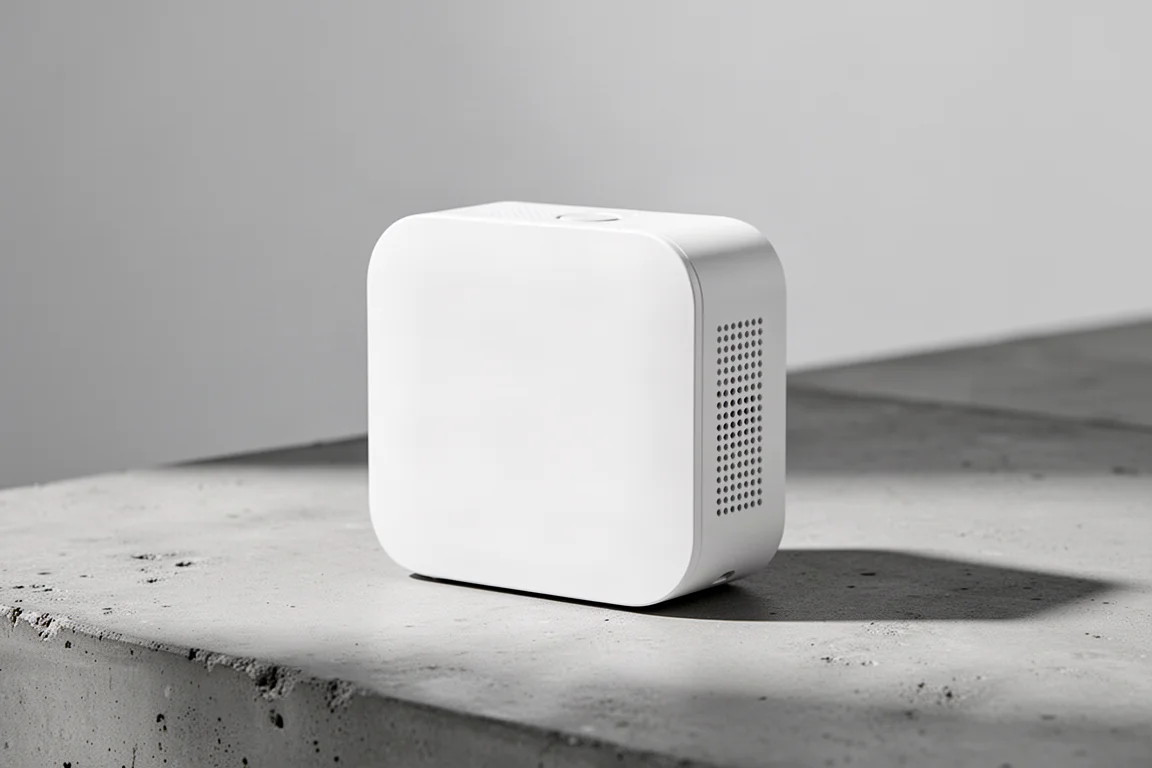
The size difference is the first thing you notice. The SensorPush units measure 1.75 x 1.75 x 0.65 inches and weigh just 1.4 ounces, while the Pulse is considerably larger at 4.5 x 2.5 x 1.125 inches and 2.9 ounces. Both can be hung at canopy level using a small mounting hole, though the SensorPush hole is noticeably smaller, so threading a ratchet rope through it takes a bit more patience.
Battery life is where SensorPush clearly wins. It runs on a small CR2477 coin cell that lasts one to two years according to the manufacturer. The Pulse uses three AA batteries rated for roughly four months, which is a big difference in maintenance. The Pulse does offer a workaround: it has a port for external power, so you can run a cable to a wall outlet and stop worrying about batteries entirely.
Connectivity: Bluetooth vs Built-In Wi-Fi
This is where the price gap starts to make sense. SensorPush is Bluetooth only, with a range of about 100 meters (roughly 325 feet), logging data at one-minute intervals. You can set alert ranges for temperature, humidity, VPD, and dew point and receive push notifications, and Alexa integration is supported. If you want remote access, SensorPush sells a separate G1 Wi-Fi gateway for around $100.
The Pulse One has Wi-Fi built in, and in fact requires Wi-Fi to function. There is no Bluetooth at all. With SensorPush, one mobile device can monitor an unlimited number of sensors, and one sensor can be monitored from an unlimited number of devices. Pulse supports an unlimited number of sensors across multiple locations and Wi-Fi networks, all viewable on a single dashboard. SensorPush stores 45 days of data on the sensor itself plus unlimited in-app storage in its cloud, while Pulse’s on-device storage duration is not clearly documented.
Accuracy and What Each Unit Measures
SensorPush holds the accuracy edge. The HT.W is rated at plus or minus 2 percent for relative humidity and plus or minus 0.2 degrees Celsius (0.36 degrees Fahrenheit) for temperature. The Pulse One reports plus or minus 3 percent for humidity, plus or minus 1 percent for temperature, and plus or minus 4 percent for VPD. SensorPush does not publish a VPD tolerance.
On measurements, the baseline is even: temperature, humidity, VPD, and dew point across both families. The Pulse One adds one extra metric, light intensity, which SensorPush does not offer at this level. The trade-off is that the Pulse is slightly less accurate on the core readings.
Pulse One: All-in-One with Wi-Fi
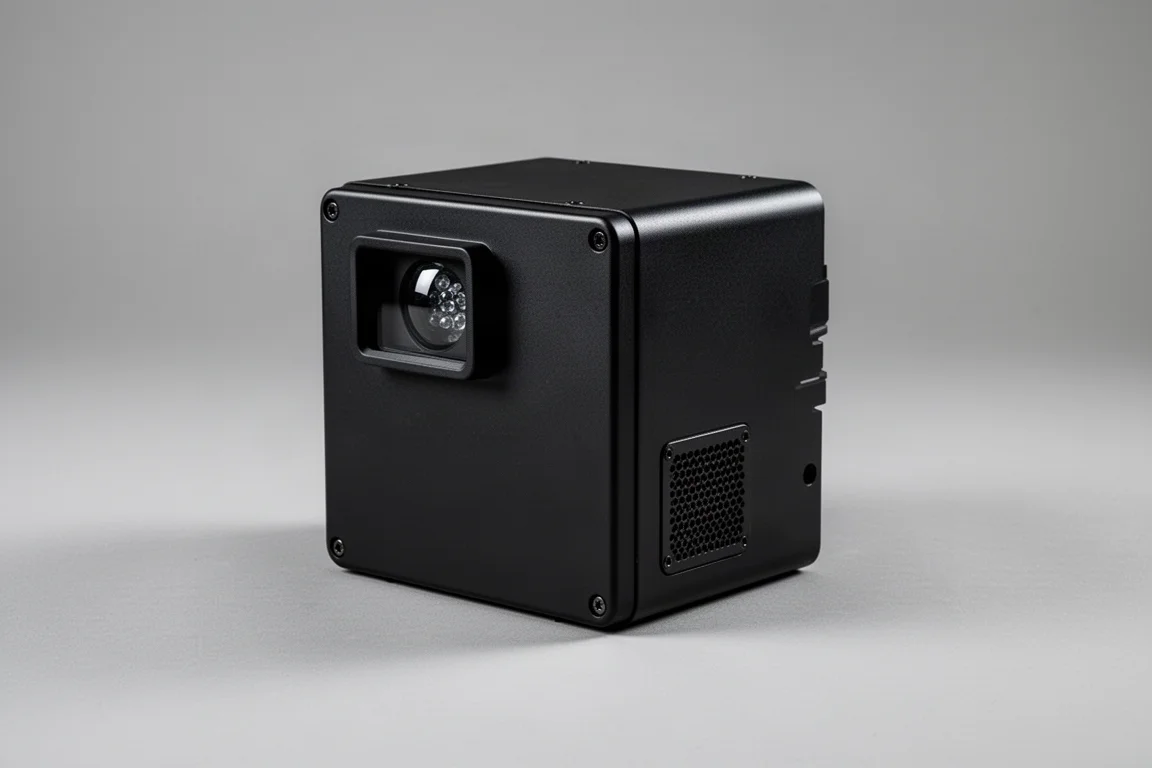
At $199, the Pulse One bundles Wi-Fi, light intensity measurement, and a feature-rich app into a single purchase. If your grow space is more than a Bluetooth range away from where you spend your time, or you want everything reporting to one dashboard without extra hardware, this is the more integrated solution. Note that the data export limitation some users assume turns out not to exist: the Pulse app does support CSV export after all, alongside calibration, leaf temperature offset, day and night alert settings, a calendar for logging grow events, and templates for managing settings across multiple devices.
Pulse Pro: For CO2 and PPFD Tracking
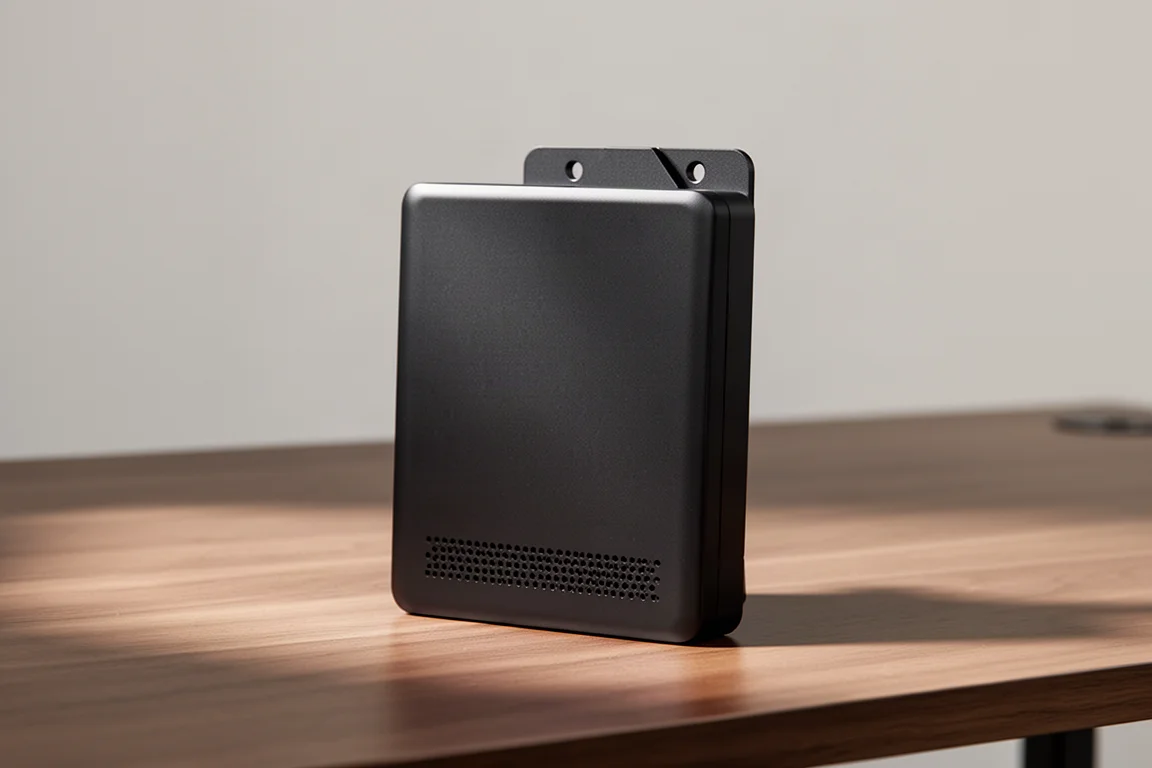
For growers who want to go deeper, Pulse offers the Pulse Pro. It adds CO2 monitoring as well as PAR measurements in PPFD, two metrics the SensorPush lineup does not currently cover. If CO2 enrichment or light-level tracking is part of your grow plan, this is the unit in the Pulse family built for it. Pricing for the Pulse Pro was not specified alongside the comparison, so check current availability.
SensorPush HT1: The Budget Entry Point
The HT1 is the oldest and cheapest SensorPush model, currently priced at $49.99. It measures temperature and humidity, and the platform now supports VPD and dew point calculation in the app. It has proven durability: one long-term user has run the same unit since 2017, replacing the battery only once. With Bluetooth range of about 325 feet and one-minute data logging, it covers the essentials for a small grow space at the lowest cost of entry.
SensorPush HT.W: The Fair Comparison Point
The HT.W is arguably the fairest match for the Pulse One. It measures temperature, humidity, VPD, and dew point with the tighter accuracy ratings mentioned earlier, at $64.99. Add the $99.99 G1 Wi-Fi gateway and your total comes to about $165 for Wi-Fi capability, still below the Pulse One’s $199 while edging it out on sensor accuracy. What you give up is light intensity measurement and some of the Pulse app’s advanced features.
SensorPush HTP.xw: When You Need Barometric Pressure
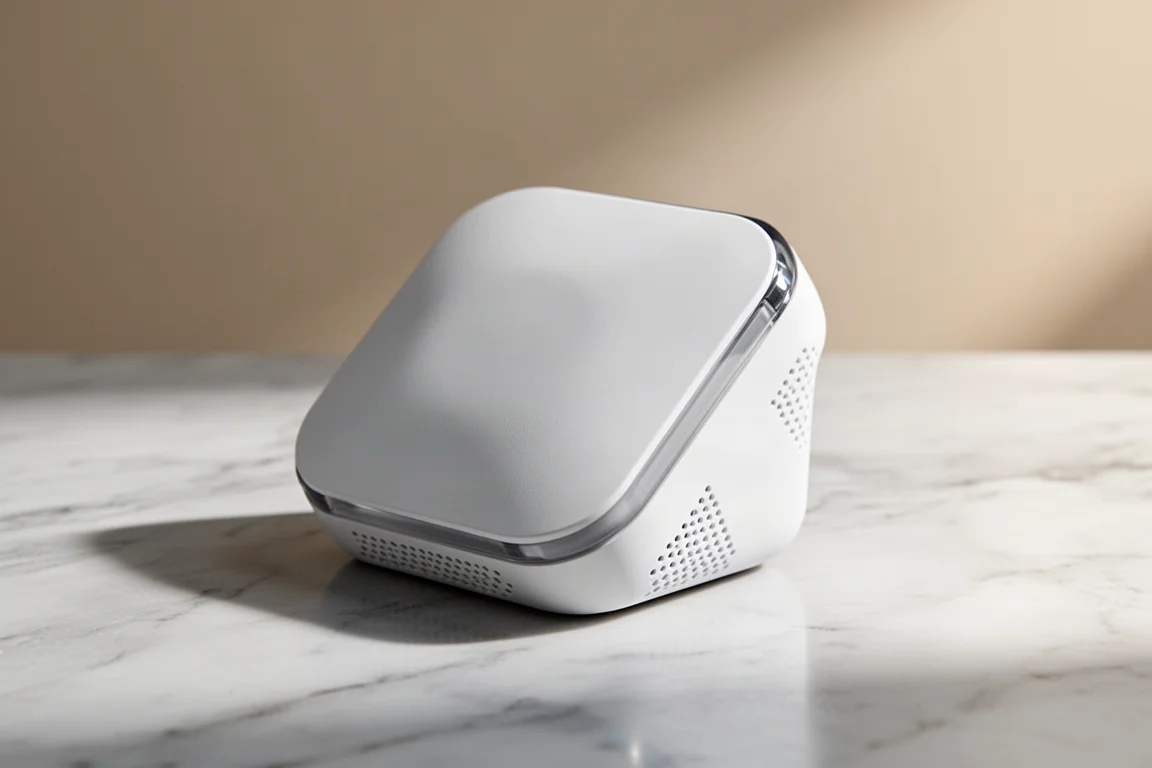
At the top of the SensorPush range sits the HTP.xw at $89.99. It measures everything the HT.W does and adds a barometer for air pressure, and its accuracy is reportedly a step better as well. For most growers barometric pressure is a nice-to-have rather than a necessity, but if you run a sealed room or simply want the most complete data set in the SensorPush family, this is the one to look at.
The Apps Side by Side
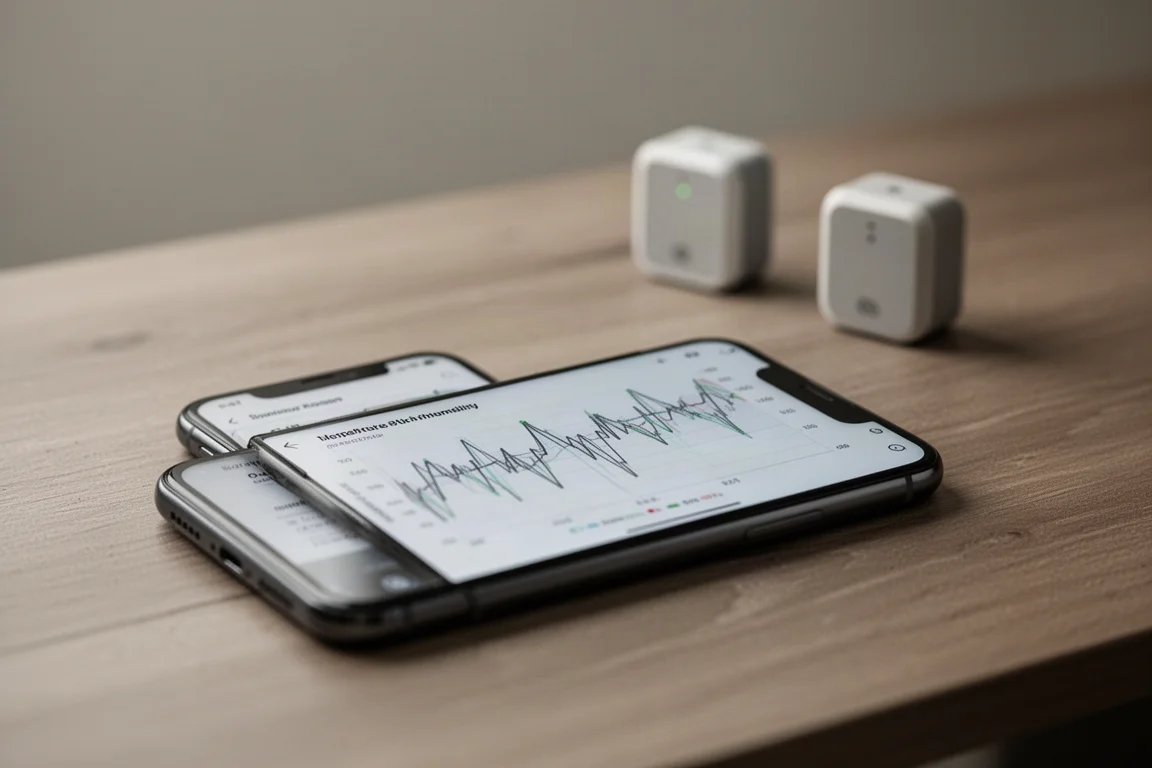
The SensorPush app presents temperature, relative humidity, VPD, and a summary for each sensor, with views by hour, day, week, month, and year. You can set high and low alert limits for temperature, humidity, barometric pressure, dew point, and VPD, plus a leaf temperature offset, and export any data range to CSV for Excel or Google Sheets.
The Pulse app goes further. Its dashboard covers temperature, humidity, light, VPD, dew point, and pressure, with a spectral analysis view, Wi-Fi settings, calibration, leaf temperature offset, and extensive alert settings including separate daytime and nighttime configurations. There is a calendar for logging grow events and templates for managing multiple devices. CSV export is supported here too, which is genuinely useful for spotting long-term trends.
Buying Advice: Which One Should You Choose
If budget comes first and your grow space is within Bluetooth range, start with the SensorPush HT1 and add the G1 gateway later if remote access becomes important. If you want the best accuracy per dollar with Wi-Fi, the HT.W plus gateway at around $165 is the strongest value in this comparison. The HTP.xw earns its price only if air pressure matters to your setup. The Pulse One makes sense when you want Wi-Fi, light intensity readings, and the most capable app out of the box, and the Pulse Pro is the clear pick if CO2 or PPFD tracking is on your roadmap.
Conclusion
Both ecosystems are solid choices. SensorPush wins on size, battery life, accuracy, and price flexibility; Pulse wins on built-in connectivity, extra measurements like light intensity, and a more feature-rich app. Match the monitor to what you actually need to track, and either family will give you the environmental data your grow depends on.
Further reading
Related Reviews
Backpacking Gear
Building a 10 lb Base Weight: An Ultralight Backpacking Gear List
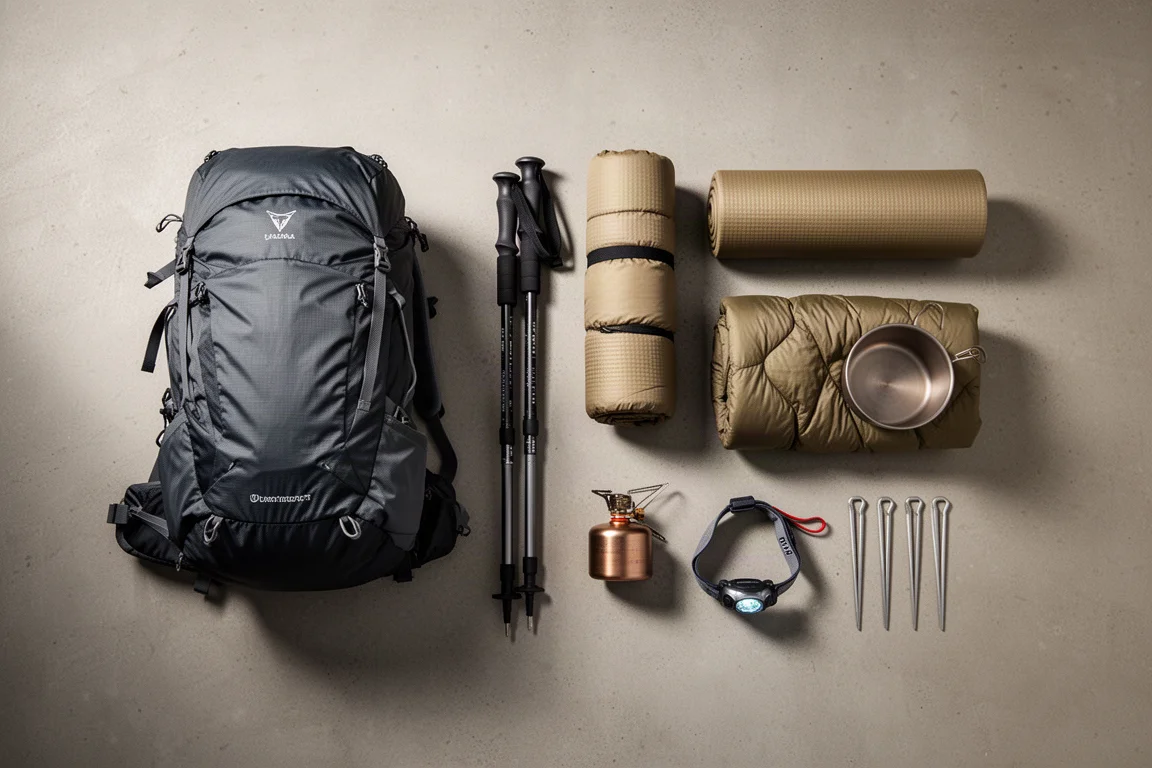
A practical walkthrough of the ultralight pieces behind a 10 lb base weight, from a 765 g pack and a roomy one-person tent to a full camp chair and a dependable water filter.
Road Bikes
10 New Road Bikes Worth Watching: Aero, Titanium, Steel and Endurance Standouts
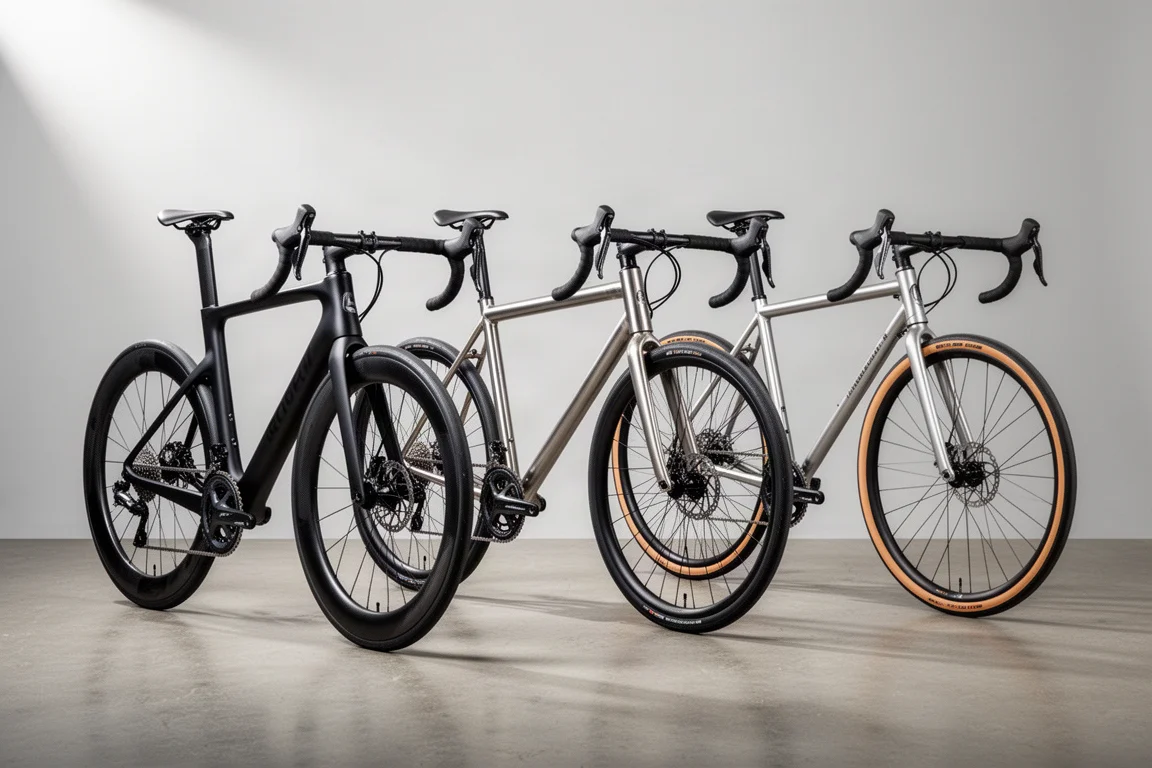
A practical roundup of 10 new road bikes, from aero flagships chasing single-watt gains to titanium, steel and endurance platforms built for real roads.
Bikepacking Gear
11 Bikepacking Essentials for Long-Distance Cycling
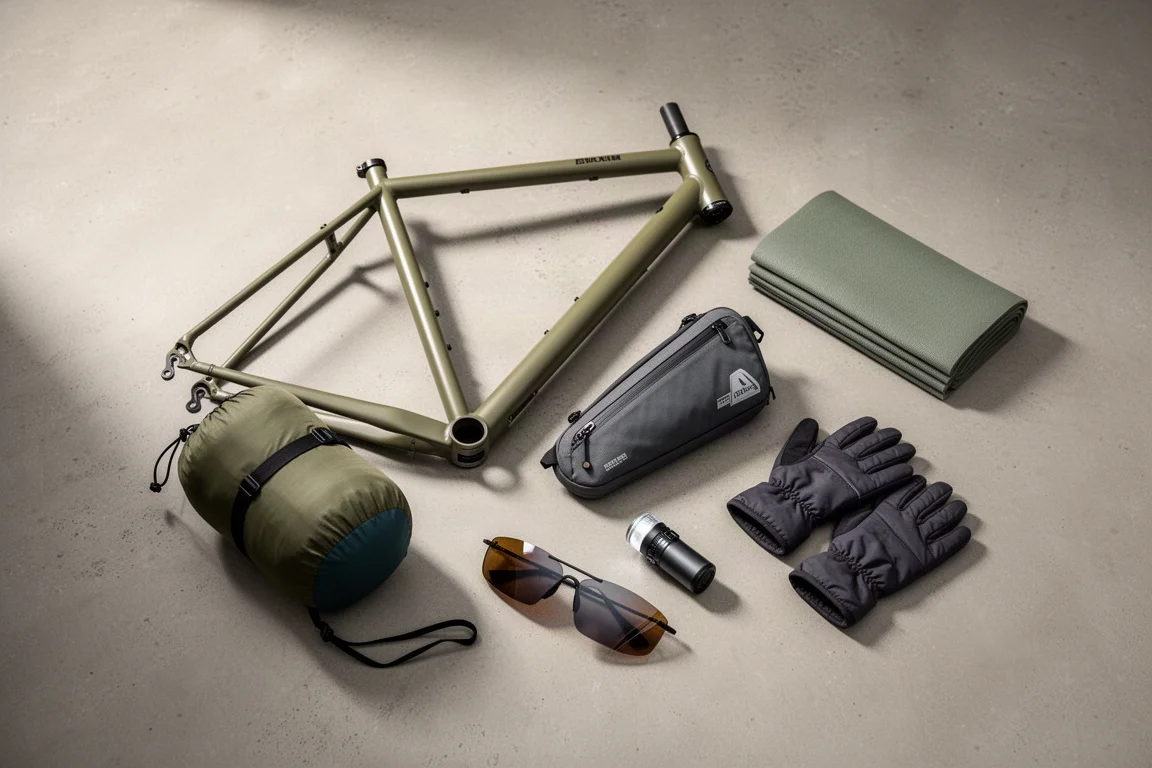
Eleven bikepacking essentials for long-distance cycling, from a steel gravel frame and a two-person tent to helmet lights, packable gloves, and a frame bag that puts weight in the right place.