Hi-Fi Speakers
PSB Passif 50 Review: A 50th Anniversary Stand-Mount That Sounds Right
A two-way anniversary stand-mount with real walnut, a relaxed midrange and an even, easy balance that rewards long listening sessions.
Introduction
The PSB Passif 50 is a 50th anniversary speaker, and it wears that history openly. It is a two-way stand-mount design built around the same thinking as the Passive 2 that arrived in 1974, updated with modern drivers and a cabinet that feels far more substantial than its footprint suggests. At $2,499 per pair, it sits in the upper part of the stand-mount market, and it is available both direct from the manufacturer and through brick-and-mortar dealers.
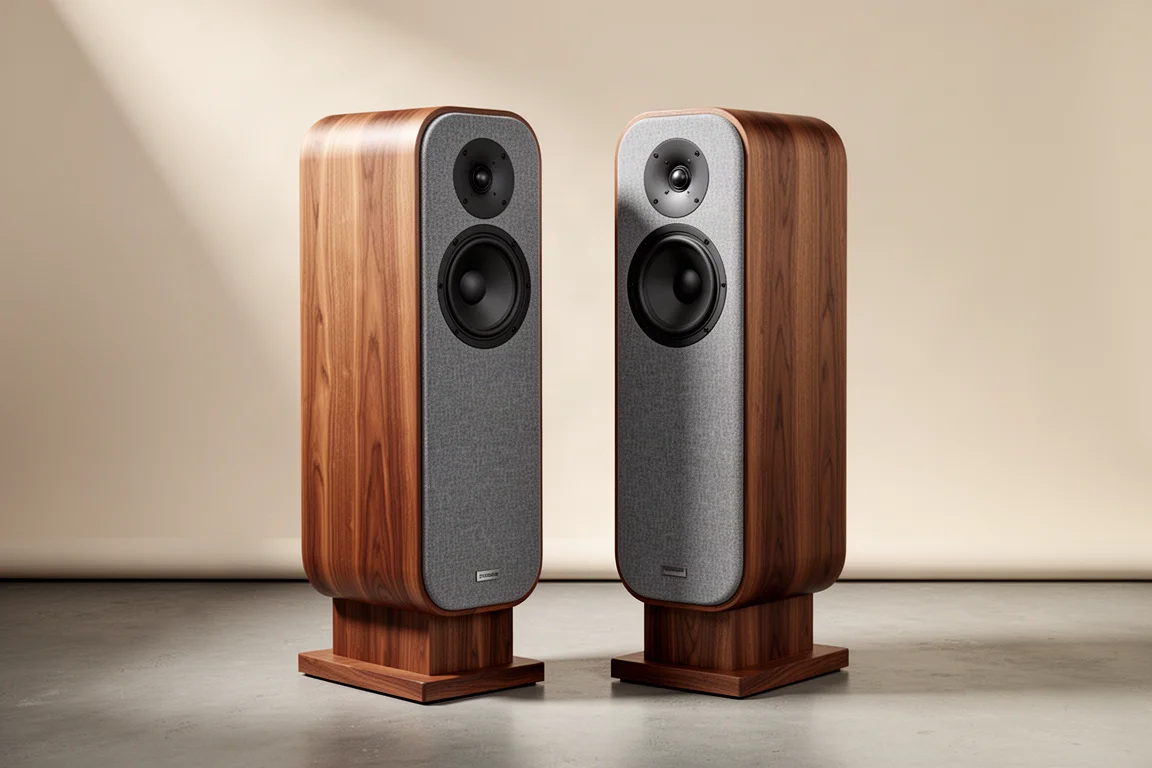
Inside, the Passif 50 pairs a one-inch titanium dome tweeter with a 6.5-inch paper mid/woofer and an 8-inch passive radiator. The cabinet is real walnut over heavily braced MDF, the grille is cloth, and a short stand is included with each speaker. The result is a design that reads as retro without looking dated.
Who the PSB Passif 50 Is For
This is a speaker for listeners who find many modern designs too bright or too forward. The Passif 50 has a relaxed, inviting character. Its midrange is the centre of gravity, and it stays comfortable across long sessions rather than pushing detail at you.
It also suits listeners who value consistency. Move from one record to the next and the Passif 50 keeps a steady, even-tempered presentation instead of changing personality with every track.
Because it is a six-ohm design that dips to four ohms, it asks for an amplifier that is comfortable driving lower-impedance loads. That is the main practical requirement, and most competent integrated amplifiers will handle it without drama.
Design and Build Quality
The front baffle is where most of the engineering shows. The one-inch titanium dome tweeter sits in a shallow waveguide, and a felt pad covers the baffle area around it to reduce diffraction. Below that is the 6.5-inch paper mid/woofer, mounted on an aluminum basket. A further 8-inch passive radiator, also a paper driver on an aluminum basket, handles the low end without needing its own amplifier.
The cabinet is real walnut over MDF, heavily braced, and it feels incredibly solid. The cloth grille is part of the retro appeal, and the whole design manages to look both nostalgic and clean. Around the back there is a set of gold-plated bi-wire binding posts.
PSB designs its speakers in Canada. The company has been building some models in China since 1999 and works closely with those factories, keeping its own staff on site and maintaining tight quality control throughout the process. That long relationship is part of why the finish and assembly feel as consistent as they do.
Main Strengths: Sound Quality
The first impression is comfort. The Passif 50 sounds inviting rather than impressive on first listen, and that ease is what makes it work over hours rather than minutes. The midrange is relaxed and beautifully voiced, the treble is sweet and unforced, and the bass is satisfying for a cabinet this size.
Detail and clarity are there when you listen for them. On late-1950s and early-1960s Duke Ellington recordings, the brass had bite without turning harsh, and the space between the musicians was well defined. The presentation has a natural sense of order to it.
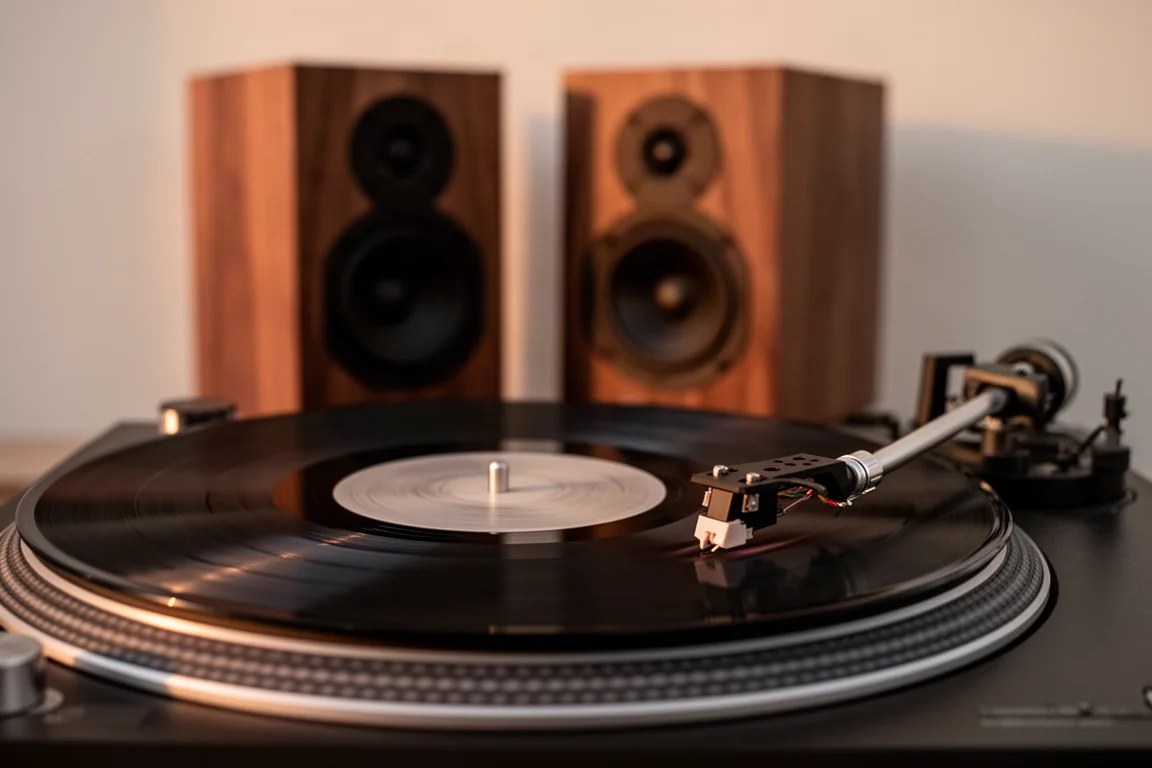
Balance is the real story. Played fairly loud with Bob Marley’s No Woman No Cry from the LP, the speaker simply sounded right: even from top to bottom, with no part of the range drawing attention to itself. That evenness holds up as you move between albums, which is exactly what makes it easy to live with.
It is also honest about recordings. A compressed, shrill film soundtrack stayed compressed and shrill, although the Passif 50 made it easier to sit through. This is not a speaker that flatters poor masters, and for most listeners that is a feature rather than a flaw.
Things to Consider Before Buying
Bass depth is the obvious limitation. The 8-inch passive radiator gives the Passif 50 a satisfying low end for its size, but it does not reach the deepest octaves, and listeners who want genuine subterranean weight should plan on adding a subwoofer.
The second consideration is character. The Passif 50 is mellow and even rather than vivid and exciting. If you want a speaker that highlights the rawness of electric guitars or the punch of a drum kit, a more forward design will be more entertaining. If you want a speaker you can listen to for hours without fatigue, this one is the easier choice.
Finally, budget for the amplifier. The four-ohm dip is not difficult, but it is worth pairing the speaker with something that stays composed under that load.
How It Compares With Other Speakers
Against the MoFi SourcePoint 10, the Passif 50 takes a gentler approach. The SourcePoint 10 is the more vivid and brighter of the two, with a tipped-up balance that makes electric guitars pop and brings vocals forward. Its imaging is precise and sharply focused, and its 10-inch driver gives it deeper bass and more dynamic impact. The Passif 50 answers with a fuller, more substantial midrange and a softer, more rounded presentation, and it is the more even-tempered speaker as records change.
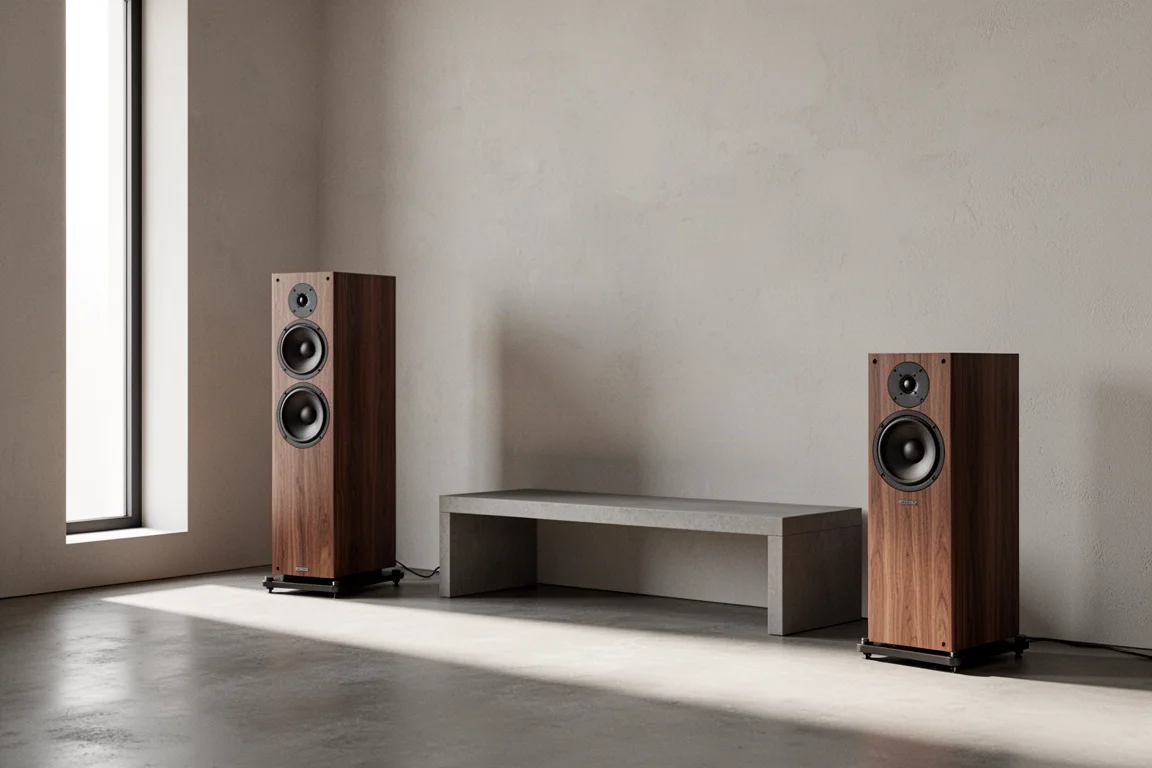
Against the Zu DW6 Dirty Weekend Six, a larger floorstanding design, the difference follows a similar shape. The Zu has more bass power and punch, and it is the livelier speaker for rock and for any music that leans on dynamics. It also has peaks and dips in its response, and some midrange material sounds thinner through it. The Passif 50 gives up low-end impact but is the far more neutral and balanced of the two.
Neither comparison produces a clear winner. The Passif 50 sits in the middle: less dramatic than either alternative, more consistent than both, and easier to live with over time.
Setup and System Matching
Setup is straightforward. A small amount of toe-in was enough, with the speakers about eight feet apart and the listening position around nine feet back. That spacing gives the Passif 50 a wide, stable image without losing centre focus.
Amplification included a Hegel H95 integrated amplifier and a separate reference chain built around a Pass Labs XP-30 preamplifier and a Pass Labs XA25 power amplifier. Both approaches drove the speaker comfortably, which supports the sense that the four-ohm load is manageable rather than demanding. A well-built integrated amplifier in the same general class should be all most buyers need.
Buying Advice
At $2,499 per pair, the Passif 50 competes with some strong alternatives, so the decision comes down to priorities. Buyers who want maximum detail, sharper imaging or deeper bass will find more of each elsewhere. Buyers who want a balanced, non-fatiguing speaker with a genuinely lovely midrange and a real walnut cabinet will find this one hard to beat at the price.
Availability is worth checking before you commit. The Passif 50 is sold direct and through brick-and-mortar dealers, and a 60-day return window is associated with direct purchases, so it is worth confirming the current terms for your region before ordering.
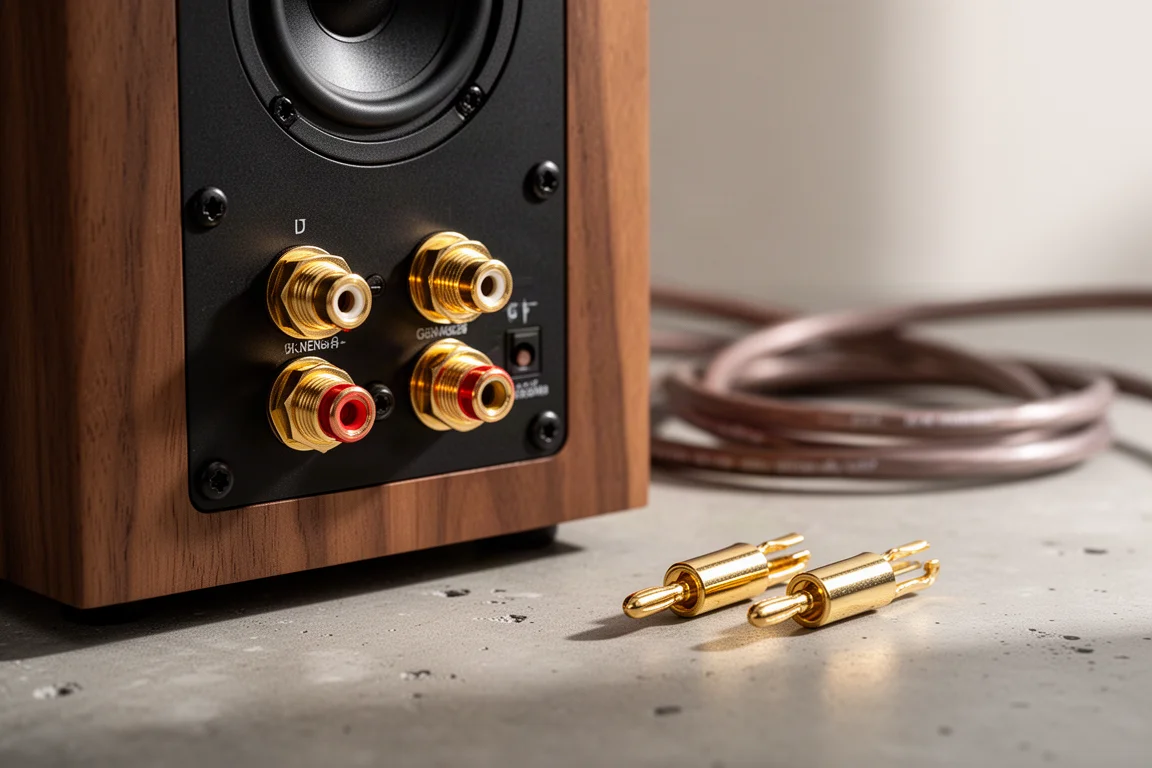
One more practical note: because the stand is included, there is no extra furniture to buy, and the speaker is short enough to place in rooms where a full tower would dominate the space.
Conclusion
The PSB Passif 50 is a well thought out, well engineered speaker built around neutrality rather than spectacle. It gives up some bass depth and some excitement compared with larger or more forward designs, and it does not hide the faults of poor recordings. What it offers instead is balance, clarity and an ease that makes long listening sessions effortless.
For listeners who want a speaker that simply sounds right, record after record, the Passif 50 makes a strong case at $2,499 per pair.
Product link
View more details for PSB Passif 50
This product is mentioned in the review. Check the specifications, options, and compatibility before buying.
View more details for PSB Passif 50Further reading
Related Reviews
Hi-Fi Speakers
1723 THX Tower vs 1528 Bookshelf: Which Speaker Fits Your Room?
Two speakers at roughly the same price, built very differently. How the 1723 THX tower and the 1528 bookshelf compare on construction, bass, power needs, and sound.
Hi-Fi Speakers
Acoustic Energy AE 300 Review: Deep Bass From a Compact Standmount
A two-way standmount with real wood veneer, surprising low-end weight, and a warm, easygoing character. Here is what to know before buying.
Hi-Fi Speakers
Acoustic Energy AE1 40th Anniversary Review: A Modern Take on a British Classic
A compact standmount that revives a 1980s favorite with all-new parts, a warm mid-centric balance, and a price of £1,499 per pair.