Bookshelf Speakers
PSB Imagine B50 Review: A Lively Bookshelf Speaker With Real Clarity
The PSB Imagine B50 pairs a titanium dome tweeter with a woven carbon fiber midbass driver for a forward, energetic sound. Here is what to know before buying.
Introduction
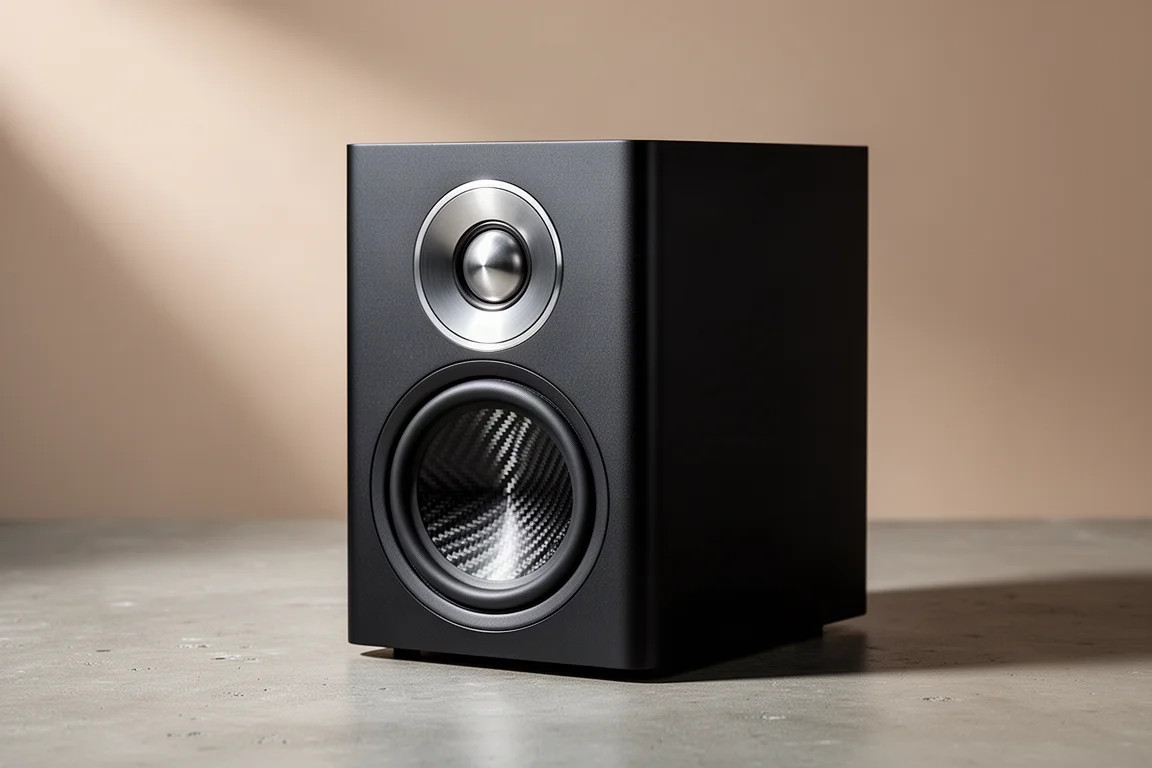
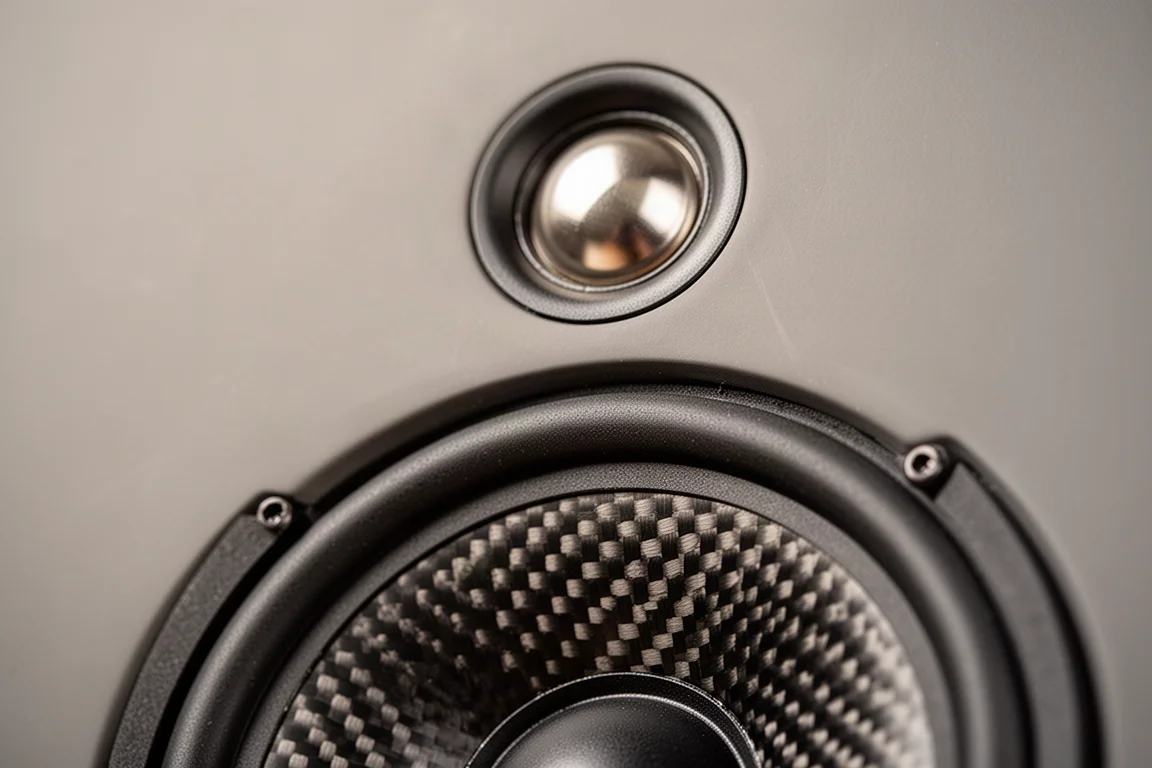
The PSB Imagine B50 is a compact two-way bookshelf speaker that takes the place of the PSB Imagine XB in the lineup. The design is straightforward on paper: a 1-inch titanium dome tweeter with a ferrofluid magnet, a 5.25-inch woven carbon fiber cone with a rubber surround, and a slot port on the back of the cabinet. Each speaker measures 7 inches wide, 12 inches high, and 10 inches deep, and weighs 11.3 lb. Finish options are satin black and satin white, with gold-plated jumpers and black bumpers on the cabinet.
The rated numbers are unusually complete. PSB lists a frequency response of 45 Hz to 23,000 Hz at plus or minus 3 dB, a sensitivity of 85 dB in an anechoic chamber and 87 dB in a typical listening room, and a nominal impedance of 8 ohms.
What stands out in use is the character rather than the spec sheet. A small cabinet that produces a large, room-filling presentation is a PSB signature, and the B50 continues it. This is a livelier, more forward speaker than the warmer Imagine XB it replaces, and that difference shapes almost everything about how it sounds.
Who This Speaker Is For
The B50 rewards listeners who want presence and detail more than a soft, forgiving presentation. Its mid-range pushes vocals and electric guitars toward the front of the mix, which makes dense rock, alternative, and well-recorded acoustic material feel immediate and animated. Anyone who has always preferred a warm, relaxed speaker will find this a noticeably different flavor.
It also makes sense in smaller rooms. Because the cabinet is compact while the presentation is not, the B50 can carry a modest space on its own for most music. As with any speaker this size, the deepest bass remains the job of a dedicated subwoofer.
Moderate listening levels suit it well, and the sound stays clear and composed when the volume comes down. Pushed harder, the speaker becomes more energetic in the upper mid-range rather than falling apart, which is part of its appeal for listeners who like some bite in their rock recordings.
Main Strengths
Three qualities stand out: mid-range clarity, genuine dynamic punch, and driver integration that holds together across the range.
Mid-Range Character and Clarity
The mid-range defines this speaker. Voices sit forward, with emphasis that lands around 600 to 700 Hz on some recordings and a second lift higher up near 2,200 to 2,300 Hz. The result is a present, almost animated vocal quality that some listeners will love and others will find too assertive. It is worth noting that the emphasis sits below the region where listening fatigue usually appears, so the forward character does not translate into harshness over long sessions.
A track that moves a single voice from the bottom of the mid-range to the top of it is the clearest way to hear how the two drivers hand off. With a crossover point at 2,200 Hz, a poorly integrated design will show an audible peak or dip right at the transition. Here the mid-range stays cohesive from bottom to top, and the handoff between the carbon fiber cone and the titanium dome is difficult to hear.
Detail retrieval is strong for the category. Acoustic guitars arrive with body and articulation, whispered passages stay intelligible, and layered background textures that vanish on lesser speakers remain audible. The speaker also hears into a recording well enough to expose the limits of a poor master, which is the honest behavior of a resolving design rather than a fault.
Dynamics and Detail
The B50 is a dynamic speaker. Drum fills and guitar riffs land with weight, and the contrast between quiet and loud passages comes through clearly. On recordings with compressed dynamics the speaker does not manufacture excitement, but on well-recorded material it responds.
Snare hits and cymbals sit forward in the mix. There is a small amount of sibilance in the upper treble, roughly around 6 kHz, that appears briefly on some vocals, and the decay on cymbal crashes is slightly short rather than airy. Neither is distracting, but both are part of the crisp, energetic top end.
Tonally, this is a lively speaker rather than a warm one. Listeners familiar with the first-generation Klipsch RP-600M, the Bowers and Wilkins 606, or the SVS Ultra Evolution will recognize some of that upper mid-range energy. The B50 keeps its composure across a wider spread of material than those references suggest, and it plays most tracks well rather than a chosen few.
Things to Consider Before Buying
The forward mid-range is the main decision point. It flatters rock, alternative, and vocal-led recordings, and it can feel assertive on material that was mixed with a bright top end. If you value a warm, forgiving sound above all else, this is not the speaker for that preference.
At $799, the B50 also asks more than the model it replaces, so it is worth being clear about what the extra cost buys: a more solidly built cabinet, metallic beauty rings around the drivers, and a different, more energetic voicing.
Give the speaker time before making a final judgment. Fresh out of the box, impressions of the mid-range can shift as the drivers settle, and a short audition may not capture the sound the speaker settles into.
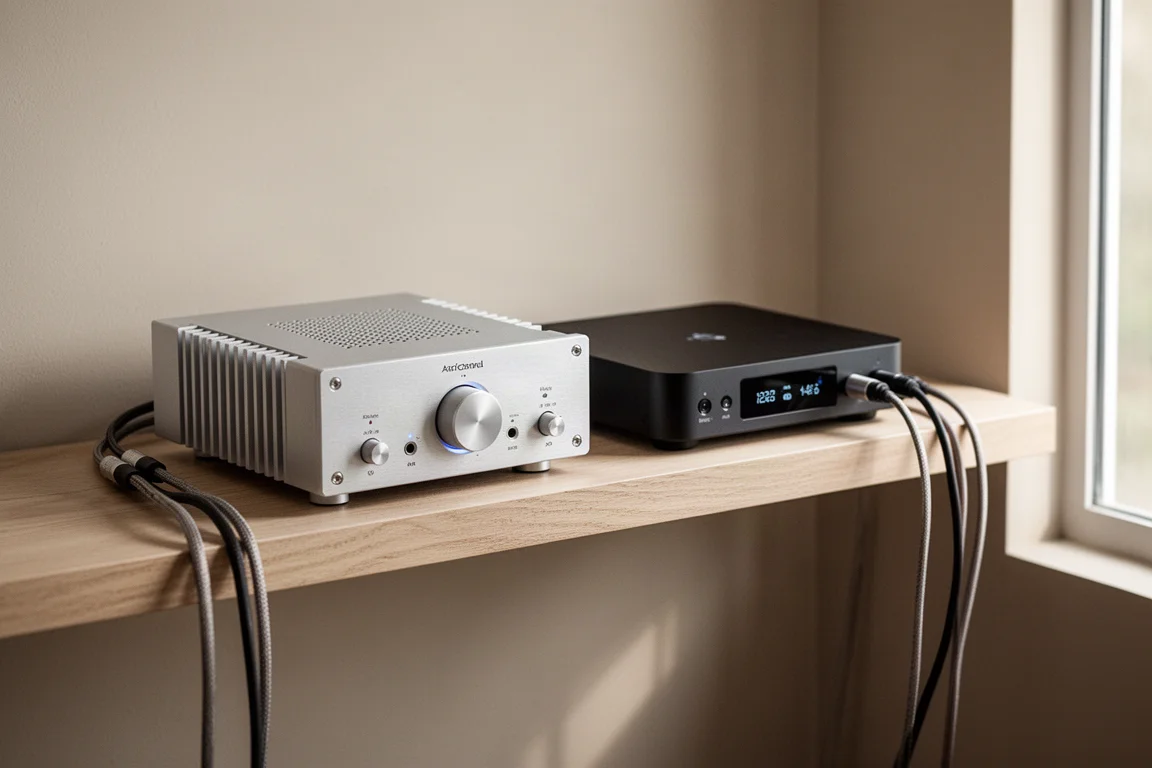
On the practical side, the rated 8-ohm nominal impedance and 87 dB sensitivity in a typical room mean the B50 is easy to drive. A modest amplifier is enough. In testing, the speaker was paired with a network streamer and a compact power amplifier rated at 50 watts into 8 ohms and 90 watts into 4 ohms, which provided ample headroom.
Setup and Amplification Notes
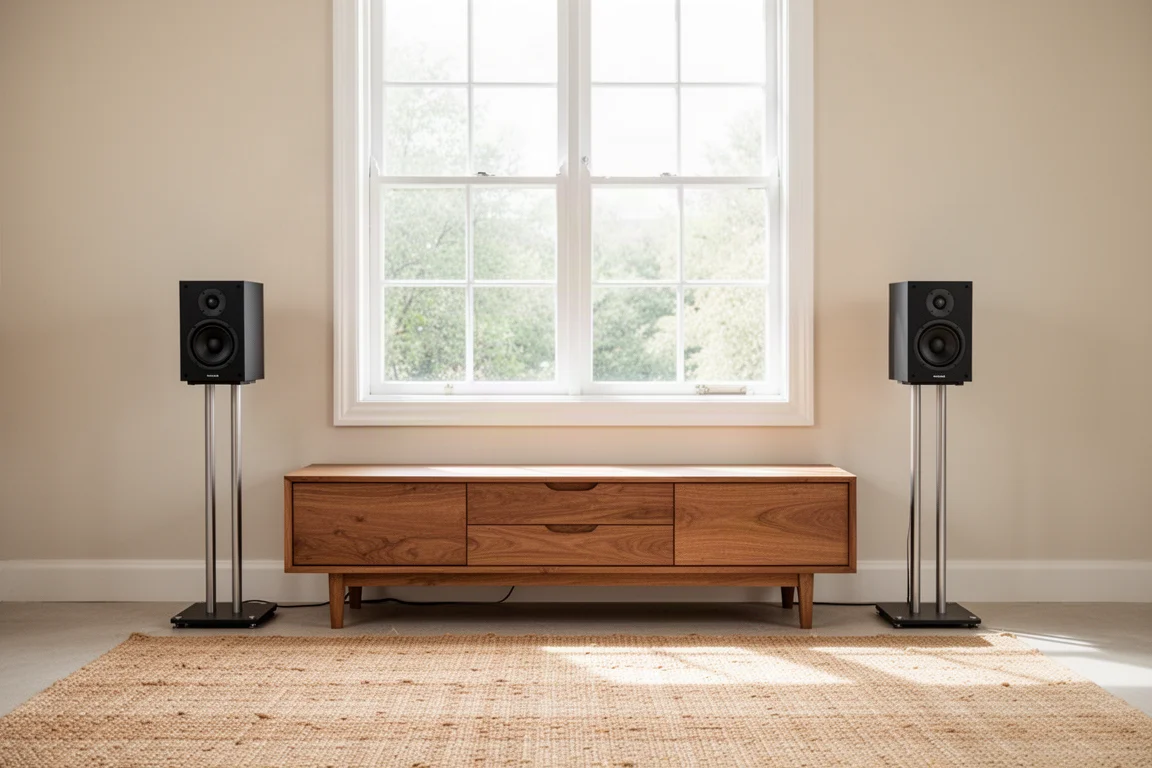
Because the port is a slot on the back of the cabinet, the B50 benefits from a little clearance behind it, and a stand or shelf that puts the tweeter near ear height at the listening position will get the most from the driver layout. Angling the speakers slightly inward sharpens the center image and the forward vocal character the design is known for.
The 8-ohm load keeps amplifier matching simple. If you already own an integrated amplifier or a small power amplifier in the 50-watt range, there is no obvious reason to change it before trying the speakers in your room.
Buying Advice
At $799, the B50 competes in a crowded bracket. Its case rests on build quality, a cohesive mid-range, and the fact that it plays a broad range of material convincingly rather than excelling on a handful of audiophile tracks. For listeners who want a small speaker that sounds large and delivers clarity and punch, that combination is genuinely appealing.
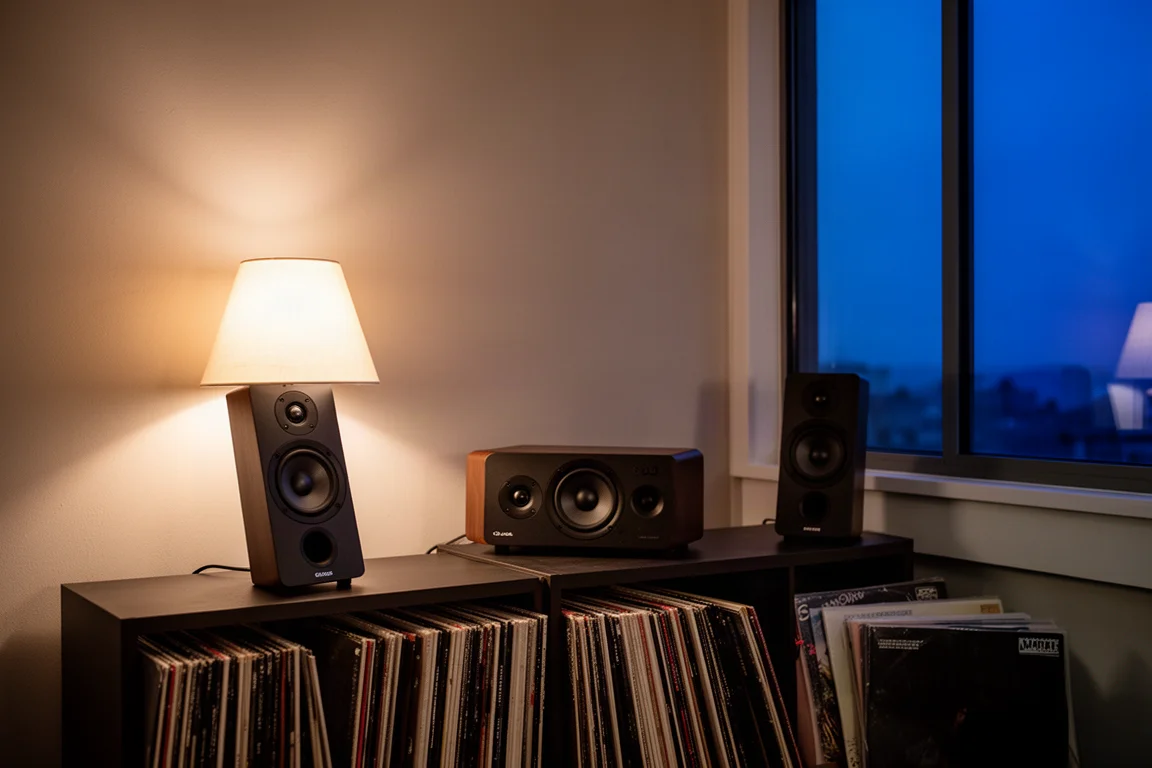
Buy it if you want presence, detail, and dynamics from a compact cabinet and you are comfortable with a mid-range that steps forward. Look elsewhere if your priority is a warm, laid-back presentation, or if you prefer a speaker that softens poor recordings instead of revealing them.
Conclusion
The PSB Imagine B50 is a well-built compact bookshelf speaker with a distinct personality. Its titanium dome tweeter and woven carbon fiber midbass driver integrate cleanly, its mid-range is clear and forward, and it brings real dynamic weight to a small cabinet. The trade-offs are equally clear: a lively mid-range that will not suit every taste, brief sibilance in the upper treble, and a price that sits above the model it replaces. For the right listener and the right room, those trade-offs are easy to accept.
Product link
View more details for PSB Imagine B50
This product is mentioned in the review. Check the specifications, options, and compatibility before buying.
View more details for PSB Imagine B50Further reading
Related Reviews
Bookshelf Speakers
Acoustic Energy A100 Mark II Review: A Compact Standmount With an Expansive Soundstage
The Acoustic Energy A100 Mark II brings clarity, natural tonality and a wide soundstage to an entry-level standmount, with a few setup details worth knowing first.
Bookshelf Speakers
Acoustic Energy AE-100 Mark II Review: Compact Bookshelf Speakers With Standout Imaging
A compact British two-way bookshelf speaker with deep, layered imaging, fast bass, and a slight treble lift to weigh against a crowded $500 field.
Bookshelf Speakers
Acoustic Energy AE100 MK2 Review: Measured Performance and Four Alternatives
A close look at the Acoustic Energy AE100 MK2 bookshelf speaker, what its measured performance reveals, and four alternatives with different trade-offs.