Hi-Fi Audio
PS Audio PMG 512 DAC Review: Flagship DSD 512 Upsampling
A close look at the PS Audio PMG 512 DAC, a one-bit flagship converter that upsamples everything to DSD 512, including its strengths, its trade-offs, and who it suits.
Introduction
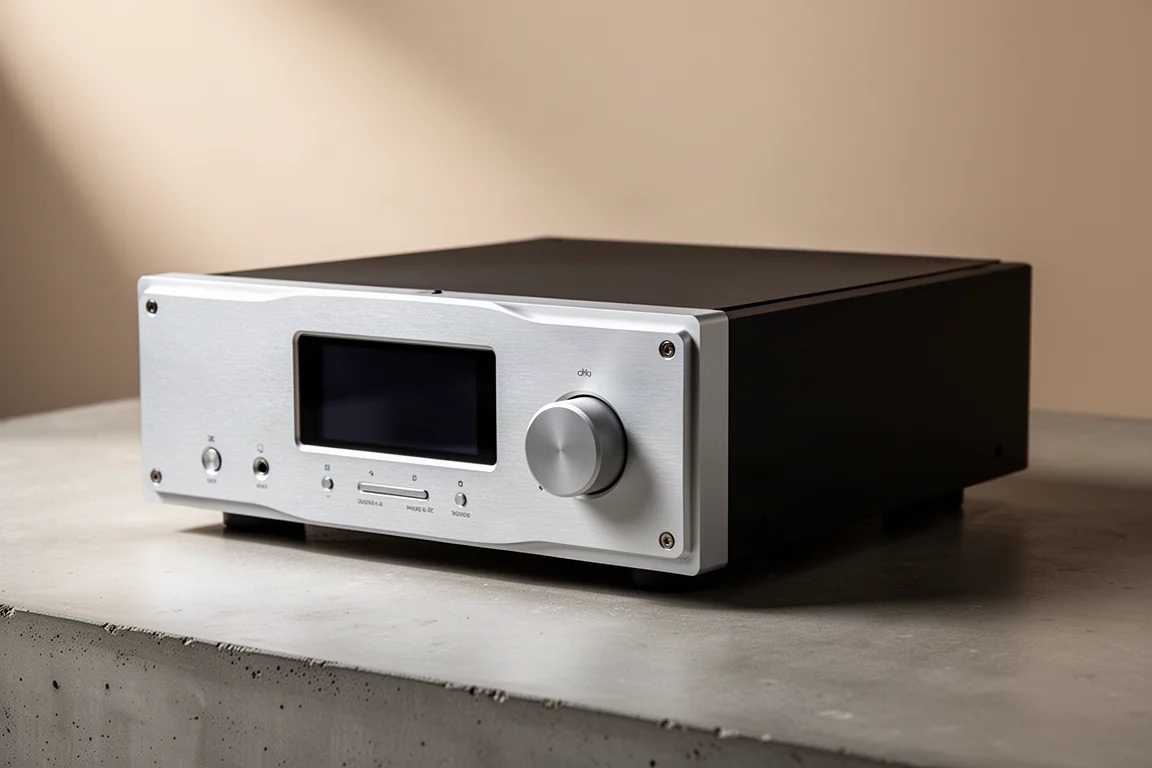
The PS Audio PMG 512 DAC is a flagship one-bit digital-to-analog converter that upsamples every incoming signal, PCM included, to DSD 512. The letters PMG stand for Paul McGowan, the founder of PS Audio, and the name points to more than a model refresh. The company’s entire flagship series has been redesigned around this unit.
For listeners who have wanted to explore DSD playback, the appeal is easy to see. Native DSD recordings remain relatively scarce, and storing them takes significant space. Instead of asking you to build a library around a format that is hard to find, the PMG 512 DAC converts whatever you play into a DSD stream internally.
That reframes a familiar debate. Recording quality still matters more than file resolution, but once a recording is captured well, format can add something meaningful. The PMG 512 DAC takes that second question out of your hands.
Who This Product Is For
This DAC is aimed at listeners who already value the PS Audio house sound and want it with a more open top end. The company is known for weighty, analog-style bass and textured midrange, and this unit keeps that character while adding a spacious, airy presentation.
It also suits anyone who wants DSD playback without hunting for native DSD files. Anything fed into the unit is upsampled to DSD 512, so an existing library of PCM recordings can be played through a one-bit converter.
Streaming users will find the network features practical. AirPlay, UPnP, Roon, Spotify and Tidal are all supported, and the streaming interface is intuitive rather than complicated.
It is not the right choice for someone who wants a streamer with digital outputs to feed a separate DAC, and at $8,500 it is clearly a premium purchase rather than an entry point.
Main Strengths
The most distinctive strength is the upsampling engine itself. Everything arriving at the unit, including PCM, is converted to DSD 512 by the DSD engine, passed to an FPGA that cleans up the signal, and then sent through an analog filter that removes high-frequency noise. That last stage is where noise shaping does its work.
The sonic result is a neutral balance with a warmer character. The top end opens up and the soundstage feels spacious, while the midrange and low end keep the meaty, textured quality PS Audio is known for. Bass gains extension and sounds effortless rather than forced.
Poorly recorded music is where the design earns its keep. Earlier oversampling approaches could make imperfect recordings sound thin and add artifacts, but that does not happen here. Instead, the presentation gains space and some low-level background noise is pushed out of the way, which makes everyday listening more enjoyable rather than less.
Low-volume listening holds up well too. The effortless bass and open presentation survive when the volume is turned down, which is not always true of multi-bit or ladder converter designs.
Build quality is another clear strength. The chassis is the best PS Audio has produced for this series, with a chunky aluminium front fascia and a heavy feel despite a plain appearance. Inside, a shielding cage surrounds the circuit.
Firmware updates are part of the package. Because the FPGA is programmable, PS Audio can refine both functionality and sound quality over time.
Design and Connectivity
One-bit DSD converters are deliberately simple, and this one is no exception. There are only three major stages in the signal path, which means fewer components than a multi-bit or ladder design would need.
The rear panel covers the essentials well: a wide range of digital inputs including two I2S connections, plus both RCA and XLR analog outputs. There are no digital outputs, so the unit cannot be used purely as a streamer feeding another converter.
The front fascia carries a touchscreen for settings and volume. The menu also lets you lower the DSD sampling rate if you want, though 512 is the setting that makes the most sense here.
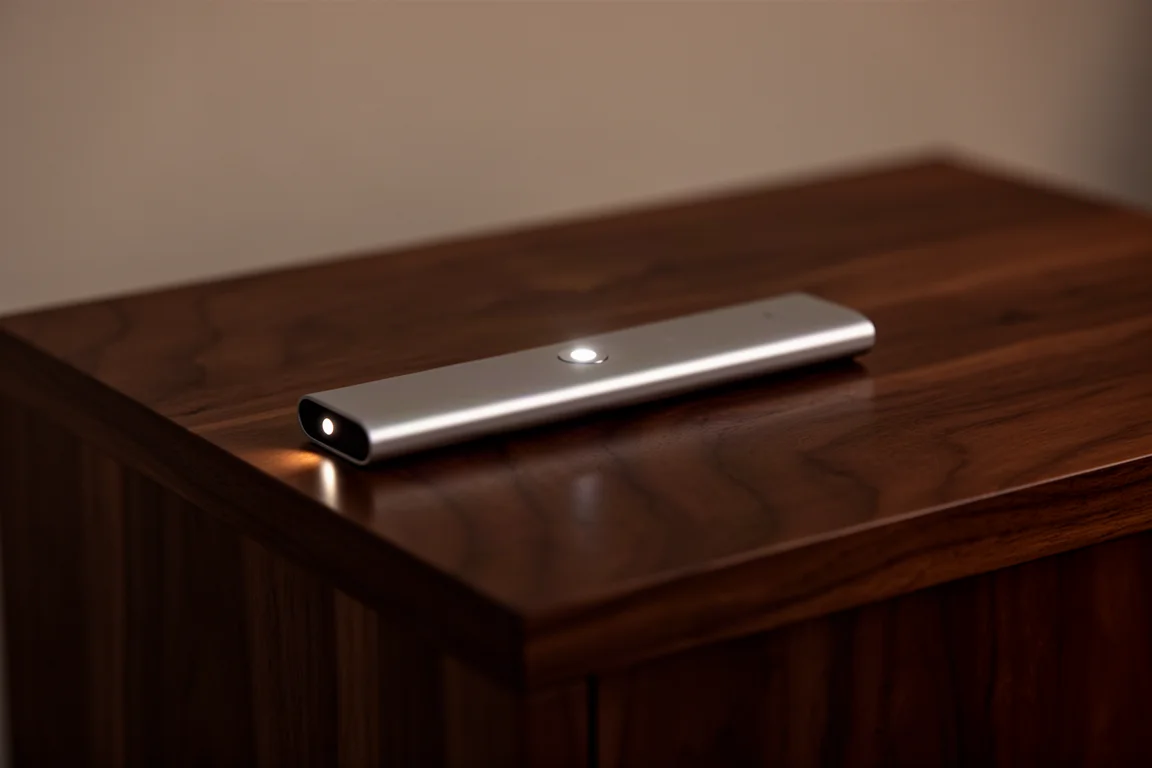
A remote control is included, and it is well thought out. A small button lights up when pressed so the remote stays visible in a dark room, which matters for listeners who prefer to listen with the lights off. The rest of the buttons are intuitive.
Things to Consider Before Buying
Price is the main obstacle. At $8,500 the PMG 512 DAC is a serious investment, and while it is only $500 more than the previous flagship converter, that does not make it easy to reach for most buyers.
The internals can also create a misleading impression. A one-bit design needs fewer parts, so the inside looks sparse compared with a ladder DAC filled with exotic components. The value here sits in the upsampling engine rather than the component count.
Volume control through the touchscreen is the one functional annoyance. It can jump and does not always respond as expected. Using the supplied remote avoids the issue, and regular firmware updates may improve the behaviour further.
Streaming is competent rather than comprehensive. It handles the major services and protocols without the extra features some dedicated streamers offer.
Finally, there are no digital outputs at all, so anyone hoping to use the unit as a transport for another DAC will need to look elsewhere.
Buying Advice
The decision comes down to how much you care about DSD. If the answer is a lot, this is one of the more practical ways to get there, because it removes the need to track down native DSD recordings. Everything you already own can be played through a one-bit converter that handles the format properly.
One thing worth weighing is how the presentation is voiced. Listeners who prioritise maximum airiness and soundstage width have another reference point in the Meitner MA3i, which upsamples to DSD 1024 and sounds more spacious, while the PMG 512 DAC answers with more texture through the midrange and a fuller, weightier bottom end. It comes down to which character suits your system and taste.
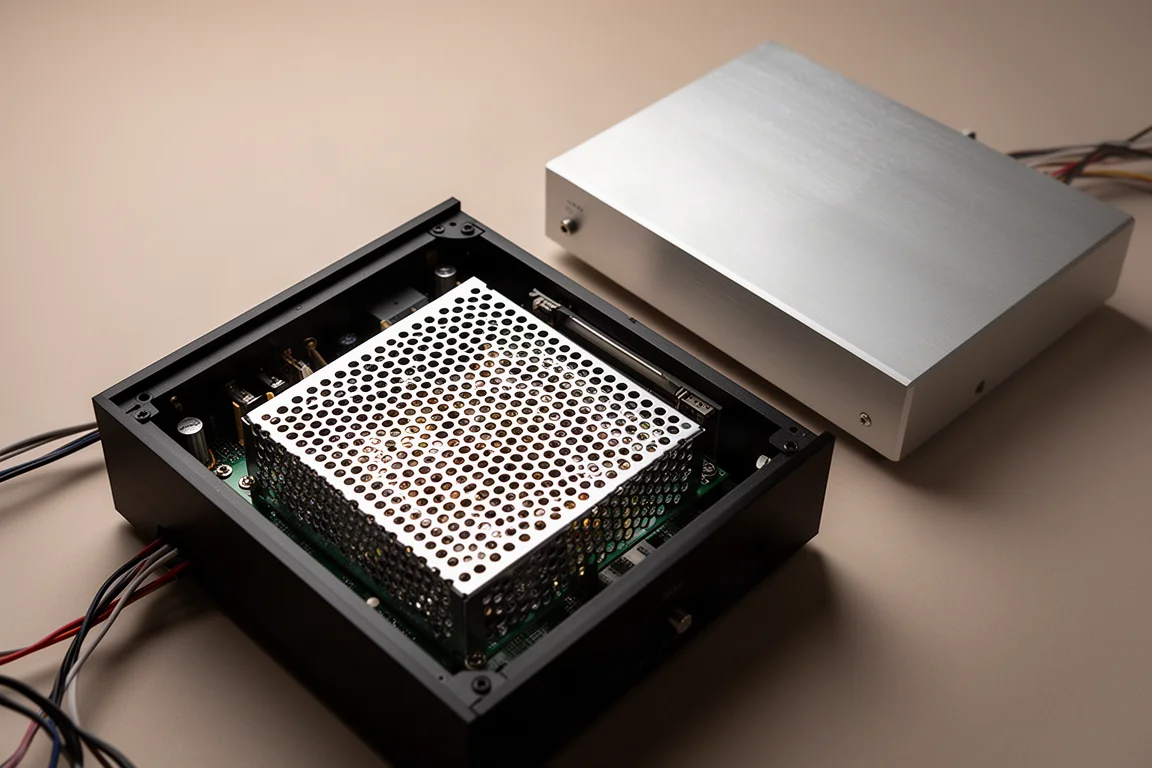
If you already like the PS Audio house sound, the upgrade path is clear. This is that character with more openness up top and more extension in the bass, and the firmware update policy means the unit should keep improving over time.
If your budget does not stretch to this level, the technology is still worth watching. Internal upsampling engines have advanced quickly, and the same approach may reach lower price points in time.
Conclusion
The PS Audio PMG 512 DAC is a well-built flagship that makes DSD playback accessible from any source. Its price and its sparse internals will not suit everyone, but for listeners who want an open, airy top end with the weight and texture PS Audio is known for, it makes a persuasive case.
Product link
View more details for PS Audio PMG 512 DAC
This product is mentioned in the review. Check the specifications, options, and compatibility before buying.
View more details for PS Audio PMG 512 DACFurther reading
Related Reviews
Hi-Fi Audio
Accuphase C-57 vs Allnic H-7000V: Two High-End Phono Stages Compared
A fully balanced solid-state phono stage with a pitch-black noise floor meets a tube design built for well-loved records. Here is how to choose between them.
Hi-Fi Audio
Active vs Passive Hi-Fi: Five Components for a Modern System
Five components that define modern active and passive hi-fi systems, with the strengths, trade-offs and setup details worth weighing before you buy.
Hi-Fi Audio
Advance Paris A10 Apex Review: A Hybrid Integrated Amplifier That Covers a Lot of Ground
A French hybrid integrated amplifier with a class A tube preamp stage, analogue power meters, and an internal DAC and phono stage good enough to make extra boxes unnecessary.