Bookshelf Speakers
PS Audio FR5 First Impressions: A Warm, Full-Sounding Bookshelf Speaker
A first look at the PS Audio FR5 bookshelf loudspeaker, from stand assembly and driver design to how its warm, bass-rich character compares with the Mon Acoustic Platon.
Introduction
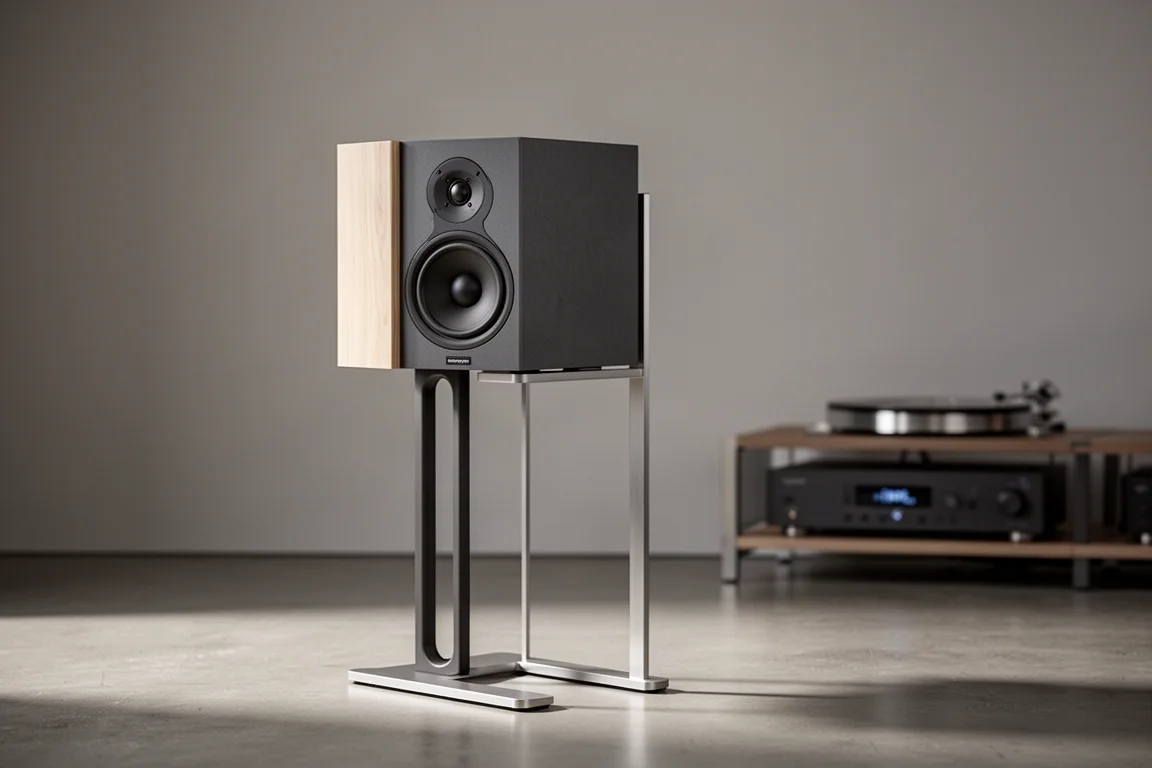
The PS Audio FR5 is a compact two-way loudspeaker that first caught attention at a major international hi-fi show, where it stood out in a field of systems from brands around the world. It has now arrived for a longer listen in a home room, and this first-impression piece covers what the speaker is, how it goes together, and how it behaves across a range of listening levels.
Because the FR5 sits below the price of the reference loudspeaker used here for comparison, the Mon Acoustic Platon, the useful question is not which speaker is better in absolute terms. It is what each one does well, and which of those strengths matters more in a given room and at a given volume.
Unboxing and Setup Notes
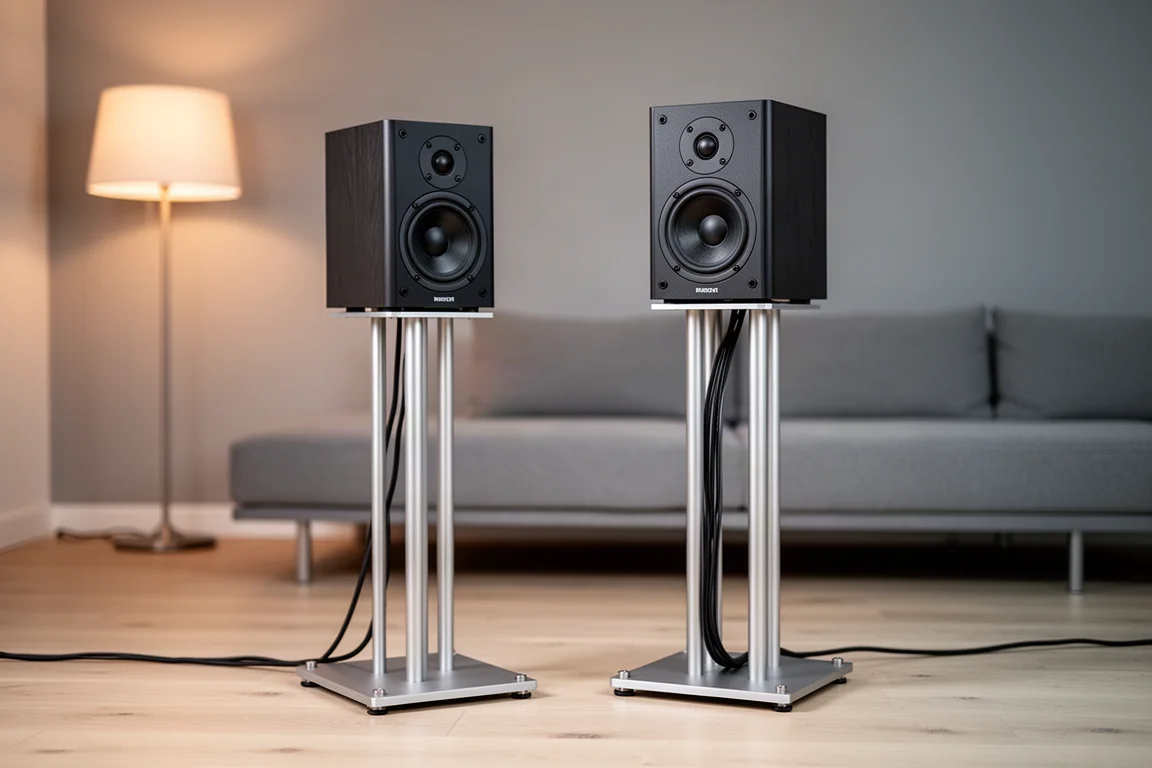
The FR5 is a two-way stand-mount design, and the dedicated stands are unusually well thought out. Assembly is quick, cable management is built into the upright, and because the cable channel is separate from the hollow inner section, the stand can also be filled with sand for extra mass and stability.
Small details are handled properly as well. The binding posts are clearly labelled in red and black, and those markings stay readable even in a dim room, which is not always the case on loudspeakers at this level.
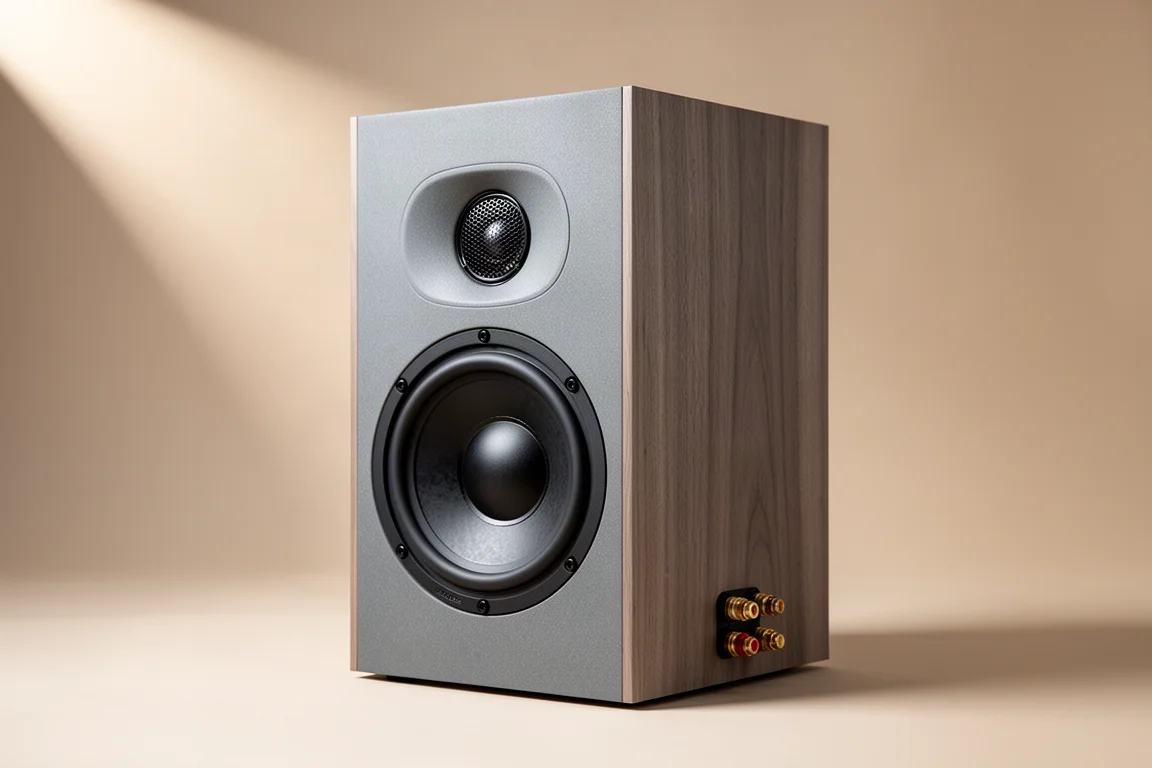
The cabinet uses a passive radiator design, which allows a smaller enclosure while still reaching low. The speaker is reported to extend down to 30 Hz, a striking figure for a cabinet of this size.
The drivers are the most distinctive part of the design. The mid-bass driver has a surface texture that resembles fine alligator skin, an unusual finish that is hard to mistake once seen in person. Above it sits a 2.5-inch planar ribbon tweeter, set into a waveguide that folds inward to control dispersion. The overall execution reads as the work of an experienced loudspeaker designer rather than a cosmetic exercise.
PS Audio FR5: Warm, Full and Musical
Across an evening of listening, the FR5 established a clear personality: warm, inviting and easy to sit with for hours. The top end is smooth and free of the sharpness that makes long sessions tiring, and the mid-range is full, meaty and richly textured.
At low to medium levels the presentation stays polite and musical rather than analytical. Nothing about the speaker feels bright or forward, and that consistency is exactly what makes it comfortable for background listening, late-evening sessions and quieter rooms.
Mon Acoustic Platon: Transparency and Imaging
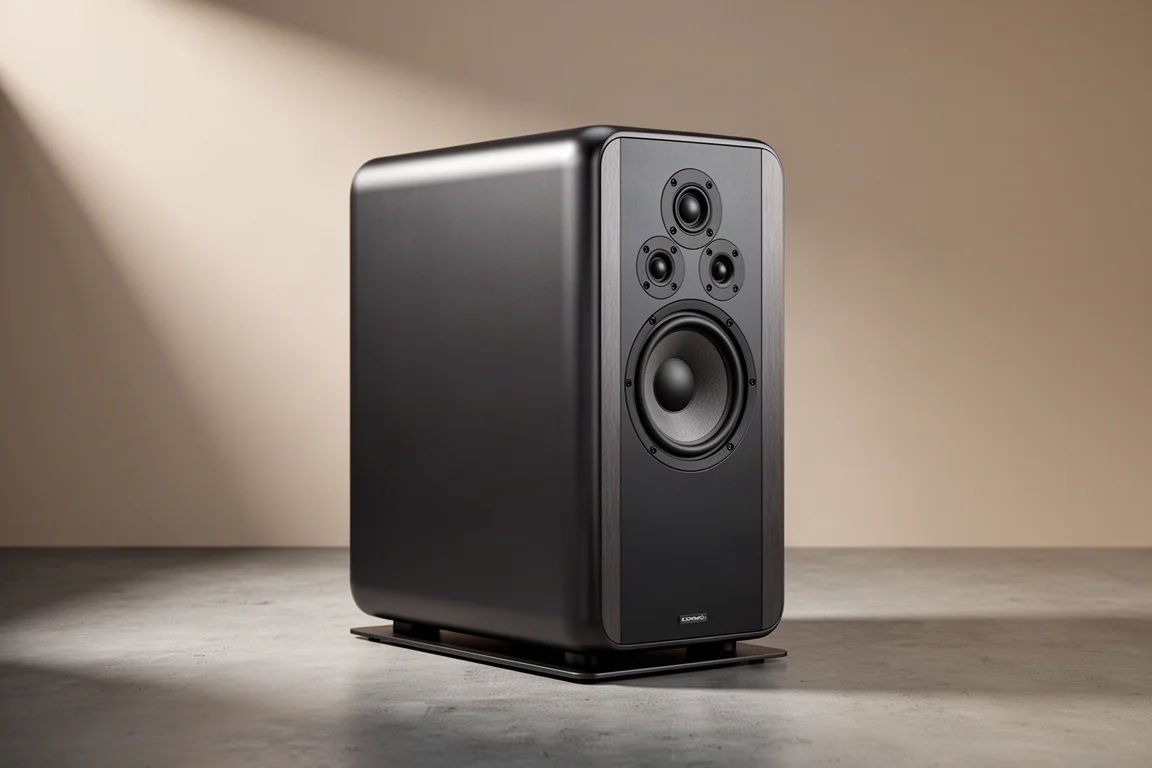
The Mon Acoustic Platon is the reference loudspeaker in this comparison, and it sits in the $6,000 to $8,000 range, so it is worth reading this section with that price difference in mind.
On vocal-led tracks and well-recorded rock, the Platon consistently came across as the more transparent of the two, with pinpoint imaging and a soundstage that opened up noticeably when switching between the speakers. Vocals sounded sweeter and more focused, and the overall presentation was more involving on the tracks where those qualities matter most.
The Platon is also the easier speaker to drive. It is more sensitive than the FR5, so it reaches a given listening level with less amplifier effort.
Bass Response and Volume Behaviour
The most interesting finding of this first session concerns volume. At moderate levels the FR5 and the Platon trade strengths in a fairly predictable way, but as the volume rises the FR5 changes character in a way that is genuinely impressive.
Turned up, the bass comes alive. It digs low, sounds fuller and lusher than the Platon, and there is simply more weight and texture on offer in the low end. On bass-heavy material the extension is striking for a speaker of this size, close to what you would expect from a floorstanding design.
On material that leans hard on the mid-bass region, the FR5 delivered a fuller, deeper and more textured presentation than the comparison speaker. For listeners who like to play music at a serious level, this is the FR5’s strongest argument.
Sensitivity and Power Requirements
The FR5 is the less sensitive of the two speakers and asks for more amplifier power to reach the same output. Volume-matched comparisons required nudging the level up whenever the switch was made to the FR5.
That is worth planning for. An amplifier that drives a more sensitive speaker comfortably may feel strained here, particularly in a larger room or at high listening levels. Buyers who already own a powerful amplifier are at an advantage.
Transparency, Imaging and Soundstage
At low volumes, and on vocal-led recordings in particular, the Platon pulled ahead on transparency, pinpoint imaging and the width of the soundstage. Switching back to it often felt like the stage dropped back into place, with a more focused and sweeter result.
It is fair to note that the system used for this comparison was assembled around the Platon, so the FR5 was not heard at its best advantage. A warmer, darker-sounding front end suits a transparent speaker well, but it can double up on the warmth of a loudspeaker that is already voiced that way.
So the honest position after a first session is this: the FR5 is the warmer and more forgiving speaker, the Platon is the more transparent and precise one, and the FR5 deserves a fairer set of system partners before any final verdict.
Matching the FR5 With the Right Electronics
Because the FR5 leans warm and luscious rather than neutral or bright, component matching will matter more than usual. Electronics that already sound warm and dark are unlikely to flatter it, and may soften the presentation further than intended.
Working out the right pairing is the next step, and it is the main reason the speaker’s character is described here as a first impression rather than a final judgement. A leaner, more neutral amplifier should give the FR5 the balance that lets its bass and mid-range texture shine without losing definition.
Buying Advice
The choice between these two speakers comes down to priorities and budget more than outright quality.
Choose the PS Audio FR5 if you want a warm, inviting, easy-to-listen speaker that keeps its composure over long sessions, has a smooth top end and delivers deep, full bass when the volume goes up. Plan for an amplifier with real power on tap, and expect the best results in a system that is not already voiced warm.
Choose the Mon Acoustic Platon if transparency, pinpoint imaging and a wide soundstage are the qualities you value most, and if a budget in the $6,000 to $8,000 range is realistic. It is the more precise and more involving speaker on vocal-led material, and it is easier to drive.
If you listen mostly at low levels and care about imaging above all else, the Platon is the stronger performer. If you listen loud, enjoy a full and textured low end, and prefer a sound that never turns harsh, the FR5 makes a persuasive case at a lower price point.
Conclusion
The PS Audio FR5 is a warm, full and musical two-way loudspeaker with unusual driver design details, a genuinely well-executed stand package, and bass performance that improves as the volume rises. Its first session at home showed real strengths, especially at higher listening levels and in the low end.
The Mon Acoustic Platon remains the more transparent and precise reference, and the price difference between the two is part of the story. For anyone drawn to an inviting, smooth and bass-rich presentation, the FR5 is worth a serious look, particularly with electronics that let its mid-range texture and low-frequency weight come through cleanly.
Further reading
Related Reviews
Bookshelf Speakers
Acoustic Energy A100 Mark II Review: A Compact Standmount With an Expansive Soundstage
The Acoustic Energy A100 Mark II brings clarity, natural tonality and a wide soundstage to an entry-level standmount, with a few setup details worth knowing first.
Bookshelf Speakers
Acoustic Energy AE-100 Mark II Review: Compact Bookshelf Speakers With Standout Imaging
A compact British two-way bookshelf speaker with deep, layered imaging, fast bass, and a slight treble lift to weigh against a crowded $500 field.
Bookshelf Speakers
Acoustic Energy AE100 MK2 Review: Measured Performance and Four Alternatives
A close look at the Acoustic Energy AE100 MK2 bookshelf speaker, what its measured performance reveals, and four alternatives with different trade-offs.