Cycling Components
Profile Design Aero Cockpit Guide: Clip-On Bars, Base Bars, and Aerobars Compared
Three Profile Design front-end components, what each one does, and the wind-tunnel watt savings that come with a more aerodynamic riding position.
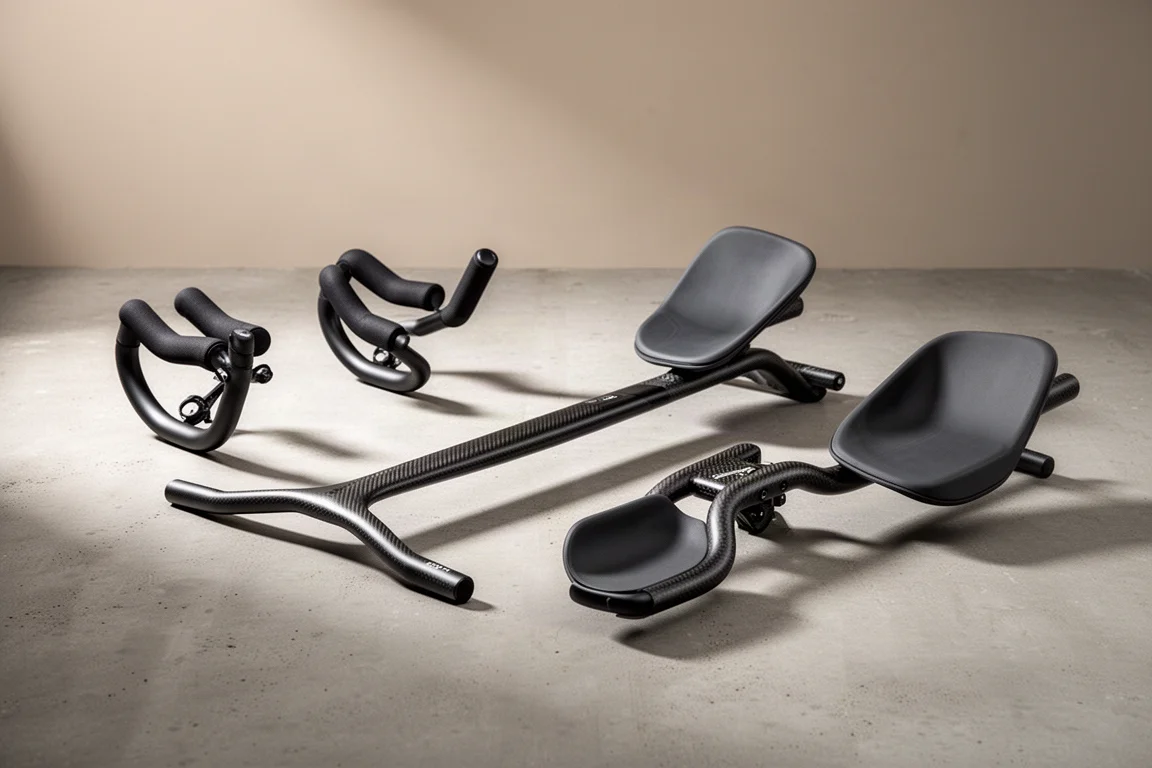
Introduction
Triathlon is generous about equipment. A rider can line up on a relaxed road bike or a dedicated time trial machine, and both are perfectly valid ways to get to the finish line. The more useful question is what each setup actually costs in effort, and which front-end changes return the most for the money.
To put numbers on that, four riding positions were compared under controlled wind-tunnel conditions at 30 km/h and 45 km/h, with yaw sweeps taken at zero and 10 degrees. The baseline was an upright, comfortable road position. From there the test moved to the same road bike fitted with clip-on aerobars, then to a triathlon bike at a comfortable stack height, and finally to that triathlon bike with the stack dropped into a more aggressive posture.

One principle explains most of the spread in the results. Drag rises with the square of speed, so the power required to overcome it climbs far faster than speed itself. That is why the gaps between positions look modest at 30 km/h and dramatic at 45 km/h, and it is the reason small aerodynamic changes matter more the faster a rider travels. It also explains why an aero position can feel like a marginal gain on a slow training ride and a serious advantage in a race.
Three Profile Design components carried the test builds: the Supersonic Ergo Plus 35 SLC clip-on aerobars, the Wing 20c Plus Base Bar, and the 43 ASC Aerobar. Each one occupies a different rung on the same ladder, from a bolt-on upgrade for an existing road bike to the full cockpit of a dedicated race machine.
What Actually Changes at the Front End
The three components in this guide do different jobs, and the right choice depends on the frame underneath them. Clip-on aerobars attach to an existing road handlebar, leaving the drops in place and adding a forward position for race day or long solo efforts. A flat base bar replaces the road bar entirely on a dedicated triathlon or time trial frame, dropping the drops because they are no longer needed. A full aerobar then mounts on top of that base bar, adding forearm support and a shaped grip.
Fit matters as much as hardware. A road frame is not designed around an aero position, so raising the seatpost slightly and adjusting the saddle helps a rider get into the extensions with more comfort and more usable power. Anyone already running clip-on bars without those tweaks is leaving an easy gain on the table.
The figures that follow are all measured in watts saved relative to the upright road baseline, at 30 km/h and at 45 km/h. It is worth holding both numbers in mind, because the same position pays out very differently depending on how fast it is ridden.
Profile Design Supersonic Ergo Plus 35 SLC
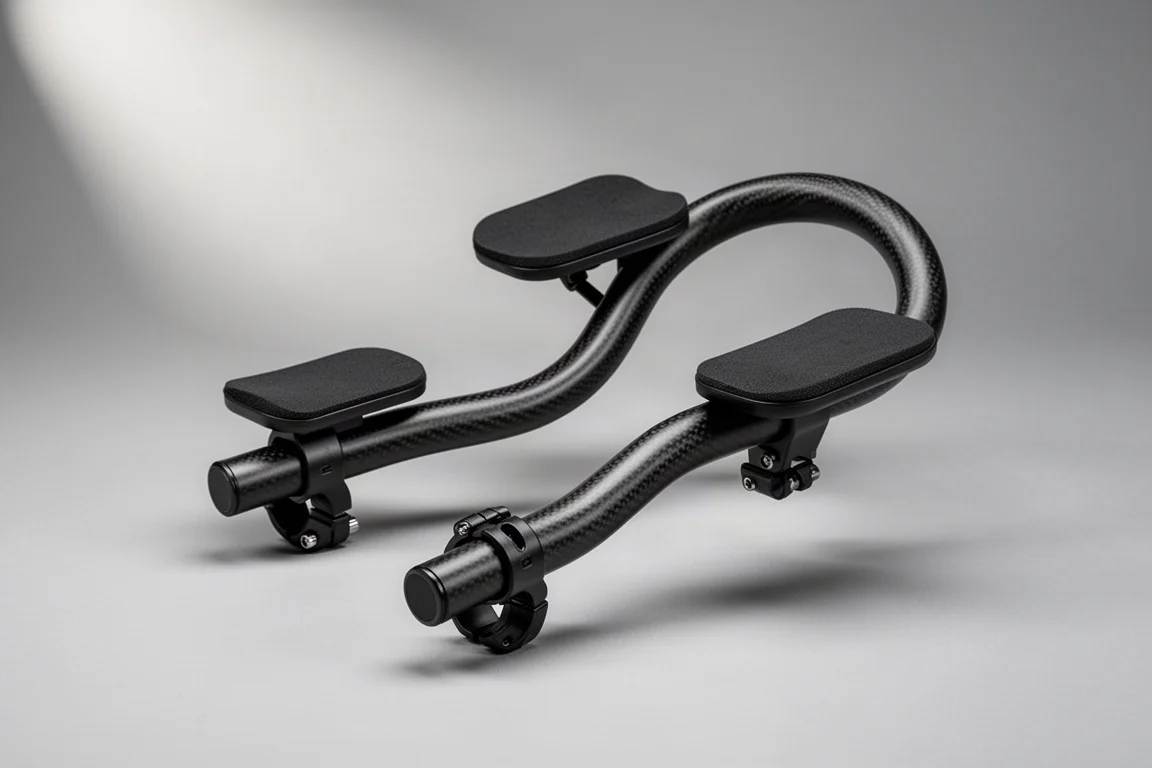
The Supersonic Ergo Plus 35 SLC is a carbon clip-on aerobar with a 35 degree ski bend in the extensions, which sets the hands at a natural angle and keeps the wrists relaxed. Carbon construction keeps weight low, and the fit range is generous: risers and spacers allow the stack and reach to be tuned substantially to the rider rather than the other way around.
The measured return was the standout of the session. With the clip-on bars fitted, the road bike required 108 W to hold 30 km/h, against 148 W for the upright baseline, a saving of 40 W. At 45 km/h the same setup needed 349 W rather than 473 W, a saving of 124 W. For context, 10 W is worth roughly 0.8 km/h at 30 km/h, so 40 W is a substantial shift. Spread across a long-distance event, a 40 W saving works out to approximately 34 minutes over 180 km.
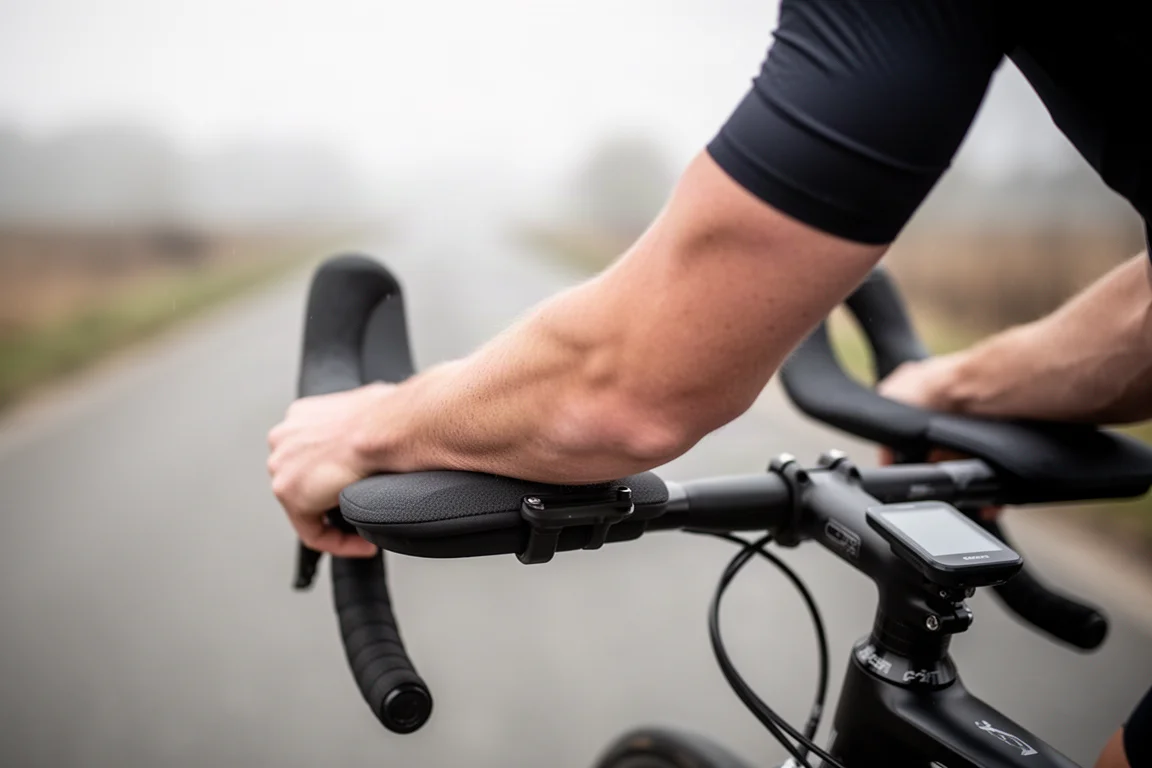
Perhaps the more interesting finding is how the clip-on setup compared with a purpose-built triathlon bike. In its comfortable stack height, the triathlon bike was only marginally faster, and in some readings effectively matched the road bike with clip-ons. Part of that comes down to the bikes themselves: the road frame used here had a very clean front end with no exposed cabling, while the triathlon bike had some cables visible. The takeaway is that clip-on bars genuinely perform, and a road rider who wants to go faster for triathlon without changing bikes has a very direct route available.
There is a caveat for long-distance racing. A road bike carrying fuel means bottles, extra cages and bento boxes, and that added clutter can start to push the aerodynamic picture back the other way. The position saves the watts; the storage can quietly give some of them back.
Riders who give the aero position time often find it more sustainable over long efforts than an upright road posture, though it does take practice before it feels natural.
Profile Design Wing 20c Plus Base Bar
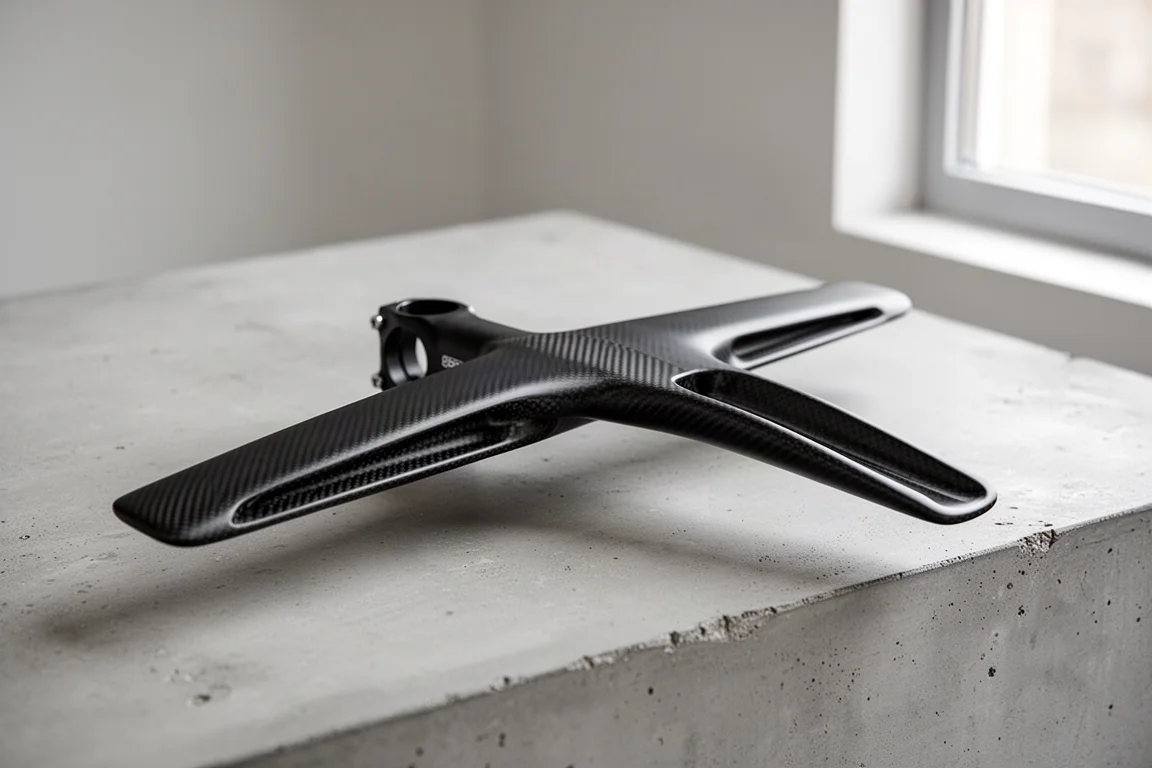
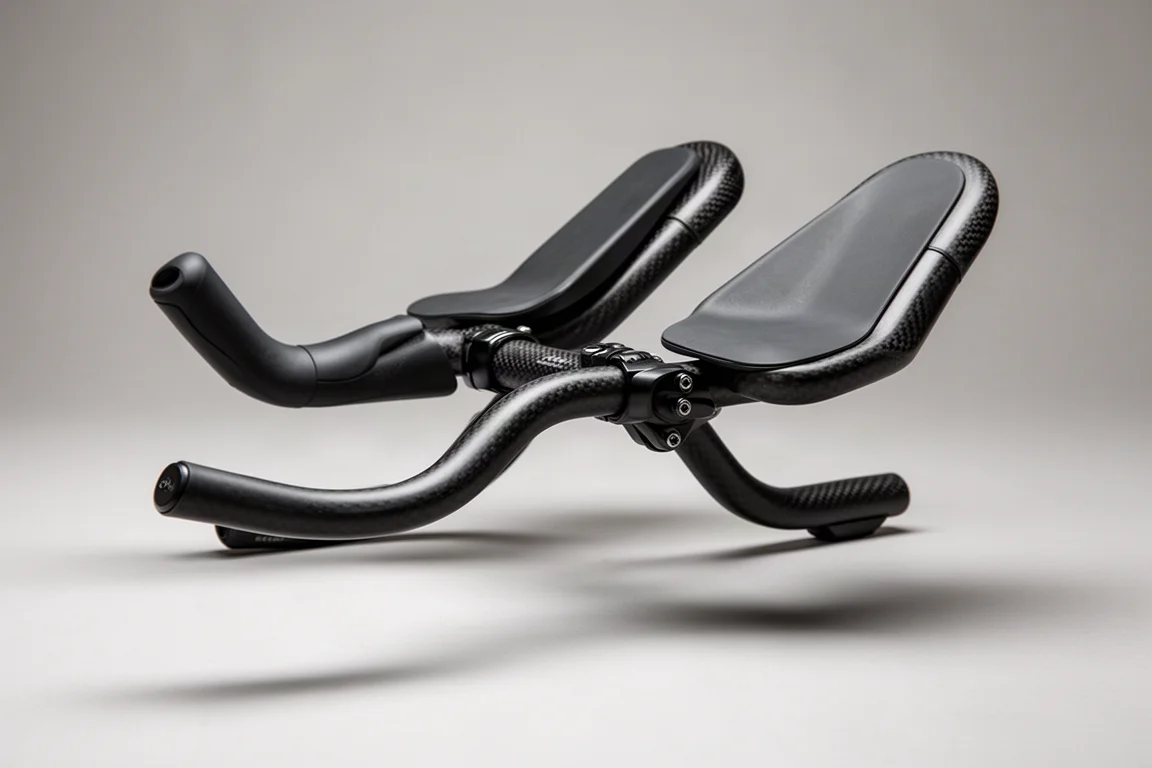
On a dedicated triathlon or time trial frame, the drop handlebar disappears. The Wing 20c Plus Base Bar is a carbon fibre base bar with a flat aerodynamic profile, designed for cockpits where the hands spend nearly all their time on the extensions or on the forward sections of the bar. Drops serve no purpose in that position, so the design removes them and shapes the remaining tube to sit cleanly in the airflow.
This is the foundation of the front end rather than the headline act. The base bar establishes the width and the mounting platform, and everything above it, including the aerobar stack, the risers and the arm rests, builds on that geometry. It is also where the difference between a road frame and a triathlon frame starts to show: a triathlon frame and its cockpit are designed from the outset around the aero position, rather than adapted to it after the fact.
For riders assembling a dedicated race build, choosing a base bar and an aerobar as a matched pair is the simplest way to keep the stack stable and the reach predictable. The Wing 20c Plus is built for exactly that kind of assembly.
Profile Design 43 ASC Aerobar
The 43 ASC Aerobar is carbon fibre and light, but the details that matter are the ones a rider feels after two hours in the extensions. There is forearm support under the pads, an ergonomic grip shape in the hands, and a form that supports the wrist rather than forcing it to hold the position through tension alone. Stack height is adjustable through risers, and a carbon fibre bridge support ties the assembly together so the stack stays sturdy when the rider leans into it.
The numbers attached to this cockpit came from the triathlon bike in two configurations. At a comfortable stack height, the bike required 111 W at 30 km/h and 359 W at 45 km/h, savings of 37 W and 114 W over the upright baseline. Dropping the stack into a more aggressive position cut that further, to 99 W at 30 km/h and 323 W at 45 km/h, a saving of roughly 49 to 50 W at the lower speed and 150 W at the higher one. Over 180 km, a 50 W saving could be worth as much as 42 minutes.
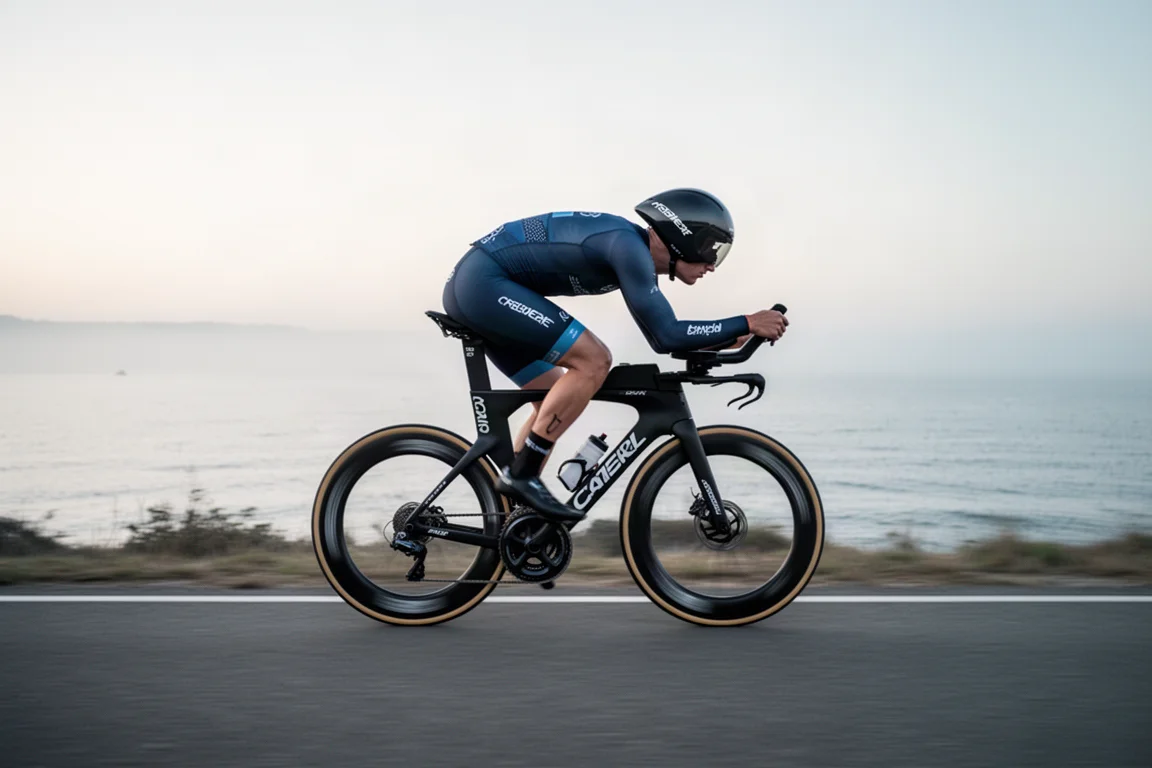
That aggressive position was sustainable, with a clear view of the road ahead, but it is a posture that rewards patience rather than force. Building up to it over time, rather than dropping the stack overnight, is the approach that tends to stick.
The other advantage of a dedicated triathlon bike is integrated storage. Fuel, tools and bottles can live inside the frame rather than hanging off it, which keeps the aerodynamic picture intact over a long race instead of degrading as the mileage builds.
What the Position Data Suggests
The individual figures are useful, but the pattern behind them is what should shape a buying decision. A 10 W saving is worth roughly 0.8 km/h at 30 km/h, and only about 0.3 to 0.4 km/h at 45 km/h. Over 40, 90 or 180 km those differences compound into minutes, and minutes are what most age-group racing comes down to.
Body position dominates the equation. Frontal area, and the posture a rider can hold for hours, drives the largest share of the savings seen here. The equipment’s job is to make those postures achievable, stable and repeatable. Frictional losses from tyres and drivetrain account for roughly 10 percent of the total resistance in a setup like this, while frame shaping differences between the road and triathlon bikes existed but were secondary to the position of the rider on top of them.
There is one more consideration that the raw numbers cannot capture. A more aggressive position can reduce the power a rider is able to produce. If the watts lost to the position are not recovered by the aerodynamic gain, the change is not worth keeping. That is the balance to watch when moving between any of the setups above, particularly the final step into a low stack.
Buying Advice
The right entry point depends entirely on what is already in the garage.
Riders on a road bike who race triathlon should start with clip-on aerobars. The measured saving of 40 W at 30 km/h came from a component that costs a fraction of a new frameset, and it works on the bike already owned. Remember the fit adjustments: raising the seatpost slightly and repositioning the saddle makes the position both more comfortable and more productive.
Riders building or upgrading a dedicated triathlon or time trial machine should pair a flat carbon base bar with a full aerobar that offers forearm support. The Wing 20c Plus Base Bar and the 43 ASC Aerobar are designed to work together in that configuration, and the adjustability in the stack means the cockpit can evolve as the rider’s position does.

Whichever route is taken, changes should come gradually. Adapting to a lower position over weeks rather than days protects power output and reduces the risk of discomfort derailing a training block. If a position change saves time in the tunnel but costs more watts than it returns, the honest answer is to leave it alone.
For long-course racing, factor storage into the decision as well. A clean road bike setup can drift back toward a triathlon bike’s aerodynamic profile once bottles, cages and bento boxes are added for a 180 km event, which is worth weighing before committing to either platform.
Conclusion
The front end of a bike is where the cheapest speed usually lives. Clip-on aerobars delivered a 40 W saving at 30 km/h and 124 W at 45 km/h in this testing, enough to shift the outcome of a long-distance race, and enough to make a road bike competitive with a dedicated triathlon frame in a comfortable position.
For riders building a purpose-made cockpit, the Wing 20c Plus Base Bar provides the flat carbon platform, and the 43 ASC Aerobar adds the forearm support, adjustable stack and stability that make an aggressive position holdable over distance. The best combination is the one that matches the frame underneath, the rider’s flexibility, and the changes they are willing to make gradually rather than all at once.
Further reading
Related Reviews
Cycling Components
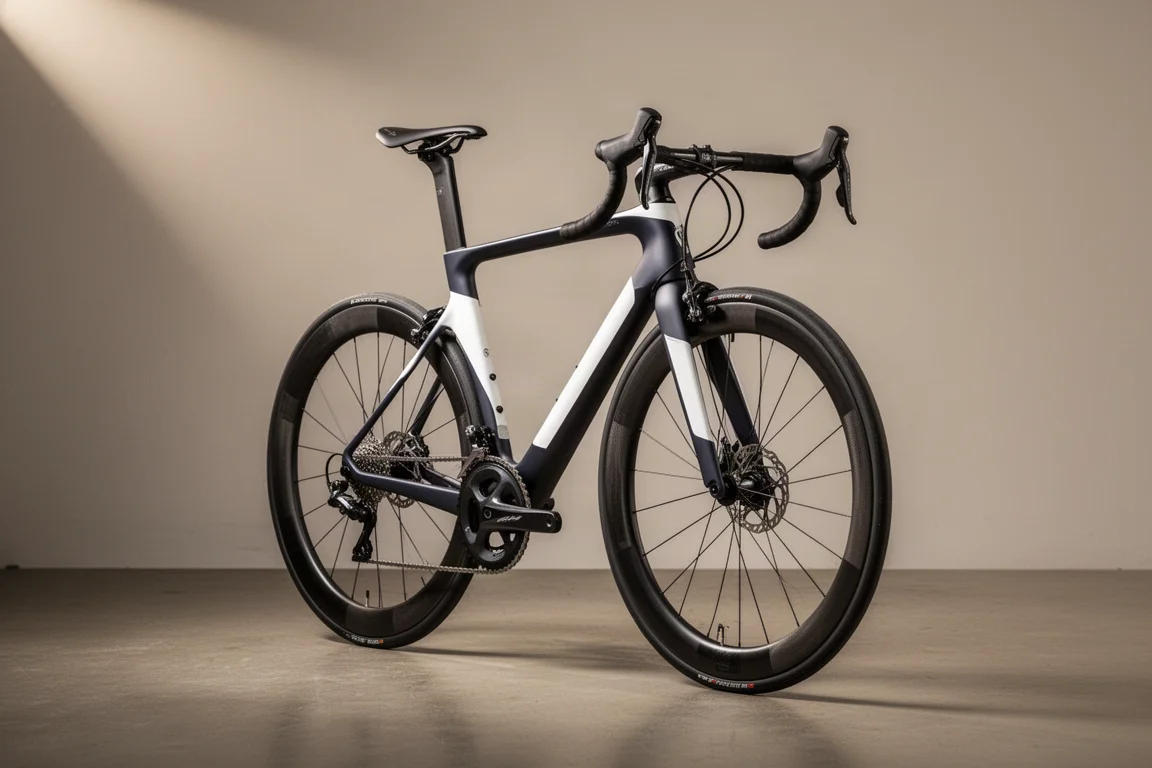
A 20,000-Mile Budget Race Bike Build: Five Parts Worth Knowing
A rim brake race bike assembled from low-cost components and ridden for 20,000 miles. Here is what delivered real speed, what caused problems, and what to weigh before copying the formula.
Cycling Components
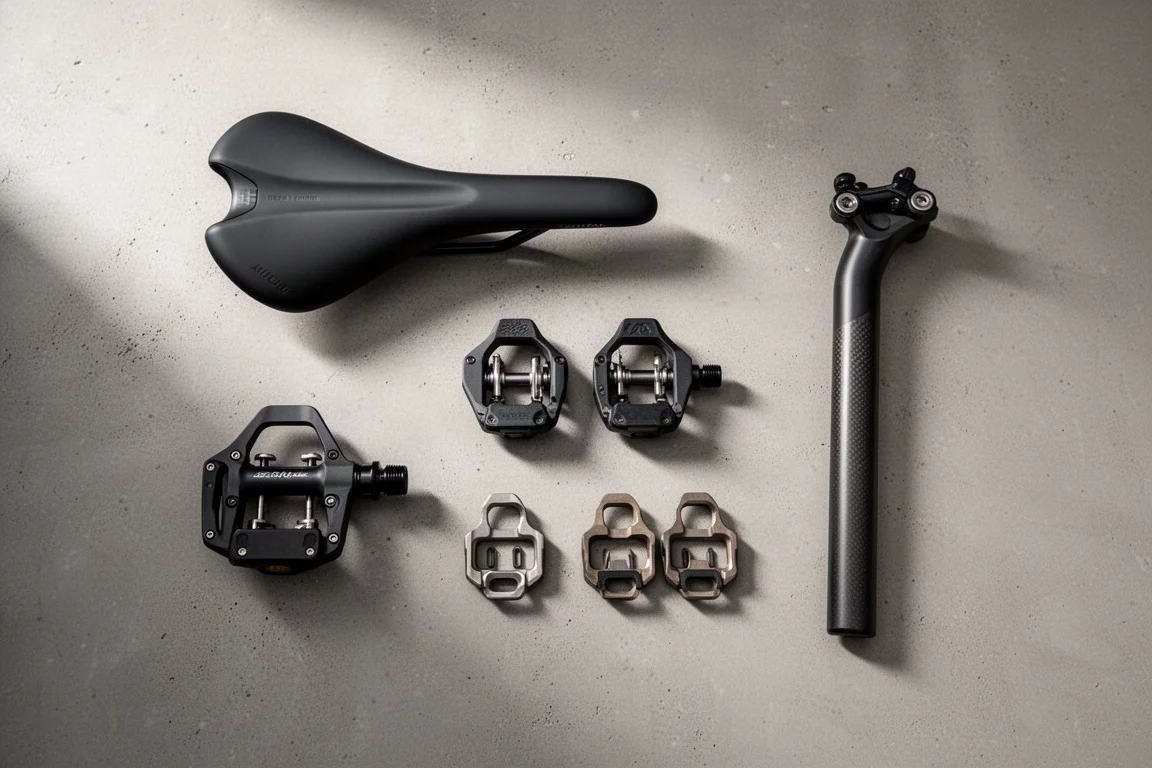
7 Bike Fit Products Fitters Avoid: What to Check Before You Buy
Seven bike components that regularly cause knee, foot and saddle problems, with the specific concerns behind each one and what to look for instead.
Cycling Components
Four Affordable Bike Upgrades That Improve Ride Feel
Four low-cost cycling products that make a real difference to ride feel, plus the free setup changes worth trying first.