Home Audio
Products of the Year 2026: Two Hi-Fi Standouts and a Cooling Mattress
An integrated amplifier with an unusually complete input set, a floorstanding speaker with two tweeters, and a cooling mattress worth considering.
Introduction
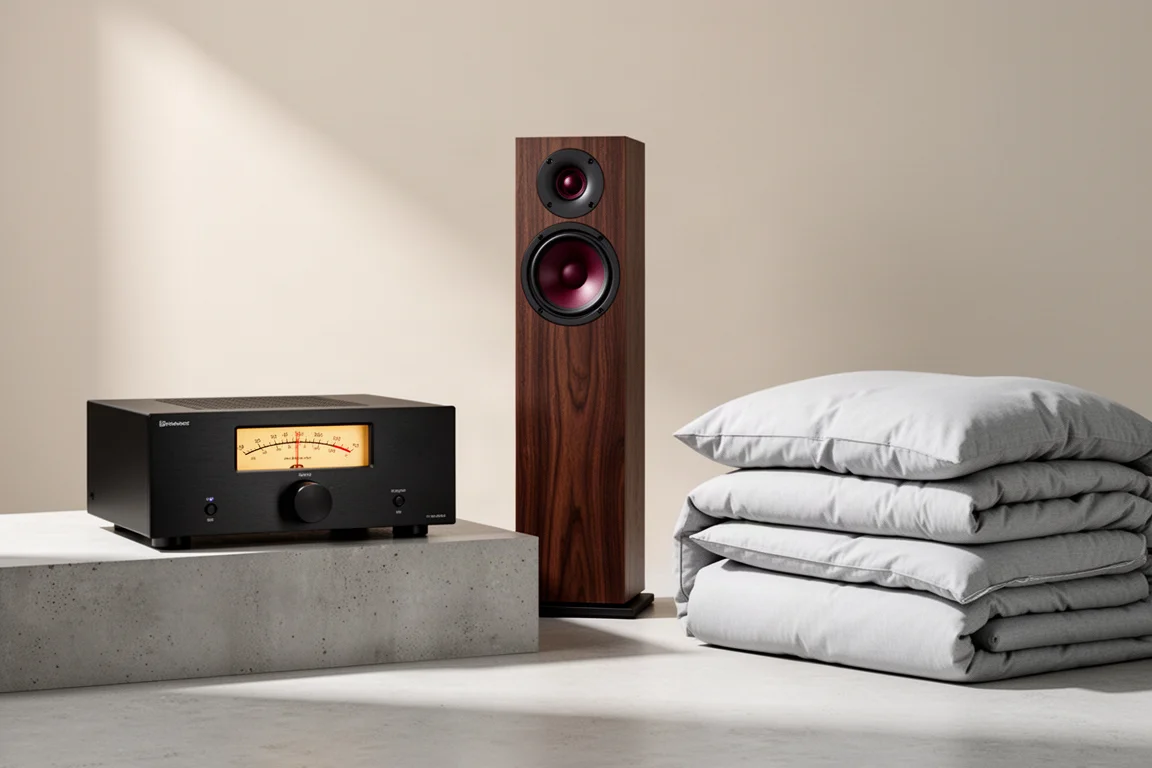
Every so often a piece of gear stops being a purchase and becomes part of the room. The three products in this roundup all landed in that category: an integrated amplifier that covers nearly every source a listener could own, a floorstanding speaker that combines two tweeter designs in a single cabinet, and a cooling mattress that quietly fixed a long list of sleep complaints.
They are not aimed at the same buyer, and they do not cost the same. What they share is a willingness to do one job thoroughly instead of chasing a specification sheet. Two of them belong in the same hi-fi system, and together they make the case for spending a little more once rather than replacing gear every couple of years.
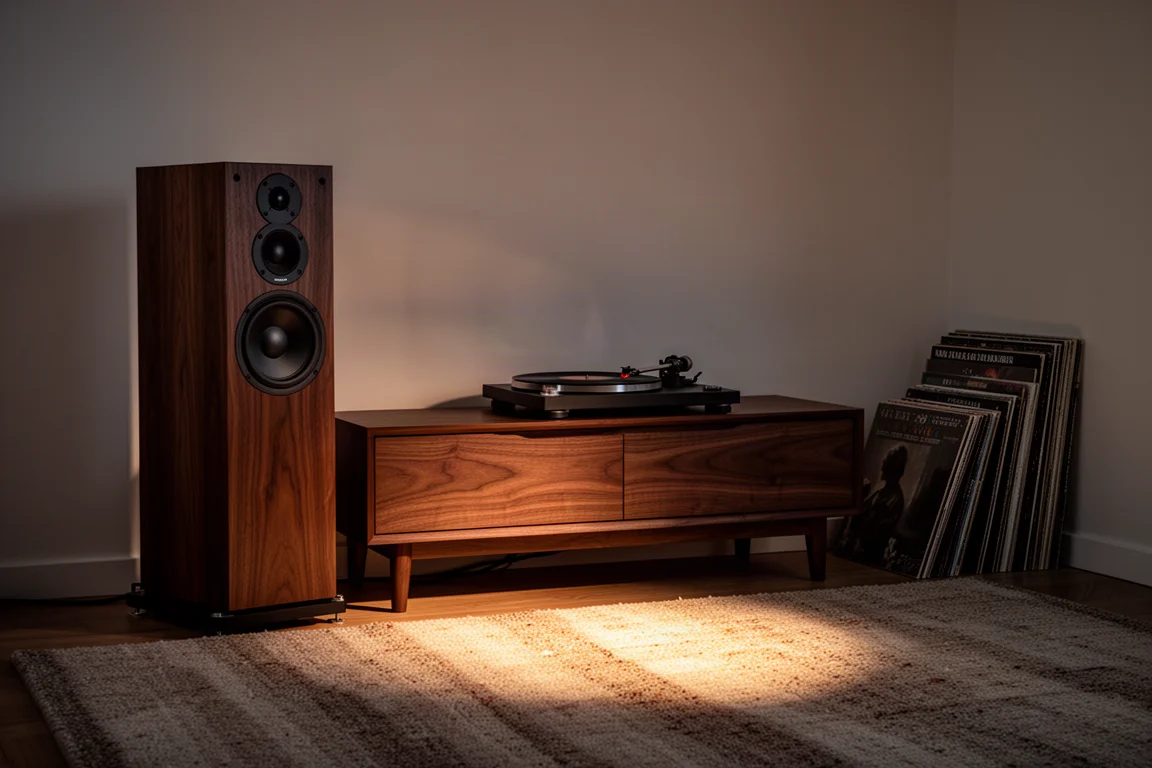
That last point matters more than it sounds. An amplifier with the right connections can stay in a system through several speaker changes, and a speaker with a balanced frequency response tends to remain satisfying long after the novelty of a new purchase fades. The picks below were chosen with that kind of staying power in mind.
How These Picks Were Chosen
Three criteria shaped this list: flexibility, longevity, and value relative to what the product actually delivers.
Flexibility means the product adapts to a listener rather than the other way around. An amplifier with a wide input set, or a speaker that works in both a small room and a large one, earns more of its asking price over time.
Longevity is harder to measure. It usually comes down to design decisions that stay relevant: a phono stage for a turntable, a subwoofer output for a later upgrade, or a mattress that can be ordered in a size and firmness that suits a real bedroom.
Value is the final filter. None of these products is the cheapest option in its category, but each delivers a set of capabilities that would normally cost more elsewhere. That gap between price and capability is what made them stand out.
Best Integrated Amplifier: Advance Paris A10 Classic
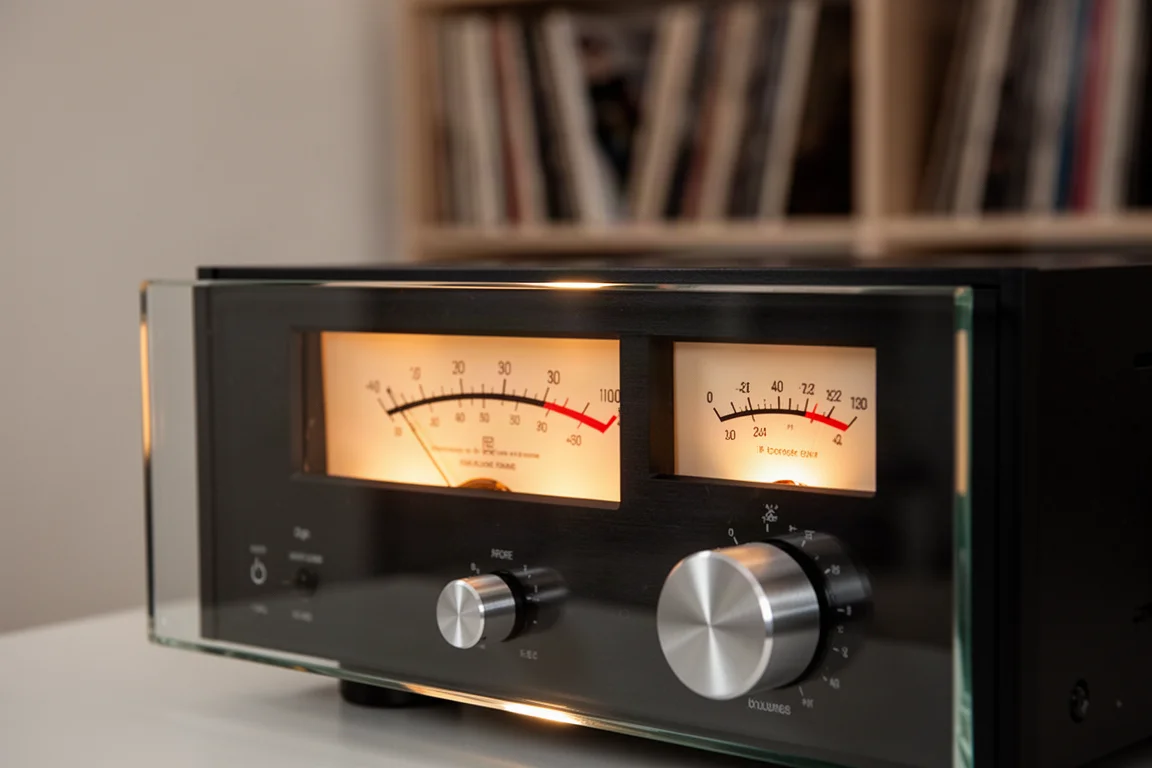
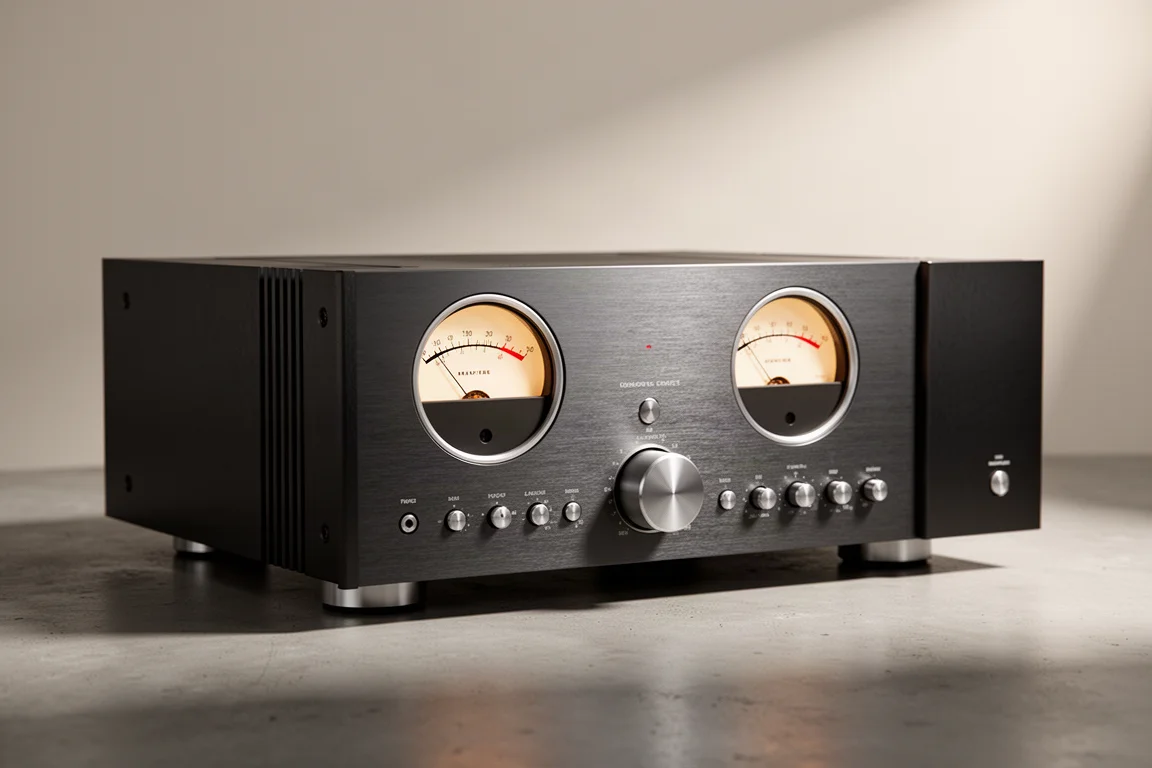
The Advance Paris A10 Classic is the most feature-dense integrated amplifier in this roundup, and it is also the easiest to live with over the long term. Its front panel is deliberately simple: a large VU meter and a glass-like faceplate give it a clean, almost furniture-like presence, and a single volume knob doubles as the menu control. Press it in and the setup options appear; turn it to adjust the level.
Around the back, the input list is unusually complete. There are four analog inputs, a dedicated phono stage, three optical inputs, one coaxial input, HDMI ARC, an HDMI music input, a pair of balanced XLR inputs, Bluetooth, and a USB connection. There is also a subwoofer output, preamp outputs, and a main input, which means the A10 Classic can serve as a preamplifier, as a power amplifier, or as the centre of a complete system.
Inside, the amplifier uses a Sabre 98 digital-to-analog converter. It is an older chip rather than a current flagship part, but it was a flagship in its own generation, and it keeps the digital side of the amplifier competitive. Everyday controls are present as well: a loudness function for low-volume listening, bass and treble tone controls, and an adjustable balance control for rooms where one speaker has to sit closer to a wall.
The sound character leans slightly vintage, with a touch of warmth through the midrange, and it stays dynamic and authoritative when the music asks for it. Listeners who want more output can look at the A12, the step-up model, which offers more power and separate power supplies for each channel.
At around $2,500, the A10 Classic sits in serious territory, and it looks and sounds like a component that should cost considerably more. The compromises are small: the remote control uses some glossy plastic that does not match the finish of the amplifier, and input switching happens through a digital menu rather than dedicated buttons. Neither issue changes how the amplifier performs.
Best Floorstanding Speaker: Dali Opticon 6 Mark 2
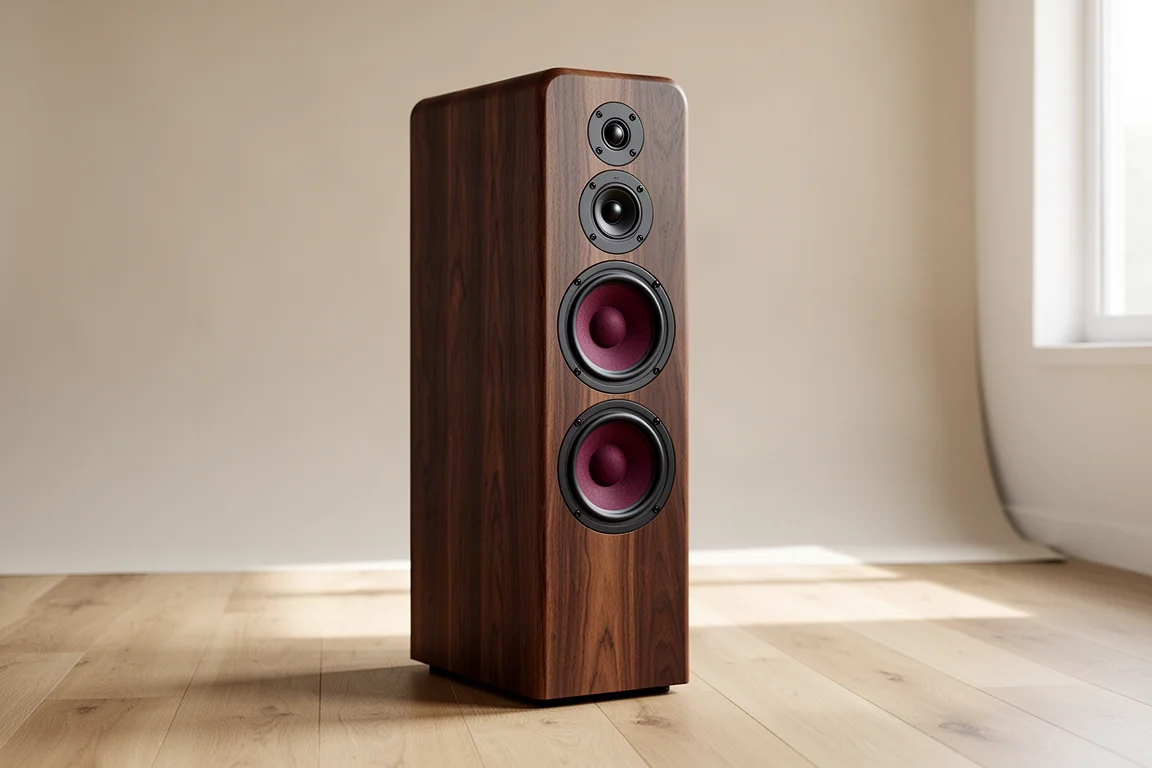
The Dali Opticon 6 Mark 2 is a floorstanding speaker built around an unusual driver layout. It carries two tweeters: a 1 1/8 inch soft textile dome tweeter and an AMT folded ribbon tweeter mounted above it. Below them sit two 6.5 inch woofers made from a paper pulp material in a deep burgundy finish, a signature of the brand’s midrange and bass drivers.
That combination is the reason this speaker is worth hearing. A soft dome tends to reproduce voices and upper-midrange percussion in a natural, unforced way, while the folded ribbon adds air and detail above it. The result is a speaker that reveals breath sounds and small recording details without tipping into brightness.
The Opticon 6 Mark 2 is a 2.5-way design, so the woofers cover overlapping frequency ranges rather than splitting the work evenly. Dual ports on the back help the cabinet breathe, and the enclosure is sized to work in a smallish room as well as a larger one. Frequency response runs from 49 Hz to 30,000 Hz, which means a subwoofer is still needed for a true full-range result, but the speaker holds up well on its own.
The driver array and materials echo a considerably more expensive model in the same lineup. The savings come from the cabinet, which uses simpler finishes and veneers than the models higher up the range. Each pair is assembled by hand in Denmark, and a current price of around $2,000 a pair makes the value case straightforward.
Best Sleep Upgrade: Brooklyn Bedding Aurora Lux Cooling
Not every product of the year has to plug into a wall. Brooklyn Bedding has been building mattresses for more than 25 years, and the Aurora Lux Cooling is the model that came out of a sleep questionnaire covering how you sleep and what you want from a bed.
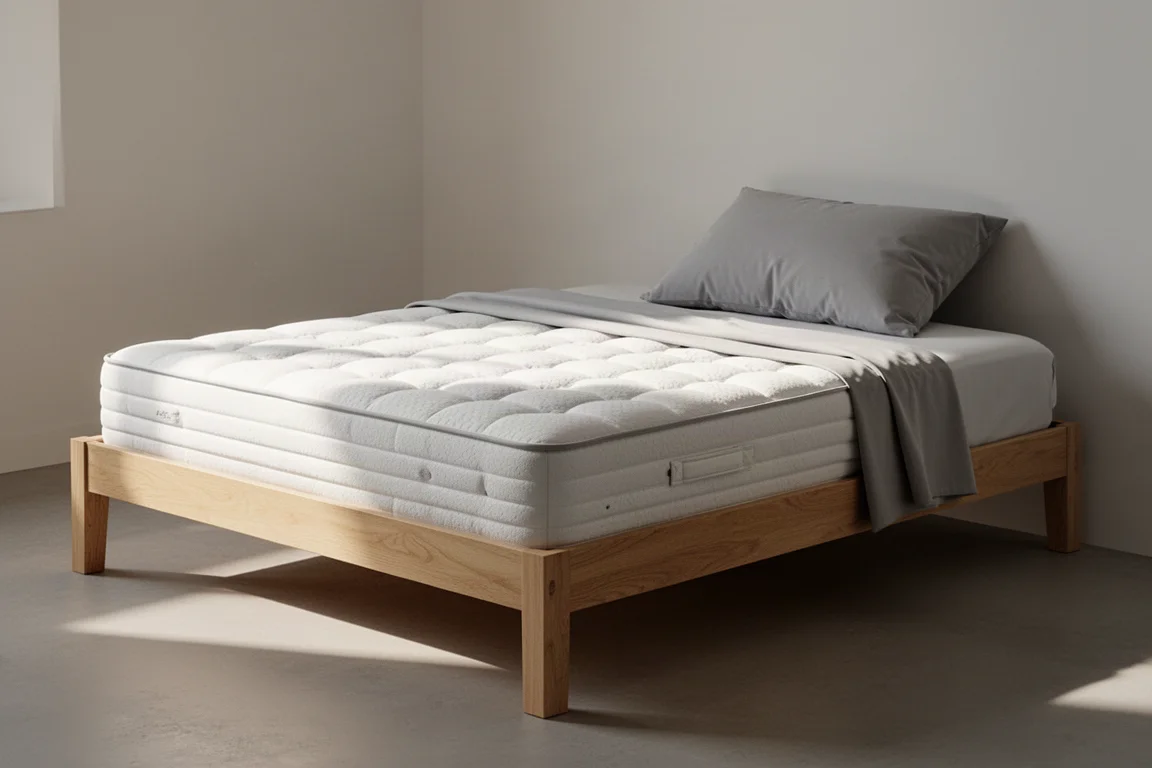
The cooling part of the name is the practical part. The pillow-top versions include GlacioTex, a cooling technology built into the top surface, and the bedding contains no fiberglass. For anyone who runs warm overnight, that combination addresses the problem directly.
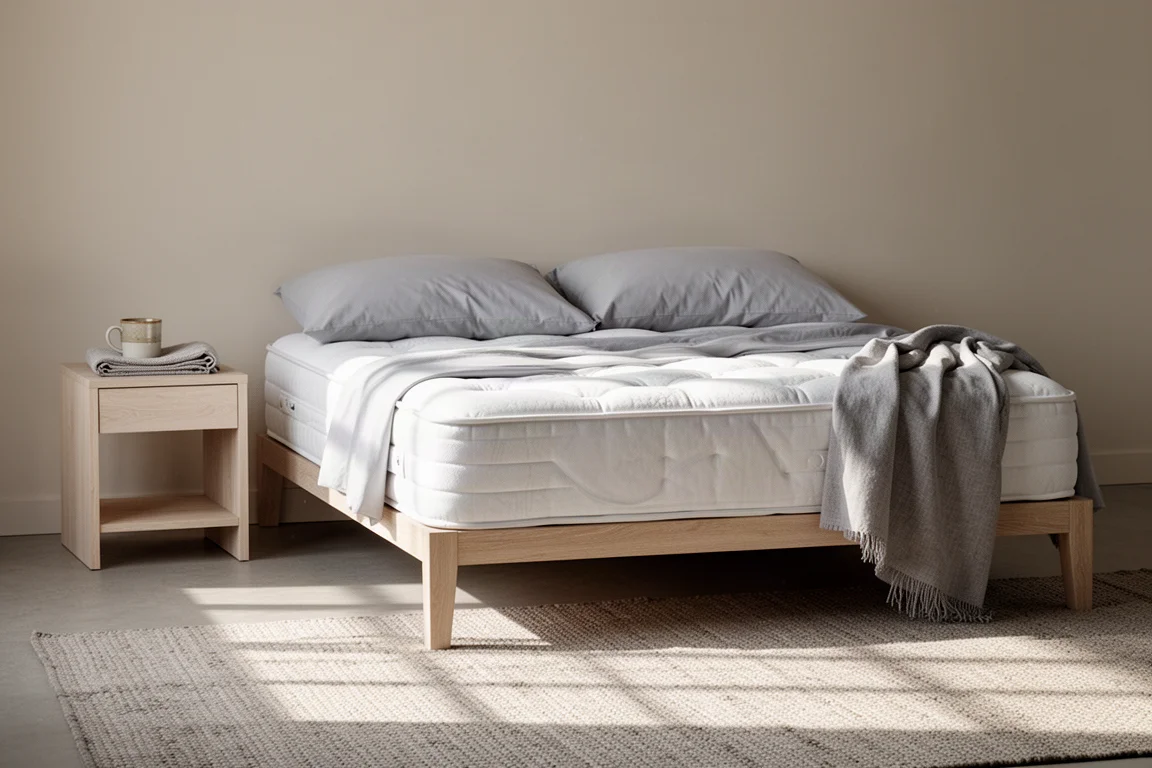
Ordering is unusually flexible. The company builds mattresses in a range of firmness levels, heights, and dimensions, including non-traditional sizes, so a room with an awkward footprint is not automatically a problem. Delivery is free within the United States, and the mattress arrives rolled in a box, which keeps setup manageable in most homes.
The support structure behind the purchase is worth noting: a 120-night trial period and a 10-year warranty. The mattresses are designed, assembled, and shipped from a facility in Arizona, which the company says helps keep pricing reasonable. Promotional discounts are common, and a 30% discount code was available at the time of writing.
How These Products Work Together
Two of these products belong in the same system, and they make a persuasive pairing. The Advance Paris A10 Classic and the Dali Opticon 6 Mark 2 connected together form a system in the region of $4,500. That is a meaningful sum, but it is also a combination with very few weak points: an amplifier that accepts nearly any source, and a speaker that stays linear while still delivering punch and sparkle.
The practical advantage of that pairing is upgrade room. The amplifier’s phono stage, subwoofer output, and preamp connections mean a turntable, a subwoofer, or a separate power amplifier can be added later without replacing the core component. The speaker’s low end reaches 49 Hz, which leaves space for a subwoofer to extend the range when the budget allows.
The mattress sits outside that system entirely, and it is the least expensive way to change how a room feels day to day. Readers building a listening room from scratch should think about the order of purchase: sources and speakers first, comfort second, unless the current bed is the thing keeping them awake.
Buying Advice Before You Order
Match the amplifier to the sources you actually own. If a turntable is part of the plan, the A10 Classic’s built-in phono stage removes the need for a separate box. If a television sits nearby, HDMI ARC makes the amplifier part of the living room rather than a separate listening station. Buyers who need more power should look at the A12 instead.
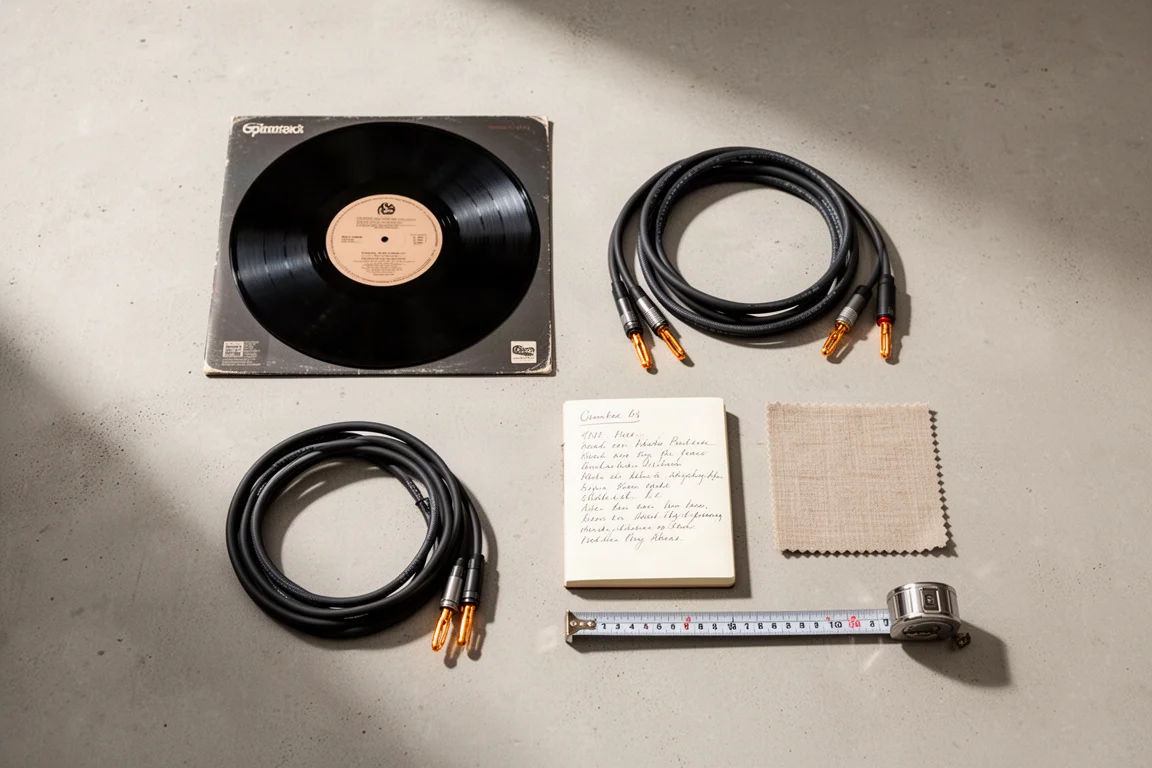
For the speaker, consider the room before the finish. The Opticon 6 Mark 2 is flexible about placement, but the dual rear ports reward a little breathing room behind the cabinet, and the balance control on the amplifier makes it easier to compensate when one speaker has to sit closer to a wall.
For the mattress, work from the sleep questionnaire rather than guessing. Firmness, height, and size all affect whether a mattress works in practice, and a 120-night trial is only useful if the first choice is close. Buyers in the United States also get free delivery, and the mattress arrives compact enough to move through a normal doorway.
Timing matters too. Promotions on speakers and mattresses tend to appear around the end of the year, so a purchase planned for a holiday period often lands at a better price than one made in a hurry.
Conclusion
These three products earned their place for the same reason: each one removes a decision. The Advance Paris A10 Classic removes the question of which source can be connected. The Dali Opticon 6 Mark 2 removes the trade-off between natural voices and top-end detail. The Brooklyn Bedding Aurora Lux Cooling removes the nightly discomfort of sleeping warm. Buy the amplifier and the speaker as a pair if a serious two-channel system is the goal, and treat the mattress as the upgrade that pays back every night.
Further reading
Related Reviews
Home Audio
Aperion Novus Tower and Center Review: Punchy Home Theater Sound With Real Refinement
A close look at the Aperion Novus tower and center speakers, from their layered paint finish and punchy bass to the 4-ohm load and what the price actually buys.
Home Audio
Arendal 1610 Tower Review: Flagship Dynamics in a Room-Friendly Tower
A compact floorstanding tower with three 8-inch aluminium woofers, a 5-inch carbon midrange, and the kind of bass heft usually reserved for much larger speakers.
Home Audio
Arendal 1723 S THX Review: A Reference Speaker Built Like a Tank
A practical look at the Arendal 1723 S THX, a sealed, THX-certified speaker with exceptional build quality, a very flat top end, and a midrange that responds beautifully to EQ.