Cycling Components
Pro Peloton Bike Upgrades: Tires and Drivetrain Lubes Worth Copying
Wider tubeless tires and clean drivetrain lubrication define the modern pro fleet. Here is how those choices translate to everyday road riding.
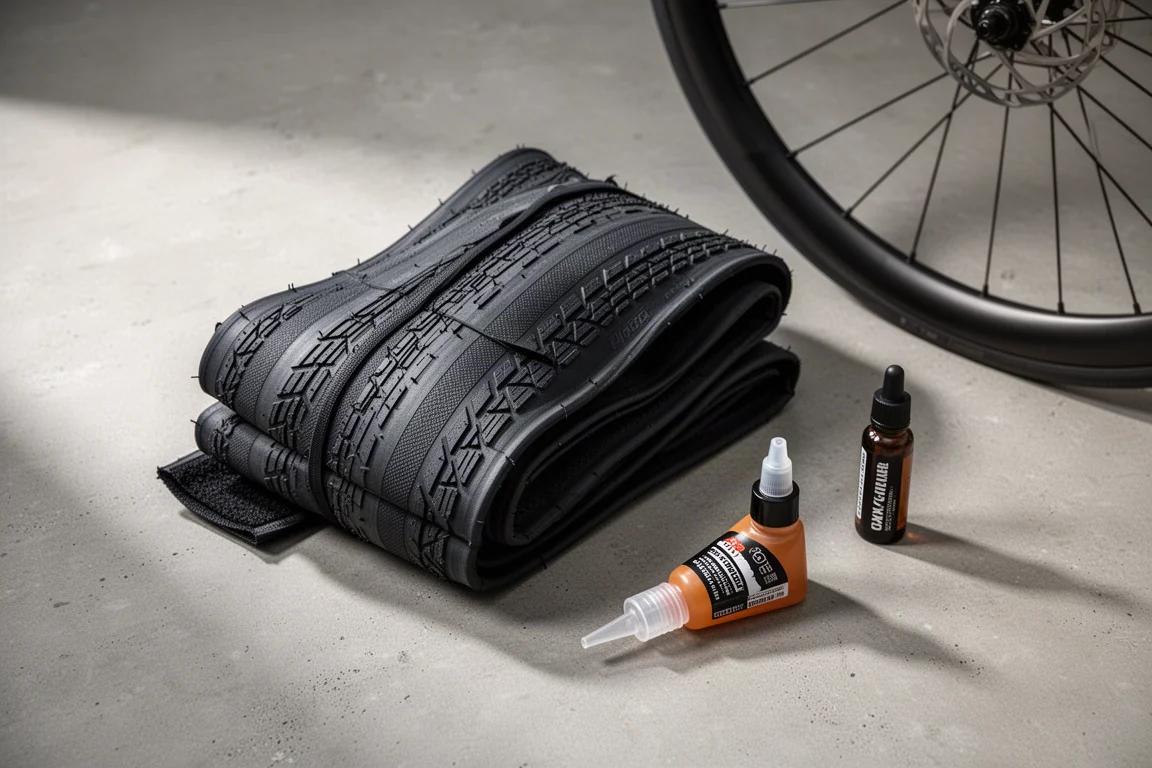
Introduction
Average speeds at the Tour de France and the Tour de France Femmes keep climbing, and the training required to hold them is not something most riders want to take on. The equipment is a different story. Looking across this year’s race bikes, a handful of choices stand out as practical upgrades for anyone who wants to ride faster without rebuilding their whole approach to the sport.
Two themes repeat across the fleet: wider tubeless tires, and a serious commitment to drivetrain cleanliness. This roundup covers four race tires and two chain lubricants that show where pro equipment is heading, with notes on how each one fits into normal road riding.
What Changed in This Year’s Pro Peloton
Tire choice has become one of the most complicated decisions in the pro fleet. Teams now optimize around the wheels and tires their sponsors supply, and the direction of travel is clear: tubeless use increased again this year, and tires keep getting wider. Plenty of riders ran 28 mm tires for most road stages, others stayed on 24 mm tubulars for hillier days before switching to wider tubeless setups later in the race, and 25 mm and 26 mm widths remained common throughout.
The reasoning is rolling resistance, comfort, and grip rather than fashion. Racing tires carry the lightest casings and thinnest treads, which is what produces low rolling resistance figures, and a wider profile adds comfort and cornering confidence on top of that. Testing points to 28 mm as the best compromise for most riders in the real world, though pro racing happens on mostly excellent surfaces while local roads are often rough and patched.
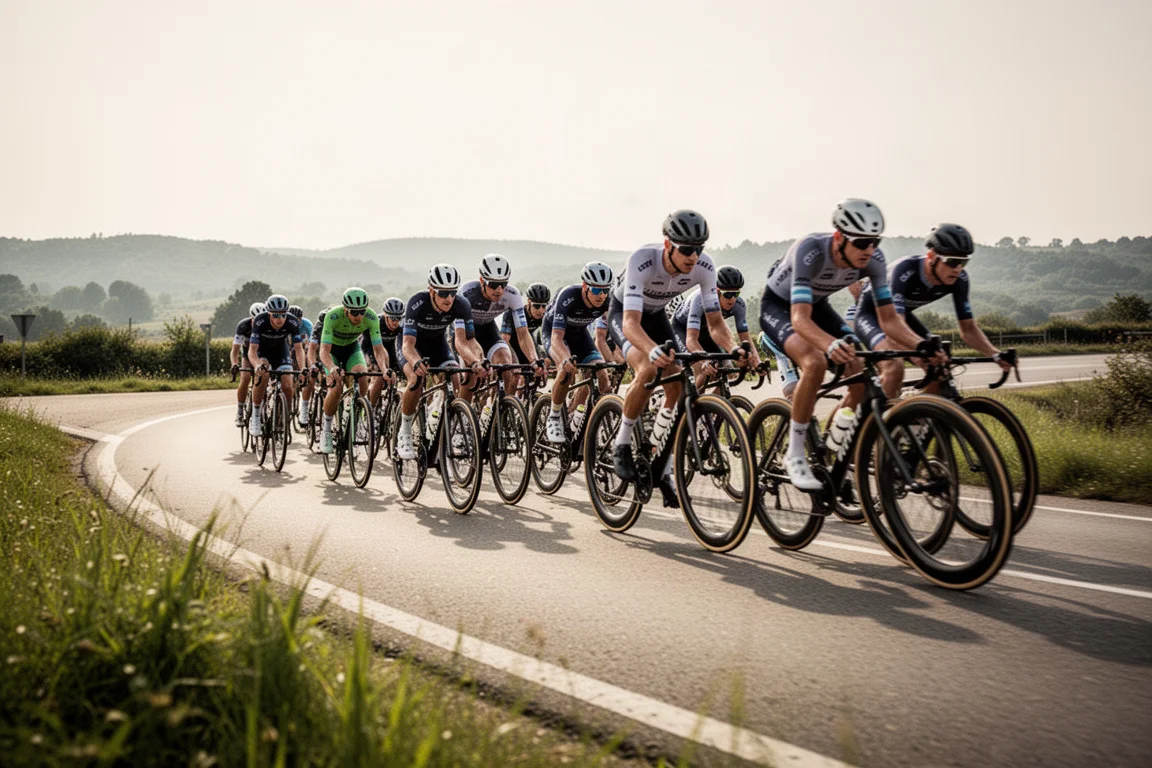
That gap matters when you pick a width. A tire that feels quick on freshly laid tarmac can feel harsh and nervous on a worn lane, so the honest answer for most riders sits at the wider end of what a frame and rims will accept.
Continental GP5000 TT TR: Wide Tubeless Speed
The standout tire setup of the race was a 28 mm Continental GP5000 TT TR that measured 31.3 mm wide at the front and 32.2 mm at the rear once mounted. The rims underneath had a 25 mm internal width and a hookless bead, which encourages a tire to spread into that broader, more rounded shape.
This is the clearest illustration of how much measured width can differ from the number printed on a sidewall. If you are shopping for a race tire, the internal width of your rims is worth checking first, because the same tire can grow several millimetres depending on the wheel it is fitted to. Frame and fork clearance deserve the same scrutiny before ordering.
Vittoria Corsa Pro: Tubeless Race Rubber
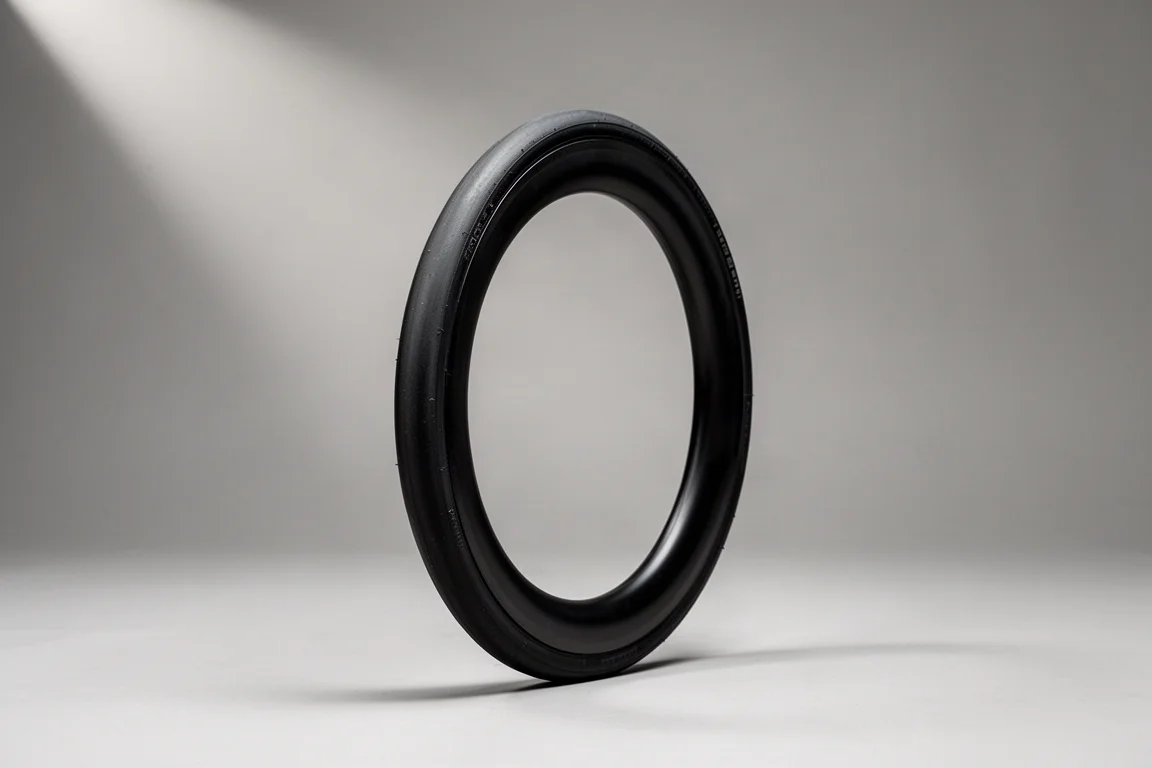
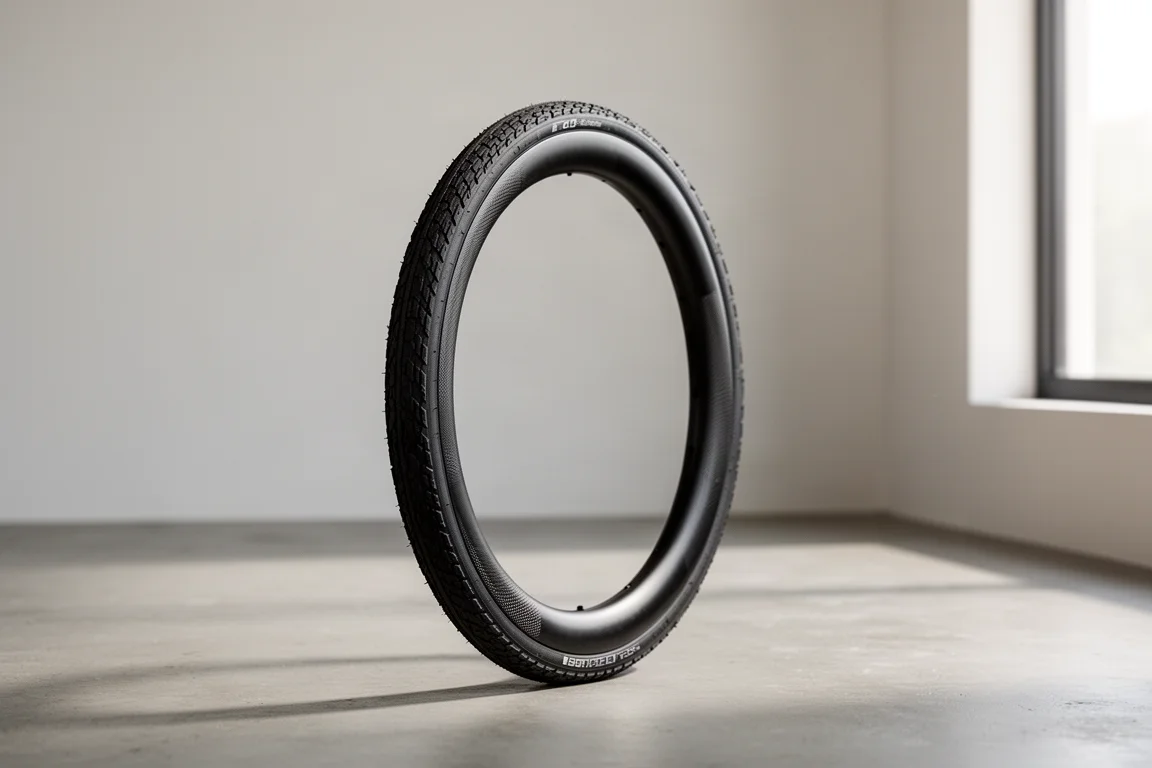
A team in this year’s race ran 26 mm Vittoria Corsa Pro tubeless tires. That width sits neatly between the narrow tubulars still used on climbing stages and the 28 mm and wider setups that dominate flat days, which makes it a sensible middle ground for riders who want most of the comfort benefit without a large jump in tire volume.
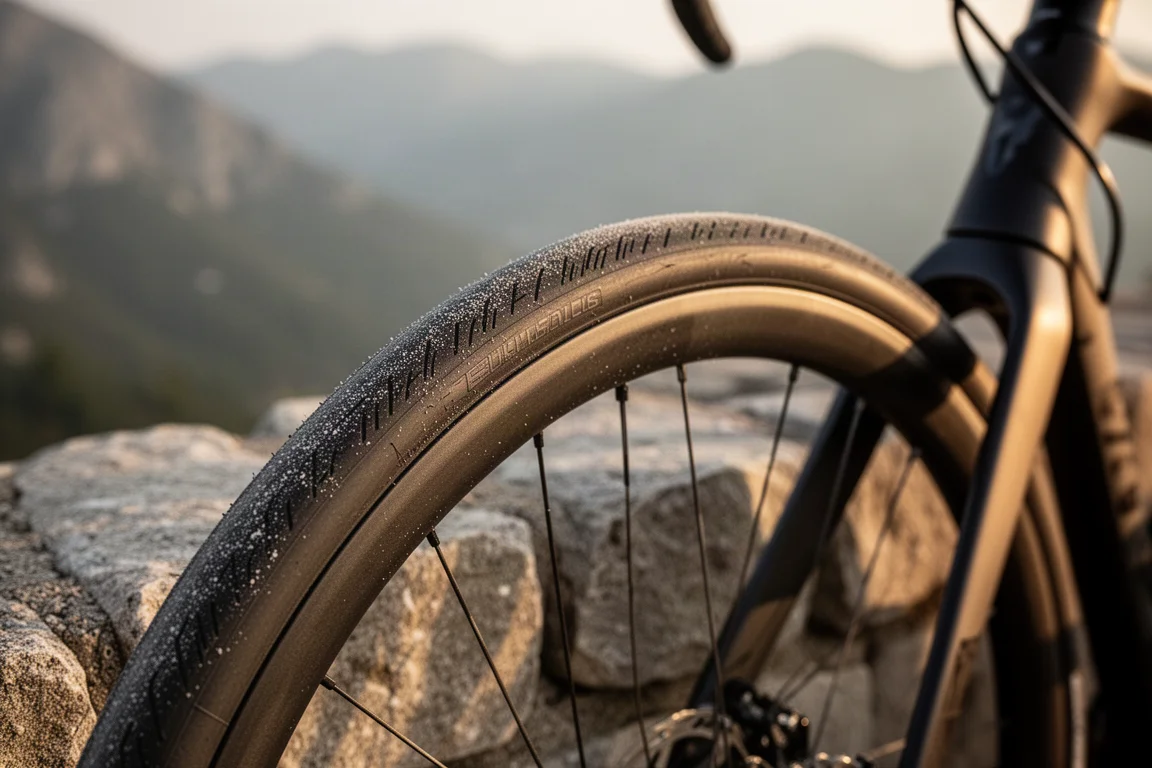
It is also a reminder that the pro peloton is not chasing one single width. Teams match tires to the stage, the surface, and the wheels they have available, and 26 mm is a useful reference point for riders who find 28 mm too much of a change from what they already run.
Vittoria Corsa G 2.0: Proven All-Round Tread
Another team raced on 25 mm Vittoria Corsa G 2.0 tires. This is the narrower end of what the peloton used on road stages, and the logic behind it is straightforward: on smooth surfaces at high speed, a slightly narrower tire can be the quicker option, and 25 mm remains a dependable all-round choice for riders whose frames and roads suit it.
Continental Competition Pro Limited: The Classic Tubular
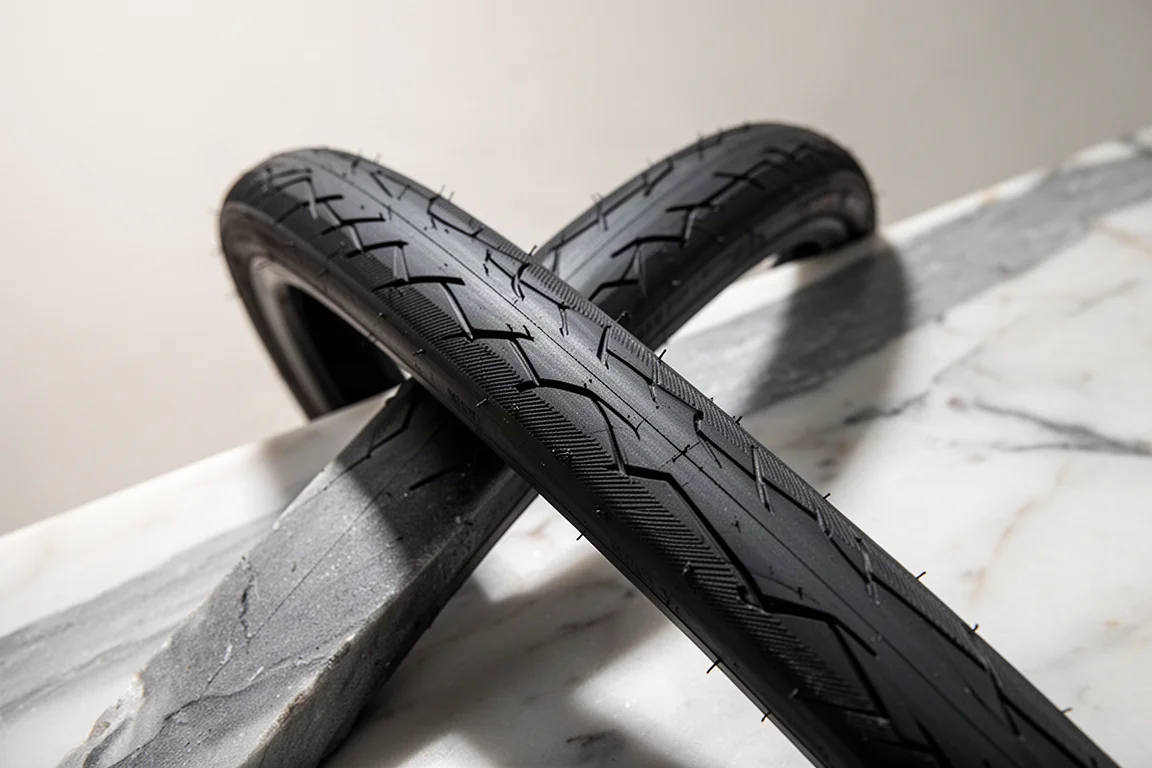
The Continental Competition Pro Limited tubular appeared in a 25 mm size and has been a long-standing favourite in the pro peloton. Tubulars still hold a place in the race fleet, particularly on hillier days where saving weight matters, and this tire represents the traditional side of a choice that has become far more varied in recent seasons.
One caveat worth noting: the shift toward wider tubeless tires later in the race suggests tubulars are now a stage-specific tool rather than the default option for every rider.
For anyone who already owns tubular wheels, this remains a proven race tire with a deep history at the top level. For everyone else, the practical takeaway is that narrower rubber still wins on certain days and certain surfaces.
Squirt: Clean Wax Lubrication
Cleanliness is the least glamorous speed upgrade in cycling and possibly the most reliable one. A drivetrain, wheelset, and bottom bracket free from everything except the lubricant itself run more efficiently than dirty ones, and the friction that builds up along the way also accelerates wear on expensive components.
Wax lubricants are the pro default because they leave the chain clean and dry, and Squirt is one of the wax options used in the peloton. It suits riders who want a quiet, tidy drivetrain that stays efficient between services rather than a chain that collects grit. If you do use a wet lube for rainy rides, clean the drivetrain thoroughly afterwards, because wet lubricants attract a lot of dirt.

CeramicSpeed UFO Drip: Top-Up for Waxed Chains
For riders who wax chains at home, CeramicSpeed UFO Drip is used as a top-up between full wax treatments. It is the kind of product that supports a maintenance routine rather than replacing one, since it works best on a chain that is already clean.
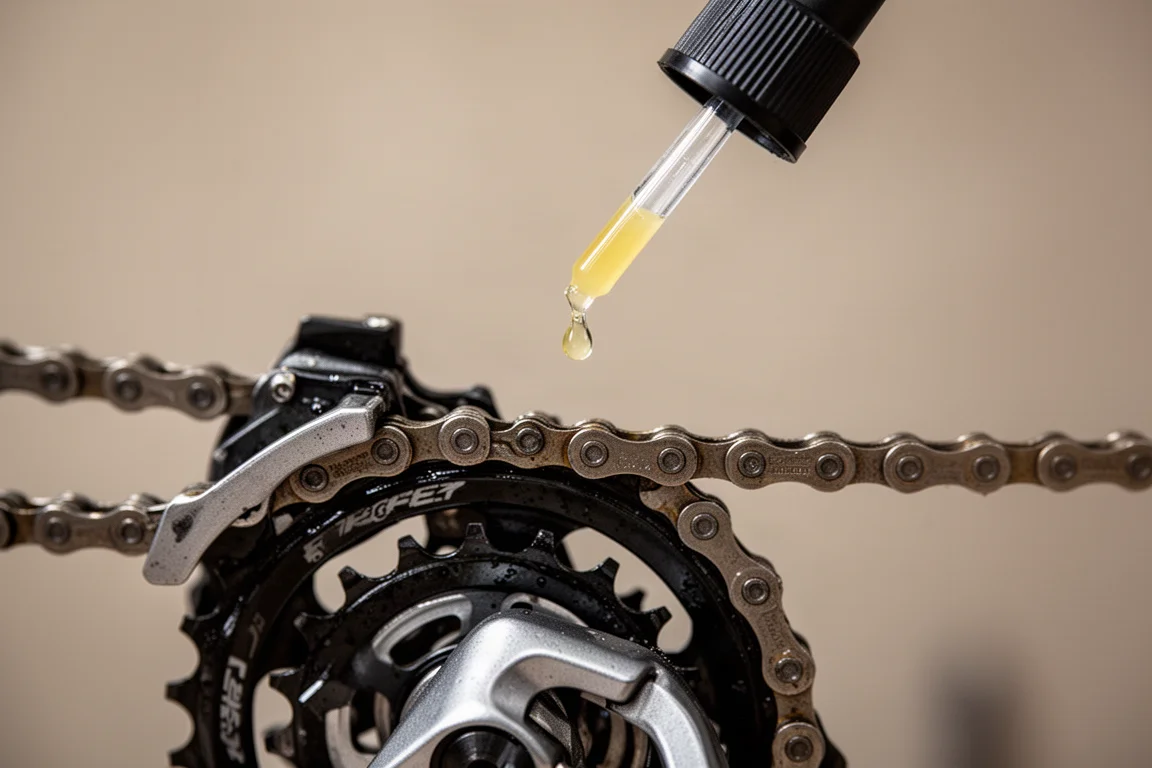
The broader principle applies to any lubricant: inexpensive options are a false economy when the drivetrain they protect costs far more. Increased friction means increased wear, so money spent on a quality lubricant tends to be recovered elsewhere in the life of a groupset.

Overall Buying Advice
Start with tires if you are choosing a single upgrade. A 28 mm racing tire makes sense for most riders because it balances rolling resistance with comfort and grip, and it is what a large part of the pro field raced on this year. Check the internal width of your rims before buying, since measured width can run several millimetres beyond the sidewall figure, and confirm frame and fork clearance at the same time. If you prefer to stay closer to what you already ride, 26 mm and 25 mm remain legitimate race widths.
Lubrication comes next, and it is the cheapest performance gain available. Keep the chain, cassette, and chainrings clean, choose a high quality wax or lubricant, and clean thoroughly after wet rides if you run a wet lube.
Braking deserves a mention too, because stopping later and harder into a corner is a genuine way to reduce point-to-point time. Larger rotors offer a little more power and tend to be less prone to warping under heavy braking, so moving from 140 mm to 160 mm rotors when the current set wears out is a reasonable step. If you cannot go bigger, cleaning pads and rotors with a dedicated disc brake cleaner, or re-bleeding the system, will sharpen what you already have.
Finally, remember that body position remains the biggest single factor in aerodynamic drag. The pro approach involves long, low front ends, narrow handlebars, and saddles pushed far forward on their rails, but those positions are the product of hundreds of hours of adaptation. Copying them without that background is a route to injury rather than speed.
Conclusion
Going faster rarely comes from one dramatic purchase. The current pro formula is wider tubeless tires chosen around the wheel, a genuinely clean drivetrain, and lubrication treated as routine maintenance rather than an afterthought. Those are decisions any road rider can make, and none of them require a training camp or a new bike to put into practice.
Further reading
Related Reviews
Cycling Components
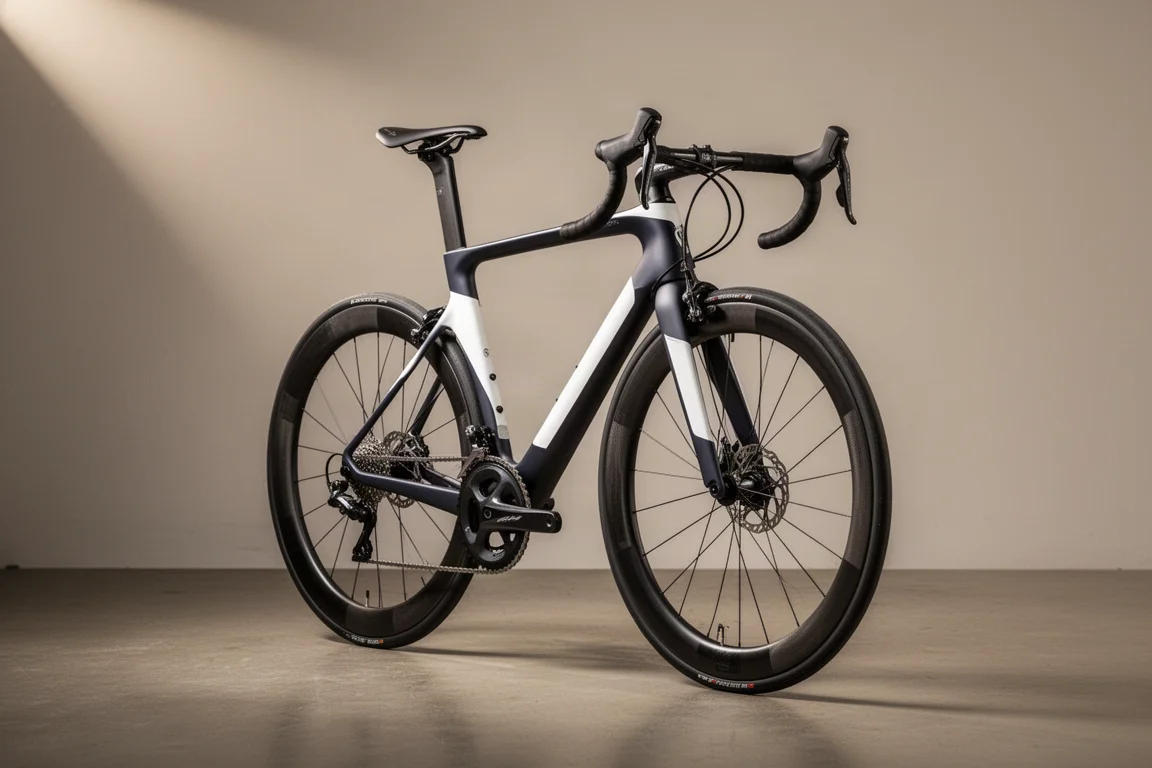
A 20,000-Mile Budget Race Bike Build: Five Parts Worth Knowing
A rim brake race bike assembled from low-cost components and ridden for 20,000 miles. Here is what delivered real speed, what caused problems, and what to weigh before copying the formula.
Cycling Components
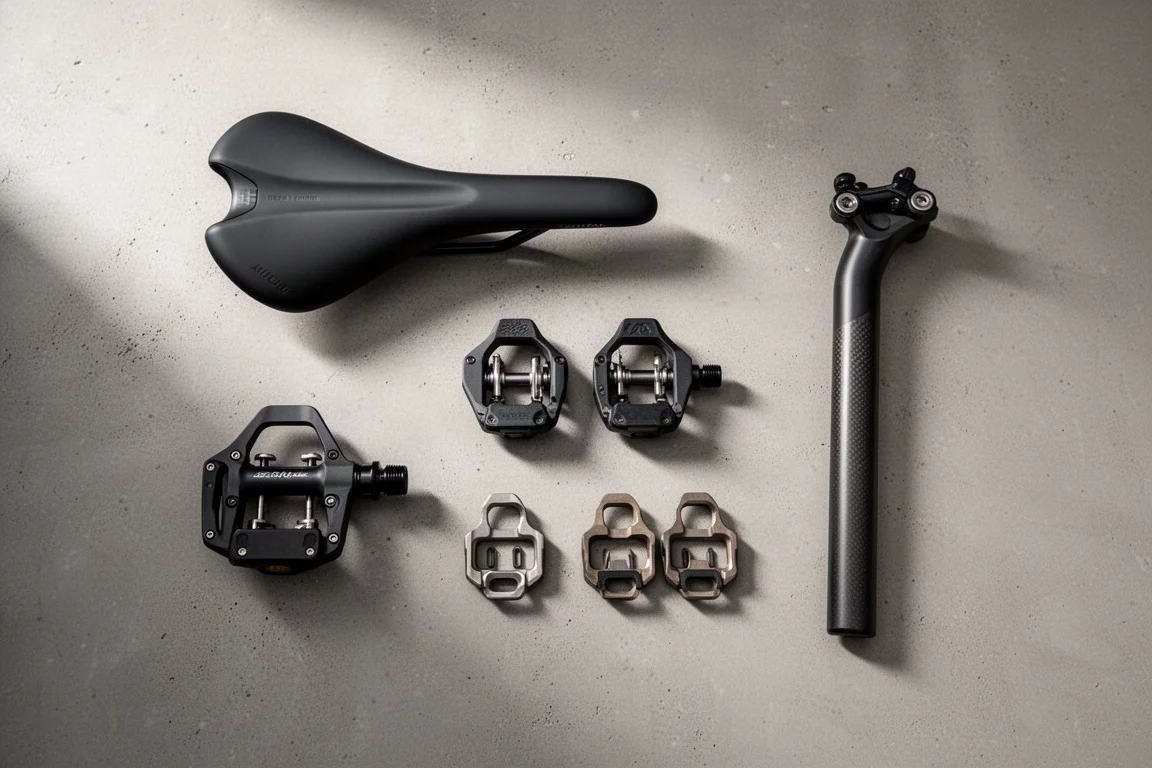
7 Bike Fit Products Fitters Avoid: What to Check Before You Buy
Seven bike components that regularly cause knee, foot and saddle problems, with the specific concerns behind each one and what to look for instead.
Cycling Components
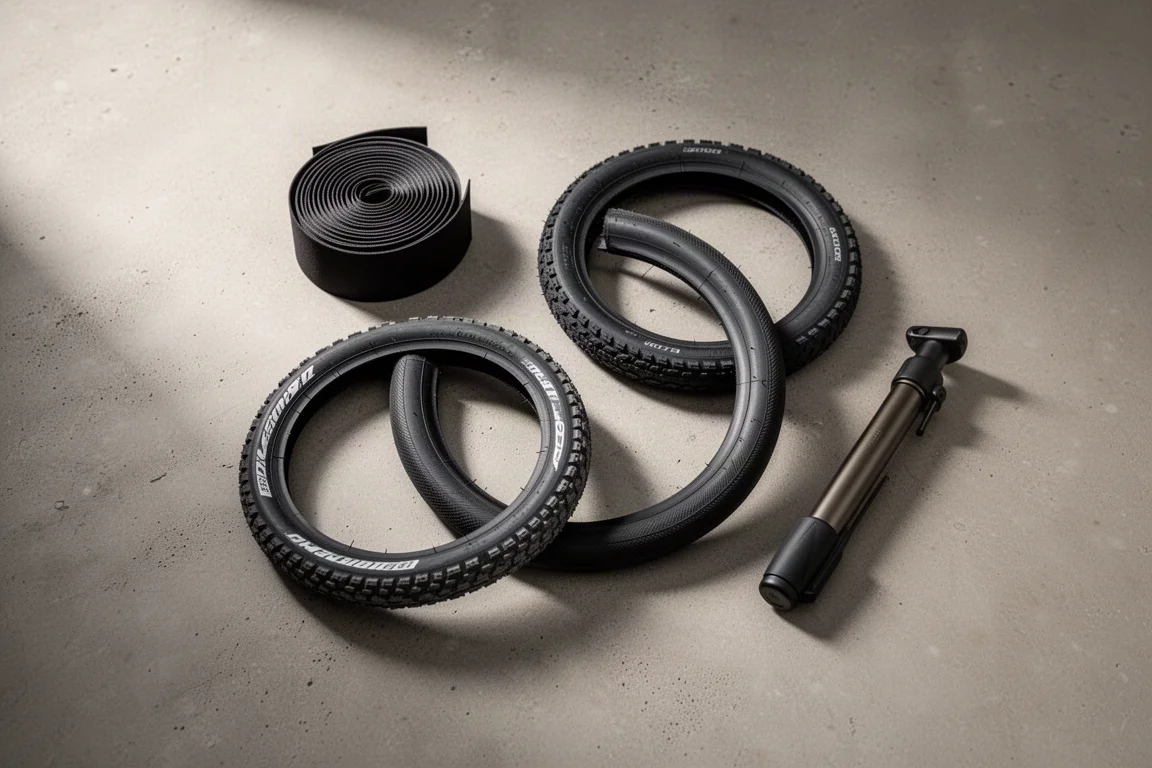
Four Affordable Bike Upgrades That Improve Ride Feel
Four low-cost cycling products that make a real difference to ride feel, plus the free setup changes worth trying first.