Turntables
Pro-Ject X1B Review: A Balanced Turntable With Room to Grow
A practical look at the Pro-Ject X1B, a manual belt-drive turntable that adds balanced outputs, a heavier acrylic platter, and a refined tonearm to the X-series formula.
Introduction
The Pro-Ject X1B is the updated version of the X1, a turntable that has been part of the X series for several years. The most important change sits on the rear panel: alongside a standard pair of RCA jacks, the X1B adds a mini XLR output, which allows the deck to run in a balanced audio configuration. For a phono signal, that is a genuinely meaningful addition rather than a cosmetic one.

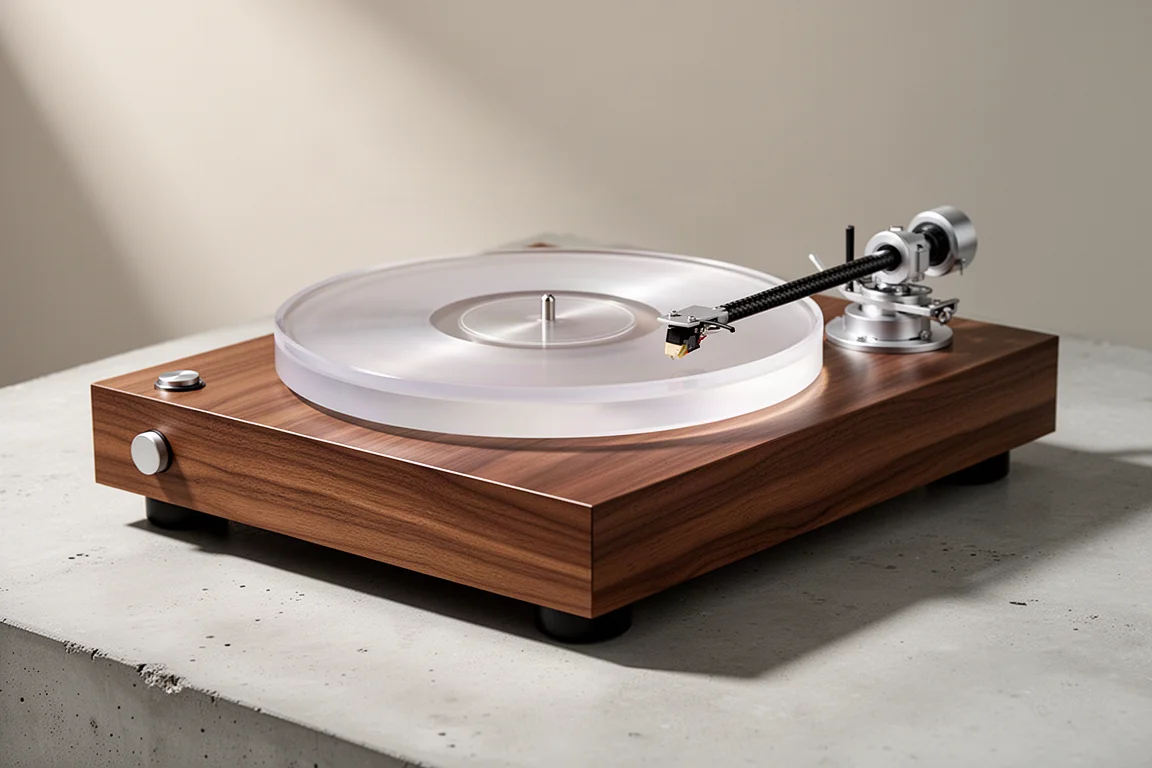
Pro-Ject has been building turntables since the 1990s, a period when vinyl sales were at an all-time low, and the company is now the largest producer of turntables in the world, with several factories across Europe. Its first model was called the Debut. The X models sit above the Debut range and take the same design thinking further in almost every respect. Like the vast majority of turntables made today, the X1B is a manual belt-drive design: you flip a switch to start the platter, move the tonearm over the record, and lower the cue lever, then raise it again when the side ends. There are no gears or extra parts under the tonearm that could compromise performance. Finish options are gloss black, gloss white, or walnut.
Who This Product Is For
The X1B is aimed at listeners who have outgrown an entry-level deck and want more information pulled from their records without moving to the very top of the market. It is far from Pro-Ject’s most expensive turntable, since the company also builds models that reach into the $10,000 range, but everything is produced in the same European factories to the same high standards.
It suits someone who plays vinyl regularly and wants a stable, quiet, well-isolated platform rather than a convenience-first design. It also suits a listener who expects to explore moving coil cartridges later: the tonearm and the balanced output give a clear upgrade path without replacing the whole turntable. The priority here is extracting detail, not removing the ritual of playing a record.
Design, Build, and Speed Control
Start from the bottom. The X1B rests on three feet made from a combination of thermoplastic elastomer and aluminum. They are adjustable in height, so getting the deck perfectly level is straightforward, and the elastomer does an effective job of damping resonances. Three feet rather than four simply makes leveling easier.
The plinth is a heavy CNC machined piece of high-quality MDF, finished with either eight layers of paint or a real wood veneer. It is one of the elements behind the deck’s total weight of almost 16 pounds.
Speed control is electronic and uses a precision crystal to generate the signal sent to the motor, which delivers strong speed consistency and gives the X1B an excellent sense of rhythm and pacing. A button switches between 33 and 45 rpm, so there is no belt juggling for everyday listening. Playing at 78 rpm does require a belt change.
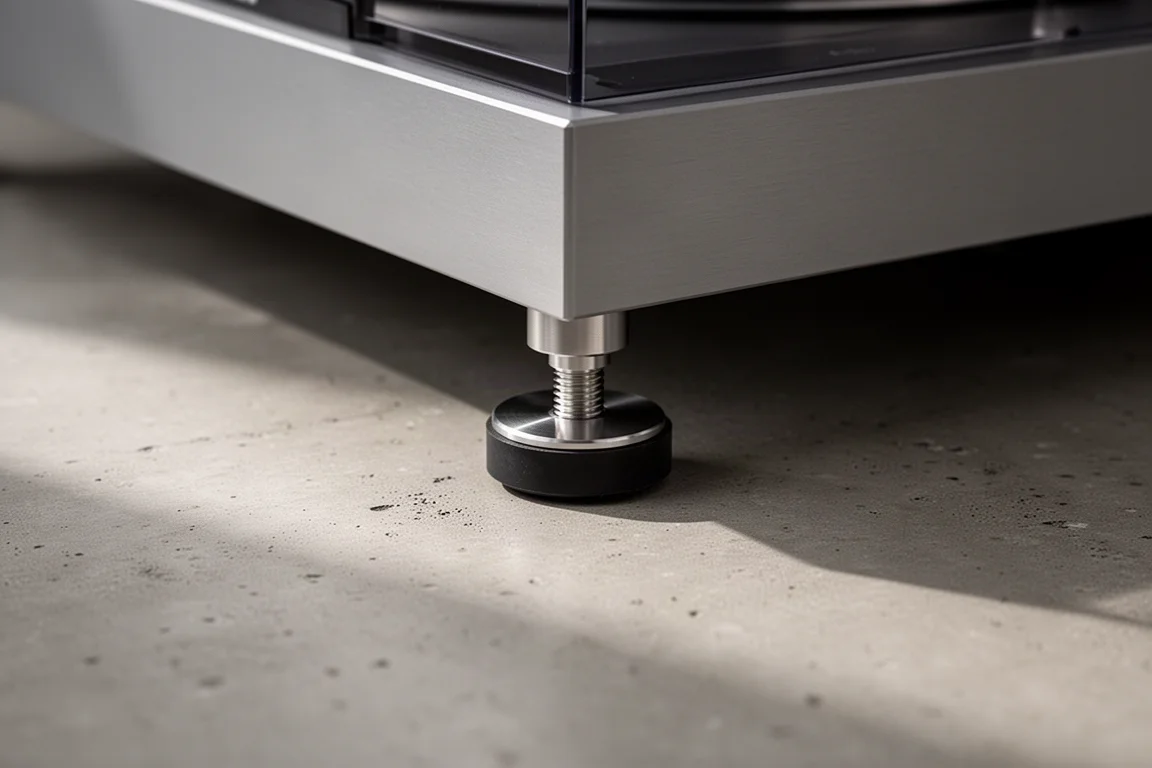
The motor itself is a step up. The models below the X1B, such as the Evo and the Pro, use the same motor, but the X1B gets a higher, larger unit that runs more consistently. It is mounted inside a large metal enclosure that keeps electrical noise contained, and it attaches to the plinth through thermoplastic elastomer grommets, with a round piece of the same material sitting under it at the front and back. Every motor produces some vibration, and this isolation arrangement minimizes how much of it reaches the platter. Everything about the fit and finish is first class.
Tonearm, Platter, and Bearing
The subplatter is machined to tolerances of 0.001 millimeter, which is exceptionally precise. It works with a stainless steel platter bearing, a bronze bushing, and what Pro-Ject calls Teflon mirrors, a combination designed to hold rumble and noise to the lowest possible level.
That bearing assembly supports the classic acrylic main platter. Acrylic is the same material Pro-Ject uses on other platters, but the X1B gets a significant jump in thickness and mass: 20 millimeters thick and 3.3 pounds. The extra weight contributes to rotational stability.
The 8.6 inch tonearm is arguably the most special part of the package. Its bearing housing begins as a single block of aluminum, machined to extreme tolerances, and houses an ultra low friction four point bearing that is a clear step above the one used on the Pro model. The arm tube is a one-piece sandwich construction, an aluminum tube wrapped in carbon fiber for strength, and the counterweight uses thermoplastic elastomer damping in the pursuit of zero resonances. Vertical tracking height and azimuth are both adjustable, which is more flexibility than many decks at this level offer.
Balanced Outputs and Cartridge Options
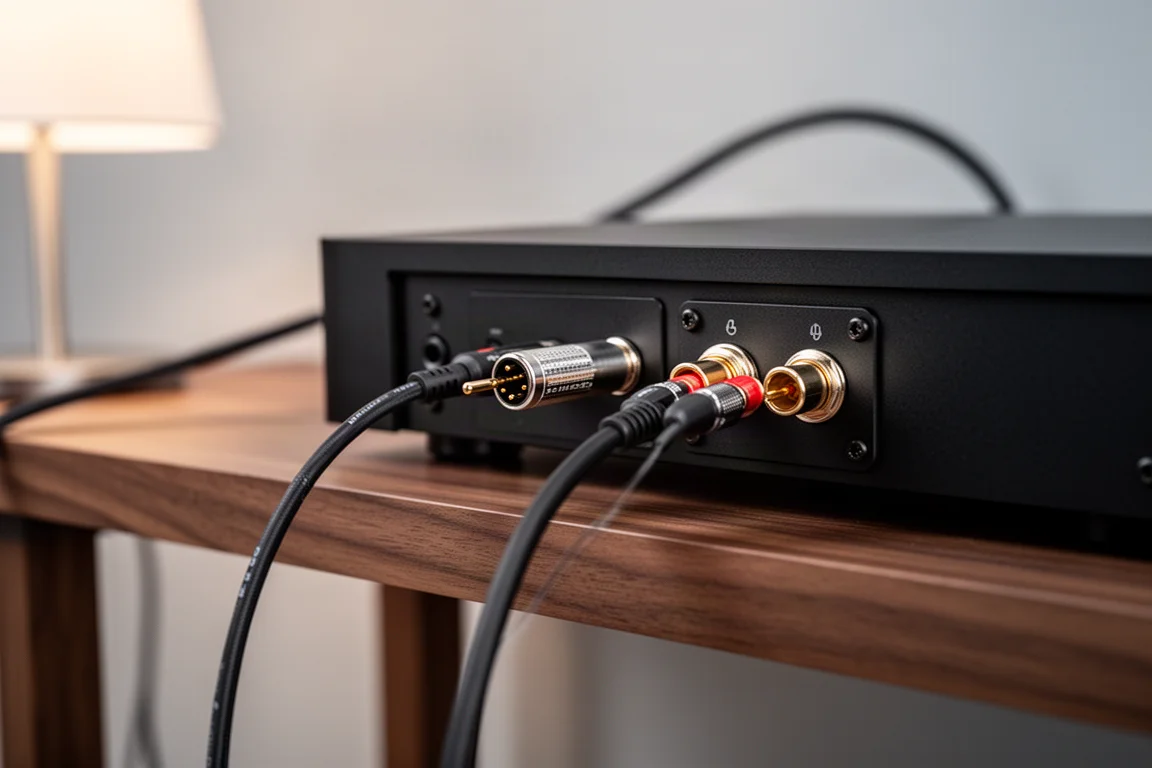
On the rear panel you get two types of output: a very good set of standard RCA jacks and a mini XLR connector. The second one lets you connect the X1B in a balanced audio configuration, the standard approach in recording studios, for professional musicians, and in live performance. The main advantage is that a balanced system cancels out noise the cable may pick up, and in a home full of wireless devices that matters. It matters most for phono because a phono signal is roughly 1,000 times lower in level than the output of something like a CD player.
The principle is simple. Balanced operation doubles the number of conductors for a single signal feed, inverting one side so it is out of phase with the other. At the receiving end the inverted feed returns to normal and the two are combined, so anything that is not the original signal disappears. You also get more output this way, which is why balanced cables can run long distances without collecting noise. Previously, balanced connections had only been available on some of the most expensive turntables in the world. To use it, you need a phono preamp that accepts a balanced feed, and Pro-Ject has released several well-priced balanced phono preamps to pair with its balanced turntables.
One requirement is easy to miss: balanced operation calls for a moving coil cartridge, because moving coil designs are naturally balanced while moving magnet designs are not. The X1B ships with the Sumiko Rainier moving magnet cartridge, a very good one. Sumiko developed these cartridges alongside engineers in Yokohama, Japan, and every model in the line shares the same body, so a stylus upgrade is possible later without changing the cartridge. The reasoning behind the pairing is practical: the original X1 was not balanced and cost only $100 less than the new X1B, and packaging the X1B with a moving coil cartridge, a balanced cable, and a balanced phono preamp would have pushed the price far beyond many of the people who would appreciate the deck.
In listening sessions with a Sumiko Blue Point Special EVO 3 low output moving coil cartridge and the Pro-Ject Pre Box S3B, an entry level balanced phono preamp priced at $499, the RCA connection already sounded fantastic, with strong rhythm, pacing, and tracking, and it confirmed that the upgraded tonearm can support a serious moving coil cartridge. Switching to balanced into an integrated amplifier driving the speakers was a different experience entirely: the presentation became more effortless, with tiny details emerging from a completely silent background. The improvement was not subtle, and it held up across different records. The X1B is a great turntable even without balanced output, but the balanced route is where the design reveals its headroom.
Things to Consider Before Buying
Manual operation is part of the design, not a flaw. You start the platter with a switch and cue the arm by hand at the start and end of each side, which is how nearly all turntables are built today.
The supplied cartridge is moving magnet, so taking advantage of the balanced output means buying a moving coil cartridge and a balanced phono preamp as well. Budget for those if balanced operation is the reason you are interested in this deck.
Speed changes are simple between 33 and 45 rpm, but 78 rpm requires swapping the belt. And if you plan to buy a turntable and cartridge separately rather than using a pre-mounted cartridge, correct setup becomes critical, since alignment and tracking adjustments have a large influence on how the deck ultimately performs.
Buying Advice
On its own, the X1B is an excellent performer for only $300 more than the Debut Pro turntable. It carries a lot of technology that extracts more information from records and spins the platter more consistently, and you could buy it as it comes and be happy with it for decades.

If you want to explore moving coil cartridges and the better sound they offer, the X1B will do them justice and let you go balanced at the same time. You would need a moving coil phono preamp on that path anyway, so choosing one of the well-priced balanced models makes sense. The deck delivers strong audio immediately while opening up a whole set of upgrades later, and the balanced option is the headline one.
Conclusion
The Pro-Ject X1B is a considered upgrade rather than a redesign. The heavy acrylic platter, the precisely machined subplatter and bearing, the isolated motor with crystal-based electronic speed control, and the carbon-wrapped tonearm all point in the same direction: lower noise, steadier rotation, and more detail from the groove. The balanced mini XLR output is what separates it from the model it replaces, and for anyone planning a moving coil cartridge, it is a meaningful advantage at this price level. Buy it for the turntable it already is, and treat the balanced path as the long-term reward.
Product link
View more details for Pro-Ject X1B
This product is mentioned in the review. Check the specifications, options, and compatibility before buying.
View more details for Pro-Ject X1BFurther reading
Related Reviews
Turntables
Best Turntables 2026: Seven Standout Picks From Entry Level to Premium
A practical roundup of seven turntables worth considering, from a US-made budget deck to small-batch premium models with a clear upgrade path.
Turntables
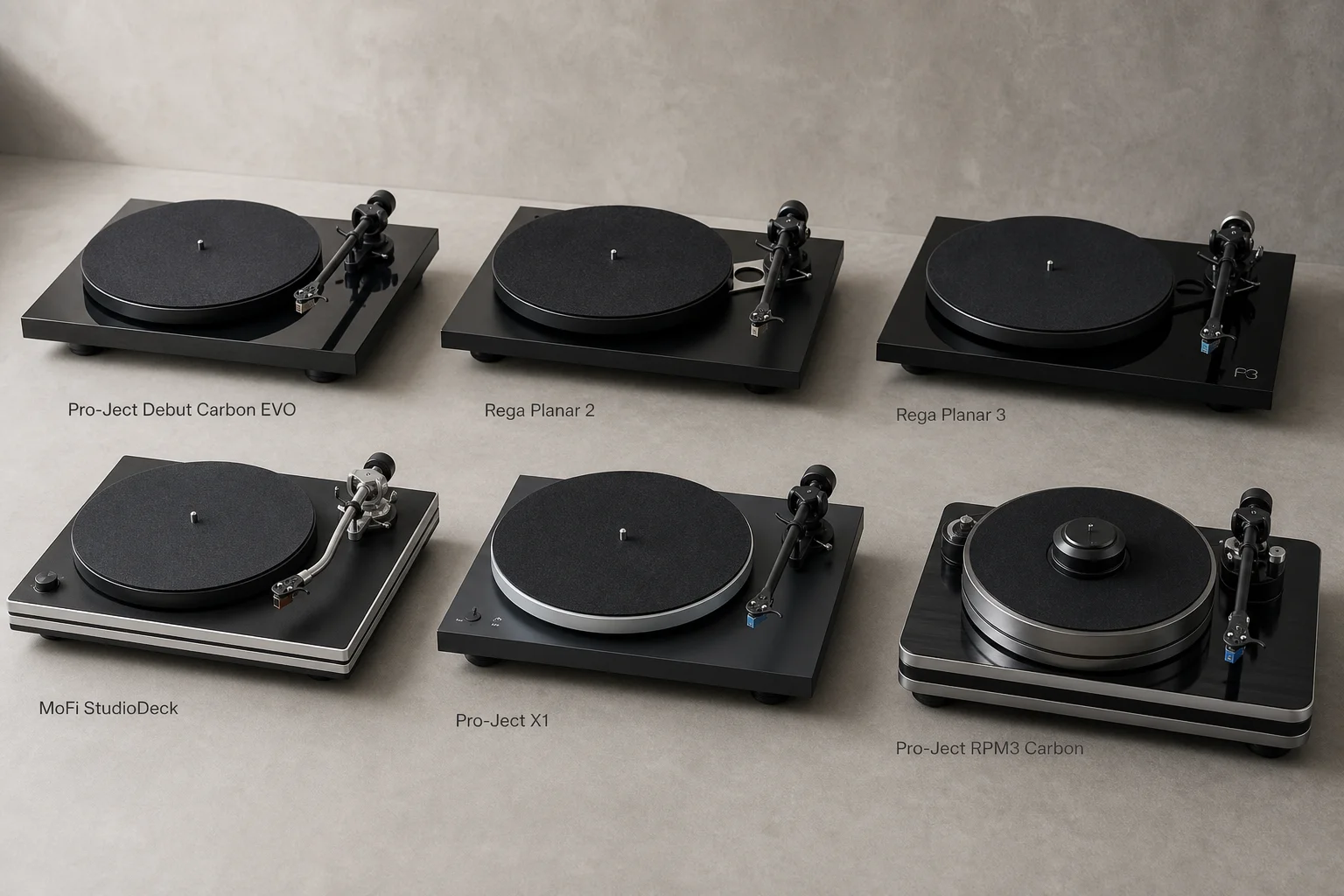
Best Turntables Under $1,000: Five Fully Manual Picks Worth Considering
Five fully manual turntables under $1,000, compared on build quality, cartridges, upgrade potential, and the character of sound each one brings to a system.
Turntables
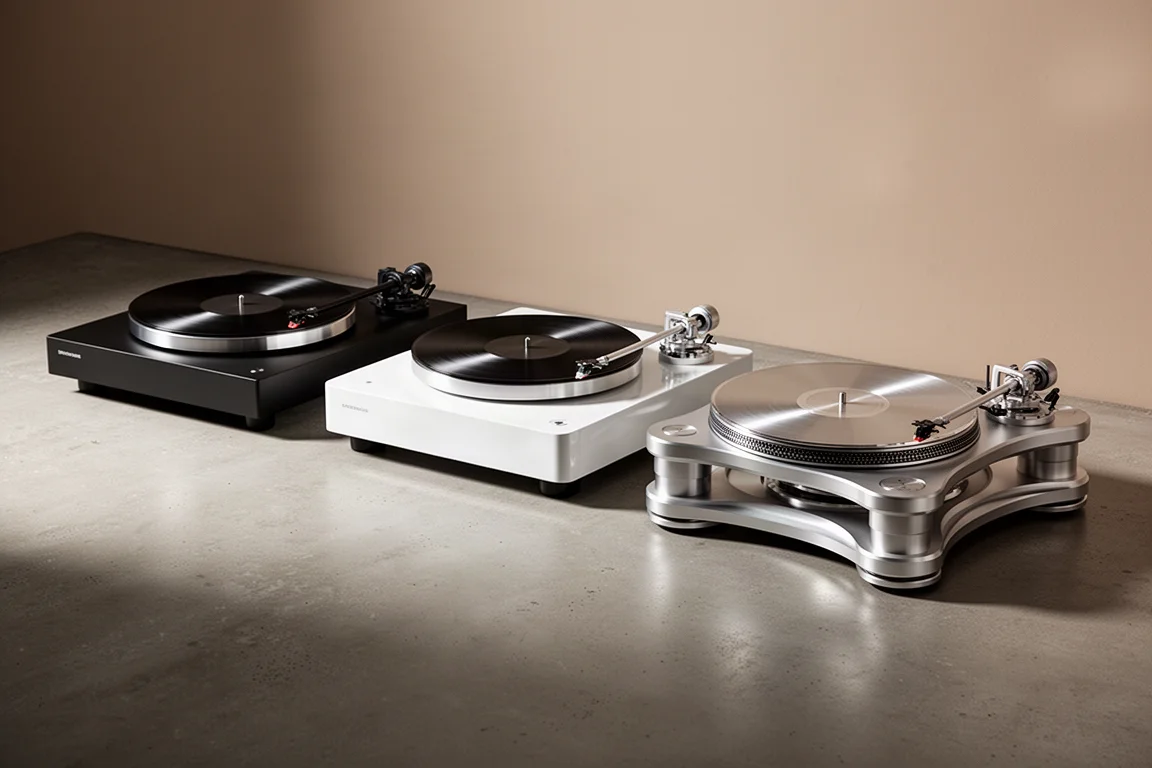
Best Turntables Under $2,000: Six Vinyl Decks Worth Building a System Around
Six turntables under $2,000, from a value-focused belt-drive deck to a fully balanced design, with the strengths and trade-offs that matter before you buy.