Turntable Upgrades
Pro-Ject Debut Turntable Upgrades: 8 Improvements Worth Making
A practical guide to the Pro-Ject Debut upgrades that change the sound most, covering isolation, platters, styli, power supplies, cables, and phono stages.
Introduction
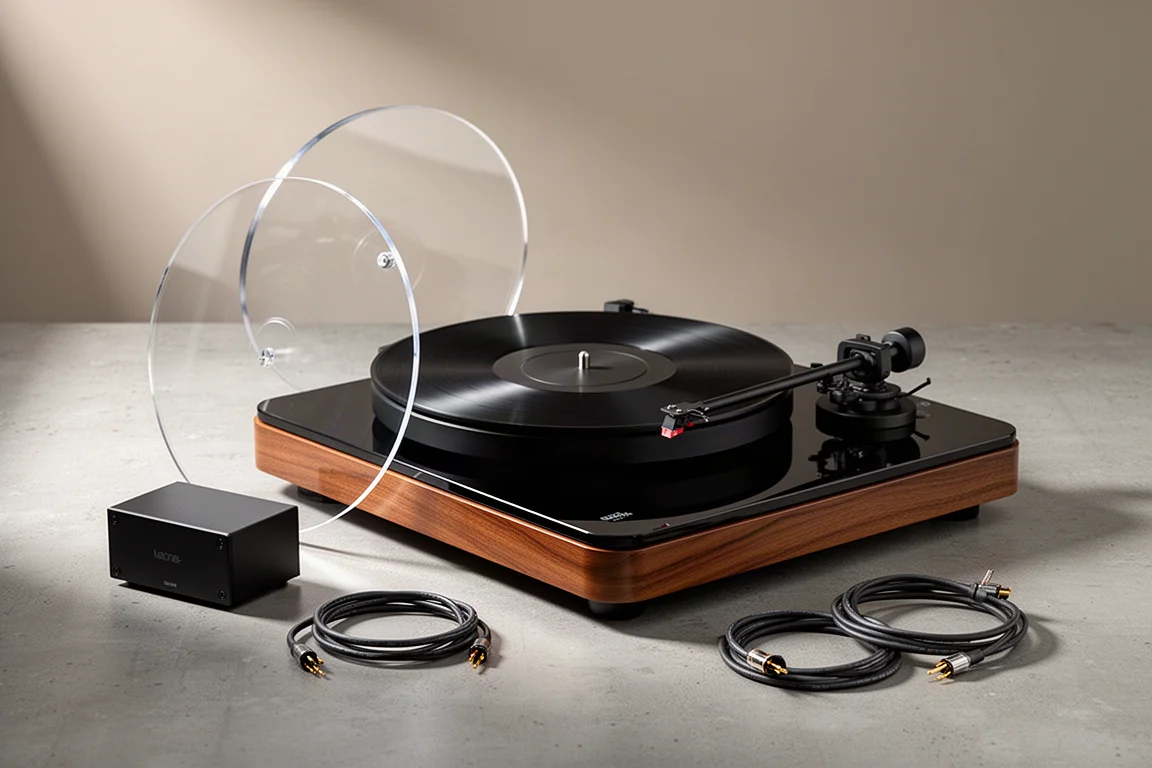
Getting more out of a Debut turntable is rarely about replacing it. The platform has been through many revisions, and several of the parts that define the more expensive Pro-Ject models can be added later. The upgrades below cover isolation, the platter and sub-platter, the stylus, the power supply, the phono cables, and the phono stage.
Not every upgrade suits every Debut. Which parts fit depends on the model and its age, and the order that makes sense depends on how you listen: on speakers, or on headphones. Each section below explains what the part does, what it changes in the sound, and how much work the installation takes.
How to Choose the Right Upgrade for Your Debut Turntable
Two things decide the order: how much external vibration reaches your turntable, and how much of the signal chain is still stock.
A stylus travels through the grooves of a record and picks up very tiny changes in movement, so anything that reduces external vibration helps it read those movements more accurately. If your speakers can reproduce deep bass, and especially if they sit on the same shelf as the turntable, isolation should come first. Headphone listeners are the exception. With no speakers feeding vibration back into the platter, power supply and sub-platter upgrades tend to matter more.
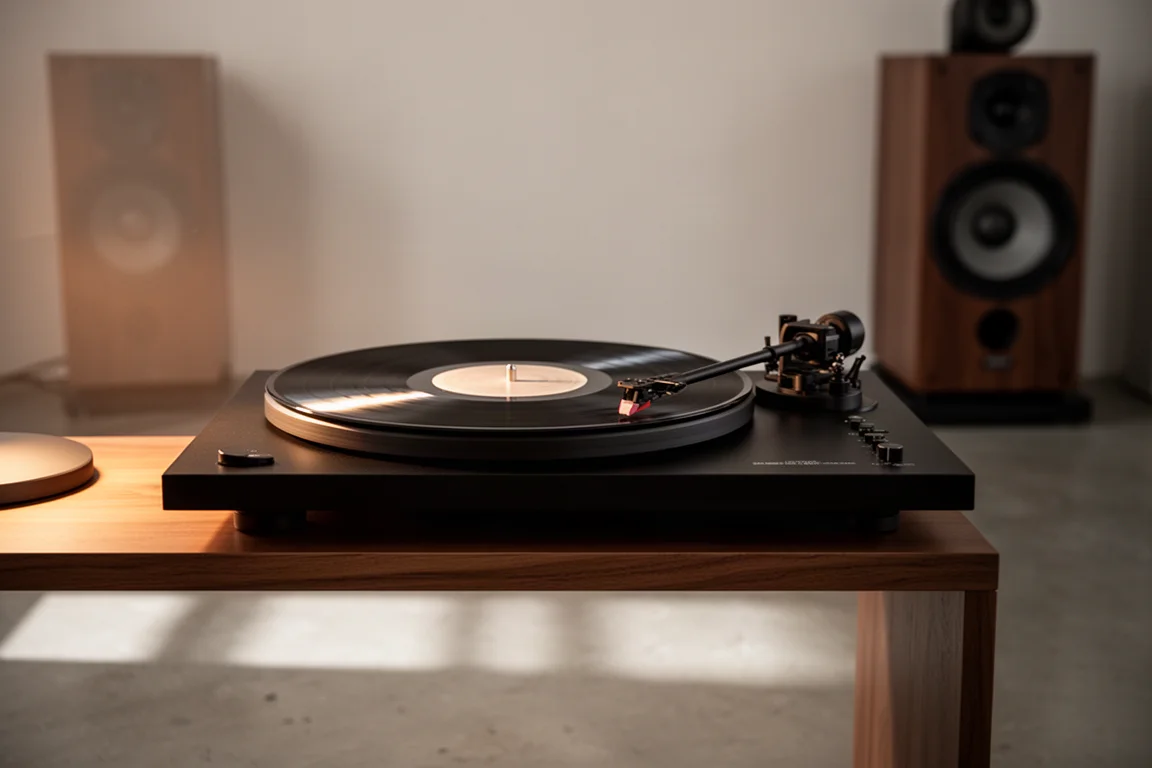
Second, look at what is already upgraded. The most recent Debut models ship with better parts than the earliest ones, so a Debut Pro owner will get further by skipping ahead. Cartridge family matters too: the 2M series, the OM series, and the Sumiko cartridges each have their own stylus upgrade path, so check which one your turntable uses before shopping for a stylus.
Best Overall First Upgrade: Pro-Ject Ground-It E
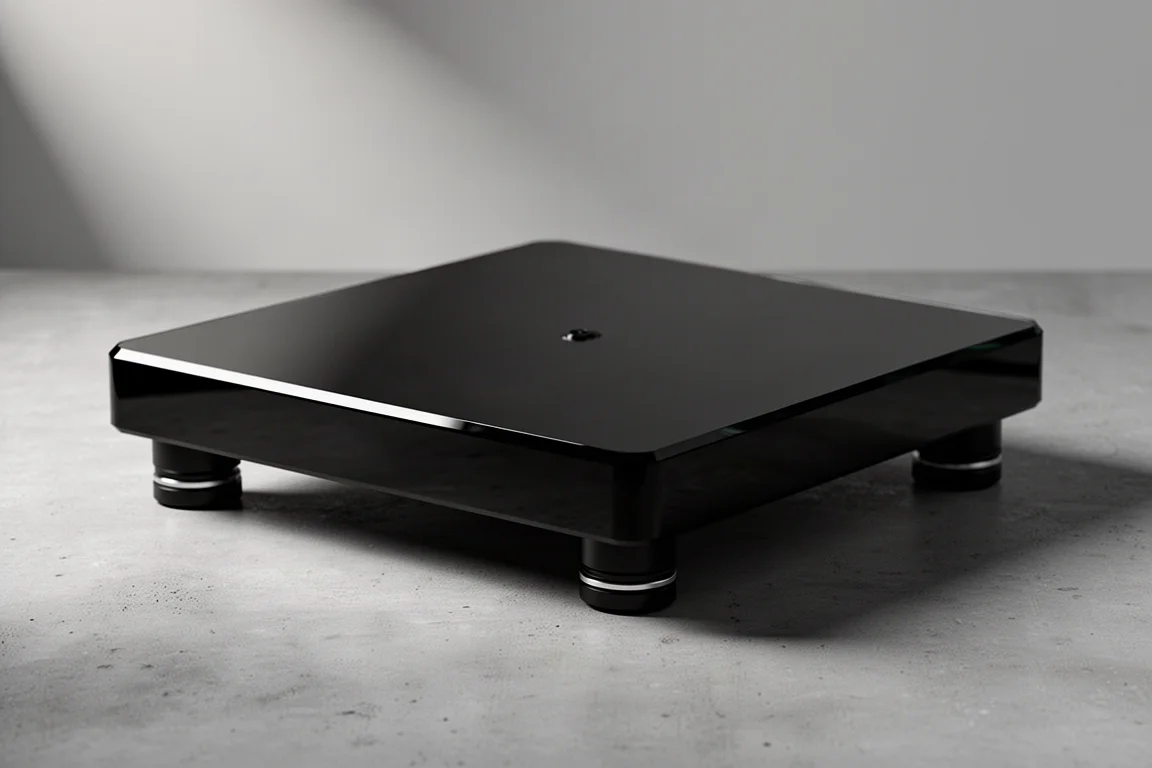
For most Debut turntables, the Ground-It E delivers the biggest single improvement. It is a dedicated turntable base made from heavyweight MDF with a high-gloss black finish, and the underside carries conical spikes fitted with damping rings. The feet are height adjustable, so the platform can be levelled precisely before the turntable goes on top. The whole assembly weighs about nine pounds.
The combination of the damping feet and the added mass isolates the turntable from external vibration far more effectively than a normal piece of furniture. The audible result is a jump in dynamics and a stronger sense of rhythm and pacing, the quality that makes recorded music feel like a live performance. Instruments and voices sound more expressive, and the subtle emotional details performers put into the music come through more clearly.
Installation is simple. Adjust the feet until the platform is level, then set the Debut on top of it.
There is one situation where the Ground-It E should not be the first purchase. In a headphone-only system, or where the speakers are very small or sit in another room, there is little vibration for the platform to deal with.
Affordable Vibration Control: Pro-Ject Damp-It
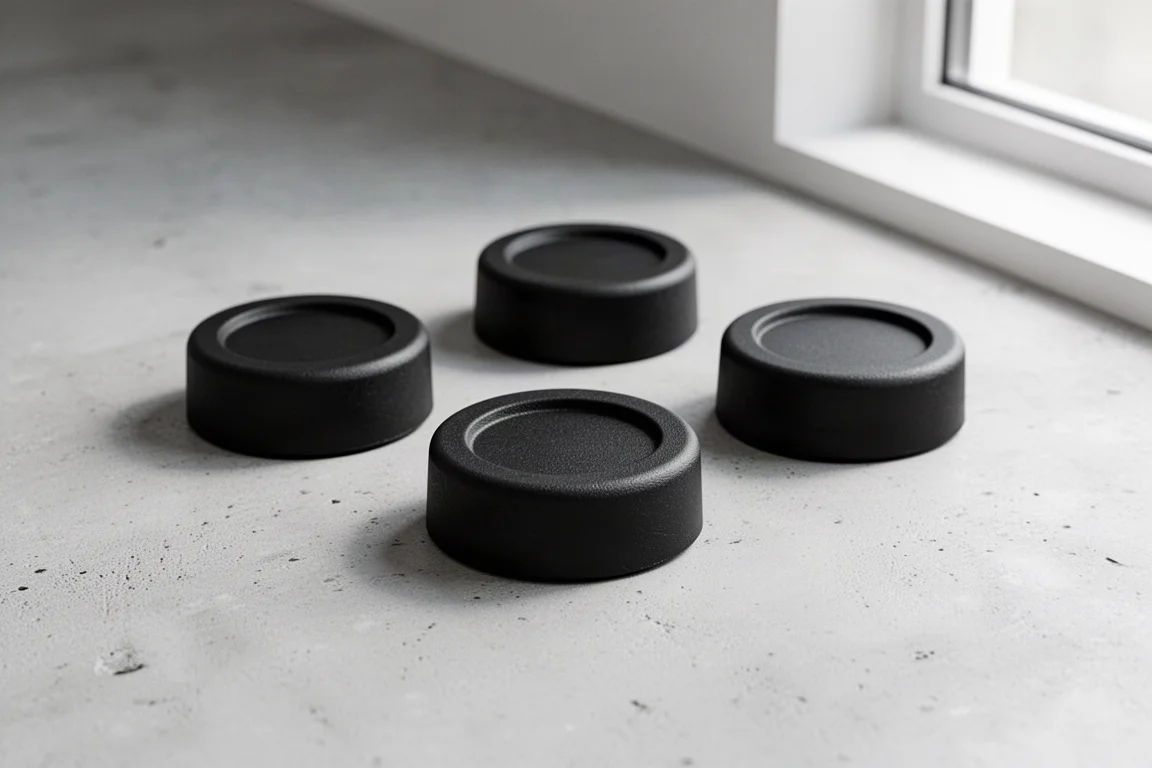
If the Ground-It E is more than you want to spend right now, the Damp-It isolation feet get you part of the way there. They are made from the same TPE material used in the isolation feet on the Evo and Pro versions of the Debut, and that material acts as a filter for frequencies below 500 Hz, reducing the chance of acoustic feedback reaching the turntable.
You place them directly under the existing feet. Centering each one on the stock foot is the only fiddly part of the job. The same caveat applies as with the platform: in a headphone-only system, or with the turntable in a different room from the speakers, the benefit will be small. In most systems you will hear the same kind of improvement the Ground-It E brings, just less of it.
They also work well under speakers positioned close to the turntable, which is a useful extra if your space is tight.
Best Stylus Upgrade: Ortofon 2M Blue
Most Debut models shipped with an Ortofon cartridge, and the 2M Red was the most common. The 2M Red and 2M Blue share the same body and magnet structure, which means the only difference between them is the stylus. Stepping up to the sound of the Blue is a stylus swap rather than a cartridge replacement.
The Blue uses a nude elliptical stylus, mounted directly to the cantilever. That reduces tip mass, which allows the stylus to follow subtler movements in the record grooves. Stylus profiles work on the same principle: the better the tip, the more contact it makes with the record.
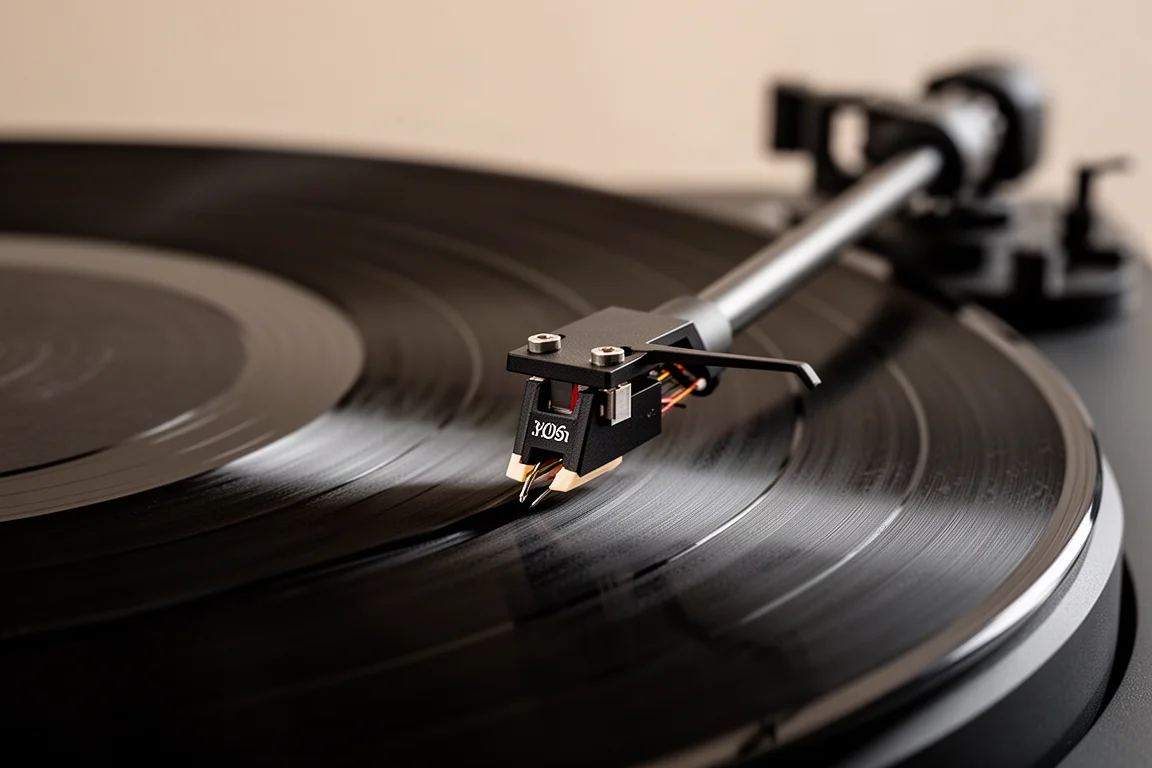
Fitting one takes a little care. The old stylus has to be wiggled loose, then the new one is pushed carefully into place while holding it by its outer edges. Seating the new stylus is easier than removing the old one, but it does need to go on all the way. Expect a greater sense of dynamics and more small detail, the feeling that a veil has been lifted from the music. If you have played around a thousand hours of music, the stylus is due for replacement anyway, which makes the upgrade an easy decision.
Other Debut models were supplied with OM-series or Sumiko cartridges, and those have their own stylus upgrade steps.
Heavier Platter: Pro-Ject Acryl-It
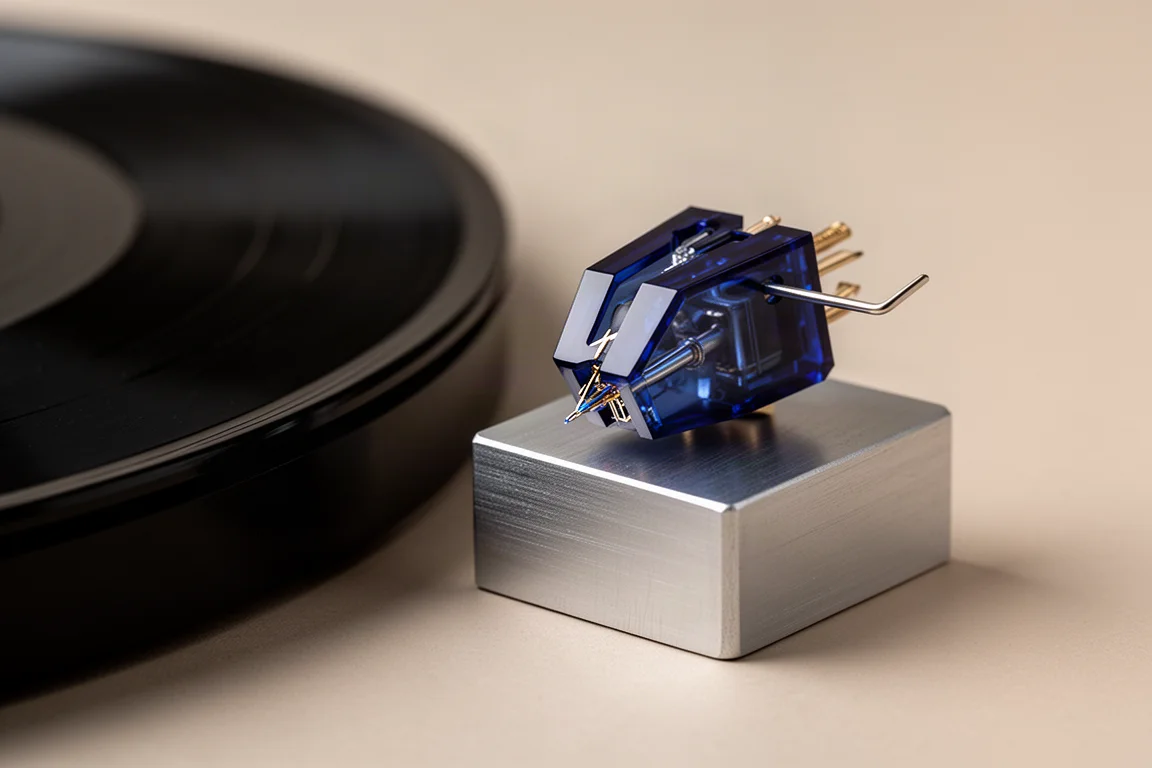
The Acryl-It is an acrylic replacement platter that is heavier and larger in diameter than the stock platter. The extra weight gives it more of a flywheel effect, and the raised outer edge adds more mass still, which helps the platter hold a more consistent speed.
The surface is similar to vinyl, and the recommendation is to use it without any type of mat. Acrylic is an inert material that is almost impervious to picking up vibration, and there is a small indentation in the centre for the record label so the record sits flatter. It is also far easier to clean than a felt mat, which keeps debris from transferring to your records.
Installation is a snap. Lift off the stock platter and mat, then drop the acrylic platter into place. Expect better timing and bass that reaches deeper with more impact.
One exception: the Debut Pro already comes with an excellent platter, so on that model the sub-platter upgrade should come first.
Better Speed Accuracy: Pro-Ject Aluminum Sub-Platter
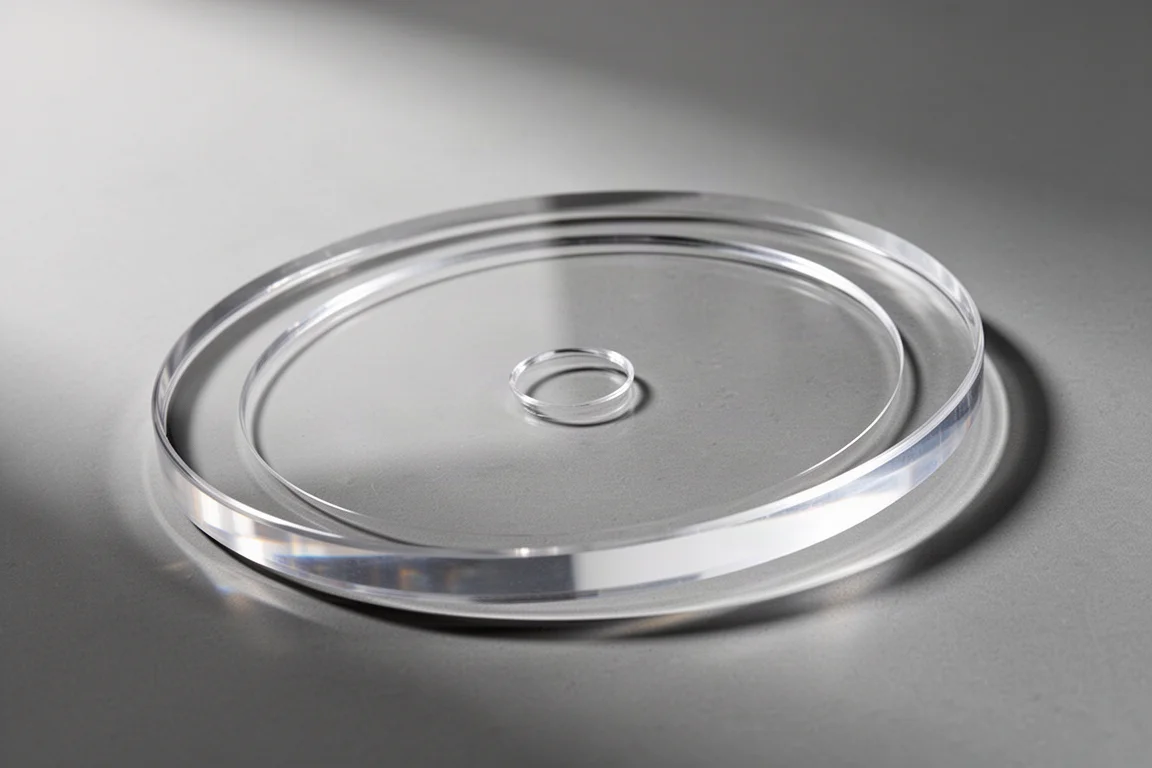
The sub-platter is the part the main platter rests on, and it includes the bearing that sits in the bearing well of the turntable. Replacing the stock composite part with a precision aluminium sub-platter brings two changes. It is machined with a diamond cutting process, so it is made to much tighter tolerances than the standard part, and it is heavier, which adds mass and improves damping.
The swap is straightforward. Remove the outer platter and replace the sub-platter. The technical result is less resonance and better speed accuracy, which shows up as a clearer sense of the tiny dynamic changes that draw you into the music. It is a different route to some of the improvements the Ground-It E brings.
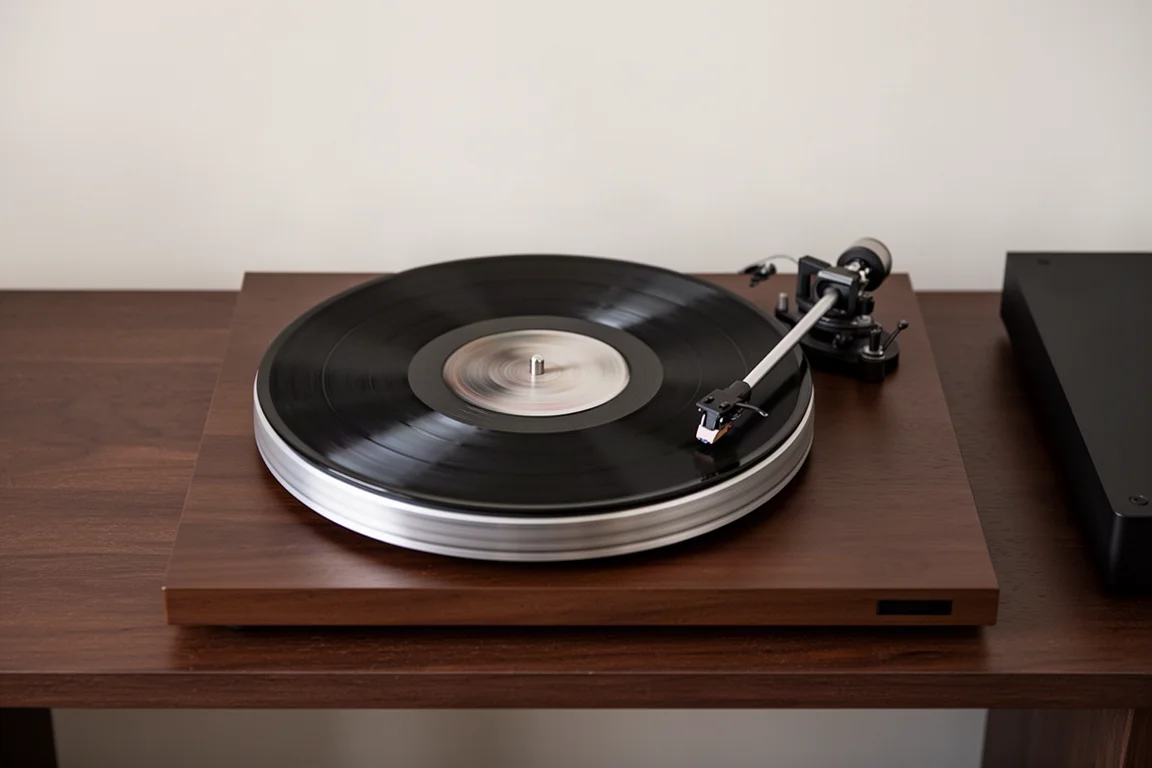
For headphone-focused listening, this is a bigger improvement than any of the isolation options. On a Debut Pro, it is the upgrade to do after the Ground-It E.
Cleaner Power: Pro-Ject Speed Box S2
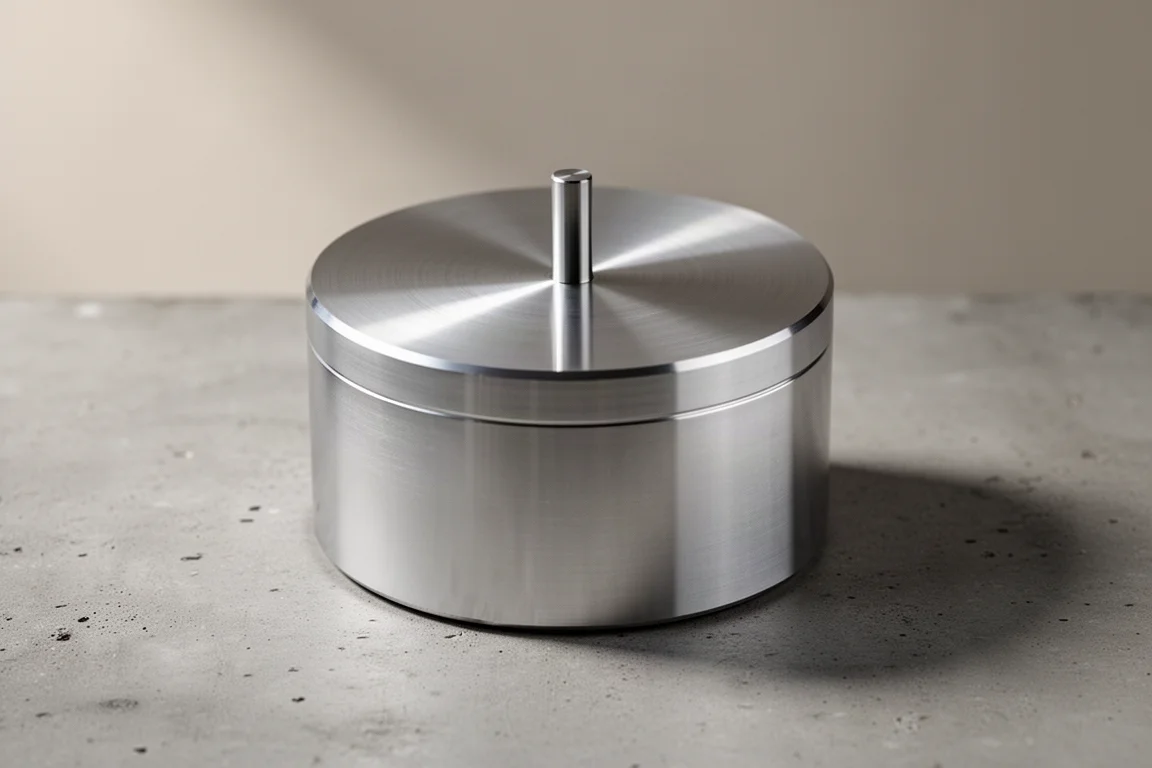
Debut turntables draw power from a small wall-wart supply, and in the world of high-performance turntables external power supplies are taken seriously, with some selling for thousands of dollars. The thinking is straightforward: the better the power reaching the motor, the more consistent the motor speed. Consistent speed translates into a better sense of timing, stronger dynamics, and more separation between instruments.
The Speed Box S2 replaces the wall wart with a more sophisticated external supply. Its circuit is designed to be low noise, with a crystal generator producing an output matched to Pro-Ject turntable motors, and it adds 33 and 45 rpm switching on the front of the unit.
Installation is simple. Remove the wall wart power supply from the turntable, connect the Speed Box S2’s 16 volt feed to the connector on the back of the Debut, then connect the power supply for the unit to the 18 volt input.
Which supply fits depends on the motor. On the back of the turntable, near where the power connects, a small symbol identifies the type: a continuous sine wave indicates an AC motor, and a dashed line indicates a DC motor. Later Debut models moved to a DC motor and carry much of the Speed Box technology internally, so the Speed Box S2 is not the matching part for those, even though they still ship with a basic wall wart.
Quieter Signal Path: Pro-Ject Connect-It RCA CC
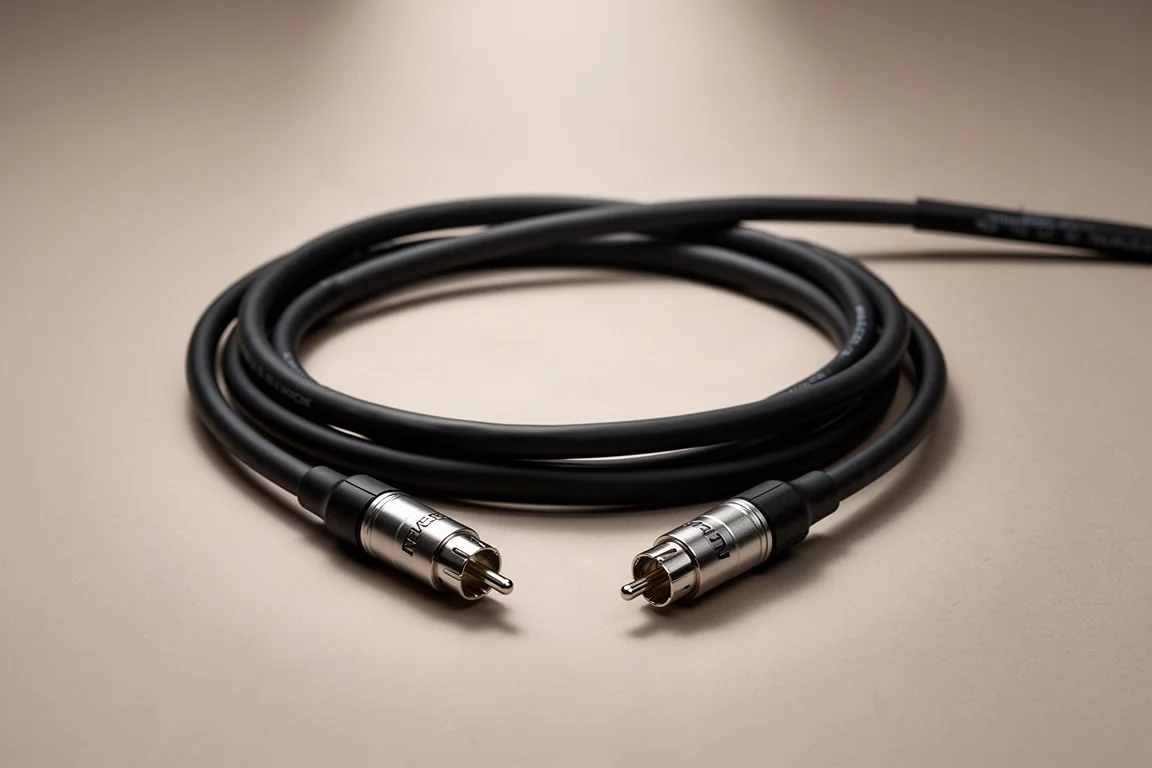
A phono cartridge puts out a very low-level signal, and any noise the cable picks up is amplified along with the music. Pro-Ject’s upgraded phono cables are designed specifically for that job. The RCA CC uses very low capacitance and almost perfect shielding to reject noise from nearby audio components and from the high-frequency radio signals produced by wireless access points and mobile phones.
The cables are handmade in a European factory using high-end parts for the leads, plugs, and dielectric. The design team even ran listening tests on the materials, settling on a 1.23 metre cable length as ideal for transmitting a phono signal.
Installation is simple. Power down the amplifier or phono preamp, remove the old cables, and connect the new ones, paying attention to left and right and attaching the ground wire at both ends. The RCA CC does not include a ground wire, so the original one is reused. A more affordable version of the cable uses less expensive parts and does include a ground wire, and the Debut Evo and Debut Pro already come with that version as standard.
Expect a quieter background and a more open sound, with a wider sense of the space around instruments if your system already throws a good three-dimensional soundstage.
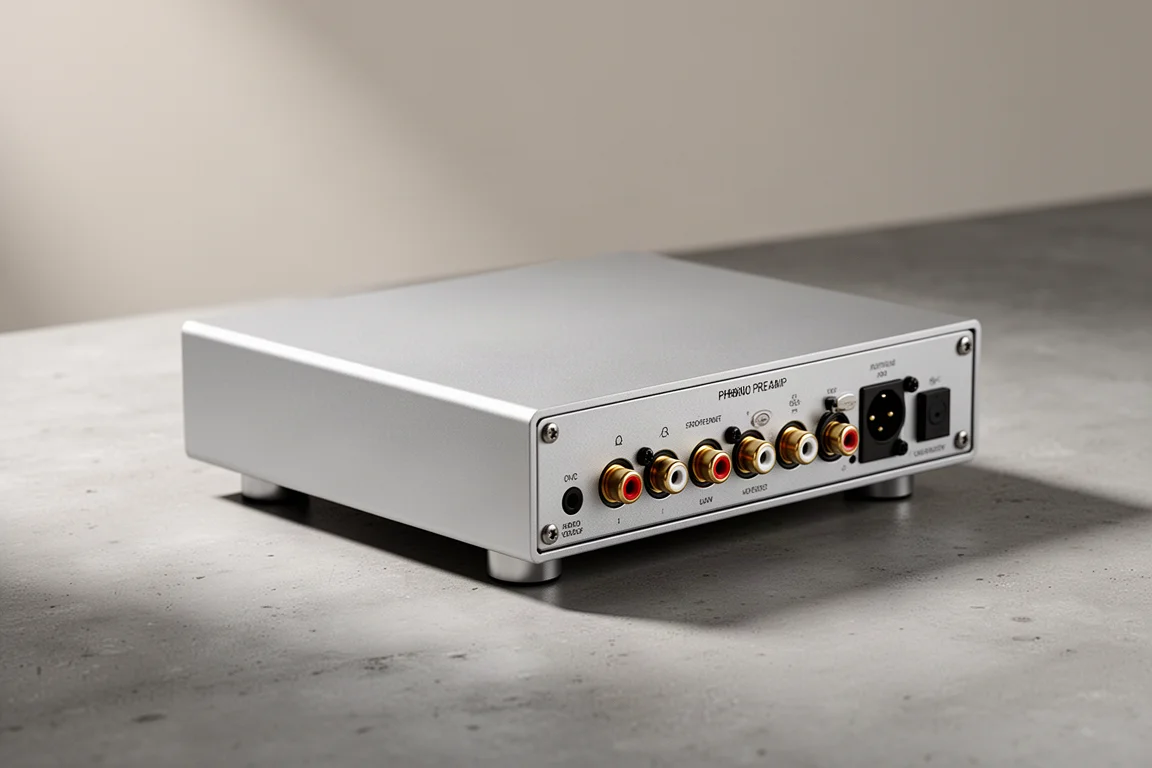
Best Phono Preamp Upgrade: Pro-Ject Phono Box S2
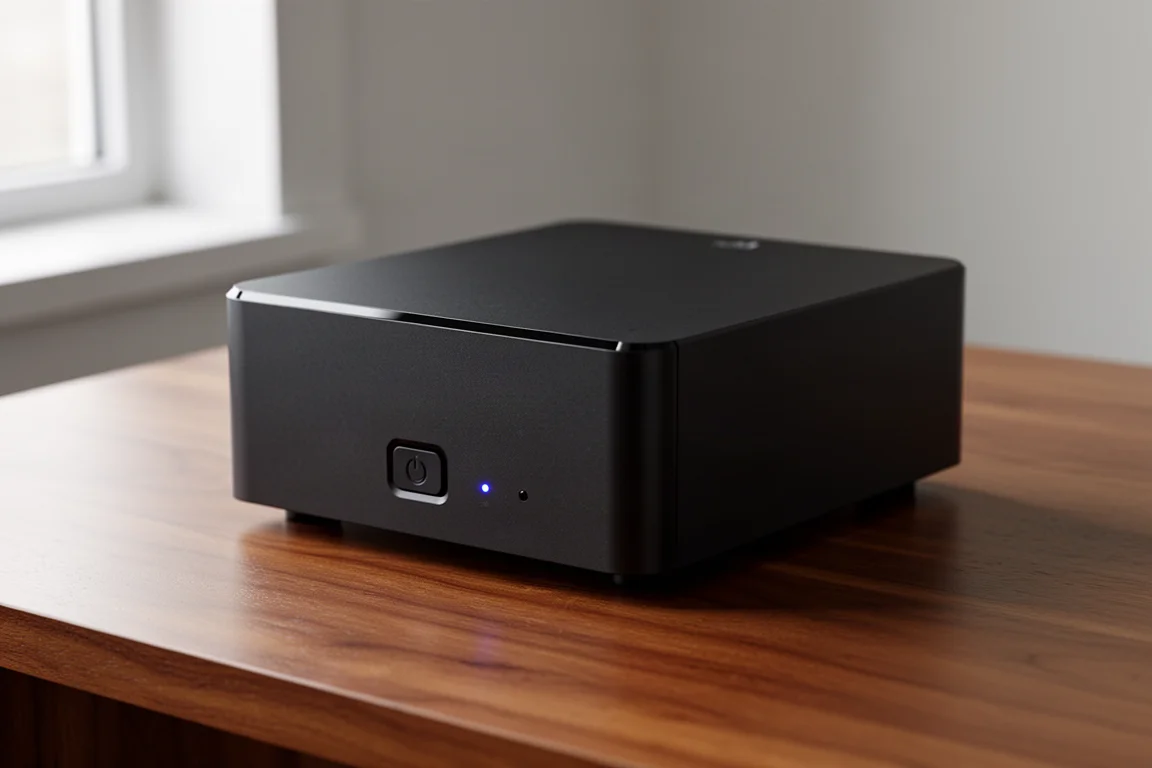
The signal coming out of a cartridge needs an RIAA equalisation circuit before it reaches your amplifier, and the quality of that phono stage can make a large difference to the sound of the whole system. The Phono Box S2 is an external stage with a bank of switches on the underside that let you match it to a moving magnet, high output moving coil, or low output moving coil cartridge.
High quality components are used throughout, and the result is a clean, effortless presentation with more subtle detail coming through. Compared with most built-in phono stages, the improvement in bass is one of the most obvious changes.
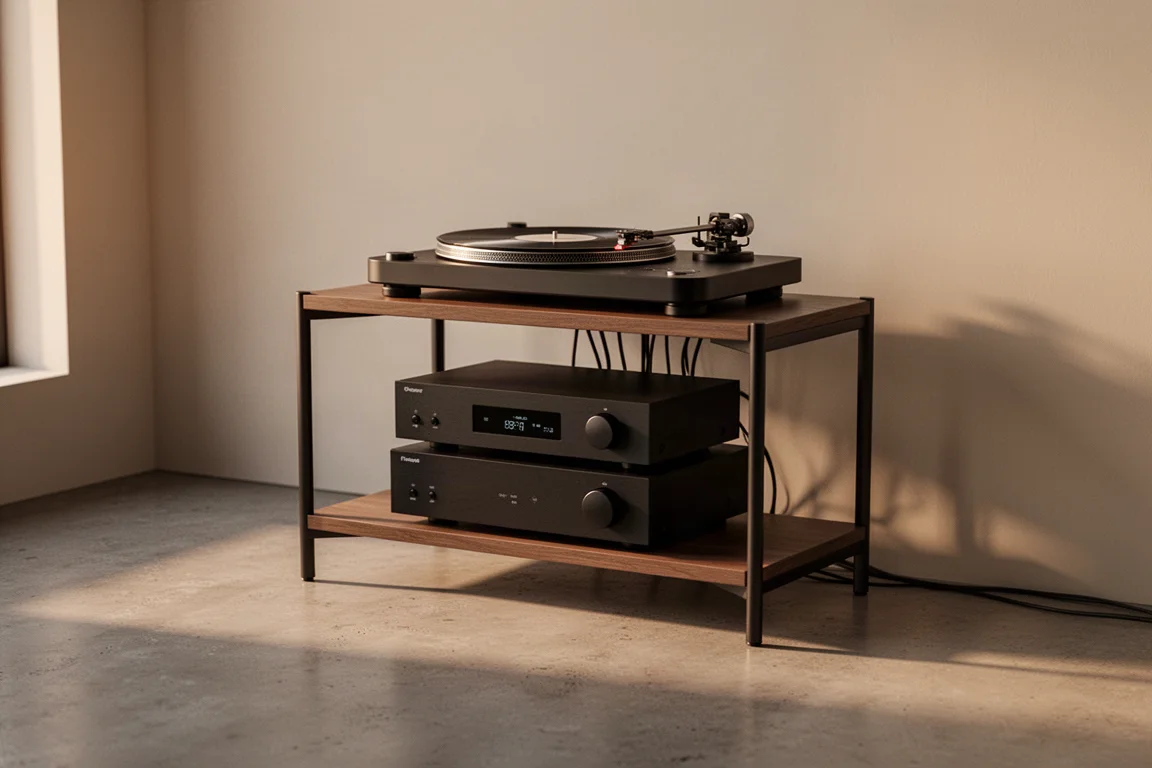
An external stage like this makes the most sense once the mechanical side of the turntable is sorted, since it lets the rest of the system resolve what the other upgrades are doing. If your amplifier has a basic built-in phono input, this is a straightforward way to hear more of what your records hold.
Buying Advice
Order matters as much as the parts themselves. For most Debut owners with full-range speakers, isolation comes first, either the Ground-It E platform or the Damp-It feet. Headphone listeners should move power supply and sub-platter upgrades nearer the top of the list, and Debut Pro owners can skip ahead to the sub-platter because the Pro already has a strong platter.
A few free habits matter as much as hardware. Acoustic feedback arrives as a howling sound, and it becomes more likely the larger your speakers are and the closer they sit to the turntable. Keep the turntable and the speakers off the same shelf, and set the turntable on a solid surface.
Cable routing deserves attention too. Phono cables carry a very low-level signal, so keep them as far as possible from AC power cords. If a phono cable has to cross a power cord, cross at 90 degrees, and never tie the two together for tidiness. Do not extend phono cables either; they are short by design.
Maintenance is inexpensive and worth doing. If your turntable is more than two years old, a new belt and a little oil in the bearing are likely to help, and both are low-cost parts. Records benefit from a proper wet cleaning, which lifts debris out of the grooves and reduces surface noise so individual instruments become easier to follow. The difference between a clean record and a dirty one is like the difference between a dirty window and a clean one, and a cleaner record lets the stylus track deeper into the groove. Once a record has had a wet clean, a record sweeper keeps vinyl clean during playback and removes residue picked up inside the sleeve.
Conclusion
The Debut is a turntable you can grow with. Start with the upgrade that addresses your weakest link: isolation for most speaker-based systems, the sub-platter or the power supply for headphone listening, and the stylus when your current one is worn. From there, the platter, the phono cables, and the phono stage each remove a different limitation, and the cumulative effect is a system that sounds considerably more engaging than the stock setup.
Further reading
Related Reviews
Hi-Fi Audio
Accuphase C-57 vs Allnic H-7000V: Two High-End Phono Stages Compared
A fully balanced solid-state phono stage with a pitch-black noise floor meets a tube design built for well-loved records. Here is how to choose between them.
Hi-Fi Amplifiers
Accuphase E-280 Review: Entry-Level Accuphase With Flagship Attention to Detail
A close look at the Accuphase E-280 integrated amplifier, covering its champagne build, AAVA volume control, sound quality, and the speakers and sources that suit it best.
High-End Audio
Accuphase E-3000 Review: A Class AB Integrated Amplifier Built to Last
The Accuphase E-3000 is the entry point into a legendary Japanese high-end line. Here is how it sounds, how it is built, and who should consider it.